










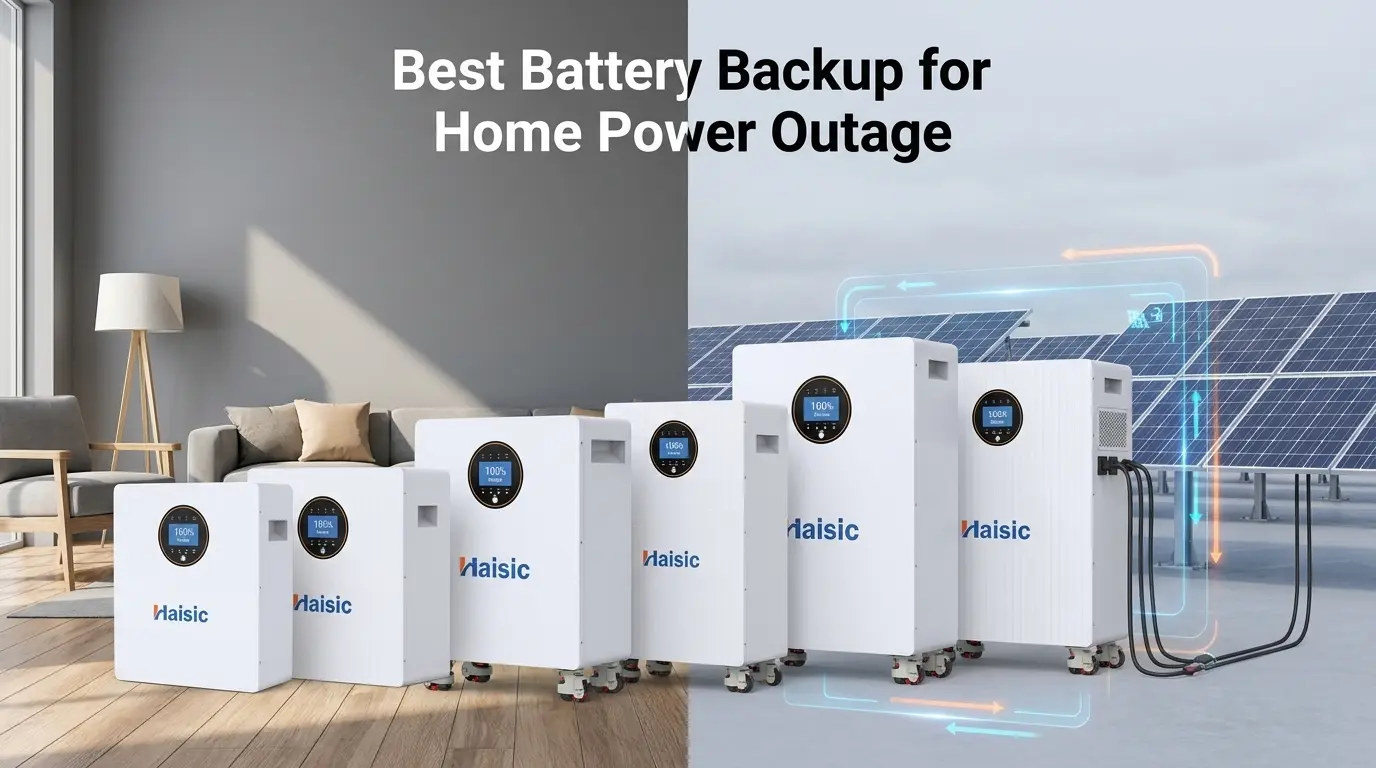
You might already know that extreme weather and grid instability are causing more blackouts than ever…
But how do you choose the best battery backup for home power outage situations?
Well, you\’re in for a treat because I\’ve put together a complete guide to achieving total energy independence.
As an industry expert, I know that investing in the right home energy storage is crucial to keeping your lights on, your food fresh, and your family safe. I\’m going to share advice that goes beyond basic spec sheets, giving you guidance based on real manufacturing and technical experience.
In this post, you\’re going to learn exactly how to evaluate battery capacity, why certain battery chemistries outperform others, and how to size the perfect system for your specific household needs.
So if you\’re looking to ditch the noisy gas generator and protect your home with seamless, reliable power, this guide is for you.
Let\’s dive right in.
Why Choose Battery Backup Over Traditional Generators?
When the grid goes down, the sudden darkness brings immediate stress. Spoiled groceries, disconnected Wi-Fi, and failing medical equipment are real threats to your family\’s safety. For decades, homeowners relied on loud, gas-guzzling generators to bridge the gap. Today, the best battery backup for home power outage offers a smarter, cleaner, and far more reliable solution.
As energy storage battery manufacturers, we see firsthand why modern residential energy storage systems (RESS) are rapidly replacing outdated mechanical generators. The technology solves real-world blackout problems without the traditional headaches.
Battery Backup vs. Traditional Generators
| Feature | Traditional Gas Generator | Home Battery Backup |
|---|---|---|
| Startup Time | Minutes (Manual start or delay) | Instant (Seamless transition) |
| Maintenance | High (Oil changes, fuel stabilizers) | Zero (Set it and forget it) |
| Noise Level | Extremely Loud (70dB+) | Completely Silent |
| Emissions | Toxic Exhaust (Outdoor only) | Zero (Safe for indoor use) |
| Daily Value | None (Sits idle until an outage) | High (Lowers daily power bills) |
The Core Advantages of Home Energy Storage
- Instant Cut-over: When the grid fails, you won\’t even notice. Built-in Uninterruptible Power Supply (UPS) functionality ensures a seamless transition. Your lights stay on, your Wi-Fi stays connected, and your desktop computers don\’t crash.
- Zero Maintenance: Forget about storing dangerous, highly flammable fuel or servicing moving mechanical parts. Batteries mount quietly to your wall or sit in your garage, ready exactly when you need them, requiring absolutely no physical upkeep.
- Eco-Friendly & Silent: Enjoy peace of mind without the noise pollution. Because there are zero emissions, these systems are completely safe for indoor operation.
- Smart Energy Management: A home battery works for you every single day. By using stored energy during expensive, high-rate evening hours—a strategy known as peak shaving—you actively lower your daily electricity bills. It is an investment that pays you back daily, not just during emergencies.
Key Metrics: Evaluating the Best Battery Backup for Home Power Outages
When investing in a residential energy storage system (RESS), understanding the spec sheet is crucial. As energy storage battery manufacturers, we recommend looking closely at five key metrics to ensure you get the best battery backup for home power outages.
Essential Battery Specifications
- Capacity (kWh): This tells you how much energy the battery stores. Pay attention to usable capacity rather than just total capacity. Measured in Kilowatt-hours (kWh), this metric determines exactly how long your lights, Wi-Fi, and refrigerator will stay on during a blackout.
- Power Rating (kW): While capacity is about duration, the power rating dictates how many appliances you can run simultaneously. You need to evaluate both continuous power (for steady, ongoing loads) and peak power (the short burst of energy needed to start heavy motors like well pumps or AC units).
- Depth of Discharge (DoD): This indicates how much of the battery\’s capacity can be used safely without degrading the cells. A higher Depth of Discharge (DoD) means you get more usable energy per charge, which directly maximizes the cycle life of the unit.
- Round-Trip Efficiency: No system is 100% efficient. Round-trip efficiency measures the energy lost during the charging and discharging process. A higher percentage means more of the power you store is actually available for your home to use.
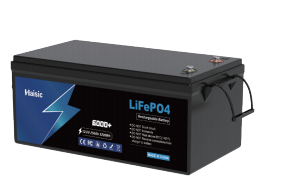
- Battery Chemistry: The internal materials define the safety and longevity of the unit. We utilize Lithium Iron Phosphate (LiFePO4) because it is the absolute gold standard for home safety, thermal stability, and long-term performance. When upgrading your property, choosing a reliable home lithium battery storage solution based on LiFePO4 chemistry ensures maximum durability.
Evaluating these core metrics guarantees your lithium battery storage system will perform exactly when you need it most, providing a robust emergency power supply without unexpected failures.
Sizing Your System: What Do You Actually Need to Power?
Finding the best battery backup for home power outage situations starts with understanding your actual energy consumption. You do not want to overpay for capacity you will never use, nor do you want a system that drains completely within the first hour of a blackout. To get it right, we break sizing down into two main categories based on what you need to keep running.
The \”Essentials\” Tier (5kWh – 10kWh)
If your goal is simply to ride out a short-term grid failure safely, an essentials-only setup is the most cost-effective route. A 5kWh to 10kWh residential energy storage system easily handles critical loads.
By setting up a reliable battery bank backup for home, you can comfortably power:
- Lighting: Keep a few LED lights on in main living areas.
- Communication: Run your Wi-Fi router, laptop, and charge mobile phones.
- Food Preservation: Keep your primary refrigerator running to prevent food spoilage.
- Basic Comfort: Operate small fans or a CPAP machine overnight.
The \”Whole-Home\” Tier (20kWh+)
For true energy independence and zero compromise on your lifestyle during extended blackouts, a whole-house battery backup is required. These larger systems, starting at 20 kilowatt-hours (kWh) and scaling up, are built to handle high continuous power and heavy surge loads.
A whole-home system allows you to operate:
- Climate Control: Central HVAC systems, air conditioners, and heavy space heaters.
- Water Systems: Well pumps and electric water heaters.
- Large Appliances: Electric ovens, stovetops, washers, and dryers.
- Complete Home Coverage: Everything in the essentials tier, plus all standard wall outlets.
Calculating Your Load
Determining your exact capacity needs does not require an engineering degree. Use this simple step-by-step formula to calculate your household load:
- List Your Devices: Write down every appliance and device you absolutely need to run during an outage.
- Find the Wattage: Check the manufacturer label on each device to find its power draw in Watts.
- Estimate Running Time: Multiply the wattage of each device by the number of hours you expect to use it daily. (For example, a 150W fridge running for 8 hours = 1,200 Watt-hours).
- Calculate Total kWh: Add up the total daily Watt-hours for all devices and divide by 1,000. This gives you your baseline kilowatt-hours (kWh) requirement.
Always add a 20% to 30% buffer to your final calculation. This extra capacity accounts for smart load management inefficiencies, battery depth of discharge limits, and unexpected power surges when heavy motor appliances turn on.
Top Configurations for Home Power Resilience
Finding the best battery backup for home power outage situations means matching the right hardware configuration to your property. As energy storage battery manufacturers, we know that a one-size-fits-all approach does not work for residential power. Depending on your current setup and location, your system will generally fall into one of three main configurations.
AC-Coupled vs. DC-Coupled Systems
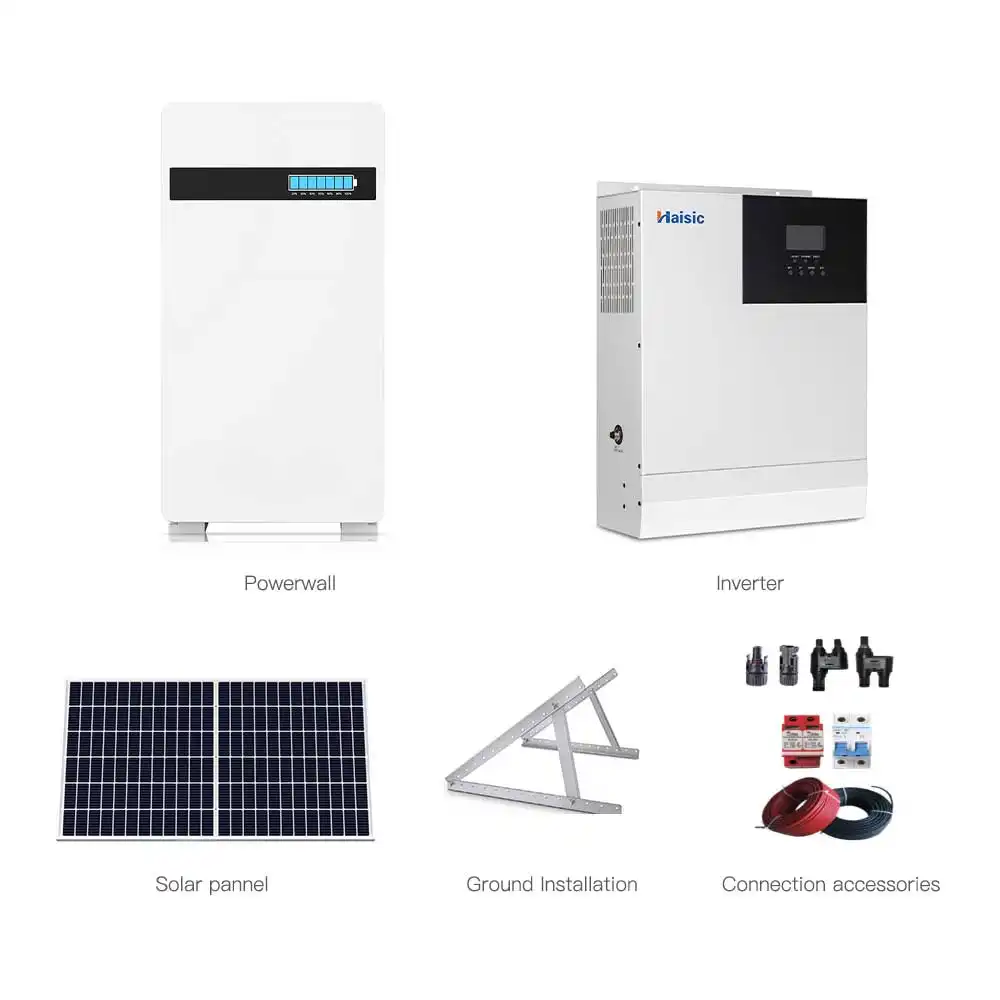
If you plan to integrate your backup power with solar panels, you need to decide how the battery connects to the system.
- AC-Coupled Systems: This is the go-to choice if you already have solar panels on your roof. The battery gets its own dedicated inverter. It is much easier to retrofit into an existing solar array because you do not have to rewire your current setup.
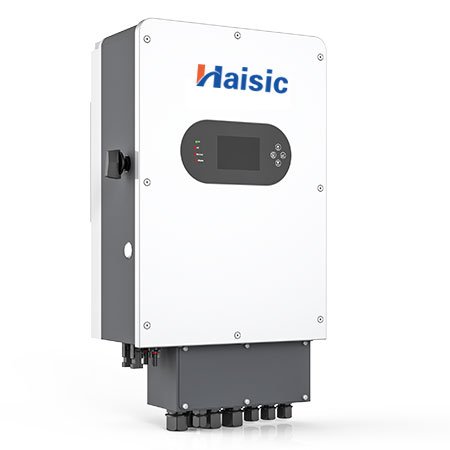
- DC-Coupled Systems: This is the most efficient route for brand-new installations. Both the solar panels and the battery share a single hybrid inverter. This minimizes energy loss during the charging process.
When you prepare to install a home battery system, evaluating your existing solar infrastructure is the first step in choosing between AC and DC coupling.
Grid-Tied with Backup
This is the most popular configuration for suburban and urban homeowners. A grid-tied system keeps your house connected to the local utility grid while providing a dedicated emergency power supply.
- Continuous Protection: The system monitors the grid and instantly takes over when a blackout hits.
- Financial Benefits: You can still participate in net metering programs, selling excess solar power back to the utility company.
- Peace of Mind: You rely on the grid for heavy daily usage but maintain a robust household battery backup to keep your essentials running during severe weather or rolling blackouts.
Off-Grid Capability
For remote locations or homeowners who want absolute energy independence, an off-grid setup is the ultimate solution.
- Total Autonomy: You are completely disconnected from the utility company. You generate, store, and consume 100% of your own power.
- System Requirements: This requires a highly robust residential energy storage system (RESS) with massive capacity and a large solar array to ensure your home stays powered through consecutive cloudy days.
- No Power Bills: While the upfront investment is higher, you eliminate monthly electricity bills and grid vulnerability entirely.
Why Haisic is a Top Contender for Home Energy Storage
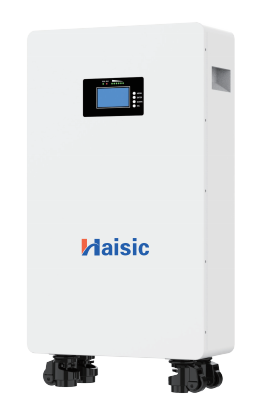
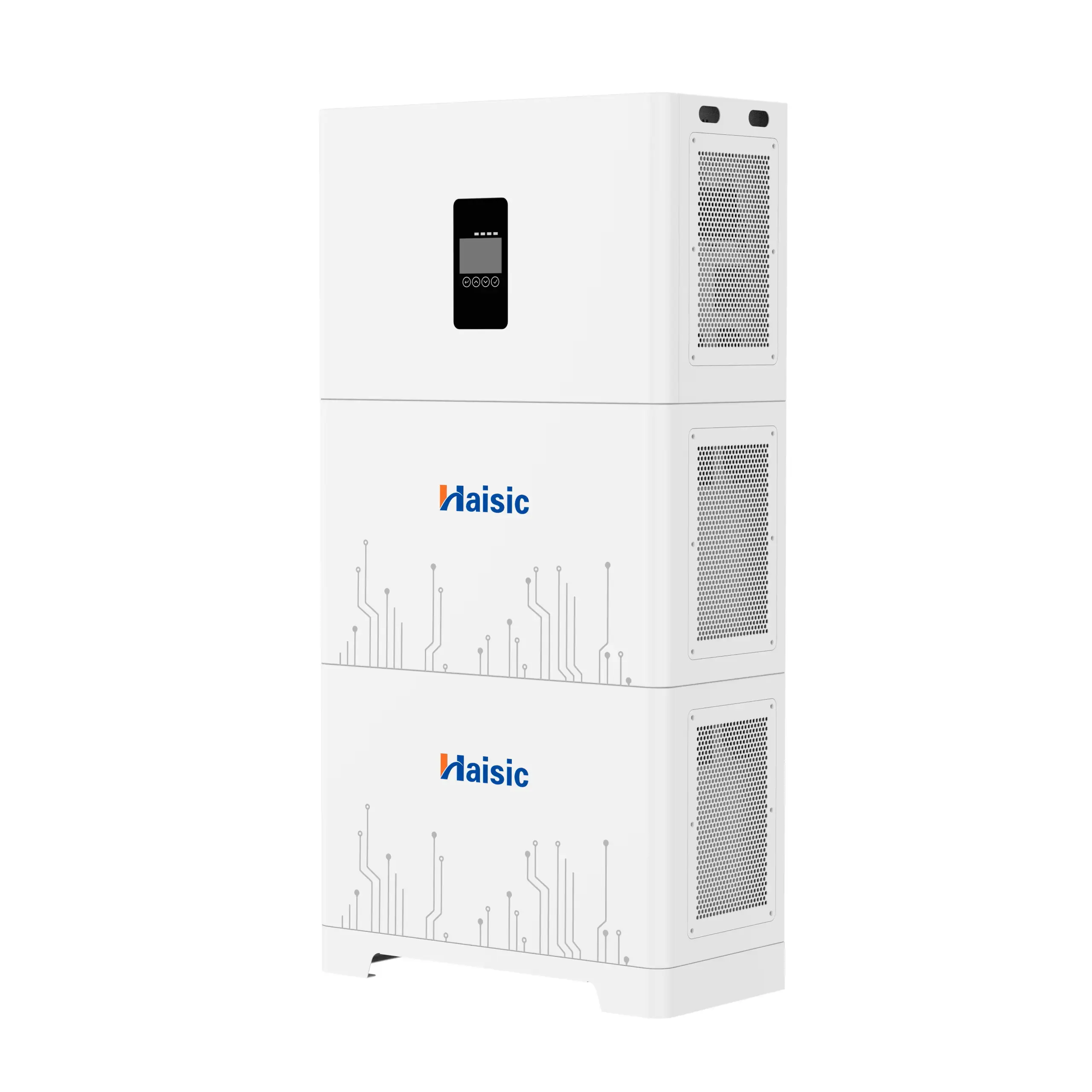
When searching for the best battery backup for home power outage protection, Haisic stands out by combining industrial-grade engineering with residential-friendly design. As a direct manufacturer and supplier, we eliminate the middleman, ensuring that every unit meets rigorous quality control standards while utilizing the latest advancements in Lithium Iron Phosphate (LiFePO4) technology.
Choosing Haisic means investing in a system built for long-term resilience and adaptability. Our energy solutions are designed to handle the unpredictable nature of grid failures while providing a modern, user-centric experience.
Direct Manufacturer Advantage
We maintain complete oversight of the production process. By managing everything from cell sorting to final assembly, we guarantee that our home battery systems use only A-grade LiFePO4 cells. This direct-from-factory approach allows us to implement cutting-edge safety features and high-efficiency thermal management systems that third-party assemblers often overlook.
Scalable Modular Design
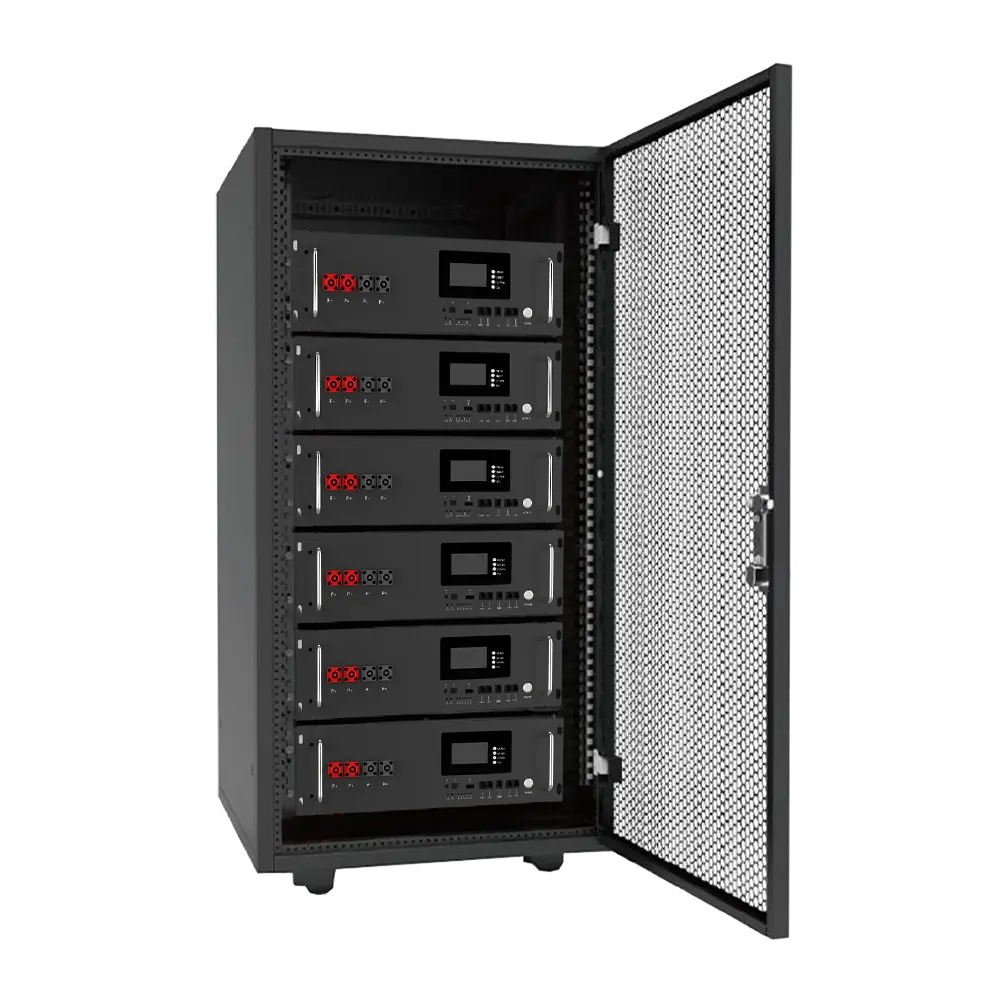
Your energy needs today might not be the same in five years. Haisic systems feature a modular architecture, allowing homeowners to start with a modest setup and expand as their requirements grow. Whether you are looking for a compact solar battery bank for home use or a massive multi-stack array for a large estate, our \”plug-and-play\” modules make scaling simple and cost-effective.
Universal Inverter Compatibility
A major pain point in home energy storage is equipment mismatch. We have engineered our battery management systems (BMS) to offer seamless integration with the world’s leading inverter brands. This ensures that whether you are retrofitting an existing solar array or building a new 12kW solar system with battery storage, the communication between the battery and the power electronics is flawless.
Engineered for Extreme Durability
Haisic batteries are a long-term asset, not a short-term fix. Our systems are rated for:
- 6000+ Deep Cycles: Even with daily use, the battery maintains high capacity for over a decade.
- 10+ Year Service Life: Designed to outlast traditional lead-acid and standard lithium-ion alternatives.
- Smart BMS Protection: Integrated software prevents overcharging, deep discharge, and overheating, preserving the health of the cells.
- High Efficiency: Minimal energy loss during the charge and discharge process, ensuring you get the most out of every kilowatt-hour stored.
Installation & Maintenance Considerations
Choosing the best battery backup for home power outage is only half the process. Proper installation and understanding local regulations ensure your system runs safely and efficiently for years. As a manufacturer, we see firsthand how correct setup directly impacts battery lifespan and overall performance.
Indoor vs. Outdoor Placement
Where you mount your battery matters. While modern units are highly durable, environmental factors play a massive role in longevity.
- Temperature Sensitivity: Lithium batteries perform best in moderate, climate-controlled environments. Basements, utility rooms, or insulated garages are the ideal locations to maximize cycle life.
- IP Ratings: If you must install the unit outside, check the Ingress Protection (IP) rating. An IP65 rating or higher is mandatory to protect the internal components from dust, moisture, and heavy rain.
Permitting and Incentives
Installing a home energy storage system often qualifies for significant financial perks, drastically lowering your upfront investment.
- Tax Credits: In the US, the Federal Investment Tax Credit (ITC) allows homeowners to deduct a substantial percentage of the battery and installation costs from their taxes.
- Local Rebates: Many state governments and local utility companies offer additional rebates for adding battery storage, especially if your setup helps stabilize the local power grid.
- Permits: Your local municipality will require specific electrical permits and safety inspections before the system can legally go live.
Professional Installation
We strongly advise against DIY installations for any residential energy storage system (RESS).
- Safety First: You are dealing with high-voltage electricity. A simple wiring mistake can lead to severe injury, equipment damage, or electrical fires.
- Code Compliance: A certified solar installer or licensed electrician ensures your setup meets all strict local building and electrical codes.
- Warranty Protection: Most manufacturers require proof of professional installation to validate the warranty. Whether you are setting up an off-grid unit or integrating it into a complex grid-tied system, hiring a professional guarantees the system operates exactly as intended.
FAQs: Best Battery Backup for Home Power Outage
Finding the right energy solution involves answering a few practical questions. Here are the most common concerns homeowners have when selecting the best battery backup for home power outage protection.
How long can a battery backup power a house during an outage?
The duration depends entirely on your total energy consumption and the battery\’s usable capacity.
- Essential Loads: A 10kWh battery can typically power lights, a refrigerator, and Wi-Fi for 24 hours or more.
- Whole-Home Loads: If running heavy appliances like electric ovens or heaters, the same battery might only last 3 to 5 hours.
- Pro Tip: To extend runtime, prioritize essential circuits and avoid high-wattage appliances until the grid returns.
Can I run my central AC on a battery backup?
Yes, you can run a central air conditioner, but it requires a system with a high peak power rating to handle the initial \”startup surge.\” Most modern lithium systems can manage this, especially when paired with a high-performance pure sine wave power inverter that ensures stable voltage for sensitive HVAC compressors.
How much does a whole-house battery backup system cost?
The investment typically ranges from $8,000 to $20,000+, depending on the storage capacity (kWh) and installation requirements. While the upfront cost is higher than a gas generator, the lack of fuel costs and minimal maintenance make it more cost-effective over a 10-year period. As a premium energy storage system manufacturer, we provide modular options that allow you to scale your capacity over time to fit your budget.
Do I need solar panels to use a home battery backup?
No, solar panels are not a requirement. You can install a \”grid-only\” backup system that charges from your wall outlets when the power is on. This allows you to:
- Store cheap energy: Charge during off-peak hours when electricity rates are lowest.
- Emergency Ready: Keep a full reserve specifically for unexpected blackouts.
- Future Proofing: You can always add solar panels later to achieve true energy independence.
| Feature | Battery Backup | Traditional Generator |
|---|---|---|
| Noise Level | Silent | Very Loud |
| Maintenance | Zero | Frequent (Oil/Fuel) |
| Indoor Safe | Yes | No (Exhaust Fumes) |
| Switch Time | Instant (UPS) | Manual or 10-30 Seconds |
| Fuel Source | Electricity/Solar | Gasoline/Propane/NG |