











The Current Market Landscape: How Much Does a Home Battery Cost?
As an energy storage battery manufacturer, the most common question I hear from homeowners is straightforward: what is the actual home grid battery price? People want transparent numbers, not sales spin. Let\’s break down the realistic costs of a modern Energy storage system (ESS) so you know exactly what to expect.
Average Price Ranges by Capacity
The sticker price of a battery depends entirely on its storage capacity. Here is a realistic look at current hardware costs based on battery size:
| System Capacity | Average Hardware Price | Best Use Case |
|---|---|---|
| 5kWh | $2,500 – $4,000 | Basic backup for essential loads (lights, fridge). |
| 10kWh | $5,000 – $8,000 | The standard sweet spot for most average-sized homes. |
| 15kWh+ | $7,500 – $12,000+ | Heavy energy users or complete whole-home backup. |
Kilowatt-Hour (kWh) Cost
To accurately compare value across different brands, we rely on the Kilowatt-hour (kWh) cost. This is the true industry standard for measuring value.
You calculate this by dividing the total battery cost by its usable capacity. For example, a $6,000 battery with a 10kWh capacity has a cost of $600 per kWh. Using this metric strips away marketing noise, allowing you to directly compare a premium-priced brand against a direct-from-manufacturer option on a level playing field.
The \”All-In\” Cost vs. Hardware Only
The biggest point of confusion regarding the home grid battery price is the gap between the hardware price and the final installed cost.
- Hardware Only: This is just the physical battery unit.
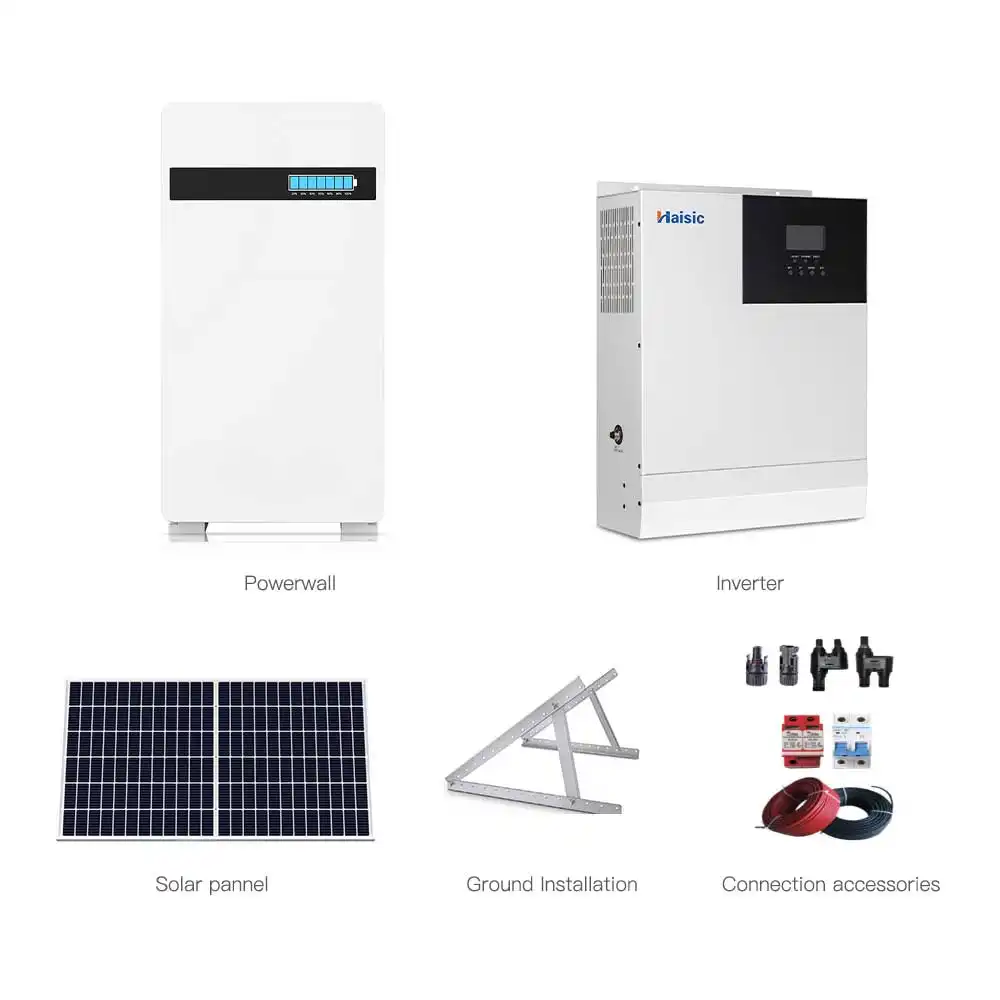
- The \”All-In\” Cost: This includes the battery, a hybrid inverter (if needed), permitting fees, and installation labor costs.
The reality is that labor, permits, and balance-of-system components can easily add $2,000 to $5,000 to your total bill. When budgeting for your solar battery backup, always demand a fully installed, \”all-in\” quote. This ensures you understand the true financial commitment before the installation crew ever steps foot on your property.
Key Components Influencing the Home Grid Battery Price
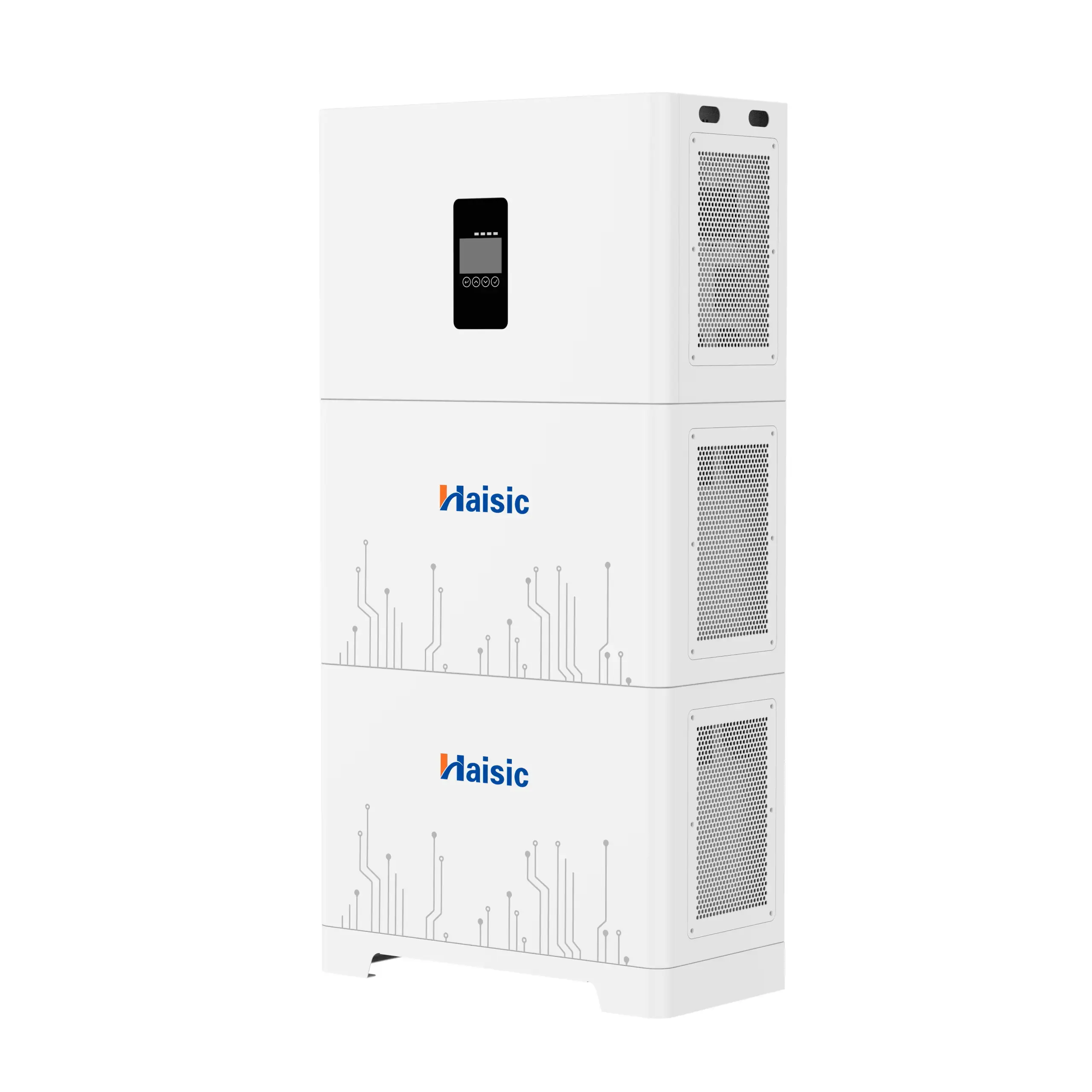
When evaluating a solar battery backup, the upfront sticker cost only tells half the story. Several technical components directly impact the final home grid battery price and determine the long-term value of your energy storage system (ESS).
Battery Chemistry: LiFePO4 vs. NMC
The materials inside your battery dictate its lifespan, safety, and cost. The industry primarily uses two types: Lithium Iron Phosphate (LiFePO4/LFP) and Nickel Manganese Cobalt (NMC). At Haisic, we exclusively manufacture LiFePO4 batteries. While NMC batteries might seem competitive initially, LFP offers superior thermal stability (eliminating fire risks) and lasts significantly longer, making it the smarter financial choice.
Inverter Requirements
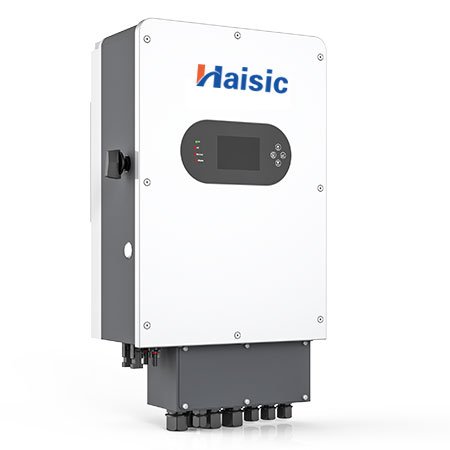
Your battery needs an inverter to convert stored DC power into usable AC power for your house.
- Integrated (AC-coupled): Easier to retrofit into existing solar setups, but often carries a higher equipment cost.
- External (DC-coupled): Highly efficient for new installations. Pairing your system with a reliable grid-tie solar inverter ensures seamless energy conversion and keeps overall hardware expenses manageable.
Capacity (kWh) vs. Power Rating (kW)
It is crucial to understand exactly what you are paying for when sizing your system:
- Capacity (kWh): How much total energy the battery stores. A higher kWh means you can run your home longer during a grid outage.
- Power Rating (kW): How much energy the battery delivers at one time. A higher kW rating lets you run heavy appliances like HVAC units or well pumps simultaneously.
Cycle Life and Depth of Discharge (DoD)
Instead of just looking at the initial retail cost, calculate the Levelized Cost of Storage (LCOS) or \”cost per cycle.\” A battery with a high Depth of Discharge (DoD) allows you to safely use more of its stored energy without damaging the internal cells. A high cycle life means the battery will last thousands of charges and discharges before degrading. Investing in a durable home solar battery backup drastically lowers your true cost over the next 10 to 15 years.
Component Impact Breakdown
| Component | What It Determines | Impact on Overall Price |
|---|---|---|
| Chemistry (LiFePO4) | Safety and lifespan | Higher upfront, but lowest cost per cycle |
| Inverter Type | Compatibility and efficiency | Varies based on hybrid vs. standalone setups |
| Capacity (kWh) | Total backup duration | Direct multiplier of total system cost |
| Cycle Life & DoD | Long-term ROI | Higher DoD yields better long-term financial value |
The \”Hidden\” Costs of Installation
When evaluating the home grid battery price, the sticker price of the hardware is only part of the equation. As energy storage battery manufacturers and suppliers, we always advise our customers to factor in the necessary installation expenses to avoid budget surprises.
Installation Labor Costs and Permitting
Getting your system safely connected to the grid requires professional electricians and local approvals.
- Labor Rates: Electrical labor rates vary significantly depending on your local market and the complexity of the job.
- Permits: Local building codes dictate specific permitting fees, fire safety compliance, and final inspections. These administrative and physical labor requirements are unavoidable and directly impact your bottom line.
Main Panel Upgrades
Many existing homes are not immediately ready for a modern energy storage system. If your current electrical setup cannot handle the additional load, you will need a main panel upgrade. This \”heavy-up\” ensures your home grid operates safely and efficiently, but it remains a major variable when calculating the true cost of home battery integration.
Smart Load Management Systems
To maximize your investment and extend battery life, you need intelligent software to control the flow of power.
- Monitoring Tools: Apps and digital dashboards that track energy production and consumption in real-time.
- Optimization Software: Automated systems that manage grid usage to save money during peak hours.
While these smart energy management systems are vital for long-term savings and efficiency, the required communication hubs, sensors, and software setups add to the initial installation cost.
Financial Incentives: Reducing the Effective Price
While the initial home grid battery price might seem significant, federal and local incentives drastically lower the net investment. These programs are designed to accelerate the adoption of clean energy by putting money back into your pocket.
Federal Tax Credits (ITC)
The most impactful savings come from the Federal Solar Tax Credit (Residential Clean Energy Credit). Currently, homeowners can claim a 30% tax credit on the total cost of their energy storage system. This credit applies to:
- The cost of the battery hardware.
- Labor costs for onsite preparation, assembly, or original installation.
- Permitting and inspection fees.
This 30% reduction applies directly to your federal tax liability, effectively cutting the home grid battery price by nearly a third.
State-Specific Rebates and Local Programs
Depending on your location, state-level incentives can be stacked with federal credits. Programs like California’s Self-Generation Incentive Program (SGIP) provide upfront rebates that vary based on your utility provider and income level. Many other states offer sales tax exemptions or property tax exclusions for adding energy storage, ensuring that your property value increases without your tax bill following suit.
Net Metering 3.0 and Peak Shaving
As a professional energy storage system manufacturer, we have seen a shift in how batteries provide value. With the transition to Net Metering 3.0, the credits you receive for exporting solar energy to the grid have dropped significantly.
A home grid battery allows for peak shaving—storing energy when it is cheap (or free from your panels) and using it when grid rates are at their highest. By avoiding expensive \”Time-of-Use\” rates, the battery pays for itself much faster than through simple backup power alone. This strategic energy management mitigates the loss of traditional solar export credits and maximizes your long-term ROI.
ROI Analysis: Is a Home Grid Battery Worth It?
Calculating the return on investment for a home grid battery price involves more than just looking at the initial hardware cost. To determine if the investment makes sense for your household, you must evaluate how the system interacts with your local utility rates and your specific energy needs.
Time-of-Use (TOU) Arbitrage
Many utility companies now implement Time-of-Use (TOU) rates, where electricity prices skyrocket during peak evening hours. A home battery allows you to perform \”energy arbitrage\”—charging the battery when rates are low (or via solar) and discharging it when grid prices are at their highest. This strategy directly slashes your monthly utility bills and accelerates the system\’s payback period.
Backup Power and Peace of Mind
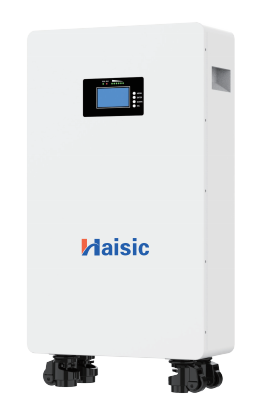
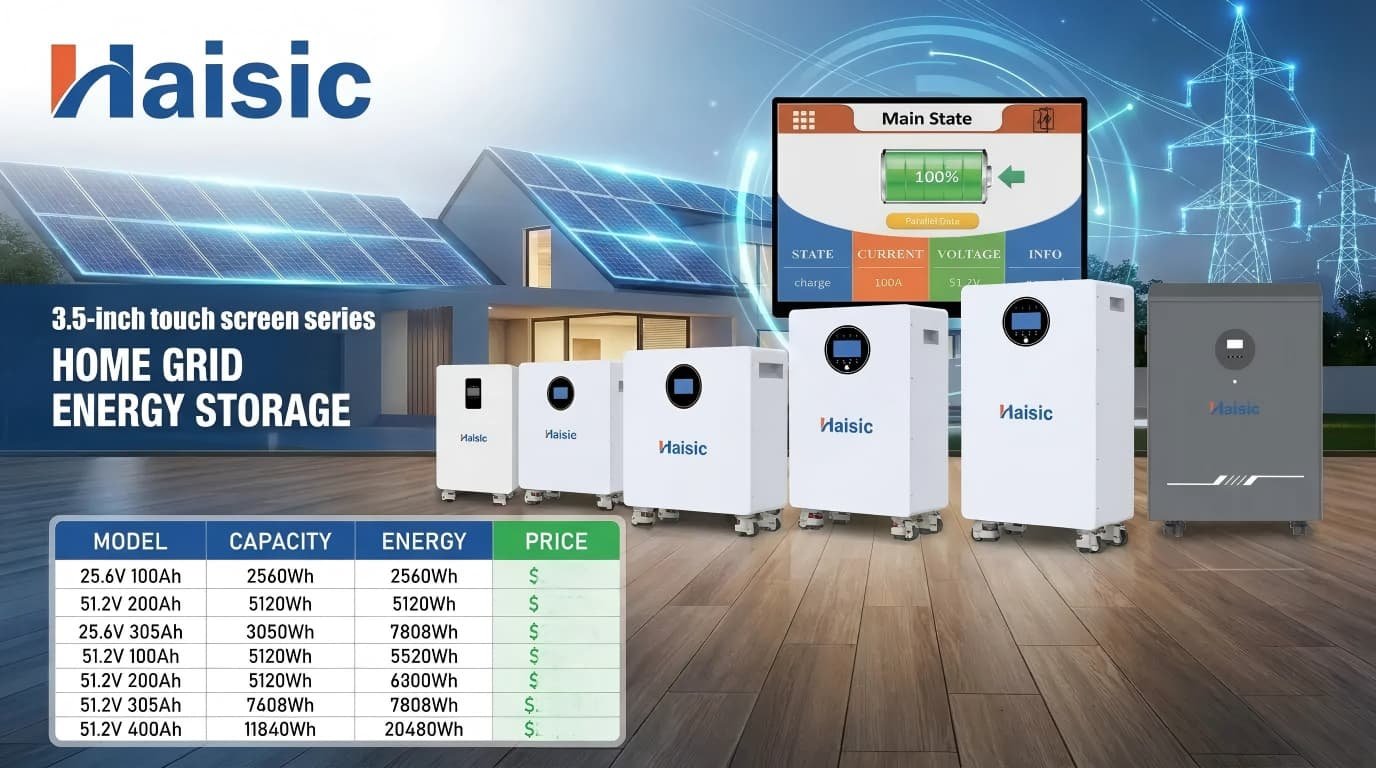
There is an \”intangible\” value to having a reliable solar battery backup during grid outages. While it is difficult to put a specific dollar amount on preventing food spoilage or keeping medical equipment running, the security of having an uninterrupted power supply is a primary driver for many homeowners. Our high-capacity 51.2V 305Ah home energy battery is designed to provide this essential backup for extended periods.
Property Value and Market Appeal
Modern energy storage systems are increasingly viewed as premium home upgrades. Integrating a high-quality energy storage system (ESS) can boost your property\’s appraisal value. Buyers in today’s market prioritize energy independence and sustainable infrastructure, often making homes with pre-installed battery systems more competitive and faster to sell.
Key ROI Factors at a Glance:
- Peak Shaving: Reducing demand charges by using stored energy during high-load periods.
- Self-Consumption: Maximizing the use of your own solar energy rather than selling it back to the grid for pennies.
- System Longevity: Choosing a residential solar battery system with a high cycle life ensures the ROI continues to grow over a decade or more of service.
Why Choosing a Direct Manufacturer Like Haisic Saves Costs
Buying directly from a manufacturer like Haisic fundamentally changes the math of your investment. By cutting out the layers of distributors, wholesalers, and retail markups, we deliver a significantly more competitive home grid battery price without compromising on component quality. When you source from us, you are paying for the technology and raw materials, not a middleman’s overhead.
Eliminating Middleman Markups
Traditional retail channels can inflate the price of energy storage by 20% to 40%. Sourcing directly from our factory ensures that your budget goes toward high-grade Lithium Iron Phosphate (LiFePO4) cells and robust engineering. This direct relationship also streamlines communication, ensuring that technical support and warranty claims are handled by the people who actually built the system.
Quality Assurance and Long-Term Reliability
A low sticker price means nothing if the battery fails in five years. We prioritize long-term reliability to help you avoid the expensive replacement costs associated with inferior brands.
- In-House Testing: Every unit undergoes rigorous cycling tests before leaving our facility.
- Advanced BMS: Our integrated Battery Management Systems protect your investment from overcharging and thermal issues.
- Tier-1 Cells: We use only high-cycle life cells to ensure your cost of backup battery for a residential solar system provides a positive return for over a decade.
Customization Over \”One-Size-Fits-All\”
Most retailers push standard sizes that might be too large or too small for your specific needs. As a specialized manufacturer, we offer scalable solutions. Whether you need a compact 5kWh unit for emergency backups or a massive 30kWh array for total off-grid living, we tailor the capacity to your household’s actual consumption. This precision prevents you from overpaying for unused capacity, optimizing your total home grid battery price from day one.
FAQs About Home Grid Battery Prices
How much does a 10kWh home battery typically cost?
The hardware alone for a standard 10kWh unit usually runs between $4,000 and $7,000. However, when you evaluate the true home grid battery price, you must account for the inverter, permitting, and installation labor costs. The final installed price typically sits between $9,000 and $13,000 depending on your location and existing electrical panel.
Are lithium iron phosphate (LFP) batteries worth the extra price?
Absolutely. While Lithium Iron Phosphate (LiFePO4) systems might carry a slightly higher upfront sticker price compared to older chemistries, their long-term value is unmatched. They deliver:
- Superior cycle life: Lasting thousands of cycles longer than standard NMC batteries.
- Enhanced safety: Better thermal stability prevents overheating.
- Maximum usability: A higher Depth of Discharge (DoD) allows you to use more of the stored energy.
These factors result in a significantly lower Levelized Cost of Storage (LCOS) over the system\’s lifespan.
How long does it take for a home grid battery to pay for itself?
The payback period generally ranges from 5 to 9 years. This timeline depends heavily on your local utility rates, how effectively you leverage Time-of-Use (TOU) rates for peak shaving, and whether you apply the Federal solar tax credit. Integrating your setup with reliable solar energy and battery storage significantly accelerates this return on investment by maximizing your self-consumption of free solar power.
Can I install a home battery myself to save on labor costs?
We strongly advise against DIY installations for grid-tied Energy Storage Systems (ESS). Working with high-voltage equipment requires a licensed professional to:
- Ensure absolute safety and fire prevention.
- Pass strict local building and electrical codes.
- Properly configure the Battery Management System (BMS) for optimal performance.
Furthermore, self-installation almost always voids the manufacturer warranty, turning a short-term saving into a massive long-term financial risk.