











The True Cost of Home Battery Systems in 2026
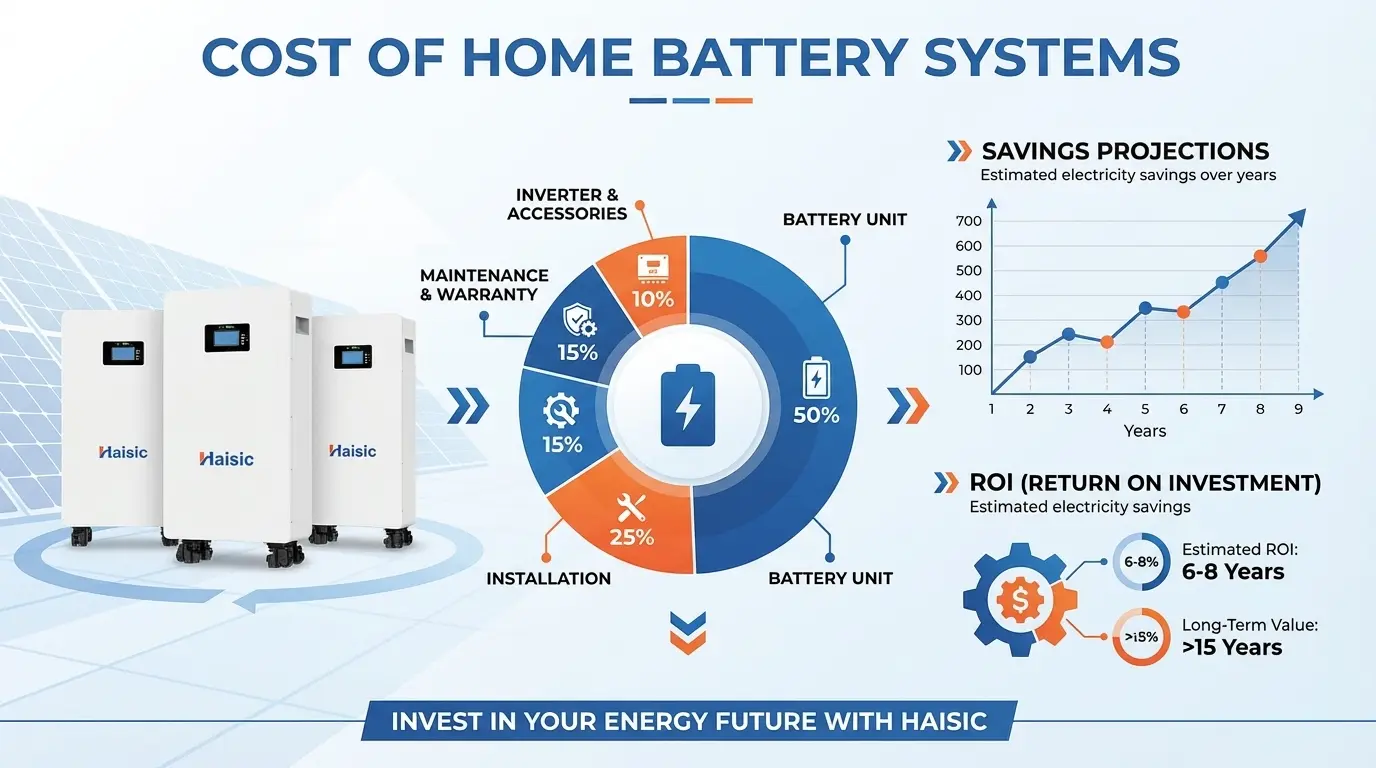
You’re likely wondering exactly how much the cost of home battery storage will set you back. As an energy storage manufacturer, we field this question daily. Let’s cut directly to the chase: for a standard residential setup in 2026, you should expect a total out-of-pocket expense ranging from $6,000 to $17,000+.
To make sense of your final quote, you have to split that total into two distinct categories: the equipment itself and the professional labor required to bring it online.
Hardware vs. Home Battery Backup Installation Cost
Understanding solar battery storage prices requires separating the physical power unit from the electrician\’s time.
- Hardware Costs ($4,000 – $12,000): This is the price of the physical battery system. Your cost here scales based on total capacity (how much energy it stores) and the underlying battery chemistry.
- Labor and Installation ($2,000 – $5,000+): Integrating a high-voltage system into your home’s electrical grid is strictly for certified professionals. This fee covers specialized labor, mounting hardware, necessary permits, and potential sub-panel upgrades.
The 2026 Cost-Per-kWh Rule of Thumb
When assessing the cost of home battery options, the most reliable metric we use in the industry is the cost-per-kilowatt-hour (kWh). Instead of getting distracted by the total sticker price, this metric reveals exactly how much actual backup power you are buying for your dollar.
Current Industry Benchmarks:
- Standard Systems: $600 to $800 per kWh
- Premium / All-in-One Systems: $800 to $1,000+ per kWh
Relying on the cost-per-kWh rule allows you to strip away marketing fluff, accurately compare different factory brands side-by-side, and ensure your upfront investment yields the highest possible financial return.
Cost by Capacity: How Much Power Are You Paying For?
When we evaluate the cost of home battery systems for our customers, storage capacity dictates the final price. You are essentially paying for the volume of energy (kWh) the unit can hold.
5kWh to 7kWh: Essential Backup
- Target: Critical loads only (refrigerator, basic lighting, Wi-Fi router).
- Value: This entry-level tier offers the most affordable off-grid battery system price. It provides essential security during short blackouts but is not designed to run power-hungry appliances or heavy air conditioning units.
10kWh to 15kWh: Standard Home
- Target: Daily solar storage and overnight use.
- Value: This is the global industry sweet spot. The typical 10kWh home battery cost makes sense for an average family looking to capture daytime solar power for evening consumption. If you need a reliable home battery backup to slash your monthly utility bills, this mid-range capacity hits the mark perfectly.
20kWh+: Whole-House & High Voltage
- Target: Complete off-grid living, HVAC systems, and EV charging.
- Value: These premium, high-voltage systems deliver true energy independence. While any whole house battery cost estimator will reflect a higher initial investment at this tier, installing large-scale battery storage for home use completely shields your household from aggressive peak utility rates and extended grid failures.
4 Key Factors That Drive Home Battery Prices
When you look at the cost of home battery systems, the final price isn\’t just a random number. As an energy storage battery manufacturer, we see exactly what goes into building and installing these units. If you are comparing solar battery storage prices, four main variables will dictate what you ultimately pay out of pocket:
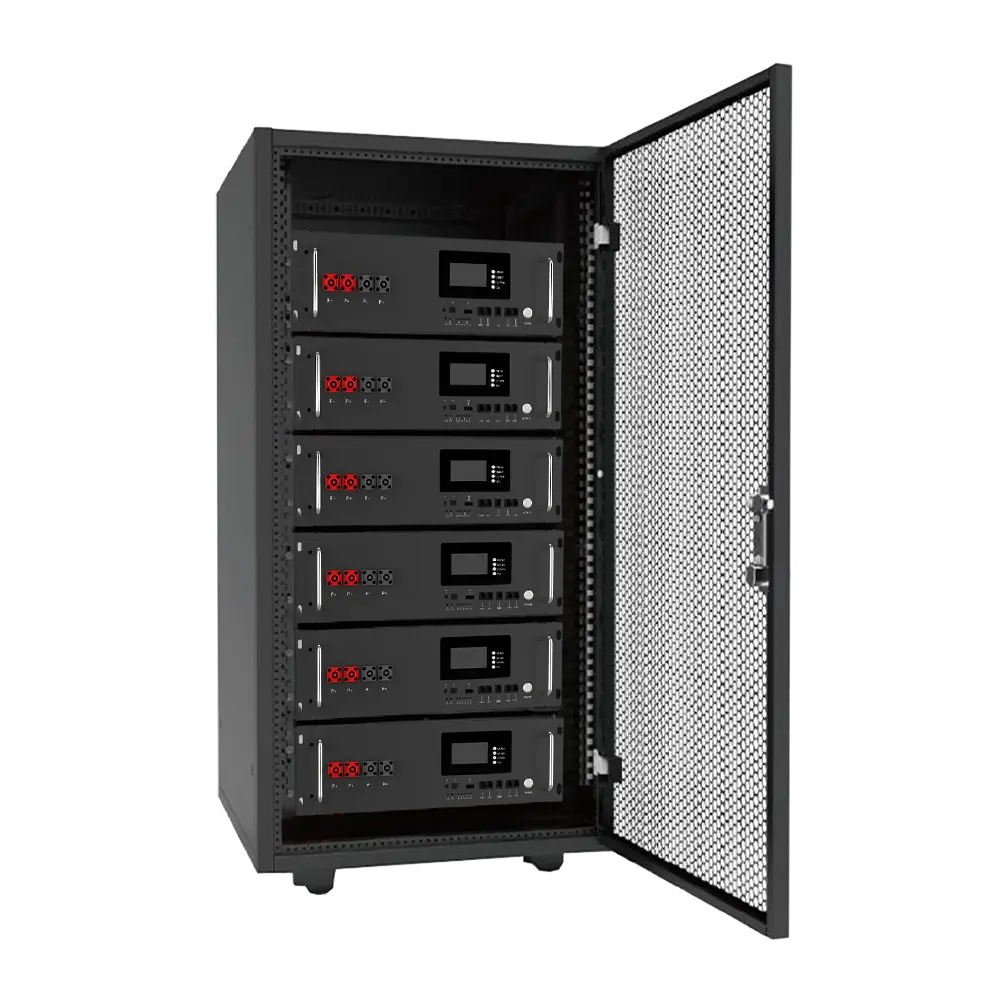
- Battery Chemistry (LiFePO4 vs. Lithium-Ion): The materials inside your unit matter. Standard lithium-ion batteries are common, but Lithium Iron Phosphate (LiFePO4) is the industry standard today. It is inherently safer, runs cooler, and lasts thousands of cycles longer. Evaluating the LiFePO4 battery price per kWh shows a much stronger long-term value, even if the upfront cost shifts slightly.
- System Architecture (AC vs. DC Coupled): How the battery actually connects to your home changes the labor and equipment required. AC-coupled systems are usually easier and cheaper to add to a house that already has solar panels. DC-coupled systems are highly efficient if you are installing solar and storage on day one. Your specific setup directly impacts your overall home battery backup installation cost.
- Brand Premium vs. Manufacturer-Direct: You often pay a massive markup just for a famous logo. If you want a realistic Tesla Powerwall alternative cost that fits your budget, skipping the highly advertised brands is the smartest move. Sourcing directly from energy storage system manufacturers unlocks residential ESS factory direct pricing. You get the exact same premium technology, but you cut out the middleman fees.
- Additional Hardware: Many buyers overlook the hidden costs of solar batteries. Setting up a reliable battery bank backup for home use almost always requires extra electrical gear. Depending on your home\’s age, you might need to pay for a new sub-panel, a critical loads panel, an automatic transfer switch, or even a main electrical panel upgrade to handle the new power flow safely.
How to Lower Your Home Battery Investment
The upfront cost of a home battery can feel significant, but you don\’t have to pay the full sticker price. As an energy storage manufacturer, we always remind our customers to look into available financial incentives. Understanding exactly how much money can be saved with a home energy storage system starts with taking advantage of these three primary cost-reduction tools.
Federal Solar Tax Credit (ITC)
The solar battery tax credit 2026 is your biggest financial asset. The federal government allows you to deduct 30% of your total home battery backup installation cost directly from your federal taxes. This 30% credit applies even if you install a standalone battery without solar panels, instantly bringing down your net out-of-pocket expense.
State Rebates and Utility Incentives
Local power companies benefit when you store energy. Many states and utility providers offer instant rebates or performance-based incentives for residential energy storage systems. These local programs often stack with the federal tax credit, shaving thousands of dollars off your final installation bill.
Home Battery Financing Options
If paying in cash isn\’t ideal, you can easily spread out your investment. Exploring different home battery financing options allows you to secure backup power immediately while paying over time.
| Financing Method | How It Works | Best For |
|---|---|---|
| Solar & Battery Loans | Fixed monthly payments; you own the system immediately. | Homeowners who want full ownership and access to the 30% federal tax credit. |
| Home Equity (HELOC) | Borrowing against your home\’s equity at typically lower interest rates. | Buyers looking for flexible repayment terms to cover the complete system price. |
| Leasing / PPA | You pay a flat monthly fee to use the battery; the provider retains ownership. | Those wanting zero upfront costs and completely maintenance-free backup power. |
The ROI: Does a Home Battery Actually Pay for Itself?
When evaluating the cost of a home battery, the biggest question we hear is whether the system actually pays off. For most households, a home battery is more than just an emergency safety net; it is an active financial tool. To figure out your true return on investment, you have to look past the upfront price tag.
Here is how a home energy storage system pays for itself over time:
- Time-of-Use (TOU) Arbitrage: Utility companies often charge sky-high rates during peak evening hours. A smart battery system charges when grid power is cheap and discharges to power your home during expensive peak times. This daily shift automatically slashes your electric bills.
- Solar Self-Consumption: If you have solar panels, sending excess power back to the grid for pennies rarely makes sense. Storing that excess energy in a reliable lithium battery for solar panel setups lets you use 100% of the free power you generate, day or night.
- Cost of Outages: What is a sudden blackout actually costing you? Spoiled groceries, hotel stays, or lost remote work hours add up fast. Having a dedicated battery backup for power outages provides immediate, seamless power, saving you from these frustrating and hidden expenses.
- The Lifespan Factor: The true financial value of a battery comes down to its cycle life. High-quality systems offer thousands of charge cycles over 10 to 15 years. When you divide the initial purchase price by its total operational lifespan, the annualized cost drops significantly.
Running these numbers through a standard home battery ROI calculator quickly shows that the long-term energy savings, grid independence, and peace of mind heavily outweigh the initial investment.
Why Sourcing Direct from a Manufacturer Saves You Money
The true cost of home battery ownership is heavily inflated by the traditional supply chain. When a unit moves from the factory to a distributor, then to a retailer, and finally to your local installer, every single step adds a hefty markup to the final price tag.
By sourcing your setup directly from energy storage system manufacturers, you secure residential ESS factory direct pricing. This factory-to-home model completely eliminates those middlemen. Your money goes directly into the battery technology, not into distribution commissions.
The Haisic Advantage
We build our systems to prove that you do not have to pay a massive brand premium to get world-class backup power. Our direct-supply framework delivers top-tier performance straight to your door, drastically lowering your overall investment.
Skipping the middleman never means skipping on safety. Every unit we produce delivers certified reliability backed by rigorous global testing:
- ISO Certified: Ensuring consistent, high-grade manufacturing standards across our entire facility.
- CE & UL Approved: Meeting strictly enforced international safety and electrical performance benchmarks.
- UN38.3 Compliant: Guaranteeing maximum thermal and physical stability during transport and daily operation.
You get the exact same tier-one hardware and rigorous safety testing you expect from legacy brands, but at a completely transparent, factory-direct price.