










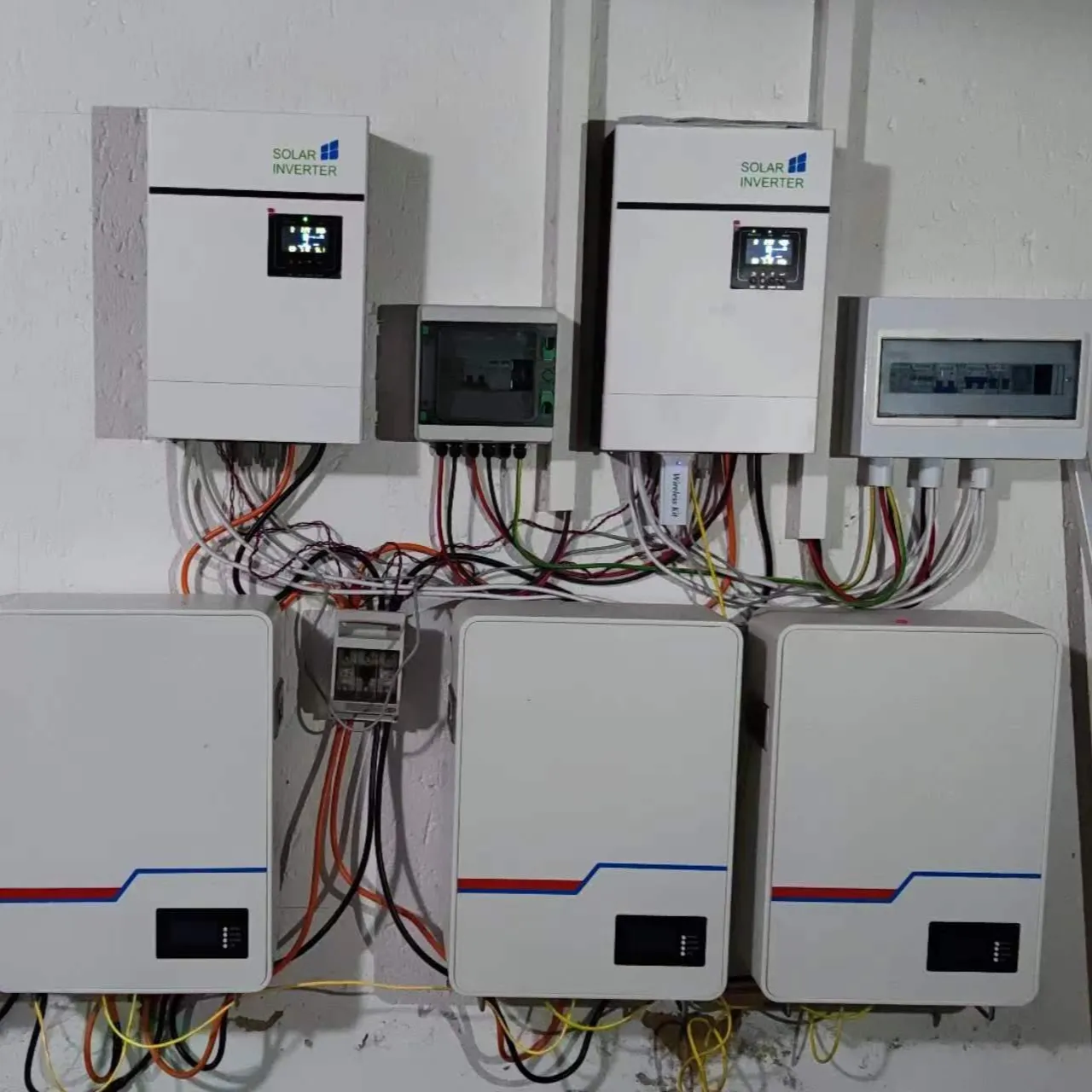
Understanding Battery Bank Backup for Home
Power cuts are getting more common, and a noisy gas generator isn’t always the answer. That’s where a battery bank backup for home comes in – quiet, automatic, and clean.
What Is a Home Battery Bank Backup?
A home battery backup system is basically a large, safe battery bank that stores electricity and automatically powers your home when the grid goes down.
It sits in or near your home, stays charged from the grid or solar, and takes over in seconds when there’s an outage. No fuel, no pulling cords, no manual start.
How It Works During Outages
Here’s the simple flow when the power fails:
- Grid goes down → system detects the outage in milliseconds
- Inverter switches to battery power → keeps essential loads online
- Smart panel or transfer switch routes power to selected circuits
- When grid returns, the system automatically reconnects and recharges
From your point of view, lights stay on, Wi‑Fi keeps running, the fridge doesn’t defrost, and you don’t have to do anything.
Key Components of a Home Battery Backup System
A modern battery bank for house backup usually includes:
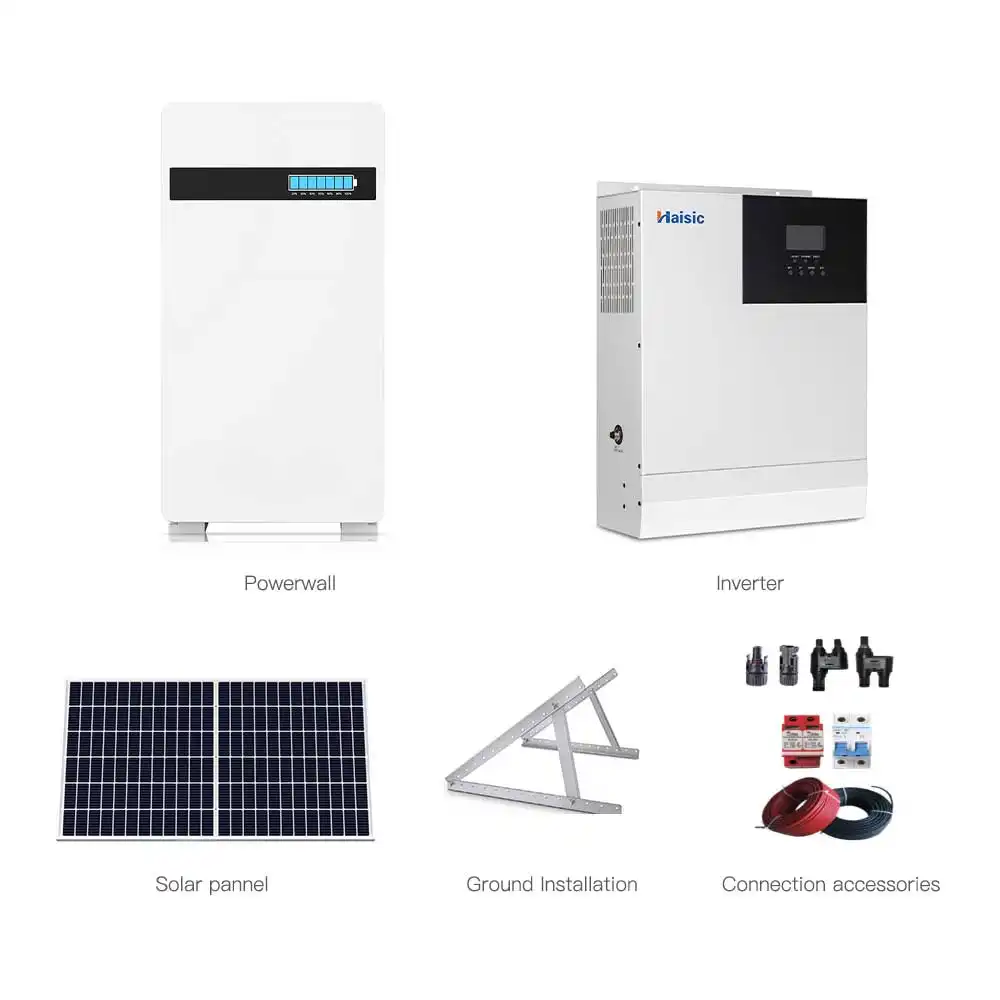
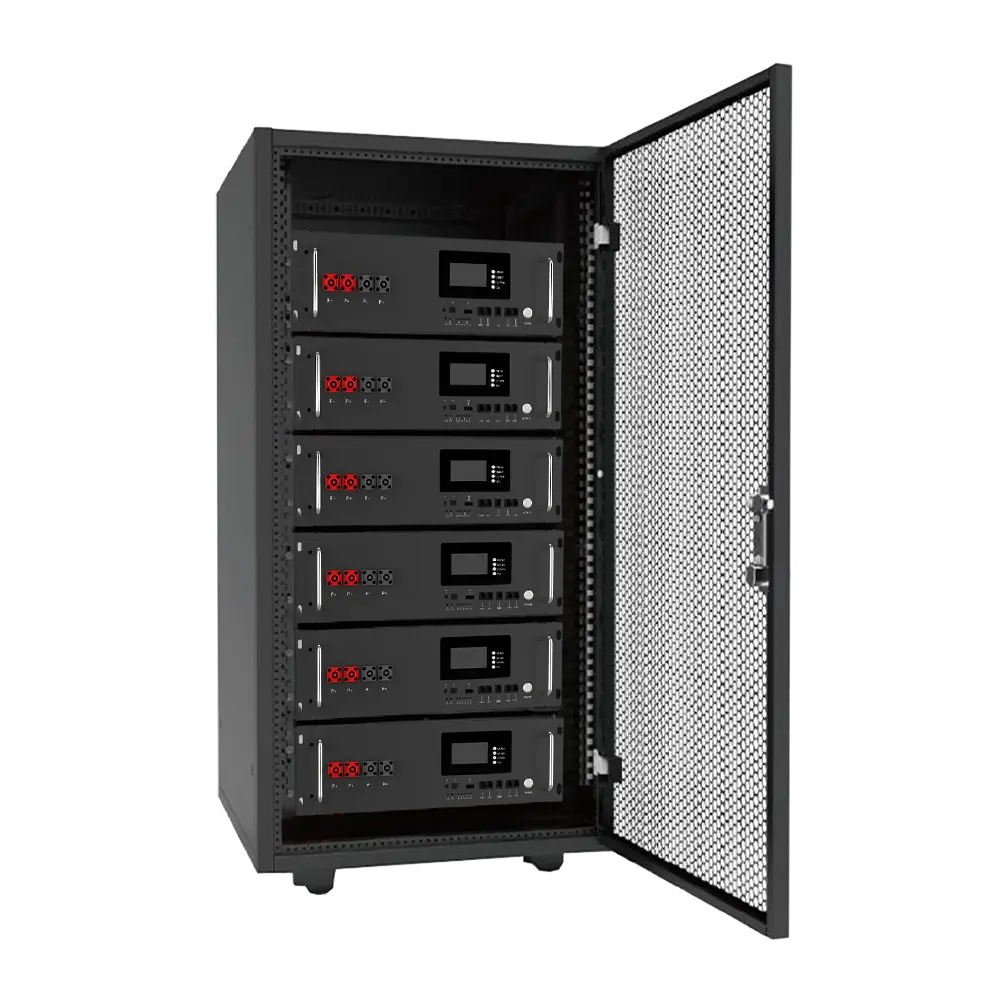
- Battery bank (kWh) – Lithium-ion or LiFePO4 home battery modules that store energy
- Inverter/charger (kW) – Converts DC battery power to AC power your home can use
- Transfer or backup switch – Safely isolates your home from the grid during outages
- Subpanel or smart panel – Routes power to essential circuits backup (fridge, lights, outlets, etc.)
- Monitoring app – Lets you see state of charge, usage, and control modes from your phone
These work together as a complete home backup power solution and can be grid-tied battery backup or integrated with solar.
Partial vs Whole-Home Battery Backup
You can design your home battery backup system in two main ways:
Partial-home backup (most common)
- Only critical loads: fridge, a few outlets, lights, Wi‑Fi, maybe a mini-split
- Uses a smaller, more affordable battery bank
- Ideal for apartments, townhomes, and typical suburban homes
Whole home battery backup
- Powers almost everything: HVAC, well pump, cooking, larger loads
- Needs higher power output (kW) and more battery capacity (kWh)
- Best for larger homes, rural areas, or serious storm-proof home backup
I usually recommend starting with essential loads first; you can always scale up with a modular home battery system later.
When a Battery Bank Beats a Gas Generator
A battery bank backup for home makes more sense than a gas generator when:
- You want quiet backup power for home (no noise, no fumes)
- You live in an area with frequent short outages (5 minutes to a few hours)
- Fuel storage or refueling is a pain or unsafe
- You already have or plan to get solar battery storage
- Local rules restrict generator noise or emissions
- You care about home energy independence and cleaner power
Generators still have a place for some long off-grid situations, but for everyday residential backup power solutions, a solar-integrated battery system is usually more reliable, easier to live with, and often cheaper over the long run.
Benefits of a Home Battery Bank Backup
A home battery bank backup isn’t just for “prepper” types anymore. It’s a practical upgrade for anyone who wants quiet, clean, reliable power at home and lower bills.
Keep Essential Appliances Running
With a properly sized battery bank backup for home, you can keep your core needs online when the grid fails:
- Fridge & freezer – avoid food spoilage
- Lights – keep key rooms safely lit
- Wi‑Fi & laptops – stay connected for work, school, and news
- Medical devices – CPAP, oxygen concentrators, and other critical equipment
| Essential Load | Typical Power Draw | Why It Matters |
|---|---|---|
| Fridge / Freezer | 100–200 W avg | Protects food and medicine |
| Wi‑Fi router + laptop | 30–80 W | Remote work, communication |
| LED lighting (per room) | 5–20 W | Safety and comfort |
| Medical equipment | 50–400 W | Health and life support |
With a smart home battery backup system, you can prioritize these essential circuits so they stay powered even in long outages.
Noise-Free, Emission-Free Backup Power
Unlike fuel generators, a whole home battery backup is:
- Silent – no engine noise disturbing you or your neighbors
- Fume-free – no exhaust or indoor carbon monoxide risk
- Low-maintenance – no oil changes, fuel storage, or pull starts
This makes battery banks ideal for dense neighborhoods, apartments, and families with kids or elderly at home.
Save Money With Peak Shaving & Time-of-Use Rates
A modern battery inverter system can cut your bill, not just back you up:
- Charge the battery when power is cheap (off‑peak)
- Discharge when power is expensive (peak hours)
- Avoid high demand charges where utilities bill by your highest spike
This time-of-use energy arbitrage turns your battery into a smart financial tool, not just emergency home power.
More Resilient Against Storms & Grid Failures
If you live in areas hit by storms, heat waves, or unstable grids, a residential energy storage system adds real resilience:
- Stay powered through planned outages and rolling blackouts
- Bridge short grid dips so your devices never even flicker
- Combine with a small generator if needed to recharge during very long events
Paired with a modular home battery system, you can scale capacity as outages become more frequent or your home loads grow.
Support Solar and Cleaner Energy Use
A solar-integrated battery system lets you capture and use more of your own clean energy:
- Store excess solar instead of sending it all back to the grid
- Use solar battery storage during midday and evenings
- Cut your dependence on fossil-fuel generators completely
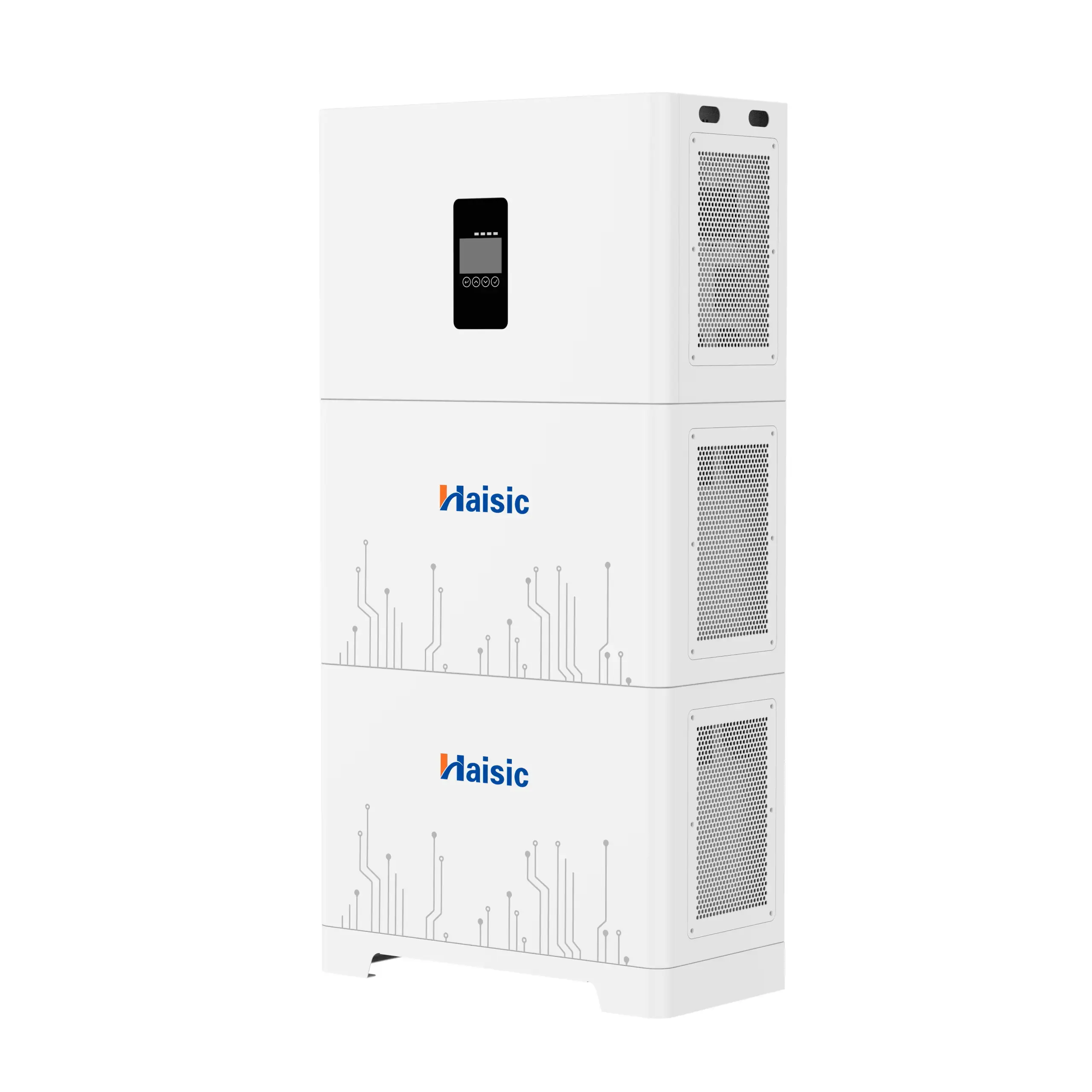
If you’re already running solar or planning to, a dedicated home battery storage unit such as a 20.48 kWh LiFePO4 home energy storage battery with touchscreen control can turn your setup into a powerful, quiet, and future-proof home backup power solution.
Types of Home Battery Backup Systems
Lithium-ion & LiFePO4 Home Battery Options
For most homeowners, modern home battery backup systems are lithium-based:
- Lithium-ion (NMC/NCA): High energy density, compact, widely used by big brands. Great for whole home battery backup where space is limited.
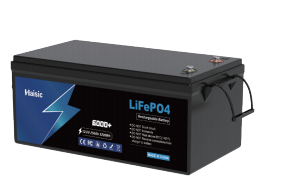
- LiFePO4 home battery (LFP): Slightly bulkier, but safer, longer cycle life, and more stable in high temperatures. If you want a low-maintenance, 10+ year residential energy storage setup, LiFePO4 is usually the smarter pick. Many of our home lithium battery storage solutions are built on LiFePO4 for exactly this reason.
Other Battery Chemistries: Pros & Cons
You’ll still see other options, but they’re more niche for home use:
- Lead-acid / AGM: Cheap upfront, heavy, short lifespan, lower usable capacity. OK for very low-budget or rarely used emergency home power, but not ideal for daily cycling.
- Saltwater / flow batteries: Non‑toxic and long life, but bulkier, more expensive, and less common. Better for special off‑grid projects than a typical battery bank for house.
Standalone Grid-Charged Battery Backup Systems
A grid-tied battery backup that charges from the utility is the simplest option:
- Charges from the grid when power is available
- Automatically powers essential circuits backup during an outage
- Can be used for time-of-use energy arbitrage and peak shaving with home battery to cut bills
If you don’t want solar (yet), this is the cleanest alternative to a backup power generator.
Solar Battery Storage & Solar-Integrated Backup
Pairing solar battery storage with panels gives true home energy independence:
- Store excess solar instead of exporting it for low credit
- Run storm-proof home backup even in daytime outages
- Reduce grid usage and protect against rising power prices
We design solar-integrated battery systems that work as both daily storage and quiet backup power for home, using LiFePO4 banks like those in our battery storage for home solutions.
Modular & Expandable Battery Banks
A modular home battery system lets you start small and grow:
- Stackable battery modules (e.g., 5–10 kWh each)
- Easy to expand as your needs grow (EV, heat pump, more appliances)
- Perfect if you’re building toward whole house solar battery backup over time
Our home lithium battery storage systems are built to be plug‑and‑play expandable, so you’re not locked into your first size choice.
Portable vs Permanent Home Battery Backup
You can go portable or permanent depending on your lifestyle:
- Portable power stations: Great for apartments, renters, and short outage backup. Easy to move, charge from wall/solar/car, but limited capacity and no automatic switchover.
- Permanent battery inverter system: Fixed installation, tied into your panel with transfer or smart switches. Supports whole home battery backup or dedicated essential loads, fully automatic, and much larger capacity.
If you own your home and want real residential backup power solutions, a permanent, modular LiFePO4 system tied to your panel is usually the best long-term play.
Sizing a Battery Bank Backup for Home
Getting the size right is the difference between a reliable home battery backup system and an expensive disappointment. Here’s how I size a battery bank backup for home in a simple, practical way.
1. Figure Out Your Daily kWh and Essential Loads
Start with what actually matters in an outage: essential circuits backup, not every plug in the house.
Step-by-step:
- List essentials:
- Fridge/freezer
- Wi‑Fi/router + a few lights
- Phone/laptop chargers, TV
- Well pump or gas boiler controls (if you have them)
- Medical devices or critical equipment
- For each device, note:
- Wattage (W) – usually on the label
- Hours per day you’ll use it during an outage
- Use the formula:
Energy (kWh) = Watts × Hours ÷ 1000
Add everything up. That total is your daily essential kWh.
If you don’t want to do manual math, use your utility bill:
- Take your average daily usage (monthly kWh ÷ 30).
- For backup, plan on 30–40% of that for essentials only.
2. Estimate Runtime: Essentials vs Whole-Home Backup
Once you know your daily kWh, convert that into how long a home battery backup system can realistically run.
Essentials-only backup
- Target: 5–15 kWh for small homes/apartments.
- Goal: Keep food cold, lights on, Wi‑Fi running for 1–3 days with careful use.
Whole home battery backup
- Typical: 20–40+ kWh depending on house size and lifestyle.
- Goal: Run almost everything, but you still manage big loads (EV charging, electric ovens, pool pumps).
Quick rule of thumb:
Runtime (days) ≈ Battery capacity (usable kWh) ÷ Daily essential kWh
Example: 15 kWh usable / 5 kWh per day = ~3 days of essential backup.
3. Sample Sizing Scenarios
These are ballpark numbers for residential backup power solutions. Real loads vary, but this keeps you in the right range.
Small apartment (no electric heating, no EV)
- Essentials: fridge, Wi‑Fi, lights, laptop, a fan
- Daily essential use: 2–4 kWh
- Recommended battery: 5–10 kWh
Typical home (family, gas heating/cooking, some work-from-home)
- Essentials: fridge, lights, Wi‑Fi, TV, laptops, boiler controls, some outlets
- Daily essential use: 5–10 kWh
- Recommended battery: 10–20 kWh
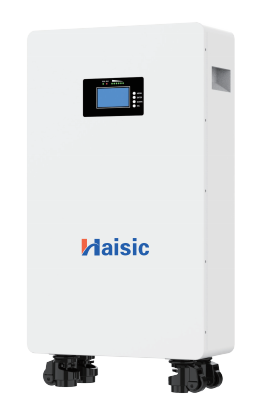
- A LiFePO4 home battery in the 15–16 kWh range (like a ~15.6 kWh modular unit such as this 51.2V 305Ah home energy battery) usually hits a sweet spot.
Large home (bigger loads, maybe well pump, more devices)
- Essentials: multiple fridges/freezers, lights, office, pump, some AC or mini-splits
- Daily essential use: 8–15+ kWh
- Recommended battery: 20–40+ kWh (often modular home battery systems with multiple units)
4. Key Factors That Change Your Battery Size Needs
Your ideal battery bank for house isn’t fixed. A few things shift the target up or down:
- Climate
- Very hot or cold? More AC, electric heating, or heat pumps = bigger battery.
- Appliance type
- Old fridges, inefficient pumps, or electric water heaters draw a lot more than you think.
- Outage duration
- If you only see 1–2 hour outages, smaller is fine.
- If you get multi‑day storms, size up for at least 2–3 days of essentials.
- Solar battery storage
- If you have PV and a solar-integrated battery system, you can recharge daily and often get away with a smaller battery.
- Lifestyle
- Remote work, home servers, gaming PCs, or critical medical devices all push capacity higher.
5. Simple Tools and Methods to Calculate Capacity
You don’t need to be an engineer to size a home battery backup properly. Here are practical methods:
- Smart plugs & monitors
- Use Wi‑Fi smart plugs with energy metering or a whole-home power monitor to measure actual kWh use for your key devices.
- Utility bill + haircut method
- Take daily average kWh from bills, multiply by 0.3–0.5 to estimate essential load.
- Online calculators
- Use a home backup power solutions calculator (many installers offer these) to plug in your appliances and get a kWh estimate.
- Talk to a storage specialist
- A good residential energy storage provider will size systems based on real load data, solar production, and your outage history. For example, our own battery storage sizing guide and services walk through this process in detail.
Bottom line:
- Start with essential kWh per day.
- Decide how many days of backup you want.
- Multiply, then add 20–30% buffer for safety.
- Choose a modular, expandable battery bank backup for home so you can add more capacity later if your needs grow.
Key Specs and Features to Compare for a Battery Bank Backup for Home
When you’re choosing a battery bank backup for home, don’t just look at price. These core specs decide what your real backup experience feels like.
Battery Capacity (kWh) vs Power Output (kW)
You need both:
| Spec | What it Means | What to Look For |
|---|---|---|
| Capacity (kWh) | How much energy is stored | Match to how many hours/days you want backup |
| Power (kW) | How much power it can deliver at once | Match to how many devices you want on at the same time |
- Capacity = how long it runs (e.g. 10 kWh).
- Power = how much it runs at once (e.g. 5 kW continuous).
A higher-capacity LiFePO4 home battery, like a stacked 10–30 kWh bank, works well for whole-home or long outages. For example, a larger wall-mounted pack similar to a 128V LiFePO4 residential battery bank is built for serious backup loads.
Round-Trip Efficiency and Usable Capacity
You’re paying for every kWh, so you want less waste:
Round-trip efficiency:
- How much energy you get out vs what you put in.
- Aim for ≥90% on a modern home battery backup system.
Usable capacity:
- Not all of the battery is available (to protect lifespan).
- A 10 kWh battery with 90% usable capacity gives 9 kWh actual use.
- LiFePO4 systems often allow a deeper usable capacity without killing the battery.
Warranty Terms and Cycle Life
Backup power is a long-term investment. Look closely at:
| Item | Typical Range | What’s Good |
|---|---|---|
| Warranty years | 5–15 years | 10+ years |
| Cycles | 3,000–10,000 | 6,000+ for daily use |
| Energy throughput | MWh guaranteed | Higher = better value |
A quality residential energy storage unit will clearly list both years and cycles. For example, high-cycle LiFePO4 home battery packs with around 6000+ cycles give solid long-term value for daily peak shaving and emergency home power.
Safety Certifications and Thermal Management
For home battery backup systems, safety is non‑negotiable:
- Look for:
- UL / IEC / CE safety certifications (varies by region).
- UN38.3 transport certification for lithium batteries.
- Must‑have protection:
- Over‑charge, over‑discharge, short‑circuit, over‑current, and temperature protection.
- Built‑in BMS (Battery Management System).
- Thermal management:
- Good heat design or active cooling to keep the pack safe and extend life.
Smart App Monitoring and Control
Smart control turns a battery inverter system into a true smart home energy management tool:
- Live monitoring: SoC (state of charge), power in/out, grid/solar status.
- Modes:
- Backup mode for outages.
- Time-of-use/peak shaving to cut power bills.
- Remote control:
- Set charge/discharge times.
- Adjust priorities (backup vs savings).
- Alerts & logs:
- Push notifications for outages, low battery, faults.
Scalability and Expandability
Your loads will grow (EV, heat pump, more devices). Your battery bank for house should grow with you:
- Modular home battery system:
- Add extra battery modules later without replacing everything.
- Check:
- Min and max number of battery units.
- Total expandable capacity (e.g. 5 kWh → 20+ kWh).
- Inverter support for future solar or extra batteries.
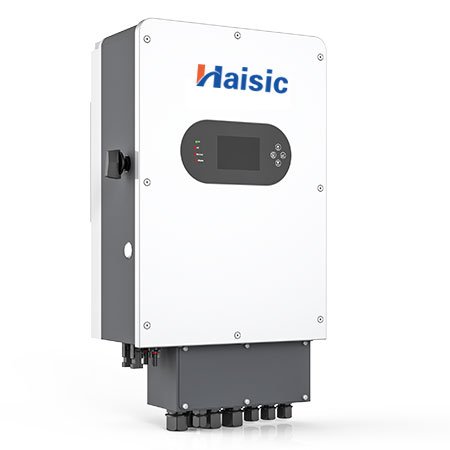
If you want flexible expansion, choose a modular LiFePO4 pack plus a hybrid solar inverter (like a 6–10 kW IP65 hybrid inverter) so you can scale to a full solar‑integrated backup system later.
Solar Power and Home Battery Bank Backup
When you pair solar with a battery bank backup for home, you move from just “having panels” to real home energy independence.
How solar + home battery backup work together
Your solar panels generate power → the battery inverter system manages it → your home battery backup system stores what you don’t use right away. The flow is:
- Solar feeds your home’s loads first.
- Extra energy charges your residential energy storage (battery bank).
- Once the battery is full, any surplus can go to the grid (if you’re grid-tied).
This gives you quiet backup power for home and better control over when you buy or sell power.
Storing excess solar instead of exporting
In many regions, utilities pay very little for exported solar. With solar battery storage, you can:
- Store surplus solar during the day.
- Use that energy in the evening peak when electricity is expensive.
- Reduce export to the grid and increase self-consumption.
This is where time-of-use energy arbitrage and peak shaving with home battery really start saving you money.
DC-coupled vs AC-coupled solar battery systems
Both work, but they fit different situations:
DC-coupled solar battery
- Solar panels connect to a hybrid inverter, then to the battery.
- Fewer conversions = higher efficiency.
- Ideal for new solar-integrated battery system installs.
AC-coupled solar battery
- Battery has its own inverter and connects on the AC side.
- Perfect for adding storage to an existing solar array.
- Flexible and easier to retrofit.
If you’re starting from scratch, I generally lean DC-coupled for efficiency. If you already have solar, AC-coupled is often cheaper and cleaner to install.
Using solar battery storage during daytime outages
With a grid-tied battery backup set up correctly, you can keep running during a daytime outage:
- Solar panels charge your whole home battery backup even while the grid is down.
- The backup power generator alternative (your battery bank) keeps essential loads powered.
- A smart inverter limits export so you don’t back-feed the grid, staying safe and compliant.
This is where a well-sized LiFePO4 home battery makes a big difference. For example, a robust 15 kWh unit like a 15 kWh LiFePO4 solar battery pack can keep key circuits running through long daytime outages.
Boosting off‑grid capability and cutting grid reliance
If your goal is off-grid home battery performance or just less dependence on utilities, solar + battery is the backbone:
- Run essential circuits backup (fridge, lights, Wi‑Fi) even with unstable grids.
- Combine a modular home battery system with a well-sized solar array to ride through storms and blackouts.
- In some regions, a full 10 kW off-grid solar power system with storage can support a normal lifestyle almost entirely off-grid.
If you’re planning deep solar reliance, it’s worth comparing options and system sizes using guides like the best battery storage for solar and cost breakdowns such as the cost of solar battery storage on sites like Haisic’s solar battery storage resources.
Done right, a battery bank for house paired with solar gives you lower bills, storm-proof home backup, and real control over your energy future.
Installation and Setup at Home
Pro install vs DIY home battery backup
For a serious battery bank backup for home, I treat installation like an electrical project first, a gadget second.
- Choose pro install if
- You’re tying into the main panel or doing whole home battery backup
- Local code requires a licensed electrician (most grid‑tied jobs do)
- You want permits, warranties, and insurance fully valid
- DIY only makes sense for small, portable units that plug into outlets and don’t touch your panel
For fixed wall‑mounted systems (like a 10kWh wall-mounted home energy storage unit), I always recommend a pro installer to avoid safety and insurance issues.
Electrical panel, subpanel, and smart panel
Before installing a home battery backup system, an electrician should:
- Check panel capacity (busbar rating, main breaker size, free breaker spaces)
- Decide if you need:
- An essential loads subpanel (only backs up fridge, lights, Wi‑Fi, etc.)
- Or a smart panel that can control and shed loads automatically
- Confirm compatibility with any existing solar battery storage or generator
This is where we define what’s actually on your essential circuits backup vs what stays on grid only.
Transfer switch and automatic backup
To safely switch to emergency home power, you’ll need one of:
- Manual transfer switch – cheaper, you flip it during an outage
- Automatic transfer switch (ATS) – detects grid loss and switches to battery in seconds
- Hybrid inverters / smart backup panels – combine inverter, switching, and load control in one box
All options prevent backfeeding the grid, which is critical for line worker safety and code compliance.
Indoor vs outdoor placement and ventilation
Where you mount your battery inverter system matters:
- Indoor (garage, utility room, basement)
- Keep above flood level and away from flammables
- Maintain clearances per manufacturer spec
- Good for LiFePO4 home battery systems with wide temperature ranges
- Outdoor
- Must be weather‑rated (IP/IP65+) and UV‑resistant
- Avoid direct sun and spots that flood or ice up
- Ensure airflow for cooling
For compact systems, many homeowners like wall-mounted energy storage in the garage because it’s clean, accessible, and easier to service.
Permits, inspections, and timeline
For most residential backup power solutions, expect:
- Permits: electrical permit at minimum; in some regions, fire and structural checks too
- Inspections: final sign‑off by local authority before full activation
- Typical timeline (varies by country/region):
- Design + quoting: 1–2 weeks
- Permitting: 2–6 weeks
- Install: 1–2 days for a single home battery backup, longer for solar + battery
- Final inspection + commissioning: a few days to 2 weeks
Good installers handle all paperwork so you’re not chasing city offices yourself.
Safety tips for installing battery bank backup for home
To keep your home battery backup vs generator choice safe and compliant:
- Only use certified equipment (UL/CE, relevant national standards)
- Follow manufacturer clearances and mounting methods exactly
- Add proper breakers, fuses, and disconnects between battery, inverter, and panel
- Protect against overcurrent, short circuit, and over‑temperature
- Keep kids and pets away from the battery area
- Don’t stack third‑party batteries or DIY packs onto a certified system
If you plan a more advanced, scalable system like a high‑voltage LiFePO4 home energy storage system, work with an installer experienced in grid-tied battery backup so you get long‑term reliability, not just a quick install.
Costs, incentives, and payback for a battery bank backup for home

Typical price range for home battery backup
For a modern home battery backup system, most homeowners fall into these ranges:
- Partial-home backup (5–15 kWh): roughly $4,000–$12,000 installed
- Whole home battery backup (15–30+ kWh): roughly $10,000–$25,000+ installed
Price depends heavily on whether you go battery-only or solar + battery, and whether you use a compact wall unit or a modular home battery system like a stackable LiFePO4 battery bank.
What actually drives the cost
When you see big price gaps between home battery backup systems, it usually comes down to:
- Capacity (kWh): More storage = higher cost, but also longer runtime
- Power (kW): Higher output to run AC units, pumps, EV chargers, etc. costs more
- Battery chemistry:
- LiFePO4 (LFP): higher upfront vs lead-acid, but longer life, safer, better for daily cycling
- NMC lithium: high energy density, often used by big brands, slightly shorter cycle life than LFP
- Brand & ecosystem: Premium brands charge more for tight integration and polished apps
- Install complexity:
- Panel upgrades, smart panels, trenching, wall reinforcement
- Indoor vs outdoor runs, and local permit requirements
- Standalone vs solar-integrated: Adding solar, optimizers, and extra hardware can push total project cost up, but also increases long-term savings
If you want a scalable option for future expansion, a high-voltage LiFePO4 system such as a 51.2V 100Ah residential energy storage battery usually costs more upfront but saves money later when you add more modules.
Federal and state incentives for home battery backup
In many regions, incentives can cut your cost by 20–50% if you play it right:
- Federal tax credits (where available, e.g., U.S. IRA):
- Batteries paired with solar often qualify for investment tax credits (ITC)
- Standalone residential energy storage is also allowed in some markets
- State & local incentives:
- Rebates for solar battery storage and residential energy storage programs
- Utility programs that pay you to let them tap your battery during peak demand
- Grid-tied battery backup programs:
- Some utilities offer bill credits or reduced rates if you enroll your home battery backup system in virtual power plant (VPP) schemes
Always check your local rules; incentives can make
Using, Maintaining, and Extending Battery Life
A home battery bank backup isn’t “set and forget.” How you use it daily has a big impact on lifespan, reliability, and real savings.
Daily habits that protect your home battery backup system
For most lithium-ion and LiFePO4 home battery systems:
Avoid 0% and 100% all the time
- Keep the state of charge (SoC) mostly between 20–90% for everyday use.
- Reserve full 100% charges for storms or planned outages.
Use “backup reserve” or “eco” modes
- Set a minimum SoC (e.g., 20–30%) so your battery bank for house emergencies is never fully drained.
- Use time-of-use modes for peak shaving instead of constantly cycling the battery hard.
Watch high loads
- Spread out heavy appliances (oven, dryer, AC) instead of running them all at once on battery.
- Prioritize essential circuits backup: fridge, lights, Wi‑Fi, medical devices, and chargers.
Using apps to monitor performance and state of charge
A modern home battery backup system should always come with a smart app:
- Track state of charge (SoC), real-time power flow, and daily kWh usage.
- Get alerts for overloads, low battery, or unusual behavior.
- Adjust settings for time-of-use energy arbitrage, backup reserve, and quiet hours.
- For modular home battery systems, monitor each module’s health separately.
If you’re using a stackable LiFePO4 system like a 51.2V 100Ah stackable home energy storage battery, app monitoring becomes even more important as you scale up capacity.
Firmware updates and remote diagnostics
Your battery inverter system is basically a small computer:
Keep firmware updated
- Updates can improve efficiency, safety limits, and smart home energy management.
- Turn on automatic firmware updates if available.
Use remote diagnostics
- Let support teams access system logs (with your permission) to quickly diagnose issues.
- This is crucial for residential backup power solutions in remote or storm-prone areas.
Maintenance schedule and basic checks
Home battery bank backup for home setups don’t need much “hands-on” work, but you shouldn’t ignore them:
Every month
- Open the app, check for unusual trends: faster-than-normal discharge, odd spikes.
- Confirm backup modes and SoC reserve are set correctly.
Every 6–12 months
- Visual check: no swelling, corrosion, or damaged cables.
- Make sure vents and cooling paths are clear of dust or clutter.
- Test the backup by simulating a short outage (turn off the main breaker if safe and allowed).
When in doubt
- Don’t open battery cases yourself. Contact a qualified installer for any internal issues.
Best practices to maximize lifespan and reliability
To get the longest life and best performance from your residential energy storage:
Stay within spec
- Don’t exceed rated kW output for long periods.
- Respect temperature limits: avoid direct sun, hot attics, or damp spaces.
Choose LiFePO4 for heavy cycling
- A high-cycle LiFePO4 home battery (like a high-capacity 51.2V 400Ah LiFePO4 battery) is ideal if you’re cycling daily with solar battery storage or off-grid setups.
Use it regularly
- Light, regular cycling is healthier than letting the battery sit idle at 100% forever.
Plan for expansion
- If you know your loads will grow (EV charging, more AC, home office), pick a modular home battery system that lets you add capacity later, instead of pushing one undersized battery too hard.
Handled right, a well-sized whole home battery backup will quietly deliver quiet backup power for home use for 10+ years—with lower stress, lower noise, and less hassle than a fuel generator.
Choosing the Right Battery Bank Backup for Your Home
Picking the right battery bank backup for home use comes down to clear questions, honest sizing, and matching it to how you actually live.
Key questions before you buy
Ask yourself:
- What do I need to keep on?
Fridge, lights, Wi‑Fi, laptops, medical devices, well pump, AC/heating, EV charger? - How long do outages usually last?
Minutes, a few hours, or days at a time? - Do I want partial backup or whole-home battery backup?
- Do I plan to add solar soon or already have it?
- What’s my real budget (system + install + panel upgrades)?
- Where will I put it?
Garage, utility room, outside wall?
Your answers decide whether you need a compact home battery backup system or a larger, modular residential energy storage setup.
Matching system size to your home and lifestyle
Think in terms of kWh (energy) and kW (power):
- Small apartment / light loads
5–10 kWh, enough for Wi‑Fi, lights, laptops, and a small fridge. - Typical family home / essential circuits backup
10–20 kWh with 5–10 kW output to cover fridge, lights, sockets, some AC or heating. - Large home / high usage / home office
20 kWh+ with higher kW output, or a modular home battery system you can expand later.
If you work from home or run a business, prioritize:
- Higher power output (kW) for multiple devices at once
- Strong warranty and cycle life
- Reliable smart home energy management and app control
Systems like a wall‑mounted LiFePO4 home battery at 25.6V 100Ah can be a great starting point, and you can scale up to larger high‑voltage home energy storage systems like the 215 kWh LiFePO4 home energy storage system for big homes or small commercial use.
Compatibility with solar and generators
Before buying, confirm:
- With solar:
- Is the system AC‑coupled or DC‑coupled?
- Does it work with your existing inverter brand?
- Can it provide backup power during outages or only self‑consumption?
- With generators:
- Is the inverter generator‑compatible?
- Does it support automatic transfer between battery, grid, and generator?
- Any limits on generator size or type?
If you already have solar, choose a solar‑integrated battery system that supports grid-tied battery backup and, if possible, off‑grid home battery operation when the grid is down.
Climate and extreme weather
Your local climate directly affects which home backup power solutions make sense:
- Hot climates
- Look for batteries with solid thermal management and high‑temperature ratings.
- Prefer LiFePO4 chemistry for better safety and lifespan.
- Cold climates
- Check for low-temperature charging support or built‑in heaters.
- Indoor or insulated garage installation is usually better.
- Storm‑prone or rural areas
- Go for higher capacity and storm-proof home backup design.
- Consider systems that can go off‑grid if the grid is down for days.
Always check IP rating, operating temperature range, and whether the system is rated for indoor vs outdoor placement.
Premium brands vs budget options
You don’t always need the most expensive system, but you shouldn’t buy purely on price either.
Go premium when:
- You rely on critical medical equipment or 24/7 home office uptime.
- You need proven safety certifications, long warranties, and strong after‑sales support.
- You’re planning a long‑term solar + battery storage setup with future expansion (EV charger, more solar, more batteries).
- You want a robust, commercial‑grade system like a 1 MWh ESS solar energy storage system in container form for estates or mixed residential/commercial use, such as the 1 MWh ESS solar energy storage container system.
Budget or mid‑range can be enough when:
- You only need emergency home power for a few circuits.
- Outages are rare and short.
- You’re mainly after time-of-use energy arbitrage and peak shaving with home battery to save on bills.
Balance:
- Warranty length and cycle life
- Brand reliability and support in your region
- Scalability (can you add more batteries later?)
- Total cost per usable kWh over the lifetime of the system
If you treat the battery bank backup for home as a 10–15 year investment, paying a bit more for a stable, scalable, and safe system often saves money and stress in the long run.
Real-World Use Cases for a Battery Bank Backup for Home
Short Outage Backup for Apartments and Small Homes
For smaller spaces, a compact home battery backup system is usually enough to cover:
- Lights, Wi‑Fi, laptops, and phone charging
- A small fridge or freezer
- Fans and a TV or router
A 5–10 kWh battery bank for house use can keep you comfortable through short blackouts without noise or fuel. A floor‑mounted system like a 51.2V 5.12kWh home energy storage unit fits this use well and stays out of the way.
Extended Outages in Storm‑Prone or Rural Areas
If you deal with multi‑day outages, a larger whole home battery backup or essential‑circuits system makes more sense. Paired with solar battery storage, a 15–30 kWh residential energy storage setup can:
- Run fridges, lights, communications, and a well pump
- Keep heating controls and key outlets live
Stacked modular home battery systems such as a 20–30 kWh high‑voltage storage stack give you room to scale if outages keep getting worse.
Battery Backup for Remote Work and Home Offices
If your job depends on reliable power, a battery inverter system dedicated to your office is a smart move. With 5–15 kWh of emergency home power, you can:
- Keep PCs, monitors, Wi‑Fi, and routers running
- Avoid losing calls, meetings, and unsaved work
Quiet, grid-tied battery backup also means no generator noise on calls and no fumes in small spaces.
Supporting Critical Medical or Home Care Equipment
For homes with medical devices, power loss isn’t just inconvenient—it’s risky. A battery bank backup for home can give clean, stable power to:
- Oxygen concentrators and CPAP/BiPAP
- Electric hospital beds, lifts, and monitors
- Refrigerated medicines
Use LiFePO4 home battery systems for longer life, stable performance, and higher safety margins, and dedicate a few essential circuits backup just for medical loads.
Planning for Future EV Charging and Higher Loads
If you’re planning an EV or major electric upgrades (heat pumps, induction cooking), design your home backup power solutions with future loads in mind:
- Choose a modular home battery system that can be expanded later
- Make sure the inverter can handle higher kW output for EV chargers
- Plan smart home energy management for time-of-use energy arbitrage and peak shaving with home battery
This way, your solar-integrated battery system supports today’s outages and tomorrow’s higher energy demands without starting from scratch.
FAQs About Battery Bank Backup for Home
How long can a home battery backup actually power a house?
It depends on your battery capacity (kWh) and how much you’re using at once.
- A small 5 kWh system might run essentials only (fridge, Wi‑Fi, lights, phone charging) for 8–20 hours.
- A mid-size 10–15 kWh system can often cover 1–2 days of light use.
- For heavier use or larger homes, you’d look at stackable systems (20 kWh+).
If you’re planning a modular setup, something like a 48V 100Ah LiFePO4 rack battery is a solid starting point that you can scale over time.
Do I need solar panels to use a battery bank backup?
No. A home battery backup system can charge from the grid only.
- With solar: you get longer runtimes, better resilience, and lower bills.
- Without solar: you still get quiet emergency power and can use time-of-use energy arbitrage (charge when rates are low, discharge when high).
Is a whole-home battery backup worth the cost?
It depends on:
- How often you lose power
- Whether you work from home or rely on critical equipment
- Your local electricity prices and solar incentives
For many people, backing up essential circuits (fridge, lights, outlets, router, small AC or fans) gives better value than overspending on full whole-home backup.
What happens if my battery runs out in a long outage?
If the battery hits its minimum state of charge:
- The system automatically shuts off to protect the battery.
- Power returns to those circuits only when the grid comes back or solar recharges the battery.
Some users pair a small generator with their battery inverter system for rare, very long outages.
Are home battery banks safe indoors or in garages?
Quality LiFePO4 home battery systems are designed with:
- Built-in Battery Management Systems (BMS)
- Thermal protection and certifications
- Enclosures rated for indoor or garage installation
Install in a dry, ventilated area and follow local codes. I always recommend pro installation for permanent residential energy storage.
Can I add more batteries later if my needs grow?
Yes, if you start with a modular home battery system.
- Many systems let you stack multiple battery packs (for example, expanding from a single 48V rack unit up to a larger 256V LiFePO4 battery pack setup).
- Plan ahead: choose an inverter and battery platform that supports future expansion, EV charging, or additional solar.