











Understanding DIY Home Battery Backup
A diy home battery backup is a rechargeable energy storage system that keeps your home powered when the grid goes down. Instead of burning fuel like a generator, it stores electricity in batteries and feeds it back through an inverter to run your appliances.
Battery Backup vs. Generator vs. UPS
- Home battery backup system
- Runs silently, with zero emissions
- Can power essentials for hours to days
- Works great with solar battery storage DIY setups
- Generator
- Noisy, needs fuel, regular maintenance
- Produces fumes and must be used outdoors
- UPS (Uninterruptible Power Supply)
- Instant switchover but very short runtime
- Best for computers and electronics, not whole rooms or appliances
A diy battery backup system sits between a UPS and a generator: smarter, cleaner, and more flexible for home energy storage.
Partial vs. Whole-House Backup
When planning a diy whole house battery backup, decide what you actually want to power:
- Partial (critical loads)
- Only key circuits: fridge, lights, Wi‑Fi, sump pump, furnace blower
- Uses a smaller LiFePO4 home battery bank and inverter
- More affordable and easier to retrofit
- Whole-house backup
- Powers everything, including AC, ovens, EV chargers
- Requires a larger deep cycle battery backup (often 20+ kWh)
- Higher cost, but seamless comfort during outages
Most DIYers start with a diy backup battery for home that covers critical loads, then expand later.
Grid-Tied vs. Off-Grid Backup
Your diy home backup battery can be configured in two main ways:
- Grid-tied battery system
- Normally charges from the grid and/or solar
- Uses a hybrid inverter for home to manage power flows
- Ideal for power outage solutions and energy savings
- Off-grid power backup
- Designed to run independently of the grid
- Needs robust lithium battery pack DIY sizing and solar input
- Best for remote cabins or areas with unreliable electricity
Choosing between grid-tied and off-grid affects your inverter, wiring, and transfer switch installation needs.
Key Advantages of Home Battery Backup
A well-designed diy whole home battery backup offers benefits that fuel-based systems simply can’t match:
- Silent operation – No engine noise, perfect for night-time outages
- Zero emissions – Safe indoors, no fuel storage or exhaust issues
- Solar-ready – Combine with panels for a solar generator backup that recharges daily
- Smart control – Modern systems with a battery management system (BMS) allow monitoring, protection, and automation
If you want a clean, modern energy storage for home that works quietly in the background and keeps your essentials online, a diy battery backup solution is the most future-proof path.
Assessing Your Power Needs for a DIY Home Battery Backup
Before you buy anything, you need to know how much power you actually use and how long you want to run on your diy home battery backup. This is what decides whether you need a small diy battery backup solution or a full diy whole house battery backup setup.
1. Identify Essential Loads (What You Really Need)
Focus on critical loads, not your entire house:
- Refrigerator / freezer
- Wi-Fi router, phone/laptop charging
- LED lights in key rooms
- Sump pump or well pump (if you have one)
- Gas furnace or boiler controls and blower
- Medical devices (if any)
Make a simple list with:
- Device
- Running watts
- Hours per day you’ll use it
You can usually find wattage on the device label or online.
2. Calculate Daily Energy Use (kWh)
Use this quick formula:
Watts × hours per day ÷ 1000 = kWh per day
Example for a basic diy home backup battery setup:
| Appliance | Watts | Hours/day | Energy (kWh/day) |
|---|---|---|---|
| Fridge | 150 | 10 | 1.5 |
| Wi-Fi + router | 20 | 16 | 0.32 |
| LED lights (6x10W) | 60 | 6 | 0.36 |
| Gas furnace fan | 400 | 4 | 1.6 |
| Phone/laptop | 60 | 3 | 0.18 |
Total: ~3.96 kWh/day
For a comfortable safety margin, round up to 5 kWh/day.
3. Set Your Runtime Goal
Decide what you want your diy battery backup system to cover:
- Short outages (8–12 hours): cover just essentials
- 1 day: aim for 1× your daily kWh needs
- 2–3 days: aim for 2–3× daily kWh, or pair with solar
- Multi‑day with solar: size batteries for 1–2 days, then let solar recharge
If your essentials need 5 kWh/day and you want 2 days of backup, you’re looking at around 10 kWh usable storage.
4. Don’t Forget Surge Power
Many devices pull more power when they start:
- Fridge: 150W running, 600–800W surge
- Sump pump: 500W running, 1000–1500W surge
- Well pump or AC: even higher surges
Your inverter must handle:
- Total running watts of all devices you might run at once
- Highest surge wattage (usually 2–3× running watts for a second or two)
For most diy home battery backup systems with a fridge, lights, and a pump, I’d target at least a 3,000–5,000W pure sine wave hybrid inverter.
5. What Influences System Size?
When sizing a diy whole home battery backup or just a smaller home battery backup system, these factors matter a lot:
- Household size: More people = more devices and lighting.
- Outage frequency: If your grid is unstable, oversize capacity so you’re not stressed every storm.
- Climate:
- Cold: more furnace runtime, higher heating loads.
- Hot: fans or mini-split loads can dominate.
- Lifestyle: Work from home, home servers, gaming PCs, and EV charging all push you toward a bigger system.
If you know you’ll need more than ~5–10 kWh, it’s worth looking at modular systems like a 10 kWh wall‑mounted home energy storage unit or a 51.2V 5.1 kWh floor‑mounted battery as core building blocks for your diy home battery backup.
Once you’ve mapped your daily kWh and runtime goal, picking battery capacity and inverter size becomes straightforward instead of guesswork.
Choosing the Right Battery Tech for DIY Home Battery Backup
When I build or spec a DIY home battery backup, I go straight to LiFePO4 (Lithium Iron Phosphate). For home use, it’s simply better than lead‑acid or regular lithium (NMC) on every point that matters.
Why LiFePO4 Wins for Home Backup
Compared with lead-acid:
- 3–5x longer life (often 4,000–6,000+ cycles vs. 500–1,000)
- Can safely use 80–90% of the capacity (lead-acid prefers 30–50%)
- Holds voltage better under load, so your whole house battery backup runs more stable
- Zero maintenance — no topping up water, no vented battery room
Compared with NMC lithium:
- Much safer chemistry (more stable, lower fire risk)
- Longer cycle life at daily use
- Handles high depth of discharge without killing the battery
For a DIY battery backup system, safety and lifespan matter more than chasing the smallest, lightest pack. That’s why LiFePO4 home battery is the default now.
How Much Capacity Do You Actually Need?
Here’s a simple capacity guide for a diy whole home battery backup:
5–10 kWh
- Good for: Small homes or apartments, essential loads only
- Covers: Fridge, a few lights, router, phone/laptop charging, maybe a gas furnace blower
10–15 kWh
- Good for: Average home, longer outages
- Covers: Essentials + TV, more lighting, sump pump, small window A/C or fan
20+ kWh
- Good for: DIY whole house battery backup
- Covers: Most circuits, larger homes, light A/C use, better comfort during multi‑day outages
As a rough rule for off-grid power backup:
- Light users: ~5 kWh/day
- Typical family: 8–15 kWh/day
- High usage or cold/hot climate: 20+ kWh/day
Why I Like Haisic LiFePO4 Batteries for Home Storage
For a diy home backup battery, I want:
- Built‑in BMS (Battery Management System) for safety (over/under‑voltage, temp, short‑circuit protection)
- High cycle life (designed for daily charge/discharge)
- Easy integration with a hybrid inverter for home and solar
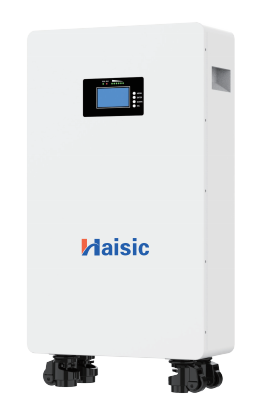
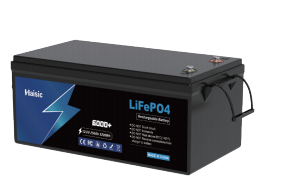
That’s exactly how we design our Haisic units. For example, a stackable 5–12 kWh class LiFePO4 pack like the Haisic 25.6V 200Ah lithium home energy storage battery is built for:
- Deep cycle energy storage for home
- Safe indoor installation with zero emissions
- Expansion if you want to start small and grow (e.g., start at ~5 kWh, add more for 15–20+ kWh later)
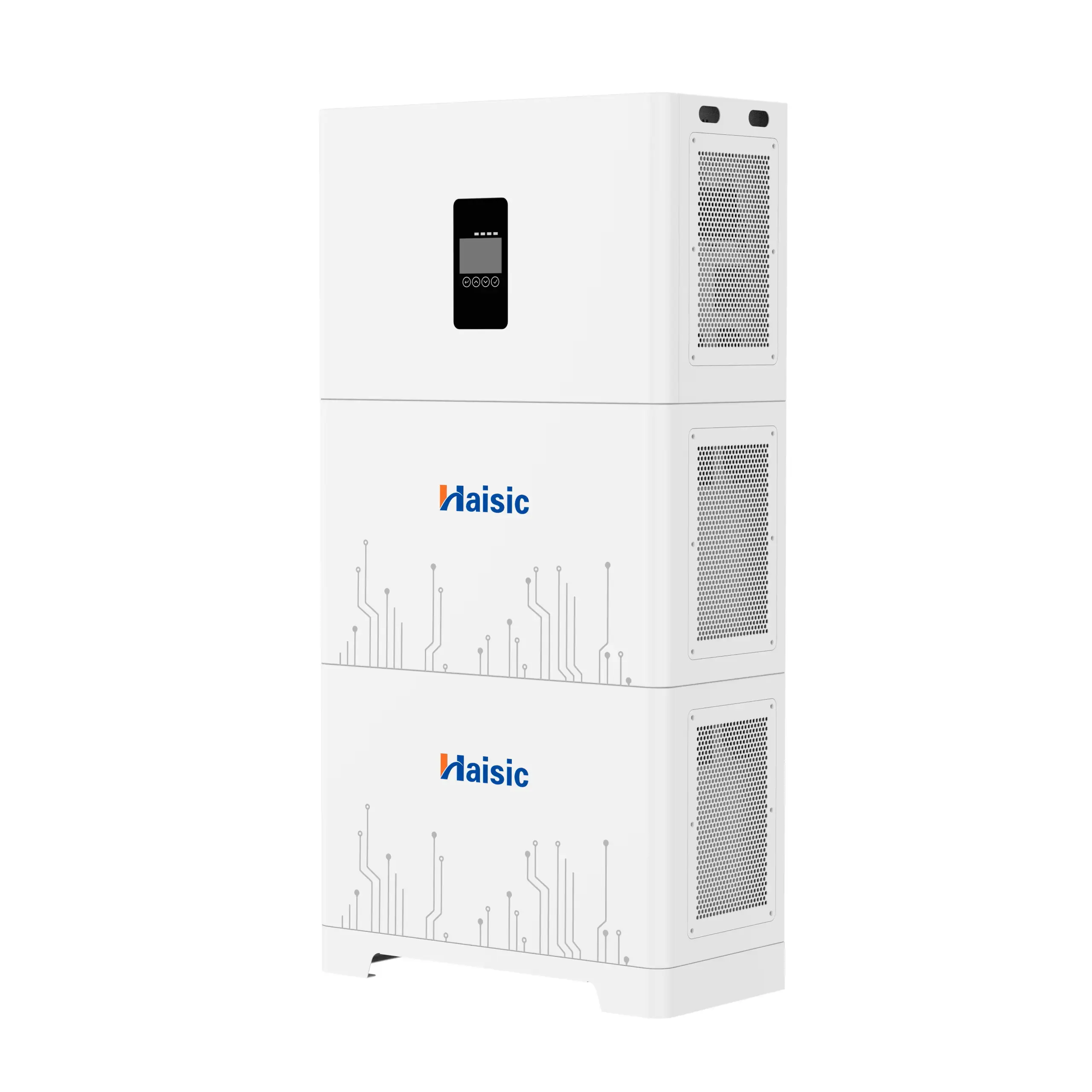
If you need a larger, more centralized pack for a grid-tied battery system, a high‑voltage option like the Haisic 12.8V 100Ah LiFePO4 12 kWh pack simplifies wiring and keeps your system clean and compact.
Bottom line:
For any serious diy home battery backup solution, LiFePO4 is the smart choice, and using a ready‑to‑go Haisic pack lets you focus on system design and safety instead of babysitting batteries.
Essential components for your DIY home battery backup
When you build a DIY home battery backup, the parts you choose matter more than anything. Here’s the core stack I recommend and how it all fits together.
1. Batteries + BMS (the heart of the system)
Your battery bank is your fuel tank, and the BMS (Battery Management System) is the safety brain.
- Use LiFePO4 batteries for home backup (safe, long life, deep discharge).
- Look for:
- Built‑in BMS (overcharge, over‑discharge, short‑circuit, temp protection)
- Rack‑mount or wall‑mount cases
- Easy paralleling for more kWh
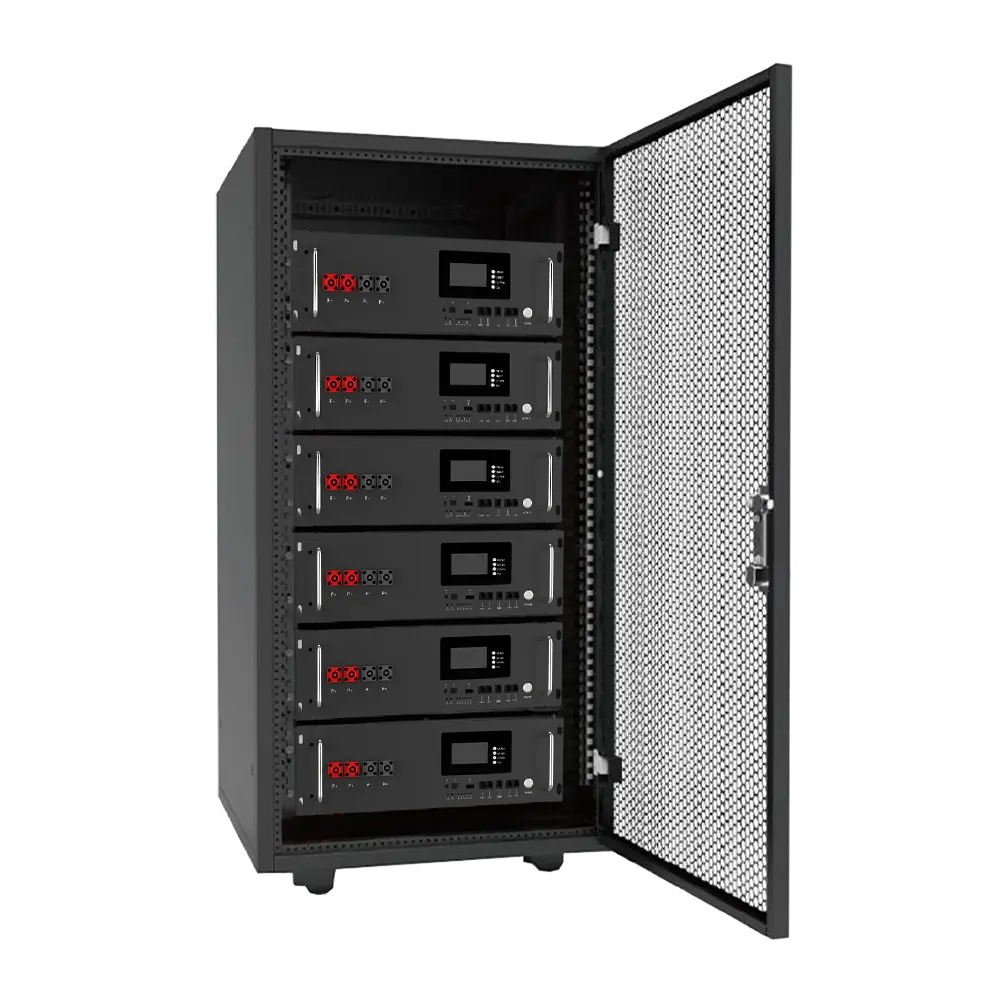
For most DIY home battery backup systems, a modular LiFePO4 unit like a 25.6V or 48V residential ESS is ideal. Our own Haisic residential energy storage batteries are built specifically for home use, with high cycle life and integrated safety.
2. Inverter/charger (hybrid is best)
The inverter/charger turns battery DC power into AC power for your home and handles charging.
- Hybrid inverter = grid + solar + battery in one box
- Key specs:
- Right voltage (usually 48V battery bank)
- Pure sine wave output
- Enough continuous power and surge for your loads
- Built‑in charger from grid and/or solar
For a diy whole house battery backup, aim for 5–10 kW inverter power if you plan to run more than just basics.
3. Solar charge controller (if you add solar)
If your hybrid inverter doesn’t include an MPPT, you’ll need a separate solar charge controller.
- Choose MPPT (more efficient than PWM)
- Match:
- PV voltage range to your solar array
- Charging voltage to your LiFePO4 battery spec
- Size it for your solar array (amps and watts)
4. Transfer switch or automatic switchover
You must isolate your diy battery backup system from the grid for safety and code compliance.
- Manual transfer switch – cheaper, you flip it yourself
- Automatic transfer switch (ATS) – switches to battery when grid fails
- Make sure it:
- Is rated for your main panel amperage
- Is installed to prevent backfeed to the utility
This is critical for any diy whole home battery backup tied into a house panel.
5. Wiring, protection, and enclosures
Don’t cut corners here.
- Wiring & busbars
- Correct gauge for current (oversize is safer)
- Tinned copper lugs, secure crimps
- Protection
- DC fuses or breakers near the battery
- AC breakers on loads and inverter output
- Proper grounding and bonding
- Enclosures
- Metal or insulated battery cabinet
- Ventilated, dry, and accessible location
6. Monitoring and control
Good monitoring turns a diy battery backup system into something you can actually trust.
- Inverter app or web interface (SOC, voltage, power flow)
- Battery/BMS monitoring (cell voltages, temp, cycles)
- Optional:
- Smart energy meter
- Remote monitoring gateway
Our Haisic LiFePO4 batteries pair cleanly with most hybrid inverters and monitoring platforms, so you can see your full energy flow in one place. If you want a matched, hassle‑free diy battery backup solution, reach out through our energy storage solutions page so we can recommend a Haisic‑compatible stack (battery + inverter + protection) that fits your outage risk, budget, and region.
Step-by-step diy home battery backup build
1. Plan first, wire later
Before touching anything, I always lock in three things for any diy home battery backup or diy whole house battery backup:
- Check local electrical codes – In many countries, tying into the main panel legally requires a licensed electrician.
- Permits & inspection – If you’re connecting a transfer switch or hybrid inverter for home use, plan for permits. It protects you and your insurance.
- Decide your backup style:
- Critical loads sub‑panel (fridge, lights, Wi‑Fi, sump pump)
- Whole home battery backup (bigger diy battery backup system, more cost)
If you’re not 100% confident with AC wiring, I always recommend bringing in a pro just for the panel and transfer switch work.
2. Tools and materials you’ll realistically need
For a clean diy home backup battery setup, I usually plan around:
Basic tools
- Insulated screwdrivers, wire strippers, crimpers
- Torque wrench (for battery lugs)
- Multimeter and, ideally, a clamp meter
Core components
- LiFePO4 home battery (e.g., Haisicrack or similar) with built‑in Battery Management System (BMS)
- Hybrid inverter/charger (grid + solar + battery support)
- DC fuses / DC breakers and AC breakers
- Transfer switch or automatic transfer switch (ATS) for safe grid isolation
- Copper wiring sized correctly for your inverter and battery current
- Proper enclosure or battery rack, plus ventilation where required
3. Assemble the diy battery backup bank
For a diy battery backup solution, I keep the layout simple and safe:
- Mount the batteries in a dry, cool, non-flammable space (no direct sun, no damp floors).
- If you’re using modular LiFePO4 packs:
- Connect in series to reach the system voltage (48V is common for home battery backup systems).
- Use bus bars for solid, low-resistance connections.
- Torque each terminal to the manufacturer’s spec and label everything:
- Battery + / Battery −
- Main DC disconnect
With Haisic LiFePO4 units, most of the BMS logic is already integrated, which cuts down on wiring complexity and reduces risk.
4. Wiring the inverter and BMS
Once the battery bank is built, I wire the hybrid inverter for home use:
- Run DC cables from the battery bank to the inverter:
- Positive line through a correctly rated DC fuse or breaker
- Negative line directly to the inverter negative
- Connect the BMS communication cable (if supported) from the battery to the inverter so:
- The inverter can read SOC (state of charge)
- Charge/discharge limits are always safe and automatic
- Program the inverter:
- Set battery type: LiFePO4
- Set voltage limits, charge current, and grid priority according to the battery datasheet (Haisic makes this straightforward with preset profiles)
This is what makes a diy battery backup system behave like a smart, commercial home battery backup system instead of a random battery with an inverter.
5. Install the transfer switch for safe grid isolation
For any diy whole home battery backup or partial backup, I never skip a transfer switch:
- Mount a manual transfer switch or ATS near the main electrical panel.
- Wire it so your critical loads sub-panel or whole-home feed can be switched:
- Grid → Off → Inverter (backup)
- Label the panel clearly so anyone in your home knows:
- Which circuits are backed up
- How the power source is selected
This step prevents backfeeding the grid, which is illegal and can be deadly for line workers.
6. Test the diy home battery backup under load
Before calling it done, I run a controlled test:
- Charge the batteries to 100%.
- Turn off grid power to the backed-up circuits using the transfer switch.
- Power those circuits from the inverter and watch:
- Voltage stability
- Surge performance (start the fridge, pump, or AC if in your design)
- Inverter and battery temperature
- Use the monitoring app or display to confirm:
- Power draw (W)
- Battery state of charge (%)
- Estimated runtime
If anything trips, overheats, or struggles to start, you either undersized your inverter, your wiring, or your diy battery backup for home loads.
7. Optional: add solar panels for recharging
To turn your diy home battery backup into a real solar battery storage DIY solution:
- Add a solar array sized to at least cover your daily critical loads.
- Use a MPPT charge controller or a hybrid inverter with built-in MPPT.
- Wire solar → charge controller/MPPT → battery bank (via DC protections).
- Configure:
- Max charge current according to your LiFePO4 home battery limits
- Priority (solar first, then grid, then battery or vice versa)
Haisic-style LiFePO4 packs handle daily solar cycling very well, so for global users dealing with frequent outages or high power prices, this combo becomes a long-term energy storage for home solution—not just an emergency backup.
If you follow these steps in order—plan, assemble, wire, protect, and test—you end up with a diy home battery backup that’s safe, scalable, and ready for both outages and everyday energy savings.
Integrating Solar Into Your DIY Home Battery Backup
Turning your diy home battery backup into a solar-charged system is the easiest way to stretch runtime and cut your grid bill at the same time.
Why Solar + Battery Is So Powerful
With a solar battery storage DIY setup, you get:
- Free daytime charging – panels refill your batteries whenever the sun’s out
- Extended autonomy – run essentials for days, not hours
- Less grid dependence – perfect for areas with frequent outages
- Quiet, clean power – no fuel, no fumes, no noise
For a diy whole home battery backup, solar is what turns your system from “short emergency backup” into a real off-grid power option.
Basic Sizing: Panels & Charge Controllers
Here’s a simple way to size your solar for a home battery backup system:
Step 1: Daily energy target
| Usage goal | Daily kWh target (rough) |
|---|---|
| Essentials only (fridge, lights) | 5–8 kWh |
| Most of house, no electric heat | 10–15 kWh |
| Near whole-house backup | 15–25+ kWh |
Step 2: Solar panel size
Use this quick estimate:
Panel array (kW) ≈ Daily kWh needed ÷ 4 (average sun hours)
Example:
10 kWh/day ÷ 4 ≈ 2.5 kW of solar (about 6–7 x 400 W panels)
Step 3: Charge controller / hybrid inverter
- Match controller current rating to panel array size
- Use an MPPT-based hybrid inverter for home so it can:
- Charge batteries from solar
- Charge from grid if needed
- Power loads directly when the sun is strong
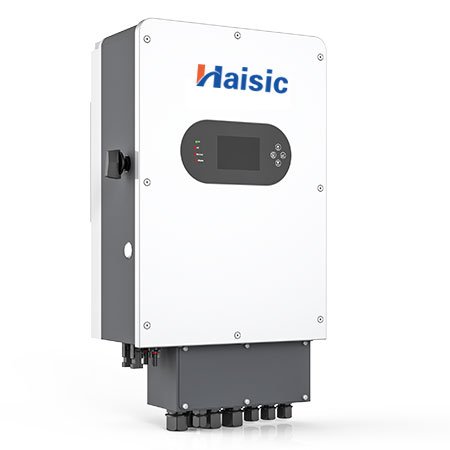
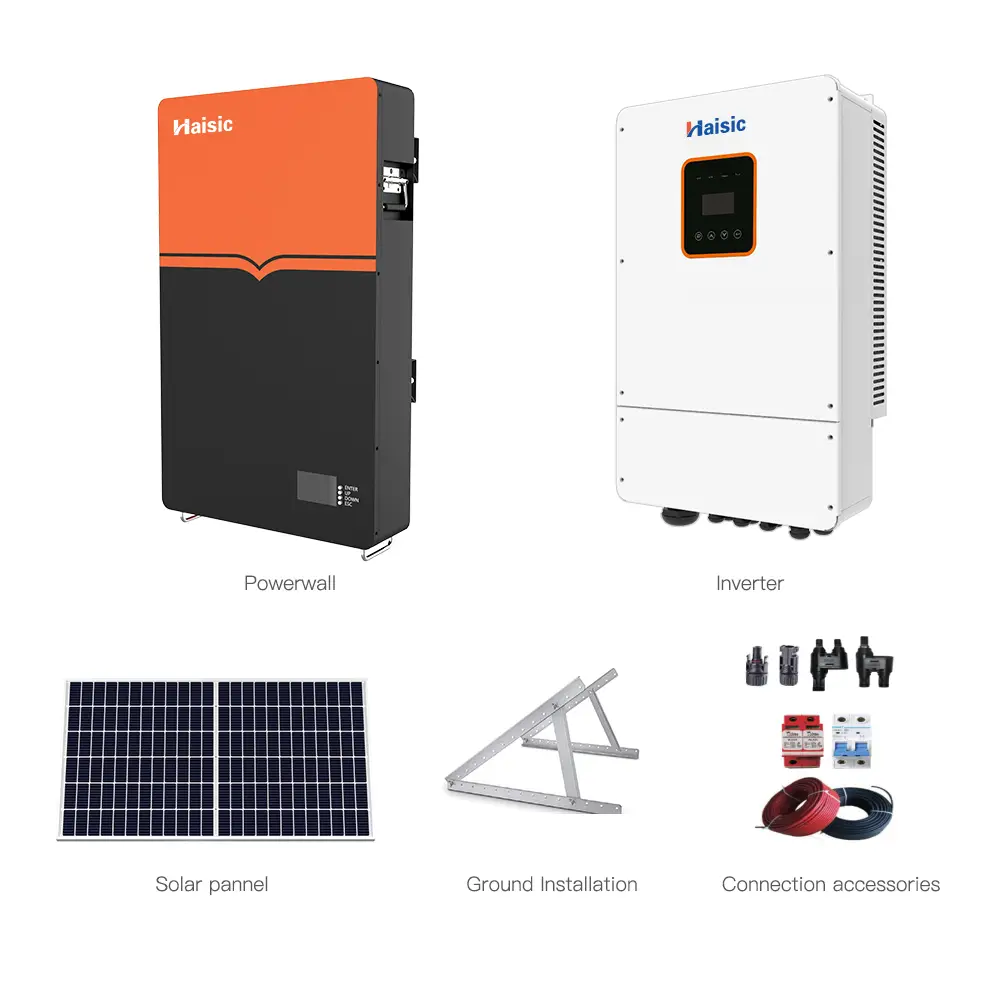
Hybrid inverters like the Haisic 6–12 kW IP65 on-grid/off-grid hybrid inverter make this part simple: one unit handles solar input, grid, and battery charging.
Why Haisic LiFePO4 Shines in Solar Hybrid Setups
For a LiFePO4 home battery paired with solar, a few things really matter: cycle life, safety, and compatibility.
Haisic batteries are built for solar hybrid use:
- High cycle life – ideal for daily charge/discharge from solar
- Stable LiFePO4 chemistry – safer than NMC, deeper usable capacity than lead-acid
- Built-in BMS – protects against overcharge, over-discharge, and high current
- Modular capacity – easy to scale from 10–15 kWh up to full whole house battery backup
A good combo for most diy battery backup systems:
- 10–20 kWh Haisic LiFePO4 solar battery pack (e.g. the 15 kWh 51.2 V Haisic pack)
- 3–6 kW of solar panels (roof or ground mount)
- 5–10 kW hybrid inverter tied into a transfer switch
Set up correctly, your diy home backup battery will:
- Charge from the sun first
- Use batteries at night or during outages
- Fall back to grid only when needed
That’s how you turn a simple diy battery backup solution into a smart, solar-powered energy storage for home that actually pays you back over time.
Common diy home battery backup mistakes

When I build or review a diy home battery backup system, these are the mistakes I see over and over. Avoid them and your setup will be safer and more reliable.
1. Undersizing capacity and ignoring surges
Most diy battery backup solutions fail because the system is too small.
- Only sizing for running watts and forgetting surge watts (fridge, well pump, AC, etc.)
- Ignoring high-start loads like:
- Refrigerator/freezer: 150–200W run / 800–1,200W surge
- Sump pump: 400–800W run / 1,200–2,000W surge
- Not planning for enough kWh to last through a real outage
Tip: Always:
- List your essential loads
- Check the surge rating on the inverter
- Add at least 20–30% headroom to your diy battery backup system size
2. Poor wiring and mismatched components
A diy whole house battery backup can be dangerous if the wiring is sloppy.
- Using cable that’s too thin for the current (overheating, fire risk)
- Mixing voltages or connecting a 24V inverter to a 48V battery bank
- No proper fuses or breakers close to the battery and inverter
- Randomly pairing inverter, BMS, and battery brands with no compatibility check
Tip: Match:
- Battery voltage to inverter and charge controller
- Cable size to amps + distance
- Always use proper lugs, busbars, fuses, and shut-off switches
3. Skipping safety features and grounding
A diy backup battery for home must be treated like a permanent power install, not a gadget.
- No grounding of inverter chassis and system
- No DC disconnect or emergency shut-off
- No proper overcurrent protection (fuses/breakers) on battery and AC side
- Exposed terminals, no insulated enclosures
Tip: At minimum, include:
- Grounding for inverter, racks, and main panel (as required locally)
- Main DC fuse close to the battery
- Covered terminals and a solid enclosure for kids/pets
4. Ignoring local codes, permits, and ventilation
Even a diy home backup battery must respect local rules.
- Ignoring electrical codes and utility rules for grid-tied systems
- Skipping permits for transfer switch installation
- No ventilation in small rooms or closets (especially important for lead-acid)
- Putting batteries in hot, damp, or cramped spaces
Tip:
- Use a listed transfer switch or interlock for whole house battery backup
- Follow local regulations for wiring, grounding, and backfeed protection
- Keep batteries in a cool, dry, ventilated area for longer life and safety
If you avoid these mistakes, your diy home battery backup will run smoother, last longer, and stay safe for your family and your property.
Cost breakdown for a DIY home battery backup
DIY vs pro install
If I build a DIY home battery backup with LiFePO4 and a hybrid inverter, I usually see:
DIY battery backup solution (typical range)
- 5–10 kWh LiFePO4 pack (Haisic or similar): $1,500–$4,000
- Hybrid inverter/charger: $600–$2,000
- Transfer switch + wiring + protection: $300–$1,000
- Optional solar (2–5 kW): $1,500–$5,000
- Total DIY battery backup system: roughly $2,500–$10,000+ depending on size
Professional whole house battery backup install
- Often $10,000–$30,000+ for a branded system (Tesla, LG, etc.)
- Higher labor costs, permits included, but less flexibility
If I’m comfortable with tools, a DIY whole home battery backup can easily come in at 30–60% cheaper than a full turnkey system of the same capacity.
Long‑term savings and ROI
A LiFePO4 home battery paired with solar or off‑peak charging pays back over time:
Time‑of‑use arbitrage
- Charge when power is cheap, use batteries when rates spike
- In some regions, this alone saves 10–30% on annual bills
Solar self‑consumption
- Store excess solar instead of exporting at low feed‑in rates
- Better in markets where export tariffs are weak or changing
Outage protection value
- Avoid food loss, hotel stays, lost work hours, and hardware damage
- For homes with medical or critical equipment, the value is huge even if outages are rare
Because LiFePO4 deep cycle battery backup (like Haisic packs) can run 4,000–6,000+ cycles, spreading the cost over years of daily use often makes the ROI very competitive with buying all grid power.
Incentives, rebates, and financing
Depending on where I live, I’ll always check:
Solar + battery tax credits
- Many countries and regions offer 20–30%+ credits on energy storage for home when paired with solar
- Sometimes batteries qualify even without panels
Local rebates & grants
- Utility “resilience” or “load‑shifting” programs
- Bonus rebates for off‑grid power backup in rural or disaster‑prone areas
Low‑interest loans or green financing
- Banks and energy companies often have special rates for solar battery storage DIY projects
- Spreads the upfront hit while your system starts saving from day one
If I’m building a DIY home backup battery around Haisic or other LiFePO4 modules, I keep invoices, spec sheets, and system diagrams ready—those are often required to claim incentives, rebates, or grid‑tied battery system programs.
Maintenance for your DIY home battery backup
If I’m putting money into a DIY home battery backup, I want it to run quietly in the background and just work. That only happens if you give it a bit of basic care.
Simple routine checks
For any diy home battery backup or diy whole house battery backup:
Monthly visual check
- Make sure cables are tight, no burnt marks, no melted insulation.
- Confirm breakers/fuses are not tripped or overheated.
- Check the inverter screen for errors or warning codes.
Battery health
- Keep LiFePO4 batteries within the recommended SOC (usually 10–90% for daily cycling).
- Avoid leaving the system fully drained for long periods.
- Make sure the battery room/area is dry, clean, and within the temperature range in the spec sheet.
System test
- Once every 1–3 months, simulate a power cut:
- Switch to battery mode using the transfer switch.
- Run your key loads (fridge, lights, router, maybe a small AC or fan).
- Watch how the inverter and Battery Management System (BMS) behave.
- Once every 1–3 months, simulate a power cut:
Monitoring apps and expansion tips
A solid diy battery backup system should be easy to monitor:
Use the app or web portal
- Track charge/discharge power, battery SOC, and cycle count.
- Watch for unusual patterns like:
- Fast drops in SOC.
- Inverter frequently hitting max load.
- Batteries hitting high temp limits.
Plan for expansion
- If you’re often over 80–90% load, it’s time to:
- Add more LiFePO4 home battery capacity (extra Haisic battery modules).
- Or step up to a larger hybrid inverter for home.
- Keep all battery modules the same chemistry, brand, and voltage to avoid mismatch problems.
- If you’re often over 80–90% load, it’s time to:
When to upgrade or call in support (Haisic)
You don’t need support for every small thing, but there are moments when you shouldn’t DIY further:
Upgrade signs
- Outages are lasting longer than your current diy backup battery for home can handle.
- Your diy home battery backup is constantly hitting low-voltage cut-off.
- You’ve added more appliances (EV, heat pump, more AC) and the system is maxed out.
Contact Haisic support when:
- The BMS throws repeated errors you can’t clear.
- The battery doesn’t hold capacity anywhere near the rated kWh, even after a few full cycles.
- You see swelling, leaking (for non-LiFePO4 packs), smoke, or smell of burning – power down and get help immediately.
Haisic batteries are built for long-cycle, low‑maintenance use, but I still treat them like critical infrastructure. A quick monthly check and smart use of the monitoring tools will keep your diy home battery backup system stable, safe, and ready for the next outage.