











cURL error: transfer closed with outstanding read data remaining
Defining Your Energy Goals: The \”Why\” Behind the Size
Sizing a home battery system is not a one-size-fits-all process. Before calculating numbers, you must define what you want the system to achieve. As a manufacturer, I have seen that the most efficient systems are those designed with a specific objective in mind, preventing both wasted investment and power shortages. Your daily energy usage and specific goals determine the ideal energy consumption (kWh) capacity.
Maximizing Solar Self-Consumption
For many homeowners, the primary goal is to stop \”donating\” excess solar energy to the grid for minimal credits.
- The Strategy: Store excess solar energy generated during the day to power your home at night.
- Sizing Focus: The battery should be large enough to cover your typical evening and overnight electricity needs.
- Key Benefit: Minimizes reliance on the grid and maximizes the ROI of your solar panels.
Emergency Backup Power
If you live in an area prone to outages, your focus is resilience. You need enough juice to keep the lights on when the grid goes dark.
- The Strategy: Reserve a specific percentage of battery capacity for emergencies.
- Sizing Focus: Identify a critical load panel (fridge, well pump, lights, internet) and calculate how many hours or days you need them to run without a recharge.
- Key Benefit: Peace of mind and safety during extreme weather or grid instability.
Full Off-Grid Living
Off-grid energy storage is the most demanding scenario. There is no safety net, so the system must be robust enough to handle peak loads and consecutive cloudy days.
- The Strategy: Complete energy independence from utility companies.
- Sizing Focus: Systems must be significantly oversized to provide \”days of autonomy.\”
- Key Benefit: Zero utility bills and total control over your power infrastructure.
Bill Optimization and TOU Rates
In markets with Time-of-Use (TOU) optimization, electricity prices skyrocket during peak evening hours.
- The Strategy: \”Load Shifting\”—charging the battery when rates are low (or via solar) and discharging it when rates are highest.
- Sizing Focus: The battery must be sized to cover the specific duration of the utility’s peak rate window.
- Key Benefit: Drastic reduction in monthly electricity bills by avoiding expensive peak-hour energy.
Understanding the Two Dimensions of Battery Sizing
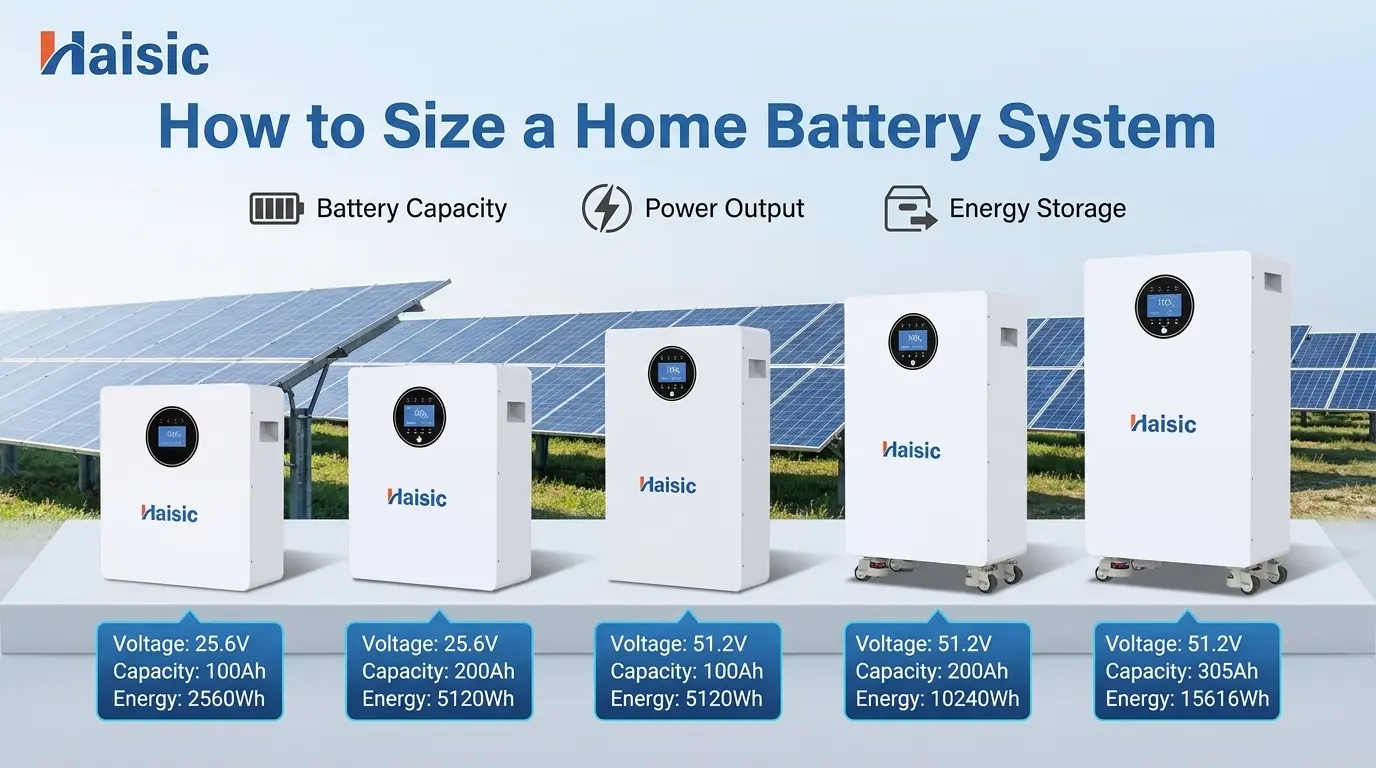
When we help homeowners determine how to size a home battery system, we look at two distinct metrics: Capacity and Power Rating. Many people mistake these for the same thing, but they serve very different purposes in your solar and energy storage setup.
Capacity (kWh): The Size of Your Energy Tank
Capacity is measured in kilowatt-hours (kWh) and represents the total amount of electricity the battery can hold. This is your \”energy reservoir.\” It determines how long your home can run before the battery is empty.
- Usable Capacity: This is the actual amount of energy you can use without damaging the battery.
- Daily Energy Usage: If your home consumes 10kWh a night, you need a battery capacity that exceeds that number to avoid pulling from the grid.
Power Rating (kW): The Flow of Energy
The power rating, measured in kilowatts (kW), tells you how much electricity the battery can deliver at any single moment. This is often dictated by the inverter power rating. Even if you have a massive capacity, a low power rating means you cannot run multiple heavy appliances at once.
- Continuous Power: The steady amount of energy the battery provides for long periods. This covers your \”always-on\” loads like lights, Wi-Fi, and refrigerators.
- Peak/Surge Power: The short-term burst of energy (usually lasting only seconds) required to start appliances with motors, such as air conditioners or well pumps.
Balancing the Two Dimensions
To get the most out of our high-performance battery products, you must balance these two factors based on your specific needs:
- High Capacity + Low Power: Good for running small loads (lights, laptops) for a very long time.
- Low Capacity + High Power: Good for running heavy appliances (power tools, ovens) but only for a very short duration.
- The Sweet Spot: A system where the power rating meets your peak power demand and the capacity covers your total energy consumption (kWh) until the sun rises again.
Step-by-Step: Calculating Your Daily Energy Consumption
To determine how to size a home battery system accurately, we start by looking at your actual energy consumption. This process isn\’t about guesswork; it is about analyzing hard data from your utility bills and defining your specific lifestyle needs.
Reviewing Utility Bills for Average Daily kWh Usage
The most reliable starting point is your monthly utility statement. We look for the \”Average Daily Usage\” section, typically measured in kilowatt-hours (kWh).
- Check Seasonal Peaks: Your energy usage in summer might be double what it is in spring due to air conditioning.
- Annual Average: We calculate the average over 12 months to account for these fluctuations.
- Baseline vs. Peak: We note the difference between your normal daily energy usage and your highest consumption days to ensure the system doesn\’t fall short when you need it most.
Identifying Critical Loads and Wattage
If you aren\’t looking to power the entire house, you must identify a critical load panel. This involves listing the essential appliances that must stay running during an outage. Understanding the difference between solar and solar with battery storage is vital here, as it helps you prioritize which loads are worth the investment in storage capacity.
| Appliance | Estimated Daily kWh | Priority |
|---|---|---|
| Refrigerator/Freezer | 1.5 – 2.0 kWh | High |
| LED Lighting (10 bulbs) | 0.5 – 1.0 kWh | High |
| Wi-Fi Router & Phone Charging | 0.2 – 0.4 kWh | High |
| Desktop Computer/Workstation | 1.0 – 2.0 kWh | Medium |
The Duration Factor: Hours vs. Days of Backup
Once we know your daily energy consumption for critical loads, we determine your required backup power duration. This is the length of time you need the battery to last without any input from the grid or solar panels.
- Short-term (4–8 hours): This is ideal for covering evening peak rates or common short-term local outages.
- Full Day (24 hours): This requires a battery capacity that matches or slightly exceeds your total daily critical load.
- Multi-day Resilience: For areas prone to long-term grid failure, we recommend a larger battery bank that can bridge the gap during consecutive cloudy days when solar production is low.
Technical Factors That Impact Effective Battery Size
When figuring out how to size a home battery system, the numbers printed on the spec sheet rarely tell the whole story. As manufacturers, we know that real-world performance relies on a few critical technical variables. Understanding exactly what a battery energy storage system is and how it operates under different conditions ensures you don\’t end up with an undersized setup.
Depth of Discharge (DoD): Usable vs. Nominal Capacity
You cannot drain most batteries to absolute zero without causing permanent damage. Depth of Discharge (DoD) dictates the percentage of the battery\’s total energy that is actually available for you to use. This is the difference between usable capacity vs. nominal capacity. Older lead-acid batteries safely discharge to about 50%. In contrast, modern LiFePO4 battery technology allows for 80% to 100% DoD, giving you significantly more usable power from the exact same physical footprint.
Round-Trip Efficiency: Accounting for Energy Loss
Storing energy and pulling it back out is not a perfectly flawless process. Some energy is naturally lost as heat during the conversion from DC to AC power. Round-trip efficiency measures the percentage of electricity put into storage that is later retrieved. If a battery has a 90% round-trip efficiency, you lose 10% of your stored power. We always factor this loss into the sizing calculation to ensure your critical load panel stays powered.
Ambient Temperature: Climate and Performance
Batteries are highly sensitive to their environment. Extreme cold slows down internal chemical reactions, temporarily reducing your battery\’s available capacity. Conversely, extreme heat accelerates degradation and shortens overall battery cycle life. If you live in a region with harsh winters or scorching summers, you must size the system slightly larger to compensate for these temperature-induced performance drops.
Quick Reference: Technical Sizing Factors
| Technical Factor | What It Means | Impact on Sizing |
|---|---|---|
| Depth of Discharge (DoD) | The safe limit for draining the battery. | High DoD (like LiFePO4) means you need fewer batteries to meet your energy goals. |
| Round-Trip Efficiency | Energy retained after the charge/discharge cycle. | Lower efficiency requires a slightly larger battery to offset the lost power. |
| Ambient Temperature | The physical operating environment. | Extreme climates require capacity buffers to maintain reliable backup power duration. |
Matching Battery Size to Your Solar PV Array
When figuring out how to size a home battery system, your solar PV array is the most important variable. Your solar panels act as the \”fuel pump\” for your battery; if the pump is too small, the tank will never stay full. To get the best return on investment, your solar production must be capable of both powering your home during the day and fully recharging your battery before sunset.
The Golden Ratio: Balancing Production and Storage
I generally recommend a \”Golden Ratio\” to ensure your system remains efficient. For most residential setups, a ratio of 1.5kW to 2kW of solar power for every 5kWh of battery storage works best. This balance ensures that even on slightly cloudy days, you generate enough surplus energy to top off your reserves for nighttime use.
Dangers of an Mismatched System
Installing an oversized battery with an undersized solar array is a common mistake that leads to poor performance.
- Chronic Undercharging: If your panels can’t produce enough excess energy, the battery stays at a low state of charge, which can reduce the lifespan of certain chemistries.
- Wasted Capacity: You pay for storage you never actually use, significantly increasing your payback period.
- System Inefficiency: High-quality energy storage system options perform best when they are cycled regularly. A battery that sits half-empty is a wasted asset.
To maximize solar self-consumption, your goal is to capture the \”peak\” solar production that would otherwise be sent back to the grid for pennies. If your solar array is already maxed out on your roof, don\’t buy more battery than those panels can realistically fill in 4 to 5 hours of peak sunlight.
Why Battery Chemistry is Critical for Sizing
When you are determining how to size a home battery system, the internal chemistry is just as important as the physical dimensions. The battery type dictates how much of the stored energy you can actually use and how many years the system will last before needing a replacement.
Comparing Battery Technologies
- Lead-Acid: These are heavy and inefficient. You can typically only use 50% of the rated capacity, meaning you have to buy a battery twice as large as you actually need.
- Standard Lithium-Ion (NMC): While energy-dense, these can be prone to overheating and have a shorter lifespan than phosphate-based versions.
- LiFePO4 (Lithium Iron Phosphate): This is the industry gold standard for safety and longevity. It offers a superior battery cycle life, often lasting over 10 years even with heavy daily use.
The Haisic LiFePO4 Advantage
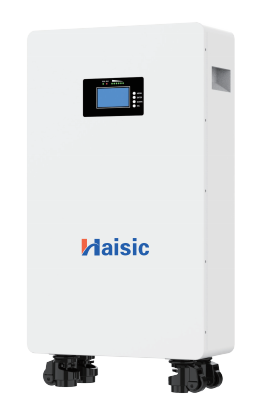
We prioritize LiFePO4 battery technology because it is chemically stable and virtually fireproof. Unlike other chemistries, LiFePO4 does not suffer from thermal runaway, making it the safest choice for indoor residential installations. Our domestic battery energy storage system is built to handle deep discharges consistently without degrading the cells, ensuring you get the full value of your investment.
Modular Design: Grow as You Go
One of the biggest challenges in how to size a home battery system is predicting your future energy needs. We solve this by utilizing scalable battery modules.
- Start Small: You can begin with a single module to cover your most critical loads during an outage.
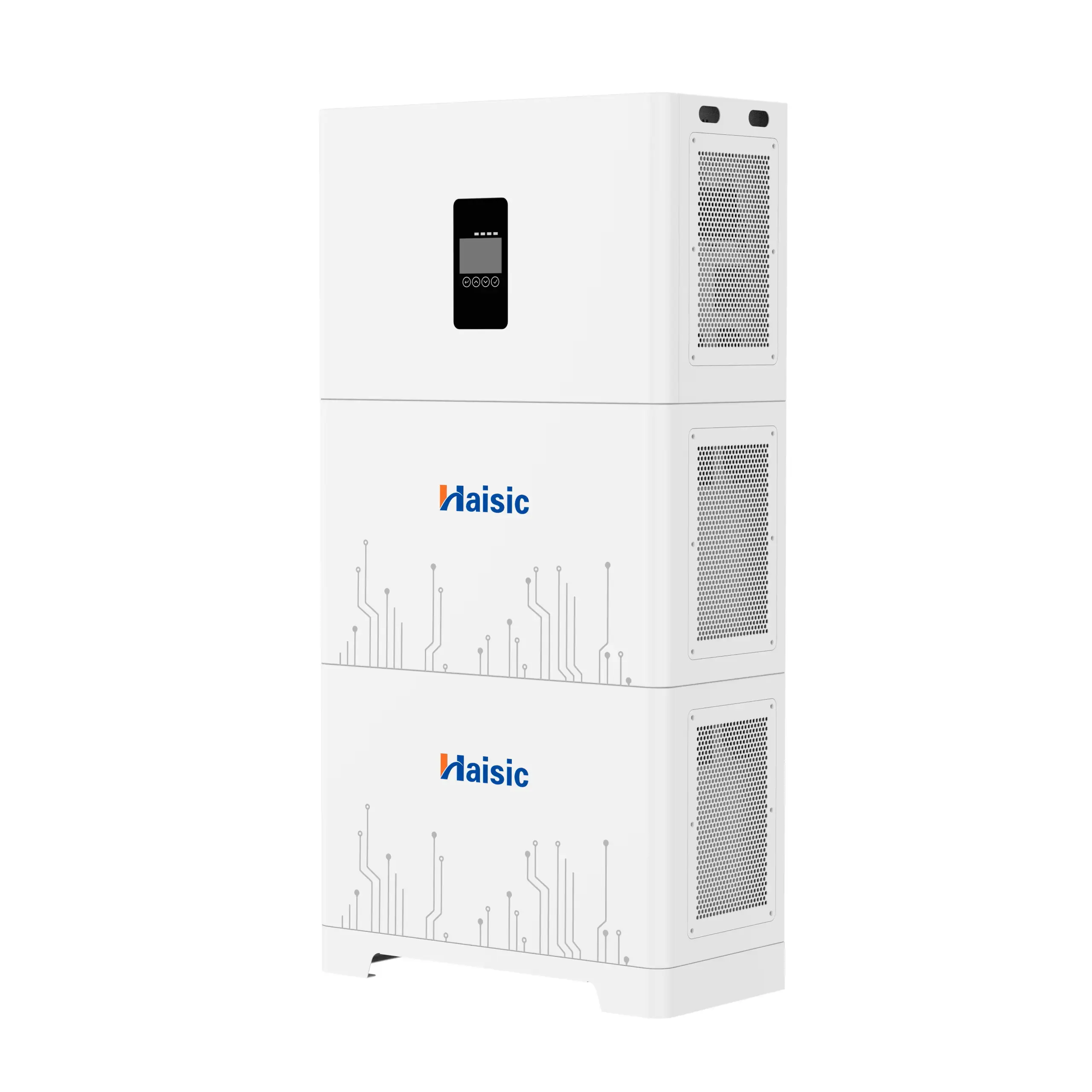
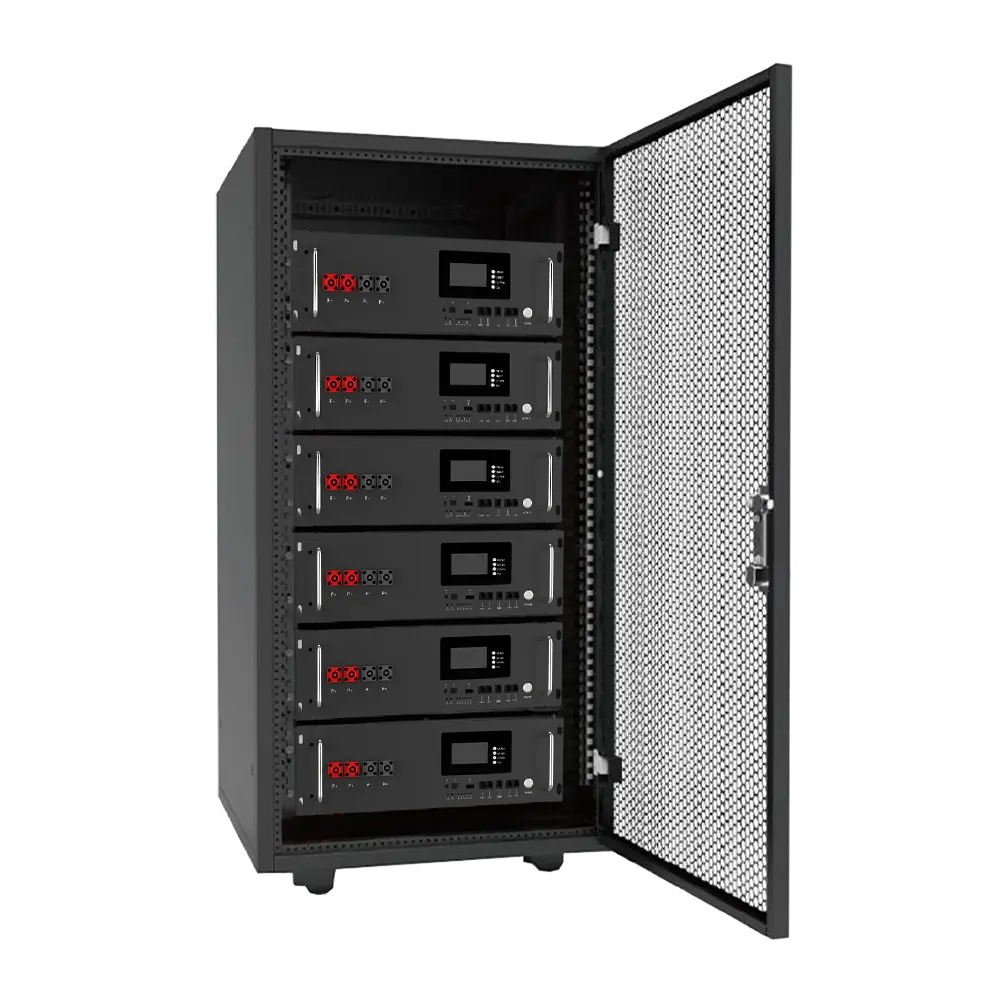
- Expand Easily: Our \”plug-and-play\” stackable design allows you to add more capacity later without needing to replace your existing inverter or wiring.
- Future-Proof: As your family grows or you add an electric vehicle, you can simply click additional modules into place to increase your total storage capacity.
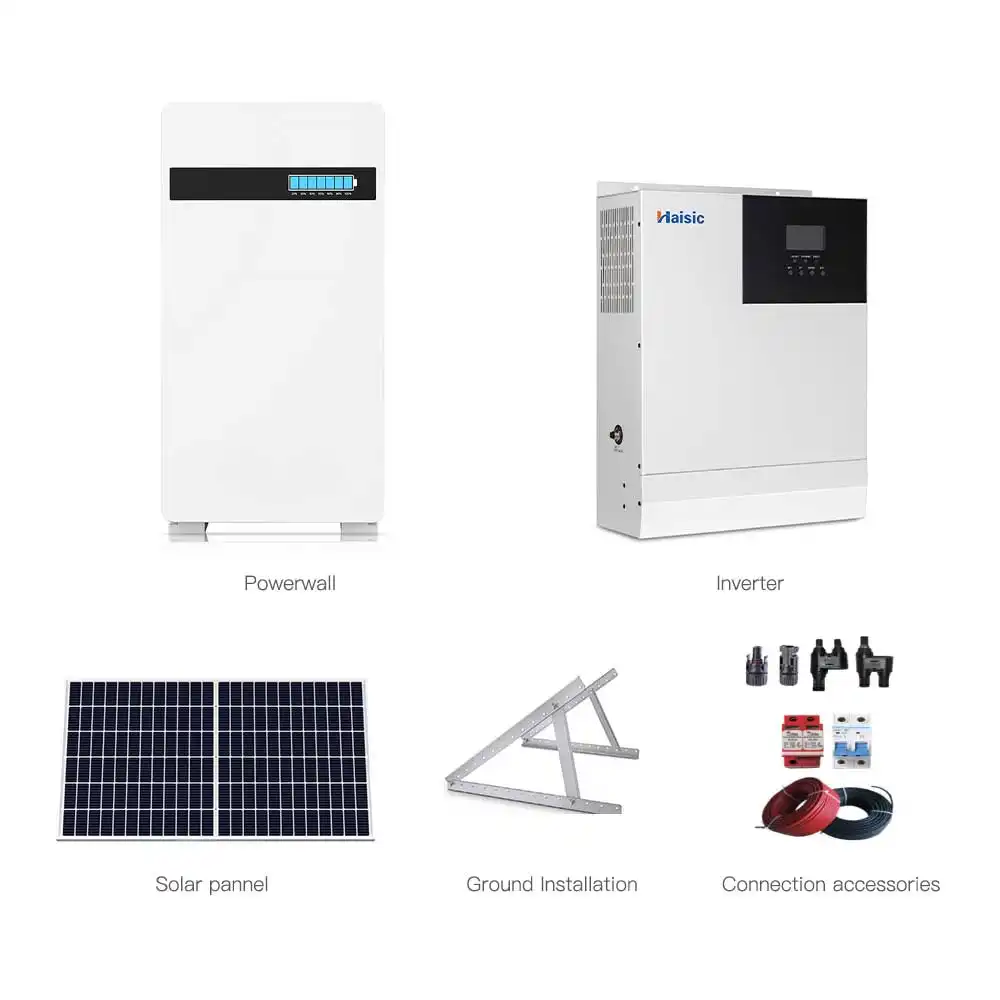
By choosing a high-quality solar energy and battery storage solution based on LiFePO4, you ensure that your sizing remains flexible and your home stays powered safely for decades.
Common Sizing Mistakes When Planning Your Home Battery
Even with the right math, a few overlooked details can ruin your setup. As a leading home solar energy storage factory, we often see homeowners make these three critical errors when learning how to size a home battery system:
- Ignoring Seasonal Variations: Solar production isn\’t constant. A system that works perfectly in the bright July sun might leave you short during a cloudy December. Always size your storage based on your lowest production months to ensure year-round reliability.
- Forgetting Surge Current: Appliances with motors—like air conditioners, refrigerators, or well pumps—require a massive \”kick\” of energy to start. This peak power demand is often 2 to 3 times higher than the continuous running wattage. If your battery\’s power rating cannot handle this surge, the system will trip and shut down.
- Underestimating Future Energy Growth: Your energy needs will likely grow over the next decade. Adding an Electric Vehicle (EV) or switching to electric heating significantly increases your daily energy usage. It is much more cost-effective to choose scalable battery modules now than to perform a full system overhaul later.
Avoiding these pitfalls ensures your investment provides the security and savings you expect without unexpected upgrades down the road.
FAQs About How to Size a Home Battery System
Navigating the technicalities of energy storage can be challenging. Here are the most common questions we encounter when helping homeowners determine how to size a home battery system effectively.
How many kWh do I need to run a house?
For most standard homes, a battery system ranging from 10kWh to 20kWh is the \”sweet spot.\” This capacity typically covers essential \”critical loads\” like refrigeration, lighting, and high-speed internet for a full day. If your goal is to offset your entire daily energy consumption (kWh) or go off-grid, you may need 30kWh or more, depending on your heavy appliance usage.
Can I add more batteries to my system later?
Yes, as long as you select a system designed with scalable battery modules. Our LiFePO4 systems are modular, allowing you to start with a single unit and expand your storage capacity as your budget allows or your energy needs increase. When learning how to choose the best solar battery for your needs, prioritizing expandability ensures your investment is future-proof.
What is the difference between usable and nominal capacity?
- Nominal Capacity: The total amount of energy the battery can theoretically hold.
- Usable Capacity: The actual amount of energy you can safely use without damaging the cells.
The gap between usable capacity vs. nominal capacity is determined by the Depth of Discharge (DoD). High-quality LiFePO4 batteries typically offer a 90-95% DoD, giving you much more functional power than older lead-acid technologies.
How long will a 10kWh battery last during an outage?
The duration depends entirely on your power draw:
- Essential Loads (500W): Approximately 20 hours (Fridge, lights, router, phone charging).
- Moderate Loads (2,000W): Approximately 5 hours (Essentials plus a TV, microwave, or small space heater).
- Heavy Loads (5,000W): Approximately 2 hours (Central AC or electric water heater).
Choosing a high-quality battery for home energy storage ensures that you have the reliable discharge rates necessary to handle these varying loads during an emergency.