









What Is Home Solar Energy Storage?
If you’re adding solar to a home today, you’re almost always thinking about home solar energy storage at the same time. Instead of sending excess solar power back to the grid for a low credit, a residential solar battery storage system stores that energy so the homeowner can use it later—at night, during outages, or when utility prices spike.
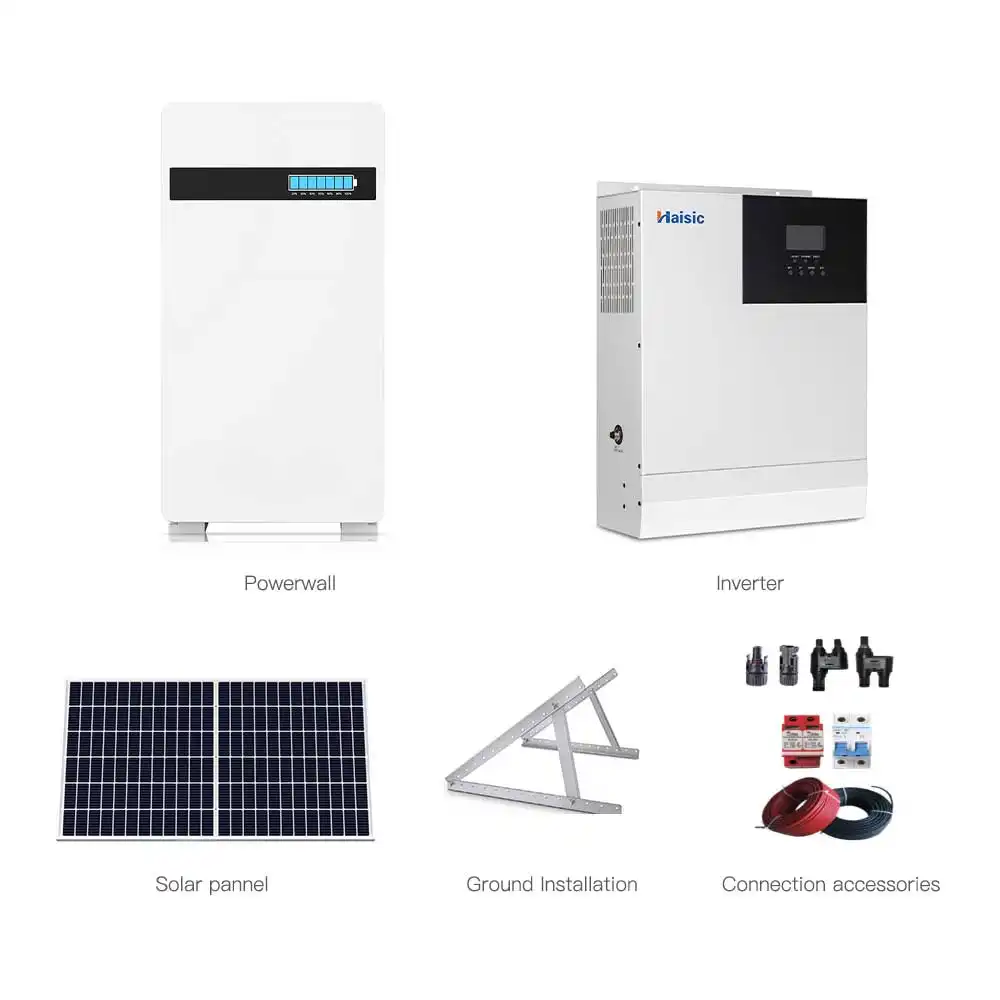
A typical home solar energy storage system includes three core components:
- Solar panels – Convert sunlight to DC electricity.
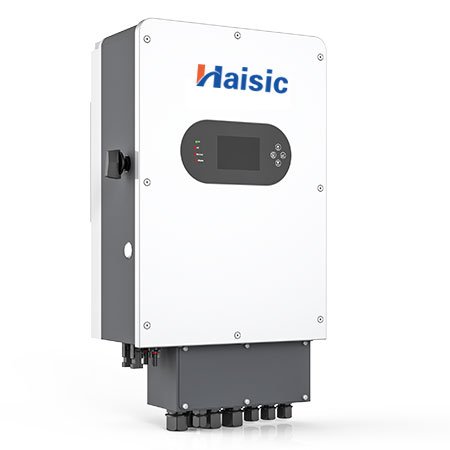
- Hybrid solar inverter – Converts DC to AC for the home and manages power flows between panels, grid, and battery.
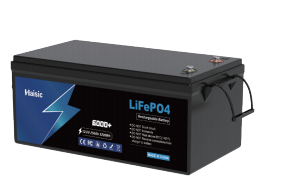
- LiFePO4 home battery – High-safety lithium battery pack that stores energy for backup and self-consumption.
In my factory, we focus on LiFePO4 residential ESS solutions because they offer:
- Much higher safety than standard NMC lithium
- Longer cycle life (ideal for daily cycling)
- Stable performance in a wide range of climates
Why Home Solar Energy Storage Matters for Homeowners
From a homeowner’s perspective, a home solar energy storage system solves three real problems:
- Backup power: A residential backup power battery keeps lights, Wi-Fi, refrigeration, and critical loads running during grid failures.
- Lower electricity bills: Stored solar power is used in the evening peak instead of expensive grid power, especially in TOU (time-of-use) markets.
- Energy independence: With a 10kWh home energy storage system or larger, households reduce reliance on unstable grids and rising tariffs.
Whether it’s a wall-mounted energy storage battery, stackable home solar storage system, or an all-in-one solar storage system, the value is the same: more control over energy costs and reliability.
Why Factory-Level Quality and Technology Matter
If you’re a serious buyer, installer, or brand, the difference between a random supplier and a strong home solar energy storage factory is huge. Behind every reliable home powerwall manufacturer you’ll find:
- Advanced BMS for home solar energy storage – Ensures safety, accurate SOC, and long battery life.
- Consistent cell sourcing – Tier‑1 cells from stable partners in China, not mixed or downgraded cells.
- Strict testing and aging – Every lithium battery for home solar must pass functional, safety, and cycle tests before shipping.
- Integrated system design – Battery, hybrid solar inverter with battery, communication, and monitoring all engineered to work together.
I build systems at a home solar energy storage factory in China because the manufacturing ecosystem here allows us to combine:
- Factory-direct solar battery wholesale pricing
- Strong R&D in LiFePO4 home battery factory technology
- Scalable production for both OEM and ODM home energy storage system manufacturer projects
For installers, distributors, and brands, choosing the right home solar energy storage manufacturer is not just about price; it’s about long-term performance, fewer failures in the field, and a product you’re confident putting your name on.
Key Features to Look for in a Home Solar Energy Storage Factory
When I choose a home solar energy storage factory, I focus on a few non‑negotiables: safe chemistry, real performance, solid certifications, and a factory that can scale with my business.
1. Battery Chemistry & Safety (LiFePO4 First)
For home use, LiFePO4 (LFP) is the standard I use in my own residential ESS factory:
- LiFePO4 vs other lithium:
- Much safer (thermal stability, low fire risk)
- Longer cycle life vs NMC/NCA
- Better for daily cycling in home solar systems
- Look for:
- Built‑in BMS for home solar energy storage
- Multi‑level protection (over‑charge, over‑discharge, short‑circuit, temp)
2. Cycle Life, DoD & Usable Capacity
Ask for realistic numbers, not marketing hype.
| Spec | Good Home ESS Target |
|---|---|
| Cycle life | 6,000+ cycles @ 80% DoD |
| Recommended DoD | 80–90% daily |
| Usable capacity (vs nominal) | ≥ 90% of rated kWh in actual residential use |
| Warranty | 5–10 years, with clear kWh or cycle conditions |
A reliable 10kWh home energy storage system should still deliver strong capacity after years of daily use.
3. Factory Certifications & Quality Control
A serious home solar energy storage manufacturer will have traceable QC:
- Certifications (by product/market):
- CE, RoHS (EU)
- UL1973 / UL9540 / UL9540A (US)
- TÜV, IEC62619, IEC62133, UN38.3
- Factory systems:
- ISO 9001 (quality)
- ISO 14001 (environment)
- Full test records per home solar battery pack production line
Look for factories that can show test reports and serial tracking for each lithium battery for home solar.
4. Production Capacity, Automation & Scalability
If you’re planning factory-direct solar battery wholesale, the factory must keep up:
- Automation level: laser welding, automated aging racks, robotic pack assembly
- Monthly capacity: clearly stated kWh/month or sets/month
- Ability to scale from small MOQs to container‑level orders without changing quality
This matters for stable supply in markets like the US, EU, Australia, and Africa where residential solar battery storage demand is growing fast.
5. System Integration Capabilities
A good residential ESS factory is not just selling a battery box; it’s delivering a full system:
- Compatible hybrid solar inverter with battery (on‑grid / off‑grid / hybrid)
- Mature BMS for home solar energy storage:
- CAN/RS485 communication
- Protocols for major inverter brands
- Smart monitoring:
- App / web dashboard
- Remote diagnostics, firmware upgrades
For reference, you can see how a 5kW solar energy storage system for home is integrated with inverter and BMS in this complete home solar storage system example.
6. Design Options: Wall, Floor, Stackable, All‑in‑One
Different markets need different formats, so I always design for flexibility:
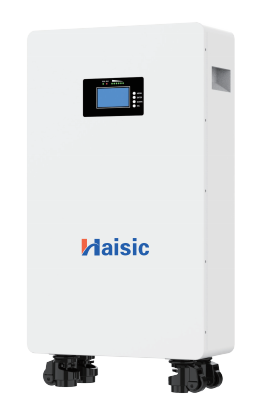
- Wall-mounted energy storage battery (Powerwall style) for tight spaces
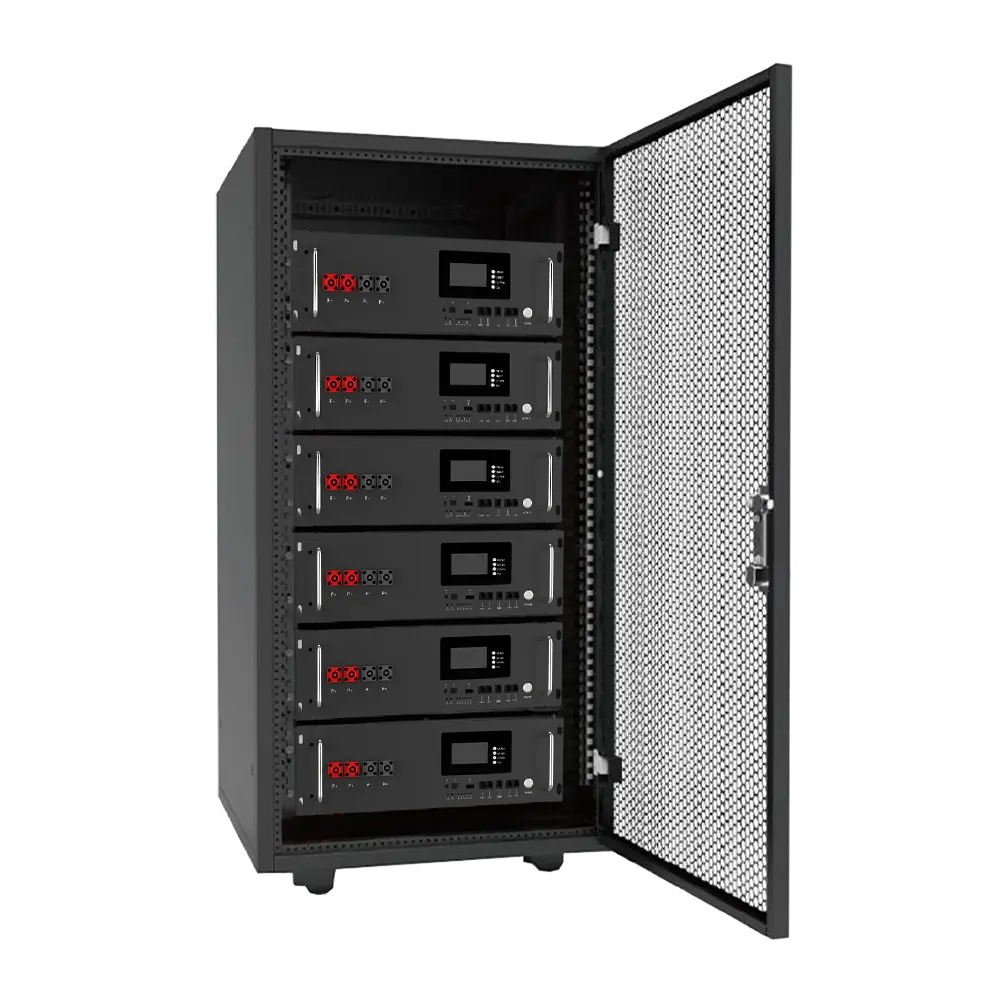
- Floor-mounted cabinets for higher capacity (10–30kWh+)
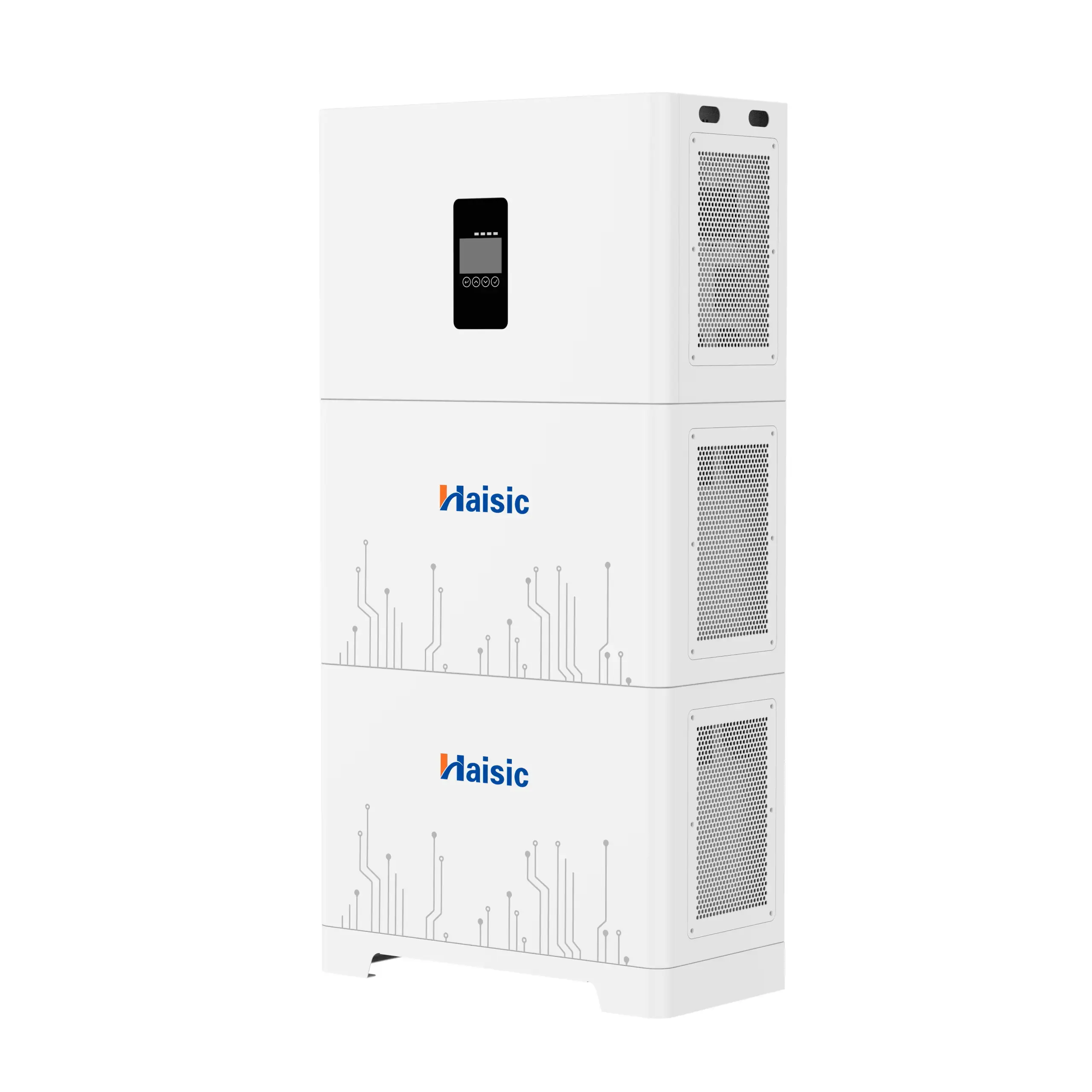
- Stackable home solar storage system:
- Modular 5kWh / 10kWh blocks
- Easy to expand as the customer adds more loads
- All-in-one solar storage system:
- Inverter + battery + BMS in one unit
- Faster install for installers and EPCs
If you want a clean indoor install, look at how a touchscreen 20kWh home energy storage battery is packaged and controlled in this wall/floor residential ESS design.
When you source from a home solar energy storage factory in China, make sure they tick all these boxes: safe LiFePO4 chemistry, proven cycle life, real certifications, scalable production, solid integration, and designs that actually match how homeowners live and use power.
Top Considerations When Choosing a Home Solar Energy Storage Manufacturer

When you pick a home solar energy storage factory, you’re really choosing the long‑term reliability of your brand and your customers’ homes. Here’s what I look at first.
Benefits of Working Directly With a Home Solar Energy Storage Factory
Working factory‑direct with a home solar energy storage supplier gives you:
- Better pricing and margins – no middleman markups.
- Direct engineering support – faster answers on system design, sizing, and integration.
- Stable supply – priority on production slots during peak seasons.
- Faster feedback loop – real-time improvements based on installer and end‑user feedback.
For example, if you’re scaling a 10kWh wall-mounted product line, a factory that already runs a mature 10kWh home energy storage system production can help you ramp up much faster.
OEM/ODM Customization for Brands and Installers
A serious home solar energy storage manufacturer should offer both OEM and ODM:
OEM (label + minor tweaks)
- Custom logo / color / packaging
- Branded app interface and web portal
- Pre-configured settings for your typical installs
ODM (deeper customization)
- Custom capacity (e.g., 5–30kWh modular home battery storage)
- Unique casing (wall-mounted, floor, stackable)
- BMS settings tailored to your target inverters or grid rules
Ask for:
- 3D drawings and datasheets with your branding
- Clear roadmap for firmware updates under your brand
- Proof of previous OEM/ODM residential ESS projects
MOQ, Lead Time, and Shipping Terms
Don’t let logistics kill your project. Clarify these with any home solar energy storage system factory:
| Factor | What to Check |
|---|---|
| MOQ (Minimum Order Qty) | Start-friendly? (e.g., 10–20 units for new partners) |
| Standard Lead Time | Typical: 20–45 days after deposit |
| Peak Season Policy | How they protect your orders during high demand |
| Shipping Terms | EXW, FOB, CIF, DAP – what they can handle flexibly |
| Packaging | Export-grade, drop-tested, palletized, UN3480 compliant |
For new markets, I prefer factories that allow low initial MOQs while still giving access to their main residential ESS product range.
Warranty, Service Network, and Tech Support
A solar battery is only as good as its after-sales support.
Key points for a home solar energy storage supplier:
Warranty term:
- 8–10 years for LiFePO4 home batteries is now standard.
- Clear conditions on cycle life (e.g., 6,000+ cycles @ 80% DoD).
Service model:
- Replacement vs. repair policies
- Local service partners or authorized installers
- Response time for ticket handling (e.g., within 24–48 hours)
Technical support:
- Remote diagnostics via BMS / cloud platform
- Pre-sales system design support (hybrid inverters, PV sizing)
- Training materials and installer manuals
If a manufacturer can’t show a written warranty sample and RMA process, I walk away.
Cell Sourcing: Tier‑1 Cells and Long-Term Stability
Inside every residential solar battery storage system, cell quality is everything.
Ask the home solar energy storage manufacturer directly:
Cell grade:
- Tier‑1 LiFePO4 cells only (prismatic or pouch)
- Batch consistency and traceability
Suppliers:
- Long-term contracts with major Chinese lithium battery factories
- History of supply stability, even during market shortages
Testing:
- 100% capacity test and internal resistance test at pack level
- Cell matching before pack assembly
Look for factories that are open about their bill of materials (BOM) and can prove strong, long-term partnerships with cell makers.
Compliance With US, EU, and Australian Standards
If you’re targeting global markets, your home solar energy storage system must pass local rules, not just factory tests.
Core certifications and compliance to check:
Safety & performance:
- CE (EU)
- UL 1973 / UL 9540 / UL 9540A (US)
- IEC 62619, IEC 62040, IEC 61000 series
Grid & installation:
- AS/NZS standards for Australia
- Local grid codes for grid-tied home energy storage
Documentation:
- Full test reports from labs like TÜV, SGS, Intertek
- Declaration of Conformity (DoC) for each model
- Clear labeling and installation manuals in local languages
If your home solar energy storage China partner cannot show valid, recent certificates that match the exact model you’re buying, that’s a red flag.
Choosing the right home solar energy storage system manufacturer is about more than price. It’s about factory depth, technical capability, and global compliance so your brand stays safe while your customers get reliable backup power for the long haul.
Why China Dominates Home Solar Energy Storage Manufacturing
China leads the home solar energy storage factory space for one simple reason: the full ecosystem is already here. From LiFePO4 cell suppliers to BMS, inverters, metal cases and smart monitoring, everything is produced locally, which keeps costs down and development cycles fast for any home solar energy storage system manufacturer.
Manufacturing ecosystem for residential solar storage
China’s strength is the cluster effect. In the same region you’ll usually find:
- Cell factories making LiFePO4 cells for residential ESS
- Pack and BMS factories focused on 5–20kWh home systems
- Inverter and EMS suppliers for hybrid solar inverter with battery setups
- Case, connector, cable, and PCB suppliers ready for OEM home battery storage projects
This ecosystem lets a serious China home energy storage manufacturer design, sample, test, and mass-produce a new 10kWh home energy storage system in weeks, not months.
Cost advantages and economies of scale
Chinese residential ESS factories build for the world, so volumes are huge. That brings:
- Lower cost per Wh thanks to bulk cell sourcing and automated lines
- Competitive factory-direct solar battery wholesale pricing
- Better value at the same spec (more usable kWh, better BMS, smarter monitoring)
For installers and brands, this means you can offer a certified lithium battery for home solar at a price point that actually works in markets like the US, EU, Australia, and emerging regions.
R&D strength in LiFePO4 home batteries
Most of the innovation in LiFePO4 home battery factory tech is coming out of China:
- High-cycle LiFePO4 residential ESS solutions with >6000 cycles
- Safer pack designs with better thermal management and fire protection
- Smarter BMS for home solar energy storage with remote diagnosis and app monitoring
- All-in-one solar storage system designs with hybrid inverter built-in
For example, our own wall-mounted 25.6V 100Ah Powerwall-style home energy storage system is built around LiFePO4 cells, smart BMS, and user-friendly monitoring for global homes.
Typical product ranges and capacities
Most serious home solar energy storage suppliers in China now cover a full residential range:
- Wall-mounted energy storage battery: 5–15kWh
- Floor-mounted / cabinet systems: 10–30kWh, often modular
- Stackable home solar storage systems: 2.5–5kWh modules, expandable to 20kWh+
- All-in-one solar storage systems with hybrid inverter + battery in one unit
A common spec for homes is a 10kWh home energy storage system, enough for evening self-consumption and basic backup.
How to filter real factories from trading companies
This part matters if you’re sourcing home solar energy storage for sale under your own brand:
Look for signs of a real residential ESS factory:
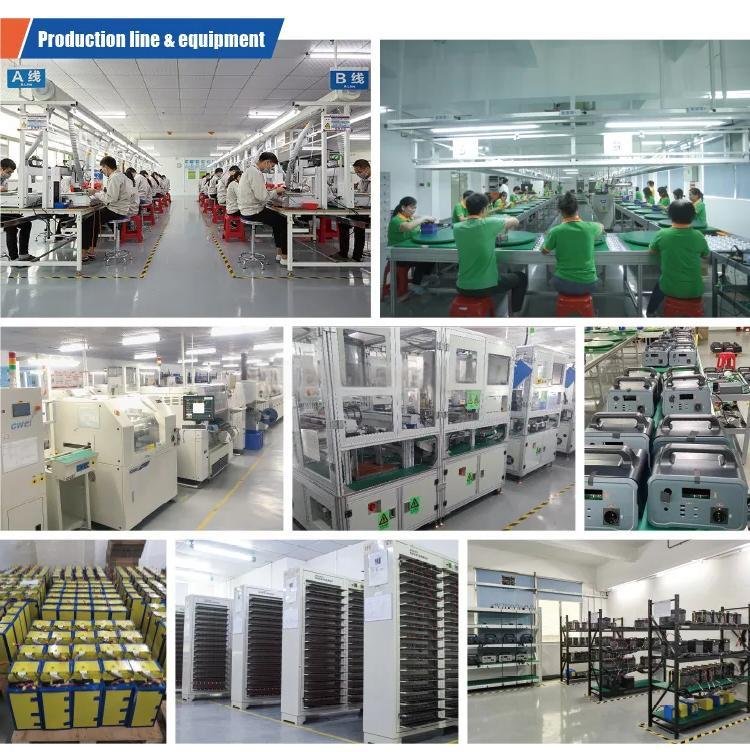
- Detailed production line photos/videos (cell sorting, pack welding, aging racks)
- Test reports and certificates in their own name (CE, UL, IEC, TÜV)
- Clear address + factory area + production capacity (MWh/month)
- Ability to customize BMS parameters, communication (CAN/RS485), and branding (OEM/ODM)
Red flags of pure traders:
- Vague answers on production capacity and process
- Certificates that belong to another company
- No clear R&D team or engineering contact
If you want stable supply of modular home battery storage at scale, always push for factory audits, live video calls from the workshop, and real test reports before committing.
Spotlight on Leading Home Solar Energy Storage Factories
Core strengths of a top-tier residential ESS factory
When I look at a serious home solar energy storage factory, a few things are non‑negotiable:
- LiFePO4 chemistry only for home solar batteries (safer, longer life, stable performance).
- Strong R&D team focused on residential ESS (10kWh–30kWh modular and all‑in‑one systems).
- Full in‑house design of BMS, packs, and enclosures, not just cell assembly.
- Compliance-first mindset: CE, UL, TÜV, ISO, and grid standards for US/EU/Australia.
A factory like ours that builds both wall‑mounted powerwall‑style batteries and stackable home solar storage systems can support installers, wholesalers, and brands with one platform instead of multiple suppliers. For example, our 51.2V 100Ah powerwall energy storage is built specifically for residential backup and hybrid solar setups.
What a modern energy storage production line looks like
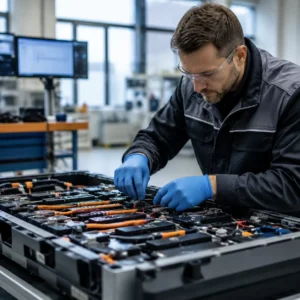
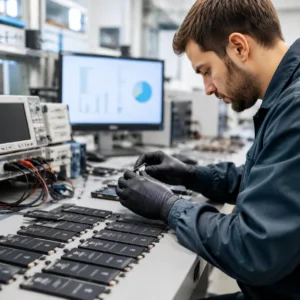
In a real residential ESS factory, the production line is clean, automated, and data‑driven:
- Cell incoming inspection: capacity, internal resistance, voltage matching.
- Automatic cell sorting & stacking for LiFePO4 modules.
- Laser welding & automated screw fastening to keep connections precise.
- BMS installation & firmware burning on the line.
- Online testing stations at every key step (insulation, communication, voltage).
You should see clear MES (manufacturing execution system) tracking, QR codes on every module, and full traceability from cell batch to finished home solar energy storage system.
Low-end vs premium factories: what really changes
The gap between low‑end and premium home solar energy storage manufacturers is huge:
Low-end factories usually:
- Use mixed‑grade or unknown-brand lithium cells.
- Inflate “10kWh” capacity with unrealistic depth of discharge.
- Skip real aging tests to push volume.
- Offer vague or weak warranties.
Premium residential ESS factories:
- Use tier‑1 LiFePO4 cells with long-term supply contracts.
- Publish true usable capacity, cycle life, and test reports.
- Have independent safety labs in-house or long-term third‑party partners.
- Support OEM/ODM customization with clear engineering support.
If a supplier can’t show detailed test data and real spec sheets for their home solar energy storage for sale, I don’t treat them as a serious partner.
How strong factories handle testing, aging, and safety checks
Reliable home solar energy storage system factories are obsessed with testing. A normal process looks like this:
- 100% functional testing of every pack (charge/discharge, communication, protection functions).
- High‑temperature and low‑temperature tests for residential scenarios (garages, utility rooms, outdoors in enclosures).
- 48–72 hours aging test under load to weed out early failures.
- Safety checks: insulation resistance, high‑voltage withstand, short‑circuit protection, BMS fail‑safe behavior.
For larger or more advanced systems, like our 10.24kWh touchscreen energy storage system, we also run communication checks with hybrid inverters, cloud monitoring tests, and long-cycle simulations to verify real‑world reliability.
This level of testing is exactly what serious installers, distributors, and brands should demand from any home solar energy storage factory in China or anywhere else.
How to Source from a Home Solar Energy Storage Factory
1. Shortlist factories the smart way
When I look for a reliable home solar energy storage factory, I start by:
- Using B2B platforms (Alibaba, Made-in-China, Global Sources) with filters like “home solar energy storage factory”, LiFePO4 home battery, residential ESS factory.
- Checking how long the company has been verified, export markets, and main products (wall-mounted energy storage battery, stackable home solar storage system, all-in-one solar storage system).
- Cross-checking on LinkedIn and industry forums to see if they’re a real China home energy storage manufacturer, not just a trading company.
Shortlisted suppliers should clearly show they produce home solar energy storage systems and not just generic lithium batteries.
2. How to read spec sheets and compare home batteries
When comparing residential solar battery storage models, I focus on:
- Chemistry: LiFePO4 only for home use (safer, longer life).
- Capacity & voltage: e.g. 5kWh, 10kWh, 48V or 51.2V; check usable capacity (at rated DoD).
- Cycle life: look for 6,000+ cycles @ 80% DoD for serious home energy storage.
- Power rating: continuous and peak output, especially for backup loads.
- BMS functions: over/under voltage, overcurrent, temperature protection, communication (CAN/RS485).
- Compatibility: hybrid solar inverter with battery support (brands, protocols, grid/off-grid use).
I always cross-check numbers with similar products on the market, for example high-end battery storage for home solutions like those shown in this home energy battery range.
3. Request quotes, samples, and factory documents
From each serious home solar energy storage supplier, I ask for:
- Detailed quotation: price by capacity (e.g. 10kWh home energy storage system), MOQ, warranty, accessories included.
- Samples: at least 1–2 units for lab or field testing (especially for OEM home battery storage projects).
- Factory audit pack:
- Company profile & organization chart
- Photos/videos of the home solar battery pack production line
- Main equipment list and capacity per month
- Major export markets and key partners
This quickly shows whether I’m dealing with a real home solar energy storage system factory or a reseller.
4. Check certifications, test reports, and references
For global markets (US, EU, Australia), compliance is non‑negotiable:
- Product certifications: CE, UL, TÜV, IEC (especially for LiFePO4 residential ESS solutions).
- Factory certifications: ISO9001, ISO14001, sometimes ISO45001.
- Test reports: UN38.3, IEC62619, IEC62133, EMC reports for the full home energy storage system.
- Customer references: installers, distributors, or brands using their home solar energy storage China products.
For higher-end systems, I like to see real test reports and long-term field use cases, similar to what you’d expect on a 51.2V home energy battery product page, like this 10kWh-class residential system.
5. Negotiate pricing, payment terms, and Incoterms
Once the tech side checks out, I negotiate based on:
- Pricing structure:
- Clear price per kWh for different capacities (e.g. 5kWh vs 10kWh modular home battery storage).
- Price breaks by volume (factory-direct solar battery wholesale).
- Payment terms:
- Commonly 30% deposit, 70% before shipment; for larger deals, LC or OA after trust is built.
- Incoterms:
- EXW, FOB China port, or CIF to your nearest port.
- Clarify who handles insurance and inland trucking.
I also lock in a price validity period, especially when raw material prices are volatile.
6. Manage shipping, customs, and after-sales
For home solar energy storage for sale in your market, logistics and service can make or break the project:
- Shipping & customs:
- Confirm HS codes and that the supplier can ship Class 9 dangerous goods (lithium batteries).
- Decide sea vs air (most residential backup power batteries go by sea due to weight).
- Documentation:
- Commercial invoice, packing list, bill of lading, COO, test reports, MSDS, UN38.3.
- After-sales setup:
- Clear warranty policy (years, capacity retention, exclusions).
- Replacement process (spare parts, whole-unit swap, local service partners).
- Remote tech support for installers and end users (especially for all-in-one solar storage systems and grid-tied home energy storage).
Handled right, you get a stable home solar energy storage system supply chain with predictable costs and long-term support for your local market, whether you’re in the US, EU, Australia, or regions like Buffalo looking for competitive home solar energy storage system pricing.
Future Trends in Home Solar Energy Storage
Home solar energy storage is moving fast, and if you’re planning serious investment in a home solar energy storage factory or sourcing from a home energy storage system manufacturer, you need to know where the market is really heading.
Smarter Home ESS: Apps, Monitoring, AI Control
Homeowners now expect every residential solar battery storage system to be smart out of the box. The next wave is:
- Real-time apps to track solar generation, battery SOC, and home load in one dashboard
- Remote monitoring for installers and brands to cut service costs
- AI-based energy management that learns user habits, power prices, and weather to decide when to charge, discharge, or export
If your LiFePO4 home battery factory can integrate a strong BMS, cloud platform, and mobile app, you’ve already separated from low-end competitors.
Virtual Power Plants & Demand Response
In markets like the US, EU, and Australia, utilities are starting to link thousands of home solar energy storage systems into virtual power plants (VPPs):
- Home batteries discharge during grid peaks for extra revenue
- Utilities pay homeowners for demand response services
- Requires grid-tied home energy storage with open communication protocols and stable BMS
Factories that design residential ESS with VPP-ready hardware and APIs will have a big edge with installers and energy retailers.
Longer-Life, Safer Battery Designs
The trend is firmly toward LiFePO4 residential ESS solutions with:
- High cycle life (6,000–10,000+ cycles)
- Deep usable capacity (80–100% DoD with strong BMS protection)
- Improved thermal design for extra safety and stability
Premium manufacturers are optimizing pack structure and cell selection, similar to high-end 15kWh LiFePO4 home battery packs used in demanding residential projects, to cut warranty risk and increase real lifetime value.
All-in-One Solar + Storage Systems
Installers and homeowners want faster, cleaner installs. That’s pushing growth in:
- All-in-one solar storage systems (hybrid inverter + battery + BMS in one enclosure)
- Wall-mounted energy storage batteries for tight spaces
- Stackable home solar storage systems that scale from 5kWh to 20kWh+
As a home solar energy storage manufacturer, offering a full all-in-one solar plus storage system means better margins, simpler logistics, and stronger brand loyalty.
Global Demand Trends
Demand for home solar energy storage China products is exploding in:
- Europe – high electricity prices, strong solar adoption
- Australia – solar-heavy homes needing backup and self-consumption
- US & Canada – weather outages, TOU tariffs, backup power focus
- Emerging markets – off-grid and weak-grid areas needing off-grid solar energy storage systems
Factories that can deliver factory-direct solar battery wholesale, flexible OEM/ODM branding, and a wide capacity range (from small 12V systems up to larger 10kWh–15kWh home energy storage systems) will win long-term global partnerships.