











Understanding Home Energy Storage Batteries
What Is a Home Battery Pack?
A home battery pack is a residential energy storage system that stores electricity so you can use it later, instead of only when the grid or your solar panels are producing power.
In simple terms, it works like this:
- Charge:
- From your solar panels during the day, or
- From the grid when electricity is cheap (off‑peak / time‑of‑use rates).
- Store:
- Energy is stored inside a lithium home battery pack (most common) or other battery type.
- Discharge:
- The battery sends power back through an inverter to supply your home when:
- The grid is down (backup power)
- Grid prices are high (peak shifting)
- Solar production is low (night or cloudy days)
- The battery sends power back through an inverter to supply your home when:
The inverter and battery management system (BMS) handle all the switching automatically. You simply set your preferences in an app, and the system optimizes when to charge and discharge.
Key Benefits: Backup, Savings, Independence
A well‑sized home battery pack directly tackles three main homeowner concerns:
Backup power for outages
- Keep lights, Wi‑Fi, refrigerator, key outlets, medical devices running when the grid fails.
- A whole home battery backup setup can keep most or all circuits powered for hours or days, depending on size.
Energy bill savings
- Charge from solar instead of exporting cheap power to the grid.
- Store energy when prices are low and use it when prices spike (time‑of‑use battery storage and peak load shifting).
- Cut demand charges by smoothing high usage peaks.
Greater energy independence
- Rely less on the grid and rising utility rates.
- Increase solar self‑consumption instead of giving away your excess solar.
- Build towards energy autonomy days, where your home runs mostly on solar + storage.
Common Use Cases for Home Energy Storage
Home batteries are flexible. The right size battery pack for home energy storage depends on how you plan to use it:
Backup power battery for outages
- Partial home backup: only essentials like fridge, lights, and internet.
- Full home backup: air conditioning, well pump, cooking, and more.
- Great for areas with frequent storms, grid failures, or unreliable infrastructure.
Solar storage and self‑consumption
- Store surplus solar during the day and use it at night.
- Protect yourself from weakening net metering and export tariffs.
- A properly sized solar storage battery turns your PV array into a true 24/7 energy source.
Off‑grid and remote living
- Combine off‑grid solar battery bank + generator for full independence.
- Plan for multiple days of autonomy with larger residential energy storage kWh capacity.
- Ideal for cabins, rural homes, or regions with unstable grids.
In every case—backup, bill savings, or off‑grid—what size battery pack is required for home energy storage comes down to how much you use, how long you need coverage, and how independent you want to be.
Key Factors That Determine Home Battery Pack Size
1. Know Your Household Energy Consumption
Before you even think about kWh, you need to understand how much energy your home actually uses.
Check your power bill
- Look for “Total kWh used” for the month.
- Divide by the number of days in the billing period to get average kWh per day.
- Example: 900 kWh in 30 days → 30 kWh/day.
Watch your peak use
- If your bill shows demand (kW) or time-of-use (TOU), note your highest kW and the most expensive time slots.
- This will matter for battery power rating (kW) and how much energy you shift away from peak hours.
2. Be Clear on Your Main Goal
Your main goal changes the battery size you need:
Backup only (short outages)
- Size around essential loads: lights, Wi‑Fi, fridge, a few outlets.
- Smaller battery, lower cost.
Bill savings / time‑of‑use shifting
- Battery sized to cover your evening peak hours.
- Often 1–2 cycles per day for maximum value.
Full energy independence / off‑grid
- Much larger system: sized for total daily use + bad weather days.
- You’ll need higher kWh and solid solar input.
3. Solar System Size and Battery Capacity
If you already have solar (or plan to):
- A bigger solar array can recharge a larger battery faster.
- As a simple rule:
- Daily solar production (kWh) should at least match or exceed the usable battery capacity you want to recharge each day.
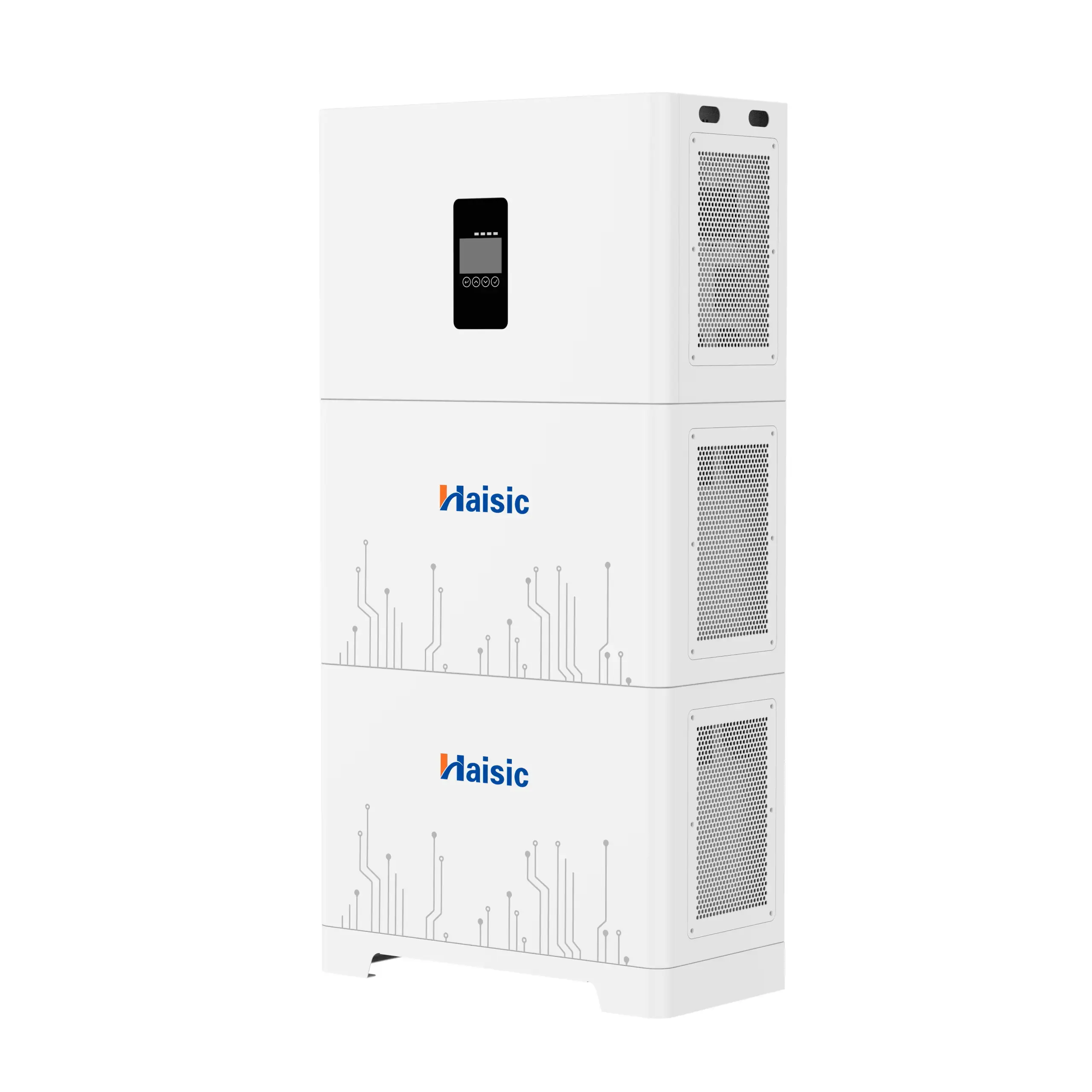
- For larger home systems, I like modular batteries (for example, a touchscreen-based 20.48 kWh home energy storage battery) so you can align storage with your PV size and expand later.
4. How Long Do You Want Backup Power?
Think in hours or days, not just “I want backup”:
- 4–8 hours: enough for most short grid cuts.
- 24 hours: covers a full day of outage with essentials.
- 2–3+ days: more like energy autonomy days for unstable grids or storms.
The longer your target, the bigger your battery bank (kWh) needs to be—especially if your solar might be weak during bad weather.
5. Location, Climate, and Lifestyle
Where and how you live changes your battery needs:
- Hot climates: more AC load, higher summer kWh → larger battery.
- Cold climates: electric heating or heat pumps can dominate usage.
- Unreliable grid regions: design for longer backup and higher cycle life.
- Lifestyle:
- Work from home? More daytime use.
- Many people home at night? Higher evening peak → battery must cover that window.
6. Plan for Future Loads
Don’t size only for today:
EV charging:
- A typical EV can add 10–20 kWh/day to your usage.
- If you plan to charge mostly at night from your battery, you’ll need extra storage.
Future appliances:
- Electric dryer, induction cooktop, pool pump, mini‑split AC, etc. all add up.
- Add at least 10–30% extra capacity if you know upgrades are coming.
Scalable systems:
- Go with modular home battery systems so you can stack more capacity later instead of overbuying day one.
- Many modern residential systems are built as scalable home battery solutions, so you pay only for what you need now and add more if your lifestyle changes.
Dialing these factors in is what turns a rough guess into a solid home battery sizing plan that actually works in real life.
How to Calculate the Right Home Battery Size (Step‑by‑Step)
Sizing a home battery pack isn’t guesswork. Here’s a clear step‑by‑step way to get close before you talk to an installer or buy a system.
Step 1: Work out your daily energy use (kWh)
- Grab your power bill and find:
- Total kWh used for the billing period
- Number of days in the billing period
- Use this formula:
Daily energy use (kWh/day) = Total kWh ÷ Number of days
Example:
900 kWh in 30 days → 900 ÷ 30 = 30 kWh/day
This “kWh per day” is your baseline for battery sizing.
Step 2: List your essential backup loads
Decide what must stay on during an outage or what you want the battery to cover:
- Fridge / freezer
- Wi‑Fi and lights
- Some outlets (phone, laptop, TV)
- Well pump, small AC unit or fans, medical devices, etc.
For each device, estimate:
- Power (W or kW) – usually on the label
- Hours per day you’ll use it
Then:
Energy per device (kWh) = Power (kW) × Hours per day
Total essential backup (kWh/day) = Sum of all devices
Example (per day, during outage):
- Fridge: 0.15 kW × 10 h = 1.5 kWh
- Lights: 0.1 kW × 5 h = 0.5 kWh
- Wi‑Fi + electronics: 0.1 kW × 8 h = 0.8 kWh
Total essential = 2.8 kWh/day (round to 3 kWh/day)
Step 3: Add depth of discharge, efficiency loss, and safety margin
Real batteries don’t give you 100% of their rated capacity. You need to adjust for:
- Depth of Discharge (DoD) – how much of the battery you can safely use
- Good lithium or LiFePO₄ home batteries: 80–95% usable
- System efficiency – inverter and wiring losses
- Plan for about 90–95% efficiency
- Safety margin – bad weather, heavier usage, system aging
- Add 10–25% extra capacity
Combined, a simple rule of thumb:
Usable capacity = Nominal capacity × 0.8 (or 0.85)
So if you want 10 kWh usable, size to about 12–13 kWh nominal.
Step 4: Use a simple kWh sizing formula (with examples)
Decide your goal:
- Basic backup only: use your essential loads
- Solar self‑consumption / TOU savings: use 30–70% of daily use
- Near energy independence: use 100–150% of daily use
Core sizing formula:
Battery size (kWh) = Daily kWh to cover × Days of autonomy ÷ Usable fraction
Where:
- Days of autonomy = how many days you want backup (e.g., 0.5, 1, 2 days)
- Usable fraction = 0.8–0.9 (based on DoD and efficiency)
Example A – Basic overnight backup (grid‑tied):
Daily house use: 25 kWh
You only want to cover 40% via battery for night and peak rates → 10 kWh
Days of autonomy: 0.5 day
Usable fraction: 0.85
Battery size = 10 × 0.5 ÷ 0.85 ≈ 6 kWh nominal
Example B – 1‑day whole‑home backup:
Daily house use: 30 kWh
Days of autonomy: 1
Usable fraction: 0.8
Battery size = 30 × 1 ÷ 0.8 = 37.5 kWh nominal → round to 35–40 kWh
Modular systems like a 51.2V 30.5Ah (≈15.6 kWh) touchscreen home energy battery can be stacked in multiples to hit those targets while keeping things flexible and scalable.
Step 5: Match battery power (kW) to your peak demand
kWh tells you how long the battery can run. kW tells you how much power at once it can deliver.
- Add up the maximum simultaneous loads you want to support:
- Fridge (0.3–0.6 kW)
- Lights and outlets (0.2–0.8 kW)
- Well pump (1–2 kW starting)
- AC, electric oven, EV charger, etc. (can be 3–7 kW each)
- Your inverter + battery power rating (kW) must handle that peak.
Rules of thumb:
- 3–5 kW: partial backup, small apartments, basic loads
- 5–10 kW: typical homes with sensible load management
- >10 kW: large homes, heavy electric loads, multiple ACs / EVs
When you compare systems, check both:
- Battery capacity (kWh)
- Continuous and surge power (kW)
Tools and resources to double‑check your battery size
To refine your numbers:
- Smart meter data from your utility portal (15‑min or hourly usage)
- Home energy usage calculators (search: “home battery sizing guide” or “solar battery capacity calculator”)
- Solar monitoring apps (if you already have PV)
- Trial runs: log how much power you actually use when you “pretend” you’re in backup mode for an evening or weekend
- Modular systems: Choose stackable batteries (like home lithium battery storage packs designed for residential use) so you can start smaller and add capacity once you see real‑world performance.
If you’re on the fence between two sizes and budget allows, I normally recommend:
- Start with a modular lithium or LiFePO₄ system
- Size to at least one full night of your realistic essential loads
- Leave room in the system design for future expansion (extra modules, larger inverter, EV load later)
Typical home battery sizes and real‑world picks
Common home battery capacities (kWh) and what they actually cover
Here’s how most residential energy storage kWh sizes play out in the real world:
5–7 kWh
- Covers: a few lights, Wi‑Fi, phone/laptop, small fridge for short outages
- Good for: apartments, very small homes, low backup needs
10–13 kWh (most common size range)
- Covers: fridge, lights, Wi‑Fi, a few power outlets, TV, gas‑based heating controls, maybe a small AC for a few hours
- Good for: basic backup + decent solar self‑consumption
15–20 kWh
- Covers: most essential loads + some comfort (multiple fridges, more lighting, work‑from‑home gear, limited AC use)
- Good for: families, frequent outages, aggressive time‑of‑use savings
20–30+ kWh
- Covers: near whole‑home backup for many users (minus heavy loads like central AC or electric heating in some cases)
- Good for: long outages, semi‑off‑grid setups, larger homes
For a quick feel of what different capacities can handle and cost brackets, I usually point people to a simple breakdown like this battery storage for home overview.
Best home battery size for basic outage protection
If your main worry is keeping the lights on during blackouts, not going off‑grid:
Apartments / small homes (1–2 people)
- Recommended: 5–10 kWh
- Priority loads: fridge, Wi‑Fi, lights, phone/PC, a fan
Average family homes (3–4+ people)
- Recommended: 10–15 kWh
- Priority loads: fridge/freezer, router, lighting, TV, work devices, gas boiler controls, a few fans
Keep heavy loads (electric oven, pool pump, big AC, EV charger) off backup unless you size up on purpose.
Best battery size for solar self‑consumption & peak shifting
If you want to store your solar power or beat time‑of‑use tariffs, size your lithium home battery pack mainly around your evening and night use:
- Small solar (2–4 kW)
- Typical battery: 5–10 kWh
- Medium solar (5–7 kW)
- Typical battery: 10–15 kWh
- Larger solar (8–10+ kW)
- Typical battery: 15–25 kWh
A good rule: aim for a battery that can roughly soak up your excess solar on a sunny day, not one that’s empty or full all the time.
Sizing for whole‑home & long‑duration backup
If your goal is whole home battery backup or more energy autonomy days, you’ll need bigger storage:
- Partial‑day whole‑home backup (cover most loads for 8–12 hours)
- 15–20 kWh in a typical grid‑tied home
- 1 full day of whole‑home backup (no extreme heating/cooling)
- 20–30 kWh
- Multi‑day backup / off‑grid feel
- 30–60+ kWh depending on climate, EV charging, and lifestyle
To avoid overspending, I usually suggest modular home battery systems so you can start around the 15–20 kWh mark and add more capacity if outages or usage grow.
Example battery setups: small, medium, large homes
Small home / apartment (low usage)
- Daily use: ~8–12 kWh
- Battery: 5–10 kWh
- Use case: emergency backup + some solar storage
Medium home (typical family)
- Daily use: ~15–25 kWh
- Battery: 10–15 kWh for backup & TOU savings
- 15–25 kWh if you also want strong whole‑home and solar coverage
Large home / EV / high loads
- Daily use: 30–50+ kWh
- Battery: 20–30+ kWh for robust backup & serious solar self‑consumption
- Consider stackable home battery modules so you can scale from ~20 kWh upwards as EVs or new appliances are added.
If you’re comparing sizes and budgets, a quick read on the cost of solar battery storage by capacity can help you match your ideal kWh size to what actually fits your budget and ROI.
Battery Types and Why Usable Capacity Matters
When you’re deciding what size battery pack is required for home energy storage, the chemistry and design matter just as much as the kWh number on the label. Two batteries with the same “capacity” can deliver very different real‑world runtime.
Lithium‑ion & LiFePO4 vs Lead‑acid
For modern home battery sizing, I strongly recommend lithium‑based systems, especially LiFePO4:
LiFePO4 (Lithium Iron Phosphate)
- High usable capacity: often 90–95% depth of discharge (DoD)
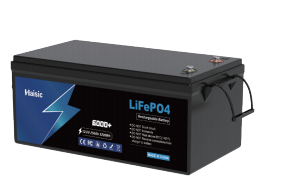
- Long cycle life: 6,000+ cycles possible
- Very stable and safe, ideal for residential use
- Low maintenance and great for daily cycling with solar
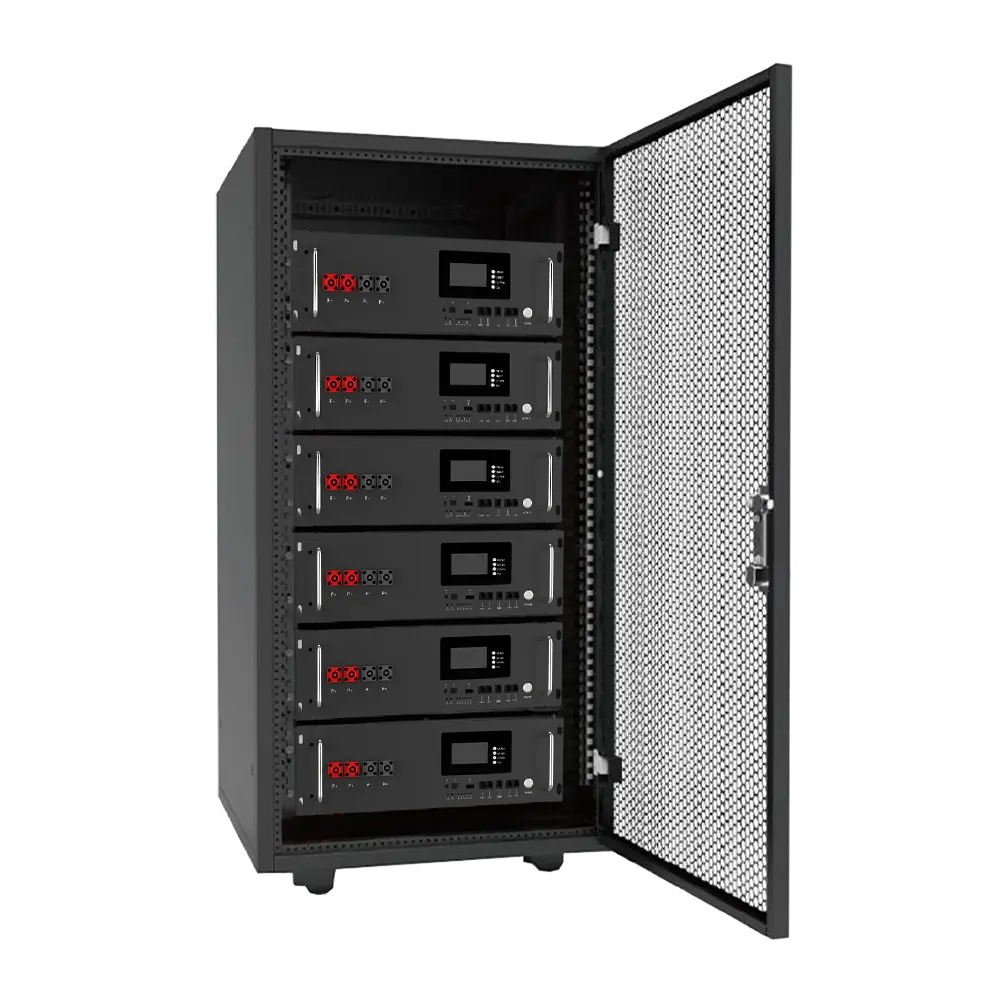
Many modular systems, like high‑voltage LiFePO4 commercial and residential units, are built specifically for scalable home and business use, similar to this type of LiFePO4 energy storage system.
Standard Lithium‑ion (NMC/NCA, etc.)
- High energy density (more kWh in less space)
- Good DoD (typically 80–90%)
- Very common in branded “wall” batteries
Lead‑acid (AGM, Gel, Flooded)
- Low usable capacity: often only 30–50% of rated kWh if you want decent life
- Shorter cycle life, heavier, bulkier
- Makes sizing tricky and usually more expensive over the long run
In practice, a 10 kWh LiFePO4 pack (90% usable) gives you about 9 kWh usable, while a 10 kWh lead‑acid bank at 50% DoD only gives you 5 kWh usable. That difference directly changes what size battery pack you need for backup or solar storage.
Why Usable Capacity, DoD, and Cycle Life Matter
When we size a home battery, we care about usable kWh, not just the advertised number:
- Depth of Discharge (DoD): How much of the battery you can safely use every cycle.
- Usable Capacity:
Usable kWh = Rated kWh × Recommended DoD × System Efficiency
- Cycle Life: Higher usable DoD + more cycles = better long‑term ROI.
- Safety: LiFePO4 has a very strong safety record and is tolerant of frequent daily cycling.
This is why a slightly smaller LiFePO4 battery can often outperform a physically larger lead‑acid bank in real‑world backup time.
Fixed vs Modular Battery Systems
You’ll see two main design approaches in residential energy storage:
Fixed (All‑in‑one) Systems
- One large, sealed unit (battery + BMS, sometimes inverter)
- Clean install, but limited expansion
- If you misjudge your needs, upsizing later can be costly
Modular / Stackable Systems
- Built from multiple battery modules (often LiFePO4)
- You can start with 1–2 modules and add more as your needs grow
- Great fit if you expect EV charging, more solar, or new appliances later
For example, many homeowners start with a smaller stackable LiFePO4 home battery module and add capacity over time as usage or solar production increases, very similar to how scalable modular home battery systems are designed.
How Modular Batteries Help You Scale Over Time
Modular, lithium‑based storage is ideal if you don’t want to overspend on day one:
- Start with enough kWh for essential backup or evening solar use
- Add extra modules later for:
- EV charging
- Longer outages
- Bigger solar arrays
- New HVAC or electric cooking loads
- Keep the same inverter and control system while only scaling the battery
From a sizing perspective, modular LiFePO4 lets you right‑size today and grow smartly later, instead of buying an oversized, under‑used system up front.
Costs, Incentives, and ROI for Home Battery Packs
Cost ranges by battery size and chemistry
For most homes, lithium‑ion and LiFePO4 are the standard now. Here’s a rough global price range (battery + basic hardware, before installation or incentives):
- 5 kWh lithium / LiFePO4 home battery pack: ~$2,000–$3,500
- 10 kWh: ~$4,000–$7,000
- 15–20 kWh: ~$7,000–$13,000+
LiFePO4 systems like a rack‑mounted 48V 100Ah pack or a modular 5 kWh LiFePO4 battery pack tend to cost a bit more upfront, but they offer longer cycle life and higher usable capacity, so the cost per kWh‑cycled is usually lower over time.
How battery size affects savings and payback time
Battery size has a direct impact on ROI:
- Too small: You miss out on storing enough cheap solar or off‑peak energy; your savings cap out early.
- Well‑sized: You cover your core evening/night use and peak rates; payback is typically faster.
- Too big: You’ve paid for capacity that sits half‑empty; payback stretches out.
As a rule of thumb:
- 5–10 kWh works best for time‑of‑use and bill savings in apartments or small homes.
- 10–15 kWh is a good sweet spot for a typical family home with solar, balancing cost and savings.
- 15–30+ kWh makes sense for whole‑home and long backup or if outages and diesel costs are high (many off‑grid users go this route).
Your real payback depends on:
- Local electricity price and time‑of‑use spread
- Solar production vs. your evening demand
- Battery cycle life and usable depth of discharge
Government incentives, tax credits, rebates
In many regions, incentives can cut 20–40% off the effective cost:
- Tax credits for solar + storage (or storage‑only in some markets)
- Up‑front rebates per installed kWh
- Grid services / VPP programs that pay you to let the utility use your battery at peak times
Always check:
- If incentives require the battery to be paired with solar
- Minimum/maximum system size to qualify
- Extra rules for backup vs grid‑support configurations
These programs can turn a 10‑year payback into 5–7 years in some markets.
Financing options and what actually pays off
You don’t have to buy the whole system in cash:
- Cash purchase: Best long‑term ROI and control. No interest, full benefit of incentives.
- Low‑interest loans or green financing: Usually worth it if the monthly savings ≥ monthly payment.
- Leases or “no‑money‑down” deals: Easy entry, but you give up a chunk of the upside. Read the fine print on rate escalators and buyout options.
My simple test:
- If you’re mainly after bill savings, run the numbers: if the payback is under 10 years and the battery warranty is 10+ years, it usually makes sense.
- If your main goal is reliable backup (frequent outages, business use, medical equipment), prioritize reliability and usable capacity over pure ROI—here the “return” is keeping your life or work running, not just cents per kWh.
For higher‑value, longer‑life setups, I usually lean toward modular LiFePO4 systems (for example, a stackable 5 kWh LiFePO4 pack that you can expand later) so you’re not forced into oversizing on day one but can scale as your usage or EV load grows.
Installation, Sizing Mistakes, and Pro Tips
DIY vs professional home battery installation
You can DIY a small home battery pack if you’re experienced with electrical work, but for most people, professional design and installation is the smarter move:
- Go DIY only if:
- You understand AC/DC, breakers, wire sizing, and local electrical codes.
- You’re building a small backup or off‑grid system and accept the risk.
- Go pro install if:
- You want whole‑home or partial‑home backup that just works.
- You’re connecting to solar, the grid, or using high‑voltage batteries like a 128V LiFePO4 pack.
- You want warranty protection, inspections passed, and insurance fully valid.
A good installer also helps you size the system properly so you don’t overpay for capacity you never use.
Common home battery sizing mistakes
I see the same sizing mistakes over and over:
- Sizing only from “average daily kWh”
Ignoring peak loads (AC, ovens, pumps) leads to under‑sized inverters and batteries that trip in real outages. - Chasing “full off‑grid” when you don’t need it
Paying for 3–5 days of autonomy when your grid is already 99% reliable is usually wasted money. - Not separating essential vs non‑essential loads
Trying to back up everything (EV, pool, electric heater) instead of focusing on lighting, fridge, Wi‑Fi, and key sockets. - Ignoring battery depth of discharge (DoD)
A “10 kWh” battery might only give you 8–9 kWh usable. If you don’t factor that in, you end up short in long outages. - No plan for expansion
Buying a closed system that can’t scale when you add solar or EV charging later.
Placement, wiring, and code: what affects battery size
Where and how you install your home battery storage system can change what size actually works for you:
- Location & environment
- Keep batteries in a cool, dry, ventilated area (garage, utility room, shaded wall).
- High heat shortens battery life and reduces usable capacity.
- Wiring distance
- Long cable runs mean more voltage drop and losses. That can eat into usable kWh.
- Proper wire size and layout help you get the full output of high‑voltage systems like a 128V 50Ah LiFePO4 home battery pack.
- Electrical panel and code
- Your main panel size (e.g., 100A vs 200A) and breaker space can limit how large a battery/inverter you can legally connect.
- Some regions cap backfeed or require extra protection for bigger systems.
Get these wrong and it doesn’t matter how many kWh you buy—you won’t get the performance you paid for.
When to bring in an expert to size your battery
Bring in a solar/battery designer or installer if:
- You want whole‑home backup or more than ~10–15 kWh of storage.
- You’re pairing with solar or planning EV charging soon.
- You have three‑phase power, heat pumps, or big inductive loads (well pump, workshop).
- You’re looking at high‑voltage or modular systems (for example, stacking multiple LiFePO4 modules).
A good expert will:
- Run load calculations based on your actual usage data.
- Model outage scenarios (summer vs winter, day vs night).
- Recommend battery + inverter combos that fit your budget and growth plans.
If you’re unsure, get a design quote before you buy hardware. It usually saves you far more than it costs.
FAQs About Home Battery Pack Sizing
1. What size home battery pack do most people choose?
Most homeowners land in the 10–20 kWh range for grid‑tied systems.
Rough guide:
- 5–10 kWh – basic backup (lights, Wi‑Fi, fridge, a few plugs)
- 10–15 kWh – strong backup + solar self‑consumption
- 15–20+ kWh – larger homes, heavier loads, longer outages
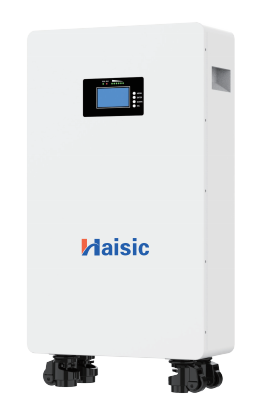
A compact 10 kWh wall‑mounted home energy storage system like this 10 kWh LiFePO4 pack fits most “typical” households that want backup plus bill savings.
2. How many kWh do I need for full‑home backup?
It depends on how “normal” you plan to live during an outage:
- Basic full‑home backup (short outages):
- Small home/apartment: 10–15 kWh/day
- Medium home: 15–25 kWh/day
- Large home: 25–40+ kWh/day
- Multi‑day independence: multiply that number by the days you want (2–3 “energy autonomy days” is common in areas with frequent blackouts).
If you want to run big loads (AC, electric cooking, pool pump) like usual, expect 20–30+ kWh for even one full day.
3. Can I expand my home battery size later?
Usually yes, but only if the system is designed for it:
- Modular home battery systems let you stack extra kWh later.
- Check that:
- The inverter and BMS support more capacity
- The brand supports parallel or stackable modules
- It’s often smarter to start with a solid base (e.g., 10–15 kWh) and leave room to add more.
If expansion is a priority, look for scalable home battery solutions from day one, not as an afterthought.
4. How does battery size affect outage run time and solar use?
- Bigger battery = longer backup (as long as your inverter can supply the power).
- With solar:
- A small battery fills up quickly in the morning and may “waste” extra solar.
- A right‑sized battery stores enough to:
- Ride through the night
- Soak up mid‑day solar instead of exporting it
- In practice:
- Undersized: frequent “battery full” while sun is still strong, shorter run time at night.
- Well sized: battery cycles from 40–90% daily and comfortably covers evenings and typical outages.
5. What happens if my battery is too small or too big?
Too small:
- Runs out fast in outages
- Can’t cover peak loads or whole‑home usage
- Wastes solar potential (battery full by midday)
- Less benefit from time‑of‑use and peak load shifting
Too big:
- Higher upfront cost with little extra benefit
- Very shallow daily cycles → longer life, but ROI is weaker
- May not pay back if your usage is low
I always aim for 80–90% of your realistic need, not “just in case” oversizing.
6. How often can I cycle a home battery each day?
Modern lithium and LiFePO4 home battery packs are designed for frequent cycling:
- Once per day (1 full cycle) is normal for solar self‑consumption + TOU shifting
- Many LiFePO4 packs can handle 1–2 cycles per day if needed
- Lead‑acid prefers shallower and less frequent cycles
Check the cycle life rating (e.g., 6,000+ cycles at 80% depth of discharge). More cycles = longer real‑world lifespan, especially in systems used daily.
7. Best battery size for time‑of‑use and peak load shifting?
You only need enough kWh to cover your expensive tariff hours:
- For many homes, that’s 5–15 kWh:
- Use cheap grid or solar to charge
- Discharge during peak pricing and evening demand
- Typical setups:
- Small home / low use: 5–7 kWh
- Average home: 8–12 kWh
- High‑use or EV charging: 12–20+ kWh
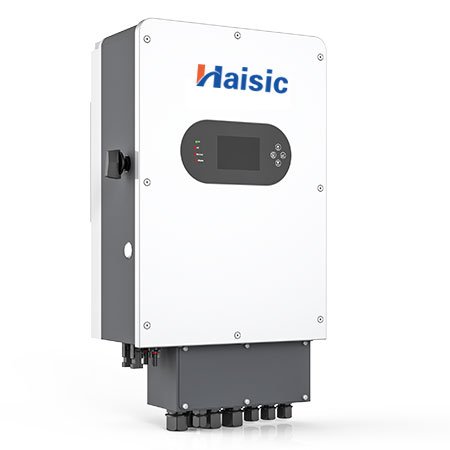
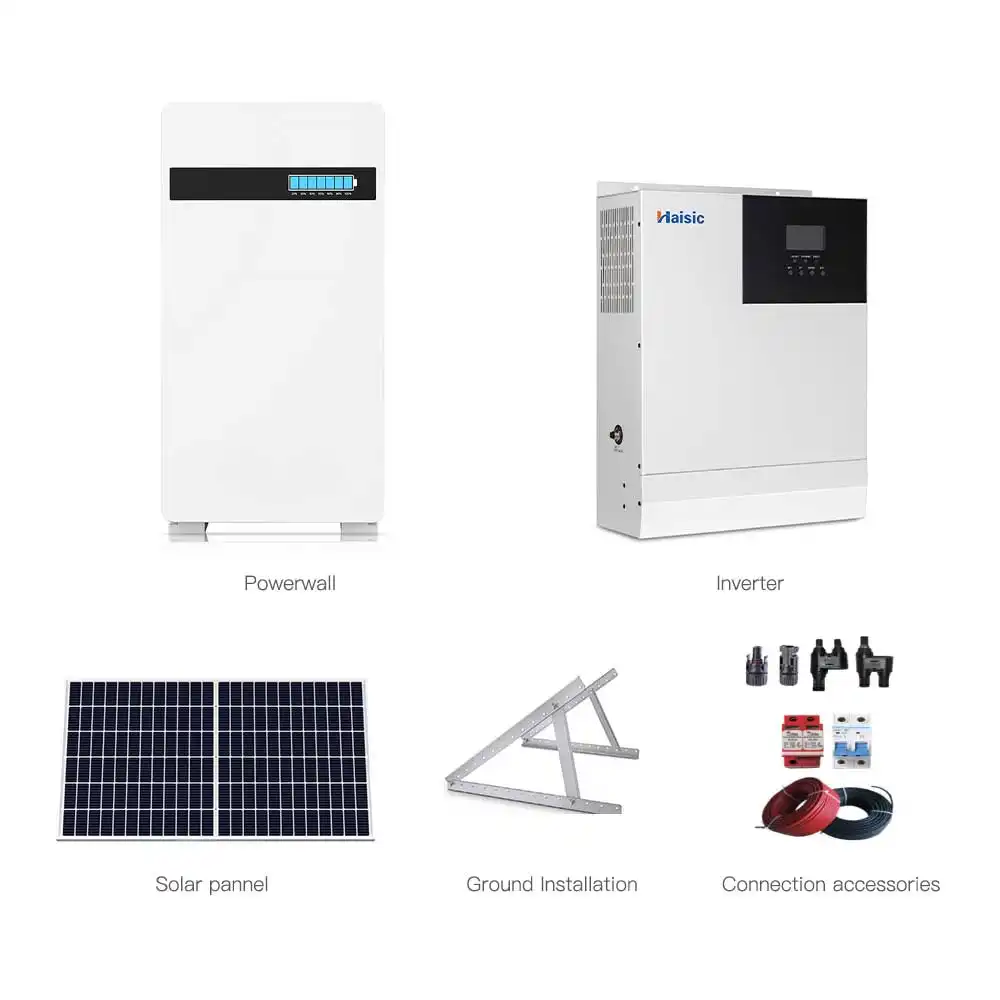
A 5 kW home solar + battery system such as this 5 kW power energy storage solution often hits the sweet spot for TOU savings in many markets.
If your main goal is bill savings, not full backup, size towards your peak evening usage window, not your entire 24‑hour load.