










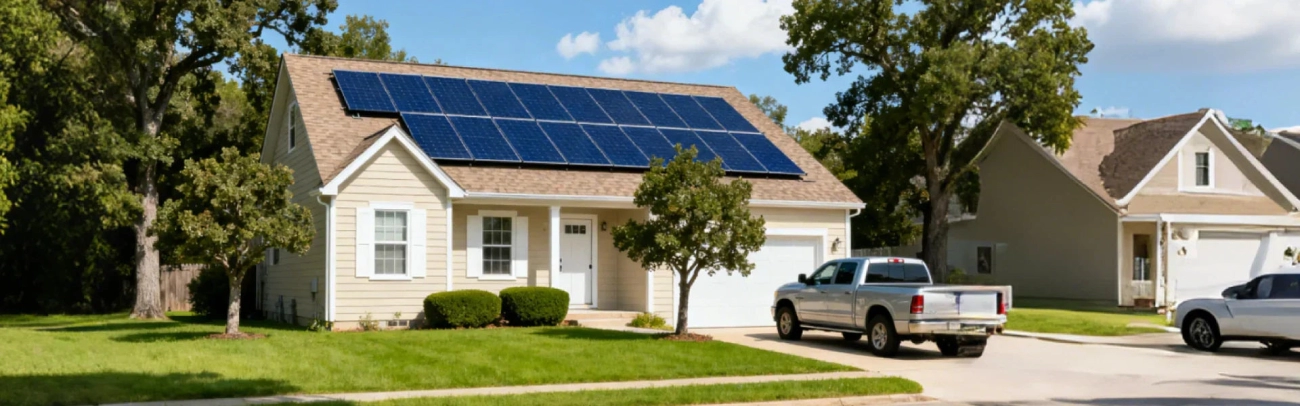
What Exactly Is Home Lithium Battery Storage?
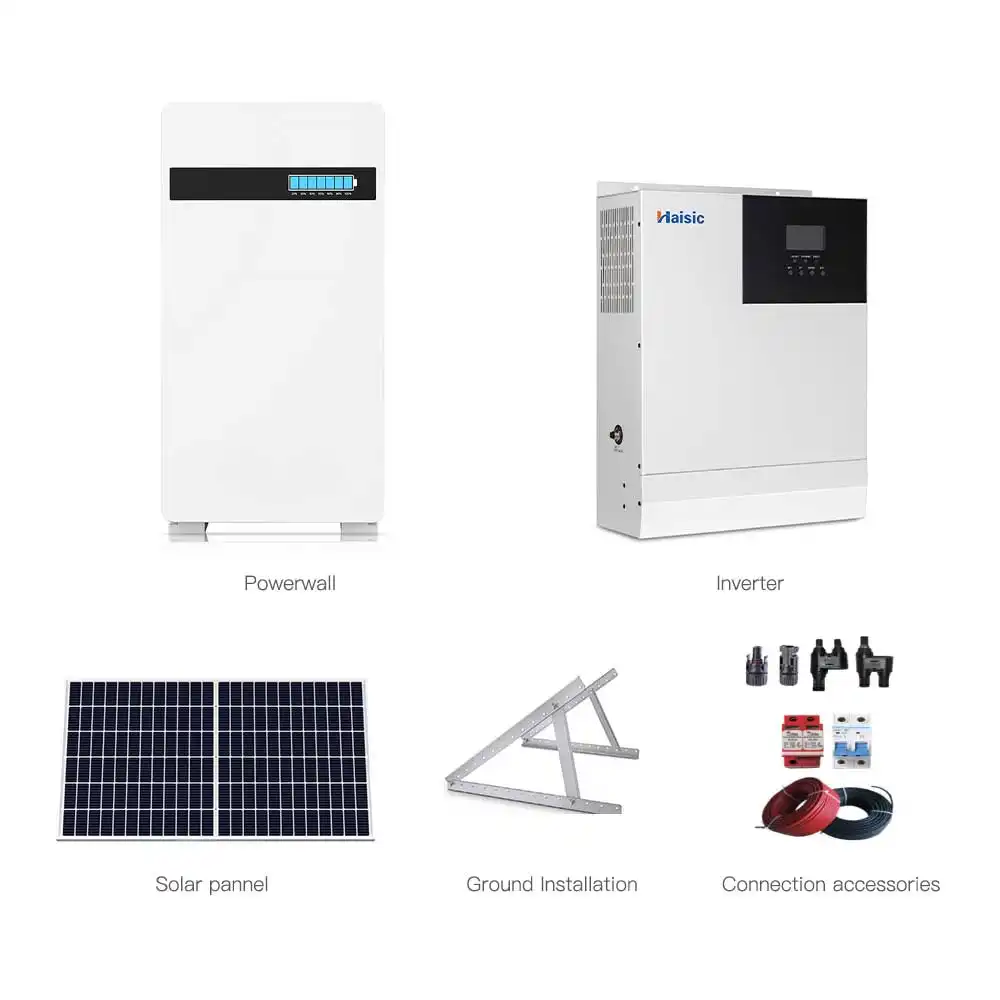
Home lithium battery storage is a system that stores electrical energy in lithium-ion batteries for use in your home. It captures energy, often from solar panels, and keeps it ready to power your home when you need it — at night, during outages, or to save on energy bills.
How It Works
- Charge: Your battery stores electricity generated during the day (usually from solar panels).
- Discharge: When demand is higher or the grid is down, the battery releases power to your home.
- Management: A built-in Battery Management System (BMS) ensures safety, efficiency, and battery health.
Energy Capacity vs. Power Output
Understanding two key terms helps you pick the right system:
| Term | What It Means | Example |
|---|---|---|
| Energy Capacity (kWh) | Total stored energy available | A 10 kWh battery stores enough energy to power a 1,000-watt device for 10 hours |
| Power Output (kW) | How much energy can be delivered at once | A 5 kW output powers devices requiring up to 5,000 watts simultaneously |
AC-Coupled vs. DC-Coupled vs. Hybrid Systems
Your lithium home battery can connect in different ways based on your existing setup:
| System Type | How It Connects | Pros | Best For |
|---|---|---|---|
| AC-Coupled | Battery connects on the AC side (after inverter) | Easy retrofit with existing solar | Homes upgrading storage to solar |
| DC-Coupled | Battery connects directly to solar DC output | Higher efficiency, less energy loss | New solar + storage installs |
| Hybrid System | Combines AC and DC coupling, often with hybrid inverter | Flexible, seamless power flow | Complex setups needing backup + solar |
Quick
- Home lithium battery storage stores electrical energy for your home, improving reliability and savings.
- Energy capacity (kWh) tells you how much energy is stored; power output (kW) tells you how much can be used at once.
- Choose AC-coupled for retrofits, DC-coupled for new solar installs, or hybrid for flexible, integrated systems.
Next, we’ll explore why lithium-ion, especially Lithium Iron Phosphate (LFP), dominates residential storage today.
Lithium-Ion vs. Lead-Acid vs. Emerging Chemistries in 2026
When choosing a home lithium battery storage system, understanding the differences between battery chemistries is key. In 2026, lithium-ion batteries, especially Lithium Iron Phosphate (LFP), lead-acid batteries, and some emerging chemistries each have unique pros and cons.
| Chemistry | Cycle Life | Depth of Discharge (DoD) | Efficiency | Weight | Safety | Cost per kWh |
|---|---|---|---|---|---|---|
| Lithium-Ion (LFP) | 3,000-5,000 cycles | 80-90% | ~95% | Lightweight | High (fire-safe) | Moderate |
| Lead-Acid | 500-1,000 cycles | 50% | 70-85% | Heavy | Lower (risk of acid leaks) | Low |
| Emerging (Sodium-ion, Solid-state) | 1,000-3,000 cycles (varies) | 70-90% | ~90% | Varies | Improving | Higher (early-stage) |
Why LFP dominates the home market now:
LFP batteries offer a winning combination of long lifespan, high safety, and consistent performance, making them the preferred choice for residential energy storage. They handle deeper discharges without major capacity loss and rarely suffer from thermal runaway, a key safety concern. Plus, with decreasing costs and better scalability, LFP has become the go-to chemistry for home battery backup and solar battery storage today.
For homeowners considering a reliable and fire-safe option with a solid warranty, LFP systems like the ones described on the LFP lithium battery home energy storage page are where the market is heading.
In contrast, lead-acid batteries, once common, now lag due to shorter cycles and heavy weight, making installation and maintenance more challenging. Emerging chemistries like sodium-ion and solid-state promise future improvements but aren’t widely commercial yet.
Key Benefits of Installing a Home Lithium Battery in 2026
Installing a home lithium battery storage system in 2026 offers several practical benefits that can improve your energy management and reduce costs.
Energy Bill Savings & Time-of-Use Arbitrage
- Save money by storing energy during low-rate hours and using it when electricity prices peak (time-of-use arbitrage).
- Optimize solar energy use by storing excess production instead of sending it back to the grid at low rates.
Backup Power During Blackouts
- Provides reliable backup power to keep essential appliances running during outages.
- Unlike a generator, lithium batteries start instantly, are quieter, and need no fuel.
Increased Solar Self-Consumption
- Store solar power generated during the day for use at night or cloudy days.
- Reduces reliance on the grid, maximizing your solar investment’s return.
Environmental Impact & Carbon Footprint Reduction
- Cuts greenhouse gas emissions by reducing grid power usage, especially from fossil fuels.
- Lithium iron phosphate (LFP) batteries, common in home setups, use less toxic materials and offer longer lifespans.
Rising Home Value & Available Incentives
- Boosts property value by adding energy independence and resilience.
- Many regions offer incentives, rebates, and tax credits to make installation more affordable.
| Benefit | Description | Impact |
|---|---|---|
| Energy Savings | Time-of-use arbitrage & solar storage | Lower monthly bills |
| Backup Power | Reliable energy during outages | Peace of mind |
| Solar Self-Consumption | Use more of your solar energy | Reduced grid dependence |
| Environmental Benefits | Less fossil fuel use, lower carbon footprint | Greener home |
| Increased Home Value & Incentives | Property value boost + subsidies | Better ROI |
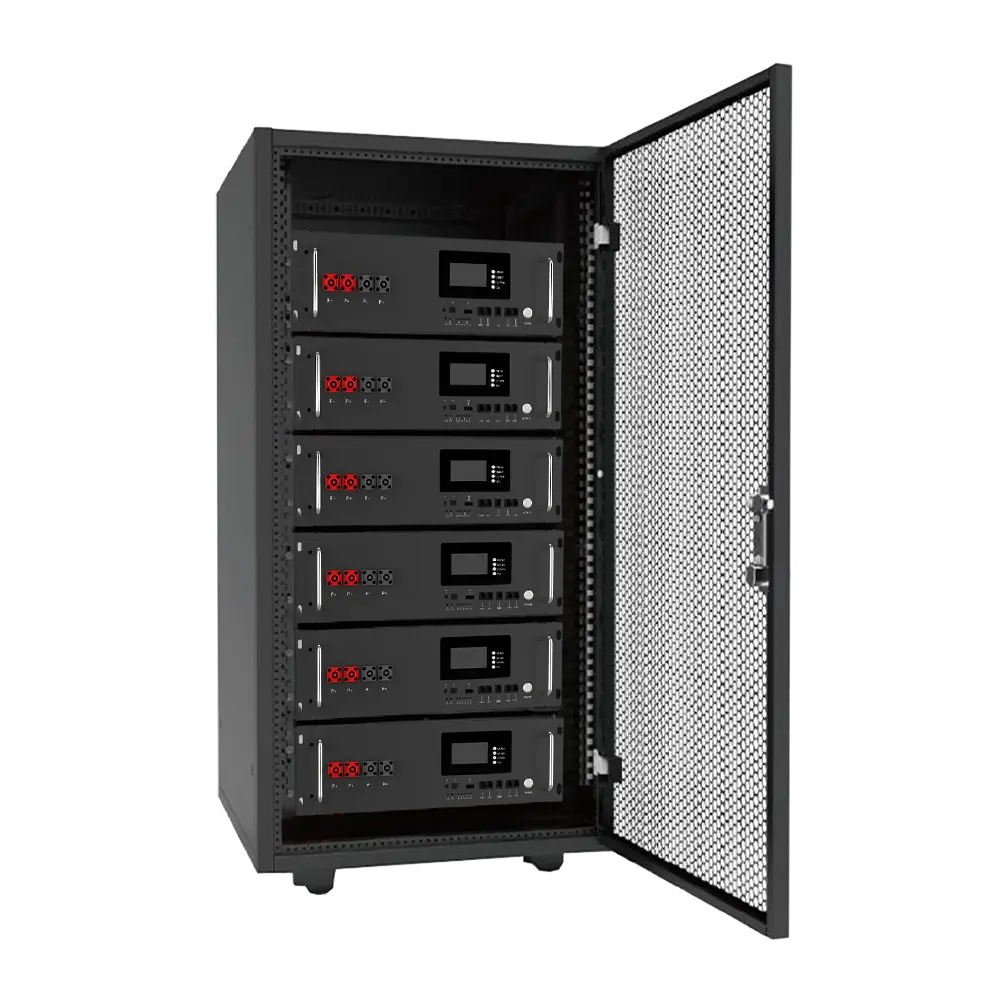
For those interested in high-capacity systems, options like the touchscreen home energy storage battery provide modular, scalable solutions tailored to modern energy needs.
Real Costs & Payback Period in 2026
In 2026, the average installed cost for home lithium battery storage typically ranges between $800 and $1,200 per kWh, depending on the region. In the US, prices hover around $1,000/kWh after installation, while in the EU, costs can be slightly higher due to VAT and local fees, usually around €900 to €1,100 per kWh. Australia sees costs near AUD 1,200 per kWh installed, factoring in shipping and installation complexities.
One major boost for US homeowners is the federal 30% Investment Tax Credit (ITC) on battery systems paired with solar, which effectively reduces upfront costs significantly. Various states add their own rebates or incentives, plus feed-in tariff adjustments, which can improve overall savings. In Europe and Australia, grants, VAT reductions, and schemes like the Small-scale Technology Certificates (STCs) in Australia help cut expenses further.
For example, pairing a 10 kWh lithium iron phosphate battery with a 5 kW solar system can shorten the payback period to 6–9 years, depending on local electricity rates and incentive programs. Benefits like lower energy bills from time-of-use savings and backup power during outages add value beyond simple payback calculations.
For a deeper look into solar plus storage costs and how battery pricing impacts overall savings, check out this detailed guide on cost of solar battery storage. It’s a useful resource for anyone comparing options and estimating the true investment in home battery backup.
Top Home Lithium Battery Brands & Models – 2026 Ranking
Here’s a quick look at the leading home lithium battery storage options in 2026, including their key features like capacity, warranty, efficiency, and price range.
| Brand & Model | Capacity (kWh) | Warranty | Round-Trip Efficiency | Scalability | Price Range (USD) |
|---|---|---|---|---|---|
| Tesla Powerwall 3 | 13.5 | 10 years | ~90% | Yes, modular | $11,000 – $13,000 |
| Haisic HS-Series LFP | 10 – 20+ | 15 years | 92% | Highly modular | $7,500 – $15,000 |
| LG ESS Home | 9.8 – 16 | 10 years | ~89% | Limited scalability | $8,000 – $12,000 |
| Enphase IQ Battery | 3.4 – 10.1 | 10 years | 96% | Modular, microinverter-friendly | $5,000 – $10,000 |
| BYD Battery-Box | 5.1 – 13.8 | 10 years | 88–90% | Modular | $6,000 – $11,000 |
| Sonnen EcoLinx | 10 – 20 | 10 years | 90% | Smart energy management | $13,000 – $20,000 |
| FranklinWH | 10 – 20 | 10 years | ~90% | Modular | $6,500 – $14,000 |
| Generac PWRcell | 8.6 – 17 | 10 years | 88% | Scalable | $10,000 – $18,000 |
Highlights:
- Haisic HS-Series stands out with a 15-year warranty, higher round-trip efficiency, and smart built-in battery management system (BMS). Plus, it’s highly modular, making it great for customization and expansion. For more on their advanced LiFePO4 battery technology, check their official details.
- Tesla Powerwall 3 remains popular for whole-home backup and easy integration with Tesla solar products.
- Enphase IQ Battery is ideal if you prefer microinverters and want high efficiency in a compact unit.
- LG ESS Home and BYD Battery-Box offer reliable mid-range options with solid warranties.
- Sonnen EcoLinx goes beyond simple storage with smart home energy management features but comes at a higher price.
Choosing the right battery depends on your home’s energy needs, budget, and desired flexibility. Modular systems like Haisic or BYD can grow with your consumption or solar capacity, while turnkey options like Tesla Powerwall streamline installation.
For anyone looking into a modular LFP battery solution, exploring the Haisic 51.2V 400Ah LiFePO4 Battery could be a smart choice in 2026.
How to Correctly Size Your Home Lithium Battery System
Getting the right size for your home lithium battery storage is key to maximizing savings and backup power. Here’s a simple way to figure it out:
Step-by-step sizing method
Analyze your daily energy use:
Check your electricity bill or smart meter for average daily kWh consumption. This tells you how much energy you typically use per day.
Decide on backup needs:
For critical loads, list essential appliances (fridge, lights, Wi-Fi, medical devices) and total their power needs.
For whole-home backup, use your full daily consumption as a baseline.Consider depletion limits:
Most lithium batteries work best when not discharged below 20-30% to prolong life. Factor this into your usable capacity.
Account for solar input:
If you have solar panels, your battery will recharge during the day, so you may need less storage compared to an off-grid system.
Add buffer capacity:
It\’s wise to add 10-20% extra storage for cloudy days, higher usage, or unexpected outages.
Example:
If your daily use is 10 kWh and you want backup for essential loads consuming 4 kWh, opt for at least a 5-6 kWh battery (considering depth of discharge and buffer).
Using a free sizing calculator tailored for your system can make this faster and more precise. One reliable option is the 10kWh wall-mounted home energy storage system sizing tool, designed for typical residential setups.
Sizing correctly ensures you aren’t overspending on unused capacity or stuck short during outages, maximizing the value of your lithium home battery storage.
Installation Types & Requirements
When installing a home lithium battery storage system, choosing the right setup matters. Here’s what you need to know:
Indoor vs. Outdoor Installation
- Indoor: Keeps your battery safe from weather but needs proper ventilation and space.
- Outdoor: Batteries like the Haisic LFP wall-mounted units are weatherproof and ideal for outside walls or garages.
Wall-Mount vs. Floor-Standing
| Type | Pros | Cons |
|---|---|---|
| Wall-Mount | Saves floor space, neat look | Requires sturdy wall, limited weight capacity |
| Floor-Standing | Easier to install, larger capacity options | Takes up floor area, not as sleek |
Electrical Requirements & Permits
- Must comply with local electrical codes.
- Requires a certified installer with experience in lithium battery and solar inverter setups.
- Often needs a dedicated breaker on your home electrical panel.
Integration With Solar Systems
Lithium home battery storage works best when paired with compatible solar inverters:
- Hybrid inverters allow seamless battery + solar power management.
- Check product specs for compatibility (e.g., Enphase IQ Battery pairs with Enphase inverters).
- Some systems support AC-coupled or DC-coupled connections, impacting installation style.
For modular setups or specific systems, checking detailed specs is key. Explore the full range of Haisic modular home batteries designed to fit multiple installation types and hybrid inverter compatibility.
Getting your installation right means better performance, safety, and long-term reliability with your lithium ion battery home power storage system. Always consult professionals to match your setup to your home’s unique needs.
Safety & Maintenance – What Homeowners Must Know
When it comes to home lithium battery storage, safety is a top priority. Modern lithium iron phosphate (LFP) batteries are virtually fire-safe compared to older lithium-ion types. This is because LFP chemistry is more stable and less prone to thermal runaway, making it ideal for residential use.
Built-in Battery Management Systems (BMS) add an extra layer of protection by constantly monitoring voltage, temperature, and current to prevent overcharging or deep discharging. These smart systems help extend battery life and ensure safe operation without any extra effort from homeowners.
Maintenance is practically zero for home lithium battery storage. Unlike lead-acid alternatives, LFP batteries don’t require water refills or regular balancing, making them easy to own and worry-free.
At the end of their lifespan, many manufacturers offer recycling programs to properly handle battery disposal and reduce environmental impact. This responsible approach helps keep home battery storage a sustainable choice for your energy needs.
For high-quality modular LFP battery options with built-in BMS for safe and reliable home use, see the Haisic 20 kWh battery system and the 51.2V 100Ah Powerwall energy storage.
Government Incentives & Financing Options 2026–2026
Installing home lithium battery storage in 2026–2026 comes with a variety of government incentives and financing options worldwide, helping reduce upfront costs and improve payback times.
| Region | Incentives & Financing Options | Key Details |
|---|---|---|
| USA | Federal ITC 30% Extension, State Rebates | 30% federal tax credit on cost; additional state programs in CA, NY, TX, FL |
| Europe | VAT Reductions, Grants | Lower VAT rates on residential storage; grants vary by country and region |
| Australia | Small-scale Technology Certificates (STCs), State Battery Rebates | STCs cut solar + battery cost; extra rebates available in Victoria, NSW, and Queensland |
| Global | Low-Interest Green Loans, $0-Down Financing Plans | Popular from banks and green lenders to kickstart installation without heavy upfront payment |
Incentive Highlights:
- USA ITC 30% extension supports battery systems paired with solar, so if you have a solar + storage setup, you can claim a chunk back on your federal tax.
- State programs often add rebates or performance-based incentives, so check local offers.
- Europe’s VAT reduction means you pay less tax on the purchase, and grants improve affordability across countries.
- Australia’s STC scheme slashes initial costs, especially when combined with state rebates targeting home energy storage upgrades.
Additionally, many home energy storage companies partner with financing firms offering 0% interest plans or low-interest green loans, making it easier to install large modular systems without stretching your budget.
If you\’re interested in high-capacity lithium iron phosphate (LFP) battery options with scalable features, the Haisic residential ESS solutions include financing-friendly packages that may qualify for such incentives.
These incentives significantly lower the barrier to entry for residential energy storage, making it an ideal time to invest in home lithium battery storage to maximize savings and energy independence.
Real Customer Case Studies (2026–2026)
Real-world examples show how home lithium battery storage is making a difference globally in 2026 and 2026:
California family saves $2,800 a year: With a 10 kWh LFP battery and solar setup, this family reduced their reliance on the grid during peak hours, taking full advantage of time-of-use rates. Their system stores excess solar energy during the day and uses it at night, cutting energy bills significantly.
Texas home powers through 36 hours of blackout: During a severe winter storm, a Texas household ran entirely on battery backup for 36 hours straight. Their 15 kWh lithium ion battery system provided whole-home backup, keeping critical appliances and heating running safely.
Australian off-grid cabin with Haisic 20 kWh system: Remote and fully off-grid, this Australian cabin relies on a modular Haisic lithium iron phosphate home battery to power lights, appliances, and solar storage. The system’s reliability and long warranty give the owners peace of mind in a harsh environment. Learn more about Haisic’s battery solutions and services to see why they fit off-grid setups so well.
These stories highlight the practical benefits of investing in home lithium battery storage—from cost savings to resilience and true energy independence.
Common Myths & Mistakes to Avoid
When it comes to home lithium battery storage, there are a few common misconceptions that can lead to poor decisions or disappointment.
Myth 1: “Batteries wear out in 5 years”
Modern lithium iron phosphate (LFP) batteries, which dominate the home market, usually last 10 to 15 years or more with proper use. Their long cycle life and chemical stability mean they won’t suddenly fail after a few years like some older battery types.
Myth 2: “You must discharge to 0% every day”
This is outdated advice. In fact, fully discharging lithium batteries regularly shortens their lifespan. Most systems recommend staying between 20% and 80% state of charge to maximize life and performance. Built-in battery management systems (BMS) handle this automatically, so no daily micromanagement is needed.
Mistake: Buying only on cheapest price per kWh
Price per kilowatt-hour is important but not the only factor. Look at warranty length, cycle life, safety features, and round-trip efficiency too. Low upfront cost might mean higher long-term expenses or early replacement. Investing in quality pays off with reliable performance and peace of mind.
Avoiding these myths and mistakes ensures you get the most value and durability out of your lithium battery home storage system. If you want modular options with advanced safety and warranty, check out reliable choices like the Haisic modular LFP Powerwall batteries for a balanced package of price and performance.
Future Outlook – What’s Coming 2026–2030
The home lithium battery storage scene is set for some exciting changes over the next few years. Here’s what we can expect between 2026 and 2030:
Sodium-ion batteries: These promise a cheaper, more abundant alternative to lithium-ion, with good safety and decent performance. They could make home battery storage more affordable worldwide.
Solid-state batteries: Known for higher energy density and faster charging, solid-state tech will bring smaller, safer packs that last longer. This could be a game changer for home energy storage.
Vehicle-to-Home (V2H): Soon your electric vehicle could double as your home battery backup. V2H tech will allow EVs to send energy back to the house in a blackout or peak-demand times, adding flexibility and extra savings.
Virtual Power Plants (VPPs): These systems connect many home batteries to work together as a single power source. By pooling energy, homeowners can earn money by selling power back to the grid or helping balance demand.
New revenue streams: With smarter grids and evolving energy markets, home battery owners may tap into programs paying for grid support, demand response, or peer-to-peer energy trading.
Overall, the future of lithium battery home storage looks smarter, cheaper, and more integrated into daily life — not just backup power, but an active player in the clean energy economy.