










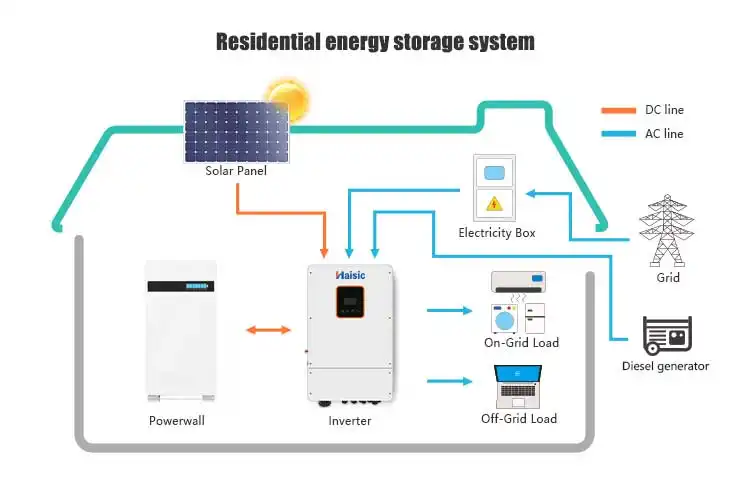
What Is a Household Battery Backup System?
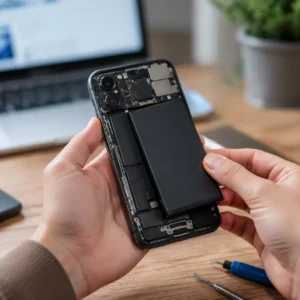
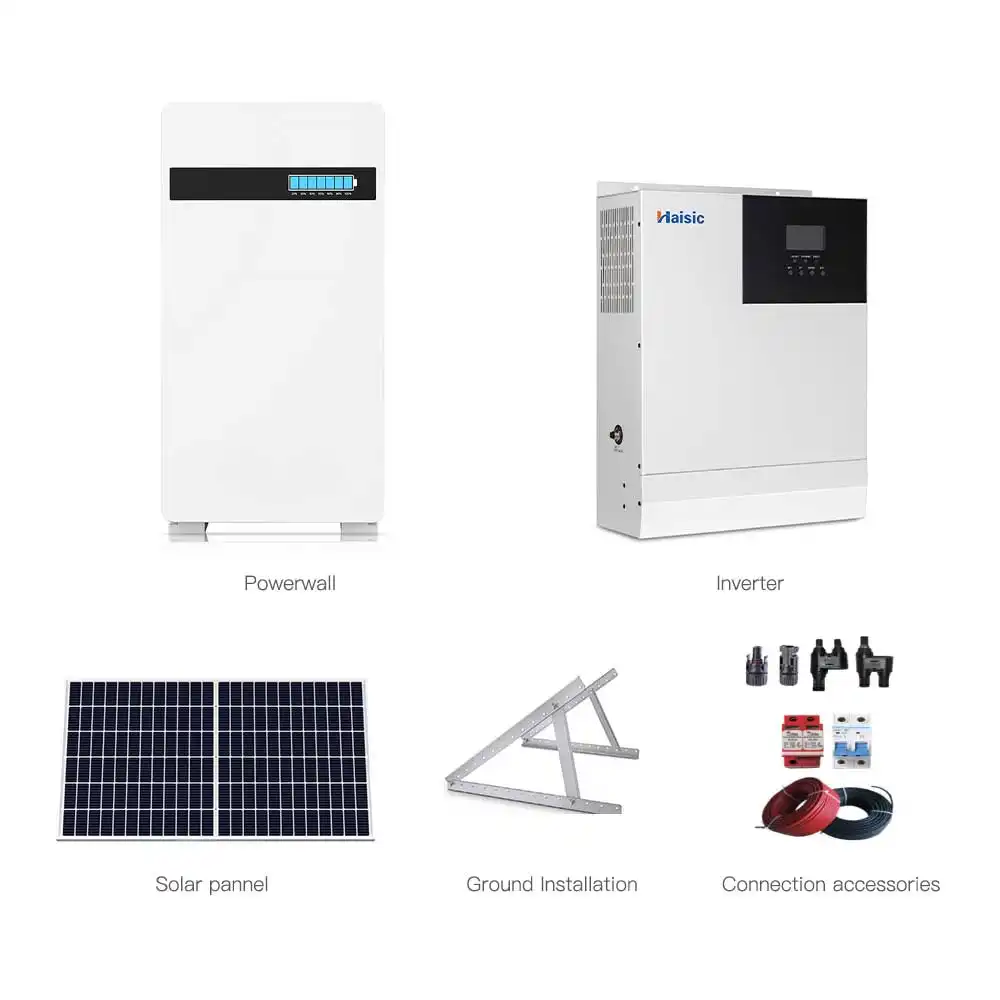
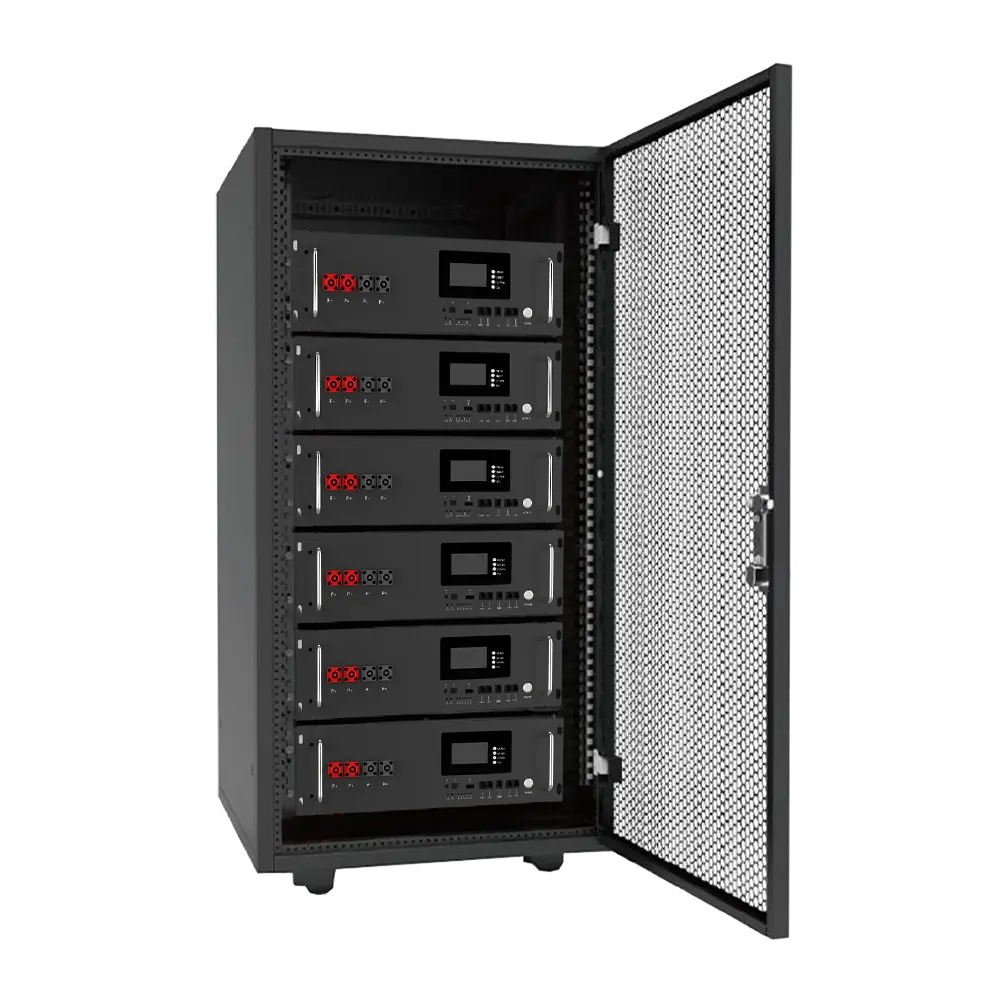
A household battery backup system is a home energy storage setup that keeps your power on when the grid goes down and helps you control when and how you use electricity. It stores energy in a household backup battery (usually lithium-ion or LiFePO4) and then automatically powers key parts of your home during outages or peak-rate periods.
Instead of relying only on the grid, a household battery backup gives you your own reserve of electricity, ready to go when you need it most.
How Household Battery Backup Works
A modern household battery backup power system usually connects to your main electrical panel and can work in three simple modes:
Grid charging
- The battery charges from normal grid power when electricity is cheaper or when you choose.
- The system can automatically top up your home battery storage at off-peak times.
Solar charging
- If you have solar panels, excess daytime solar that would normally go back to the grid is stored in your solar battery backup.
- At night or during outages, your home backup solar battery feeds that stored energy back into the house.
Discharge during outages
- When the grid fails, the household battery backup system instantly switches to battery power.
- Critical appliances stay on without needing you to flip any switches.
This turns your system into a reliable residential backup power solution that works quietly in the background.
Essential Circuits vs Whole-Home Backup
You can configure household backup power in two main ways:
Essential-load backup (most common)
- The system supports a dedicated “critical loads” panel.
- Typical backed-up circuits:
- Fridge and freezer
- Wi‑Fi and key outlets
- Lights in main rooms
- Gas furnace blower or small heat pump
- This approach keeps costs and battery size reasonable while covering what truly matters.
Whole-home backup
- A larger whole home backup power system sized to run almost everything: HVAC, kitchen, well pump, home office, etc.
- Requires higher-capacity home battery bank and often multiple inverters.
- Ideal where outages are frequent and long, or for homes aiming at near off‑grid battery system performance.
Choosing between essential-load and whole-home backup depends on your budget, outage risk, and how much of your home you want powered during a blackout.
Smart Home Integration and Automatic Switchover
Today’s smart home battery systems are designed to be hands-off and worry-free:
Automatic switchover
- Detects a grid outage in fractions of a second.
- Transfers your backup power system to battery so fast that many devices never even reboot.
- No manual start, no fuel, no cords—unlike a portable generator.
Smart monitoring and control
- Mobile apps and web dashboards show:
- Battery level (state of charge)
- Real-time home power use
- Solar production (if installed)
- You can set rules:
- Keep a minimum reserve for emergencies.
- Prioritize charging from solar or off‑peak grid power.
- Limit discharge during extreme weather alerts.
- Mobile apps and web dashboards show:
Integration with other devices
- Works with home inverter battery systems, EV chargers, and some smart thermostats.
- Can participate in grid-tied battery storage programs or virtual power plants where available.
A well-designed household battery backup power setup turns your home into an intelligent, resilient energy hub, quietly managing outages and daily power use without you having to think about it.
Why Invest in a Household Battery Backup?
A household battery backup system is no longer a “nice-to-have” – it’s becoming essential. With more extreme weather, overloaded grids, and aging infrastructure, power outage risks, grid instability, and climate-related blackouts are hitting homes in the US, EU, UK, Australia, and beyond more often and for longer. A household backup battery gives you your own reliable power source when the grid fails.
With a household battery backup power setup, you gain real energy independence. You can:
- Store cheap off‑peak electricity or excess solar during the day
- Use that stored energy when rates spike in the evening
- Protect yourself from sudden utility price hikes and new demand charges
This isn’t just about comfort; it’s about control over your utility costs and long‑term bill protection. If you’re already running solar, pairing it with home battery storage lets you keep your solar energy on-site instead of sending it all back to the grid. If you want a deeper breakdown of long-term savings, you can check guides that walk through the cost of solar battery storage and ROI in real numbers, like this detailed overview of solar battery storage costs and savings.
Compared to fuel generators, a household battery backup system is far cleaner and quieter. There’s:
- No gasoline or diesel to store
- No exhaust fumes, noise, or fire-up delay
- Far lower lifetime emissions, especially when charged from solar
You get environmental benefits and a safer home, without smelling like a gas station every time the power goes out.
On normal days, household backup batteries are not just sitting there doing nothing. A smart home energy storage system helps with daily optimization:
- Charge when electricity is cheap (off-peak or sunny hours)
- Discharge when electricity is expensive (peak or evening)
- Cut your bills under time-of-use and dynamic tariffs
That means your household battery backup works for you 24/7: protecting your home during outages, and saving you money when the grid is up.
Key Benefits of a Household Battery Backup System
A well-sized household battery backup system gives you more than just emergency power. It adds comfort, control, and long‑term value to your home.
1. Reliable Backup for Essential Home Loads
When the grid fails, a household backup battery keeps the important stuff running:
- Fridge & freezer – avoid food loss
- Lights & Wi‑Fi – stay connected and safe
- Medical devices – essential for vulnerable family members
- Phone & laptop charging – keep work and communication online
You decide which circuits are “essential,” so your household backup power is used efficiently, not wasted.
2. Lower Electric Bills with Smart Load Shifting
A home battery storage system cuts bills by storing cheap or solar power and using it when electricity is expensive:
| Feature | Benefit to You |
|---|---|
| Time‑of‑use shifting | Charge when rates are low, use when high |
| Solar self‑consumption | Use more of your own solar, buy less from grid |
| Peak shaving | Reduce demand spikes that drive up costs |
Paired with solar, a solar battery backup can dramatically reduce your grid dependence and stabilize your monthly bills.
3. Quiet, Clean Backup vs. Generators
Unlike fuel generators, a household battery backup power system:
- Runs almost silently – no engine noise, no vibration
- Has zero exhaust fumes – safer for indoor air and neighbors
- Needs minimal maintenance – no fuel storage, no oil changes
It’s a better fit for dense neighborhoods, apartments with garages, and families that want clean, low‑stress power outage solutions.
4. More Resilience, Comfort, and Potential Home Value
A quality home energy storage system makes your home more resilient and attractive:
- Comfort during storms and blackouts – heating/cooling, lighting, and devices stay on
- Protection from food spoilage, frozen pipes, and lost work hours
- Potential value boost – buyers increasingly look for built‑in residential backup power solutions
With modular systems like our battery storage for home solutions, you can start with essential backup and expand later, keeping your home ready for whatever the grid (or weather) throws at it.
Types of Household Battery Backup Systems
Lithium-ion vs LiFePO4 Household Backup Battery
For most modern household battery backup systems, it comes down to two chemistries:
Lithium-ion (NMC/NCA)
- Higher energy density (more power in less space)
- Common in premium home battery storage
- Good for whole home backup power where space is tight
LiFePO4 (LFP) household batteries
- Safer and more thermally stable
- Longer cycle life and better for daily use and solar battery backup
- Ideal for residential energy storage in hot climates or garages
For long-term, everyday use, I generally prefer LiFePO4 home batteries as a more robust, low‑risk option for household backup power.
Standalone vs Solar-Integrated Household Battery Backup System
You’ll typically choose between:
Standalone household backup battery system
- Works without solar panels
- Charges from the grid to provide emergency power battery backup
- Good for apartments, townhomes, or areas with limited roof space
Solar-integrated home battery storage
- Tied to a solar PV system for full home energy independence
- Lets you store daytime solar and use it at night or during outages
- Best if you want true off-grid battery system potential and lower bills
If you’re planning solar or already have it, a grid-tied battery storage system with solar integration gives the most value over time.
Modular and Expandable Household Battery Packs
Modern household backup battery setups are often modular, so you can:
- Start with a small home battery bank for essential loads
- Add more battery modules later as your energy needs grow
- Scale from basic storm power backup to near whole home backup power
For larger properties or even light commercial use, modular solutions like a containerized battery energy storage system (for example, a 100kWh containerized energy storage setup) show how flexible this architecture can be when scaled up.
Portable vs Fixed Whole-Home Household Backup Power
You’ll see two main styles:
Portable household backup power stations
- Plug‑and‑play, no electrician needed
- Great for small homes, renters, RVs, and emergency power for key appliances
- Limited capacity and output compared to built‑in systems
Fixed whole-home battery backup systems
- Hard‑wired to your home’s electrical panel
- Can run multiple circuits or entire home during outages
- Ideal for long outages, smart home battery integration, and serious residential backup power solutions
If outages are rare and short, a portable home backup can be enough. If you’re dealing with frequent blackouts or want deeper home energy independence, a fixed household battery backup system is the smarter long‑term move.
How to Choose the Right Household Battery Backup
Picking the right household battery backup system comes down to knowing your actual needs, not just the specs on paper.
1. Identify essential backup loads
Start with what must stay on during an outage:
- Fridge/freezer
- Wi‑Fi + router
- Lights in key rooms
- Phone/PC charging
- Medical devices
- Well pump / gas boiler / security system
Make a simple list with watts:
| Appliance / Load | Typical Power (W) | Hours/Day Needed | Daily Use (Wh) |
|---|---|---|---|
| Fridge | 150 | 8 | 1,200 |
| Wi‑Fi router | 15 | 12 | 180 |
| LED lights (5–8 pcs) | 60 | 5 | 300 |
| Laptop + phone | 80 | 3 | 240 |
| Total (example) | – | – | 1,920 Wh |
That total Wh gives you a realistic baseline for your household backup battery size.
2. Match capacity (kWh) and power (kW)
You need two things to line up:
- Capacity (kWh) = how long it runs
- Power (kW) = how much it can run at once
Use this quick check:
| Home Situation | Suggested Capacity | Suggested Power |
|---|---|---|
| Small apartment, essentials only | 2–5 kWh | 2–3 kW |
| Typical home, essential circuits | 5–15 kWh | 3–6 kW |
| Whole home backup + solar | 15–30+ kWh | 8–10+ kW |
If you already know your daily kWh from your bill, aim for 0.5–1 day of usage for short outages, more if you want higher resilience.
3. Check solar and inverter compatibility
If you have solar or plan to install it, your household battery backup power must play nicely with your hardware:
- Confirm DC voltage range and communication protocol match the inverter
- Check if you need a hybrid inverter for grid + solar + battery
- Make sure your electrical panel supports a backup/essential loads sub-panel
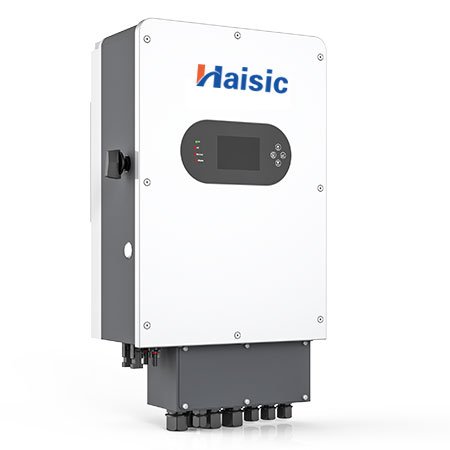
For example, our LiFePO₄ home energy storage batteries pair smoothly with hybrid inverters like the Haisic 10kW hybrid solar inverter to deliver stable whole-home backup.
4. Compare warranty, safety, and smart features
Don’t compromise here:
- Warranty: 8–10 years or a defined cycle count is a solid benchmark
- Safety: LiFePO₄ chemistry, UL/CE/IEC certifications, integrated BMS
- Apps & monitoring:
- Real‑time SoC (state of charge)
- Load and solar data
- Time‑of‑use settings
- Remote updates and alerts
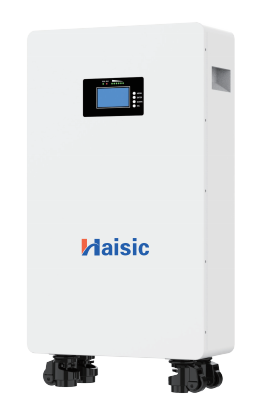
Look for a residential energy storage solution that gives you full control from your phone, with clear data and simple modes (backup, self‑use, time‑of‑use). If you want a wall‑mounted, clean setup, a compact Powerwall‑style home battery like our 25.6V 100Ah home energy storage unit is often the most practical choice.
Household Battery Backup Sizing and Installation Basics
When you size and install a household battery backup system, you want it to actually work when you need it—not just look good on paper. Here’s how I approach it.
1. Decide Your Backup Duration (Hours vs Days)
Start with a clear goal:
- Short outages (4–8 hours): Cover core loads only – fridge, lights, Wi‑Fi, a few outlets.
- Overnight / 1 day: Add more comfort loads – router, TV, phone/PC charging, maybe a small AC or fan.
- Multi‑day coverage: You’ll need a larger household backup battery bank, ideally paired with solar so the system can recharge each day.
Rough guide for sizing (very general, per day of backup):
- Essential loads only: 5–10 kWh
- Comfort plus essentials: 10–20 kWh
- Near whole-home backup: 20+ kWh
If you already have solar, a high‑voltage LiFePO4 home battery such as a 51.2V 100Ah residential energy storage pack makes it easier to scale up capacity for longer outages.
2. Work With Licensed Installers
A household battery backup power system ties into your main panel. Don’t DIY this:
- Use a licensed electrician or certified installer.
- Make sure they design proper backup circuits (sub‑panel) for critical loads.
- Confirm they’ve worked with grid‑tied battery storage and local utilities before.
Good installers will also help you size the battery (kWh) and inverter (kW) based on your actual usage, not marketing claims.
3. Choose the Right Installation Location
Your household battery backup needs a safe, dry, and stable spot:
- Garage: Most common and practical in many regions.
- Basement / utility room: Good for colder climates if dry and well‑ventilated.
- Outdoor (wall‑mounted): Must be weather‑rated, protected from direct sun and heavy rain.
Basic rules of thumb:
- Avoid high heat zones or freezing spots if possible.
- Keep clear space around the battery for airflow and service.
- Follow manufacturer spacing and mounting requirements.
4. Permits, Codes, and 2026 Incentives
Don’t skip the paperwork on a home energy storage system:
- Your installer should pull permits and ensure the system meets local electrical code and utility interconnection rules.
- Many regions offer rebates, tax credits, or net metering bonuses for home battery storage—especially when paired with solar.
- In 2026, a lot of markets still support battery tax credits similar to solar incentives, so it’s worth checking national and local programs before you buy.
Handled right, a household battery backup system is safe, compliant, and set up to save you money while protecting you during outages.
Household Battery Backup Costs and ROI
How much does a household battery backup system cost?
For most homes, a household battery backup system (battery, inverter, gateway, basic install) usually lands in these ranges:
- Entry-level (essential loads only):
- 5–10 kWh household backup battery
- Approx. $4,000–$8,000 installed
- Mid-range (larger homes / more circuits):
- 10–20 kWh home battery storage
- Approx. $8,000–$15,000 installed
- Whole home backup power systems:
- 20–40+ kWh residential energy storage
- Approx. $15,000–$30,000+ installed
If you already have solar, adding a solar battery backup often costs less than a completely new standalone system, because parts of the system
Household Battery Backup vs Traditional Generators
Noise, Maintenance, and Fuel Storage
A household battery backup system is basically silent. No engine, no vibration, no fumes—just instant household backup power when you need it.
Traditional generators are the opposite:
- They’re noisy (and annoying for neighbors, especially at night).
- Need regular oil changes, filter replacements, and test runs.
- Require constant fuel management (diesel, gasoline, propane), which is a hassle during long outages.
With a household backup battery, there’s:
- No fuel to store or rotate.
- Minimal maintenance.
- Instant startup without you doing anything.
Emissions, Air Quality, and Neighborhood Impact
A household battery backup system produces:
- Zero on-site emissions
- No exhaust fumes
- No risk of CO poisoning indoors or in garages
Generators burn fuel and:
- Release CO₂, NOx, and harmful fumes
- Can impact indoor air quality if not vented properly
- Create noise and pollution that your neighbors will notice
If you’re aiming for cleaner home backup power and a better neighborhood environment, batteries win easily.
Automatic Operation, Smart Control, and Solar Integration
Modern home energy storage systems:
- Detect outages and switch over in seconds.
- Can be managed by an app with real-time data.
- Integrate directly with solar to create a home solar storage setup.
- Let you optimize for time-of-use rates, charging when power is cheap and discharging when it’s expensive.
Generators can do auto-start, but:
- They don’t optimize your daily energy costs.
- They can’t store excess solar effectively.
- They’re not designed as a smart, grid-tied residential energy storage solution.
Pairing a LiFePO4 home battery with a hybrid solar inverter (like a 3kW–6kW hybrid solar inverter with MPPT) gives you a fully smart, automated backup power system.
When a Hybrid Battery + Generator Setup Makes Sense
In some homes, especially in rural or extreme-weather regions, a hybrid setup is ideal:
- Use a household battery backup for 90% of outages, silent and clean.
- Keep a generator as a last-resort for very long blackouts (multi-day storms, weak grids, off-grid cabins).
This approach:
- Cuts fuel use sharply.
- Reduces generator runtime and maintenance.
- Keeps your whole home backup power flexible and resilient.
If you rely on medical devices, well pumps, or live in an area with frequent long outages, a battery-first, generator-second strategy is usually the most practical and cost-effective mix.
Real-world household battery backup use cases
Storms, blackouts & essential-load backup
When storms or grid failures hit, a household battery backup system keeps the basics on without any drama. I usually see customers back up:
- Fridge & freezer (no food loss)
- Lights & Wi‑Fi (safety and connectivity)
- Medical devices & phone chargers
Your household backup battery detects the outage and switches over in seconds, so you barely notice the grid went down. This is the simplest, most cost-effective setup for most families.
Whole-home backup with solar + batteries
If you want whole home backup power, pairing solar battery backup with a good inverter lets you run almost everything: lights, plugs, pumps, maybe even AC depending on system size. During the day, solar recharges the home battery storage; at night you run off the battery. A higher-voltage pack like a 256V 280Ah LiFePO4 home battery pack is a solid match for full-house or larger homes that want multi-day resilience.
EV charging, heat pumps & household backup batteries
Global customers are increasingly pairing household battery backup power with:
- EV charging – charge your car more from solar and cheap off-peak power
- Heat pumps – keep efficient heating/cooling running longer during outages or price spikes
Here, the residential energy storage acts like a buffer: it covers short peaks, supports critical heating/cooling, and reduces dependence on the grid when energy prices jump.
Smart home automation & peak pricing
A smart home battery isn’t just for emergencies. With time-of-use rates and dynamic pricing, I see people using grid-tied battery storage to:
- Charge when power is cheap or solar is abundant
- Discharge during peak pricing to avoid the highest tariffs
- Automate usage (EV, water heater, heat pump, pool pump) based on battery state of charge
With a household battery backup and a good app, your home automatically shifts when and how it uses power, cutting bills while staying ready for the next outage.
Household Battery Backup Maintenance and Lifespan
Keeping your household battery backup in good shape is simple if you stay consistent. A well‑maintained household backup battery will last longer, perform better during outages, and protect your investment.
Routine checks and remote monitoring
I always tell homeowners to treat their household battery backup system like any other major appliance:
- Check the app or dashboard monthly
- Confirm state of charge (SOC) looks normal
- Review recent charge/discharge history
- Scan for alerts, warnings, or error codes
- Do a quick visual check every few months
- Make sure the enclosure is clean and dry
- Check for unusual smells, dents, or corrosion around terminals
- Keep the area free of dust, clutter, and flammable materials
- Use remote monitoring
Most smart home battery storage systems offer remote monitoring so you can track performance, see backup events, and spot issues early without opening the unit.
Best practices for charging, discharging, and temperature
To extend the lifespan of your household battery backup power system:
- Avoid extreme states of charge when possible
- Daily use is healthiest between ~10–90% SOC
- Let the system manage this automatically through its BMS (battery management system)
- Limit deep discharges
- Don’t constantly drain to 0% unless it’s an emergency
- Set backup reserve in the app so you always keep some capacity for outages
- Keep temperatures stable
- Ideal range: roughly 10–30°C (50–86°F) for most LiFePO4 and lithium‑ion packs
- Avoid direct sun, freezing garages, or tight, unventilated spaces
- If your climate is extreme, consider an indoor or garage install instead of fully exposed outdoor placement
Expected cycle life, degradation, and replacement
Modern LiFePO4 home batteries are built for the long haul:
- Cycle life
- Often 4,000–6,000+ cycles (one full charge and discharge)
- In real homes, that can mean 10–15+ years of daily cycling, depending on usage
- Degradation
- Capacity slowly drops over time
- A typical household battery backup system might guarantee 70–80% capacity after 10 years under normal use
- Replacement planning
- Once you notice backup time shrinking noticeably, it’s often a sign the battery is approaching the end of its useful life
- Many modular systems let you add or replace packs without redoing the whole setup
Signs your household battery backup needs service or upgrades
Don’t ignore early warning signs. Get your system checked if you notice:
- Shorter backup duration than when new, even with similar loads
- Frequent error messages in the app or on the inverter screen
- Unusual noise, heat, or odor from the battery enclosure
- Inconsistent charging behavior, such as stuck at a certain SOC or very slow charging
- Visible damage to cables, mounts, or the battery case
If you’re running an older system or your energy needs have grown (EV charging, heat pumps, more appliances), upgrading to a newer LiFePO4 home battery pack with higher usable capacity and longer cycle life—such as a modular 5–12 kWh unit like our 5 kWh 25.6V LiFePO4 battery pack—can restore your backup time, improve efficiency, and set you up for another decade of reliable household battery backup power.
Future Trends in Household Battery Backup
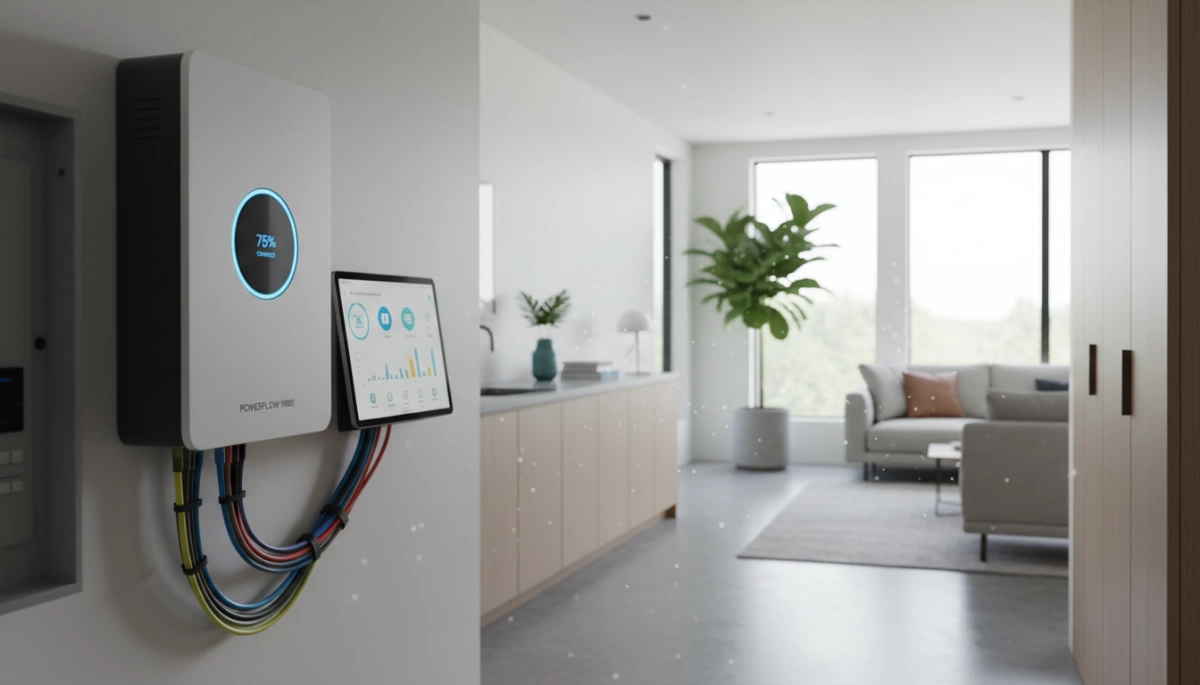
Smarter, Safer Household Battery Backup Systems
Household battery backup is moving fast, and the next few years will completely change how we think about home power.
1. Better battery chemistry and higher energy density
New lithium-ion and LiFePO4 chemistries are getting:
- Higher energy density – more kWh in the same space
- Longer cycle life – 6,000–10,000+ cycles becoming standard
- Stronger safety – better thermal management, smarter BMS, stricter certifications
This means future household backup batteries will be smaller, safer, and last longer, while still backing up your essential loads or even your whole home.
2. AI-driven home energy management
AI is going to change how a household battery backup system works day to day. You’ll see systems that can:
- Predict your usage patterns and charge/discharge automatically
- Learn local time-of-use pricing and shift loads to save you more
- React to weather forecasts and grid alerts to prepare for outages
Your smart home battery won’t just store power—it will think about when and how to use it.
3. Smart grid interaction and virtual power plants (VPPs)
As more homes add residential energy storage, utilities are starting to connect them as virtual power plants:
- Thousands of household backup batteries act together as a flexible grid resource
- You can get paid or credited to share some stored energy during peak demand
- The grid gets more stable, and you gain extra value from your backup system
This turns your home battery storage from a cost into an earning asset in some regions.
4. Core role in resilient, sustainable homes
Household battery backup will become standard in modern homes, alongside solar, EV chargers, and heat pumps. It will:
- Keep essential circuits online during storms and blackouts
- Help households cut carbon emissions by maximizing solar self-consumption
- Support local grids during climate-related stress events
In short, household backup power will be a core piece of home resilience, not a luxury add-on.
Why Choose Haisic Household Battery Backup Solutions
Haisic Household Battery Backup Product Options
I focus on a simple lineup that actually fits real homes, not lab demos:
| Solution Type | Use Case | Example Haisic Product |
|---|---|---|
| Single home battery (5–20 kWh) | Apartments, small houses, essential-load backup | Haisic 128V 5 kWh LiFePO4 battery pack |
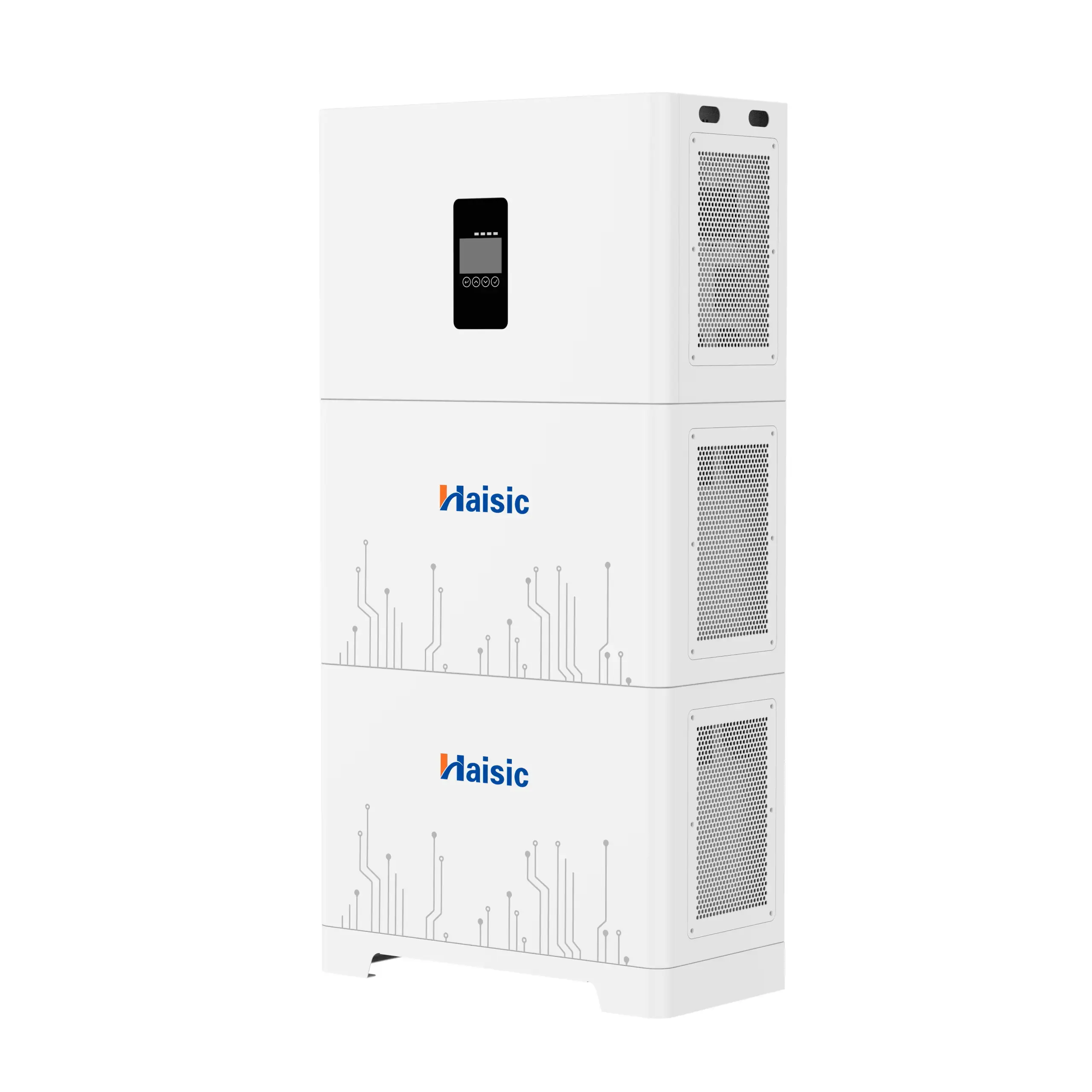
| Whole-home household battery backup (15–30+ kWh) | Family homes, longer outages, solar homes | Haisic 51.2V 20 kWh LiFePO4 energy storage system |
| Small commercial / villa ESS | Large homes, mixed home + business | 20–100 kWh modular systems |
All systems are built as residential energy storage first: quiet, compact, and ready for solar battery backup or grid-only use.
Quality, Safety, and Performance Advantages
I build Haisic household backup batteries around what matters globally:
- LiFePO4 chemistry: safer, more stable, and longer life than many standard lithium-ion options.
- High cycle life: designed for daily cycling and storm backup, not just “emergency only.”
- Layered safety: BMS protection, cell-level monitoring, and strict testing on every home energy storage system.
- Consistent output: reliable power for fridges, lights, routers, medical devices, and more during blackouts.
You get a household battery backup system that’s built for real-world use, not just specs on paper.
Custom Household Backup Power for Different Homes
Every home uses power differently, so I make the systems modular:
- Modular battery packs: start small, add capacity later as your loads grow (EVs, heat pumps, more appliances).
- Flexible configurations:
- Essential-load backup power system
- Whole-home household backup power
- Off-grid or hybrid home battery storage with solar
- Compatibility focus: works with mainstream inverters and common home inverter battery system setups.
You can build a home battery bank that actually matches your lifestyle instead of overpaying or undersizing.
How to Get a Tailored Quote and Support from Haisic
If you want a clear, no-nonsense quote for a household battery backup:
Share your basics
- Location / country
- Average monthly kWh use
- Must-backup loads (fridge, Wi-Fi, AC, medical devices, etc.)
- Existing solar or no solar
Get a design + price
- I’ll size the household backup battery (kWh + kW)
- Recommend a setup: essential-load, whole-home, or hybrid
- Provide clear pricing for hardware + expected install costs (via local partners)
Ongoing support
- Remote guidance for installers
- App/monitoring walkthrough
- Long-term product and technical support
Tell me how you use power at home, and I’ll match you with the right household battery backup power solution—not just the biggest or most expensive one.