










What Is Home Battery Storage and How Does It Actually Work?
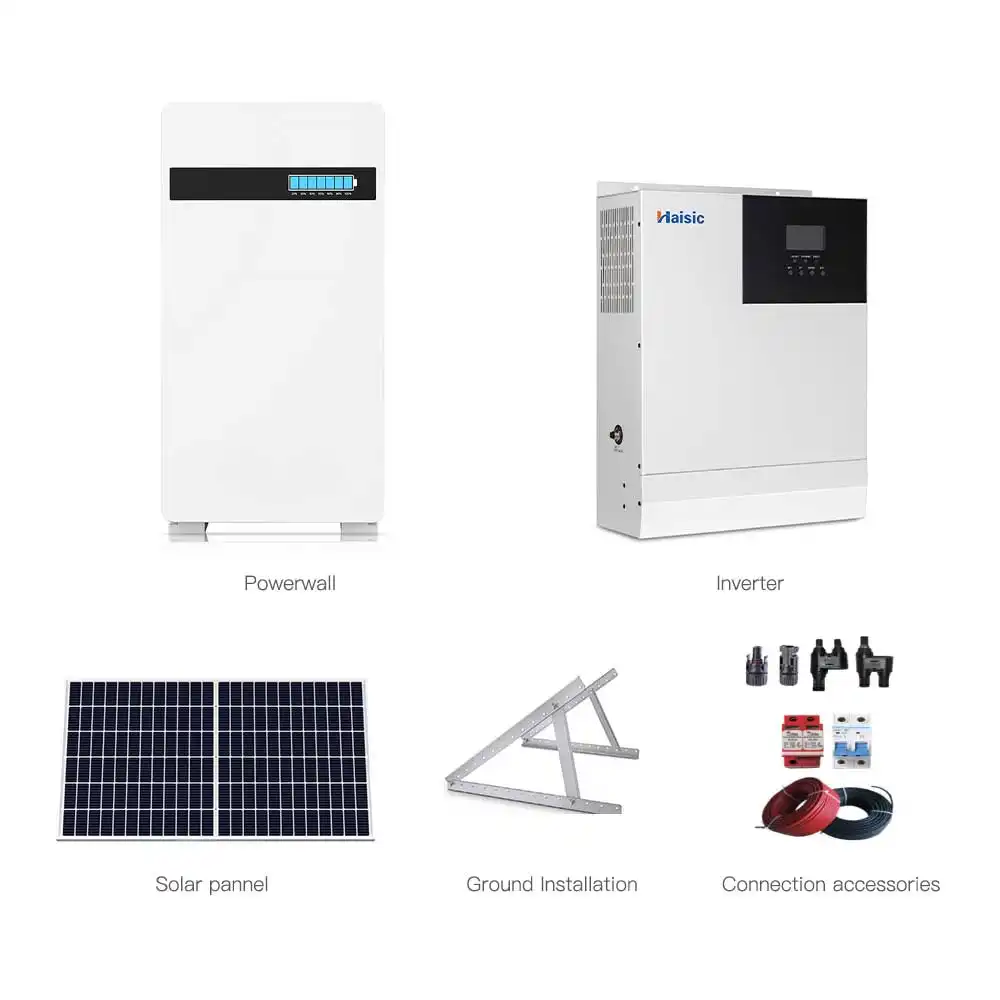
You’ve probably heard about “battery storage for home” and wondered: Is it just a big Powerwall on the wall, or something more? Let’s keep it simple and practical.
Simple Definition: What Is Battery Storage for Home?
A home battery storage system is a rechargeable battery that stores electricity so you can use it later when you actually need it.
In plain terms, it lets you:
- Store extra solar power from the day
- Use that energy at night or during outages
- Control when you buy power from the grid
Think of it as a “power savings account” for your home.
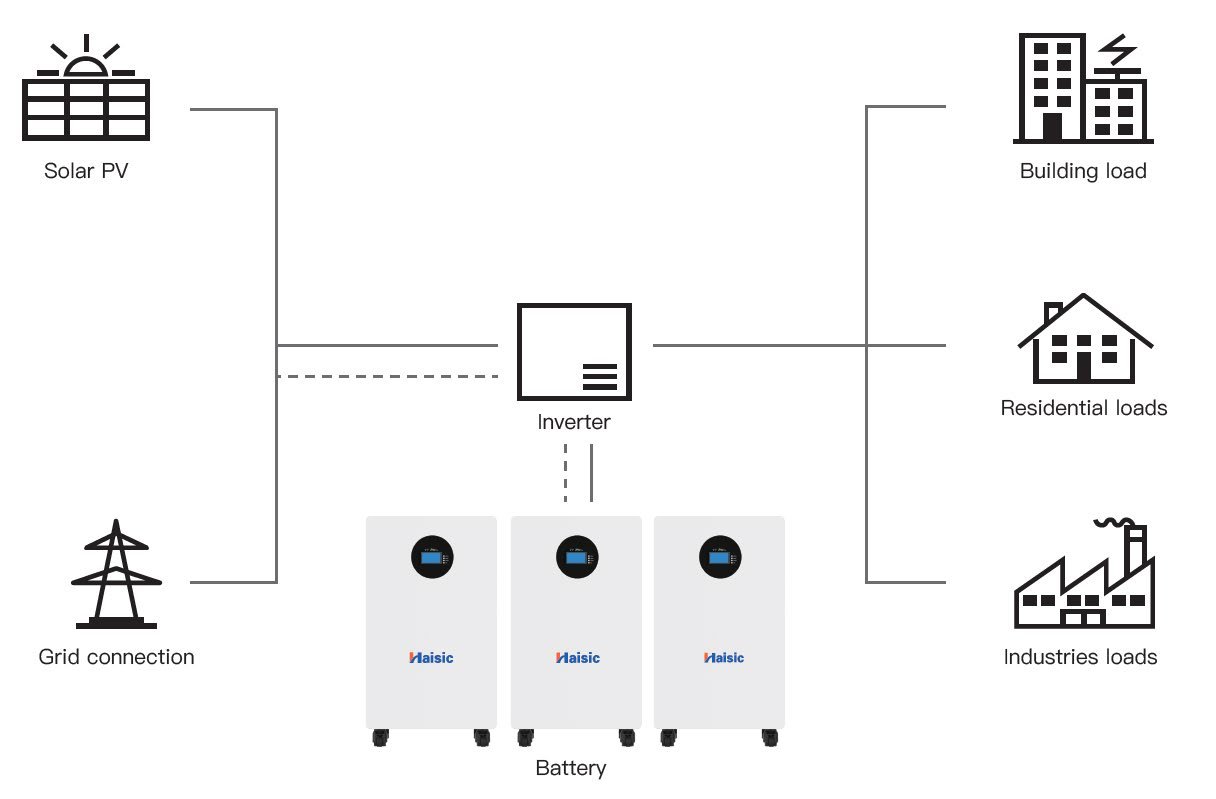
How It Fits with Solar Panels and the Grid
A residential energy storage system usually connects to:
- Your solar panels (if you have them)
- Your main electrical panel
- The grid (unless you’re fully off‑grid)
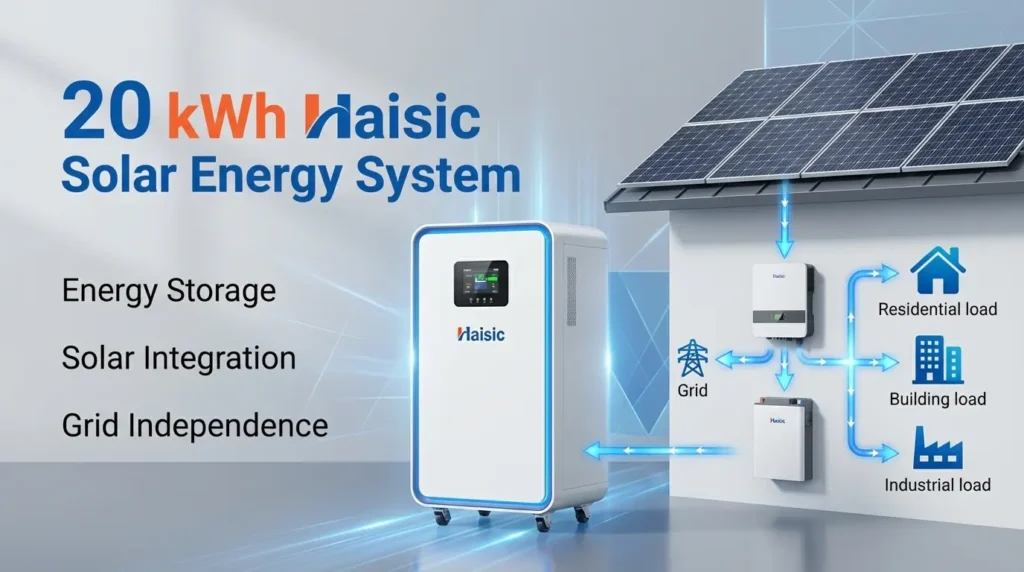
Typical flow:
- Solar panels generate electricity.
- Your home uses what it needs first.
- Extra solar charges the home battery.
- At night or during peak prices, the battery discharges.
- During a blackout, the home battery backup keeps selected circuits or your whole home running.
You can also install a home battery without solar, charging it from the grid when electricity is cheap and using it when it’s expensive.
AC-Coupled vs DC-Coupled vs Hybrid Inverter Systems
How the battery connects matters for efficiency, cost, and flexibility.
| Type | How It Works | Best For |
|---|---|---|
| AC-coupled | Separate inverter for solar and battery; connect via AC | Easy add-on to existing solar; retrofit jobs |
| DC-coupled | Solar and battery share one DC bus and inverter | Higher efficiency; new solar + battery systems |
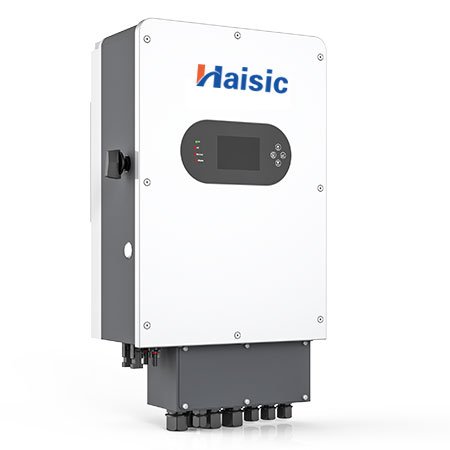
| Hybrid inverter system | One smart inverter handles solar, battery, and grid | Future-proof setups; flexible design, expansion |
- AC-coupled home battery is often simpler for upgrades.
- DC-coupled and hybrid inverter battery systems usually give better round-trip efficiency and cleaner wiring.
kWh vs kW: Capacity vs Power
Two numbers really matter on a home battery spec sheet:
| Term | What It Means | Example |
|---|---|---|
| Energy capacity (kWh) | How much energy it can store | 10 kWh = ~10,000 watt-hours of energy |
| Power output (kW) | How much power it can deliver at once | 5 kW = can run 5,000 watts at one time |
- kWh (kilowatt-hours) = how long it can run your loads.
- kW (kilowatts) = how many loads you can run at the same time.
You need enough kWh to last through the night or an outage, and enough kW to start and run big appliances like HVAC, well pumps, or electric ovens.
How Daily Charge and Discharge Works
With solar battery storage, a typical daily cycle looks like this:
- Morning to midday
- Solar powers your home.
- Extra solar charges the home battery storage system.
- Late afternoon / evening
- Solar drops.
- Battery discharges to power your home during time-of-use (TOU) peak rates.
- Overnight
- Battery keeps running loads until it reaches its set minimum state-of-charge.
- Grid kicks in if needed.
This is called one cycle per day. Modern lithium-ion home batteries are designed for thousands of these cycles.
Whole-House Backup vs Critical Loads Only
You don’t have to back up everything. You choose what really matters.
Critical loads backup (partial backup):
- Backed-up circuits:
- Fridge and freezer
- Wi-Fi and outlets for work-from-home
- Some lights and fans
- Maybe a small mini-split or furnace blower
- Pros:
- Smaller battery size
- Lower cost
- Longer runtime in outages
Whole-house battery backup:
- Backs up all circuits, including:
- Central AC / heat pumps
- Electric range / oven
- Well pumps, pool pumps, EV charger (sometimes managed with smart controls)
- Pros:
- Feels almost like the grid never went out
- Cons:
- Larger battery storage for home (more kWh and kW)
- Higher installed cost and heavier electrical work
Which one you choose depends on:
- How long outages last in your area
- How much you want “life as normal” vs “essential-only” backup
- Your budget and roof/space for solar and batteries
The key is to match the size and type of battery storage home system to how you actually live, not just to the biggest spec sheet.
Main reasons homeowners choose battery storage for home in 2026
Lowering electricity bills with solar battery storage
If you already have solar, a home battery storage system stops you sending cheap solar to the grid and buying it back at a higher price later.
You simply:
- Charge your home battery with solar panels during the day
- Run your home from the battery in the evening and at night
- Cut how much you pull from the grid every day
For most homes on modern tariffs, solar + battery beats solar-only on savings.
Time-of-use and demand charge arbitrage
In many regions now, the game is all about time-of-use (TOU) pricing and demand charges, not just how many kWh you use. A residential energy storage system helps you:
- Charge the battery when power is cheap (midday / off‑peak)
- Discharge when power is expensive (evening / peak)
- Shave demand spikes, so you avoid brutal demand fees
This is where a smart hybrid inverter battery system really pays off.
Backup power for storms and grid failures
A home battery backup gives you instant, automatic power when the grid drops:
- Keeps lights, Wi‑Fi, fridge, medical devices running
- Avoids food spoilage and lost work time
- Pairs well with whole-house battery backup or a critical loads backup panel
For areas hit by hurricanes, winter storms, heatwaves, or unstable grids, a power outage backup battery is now basic resilience, not a luxury.
Energy independence from the utility
With battery storage for home, you don’t depend on the grid as much:
- Store your own clean power instead of exporting it for pennies
- Decide when you buy from the grid (or if you buy at all)
- Get closer to home energy independence, especially with a good-sized off-grid battery system and enough solar
You’re not fully off-grid in most grid‑tied setups, but you’re no longer at the mercy of every rate change.
Boosting solar ROI when net metering changes
In many markets, net metering has been cut or gutted. That’s where solar battery storage steps in:
- Instead of dumping extra solar to the grid at low “export” rates
- You store it on-site and use it later at full retail value
- This raises your solar ROI and protects you from future policy changes
For new solar buyers in these areas, solar plus storage is often the only setup that still pencils out well.
Environmental benefits of home battery storage
A battery energy storage system for home helps clean up your footprint by:
- Maximizing solar self-consumption
- Reducing how often you pull grid power during dirty peak hours
- Supporting virtual power plant (VPP) programs that replace peaker plants
You get more clean kWh out of the same solar array, and your home can actively help stabilize the grid.
Using incentives and tax credits to improve payback
Right now, incentives are a big reason people move fast on battery storage home:
- The 30% federal tax credit for battery storage cuts the real cost of a 10 kWh home battery or bigger system
- Some regions add state rebates, utility programs, and performance payments
- Smart stacking of these incentives can shorten payback by several years
When you combine lower bills + outage protection + incentives, battery storage for home in 2026 is not just a nice-to-have—it’s a strategic upgrade.
Types of Home Batteries for Residential Energy Storage
Lithium-ion home battery basics
For most battery storage for home today, lithium‑ion is the default. It gives:
- High energy in a compact size
- Fast charge/discharge
- Decent efficiency (typically 90%+ round‑trip)
- 10+ year design life with proper management
This is what you see in most home battery backup, solar battery storage, and grid‑tied home battery systems.
LFP battery for home (Lithium Iron Phosphate)
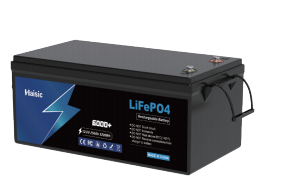
For residential energy storage, LFP (Lithium Iron Phosphate) is usually the best fit:
- Safer chemistry: Much more stable and lower fire risk vs other lithium types
- Long lifespan: Often 6,000+ cycles, ideal for daily solar self‑consumption
- Better for hot climates: Handles higher temperatures more comfortably
- Flat voltage curve: More predictable performance
That’s why our own Tier‑1 LFP home battery designs focus on LFP cells for whole‑house battery backup and stackable home battery modules.
NMC lithium home batteries
NMC (Nickel Manganese Cobalt) is still used by some big brands:
- Higher energy density – good where space is tight
- Slightly lighter per kWh
- Often found in older or legacy systems
Where NMC still makes sense:
- Apartments or tight indoor spaces with strict footprint limits
- Existing NMC systems where you’re just adding capacity
For most new home battery storage systems in 2026, I’d still lean LFP first for safety and cycle life.
Why lead-acid batteries are outdated
Lead‑acid (including AGM and gel) had their moment, but for a modern battery storage home system, they’re usually a bad call:
- Shorter cycle life (often 500–1,500 cycles)
- Heavy and bulky
- Poor depth‑of‑discharge (you can’t use most of the rated capacity without killing them)
- High maintenance for off‑grid setups
For serious whole‑house battery backup or off‑grid battery system use, lead‑acid just can’t compete with LFP on total lifetime cost.
Flow batteries, sodium-ion, and new tech
You’ll hear more about:
- Flow batteries: Long life, easy to cycle, but still pricey and bulky for homes
- Sodium‑ion batteries: Cheaper and promising for safety, but early in the residential market
- Other chemistries are being tested, but they’re mostly pilot or niche projects right now.
If you want something proven and bankable today, lithium‑ion (especially LFP) is still the practical choice for home solar power battery storage.
Stackable home battery systems vs single large unit
Two common hardware approaches:
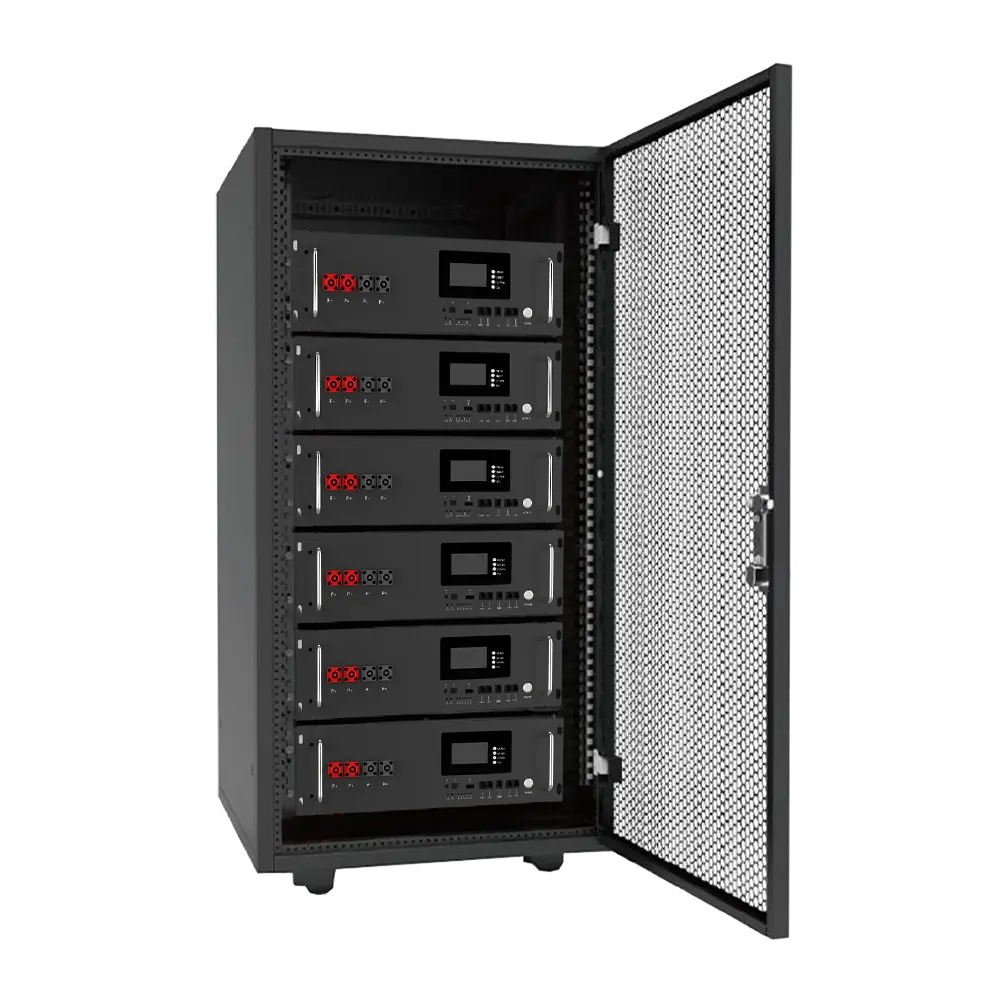
Stackable home battery (modular):
- Add capacity in 5–10 kWh blocks
- Easy to start small and expand later
- Great for growing families, new EVs, or planned home upgrades
Single large battery unit:
- Cleaner look, fewer boxes on the wall
- Often a bit simpler to wire initially
For global homeowners who might change usage over time (new appliances, an EV, more AC), stackable residential energy storage systems give better long‑term flexibility.
Indoor vs outdoor rated home battery enclosures
Where you install your home battery storage matters:
Indoor (garage, utility room, basement):
- Better temperature control → better battery life
- Usually easier to protect from weather
- Must follow strict fire and ventilation codes
Outdoor (exterior wall, dedicated cabinet):
- Rated for rain, sun, and temperature swings
- Good for homes without garage or interior space
- Needs proper clearance, shading, and wall strength
Always look for:
- Outdoor‑rated enclosures (IP/UL ratings) if installing outside
- Clear labeling for indoor vs outdoor use
- Local code compliance for battery energy storage system for home
The right choice depends on your climate, building layout, and local safety rules, but either way, the goal is a safe, durable, and code‑compliant home battery backup setup that runs for years with minimal hassle.
Real Costs of Battery Storage for Home in 2026
Typical installed cost by size (5–30+ kWh)
For a modern lithium‑ion home battery storage system in 2026 (equipment + standard install):
- 5–10 kWh: approx. $4,000–$8,000
- 10–20 kWh: approx. $7,000–$13,000
- 20–30+ kWh: approx. $12,000–$22,000+
These ranges fit most grid‑tied home battery backup setups with a quality LFP battery for home and a reputable installer.
Price per kWh trends (2022–2026)
Home battery storage price per kWh has been dropping:
- 2022: often $900–$1,300 / usable kWh installed
- 2026–2026: moved toward $700–$1,000 / kWh
- 2026: competitive systems now at roughly $500–$800 / kWh installed (before incentives) for good lithium iron phosphate home battery systems.
Chinese Tier‑1 LFP home battery manufacturers, like Haisic, are a big reason pricing has become more reasonable while keeping solid performance and safety.
What drives total cost: equipment, labor, permitting
Your battery storage home price isn’t just the battery:
- Equipment (60–75%)
- Home battery modules (LFP or NMC)
- Hybrid inverter battery system or battery‑only inverter (AC‑coupled)
- Backup/critical loads panel, breakers, disconnects, monitoring
- Labor (20–30%)
- Electrician hours, mounting, wiring, commissioning
- Complexity: whole‑house backup costs more than just critical loads
- Permits & inspections (5–10%)
- Local electrical permit fees
- Utility interconnection charges for solar plus storage
The more complex the home battery backup design, the more labor and soft costs add up.
AC‑coupled vs hybrid inverter cost differences
For solar battery storage, wiring approach matters:
- AC‑coupled home battery
- Easier to add to existing solar
- Usually slightly higher total cost and a bit less efficient
- Good for retrofits and expanding older systems
- Hybrid solar inverter with battery (DC‑coupled / hybrid)
- Best for new installs or full upgrades
- Lower equipment count, cleaner install, better efficiency
- Often cheaper overall on new solar + battery projects
If you’re starting fresh, I usually push for a hybrid inverter battery system to keep both cost and wiring lean.
How the 30% federal tax credit works in practice
In 2026, the 30% federal tax credit battery incentive (Investment Tax Credit / ITC) applies to:
- Standalone home battery systems (no solar required, as long as capacity ≥ 3 kWh)
- Solar plus storage systems (grid‑tied or off‑grid)
How it actually plays out:
- Credit = 30% of total installed cost (equipment + labor + permitting)
- Example: $12,000 home battery storage system → $3,600 tax credit → net $8,400
- It’s a tax credit, not a rebate: you need enough tax liability to use it (can usually carry forward if unused in year one—confirm with your tax pro).
State rebates and utility programs impact
On top of federal, local incentives can cut your battery storage home cost much further:
- California SGIP battery rebate
- Can cover hundreds to thousands of dollars per system
- Extra funding for low‑income or high‑fire‑risk areas
- Other states/regions (examples, may vary by year):
- Time‑of‑use battery savings programs
- Demand charge management with batteries rebates
- Virtual power plant home battery (VPP) programs that pay you to share capacity
Stacked together, it’s realistic in many markets to bring a system down 30–60% off sticker price.
Where Haisic battery systems sit on the price vs quality spectrum
With Haisic home battery storage, I position our systems here:
- Chemistry: Tier‑1 LFP battery for home (high safety, long cycle life)
- Target price band:
- Typically in the mid‑to‑value tier on cost, not the most expensive “premium logo” and not bargain‑bin either
- Competitive installed cost often in the $500–$700 / usable kWh range before incentives (actual price depends on your installer and location)
- Use case fit:
- Homeowners wanting reliable whole‑house battery backup or critical loads backup without paying the highest premium
- People looking for a Tesla Powerwall alternative with strong specs, stackable modules, and solid warranty
In short, Haisic is built to hit the sweet spot: Tier‑1 LFP performance, serious safety and lifespan, and a price that stays friendly once you layer in the 30% federal credit and local rebates.
How Much Home Battery Storage for Home Do You Really Need?
Estimate your daily energy use (kWh)
Start with your bill. I always look at:
- Average daily use:
- Small apartment: 8–15 kWh/day
- Small home: 15–25 kWh/day
- Medium home: 25–40 kWh/day
- Large home: 40–70+ kWh/day
If you can’t see daily numbers, take your monthly kWh ÷ 30. That’s your rough daily load.
Critical loads vs whole-house battery backup
Decide what you truly need during an outage:
Critical loads panel (most common & cheaper):
Usually includes:
- Fridge + some lights + Wi‑Fi/router
- Phone/laptop charging
- Gas boiler or small heat pump, maybe a well pump
- One or two key circuits (kitchen, office, bedroom)
That’s often 3–8 kWh per day during an outage.
Whole-house backup:
Covers almost everything, including:
- Central AC or big heat pump
- Electric oven, dryer, pool pump, EV charger, etc.
This can easily hit 25–50+ kWh per day.
How many kWh for 4, 8, 24+ hours of backup?
Here’s a simple rule-of-thumb for a critical loads backup:
- 4 hours backup (evening only):
- Light use: 3–5 kWh
- 8 hours backup (evening + night):
- Light/medium use: 5–10 kWh
- 24 hours backup (one full day):
- Critical loads: 10–20 kWh
- Whole-home (no AC): 20–30 kWh
- Whole-home with AC or heavy loads: 30–60+ kWh
For multi‑day storms or unreliable grids (parts of the US, Africa, LATAM, Southeast Asia), I push customers toward at least 20–30 kWh if the budget allows.
Match solar battery storage to your solar array
If you already have solar:
- A quick formula I like:
- Battery (kWh) ≈ 0.5–1.5 × daily solar production (kWh)
- Example:
- 6 kW solar array might make 20–30 kWh/day
- Good pairing: 10–20 kWh battery storage
In regions with time-of-use rates or weak net metering, going closer to the high side (1–1.5×) improves self-consumption and ROI.
Example sizing for small, medium, and large homes
Use this as a starting point:
| Home type | Typical daily use | Critical loads backup | Whole-house backup |
|---|---|---|---|
| Small apartment | 8–15 kWh | 5–10 kWh | 10–15 kWh |
| Small home | 15–25 kWh | 10–15 kWh | 15–25 kWh |
| Medium home | 25–40 kWh | 10–20 kWh | 20–40 kWh |
| Large home / villa | 40–70+ kWh | 15–25 kWh | 30–60+ kWh |
For most global customers, 10–20 kWh covers smart, critical backup plus solid bill savings.
Stackable home battery storage that grows with you
This is why I like stackable home battery modules instead of a single fixed block:
- Start small (for example, 10 kWh now)
- Add more modules later as:
- You add EV charging
- You install more solar panels
- Your family or business grows
- Lower risk: you’re not forced into a huge up‑front system.
Systems like Haisic HS‑Series LFP home batteries are built exactly for this: modular, stackable, and easy to expand without replacing everything.
Oversize vs right-size your residential energy storage system
Here’s how I decide with customers:
Right-size (most people):
- You care about payback period and ROI
- You’re mainly targeting time-of-use savings + short outages
- Go for 10–20 kWh in most cases, matched to your real usage
Oversize (worth it when):
- You get frequent, long outages (storms, weak grids, rural areas)
- You rely on medical equipment or run a home business that can’t go down
- You live in extreme climates where heating/cooling must stay on
- You have strong incentives or VPP programs paying for bigger capacity
If you’re not sure, I’d rather see you right-size with a stackable system, then expand later instead of paying up-front for capacity you barely use.
Top Home Battery Brands and Systems in 2026
When people ask me about battery storage for home in 2026, it usually comes down to a handful of serious players. Here’s how I look at the main home battery backup options, where each one fits, and when it makes sense to choose a Tesla Powerwall alternative.
Tesla Powerwall 3 – Pros, Cons, Best Fit
What it is: Tesla’s all‑in‑one lithium-ion home battery with built‑in hybrid inverter.
Pros:
- Strong ecosystem with Tesla app, EVs, and solar
- Solid performance, high power output for whole-house battery backup
- Widely available in many countries, good installer network
- Clean, compact design and good monitoring
Cons:
- Availability and wait times can be an issue in some regions
- Pricing and policies change often, limited customization
- You’re locked deeper into the Tesla ecosystem
Ideal for:
Homeowners who want a recognizable brand, already have (or plan to have) Tesla solar or EVs, and care about a sleek, integrated experience more than absolute lowest cost per kWh.
Enphase IQ Battery – Microinverter Integration
What it is: Modular AC-coupled home battery storage that pairs perfectly with Enphase microinverters.
Pros:
- Best fit if you already have Enphase solar microinverters
- Stackable home battery modules (IQ Battery 5P, etc.) for easy expansion
- Strong reliability and monitoring, good global support
- Good for grid-tied home battery systems and solar self-consumption
Cons:
- Price per kWh is on the higher side
- AC-coupled design adds conversion steps vs a pure DC system
Ideal for:
Homes with existing Enphase solar, or homeowners who want flexible expansion and tight integration, especially in time-of-use markets.
FranklinWH aPower 2 – Whole-House Backup Focus
What it is: A lithium-ion residential energy storage system built around whole-home backup and smart load control.
Pros:
- Designed for full whole-house battery backup with high continuous power
- Smart load management system helps you prioritize critical circuits
- Good fit for areas with frequent power outages and storms
- Strong position in the US market for resilience-focused homes
Cons:
- Not the cheapest option on a pure cost-per-kWh basis
- Less global brand recognition compared to Tesla or LG
Ideal for:
Homeowners in outage‑prone regions (US coasts, parts of Asia, Australia) who want serious backup power, not just bill savings.
LG ESS Home 8 – Compact, Brand-Name Option
What it is: LG’s lithium home battery storage system with integrated inverter.
Pros:
- Big, trusted electronics brand with global presence
- Compact system for smaller spaces or townhouses
- Good fit where local installers already trust LG’s energy products
Cons:
- Not as aggressively priced as some newer Chinese Tier‑1 brands
- Less flexible than fully modular, stackable systems
Ideal for:
Customers who care about big-brand reassurance, have moderate energy needs, and want a clean, compact battery storage home solution.
Sonnen – Premium Smart Home Battery Ecosystem
What it is: A high-end residential energy storage system focused on smart home, VPP, and energy management.
Pros:
- Strong software, automation, and energy community features
- Built for long lifetime and advanced grid services
- Popular in Germany, Europe, and premium US homes
Cons:
- One of the most expensive cost tiers in home battery brands comparison
- Overkill if you just need simple backup and TOU savings
Ideal for:
Tech-forward homeowners who value smart automation, virtual power plant (VPP) participation, and are willing to pay for premium software and ecosystem.
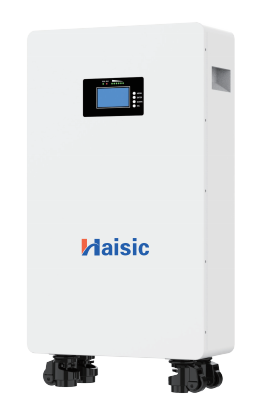
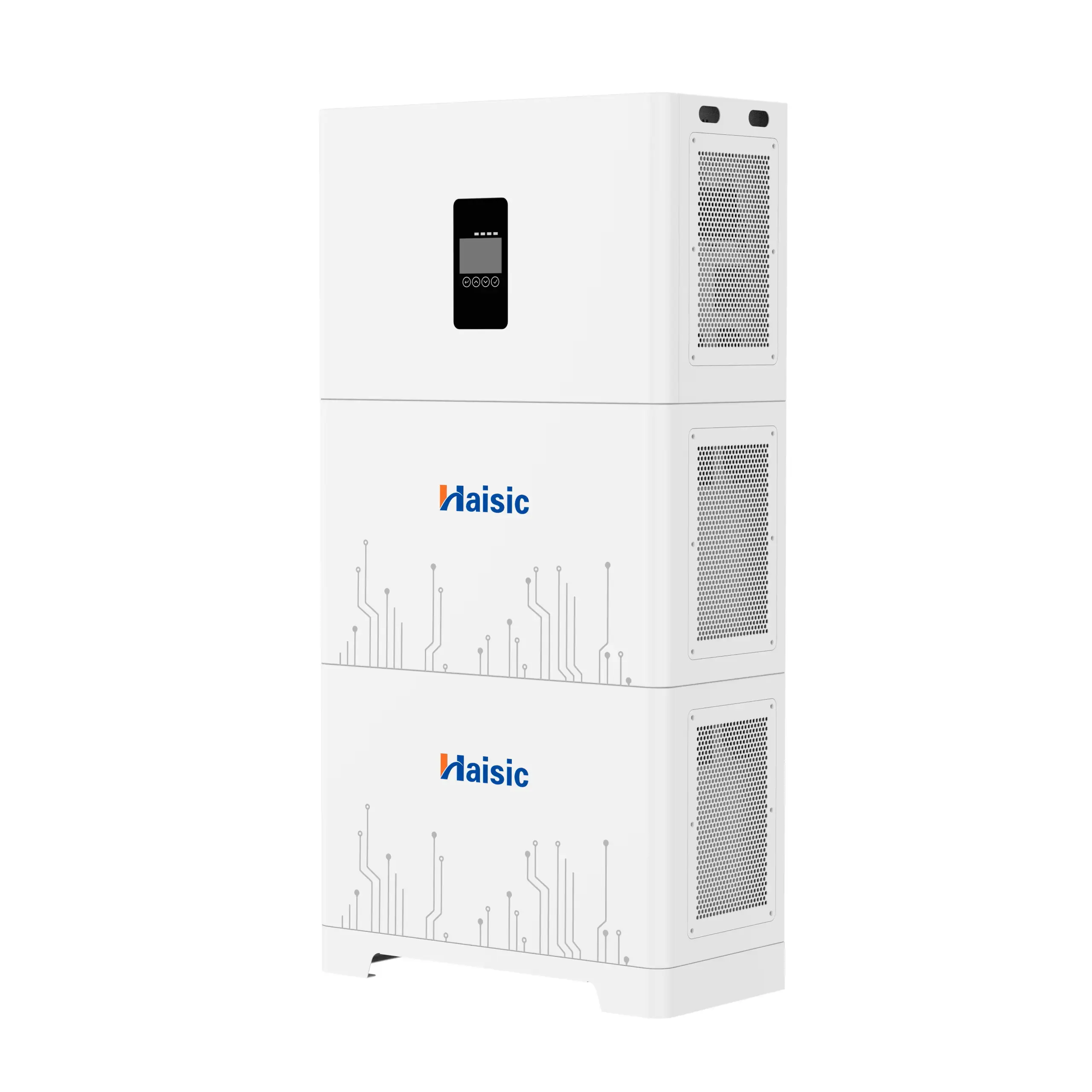
Haisic HS-Series LFP Home Battery Storage
This is where I put my own focus.
What it is: Tier‑1 LFP (Lithium Iron Phosphate) home battery storage for grid-tied and off-grid battery systems, designed to deliver strong performance, long life, and competitive pricing for the global market.
Key strengths:
- LFP chemistry (Lithium Iron Phosphate):
- Safer and more thermally stable than many NMC lithium options
- Longer cycle life, ideal for daily solar battery storage use
- Stackable modules:
- Start with a smaller system (e.g., 10–15 kWh) and add more modules as your usage grows
- Works well for both critical loads backup panel setups and near whole-house battery backup
- Capacity & power:
- Multiple HS-Series options to cover 5–30+ kWh usable capacity
- Configurable power output for different regions and utility requirements
- Warranty:
- Competitive long-term warranty (10+ years / high cycle count), aligned with other Tier‑1 LFP brands
- Pricing:
- Aggressive price-per-kWh vs legacy premium brands
- Designed to sit in the “high quality, not luxury markup” tier
- Pairs well with the 30% federal tax credit battery incentive and many state/utility rebates
Ideal for:
Homeowners globally who want:
- LFP battery for home with strong safety and lifespan
- A Tesla Powerwall alternative without sacrificing reliability
- Flexible sizing for both small homes and larger villas
- A system ready for solar plus storage today and VPP participation tomorrow
Mini Comparison – Leading Home Battery Backup Systems
Below is a simple snapshot of how these systems usually line up in 2026:
| Brand / System | Chemistry | Typical Use | Cost Tier | Efficiency / Notes | Warranty Tier |
|---|---|---|---|---|---|
| Tesla Powerwall 3 | NMC/LFP* | All‑in‑one, whole-home, TOU | Mid–High | High round-trip efficiency, strong app | Strong, 10+ yrs |
| Enphase IQ Battery | LFP | Solar self-consumption, TOU, modular | High | Very good, AC‑coupled | Strong, 10+ yrs |
| FranklinWH aPower 2 | LFP | Whole-house battery backup, storms | Mid–High | High power output | Strong, 10+ yrs |
| LG ESS Home 8 | Lithium | Compact homes, brand-focused buyers | Mid–High | Solid, integrated | Strong, 10+ yrs |
| Sonnen | Lithium | Premium smart home, VPP, automation | Premium | Good, software-driven | Premium warranty |
| Haisic HS-Series | LFP | TOU savings, backup, scalable storage | Mid (value) | High efficiency, stackable | Tier‑1, 10+ yrs |
*Chemistry and specs can vary by region/version.
Choosing a Tesla Powerwall Alternative vs Premium Legacy Brands
If you’re comparing battery storage for home in 2026, this is how I’d frame the decision:
- Choose Tesla / Enphase / Sonnen if:
- You want a specific ecosystem (Tesla EV, Enphase solar, Sonnen community)
- You’re okay paying more for brand name and tighter integration
- Your installer base strongly prefers one of these systems
- Choose a Haisic HS-Series LFP system if:
- You want a Tier‑1 LFP battery with strong safety and life
- You care about value: lower cost per kWh with solid performance
- You want flexible, stackable home battery modules that can grow with your usage
- You’re planning for global-standard installation, incentives, and future VPP programs
I design and position Haisic battery storage home solutions to hit that sweet spot: serious residential energy storage system performance, long LFP life, and pricing that makes sense for real families and real grid
Real Payback and Savings with Battery Storage for Home
How home battery backup saves money with time-of-use (TOU) rates
With battery storage for home on a TOU plan, I basically play “buy low, use high” with electricity:
- Charge cheap: Battery charges from solar or from the grid during off‑peak hours.
- Discharge expensive: Battery powers the home when peak prices hit in the evening.
- Cut demand spikes: In markets with demand charges, the battery trims big usage spikes so the utility doesn’t bill me at the highest peak.
This mix of solar battery storage, TOU shifting, and demand charge management is where real savings show up.
Case study: California solar battery storage with TOU arbitrage
In a typical California setup (NEM 3.0 style rates):
- 7–10 kW solar + 10–15 kWh home battery storage system
- Export credit to the grid is low, but buying power at night is expensive
- Homeowner charges mostly from solar, then discharges from 4–9 pm
Results we usually see:
- 20–40% lower annual bill vs solar‑only
- Payback: 7–10 years with the 30% federal tax credit battery incentive
- Extra upside if they join a virtual power plant (VPP) program
Case study: Texas power outage backup + solar self-consumption
Texas is all about resilience + bill control:
- 10–15 kWh residential energy storage system + rooftop solar
- Battery covers critical loads during grid failures (fridge, lights, Wi‑Fi, a few outlets)
- The rest of the year, battery boosts solar self‑consumption to avoid high evening rates or sudden wholesale price spikes
Realistic results:
- Short outages: almost seamless power
- Longer outages: solar keeps topping up the battery during the day
- Savings: $400–$900/year depending on rate plan and usage
Case study: Florida hurricane backup with whole-house battery backup
In Florida and coastal markets, the main value is backup power for storms:
- 20–30+ kWh whole-house battery backup with LFP battery for home chemistry
- Paired with solar so you can recharge when the grid is down
- Keeps AC (or at least mini-splits), fridge, and critical devices running through multi-day outages
Financially:
- Bill savings are modest compared to California, but
- Avoiding hotel stays, spoiled food, and downtime often matters more than strict ROI
- Most buyers see this as a resilience investment, not just an energy play
Typical payback periods with and without the 30% federal tax credit
Rough ranges for battery storage home systems (assuming decent solar production and TOU/demand-based rates):
- With 30% federal tax credit
- Payback: 7–12 years in strong markets (CA, HI, parts of Australia/EU)
- Without tax credit
- Payback: 10–15+ years, or longer where power is cheap and TOU spreads are small
Stacking state rebates (like California SGIP battery rebate) and some utility programs can cut payback by another 1–3 years.
How much a 10 kWh and 20 kWh home battery can save per year
Ballpark figures, assuming TOU + solar:
- 10 kWh home battery
- Typical installed use: daily cycling for TOU + backup
- Annual savings: ~$300–$800
- 20 kWh home battery
- Better for bigger homes / more evening load / partial whole-home backup
- Annual savings: ~$600–$1,500
In places with flat, cheap rates, savings will be at the low end; in aggressive TOU or demand-charge markets, the high end is realistic.
When battery storage for home is more about resilience than ROI
In many regions, home battery backup is less about chasing a quick payback and more about:
- Keeping your home running through storms, blackouts, or grid instability
- Protecting health devices, food, work-from-home setups, and peace of mind
- Locking in a level of energy independence, especially if your utility is unreliable
If your area has frequent or long outages, the real value of a home battery storage system is resilience — the ROI is the bonus, not the main reason to install.
Battery Storage Incentives and Tax Credits in 2026–2026
30% federal tax credit for battery storage at home
In 2026–2026, most homeowners can still claim 30% of the total installed cost of a battery storage for home system through the Residential Clean Energy Credit (US).
What’s covered:
- Battery equipment (LFP battery for home, inverter, disconnects, monitoring)
- Installation labor and wiring
- Permits and required upgrades directly tied to the residential energy storage system
To qualify:
- Battery must be installed at your home (primary or sometimes secondary residence)
- Minimum 3 kWh usable capacity
- You must own the system (no pure lease; some loans are fine)
- You need enough tax liability to actually use the credit (it can usually roll forward)
You don’t get a check — it’s a credit against your federal income tax, cutting what you owe.
Standalone vs solar-paired home battery tax rules
Today, standalone home battery backup qualifies the same as solar plus battery:
- Standalone battery storage home
- No solar panels required
- 30% credit on full installed cost of the home battery storage system
- Great for people in apartments, townhouses, and areas with cheap grid power but frequent outages
- Solar-paired home battery with solar panels
- Solar and battery can both claim 30% if installed together or as a qualified add‑on
- If you’re adding a battery later to an existing solar array, the battery itself can still qualify
For most people, the tax treatment is now equally friendly whether you go grid-tied home battery, off-grid battery system, or a hybrid inverter battery system with solar.
State rebates: SGIP and other home battery storage incentives
On top of the federal 30%, several states and utilities throw in extra cash for solar battery storage and whole-house battery backup:
- California SGIP (Self-Generation Incentive Program)
- Upfront rebate per kWh of installed capacity
- Higher rebates for low-income, medical baseline, and high fire‑risk customers
- Works well with systems like Tesla Powerwall, Enphase, or Haisic home battery storage
- Other common state/utility programs:
- Hawaii, Massachusetts, New York, New Jersey, Vermont, Arizona, Texas – mix of rebates, upfront incentives, and VPP-style payments
- Some programs favor time-of-use battery savings, some reward backup power for storms and blackouts
Always check local programs before buying — they can chop 20–50% off your effective cost of home battery storage.
Utility bill credits and performance programs
More utilities now pay you for the flexibility of your home battery storage system:
- Virtual Power Plant (VPP) programs
- Utility or aggregator controls part of your battery during peak events
- You get bill credits or cash payments for sharing capacity
- Often works best with stackable home battery setups and smart hybrids
- Peak reduction / demand charge management
- In some markets, your home battery backup helps lower demand charges
- You can earn credits for letting the utility use your residential energy storage system during stressed grid hours
- Solar self-consumption + export control
- In regions where net metering has weakened or ended, batteries help you keep power on-site
- Some utilities give small credits for avoided peak use, even if export credits are low
These programs improve home battery payback period, especially when paired with time-of-use battery savings.
Stacking federal, state, and local incentives (legally)
You can usually stack:
- 30% federal tax credit
- State/utility rebates (like SGIP)
- Local incentives / VPP performance payouts
Key points:
- Rebates first, then apply the 30% federal tax credit to what you actually paid (after rebates), unless the rebate is taxable income — your tax advisor should confirm.
- Don’t double-count incentives or assume every rebate is tax‑free.
- Keep all paperwork: contracts, paid invoices, rebate approval letters, interconnection documents.
Done right, stacking incentives can bring home battery storage price per kWh down dramatically, especially for Tier‑1 LFP home battery brands like Haisic versus legacy premium options.
Paperwork, documentation, and timing tips
To actually get the money:
- Before installation
- Confirm your system meets eligibility rules for all incentives
- Make sure your installer is familiar with battery storage for home incentives in your area
- Pre‑apply for SGIP or utility rebates where required (some are first‑come, first‑served)
- During installation
- Keep detailed contracts listing equipment (model, capacity in kWh, inverter type)
- Ensure permits and inspections are done correctly and on time
- After installation
- File the federal tax credit using IRS Form 5695 (or have your tax pro do it)
- Submit rebate paperwork quickly — some have short windows
- Save:
- Final paid invoices
- Utility interconnection approval
- Battery specs and warranty (e.g., home battery warranty 10 years or 15 years)
- Any VPP or performance program agreements
If you’re going with a Haisic HS‑Series LFP home battery storage or another major brand, I always push my team and partners to handle as much of this paperwork as possible so homeowners don’t miss out on thousands in incentives.
Installation and Safety for Battery Storage for Home
Choosing a certified installer for residential energy storage
For any home battery storage system, I always push one rule: use a certified installer. It’s not just about safety; it’s also about getting your warranty and incentives approved.
When you choose an installer, look for:
- Licenses & certifications
- Licensed electrician (or licensed solar contractor, depending on your country/region)
- Manufacturer-certified for the exact system you’re buying (Tesla, Enphase, Haisic, etc.)
- Experience with battery storage for home
- Ask: “How many home battery backup systems have you installed this year?”
- Ask for photos and local references
- Clear scope & paperwork
- They handle permits, utility interconnection, and inspections
- You get a single, clear quote for equipment, labor, and materials
A good installer will design the system around your usage habits, local regulations, and utility rules, not just push whatever they have in stock.
Best locations to install home battery storage
Where you place your residential energy storage system matters for safety, performance, and code compliance.
Common options:
- Garage
- Often the best spot if it’s attached, ventilated, and dry
- Easy access to main electrical panel
- Exterior wall
- Great for LFP home batteries with outdoor-rated enclosures
- Keep out of direct harsh sun if possible (shaded wall is ideal)
- Check local rules for distance from doors/windows and property lines
- Basement or utility room
- Only if it’s dry, cool, and allowed by code
- Avoid tight, unventilated spaces unless specifically approved
General rules for battery storage for home:
- Away from flammable materials
- Avoid areas prone to flooding
- Follow manufacturer’s clearance and mounting height requirements
Your installer should size and place conduits cleanly so your home still looks good, not like a lab.
Fire safety and code basics for lithium-ion home batteries
Lithium-ion home batteries are safe when installed properly, but they’re still powerful devices and must follow strict codes.
Key points:
- Follow manufacturer instructions exactly
- Comply with local adoption of IEC/NEC/UL or similar national codes for:
- Maximum battery capacity per wall/room
- Minimum clearances around the battery
- Smoke detectors / fire alarms where required
- Dedicated disconnects so firefighters or utility workers can safely isolate the system
- Some regions require fire-rated walls or barriers between the battery and living spaces
If your installer shrugs off code questions, choose someone else. Insurance and safety depend on this.
Why LFP battery for home is considered safer
Most modern systems, including Haisic HS-Series, use LFP (Lithium Iron Phosphate) cells, and there’s a reason:
- More stable chemistry
- LFP has higher thermal stability than NMC and other lithium chemistries
- Lower risk of thermal runaway under abuse or damage
- Wider safe temperature window
- Typically longer cycle life, which means fewer replacements over time
This doesn’t mean you can ignore safety, but it does mean LFP home batteries are a smart choice if safety is at the top of your list.
Permits, inspections, and utility interconnection
A proper battery storage home install always includes paperwork. The process usually looks like this:
- Design & permit set
- Installer designs your home battery backup system (with or without solar)
- Drawings submitted to local authority for permit
- Permits approved
- Electrical and sometimes building permit
- Installation
- Rough-in wiring, mounting, then commissioning
- Final inspection
- City or regional inspector checks code compliance
- Utility interconnection
- If your system connects to the grid, the utility may require:
- Application and approval
- Meter change or new meter
- Agreement for export, self-consumption, or VPP participation
- If your system connects to the grid, the utility may require:
Don’t skip any of this. It protects you legally and keeps your battery system recognized and insurable.
Common installation mistakes to avoid
I see a lot of issues that could have been avoided with better planning. Watch out for:
- Wrong location
- Too hot, too cramped, or exposed to weather beyond the enclosure rating
- Undersized wiring or breakers
- Leads to nuisance trips or even unsafe conditions
- Poor ventilation or no clearance
- Batteries and inverters need airflow within spec
- No critical loads panel (for backup systems)
- All or nothing wiring that doesn’t match your backup priorities
- Unlabeled disconnects and panels
- Causes confusion in emergencies
Ask your installer to walk you through the system layout before installation starts, and confirm what exactly gets backed up.
Warranty, monitoring apps, and maintenance
Once your home battery storage system is in, you want it to run quietly in the background—with data at your fingertips.
Key things to lock in:
- Warranty terms
- Standard is 10 years, some LFP systems go longer
- Check:
- Cycle life or total kWh throughput limits
- Capacity retention (e.g., 70–80% after 10 years)
- Whether warranty depends on using approved installers and apps
- Monitoring app
- Real-time tracking of:
- State of charge (SOC)
- Solar production (if paired)
- Grid imports/exports
- Backup status during outages
- Remote updates (firmware upgrades, bug fixes)
- Real-time tracking of:
- Maintenance needs
- Lithium-ion and LFP batteries are basically low-maintenance
- Keep the area clean, dry, and within recommended temperature range
- Check app alerts and schedule service if you see unusual behavior
If I’m offering a system in a global market, I always make sure customers get solid remote support, easy app access, and clear warranty documentation in their local language. That’s how you avoid surprises 5–10 years down the road.
Future-proofing battery storage for home
If you’re buying battery storage for home today, you want it ready for what’s coming next, not just today’s bills and outages.
Virtual Power Plants (VPPs) and getting paid
A virtual power plant (VPP) links thousands of home battery backup systems and uses them like one big power plant.
In a VPP, your residential energy storage system can:
- Discharge a little power during grid peaks
- Charge when prices are low or renewables are high
- Earn bill credits or cash payments for your participation
In markets like California, Texas, New York, and Australia, VPPs are already paying homeowners for battery capacity they aren’t using every day.
Home batteries helping the grid
A modern home battery storage system doesn’t just sit there waiting for a blackout. It can:
- Shave peaks on the grid (reduce stress at high-demand hours)
- Absorb excess solar midday and release it in the evening
- Support frequency and voltage control (through the inverter)
This makes your home battery with solar panels useful for you and valuable to the grid at the same time.
Utility VPP programs in the US
Utility-run VPPs are growing fast. Typical setup:
- You install a grid-tied home battery (Tesla, Enphase, Haisic, etc.)
- You enroll in a utility or aggregator program
- They can tap a portion of your battery during events (with limits you agree to)
- You get incentives, sign-up bonuses, or ongoing credits
Key tip: choose a home battery brand that already supports VPP or has open APIs so you’re not locked out of future programs.
Smart controls, load shifting, automation
To really future-proof your home battery storage system, you need smart control, not just hardware:
- Time-of-use (TOU) optimization: charge when cheap, discharge when expensive
- Demand charge management: cap your peak demand if your utility charges for it
- Automation: automatic storm mode, backup reserve levels, and real-time price response
- App-based control lets you adjust modes: backup first, savings first, or VPP mode.
Designing for future expansion and EVs
Most global customers I work with want room to grow. When you design your system:
- Choose stackable home battery modules so you can add more kWh later
- Size your critical loads panel with extra capacity for future circuits
- Plan space and wiring runs for a future EV charger or two
- Make sure your main panel and service can handle more solar + storage later
A good residential energy storage system should grow with your life, not trap you in today’s setup.
When a hybrid inverter battery system makes sense
For long-term flexibility, a hybrid inverter battery system is often the smartest move:
- Handles solar + battery in one integrated unit
- Higher round-trip efficiency vs separate AC-coupled setups
- Easier to expand solar, add more storage, or support off-grid / backup modes
- Better suited for future VPP participation and advanced grid services
That’s exactly why with my own LFP-based Haisic systems, I lean heavily into hybrid inverter + stackable batteries: safe chemistry, long life, VPP-ready, and built to handle EVs and new tariffs without a full redesign.
Is Battery Storage for Home Worth It for You?
Key questions to ask yourself first
Before you buy any home battery storage system, I’d start with these questions:
- Do you already have solar panels, or plan to install them soon?
- How often do you lose power each year, and for how long?
- Is your utility on time-of-use (TOU) rates or demand charges?
- Are there battery incentives in your area (tax credits, rebates, VPPs)?
- Is your goal mainly saving money, backup power, or energy independence?
Your answers decide whether battery storage for home is a smart move or just a nice-to-have.
How your utility rate plan changes payback
Home battery backup makes the most financial sense when your utility bill is “punishing” you at certain times:
- Time-of-use (TOU) rates
- High evening rates + cheap midday power = perfect for solar battery storage.
- You charge the battery off solar (or off cheap grid power) and use it when rates spike.
- Demand charges (common for some US utilities and globally for small businesses)
- A residential energy storage system can shave your peak usage so you avoid those big spikes.
- Flat, low rates
- If your rates are cheap and simple, battery payback is slower. Then it’s more about backup and independence than pure ROI.
How outages change the value of backup power
If your area has frequent or long blackouts, a home battery backup becomes less of a “nice gadget” and more of a must-have:
- High outage areas (storms, hurricanes, weak grid)
- Whole-house battery backup can protect food, work-from-home, medical devices, and comfort.
- Even if payback is 10+ years, the peace of mind is worth it for many families.
- Reliable grid, rare outages
- A smaller backup battery for critical loads (Wi-Fi, lights, fridge, some plugs) usually makes more sense than a big system.
Think of it as insurance: the more often you “use” it, the more valuable it is.
With solar vs without solar
Battery storage for home works in both cases, but the math changes:
- If you have solar panels
- You can store your own excess solar and use it at night.
- In places with weak net metering, this boosts your solar ROI a lot.
- Solar + battery = stronger case for both savings and resilience.
- No solar panels
- You can still install a standalone home battery backup.
- It can charge off the grid at off-peak times and discharge at peak times.
- However, payback is usually slower because you’re not storing “free” solar, only shifting grid power.
Rough payback thresholds by region and use case
These are ballpark expectations for a good-quality lithium-ion home battery in 2026 (after incentives, assuming smart use):
- Strong TOU / demand charges (e.g., California, parts of Australia, EU, some US states)
- Solar + battery: ~7–10 year payback is realistic.
- Standalone battery: ~10–13 years, depending on rates.
- Moderate rates, some incentives
- Solar + battery: ~10–12 years.
- Often worth it if you also value backup power.
- Cheap power, weak or no incentives
- Financial payback can stretch beyond 12–15 years.
- In these markets, buy mainly for backup and independence, not pure ROI.
Use this simple rule:
If the system pays for itself within the warranty period (10–15 years), it’s usually a solid decision.
Small backup battery vs whole-house battery backup
You don’t always need a massive residential energy storage system. A right-sized setup often beats a huge one:
- Smaller backup battery fits you if:
- Outages are short (1–4 hours).
- You mainly want to run: router, phones, some lights, fridge, maybe a small AC or fan.
- Budget is tight, but you still want reliable emergency power.
- Whole-house battery backup fits you if:
- You face long or frequent outages (storms, hurricanes, grid issues).
- You want most of the house to run “as usual” during a blackout.
- You have high-power loads (well pump, central AC, electric cooking) and a strong solar system to support them.
Stackable home battery systems (like modular LFP battery for home storage) let you start small and add more modules later as your budget or needs grow.
Next steps if you want to move forward
If you feel battery storage for home might be worth it, here’s how I’d move:
- Pull your last 12 months of utility bills
- Note total kWh used, highest monthly bill, and your rate structure (TOU, demand charges, etc.).
- List your “must-run” loads for outages
- Fridge, Wi-Fi, phone charging, lights, medical gear, maybe a mini-split or window AC.
- This helps size the right kWh and kW for your home battery backup.
- Check incentives where you live
- 30% federal tax credit (US), local rebates, and utility programs like virtual power plants (VPPs).
- These can cut the real cost of a home battery storage system by 30–50% in some regions.
- Get at least two quotes
- Compare AC-coupled vs hybrid inverter battery system options.
- Look closely at: usable kWh, power output (kW), warranty years/cycles, monitoring app, and total installed cost.
- Decide your priority: savings vs resilience vs independence
- If savings is #1, optimize for TOU/demand management.
- If resilience is #1, size for outages and critical loads first.
- If independence is #1, aim for more kWh and enough solar to support it.
If you’re in a market with changing net metering, unstable grids, or high TOU rates, battery storage for home is quickly moving from “optional upgrade” to “core part” of a smart, future-proof home energy setup.
FAQ: Battery Storage for Home
How long do home batteries last?
- Lifespan (years): Most lithium-ion home batteries last 10–15 years in normal use.
- Cycle life: Around 4,000–8,000 full cycles for quality LFP batteries (that’s 1–2 cycles per day for 10+ years).
- After that, they don’t “die,” but capacity usually drops to 60–80% of the original.
Can you install a home battery without solar panels?
Yes, you can.
- This is called a standalone battery storage system.
- It charges from the grid when power is cheap and discharges when power is expensive or during outages.
- You still qualify for the 30% federal tax credit if the system is properly installed and meets IRS rules.
Best home battery backup for frequent power outages
If blackouts are common where you live, focus on:
- LFP battery for home (Lithium Iron Phosphate) – safer, cooler, longer life.
- Whole-house battery backup or at least a critical loads panel.
- Stackable home battery modules so you can start small, then add more.
Systems like Tesla Powerwall, Enphase IQ, FranklinWH, and Haisic HS-Series LFP are all solid options. I lean on LFP stackable systems (like Haisic) for better long-term resilience and flexibility.
Are Chinese home batteries and brands like Haisic reliable and safe?
Short answer: yes, if they’re Tier-1 and certified.
- Haisic is a Chinese Tier-1 home battery manufacturer focused on LFP home battery storage.
- Look for UL, CE, IEC certifications, 10+ year warranties, and local support partners.
- Many “big name” brands also source cells from top Chinese manufacturers; the key is quality control and certification, not the country alone.
What does a 10 kWh home battery cost after the 30% tax credit?
Typical 2026 ballpark (varies by region and installer):
- Before tax credit:
- 10 kWh installed: around $7,000–$11,000 (equipment + labor).
- After 30% federal tax credit:
- Roughly $4,900–$7,700 net cost.
A Haisic LFP system usually comes in at the value end of that range — Tier-1 quality, but more competitive than some premium legacy brands.
How many batteries do you need for essential loads during an outage?
For critical loads only (fridge, lights, Wi-Fi, a few outlets):
- 5–10 kWh:
- Good for 8–20 hours of essential use, depending on how efficient you are.
- 15–20 kWh:
- Better if you want 1–2 days with moderate use.
Most homes do well starting with 10–15 kWh of stackable home battery storage and adding more if outages are long or frequent.
What happens during a long blackout or cloudy week?
- Your home battery backup will keep running until it’s discharged.
- With solar + battery, panels will recharge the battery during daylight, even if the grid is down (if you have a hybrid inverter battery system and proper wiring).
- In very cloudy weeks, you’ll need to prioritize essential loads and possibly add a generator if you want full comfort for many days.
Can a residential energy storage system take you fully off-grid?
Yes, but it’s a big step and not always the best financial move.
To go fully off-grid, you typically need:
- A large solar array sized for winter production.
- High-capacity LFP battery storage for home (often 20–40+ kWh).
- Very good energy efficiency and sometimes a backup generator.
Most global homeowners choose a grid-tied home battery setup instead — you get backup for storms and blackouts, lower bills, and energy independence without overbuilding the system.