










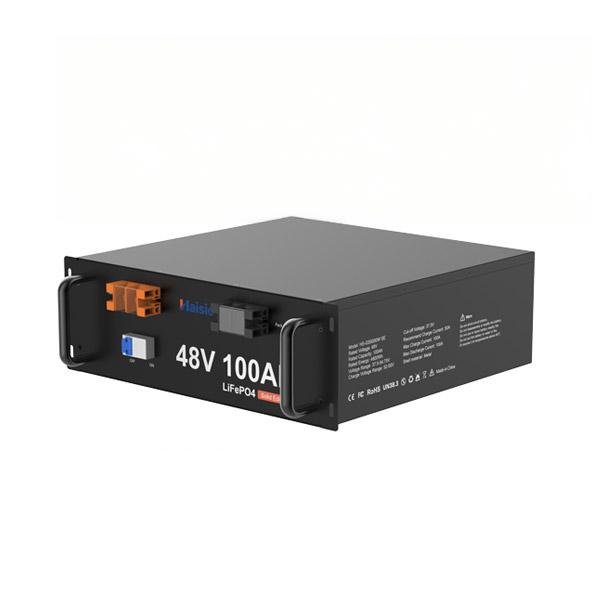
Understanding 48 Volt Lithium Batteries
What Is a 48V Lithium Battery?
A 48 volt lithium battery is a high‑efficiency DC energy storage pack built around a nominal 48V system, commonly used for solar, golf carts, RVs, marine, telecom, and small EVs.
Instead of a single big cell, a 48V lithium battery pack is made from many smaller cells working together, controlled by a 48V BMS system for safety and performance.
You’ll often see these called:
- 48V LiFePO4 battery
- 48 volt lithium ion battery
- 48V deep cycle lithium battery
- 48 volt lithium battery pack for inverters and DC systems
The goal is simple: more power, higher efficiency, less weight, and a battery that actually lasts.
48V vs 12V, 24V, and 36V Systems
Moving from 12V to 48V battery lithium is like going from a garden hose to a proper water line – same energy, less stress on the system.
Why 48V is popular:
Lower current for the same power
- 1000W at 12V ≈ 83A
- 1000W at 24V ≈ 42A
- 1000W at 36V ≈ 28A
- 1000W at 48V ≈ 21A
Less current means thinner cables, lower heat, and less voltage drop.
Better for higher‑power systems
- 12V: small RVs, lighting, small trolling motors
- 24V: medium RVs, small off‑grid setups
- 36V: some golf carts, light EVs
- 48V: serious solar, home backup, golf carts, RVs, telecom, small forklifts
If you’re running inverters, heavy loads, or long cable runs, a 48 volt DC power system is usually the smarter, more efficient choice.
Lithium‑Ion vs 48V LiFePO4 Chemistry
Most 48V packs use one of two chemistries:
1. Standard lithium‑ion (NMC, NCA, etc.)
- Higher energy density (more Wh per kg)
- Often used in EVs, power tools, compact equipment
- Higher fire risk if abused, overheated, or poorly managed
- Needs a very good BMS and strict thermal control
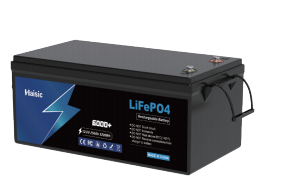
2. 48V LiFePO4 (Lithium Iron Phosphate)
- Slightly lower energy density, but:
- Much safer and more stable
- Very long cycle life (3000–6000+ cycles is common)
- More tolerant of deep discharge and daily cycling
- Ideal for 48V solar battery storage, RVs, golf carts, marine, telecom backup, and home systems
For most stationary or mobile power systems, I strongly favor 48V LiFePO4 batteries:
they’re safer, longer‑lasting, and more predictable, especially in a DIY or mixed‑brand setup.
48V Nominal vs 51.2V Actual in LiFePO4 Packs
Here’s where people get confused: a “48V LiFePO4 battery” is usually 51.2V nominal.
- A typical 48V LiFePO4 pack = 16 cells in series (16S)
- Each LiFePO4 cell: ≈ 3.2V nominal
- 16 × 3.2V = 51.2V nominal pack voltage
- Voltage ranges approximately:
- Fully charged: ~54.4V–58.4V (depends on BMS & charge profile)
- Nominal working: ~51.2V
- Empty / cutoff region: ~40V–44V (set by the BMS)
So when you see a 51.2V nominal LiFePO4 pack marketed as a 48V battery, that’s standard.
Inverters and 48 volt inverter compatible equipment are designed with this in mind.
How Cells Are Configured Inside a 48V Lithium Pack
Inside a 48V lithium battery pack, you’re not buying one giant cell – you’re buying a carefully managed cell network.
Common layouts:
- 16S (cells in series) for LiFePO4
- 16 cells in series = ~51.2V nominal
- 16S x P (parallel groups) for capacity
- Example: 16S4P = 16 series groups, each with 4 cells in parallel
- More parallel cells = higher Ah capacity (e.g., 48V 50Ah, 100Ah, 200Ah)
Key parts inside a quality 48 volt lithium ion battery pack:
- Cells: cylindrical, prismatic, or pouch lithium cells
- BMS (Battery Management System):
- Monitors voltage, current, temperature
- Balances cells
- Provides over‑charge, over‑discharge, short‑circuit, and over‑current protection
- Busbars & wiring: connect cells safely, sized for the rated current
- Case & terminals: vibration‑resistant, weather‑resistant for global use
When I design or select a high capacity 48V battery, I always look at cell configuration, BMS quality, and build layout first – that’s what really determines safety, lifespan, and real‑world performance.
Core Specs and Features of a 48V Lithium Battery
Voltage, Capacity (Ah) & Energy (Wh / kWh)
With any 48 volt lithium battery, three specs matter most: Voltage, Ah, and kWh.
Simple breakdown:
| Spec | What it means | Example (48V 100Ah) |
|---|---|---|
| Voltage (V) | System voltage / inverter match | 48V (LiFePO4 is usually 51.2V nominal) |
| Capacity (Ah) | How long it can deliver current | 100Ah = 100A for 1h, 50A for 2h |
| Energy (Wh) | Total stored energy (V × Ah) | 51.2V × 100Ah ≈ 5,120Wh = 5.1kWh |
So a 48V 100Ah LiFePO4 pack gives you roughly 5 kWh of usable energy, perfect for small home backup, RV, or golf cart upgrades.
Depth of Discharge & Usable Capacity
This is where a 48V LiFePO4 battery crushes lead‑acid.
- Usable DoD:
- Lead‑acid: ~50% recommended
- 48V LiFePO4: 80–100% usable in normal use
- That means a 48V 100Ah lithium battery can safely give you 4–5 kWh, daily, with thousands of cycles.
Rule of thumb: Size your 48V deep cycle lithium bank for 80% DoD if you want maximum lifespan.
Discharge Rates, C‑Rate & Power Output
C‑rate tells you how hard you can push the battery.
| C‑Rate | For 100Ah battery | What it means |
|---|---|---|
| 0.5C | 50A | Gentle, long life |
| 1C | 100A | Normal continuous load |
| 2C+ | 200A+ | High power bursts (motors, inrush) |
For a 48V 100Ah LiFePO4:
- 1C = ~5 kW continuous
- Short peaks can go higher if the BMS allows it
This is why a 48V lithium golf cart battery or 48V RV lithium battery upgrade feels so much stronger and more responsive than lead‑acid.
48V BMS System (Battery Management System)
Every serious 48V lithium battery pack must have a smart 48V BMS. It protects your investment and keeps the pack safe.
Key BMS functions:
- Over‑charge / over‑discharge protection
- Over‑current / short‑circuit protection
- Cell balancing (keeps all cells at the same voltage)
- High / low temperature cut‑off
- Communication (Bluetooth, CAN, RS485 for smart 48V battery monitoring)
Look for packs with Bluetooth or external display so you can see SoC, cycles, and alarms in real time.
Inverter & Charger Compatibility
A 48 volt lithium battery must match your DC system and AC inverter properly.
Inverter basics:
- Use a 48V inverter with a proper lithium / LiFePO4 charging profile
- Check:
- Max charge voltage (typically 56.0–58.4V for LiFePO4)
- Low‑voltage cut‑off (~44–46V, depends on BMS)
- Max continuous and surge power vs battery C‑rate
Charger basics (48V lithium battery charger):
- Must support constant‑current / constant‑voltage (CC/CV) lithium mode
- Correct voltage: around 58.4V max for a 51.2V nominal LiFePO4 pack
- No equalization / desulfation modes (those are for lead‑acid only)
For home or small commercial setups, I usually pair our 48V packs with a hybrid 48V inverter and LiFePO4 storage similar to what we offer on our home lithium battery storage systems, so everything talks nicely and runs efficiently as a single 48V energy storage solution.
Why Choose a 48 Volt Lithium Battery Over Lead Acid
If you’re running solar, a golf cart, RV, marine, or backup power system, moving from lead acid to a 48 volt lithium battery (especially 48V LiFePO4) is one of the biggest upgrades you can make.
48V Lithium vs Lead Acid: Quick Performance Comparison
| Feature | 48V LiFePO4 / Lithium | Lead Acid (AGM / Gel / Flooded) |
|---|---|---|
| Usable capacity | ~80–90% of rated Ah | 40–50% if you want decent life |
| Voltage stability | Flat, steady under load | Sags fast under load |
| Cycle life | 3,000–6,000+ cycles | 300–800 cycles |
| Maintenance | Maintenance‑free | Watering, equalizing, checking |
| Discharge performance | High current, no problem | Voltage drop, sulfation risk |
| Self‑discharge | Very low | Higher, especially when stored |
With a 48V lithium battery pack, you actually get to use the capacity you paid for, without the huge performance drop you see in tired lead acid banks.
Weight, Size, and Energy Density Advantages
48 volt lithium batteries pack more energy into less space and weight:
- Up to 60–70% lighter than equivalent lead acid banks
- Much smaller footprint, easier to mount in tight RV, golf cart, or utility spaces
- Better for mobile setups where every kg and every cm matters
Example: a high‑capacity 51.2V 100Ah LiFePO4 battery will replace a big stack of lead acid batteries with a single compact, maintenance‑free unit.
Cycle Life & Long‑Term Durability
48V LiFePO4 is built for deep cycle use:
- 3–10x more cycles than lead acid when used daily
- Tolerates regular deep discharges (70–90% DoD)
- No sulfation, no stratification, far less degradation from partial charging
This is why serious off‑grid and commercial users are standardizing around 48V LiFePO4 for long‑term projects.
Charging Speed & Efficiency
Lithium 48 volt battery systems charge faster and waste less energy:
- Higher charge efficiency (≈95–98% vs ~75–85% for lead acid)
- Can accept higher charge currents (within BMS limits)
- No long, slow absorption phase needed to “top off”
Result: shorter generator run times, faster solar recovery after cloudy days, and more real usable kWh every day.
Total Cost of Ownership & ROI
Upfront, a 48 volt lithium ion battery costs more than lead acid. Over the life of the system, it usually costs less:
- You don’t have to replace batteries every 2–4 years
- More cycles + more usable energy = lower cost per kWh delivered
- Less maintenance, less downtime, smaller replacement and labor costs
For homes, cabins and small commercial systems, a large 51.2V LiFePO4 bank (for example a 51.2V 400Ah 20.48kWh battery) often pays for itself in fewer replacements, higher solar harvest, and reliable long‑term storage.
If you want stable power, low hassle, and real long‑term value, a 48V lithium battery upgrade is simply the smarter play over lead acid.
Best Uses and Applications for a 48 Volt Lithium Battery
48V lithium battery for solar and off‑grid power systems
A 48 volt lithium battery is the sweet spot for most modern off‑grid setups. Higher voltage means lower current, so you get:
- Thinner cables and less heat loss
- Better inverter efficiency
- Easier expansion into a larger, high‑capacity 48V battery bank
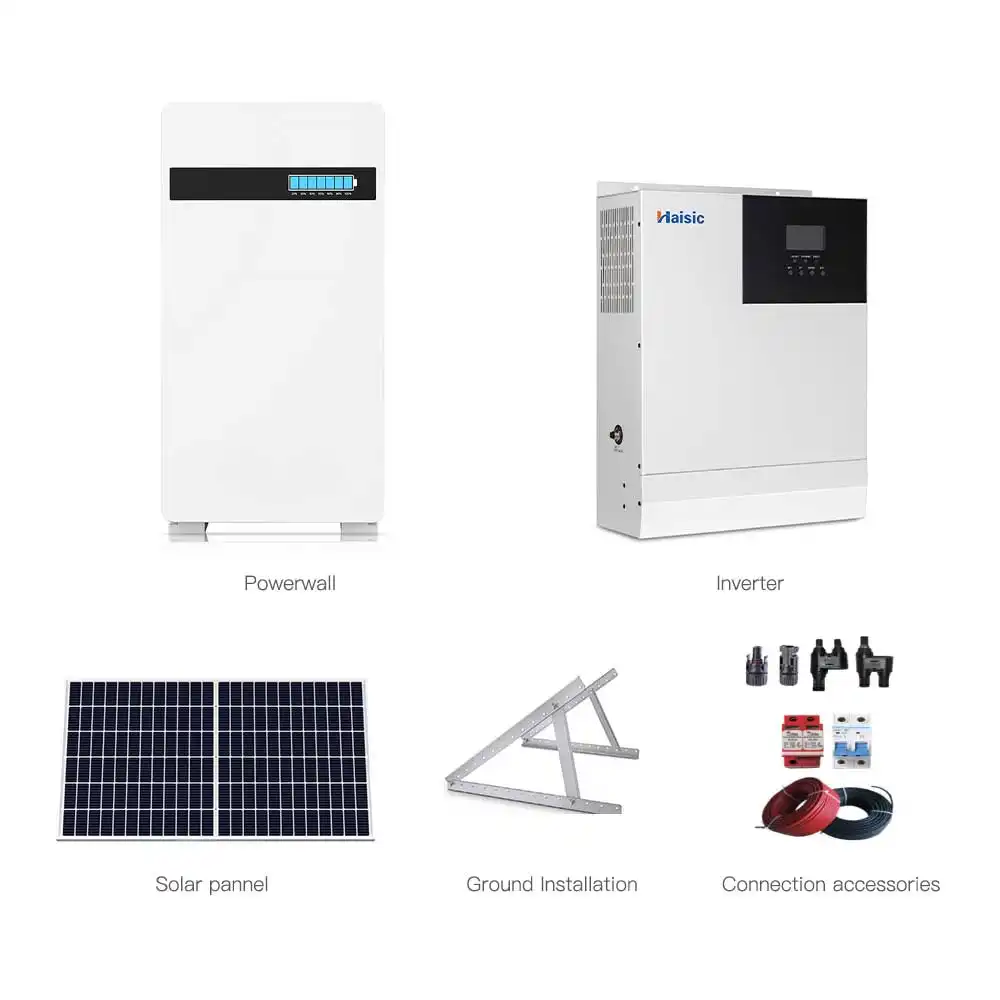
For rooftop or ground‑mount systems, pairing a 48V LiFePO4 battery with a 48V MPPT solar charge controller and a compatible 48 volt inverter gives you a clean, stable 48V DC power system that runs quietly and reliably day and night. If you’re planning a full home backup, check out how a dedicated 5kW solar battery storage system for home use is typically built around a 48V LiFePO4 pack.
48V solar battery storage bank for homes and cabins
For small homes, cabins, and tiny houses, a 48V solar battery storage bank is one of the most cost‑effective ways to cut grid use or go fully off‑grid. Common setups use:
- 48V 100Ah–200Ah for weekend cabins
- 48V 300Ah+ for full‑time off‑grid homes
A 51.2V nominal LiFePO4 pack gives you deep cycle performance, stable voltage, and maintenance‑free operation. You can easily stack modules in parallel to build an expandable 48V battery bank as your loads grow (extra appliances, AC, tools, etc.).
48V lithium golf cart battery upgrades
Upgrading from lead‑acid to a 48V lithium golf cart battery completely changes how the cart feels:
- Stronger torque and more consistent power to the motor
- 50–70% weight reduction vs lead‑acid
- Much faster charging and longer range
A drop‑in 48V lithium battery pack (often 48V 100Ah) gives you better hill climbing, less sag, and almost zero maintenance. No more watering cells or dealing with acid corrosion.
48V RV battery and camper van systems
For RVs and vans running inverters, air conditioners, induction cooktops, fridges, and laptops, a 48V RV lithium battery upgrade just makes sense:
- Higher efficiency for big inverters (3kW–6kW)
- Less stress on wiring and components
- Long cycle life for daily charge/discharge
You can pair a 48V LiFePO4 bank with roof solar, alternator charging, and shore power chargers to build a compact, high‑capacity 48V lithium home backup system on wheels.
Marine, telecom, and small EV uses for 48V packs
48V LiFePO4 is becoming the standard across multiple industries:
- Marine: 48V lithium marine battery banks for trolling motors, electric outboards, and house banks—lighter boats, better balance, and quiet operation.
- Telecom & backup: 48V lithium telecom backup systems replace old lead‑acid racks with compact, smart 48V energy storage solutions that deliver high reliability and remote monitoring.
- Small EVs & forklifts: Perfect for small electric vehicles, floor scrubbers, and 48V lithium forklift battery applications where high discharge, fast charging, and long life matter.
Wherever you need serious, long‑term DC power, a well‑built 48V LiFePO4 battery with a robust 48V BMS system will usually outperform a traditional 48V lead‑acid bank on performance, space, and total cost over time.
Planning Your 48V Lithium Battery System
Designing a 48 volt battery lithium system isn’t guesswork. If you size it right from day one, your 48V LiFePO4 bank will run cleaner, cooler, and cheaper over the long haul.
Sizing a 48V Battery Lithium Bank
Start from your daily energy use, not from “how many Ah sounds good”.
- List all loads (fridge, lights, pumps, golf cart motor, RV AC, etc.).
- Note watts (W) and hours per day for each.
- Use:
Wh per day = Watts × Hours
Add them all up for your daily Wh.
Now convert that into battery size:
- Battery energy (Wh) = 48V × Ah
- For a 48V 100Ah lithium battery:
48 × 100 = 4,800 Wh (4.8 kWh) total - With LiFePO4 you can safely use ~80–90%:
4.8 kWh × 0.8 ≈ 3.8 kWh usable
Aim for 1–3 days of autonomy depending on how critical your loads are and how often you expect bad weather or no charging.
Calculating Wh and kWh for Solar, RV, or Golf Cart
Quick rules of thumb:
Solar/off‑grid home or cabin
- Light use: 3–5 kWh/day → 48V 100–200Ah
- Full‑time use: 8–15 kWh/day → 48V 300–600Ah (multiple 48V lithium batteries in parallel)
RV / camper van 48V system
- Weekend trips: 1–2 kWh/day → 48V 50–100Ah
- Full‑time living with inverter AC: 3–6 kWh/day → 48V 150–300Ah
48V lithium golf cart battery
- Light use (9 holes, mostly flat): 48V 50–105Ah
- Heavy use (18–36 holes, hills, passengers): 48V 100–200Ah high‑discharge pack
For home or cabin solar, it’s worth looking at a dedicated home energy storage battery system to match your daily kWh more precisely.
Choosing the Right 48V Inverter and Charge Controller
When pairing a 48 volt lithium ion battery with an inverter/charger, lock in these points:
- Inverter must be 48V compatible and support LiFePO4 charging profiles
- Continuous power rating should cover your peak simultaneous loads (e.g. 3–5kW for small homes, 2–3kW for RVs)
- Surge rating must handle motor starts (AC, fridge, pumps, power tools)
- Charge controller (for solar):
- MPPT is strongly recommended
- Must support 48V lithium settings (bulk/absorb/float adjustable)
Designing an Expandable 48V Battery Bank
If your budget is tight now but your needs will grow, build for expansion:
- Use modular 48V lithium battery packs that can go in parallel later
- Standard sizes: 48V 50Ah, 100Ah, 200Ah+
- Choose a BMS and inverter that support:
- Multiple 48V packs in parallel
- Communication (CAN/RS485) for smart load sharing
I usually design banks in clean blocks (e.g. 2 × 48V 100Ah now, space and wiring ready for a third later).
Matching 48V Chargers and DC Loads
To keep your 48V battery bank safe and efficient:
- Use a 48V lithium battery charger with:
- Correct voltage limits (typically 54–58.4V depending on chemistry/BMS)
- Proper charge profile for LiFePO4
- Make sure all DC loads are compatible:
- Native 48V DC equipment (telecom gear, some inverters, some motors)
- Or run lower‑voltage devices via DC‑DC converters (48V → 12V/24V)
- Don’t mix random chargers or 36V gear with a 48V system—this is how batteries get damaged.
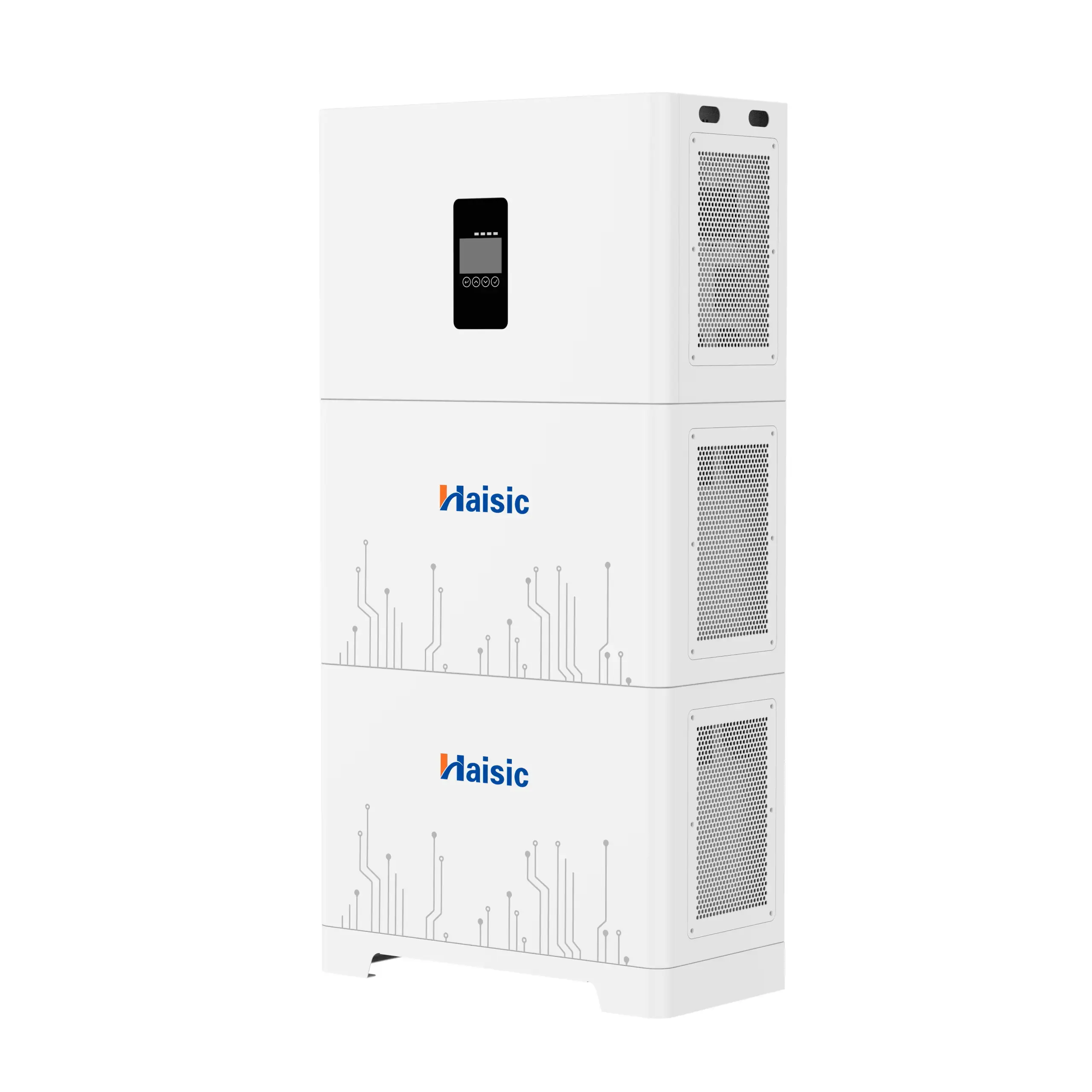
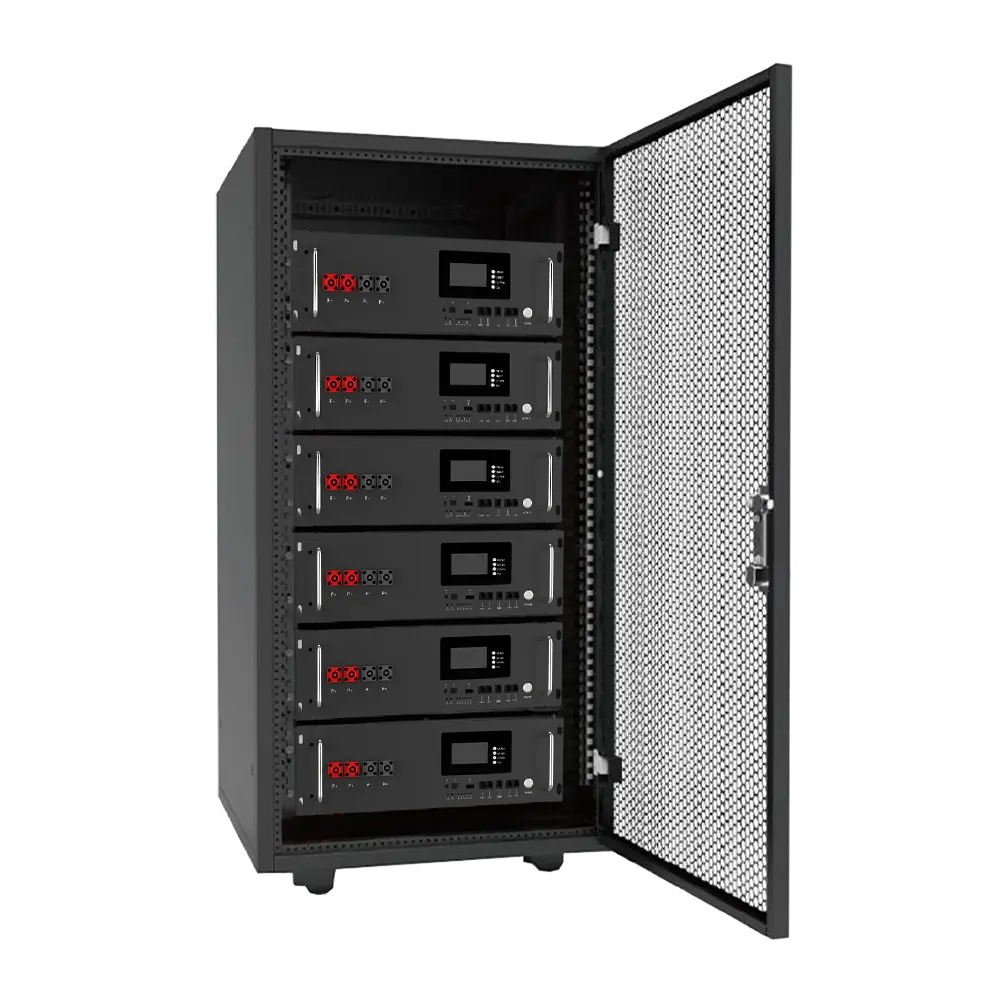
If you’re planning a full home or cabin setup, high‑capacity options like a 20+ kWh 48V storage cabinet (for example, a touchscreen‑managed home battery like this 20,480Wh storage system) make expansion, monitoring, and inverter matching much simpler.
How to Choose the Right 48 Volt Lithium Battery
Picking the right 48 volt battery lithium setup comes down to matching the battery to how you actually use power day‑to‑day. Here’s how I’d shortlist a 48V LiFePO4 battery fast.
Key Buying Factors for a 48V LiFePO4 Battery
Focus on these first:
- System use: solar/off‑grid, RV, golf cart, marine, telecom, backup.
- Continuous + peak power: check battery max discharge current vs your inverter and loads.
- Cycle life: look for ≥4,000 cycles @ 80% DoD for serious daily use.
- Built‑in 48V BMS system:
- Over/under‑voltage protection
- Over‑current / short‑circuit protection
- High/low temperature protection
- Cell balancing
- Scalability: can you add more 48V lithium battery packs in parallel later?
- Form factor: rack, wall‑mount, floor‑stand (for home energy storage and server rooms).
- Warranty & support: at least 5–10 years, with real after‑sales support in your region.
If you’re building a home or small business system, a modular 51.2V 100Ah floor‑mounted home energy storage unit is usually the sweet spot for plug‑and‑play installs.
Capacity Options: 48V 50Ah, 100Ah, 200Ah+
Use this as a quick reference:
| Capacity (48V) | Energy (approx.) | Typical Use Cases |
|---|---|---|
| 48V 50Ah (~2.4 kWh) | Small | Light RVs, small golf carts, weekend cabins, trolling |
| 48V 100Ah (~5.1 kWh) | Medium | Home backup, off‑grid cabins, RV upgrades, telecom |
| 48V 200Ah (~10.2 kWh) | Large | Whole‑home solar, heavy golf carts, small commercial |
| Stacked 48V banks (10+ kWh) | XL | Villas, shops, multi‑day off‑grid, telecom/data sites |
Tip: size for at least 1.2–1.5× your daily kWh use so you’re not running at 100% every day.
Quality Indicators & Safety Certifications
This is where I don’t compromise:
- Cells: Grade A LiFePO4 cells, consistent internal resistance.
- Certifications (depends on region):
- CE, UL1973/UL9540, IEC62619, UN38.3 (transport)
- RoHS for environmental compliance
- Real spec sheets: clear data on cycle life, charge/discharge current, temperatures.
- Solid construction:
- Metal or robust ABS case
- Proper busbars, no messy internal wiring
- Smart monitoring:
- RS485 / CAN / Wi‑Fi / Bluetooth
- Works with major inverters and smart 48V battery monitoring tools
For home and small commercial projects, I usually standardize on 51.2V LiFePO4 powerwall‑style units with proven safety certifications, like a 51.2V 100Ah wall‑mounted energy storage battery that integrates cleanly with common 48V inverters.
When to Pick LiFePO4 vs Other Lithium Chemistries
Choose 48V LiFePO4 battery when you want:
- Long life: 3,000–6,000+ cycles
- High safety: very low fire risk
- Stable voltage for inverters
- Daily cycling for solar, RV, golf cart, marine, telecom, backup
Other lithium chemistries (NMC, NCA, etc.) only make sense when:
- You need higher energy density (very tight space/weight limits)
- You accept shorter cycle life and more complex safety control
For most 48 volt lithium ion battery systems in homes, cabins, RVs, and small EVs, LiFePO4 is the smart default.
Questions to Ask 48V Energy Storage Suppliers
Before you buy a 48V lithium battery pack, ask them directly:
- What’s the real cycle life at 80% DoD and 25°C?
- Is the 48V BMS system compatible with my inverter brand/model?
- Max continuous and peak discharge current per battery?
- How many packs can I connect in parallel for an expandable 48V battery bank?
- Which certifications do you hold (UL, CE, UN38.3, etc.)?
- What’s covered under the warranty (capacity, BMS, labor, shipping)?
- Do you offer remote firmware updates or smart monitoring?
- What’s the recommended 48V lithium battery charger profile and voltages?
If a supplier can’t answer these clearly and in writing, I’d move on.
Installation Guide for 48V Lithium Battery Systems
Pre‑installation safety checks and tools
Before installing any 48 volt lithium battery system, I always treat it like working on live power:
- Turn off all breakers, inverters, and chargers and disconnect from grid/shore power.
- Confirm zero voltage at the battery cables with a multimeter.
- Wear insulated gloves, safety glasses, and avoid metal jewelry.
- Tools you’ll likely need: insulated wrenches, torque wrench, multimeter, cable lugs, crimping tool, heat‑shrink, and proper fuses/breakers rated for 48V DC.
Removing old lead‑acid batteries and prepping the space
If you’re upgrading from lead‑acid to a 48V LiFePO4 battery:
- Disconnect negative first, then positive on the old bank.
- Lift lead‑acid out carefully (they’re heavy and may leak).
- Neutralize any acid residue, clean corrosion, and dry the compartment.
- Make sure the area is solid, level, and well‑ventilated, with enough clearance for cables, fuses, and the 48V BMS system connections.
Wiring a 48V lithium battery pack in series and parallel
Most 51.2V nominal LiFePO4 packs for home and off‑grid use come as pre‑built 48V lithium battery packs, but if you’re dealing with individual 12V or 24V modules:
- Series (to reach 48V): connect positive of one battery to negative of the next until you reach system voltage.
- Parallel (to increase Ah capacity): connect positives together and negatives together between complete 48V strings.
- Always use same model, age, and capacity batteries. Mix‑and‑match is a shortcut to early failure.
- Keep cables short, thick, and equal length between parallel strings to balance current flow.
Connecting the 48V battery to inverter, solar, and loads
Once your 48V battery bank is wired and secured:
- Install a main DC fuse or breaker as close to the positive battery terminal as possible.
- Run the main DC cables from the battery to the 48 volt inverter DC input with correct cable size for your max current.
- Connect the 48V solar charge controller to the battery first, then to the solar panels, following polarity carefully.
- Only after all terminations are tight and torqued should you close breakers and power up the 48V DC power system.
For a ready‑to‑go setup, our stacked high‑volt home energy storage systems are built to pair cleanly with 48V and high‑voltage inverters.
Initial testing, voltage checks, and BMS setup
Before putting real load on the system, I always:
- Measure open‑circuit voltage at the battery terminals (a LiFePO4 48V pack typically shows ~51–53V when full).
- Confirm polarity at inverter and charge controller inputs with a meter, not just color codes.
- Power up the 48V BMS system, check for any alarms, cell imbalance, or over/under‑voltage flags (via display or app).
- Set inverter/charger to LiFePO4 profile with correct absorb/float voltages recommended by the 48V lithium battery manufacturer.
Once everything passes these checks, you can slowly add loads and watch voltage, current, and temperature under use. A properly installed 48V lithium battery system should run cool, stable, and maintenance‑free for years.
Charging and Daily Use of 48 Volt Lithium Batteries
Choosing the right 48V lithium battery charger
For a 48 volt lithium battery or 51.2V LiFePO4 pack, the charger must be lithium‑compatible, not a generic lead‑acid unit.
Look for:
- Constant‑current / constant‑voltage (CC/CV) charging
- Correct max voltage for LiFePO4: typically 54.0–58.4V (check your BMS spec)
- Enough current: around 0.2C–0.5C (e.g. 20–50A for a 100Ah pack) for a balance of speed and life
- Full compatibility with your 48V BMS system and 48 volt inverter
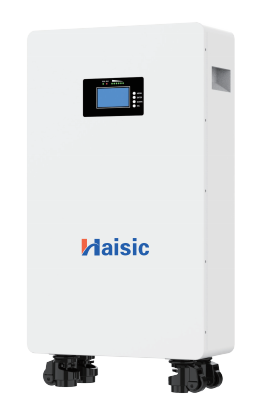
If you want an all‑in‑one unit matched to 48V LiFePO4 wall‑mount packs, our 51.2V low‑voltage Powerwall battery is designed to work with mainstream 48V lithium battery chargers and hybrid inverters.
Setting correct charging voltage and profiles for LiFePO4
For a 48V LiFePO4 battery:
- Bulk/absorption voltage: usually 56.0–57.6V
- Float: often disabled or set low (54–54.4V) to avoid holding the pack at 100% SOC
- No equalization – that’s for lead‑acid, not lithium
- Temperature compensation: off or very low effect for LiFePO4
Always follow the voltage range given in your 48V lithium ion battery or 48V solar battery storage datasheet. Wrong settings are the fastest way to annoy your BMS.
Best practices for daily charging and discharging
To keep your 48V LiFePO4 battery happy long‑term:
- Use the middle band: roughly 10–90% SOC for daily use
- Avoid full empty (0%) and sitting at 100% for days
- Keep discharge rates at or below 0.5C for long life (e.g. 50A on a 100Ah pack)
- For off grid 48V power systems, let the solar fill the pack during the day and avoid deep nightly drains when you can
- Don’t run big loads (AC, induction cookers, power tools) on undersized 48V lithium battery packs
Using Bluetooth apps and monitors with 48V packs
Most modern 48V LiFePO4 batteries come with smart 48V battery monitoring:
- Bluetooth apps show real‑time SOC, voltage, current, temperature, and BMS status
- You can see charge/discharge history and detect imbalances early
- Integrate a shunt‑type battery monitor for accurate Ah / Wh tracking with your 48 volt DC power system
This is key for RVs, boats, and cabins where you need a quick snapshot of your 48V lithium home backup system without digging into wiring.
Common mistakes to avoid with 48V lithium charging
Avoid these if you want your 48V deep cycle lithium battery to last:
- Using a lead‑acid charger with equalization mode enabled
- Charging above the specified max voltage (often 58.4V absolute)
- Leaving the pack at 100% SOC for weeks, especially in high heat
- Charging a frozen battery (LiFePO4 shouldn’t be charged below 0°C unless it has a low‑temp heating function)
- Running heavy loads while the charger is in a tiny, unventilated space, causing overheating
Set the charger up once, match it to the BMS specs, and your 48V lithium battery will stay maintenance‑free and reliable for years.
Maintenance, Storage, and Longevity Tips for a 48 Volt Lithium Battery
Routine checks for a 48V deep cycle lithium battery
Keep your 48V LiFePO4 battery low‑maintenance, not “no‑maintenance”:
- Check voltage and SOC (state of charge) monthly with a meter or monitor.
- Confirm the 48V BMS system shows no alarms (high temp, cell imbalance, over/under‑voltage).
- Inspect cables, lugs, and busbars for looseness, corrosion, or overheating marks.
- Make sure the 48 volt battery pack is clean, dry, and mounted solidly with no vibration.
How to store a 48V lithium pack in the off‑season
For RVs, golf carts, boats, or off‑grid cabins that sit idle:
- Store at 40–60% charge (around 51–52V for a 51.2V nominal LiFePO4 pack).
- Power down DC loads and turn off the inverter/charger so there’s no phantom drain.
- If possible, disconnect the main breaker to fully isolate the 48 volt battery lithium bank.
- Top up to 40–60% every 3–6 months if there’s no solar connected.
Temperature and cold‑weather use
48V LiFePO4 handles heat and cold better than lead acid, but there are limits:
- Do not charge below 0°C (32°F) unless your 48V lithium battery pack has a low‑temp heating function.
- Ideal operating temperature is 10–35°C (50–95°F) for maximum cycle life.
- In cold climates, mount the 48V solar battery storage indoors or in an insulated compartment.
Maximizing cycle life of your 48V LiFePO4 battery
If you want 10+ years from your 48 volt lithium ion battery:
- Use 20–80% SOC for daily cycling when you can; avoid constant 100% and deep 0–5% discharges.
- Stay within the rated continuous discharge current (C‑rate); don’t oversize your inverter vs battery.
- Keep charging within the maker’s spec (typically 56.0–58.4V absorb for a 48V LiFePO4 battery, no long float).
- Make sure your 48V lithium battery charger and inverter charging profiles are set to “LiFePO4 / Lithium.”
When and how to expand your 48V battery bank
Plan expansion instead of forcing it:
- Add new modules early in the life of the system (same brand, capacity, and chemistry).
- Fully charge all batteries, let them rest, and match voltages before wiring in parallel.
- Use proper busbars and fusing for each 48V lithium battery module in a larger 48V battery bank.
- For scalable home or small commercial storage, we usually recommend modular systems like our stackable 48V LiFePO4 solutions for easier expansion and long‑term balance, similar in concept to our stackable 51.2V energy storage systems.
Safety and Protection for 48 Volt Lithium Systems
Staying safe with a 48 volt battery lithium system starts with good design, not luck. I always treat 48V lithium the same way I’d treat mains power: with respect, clear planning, and the right hardware.
Built‑in Protection in a 48V BMS System
A quality 48V BMS system (Battery Management System) is your first line of defense. A good 48V lithium battery pack should at least include:
- Over‑charge / over‑discharge protection – cuts off charge or load before the cells are damaged.
- Over‑current and short‑circuit protection – stops dangerous surge currents instantly.
- High / low temperature protection – blocks charging when cells are too hot or too cold.
- Cell balancing – keeps all cells in a 51.2V nominal LiFePO4 pack within a safe voltage window.
On our own 48V LiFePO4 battery designs, I don’t ship anything that doesn’t have a smart BMS with proper fault codes and remote monitoring, especially for solar and backup 48V energy storage solutions.
Fuses, Breakers, and Cable Sizing for 48V Packs
The wiring around your 48 volt lithium battery is as important as the pack itself:
- Fuse close to the battery – a main DC fuse or DC breaker within 15–20 cm of the positive terminal.
- Correct breaker rating – match to the inverter/charger’s max current plus a small safety margin, not “as big as possible.”
- Right cable size – size cables for continuous current, surge current, and length to keep voltage drop low and heat under control.
- Proper lugs and crimping – no loose strands, no cheap clamps; always use properly crimped lugs and heat‑shrink.
If you’re running a high capacity 48V battery with a big inverter, don’t guess cable size—calculate it or use a chart.
Preventing Short Circuits, Overheating, and Damage
Most lithium failures come from wiring mistakes, not the chemistry:
- Cover all terminals with boots or insulated covers.
- Never place tools or metal objects near exposed 48V bus bars.
- Secure all cables to avoid rubbing, pinching, and vibration damage.
- Keep away from direct heat sources (inverters and chargers generate heat; don’t jam the battery right on top).
If the BMS ever cuts off repeatedly, don’t keep resetting it. Find the cause—overload, bad wiring, or a faulty device.
Safe Mounting, Ventilation, and Enclosures
Even though a 48 volt lithium ion battery is “maintenance free,” the install still matters:
- Mount solidly – no chance to tip, slide, or get crushed. For vehicles (golf carts, RVs, marine), vibration‑resistant mounting is a must.
- Vent the space – LiFePO4 doesn’t off‑gas like lead acid, but inverters and chargers make heat. Leave space around the pack.
- Dry, clean, and protected – no water spray, no dust storms, no fuel fumes. Use a proper battery box or cabinet rated for electrical gear.
- No stacking heavy gear on top – don’t load toolboxes or cargo on top of your 48V lithium battery pack.
In home and small commercial installs, I prefer a dedicated enclosure so the whole 48 volt DC power system is isolated and easy to service.
Disposal and Recycling of 48V Lithium Ion Batteries
End‑of‑life is part of safety too. A 48V LiFePO4 battery can run 10+ years, but when it’s done:
- Don’t throw it in regular trash – ever.
- Use certified recyclers – many regions now have lithium battery recycling points or take‑back programs.
- Discharge to a safe level if advised by the recycler (often around 30–40% SOC).
- Remove external wiring and accessories before handing the pack over.
For larger residential and commercial ESS (energy storage systems), I usually work with partners who can handle pickup and recycling as part of the project, similar to how we manage residential packs like our home ESS battery line.
If you treat a 48V lithium system like serious electrical equipment—because it is—you’ll get safe, stable, long‑term power without drama.
Cost, Value, and ROI of a 48 Volt Lithium Battery
Price ranges for 48V lithium battery capacities
For most global users, here’s the rough price band you’ll see for a quality 48V LiFePO4 battery (not the cheapest low‑end imports):
- 48V 50Ah (≈2.5 kWh): typically mid‑range entry price
- 48V 100Ah (≈5 kWh): the most common size, sweet spot of price vs capacity
- 48V 200Ah+ (≈10 kWh and up): higher ticket, but lower cost per kWh over the long term
Prices change with cell grade, BMS design, smart monitoring, and certifications. If a 48 volt lithium battery is way below market price, it’s usually cutting corners on cells, BMS, or warranty.
Upfront cost vs lifetime value
A 48V lithium battery costs more upfront than a lead‑acid bank, but the lifetime value is where lithium wins:
- Usable capacity: 80–90% DoD daily vs 50% for lead‑acid
- Cycle life: 3,000–6,000+ cycles vs 500–1,000 for most lead‑acid
- No regular replacement: one 48V LiFePO4 pack often replaces 3–5 sets of lead‑acid
When you calculate cost per usable kWh over the full life, a good 48 volt lithium ion battery usually comes out cheaper than lead‑acid, especially in solar, RV, and golf cart use where you cycle daily.
Energy savings in 48V solar and off‑grid systems
Lithium improves system efficiency, which directly saves money:
- Higher round‑trip efficiency: 48V LiFePO4 is typically 92–98%, while lead‑acid is often 75–85%
- Less generator runtime: more stored energy per charge and faster charging
- Smaller solar array or less oversizing: you actually use the energy you produce
For off‑grid and hybrid homes, those gains stack up into real kWh savings over 5–10 years, especially in areas with high electricity or fuel prices.
Warranty terms and what they really cover
The warranty is a big part of the value of a 48V lithium battery pack. Look for:
- Clear year range (e.g., 5–10 years, not “limited” with fine print only)
- Cycle guarantees (e.g., 3,000 cycles at 80% capacity)
- Coverage scope: defects in materials and workmanship, BMS failures, not just “partial credit”
- Support process: easy claim process, real tech support, and traceable serial numbers
Always read the actual warranty conditions, not just the headline. Our own terms for 48V energy storage are fully spelled out in our service and support policies so you know exactly what’s covered.
When a 48V lithium upgrade pays for itself
A 48V lithium upgrade makes financial sense fastest when:
- You cycle daily (solar, RV full‑timers, telecom backup, commercial use)
- Lead‑acid batteries have been failing every 2–3 years
- Generator fuel or grid power is expensive
- You need reliable uptime (no costly downtime or emergency replacements)
In many real‑world setups, a quality 48V LiFePO4 battery pays for itself in 3–6 years through fewer replacements, lower maintenance, and higher energy efficiency—then keeps delivering low‑cost power for the rest of its life.
Real‑World 48 Volt Battery Lithium Use Cases
48V Lithium Solar Battery Storage for a Small Home
For a small home or apartment, a 48V LiFePO4 battery bank (e.g. 48V 100Ah–200Ah) paired with a 48V inverter gives you quiet, reliable backup and daily cycling.
Typical setup:
- 48V lithium battery pack (5–10 kWh)
- 48V solar battery storage connected to a hybrid inverter
- Roof solar feeding the 48 volt DC power system during the day, battery at night
You get higher efficiency, longer life, and far less maintenance than a 48V lead acid bank. If you’re planning a full 48V lithium home backup system, a custom 48V energy storage solution from a focused manufacturer like Haisic Storage makes sizing and integration much easier.
48V Lithium Golf Cart Conversion from Lead‑Acid
Upgrading to a 48V lithium golf cart battery is one of the biggest performance gains you can make:
- Drop-in 48V LiFePO4 battery (usually 30–100Ah depending on range)
- Huge weight reduction vs flooded lead‑acid
- Strong, consistent power until almost empty
- 3–5× longer cycle life and much faster charging
Most users report better hill‑climbing, more range, and zero watering or corrosion issues.
48V RV and Camper Van Power System Layout
For RVs and camper vans, a 48V RV lithium battery upgrade lets you run high‑draw loads (AC, induction cooktop, coffee maker) without a noisy generator.
Typical layout:
- 48V 100–200Ah LiFePO4 battery
- 48 volt inverter/charger
- MPPT solar charge controller for 48V solar input
- 48V to 12V DC‑DC converter for lights, pumps, fridge
This setup is compact, maintenance free, and ideal for full‑time travelers who rely on off‑grid 48V power systems.
Off‑Grid 48V Battery Bank for Cabins and Tiny Homes
For remote cabins and tiny homes, a 48V deep cycle lithium bank is now the standard:
- 48V 200–400Ah (10–20 kWh) LiFePO4 battery bank
- 48V battery for solar inverter, plus generator backup if needed
- Expandable 48V battery bank design (add more parallel packs later)
You get stable voltage, high efficiency over long cable runs, and year‑round reliability with proper sizing and a good BMS.
Small Commercial and Telecom Backup with 48V Lithium
Telecom racks, small commercial sites, routers, and critical IT loads have long used 48 volt DC power systems. Swapping to a 48 volt lithium ion battery (or 51.2V LiFePO4 pack) gives:
- Higher usable capacity (80–90% depth of discharge)
- Longer runtime in the same rack space
- 10+ year design life with low maintenance
A properly engineered 48V lithium telecom backup or small commercial backup bank, backed by a professional supplier and clear support channels like those on the Haisic Storage contact page, keeps core systems running when the grid drops.
Future of 48V Lithium Battery Technology
Higher‑density 48V lithium ion packs
48 volt lithium battery tech is getting smaller, lighter, and stronger.
We’re already seeing:
- Higher energy density 48V lithium ion battery packs with more kWh in the same case
- Slimline wall‑mount 48V LiFePO4 battery designs for homes and small businesses
- High capacity 48V battery options (10–30 kWh+ per pack) for easier scaling
For global users, this means more runtime for solar, RV, golf carts, and telecom backup without filling every corner with batteries.
Smarter 48V BMS and monitoring
The next wave is all about smart control. A modern 48V BMS system is turning into a full energy manager:
- Cell‑level protection for voltage, current, and temperature
- Smart 48V battery monitoring via Bluetooth/Wi‑Fi apps and web dashboards
- Remote diagnostics for installers and fleet users
- Load and charge optimization to stretch cycle life
I’m already building our 48V lithium battery packs around smart BMS platforms so users can actually see what’s happening in real time, not guess.
48V vehicle‑to‑home and solar integration
48 volt DC power systems are lining up with how people really use power:
- 48V lithium home backup system tied to solar inverters and hybrid inverters
- Vehicle‑to‑home (V2H) with small EVs, golf carts, and utility vehicles using 48V lithium packs as mobile storage
- Better 48 volt inverter compatibility and CAN/RS485 communication for plug‑and‑play setups
Expect more systems where your 48V lithium golf cart battery or compact EV can support your home during outages.
48V standards and off‑grid solutions
48V is becoming the “sweet spot” between safety, efficiency, and cost:
- Standard 48V solar battery storage voltages (51.2V nominal LiFePO4 pack) are now the default for serious off‑grid builds
- Clearer wiring, fusing, and connector standards for 48V battery bank wiring
- Wider support from 48V battery for solar inverter brands worldwide
This is pushing global off‑grid and backup systems toward simpler, modular off grid 48V power systems that are easy to expand and service.
Next‑gen 48V LiFePO4 expectations
Next‑generation 48V LiFePO4 battery tech is heading in a clear direction:
- Longer cycle life (6,000–10,000+ cycles) for maintenance free 48V battery use
- Better low‑temperature performance without huge heating loads
- Higher charge and discharge rates for peak loads in RVs, boats, and forklifts
- Tighter integration with inverters, chargers, and smart homes
For global customers, this means a 48V lithium battery upgrade that you install once, monitor from your phone, and rely on for a decade or more—whether it’s a 48V lithium RV battery, 48V lithium marine battery, or a full 48V lithium home backup system.