










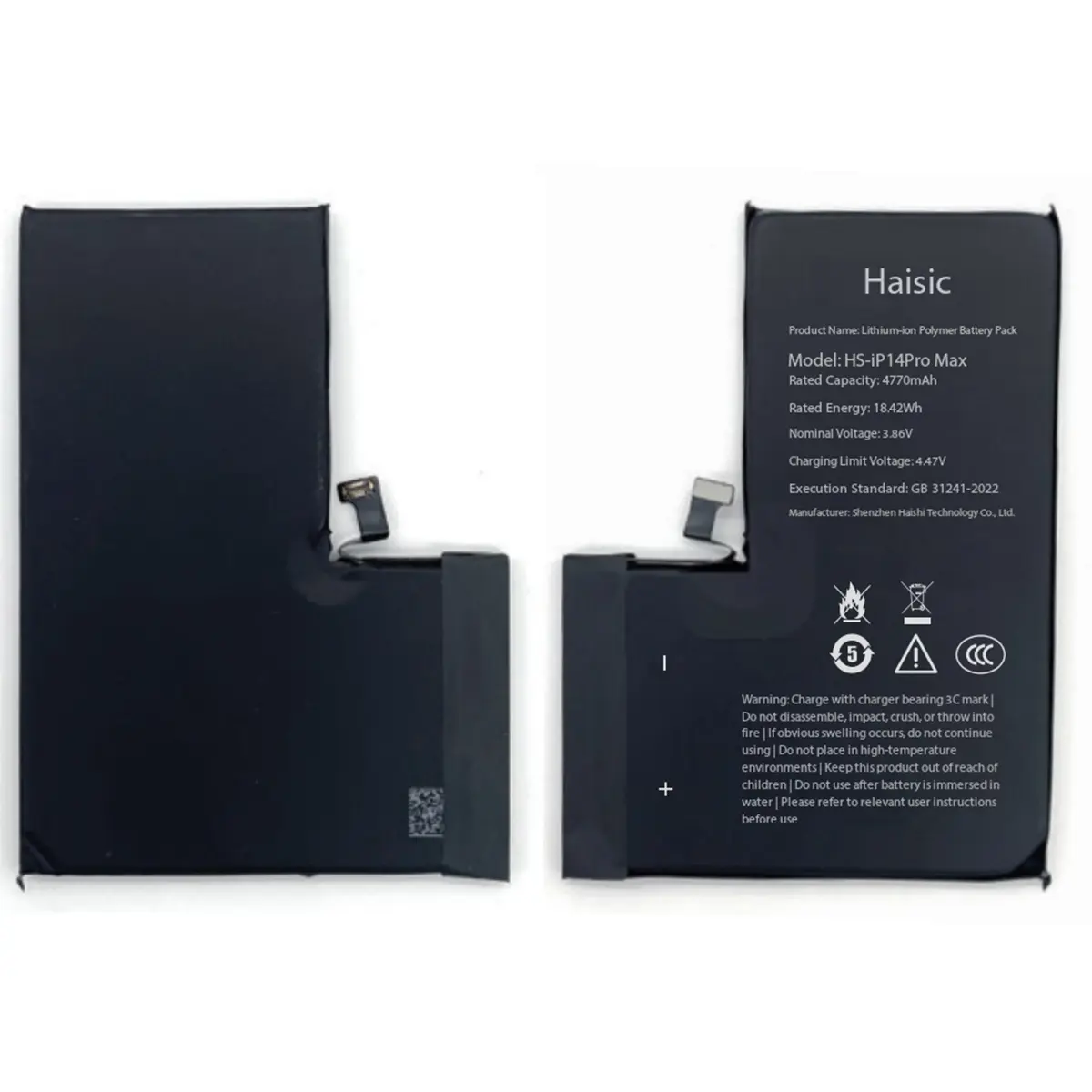
Understanding LiFePO4 Technology: Why It Is Ideal for Your Home
When we analyze the landscape of modern energy storage, one chemistry stands head and shoulders above the rest: Lithium Iron Phosphate (LiFePO4). We don\’t just utilize this technology because it\’s popular; we choose it because it is currently the safest and most reliable foundation for any residential energy storage system.
Breaking Down the Chemistry
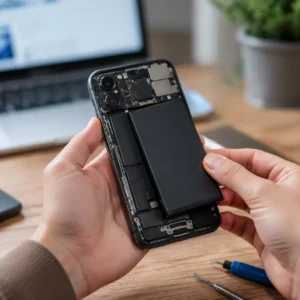
At its core, a LiFePO4 solar battery relies on a crystal structure that is inherently more stable than the volatile chemistry found in older lithium-ion batteries (like those in phones or laptops).
- Stable Structure: The phosphorus-oxygen bond is incredibly strong, which prevents the battery from releasing oxygen when it gets hot. This is critical for preventing fire hazards.
- Cobalt-Free Composition: Unlike NMC (Nickel Manganese Cobalt) batteries, LiFePO4 is completely cobalt-free. This is a massive environmental win and eliminates the ethical concerns regarding cobalt mining.
- Eco-Friendly: The materials are non-toxic and far easier to recycle at the end of their life.
Core Benefits of a LiFePO4 Home Battery Backup
We design our systems to last, and this chemistry is the key to that longevity. Here is why LiFePO4 is the gold standard for homeowners:
- Exceptional Safety: Due to its chemical stability, there is virtually zero risk of thermal runaway. It is widely considered the safe lithium battery for home use.
- Unmatched Lifespan: While lead-acid batteries fail after a few years, LiFePO4 delivers a 6,000–10,000 cycle lifespan. That translates to 10 to 15 years of daily use with minimal degradation.
- High Efficiency: With a round-trip efficiency of roughly 98%, almost every watt of solar power you store is available for use.
Real-World Performance Checks
Lab specifications are useful, but performance in your garage or utility room is what matters. A long cycle life solar storage system needs to handle the daily grind.
- Deep Discharge Capabilities: You can discharge our LiFePO4 batteries up to 100% Depth of Discharge (DoD) without damaging the cells. This means you get to use the full capacity you paid for.
- Consistent Output: Whether installed in a cool basement or a warmer garage, LiFePO4 maintains a consistent voltage curve, ensuring your appliances run smoothly right until the battery is empty.
Would you like me to proceed with the next section comparing LiFePO4 against NMC, Lead-Acid, and Sodium-Ion batteries?
LiFePO4 vs. Other Battery Types: Making the Right Choice
Choosing the chemistry for your home energy storage system LiFePO4 isn\’t just about technical specs; it\’s about sleeping soundly knowing your house is safe. While there are several options on the market, understanding the differences ensures you get the best return on your investment.
LiFePO4 vs. NMC: Safety First
NMC (Nickel Manganese Cobalt) batteries are common in electric vehicles because they are energy-dense—they pack a lot of power into a small, light space. However, in a residential energy storage system, weight is less of a concern than stability.
NMC batteries are more prone to thermal runaway if damaged or overheated. In contrast, a safe lithium battery for home use like LiFePO4 has a much higher thermal threshold. I always recommend LiFePO4 because it offers a significantly longer lifespan (often double that of NMC) without the fire risks associated with cobalt-based chemistries.
LiFePO4 vs. Lead-Acid: The Efficiency Gap
Comparing lithium to lead-acid is like comparing a smartphone to a rotary phone. Lead-acid batteries are heavy, require maintenance, and suffer from the \”Peukert Effect,\” meaning they lose capacity under heavy loads.
- Depth of Discharge (DoD): You can only use 50% of a lead-acid battery\’s capacity before damaging it. A LiFePO4 solar battery allows for 100% discharge.
- Lifespan: You might replace lead-acid batteries every 2-3 years. High-capacity units, such as our 128V LiFePO4 battery pack, are built to last over a decade with consistent cycling.
LiFePO4 vs. Sodium-Ion: Reliability Matters
Sodium-ion is an emerging technology that promises lower costs eventually. However, it currently lacks the proven track record of a long cycle life solar storage system built on lithium iron phosphate. For homeowners who need reliability right now, LiFePO4 remains the mature, readily available choice.
Comparison Breakdown
To help you visualize the value, here is how the chemistries stack up for residential use:
| Feature | LiFePO4 (LFP) | NMC | Lead-Acid (AGM/Gel) |
|---|---|---|---|
| Safety Rating | Excellent (High thermal stability) | Moderate (Risk of thermal runaway) | Low (Off-gassing risk) |
| Cycle Life | 6,000 – 10,000+ | 2,000 – 3,000 | 500 – 1,000 |
| Usable Capacity | Up to 100% | ~90% | ~50% |
| Long-Term Cost | Lowest (High ROI) | Moderate | Highest (Frequent replacement) |
If you are looking to build a system that you can install and essentially forget about for the next 15 years, LiFePO4 is the undisputed winner.
Would you like me to help you calculate exactly how much battery capacity you need based on your monthly electric bill?
Key Benefits of Installing a LiFePO4 Home Energy Storage System
Investing in a home energy storage system LiFePO4 transforms how you interact with the grid. It is not just about storing electricity; it is about gaining control, security, and long-term financial efficiency. Here is why making the switch is the smart move for modern homeowners.
Achieving True Energy Independence
Solar panels are fantastic, but they only work when the sun is shining. Without storage, you are still dependent on the grid at night. A LiFePO4 solar battery bridges this gap. By storing the excess energy generated during the day, you can power your lights, fridge, and HVAC systems long after the sun sets. This self-consumption strategy drastically reduces your reliance on utility companies.
Reliable Backup Power During Outages
Grid instability is a growing concern globally. A robust home battery backup LiFePO4 acts as your safety net. Unlike loud, fuel-dependent generators, these systems provide a silent, instant switchover during a blackout. Your essential appliances keep running without interruption, keeping your family safe and comfortable.
For standard residential needs, our 5kW power energy storage solar systems offer the perfect balance of capacity and backup reliability for essential household loads.
Real Cost Savings with Peak Shaving
Many utility providers use Time-of-Use (TOU) rates, charging significantly more for electricity during peak evening hours. A smart residential energy storage system helps you avoid these costs.
- Charge the battery when rates are low (or from free solar).
- Discharge the battery when rates are high.
- Save money automatically every month.
Scalability and Smart Management
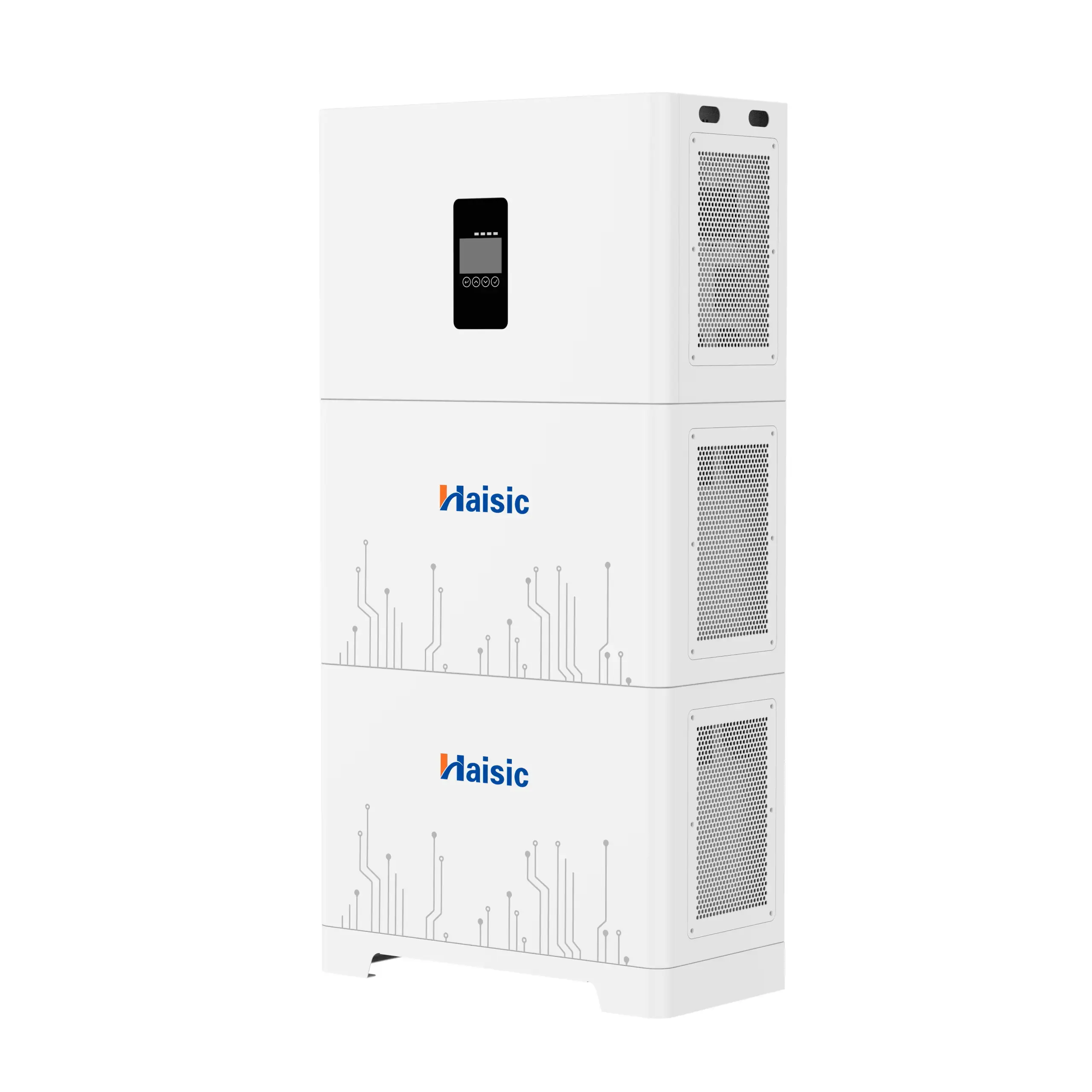
Your energy needs today might not be your needs tomorrow. One of the biggest advantages of Lithium Iron Phosphate tech is modularity. You can start with a basic setup and expand capacity as you add electric vehicles or heat pumps. For larger homes requiring substantial power, our high-voltage LiFePO4 home energy storage systems allow for easy stacking and expansion.
Furthermore, these systems feature an intelligent Battery Management System (BMS). This allows you to monitor performance via remote apps and ensures compatibility with modern hybrid inverters.
| Feature | Benefit to Homeowner |
|---|---|
| High Energy Density | Stores more power in a smaller, wall-mounted or stackable footprint. |
| Grid Independence | Use your own solar power 24/7, not just when it\’s sunny. |
| Peak Shaving | Automates discharge during expensive rate hours to lower bills. |
| Instant Backup | Seamless power supply during grid failures (<20ms transfer time). |
| Modular Design | Easily add battery modules to increase capacity later. |
Would you like me to detail the specific specifications and safety features of our Haisic LiFePO4 solutions in the next section?
Haisic LiFePO4 Solutions: Built for Performance and Reliability
At Haisic, we understand that every home has a unique energy footprint. That is why we have engineered our home energy storage system LiFePO4 lineup to be as flexible as it is powerful. We don\’t believe in a \”one-size-fits-all\” approach; instead, we offer a versatile range of residential solar backup batteries designed to meet specific capacity and space requirements.
versatile Residential Lineup
Whether you have a compact utility room or a dedicated garage wall, our solutions fit seamlessly into your life. We offer three primary form factors:
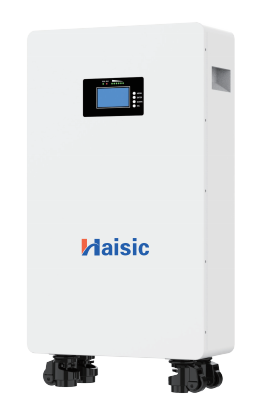
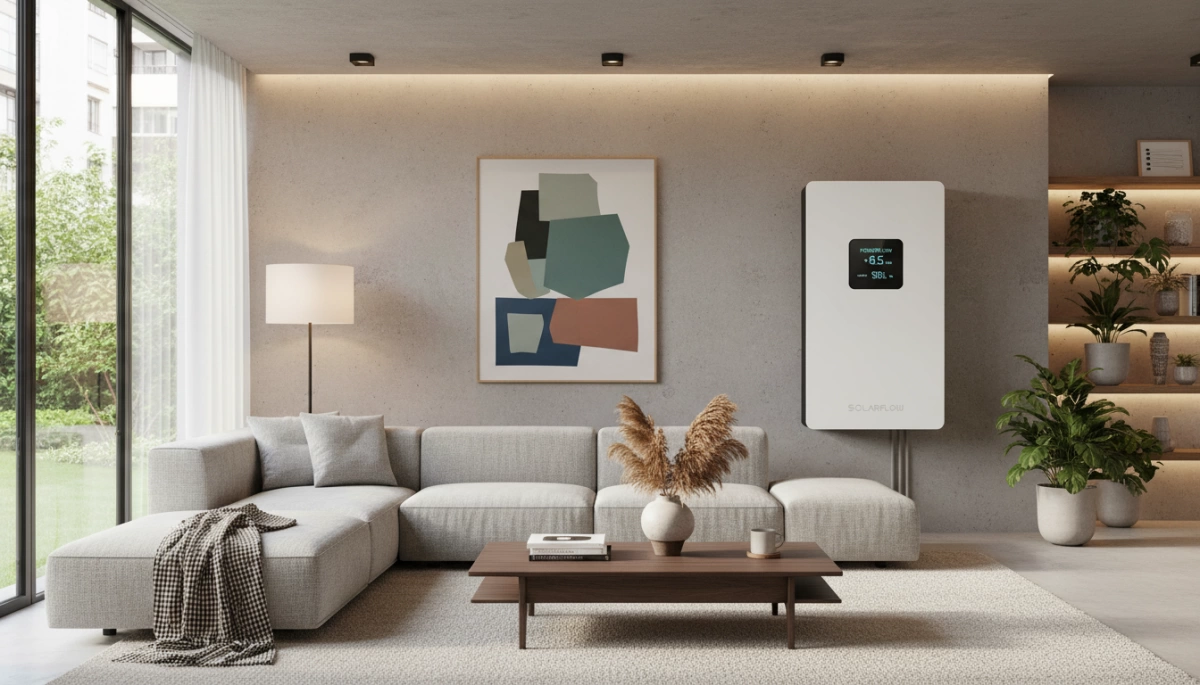
- Wall-Mounted: sleek, space-saving designs that serve as a perfect wall-mounted powerwall alternative.
- Stackable: Modular units that allow you to vertically expand your storage without complex wiring.
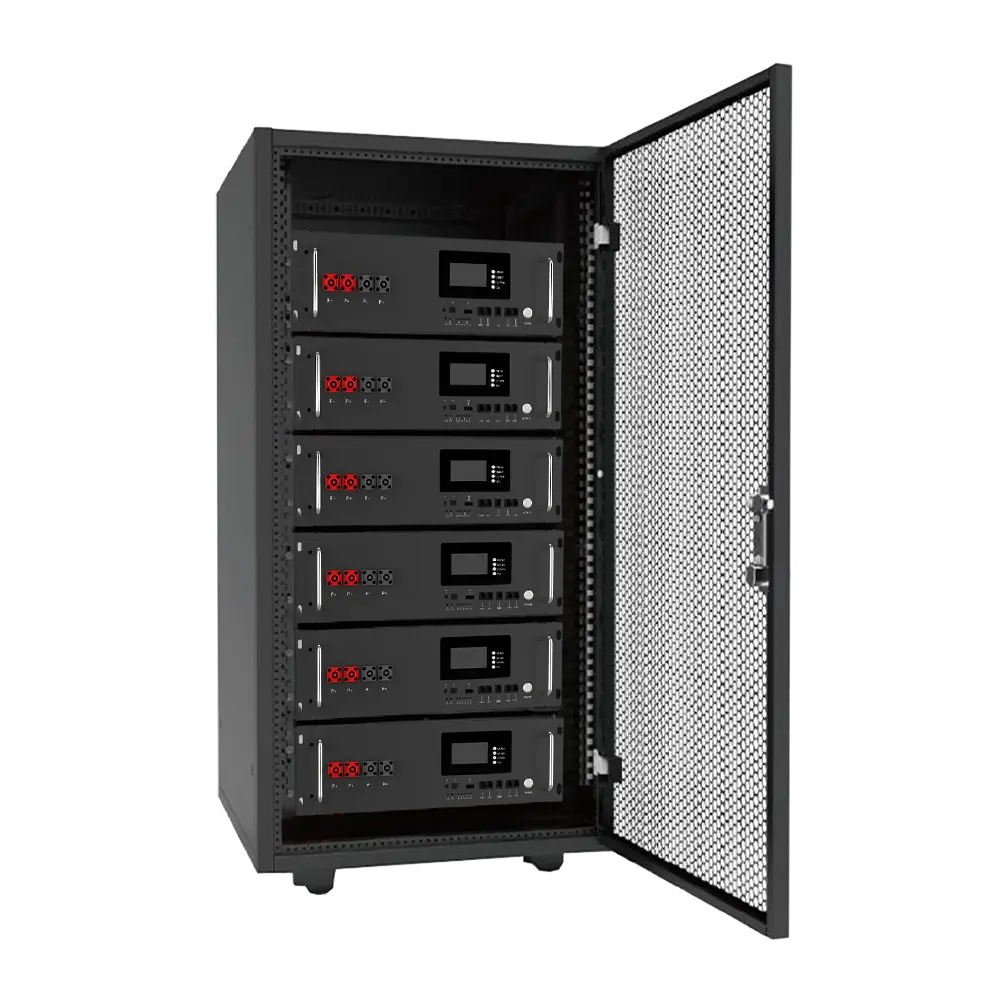
- Rack-Mounted: Standard server-rack compatible modules for professional, high-density installations.
Core Model Specifications and Scalability
Our systems are built on a 51.2V platform, ensuring high efficiency and compatibility with most modern inverters. You can start small and expand as your energy needs grow.
- 5.12kWh Modules: Perfect for entry-level setups. Our 51.2V 100Ah stackable energy storage battery allows you to easily scale up from 5kWh to 20kWh+ just by adding modules.
- 10.24kWh & 15kWh Stacks: For homes with higher consumption or off-grid requirements, we offer high-capacity solutions like the Haisic 15kWh LiFePO4 solar battery pack, which provides robust power for extended outages.
Advanced Technology and Safety
Safety isn\’t an upgrade; it\’s a standard. Every 48V LiFePO4 battery pack we manufacture is equipped with an intelligent BMS (Battery Management System). This system constantly monitors cell voltage, temperature, and current to prevent overcharging or thermal runaway.
- Remote Monitoring: Track your state of charge and health status in real-time.
- Hybrid Compatibility: Our units are designed as a hybrid inverter compatible battery, working smoothly with major brands like Victron, Growatt, and Deye.
- Certifications: We adhere to strict global safety standards to ensure your safe lithium battery for home use performs reliably for years.
Manufacturing Quality and OEM/ODM Flexibility
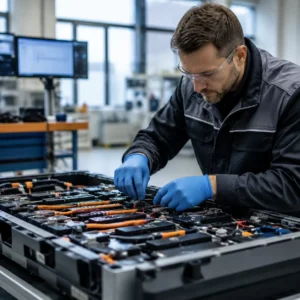
We take pride in our engineering expertise. As a dedicated manufacturer, we control the quality from the cell level up to the final assembly. Beyond our standard branded products, we offer extensive OEM/ODM flexibility, allowing partners to customize the casing, BMS protocols, and capacity of their scalable home energy storage solutions to fit specific market needs.
Would you like me to create a detailed comparison table of Haisic\’s battery models against common market competitors for the next section?
How to Size Your LiFePO4 Home Energy Storage System
Getting the capacity right is the most critical step when investing in a home energy storage system LiFePO4. If you undersize the system, you\’ll be left in the dark during a power outage or run out of stored solar energy halfway through the night. Oversize it, and you\’re paying for capacity you will rarely use.
We recommend a practical, data-driven approach to determine exactly what you need.
Step-by-Step Sizing Guide
To pin down the perfect LiFePO4 solar battery capacity, you need to look at your actual energy habits. It’s not about guessing; it’s about math.
- Analyze Daily Consumption: Grab your electricity bill. Look at your average monthly usage in kilowatt-hours (kWh) and divide by 30. If you use 900 kWh a month, your daily usage is roughly 30 kWh.
- Determine Critical Loads: Most homeowners don\’t need to back up the entire house. Identify \”critical loads\”—fridge, lights, Wi-Fi, and well pump. These usually amount to 10–15 kWh per day.
- Assess Solar Production: Your battery can only store what your panels produce. If you have a 5kW solar array producing 25 kWh a day, a 50 kWh battery bank would be overkill because you can\’t fill it up in a single day.
- Consider Autonomy: How many days do you need to survive without grid or solar input? For standard backup, 1 day is common. For off-grid LiFePO4 power, you typically aim for 2–3 days of autonomy.
Real-World Sizing Examples
Different homes have drastically different energy profiles. Here is a quick breakdown of how we typically size systems for different scenarios:
| Scenario | Daily Usage | Recommended Capacity | Goal |
|---|---|---|---|
| Standard Grid-Tied Home | 25–30 kWh | 10 kWh – 15 kWh | Self-consumption & short backup |
| Large Luxury Home | 50+ kWh | 20 kWh – 30 kWh | Full home backup & peak shaving |
| Off-Grid Cabin | 10–15 kWh | 30 kWh+ | 2-3 days of autonomy (no grid) |
For users just starting out or those with limited space, a 3.2kWh all-in-one home energy storage system provides a modular foundation that allows you to expand later. Conversely, for expansive properties requiring robust power delivery, looking into high-voltage LiFePO4 home energy storage systems might be necessary to handle higher surge loads efficiently.
Inverter Compatibility and Integration
A residential energy storage system is only as good as its communication with the inverter. The BMS (Battery Management System) needs to \”talk\” to the inverter to manage charging rates and safety protocols effectively.
When selecting a hybrid inverter compatible battery, ensure it supports protocols (like CAN or RS485) for major brands. Our Haisic systems are designed for seamless integration with top-tier inverters, including:
- Victron Energy: Known for robust off-grid capabilities.
- Growatt & Deye: Excellent for hybrid grid-tied setups.
- Sol-Ark: A favorite for \”all-in-one\” solar management.
- SMA & GoodWe: Reliable choices for high-efficiency systems.
Using scalable home energy storage allows you to start with a single battery stack and parallel more units as your energy needs grow. This flexibility ensures your system remains future-proof without a massive upfront cost.
Installation and Integration Tips for Optimal Performance

Getting the most out of your home energy storage system LiFePO4 starts with a proper install. While our units are engineered for simplicity, integrating a battery into your home’s electrical grid requires attention to detail to ensure safety, efficiency, and longevity.
Professional vs. DIY: Safety First
We design our systems with user-friendly interfaces, but dealing with high-capacity electrical storage isn\’t a casual weekend hobby. For the majority of homeowners, we strongly recommend professional installation.
- Safety Protocols: Licensed installers understand how to handle DC high voltage and adhere to local fire and building codes.
- Warranty Integrity: Many warranties require proof of certified installation to remain valid.
- DIY Considerations: If you are an experienced DIYer building an off-grid setup, strictly follow our terminal torque specifications and cable sizing guides. Always use insulated tools when working with a 48V LiFePO4 battery pack.
Seamless Integration with Hybrid Inverters
The connection between your battery and inverter is the heartbeat of the system. Our batteries serve as a hybrid inverter compatible battery, designed to communicate via CAN or RS485 protocols for precise charging and discharging.
- Matching Capacity: Ensure your inverter can handle the discharge current of your battery bank.
- Communication: A closed-loop communication setup allows the inverter to read the battery\’s State of Charge (SOC) accurately, rather than guessing based on voltage.
For a standard single-phase home setup, pairing your battery with a reliable 3kW-6kW hybrid solar inverter creates a highly efficient self-consumption loop. If you require a more rugged solution for varied environments, integrating a 6-12kW IP65 hybrid solar inverter ensures your system performs reliably even in tougher conditions.
Placement Best Practices
Where you put your battery affects its lifespan. While LiFePO4 chemistry is stable, extreme temperatures can reduce efficiency.
- Indoor vs. Outdoor: A temperature-controlled garage or utility room is ideal. If installing outdoors, ensure the unit is shaded and rated for the environment (IP65).
- Mounting: Whether you choose a wall-mounted powerwall alternative or a rack-mount configuration, verify the structural integrity of the wall or floor. These units are dense and heavy.
- Clearance: Leave adequate space around the cooling fins or vents to prevent heat buildup.
Maintenance Essentials for Long-Term Care
One of the massive advantages of a BMS monitored energy system is that it requires very little hands-on maintenance. The intelligent Battery Management System (BMS) automatically balances cell voltages and protects against overcharging.
- Remote Monitoring: Use our app to check system health and historical data regularly.
- Firmware Updates: Keep your inverter and battery firmware up to date to access new features and optimization logic.
- Visual Inspection: Once a year, check cable connections for tightness and ensure no debris is blocking airflow.
By following these guidelines, you ensure that your investment delivers reliable, clean power for years to come.
Real-World Applications and Case Studies
Theory is great, but seeing how a home energy storage system LiFePO4 performs in daily life is what really matters. Whether you are looking to secure your home against outages or completely cut ties with the utility company, these systems are transforming how families manage power globally.
Residential Solar Backup: Power Security
Blackouts are becoming more frequent, and a residential solar backup battery is the best defense. Unlike noisy gas generators that require fuel and maintenance, our LiFePO4 systems switch over silently and instantly.
- Seamless Transition: When the grid fails, the system detects the outage and powers essential loads (lights, internet, refrigeration) in milliseconds.
- Peace of Mind: We have seen families maintain full comfort during multi-day storms simply by cycling between solar charging during the day and battery usage at night.
Off-Grid Living: Achieving Full Independence
For remote cabins or homeowners tired of utility reliance, off-grid LiFePO4 power is a game changer. Achieving energy autonomy requires a robust bank of power that can handle surge loads and sustain the home through cloudy days.
Many of our customers utilize high-capacity units, such as the 51.2V 305Ah 15616Wh touchscreen home energy battery, to act as the central heart of their off-grid setup. This allows for deep discharge cycles without the degradation issues seen in lead-acid alternatives, ensuring your remote home stays powered year-round.
Peak Shaving and TOU: Lowering Monthly Bills
Even if you have a stable grid connection, a residential energy storage system saves money through \”Peak Shaving.\”
- Time-of-Use (TOU) Strategy: In regions with high electricity rates during the evening, smart homeowners charge their batteries when power is cheap (or free from solar) and discharge them during expensive peak hours.
- Smart Management: Our BMS monitored energy system handles this automatically, significantly reducing the monthly electricity bill without you lifting a finger.
Installation Examples: Proven Performance
Every home layout is different, which is why we prioritize flexible form factors. We have deployed stackable lithium battery 51.2V units in spacious basements and compact wall-mounted powerwall alternative units in tight garages.
From keeping the AC running in hot climates to ensuring heating systems function in freezing winters, a safe lithium battery for home use adapts to the environment it is placed in, proving that modern storage is ready for any challenge.
Would you like me to detail the specific ROI calculation methods for the \”Cost Considerations and Long-Term Value\” section next?
Cost Considerations and Long-Term Value
Upfront vs. Lifetime Costs: The Real Equation
When you first look at the price tag of a high-quality home energy storage system lifepo4, it might seem like a significant initial commitment compared to cheaper lead-acid alternatives or gas generators. However, judging a battery solely on its upfront cost is a financial mistake. The true value lies in the Total Cost of Ownership (TCO).
Because LiFePO4 chemistry offers a massive lifespan—often exceeding 6,000 cycles—you aren\’t replacing the unit every 3 to 5 years like you would with older technologies. When you break down the cost of solar battery storage over a 10 or 15-year period, the cost per kWh of stored energy is significantly lower with lithium iron phosphate. You are paying for durability that essentially future-proofs your home.
Financial Incentives and 2026 Rebates
We are seeing a global push toward renewables, and 2026 is a prime time to invest due to available financial support. Depending on your region, you can significantly reduce your initial outlay through:
- Federal Tax Credits: In many countries, you can claim up to 30% of the equipment and installation costs back as a tax credit.
- Local Rebates: Utility companies often offer cash rebates for installing a residential energy storage system that helps stabilize the grid.
- Financing Options: Many installers now offer favorable financing terms, allowing you to swap your monthly electricity bill for a fixed battery payment that eventually goes away.
ROI Breakdown: Calculating Your Payback
The Return on Investment (ROI) for a LiFePO4 solar battery isn\’t just about backup power; it\’s about daily savings. By pairing your battery with a hybrid inverter compatible battery system, you can utilize strategies like peak shaving—charging from solar when energy is free and discharging when grid rates are highest.
Typical ROI Timeline:
| Factor | Impact on Payback |
| :— | :— |
| Self-Consumption | High. Using your own solar power at night avoids buying from the grid. |
| Time-of-Use (TOU) | High. dodging peak rate charges can save hundreds annually. |
| Backup Value | Variable. Avoiding spoilage and downtime during blackouts adds hidden value. |
For most households optimizing their usage, the payback period lands between 5 to 7 years, leaving you with nearly a decade of \”free\” energy storage and security after the system has paid for itself. If you are unsure about the financial math for your specific situation, checking a guide on home lithium battery storage can help clarify how these systems fit into your long-term financial plan.
Frequently Asked Questions About LiFePO4 Home Energy Storage
When investing in a home energy storage system LiFePO4, it is normal to have questions about longevity and daily operation. Here are the honest answers to the most common inquiries we get from homeowners.
What is the real lifespan and degradation rate?
Unlike lead-acid batteries that might need replacing every few years, a LiFePO4 solar battery is built for the long haul. You can typically expect:
- Cycle Life: Between 6,000 and 10,000 cycles at 80% Depth of Discharge (DoD).
- Timeframe: This translates to roughly 10 to 15 years of daily use.
- Degradation: Degradation is very slow. Even after thousands of cycles, the battery usually retains about 80% of its original capacity, meaning it doesn\’t just stop working; it just holds slightly less charge.
Can I expand my system later?
Absolutely. One of the biggest advantages of modern lithium tech is that it offers scalable home energy storage. You do not need to buy your maximum capacity on day one. Most of our systems allow you to add more modules in parallel as your energy needs grow. For larger homes, our high-voltage stacked battery solutions make it incredibly easy to increase capacity without rewriting your entire electrical setup.
How does cold weather affect performance?
Lithium iron phosphate allows for discharge in cold weather, but charging at freezing temperatures can damage the cells. To prevent this, a high-quality BMS monitored energy system is essential.
- Discharge: generally safe down to -20°C (-4°F).
- Charging: Should happen above 0°C (32°F).
- Solution: many of our units feature self-heating functions or should be installed in a garage or insulated space to maintain optimal performance.
What do the warranty terms cover?
A standard warranty for a residential energy storage system usually covers 5 to 10 years. It guarantees that the battery will retain a certain capacity (usually 70-80%) by the end of the warranty period. We stand by our manufacturing quality, ensuring defects and premature degradation are fully covered so your investment is safe.
Is LiFePO4 difficult to recycle?
No, it is actually one of the most eco-friendly options. Since these batteries are Cobalt-free, they are less toxic than NMC batteries and easier to process at end-of-life. The materials—lithium, iron, and phosphate—can be recovered and reused, making your home battery backup LiFePO4 a sustainable choice from installation to disposal. For a broader look at how these systems fit into a green lifestyle, you can explore our guide on effective battery storage for home use.
Why choose Haisic for your storage needs?
We combine OEM/ODM flexibility with rigorous safety testing. whether you need a wall-mounted powerwall alternative or a massive rack-mounted setup, we engineer our batteries to deliver consistent power, verified safety, and smart management.
Would you like me to help you compare specific Haisic battery models to see which one fits your daily energy consumption best?