










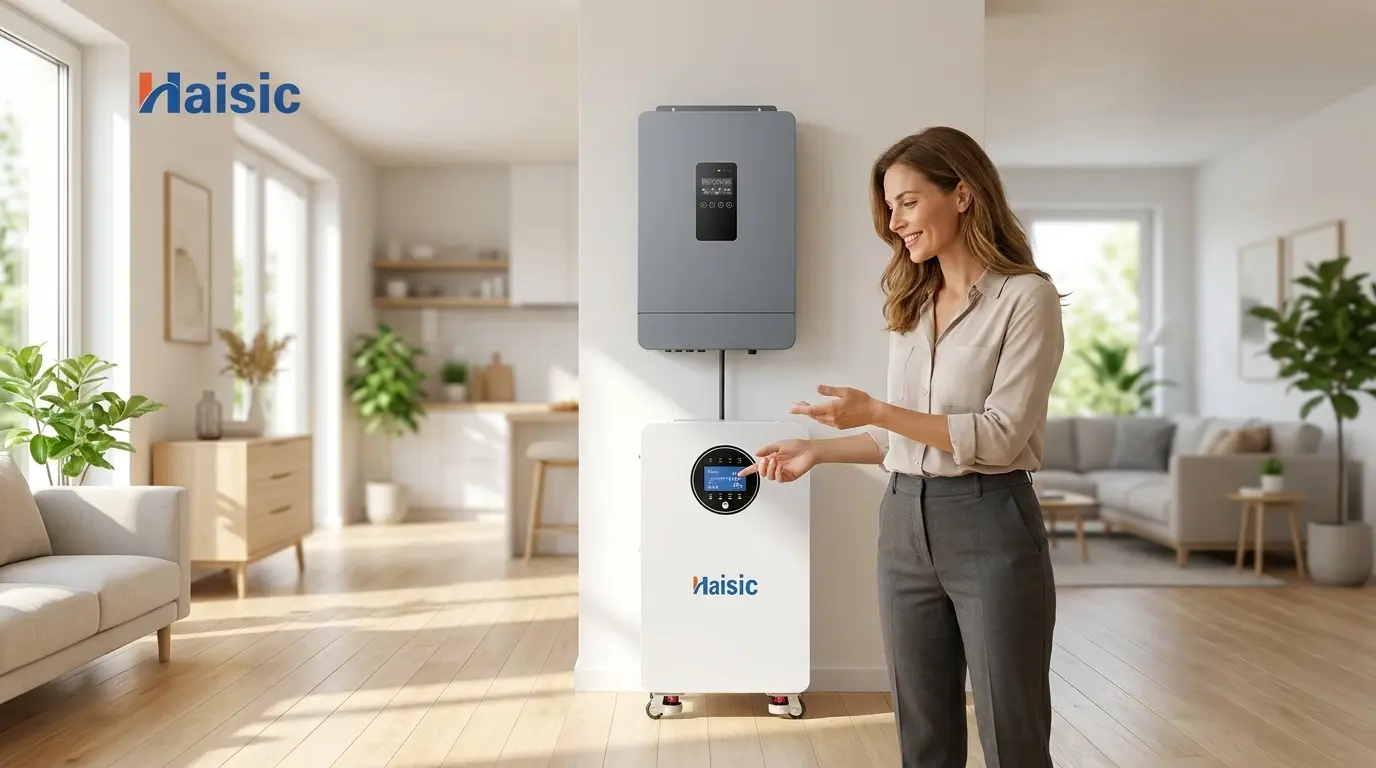
Average Lifespan by Battery Type
The lifespan of a home solar battery depends primarily on its chemical composition and how it handles daily energy cycles. As manufacturers, we see a significant performance gap between traditional technologies and modern energy storage systems (ESS).
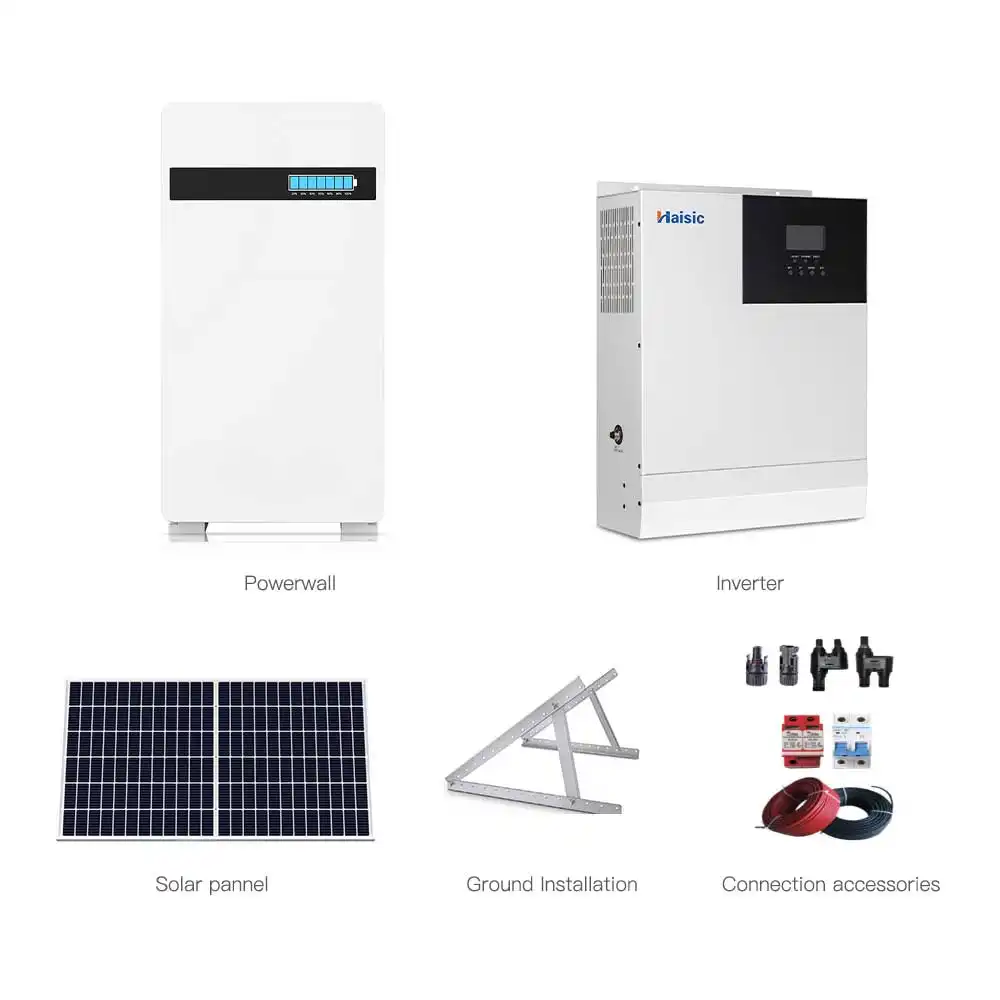
Lithium-Ion (LiFePO4): The Industry Gold Standard
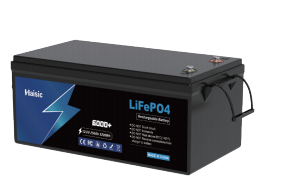
Lithium Iron Phosphate (LiFePO4) is the premier choice for modern residential solar. These batteries typically last 10 to 15 years.
- High Cycle Life: They can endure thousands of charge/discharge cycles before capacity drops.
- Efficiency: Minimal energy loss during storage and retrieval.
- Stability: Highly resistant to thermal runaway, making them the safest lithium option for homes.
Lead-Acid: The Traditional Budget Option
Lead-acid batteries are the older, \”tried and true\” technology, but they fall short in longevity, usually lasting only 3 to 5 years.
- Low Initial Cost: Cheaper upfront but requires frequent replacement.
- Maintenance Heavy: Often requires venting and regular water top-offs (for flooded types).
- Sensitivity: Deep discharging significantly shortens their already brief lifespan.
Saltwater and Flow Batteries: Emerging Alternatives
These technologies are gaining traction for specific off-grid energy storage needs but remain niche due to high costs and size.
- Saltwater: Uses non-toxic electrolytes and can last 10+ years, though they have lower energy density.
- Flow Batteries: Theoretically last 20+ years because they don\’t degrade like chemical batteries, but the mechanical pumps and high price points limit residential adoption.
Comparison: Lifespan, DoD, and Cost
| Battery Type | Expected Lifespan | Depth of Discharge (DoD) | Relative Cost |
|---|---|---|---|
| LiFePO4 (Lithium) | 10–15 Years | 80% – 100% | Moderate |
| Lead-Acid | 3–5 Years | 50% | Low |
| Saltwater | 10–12 Years | 100% | High |
| Flow Battery | 20+ Years | 100% | Very High |
Selecting the right chemistry is the most critical factor in determining your long-term solar ROI. While lead-acid saves money today, LiFePO4 technology provides the lowest cost-per-cycle over the life of the system.
Understanding Cycle Life vs. Calendar Life
When customers ask us how long do home solar battery last, we always point to two distinct measurements: cycle life and calendar life. Knowing the difference is crucial for setting realistic expectations and maximizing your solar ROI.
Decoding Charge Cycles
A charge cycle is not just every time you draw power from the unit. One complete cycle means draining the battery from 100% down to zero, and then charging it back up to 100%.
- Partial uses add up: Discharging your battery to 50% on two separate days equals one full charge cycle.
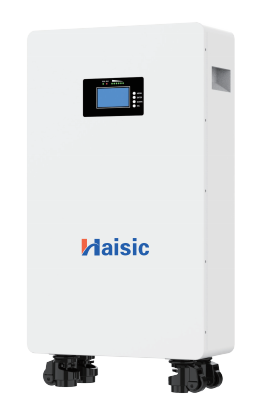
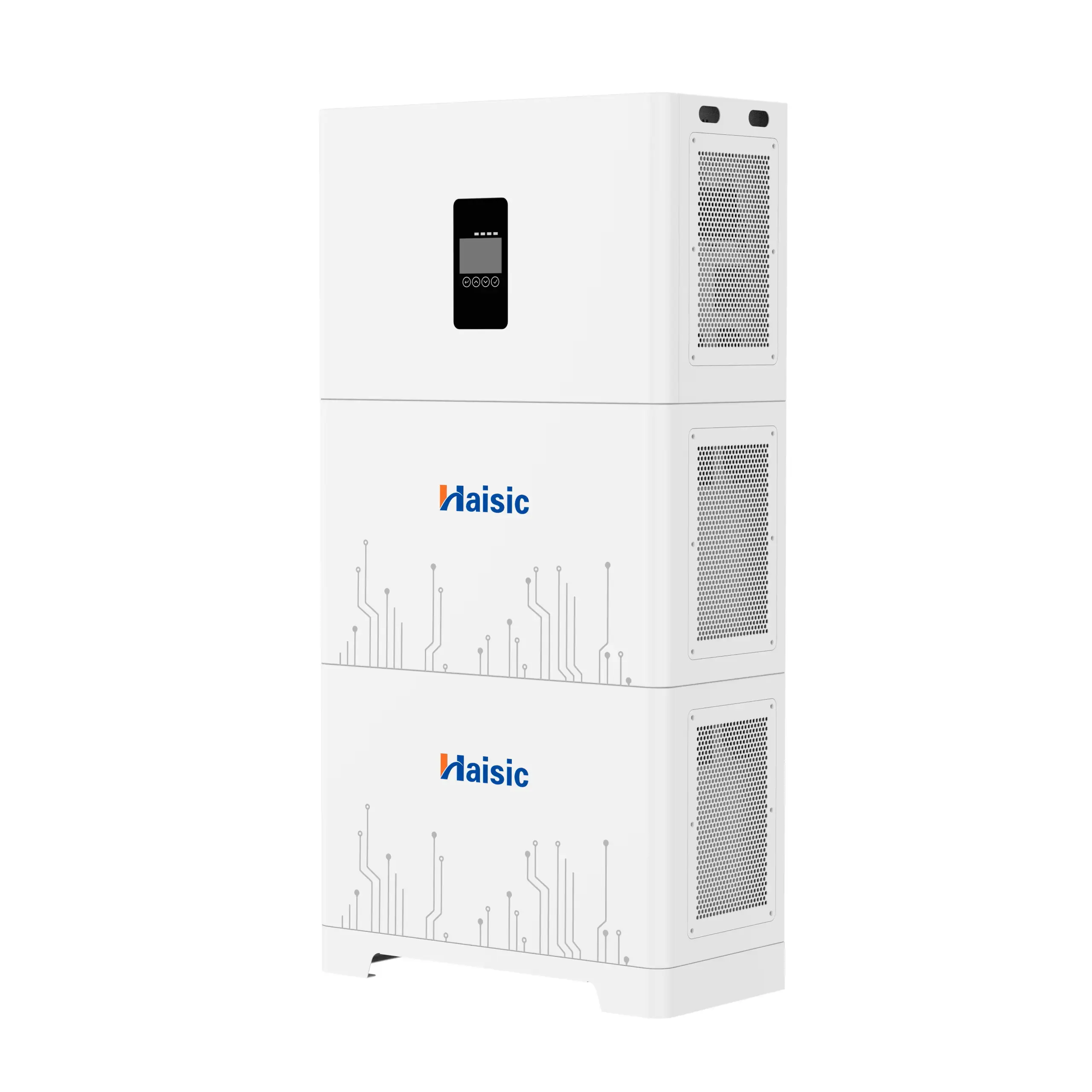
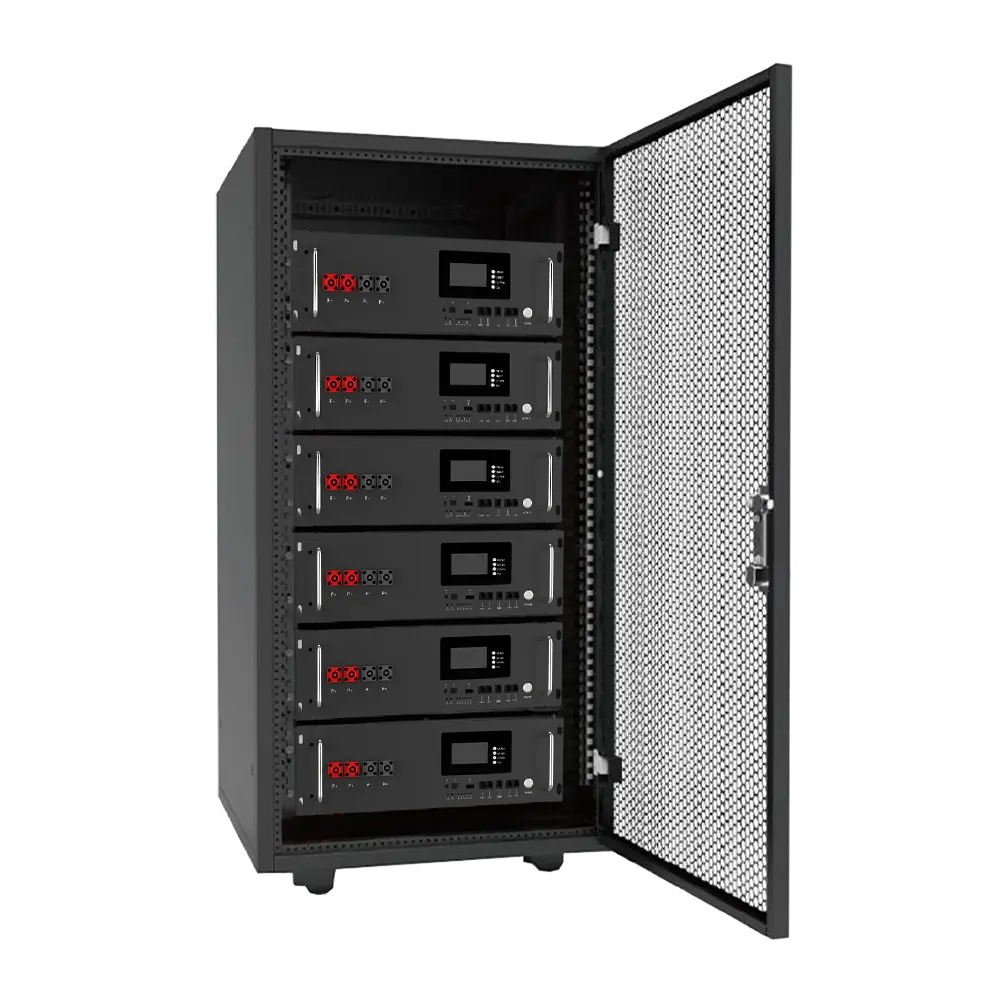
- Built for endurance: A robust 51.2V 100Ah 5120Wh floor mounted home energy storage system is specifically engineered to handle thousands of these deep charge cycles over its lifespan.
The Truth About Calendar Life
Calendar life refers to the estimated number of years a battery will last based purely on time, regardless of how often it is cycled. However, this manufacturer estimate can be highly misleading. Extreme climates play a massive role in real-world performance. If your energy storage system (ESS) is constantly exposed to intense summer heat or freezing winter temperatures, the battery degradation rate accelerates rapidly, cutting that estimated calendar life short.
The 80% Capacity Threshold
When is a home solar battery actually considered \”dead\”? In the energy storage industry, a battery reaches the end of its primary useful life when its capacity retention drops to 80%.
- It still functions: The battery does not suddenly shut off or break.
- Reduced storage space: It simply means a battery that originally held 10kWh of power will now only hold 8kWh when fully charged.
- Second life: Many off-grid energy storage users continue to use these aging batteries for less demanding backup applications long after they cross this 80% threshold.
5 Critical Factors That Influence Your Battery’s Lifespan
Understanding how long do home solar battery last requires looking beyond the spec sheet. Real-world performance depends on how you treat the system. As manufacturers, we see these five factors as the primary drivers of longevity:
- Depth of Discharge (DoD): Never drain your battery to 0%. While modern lithium iron phosphate cells are resilient, consistently pushing them to empty shortens their cycle life. Keeping your DoD within the recommended range—usually 80-90% for high-quality units—ensures better capacity retention.
- Ambient Temperature: Batteries have a \”Goldilocks Zone.\” Extreme heat accelerates chemical reactions that lead to permanent degradation, while extreme cold reduces efficiency. Proper thermal management in your installation area is vital for a high solar ROI.
- Cycling Frequency: A battery used for daily solar self-consumption will naturally reach its end-of-life sooner than one used strictly for emergency backup. Frequent charge cycles are the main metric for wear.
- Maintenance Habits: Even a \”maintenance-free\” 48V battery bank needs basic attention. Keep terminals clean to prevent resistance and ensure your Battery Management System (BMS) is updated to monitor cell health correctly.
- Charging Rates: Rapid, high-current charging might be convenient, but it generates internal heat. Slow, steady charging is much gentler on the internal chemistry, significantly slowing the battery degradation rate over several years.
The Role of the Battery Management System (BMS)
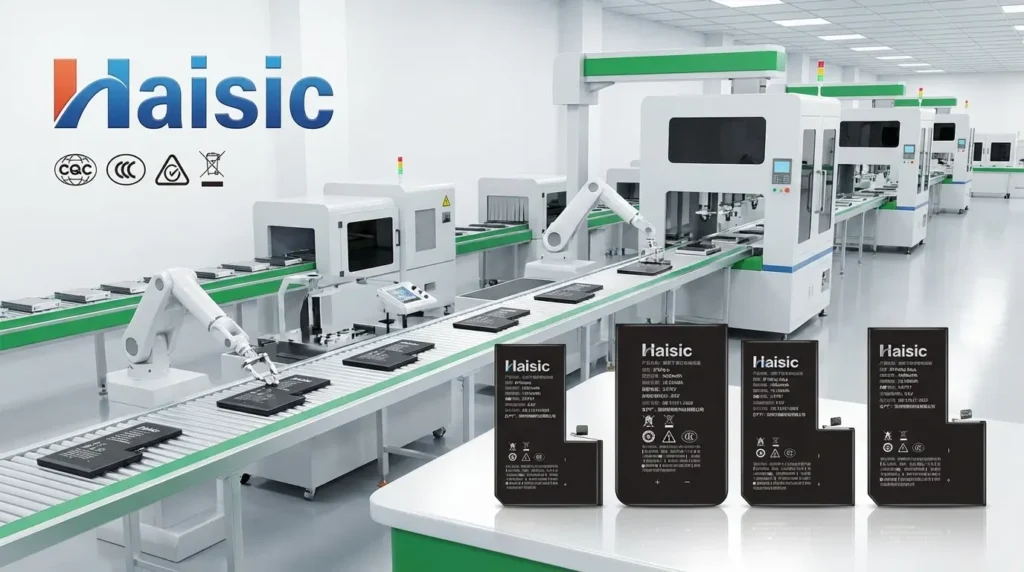
When customers ask us how long do home solar battery last, we always point straight to the Battery Management System (BMS). Think of the BMS as the brain of your energy storage system. Even with the highest quality lithium cells, a battery simply will not survive long without a smart BMS calling the shots.
Here is exactly what this crucial component does behind the scenes to protect your investment:
- Prevents Overcharging and Overheating: Pushing a battery past its limits is a quick way to ruin its chemistry. An intelligent BMS constantly monitors voltage and temperature in real-time. It automatically cuts off the charging process before the battery gets overcharged. It also handles essential thermal management, ensuring the system stays cool during heavy daily use. In any reliable residential solar energy storage setup, this automatic protection is what prevents dangerous meltdowns and adds years to the battery\’s lifespan.
- Balances Cells for Uniform Wear: Inside your battery pack are multiple individual cells working together. Over time, some cells naturally charge or discharge slightly faster than others. The BMS steps in to actively balance these cells, distributing the energy workload evenly. This prevents any single cell from being overworked and dying early, which drastically improves overall capacity retention and ensures uniform wear and tear across the entire unit.
Solar Battery Warranty vs. Real-World Lifespan
When evaluating how long do home solar battery last, the warranty is your most reliable indicator of quality. However, a \”10-year warranty\” doesn\’t mean the battery simply stops working on day one of year eleven. You must distinguish between two different types of protection to understand your long-term Solar ROI.
Product Warranty vs. Performance Warranty
Most reputable manufacturers provide a split warranty. Understanding the difference ensures you aren\’t left with a \”working\” battery that can\’t actually power your home.
| Warranty Type | What it Covers | Typical Duration |
|---|---|---|
| Product Warranty | Manufacturing defects, hardware failure, and workmanship. | 5 to 10 Years |
| Performance Warranty | Guaranteed capacity retention (e.g., 70% of original capacity). | 10 Years / Cycle Limit |
The \”End-of-Life\” Clause: 70% Capacity
The industry standard for a lithium-ion energy storage system (ESS) is to guarantee at least 70% of the original capacity after 10 years. If your 10kWh battery only holds 5kWh in year eight, the performance warranty should cover a replacement or repair. We design our battery energy storage solution to exceed these benchmarks, ensuring your home remains powered even as the chemistry naturally ages.
Why Manufacturer Reputation Matters
A warranty is only as good as the company backing it. In the rapidly evolving solar market, many \”fly-by-night\” brands offer 15-year warranties but may not exist in five years to honor them.
- Long-term Support: Established suppliers provide firmware updates that optimize charging logic as the battery ages.
- Claims Process: Professional manufacturers have clear protocols for testing capacity retention without making the homeowner jump through hoops.
- Real-World Reliability: A brand with a proven track record in diverse climates offers better peace of mind than a budget option with a \”paper-only\” guarantee.
Pro Tips: How to Extend the Life of Your Home Solar Battery
To maximize how long do home solar battery last, you have to look beyond the spec sheet and focus on environmental control and system design. As manufacturers, we see firsthand how proper care can stretch a battery’s lifespan by several years.
- Optimal Placement is Non-Negotiable: Temperature is the biggest factor in battery degradation. We always recommend indoor installations, such as a garage or utility room, where temperatures remain stable. If an outdoor setup is your only option, it must be in a shaded, well-ventilated area to prevent thermal runaway and chemical breakdown.
- Size Your System Correctly: One of the most common mistakes is undersizing the storage capacity. An undersized battery is forced to work harder, completing more frequent and deeper charge cycles every day. When planning your 12kw solar system with battery storage cost, ensure the capacity is large enough to handle your peak loads without draining the battery to zero every night.
- Prioritize Firmware and Inspections: Modern lithium batteries rely on a Battery Management System (BMS) that needs regular updates. These firmware patches often include improved charging algorithms that better protect the cells.
- Professional Health Checks: Even though LiFePO4 systems are low-maintenance, a professional inspection every two years ensures that all wiring is secure and that the solar power inverter suppliers have configured the charging parameters correctly to avoid over-voltage stress.
By keeping the battery in its \”Goldilocks zone\”—not too hot, not too cold, and never overworked—you ensure that your investment pays for itself long before the capacity drops below functional levels.
Signs Your Home Solar Battery Needs Replacement
Knowing how long do home solar battery last helps you plan for future upgrades, but real-world performance is the ultimate indicator of health. Even the most advanced LiFePO4 battery technology will eventually show signs of wear. If you notice these red flags, your energy storage system is likely nearing the end of its functional life.
Rapid Capacity Loss and Short Backup Times
The most obvious sign of battery degradation is a significant drop in how long your home stays powered during the night or an outage. If your system used to carry your essential loads until sunrise but now shuts down by midnight, the capacity retention has likely fallen below the standard 70% threshold. When the battery can no longer meet your daily energy demands, it has reached its \”effective\” end of life.
Physical Deformities and Warning Lights
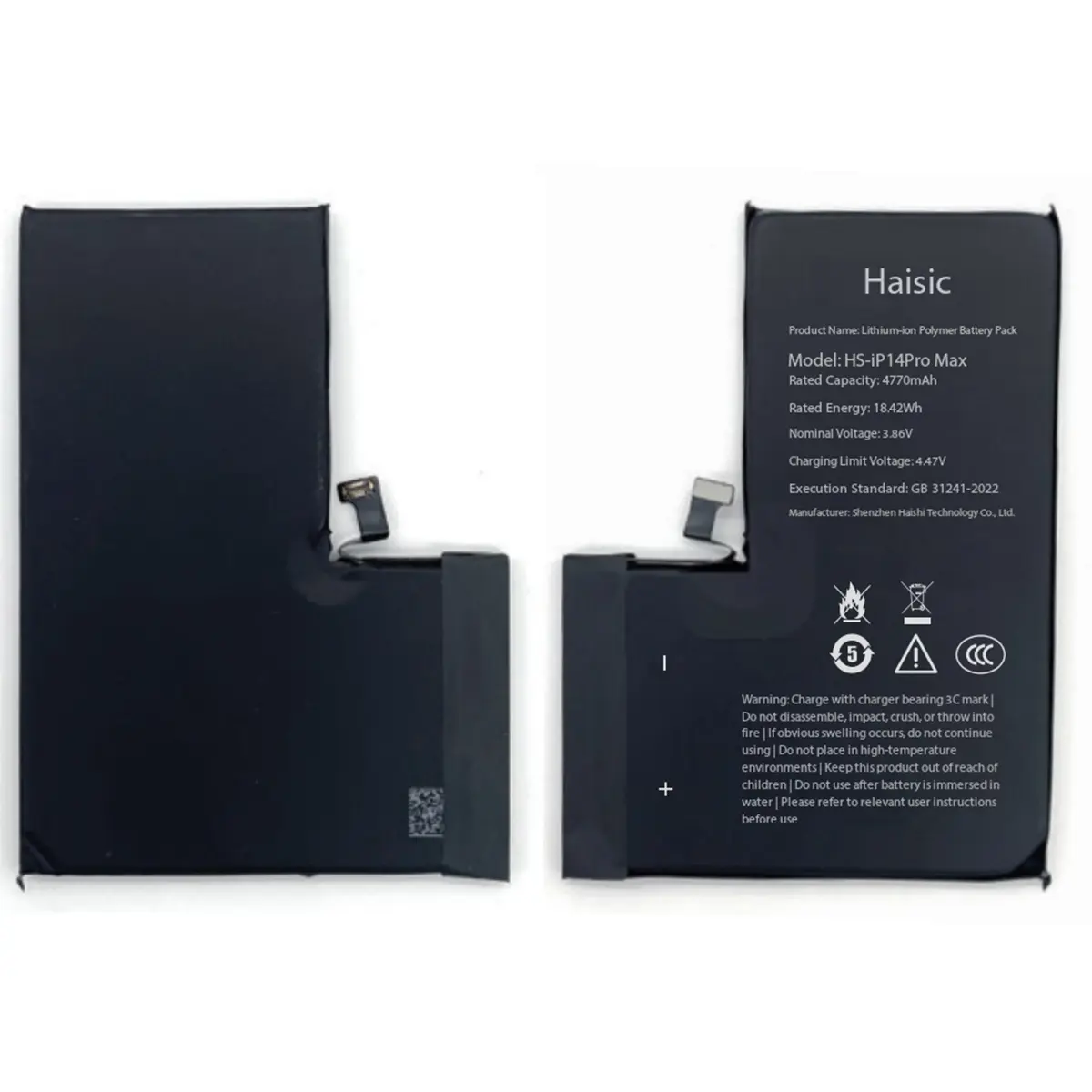
- Bulging or Swelling: In older tech or poorly managed units, the battery casing may expand due to internal gas buildup or heat damage.
- Corrosion or Leaks: Any visible moisture or crusty residue around terminals is a major safety hazard and a sign of internal failure.
- Persistent BMS Alerts: If your monitoring software frequently flags \”Internal Cell Failure\” or \”High Temperature\” warnings, the hardware is struggling to maintain stability.
Erratic Charging and Discharging Patterns
A healthy battery charges and discharges in a smooth, linear fashion. If you notice the state of charge (SoC) jumping sporadically—such as dropping from 50% to 10% in a matter of minutes—the internal cells are no longer balanced. This inconsistency makes the battery unreliable for critical backup and indicates that the chemical components are exhausted. Replacing a failing unit promptly prevents potential damage to your inverter and ensures your home remains resilient.
FAQs About How Long Home Solar Batteries Last
Understanding the specifics of battery maintenance and behavior helps you maximize your investment. Here are the most common questions we encounter regarding the lifespan and performance of energy storage systems.
Does frequent discharging hurt the battery?
Frequent discharging is a standard part of solar self-consumption, but the intensity of that discharge matters.
- Cycle Depth: Regularly draining your battery to 0% will significantly shorten its life.
- LiFePO4 Resilience: Modern best off-grid lithium batteries are designed for daily cycling, but keeping the Depth of Discharge (DoD) around 80-90% is the sweet spot for longevity.
- Partial Cycles: Lithium-ion batteries do not suffer from \”memory effect,\” so partial discharges are actually better than full depletions.
Can I add more batteries to an old bank?
While it is technically possible, it is generally not recommended to mix new batteries with a bank that is more than a year or two old.
- The Weakest Link: An older battery has higher internal resistance. If you add a brand-new unit, the old one will limit the performance of the new one, causing uneven wear.
- System Balancing: For a high-performance home energy storage system, it is best to size your capacity correctly from the start. If you must expand, try to do so within the first 12 months of installation.
How does heat affect my solar storage?
Temperature is the single most important environmental factor in determining how long home solar batteries last.
- Chemical Degradation: High temperatures accelerate the chemical reactions inside the cells, leading to faster capacity loss.
- Efficiency Loss: When a battery gets too hot, the Battery Management System (BMS) may throttle the charging speed to protect the hardware, reducing your overall efficiency.
- Ideal Range: Keeping your storage in a climate-controlled area or a shaded, well-ventilated spot can add years to its functional life. Avoid installing batteries in direct sunlight or uninsulated metal sheds in hot climates.