








What Are Solar Inverters and Why Are They Essential?
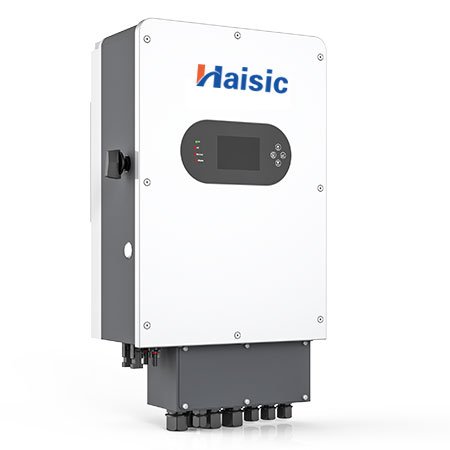
Solar inverters are often described as the \”brains\” of a solar energy system. While solar panels are responsible for absorbing sunlight, the inverter is the critical component that manages how that energy is processed and utilized. Choosing reliable solar power inverter suppliers is just as important as selecting the panels themselves, as the inverter dictates the overall efficiency, safety, and reliability of your energy production.
The Role of Inverters in a Solar PV System
In any photovoltaic (PV) setup, the inverter serves as the bridge between the solar array on your roof and the electrical infrastructure of your home. Without this device, the raw energy harvested by the panels cannot be utilized by standard appliances or the utility grid.
Top-tier suppliers design inverters to ensure system longevity and safety. For example, brands like Tesla and SolarEdge integrate safety features such as rapid shutdown capabilities, which de-energize the system instantly during emergencies to protect first responders and maintenance crews.
How Solar Inverters Convert DC to AC Power
The primary technical function of an inverter is the conversion of electricity currents.
- Direct Current (DC): Solar panels generate DC electricity when exposed to sunlight. This type of power flows in one direction but is incompatible with most residential electronics.
- Alternating Current (AC): Homes and the public electrical grid operate on AC electricity.
The inverter takes the DC input from the panels and transforms it into a standard 120/240-volt AC output. High-quality units from leading manufacturers perform this conversion with incredible efficiency—often exceeding 97% to 99%—ensuring minimal energy loss during the process.
Core Functions: Power Optimization and Grid Monitoring
Modern inverters do far more than simple power conversion; they actively manage energy production to maximize Return on Investment (ROI).
- Power Optimization: Advanced systems, such as SolarEdge’s Power Optimizers or SMA’s ShadeFix technology, mitigate the impact of shading. If one panel is obstructed by leaves or a chimney, these technologies ensure the rest of the array continues to operate at peak performance, preventing the entire string from dropping in output.
- System Monitoring: Leading home energy solutions provide granular data tracking. Enphase microinverters, for instance, offer panel-level monitoring, allowing homeowners to see exactly how much power each individual module is producing via a smartphone app.
- Grid Interaction: Inverters synchronize with the utility grid frequency, allowing for the seamless export of excess energy (net metering) and ensuring the system disconnects safely during power outages—unless specialized technology like Enphase’s Sunlight Backup is employed to maintain power without a battery.
Common Types of Solar Inverters Provided by Suppliers
When sourcing equipment for a photovoltaic project, understanding the specific technologies offered by solar power inverter suppliers is critical. The market isn\’t one-size-fits-all; the right choice depends on the roof\’s geometry, shading conditions, and budget. Suppliers generally categorize their products into three main architectures: string, micro, and hybrid systems.
String Inverters for Residential and Commercial Use
String inverters are the traditional standard in the solar industry. In this setup, solar panels are wired together in a series—or \”string\”—and connected to a single centralized inverter box, usually installed on a wall near the main electrical panel.
This technology is known for being cost-effective and reliable. Leading brands like SMA and Tesla specialize in this architecture. Because there is less equipment on the roof, maintenance is often simpler. However, the downside is that the performance of the entire string is often limited by the lowest-performing panel. If one panel is shaded, the output of the whole string drops.
Key Characteristics:
- Centralized Conversion: DC is converted to AC at a single point.
- Cost: Generally lower upfront cost compared to module-level electronics.
- Best Application: Simple roof layouts with zero shading and all panels facing the same direction.
Microinverters for Complex and Shaded Roofs
Micro inverters represent a shift toward module-level power electronics (MLPE). Unlike string systems, microinverters are small units attached directly to the back of each individual solar panel. Suppliers like Enphase are the market leaders in this space, offering technology like the IQ8 series.
This setup allows each panel to operate independently. If one panel is covered by leaves or shade, the rest of the array continues to generate at maximum capacity. This eliminates the \”single point of failure\” risk associated with string inverters. While the initial investment is higher, the long-term ROI is often better due to increased energy harvest and longer warranties, typically reaching 25 years.
Advantages:
- Panel-Level Optimization: Maximizes output on complex roofs with multiple angles.
- Safety: Converts high-voltage DC to safer AC electricity right on the roof.
- Monitoring: Provides granular data for every single panel in the system.
Hybrid Inverters for Battery Storage Integration
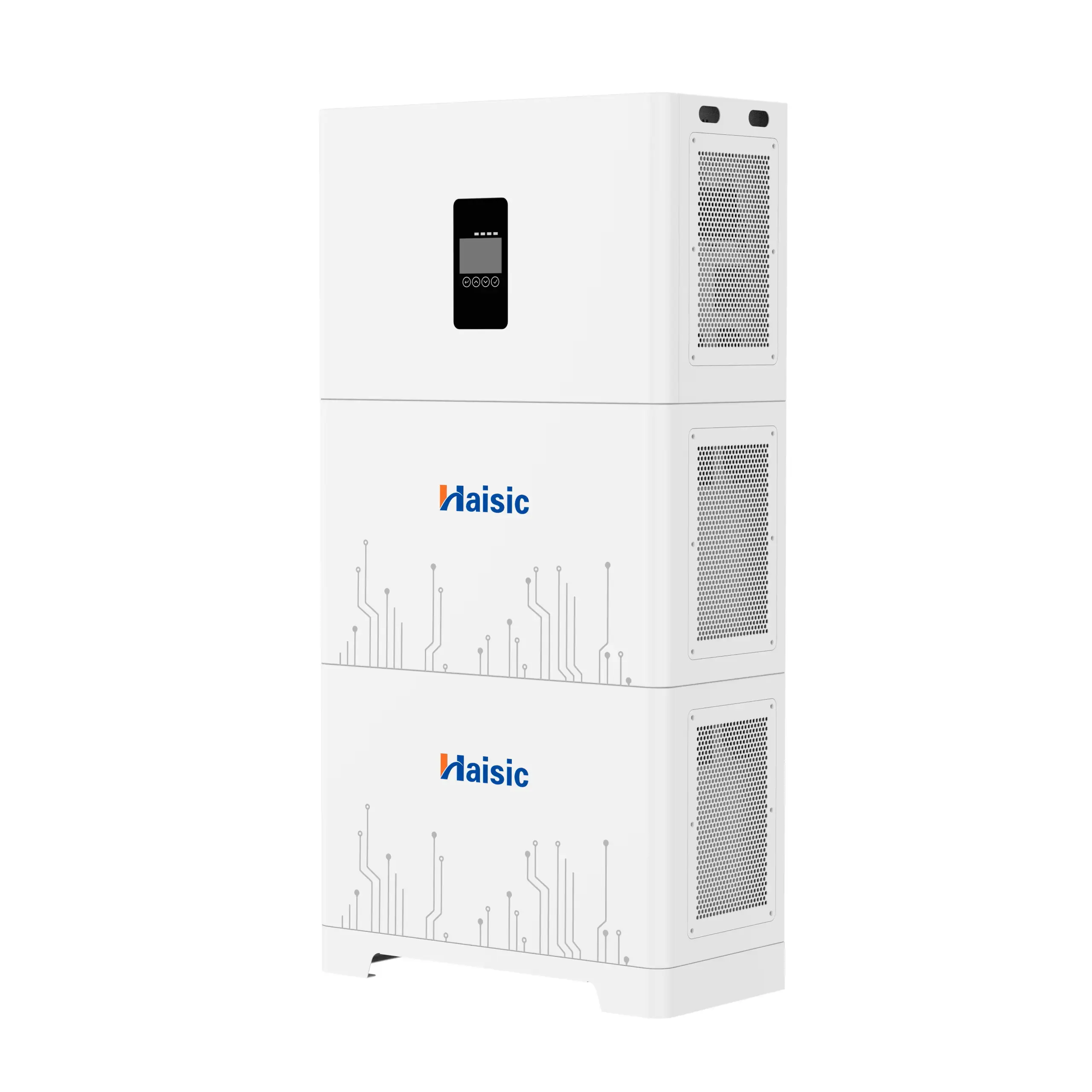
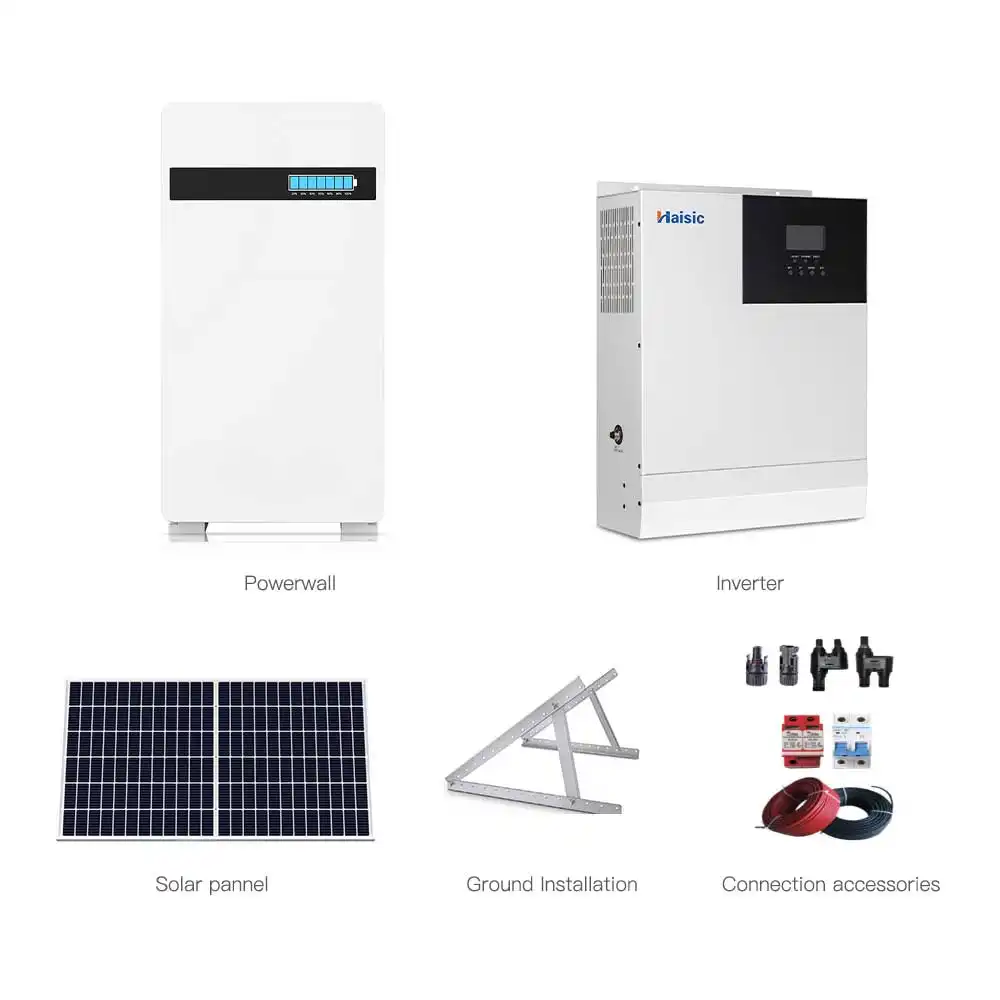
As demand for energy independence grows, hybrid inverters are becoming a staple in home energy solutions. A hybrid inverter combines the functions of a standard solar inverter with a battery inverter. It manages power from the solar panels, the utility grid, and a battery bank simultaneously.
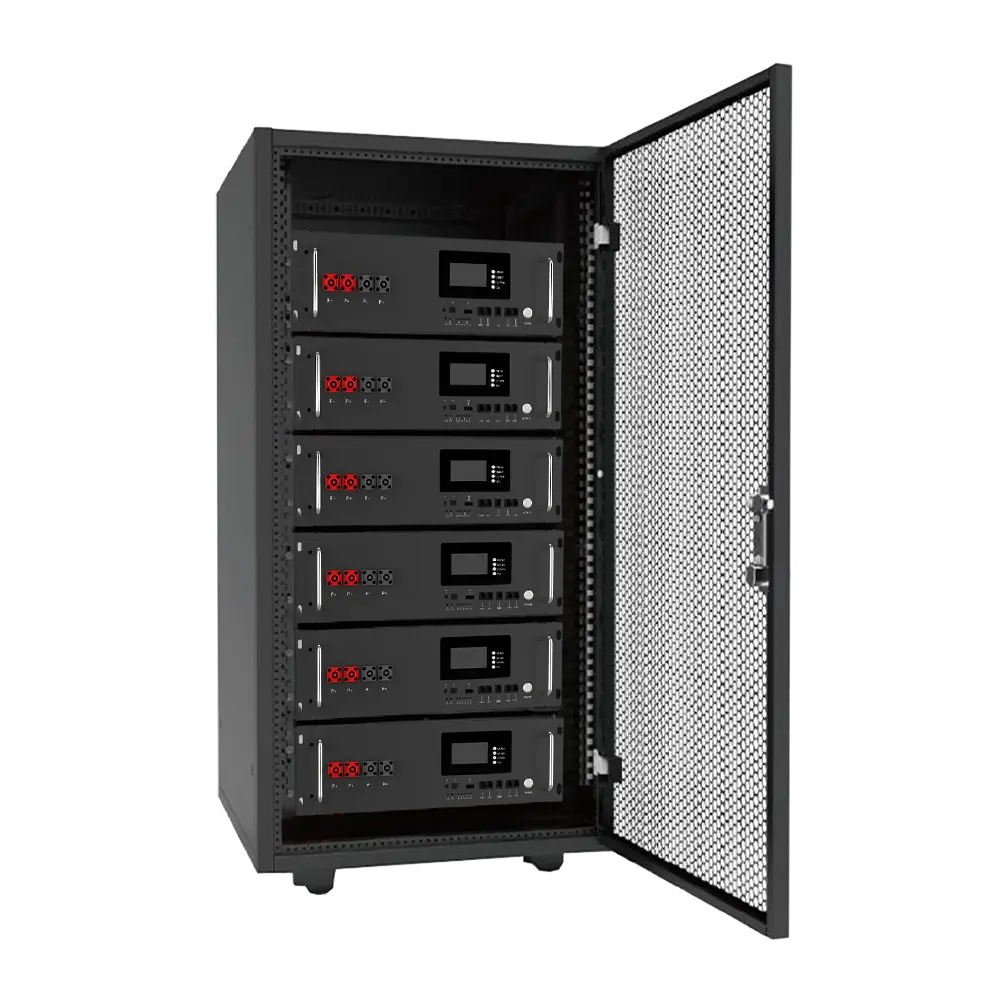
This technology is essential for homeowners who want to store excess solar energy for use at night or during power outages. By integrating a high-performance lithium solar battery, these inverters ensure seamless switching between grid power and backup power. Suppliers like SolarEdge and Tesla offer integrated solutions that streamline the connection between the PV array and the storage system, often improving overall round-trip efficiency.
Off-Grid and Pure Sine Wave Inverters
For projects completely disconnected from the utility grid, off-grid inverters are required. These units must simulate the clean, consistent power typically provided by the grid to ensure sensitive electronics (like computers and medical equipment) run safely. This is achieved through \”Pure Sine Wave\” technology.
Unlike modified sine wave inverters which produce \”blocky\” power signals, pure sine wave inverters deliver a smooth electrical wave. While grid-tied systems from suppliers like Enphase offer \”Sunlight Backup\” to run essentials without a battery during the day, true off-grid setups rely on robust inverters capable of handling heavy surge loads from pumps and motors without grid support.
Top Global Solar Power Inverter Suppliers and Brands
When sourcing equipment for a photovoltaic project, identifying the right solar power inverter suppliers is just as critical as selecting the panels themselves. The inverter is the \”brains\” of the operation, managing energy flow and ensuring safety. Through our experience in the industry, we have seen that a few key manufacturers consistently dominate the market due to their reliability, efficiency, and advanced software ecosystems.
Leading Manufacturers for Residential Solar Systems
For homeowners, the choice usually comes down to three major players, each offering a distinct approach to energy conversion. These brands focus heavily on integrating home energy solutions that allow for easy monitoring and future expansion.
- Enphase Energy: They are the undisputed leaders in micro inverters. Their IQ8 Series is revolutionary because it eliminates the single point of failure found in traditional systems. If one panel goes down, the rest keep working. A standout feature is their \”Sunlight Backup,\” which allows the system to provide power during grid outages even without a battery. They back their tech with a robust 25-year warranty.
- SolarEdge: This brand offers a middle ground using Power Optimizers. These devices attach to individual panels to maximize output—achieving up to 99% efficiency—but they send power to a central inverter. This setup is excellent for complex roofs and includes safety features like SafeDC™ to automatically reduce voltage during shutdowns.
- Tesla: Famous for their vertical integration, Tesla provides a sleek string inverter designed to work seamlessly with the Powerwall. While it is a string system, it includes integrated rapid shutdown and is ideal for homeowners who want a unified ecosystem for their comprehensive energy solutions.
Best Suppliers for Utility-Scale and Industrial Projects
When we scale up to larger projects, reliability and durability become the primary metrics. While many brands compete here, SMA stands out for its engineering pedigree.
- SMA (Sunny Boy): Known for German engineering, SMA focuses on reliability. Unlike the hardware-heavy approach of Enphase or SolarEdge, SMA uses a proprietary software called \”ShadeFix.\” This technology optimizes power output in shaded conditions without requiring additional electronics on the roof. This reduces the number of components that can fail, making it a favorite for projects where long-term maintenance needs to be minimized. Their standard warranty is 10 years, but it can be extended.
Cost-Effective Inverter Brands for Budget-Friendly Installs
Budget constraints are a reality for many projects. Generally, string inverters offer a lower upfront cost compared to microinverters or optimizer systems.
- Upfront vs. Long-Term Value: Brands like SMA offer a lower initial price point because you are installing one central unit rather than a microinverter on every panel. This makes them a solid choice for simple, unshaded roofs facing a single direction.
- ROI Considerations: While a string inverter system might be cheaper today, it is important to calculate the total return. If you are designing a 5kw power energy storage solar system for home, spending a bit more on high-efficiency microinverters might yield more power over the system\’s life, offsetting the initial savings of a cheaper string inverter.
Comparison of Top Suppliers:
| Brand | Technology Type | Key Feature | Standard Warranty |
|---|---|---|---|
| Enphase | Microinverters | Sunlight Backup & No Single Point of Failure | 25 Years |
| SolarEdge | Power Optimizers | 99% Efficiency & SafeDC™ | 12-25 Years |
| Tesla | String Inverter | Integrated Ecosystem & Sleek Design | 12.5 Years |
| SMA | String Inverter | ShadeFix Software & German Engineering | 10 Years |
Key Factors to Consider When Evaluating Inverter Suppliers
Selecting the right partner is just as critical as selecting the hardware itself. The inverter is the \”brain\” of your solar setup, and if it fails, your entire energy production stops. When vetting solar power inverter suppliers, I look beyond the initial price tag to ensure the manufacturer will be around to support the product for decades.
Financial Stability and Brand Reputation
Solar is a long-term investment, typically lasting 25 years or more. You need a supplier with the financial health to honor warranties down the road. If a manufacturer goes bankrupt, your warranty effectively disappears.
- Established History: Brands like SMA have a reputation built on German engineering and decades of reliability. They are a safe bet for standard string inverters.
- Ecosystem Integration: Companies like Tesla offer a vertically integrated experience. Their financial stability is tied to a massive global ecosystem, ensuring that their proprietary technology remains supported.
- Market Leaders: Enphase and SolarEdge dominate the residential market for a reason. Their massive install base provides a level of security that smaller, unproven brands cannot match.
Warranty Terms and After-Sales Support
The warranty is your primary protection against equipment failure. However, not all warranties are created equal. There is a distinct difference between the coverage offered for centralized string inverters versus distributed electronics like microinverters.
Understanding these terms helps in calculating the true long-term cost of solar battery backup systems and total ownership value.
| Inverter Type | Typical Brand | Standard Warranty | Notes |
|---|---|---|---|
| String Inverter | SMA, Tesla | 10 – 12.5 Years | Shorter lifespan due to high voltage heat exposure. |
| Power Optimizers | SolarEdge | 25 Years | Matches the lifespan of solar panels. |
| Microinverters | Enphase | 25 Years | Industry-leading coverage; low failure rates. |
Pro Tip: Always check if the supplier covers labor costs for replacements. Some warranties only cover the hardware, leaving you with a bill for the service call.
Product Monitoring Capabilities and Smart Features
Modern home energy solutions rely on data. You shouldn\’t have to guess if your system is working. Top-tier suppliers provide granular, app-based monitoring that allows you to see energy production in real-time.
- Granularity: Enphase and SolarEdge offer module-level monitoring. If one panel is shaded or dirty, you see it immediately. String inverters usually only show system-wide data.
- Safety Features: Look for integrated safety tech. SolarEdge’s SafeDC™ automatically drops voltage to safe levels during shutoffs, while Tesla includes integrated rapid shutdown compliance.
- Grid Independence: Advanced features like Enphase\’s \”Sunlight Backup\” allow the system to provide power during grid outages even without a battery, though adding battery energy storage system basics is always recommended for full autonomy.
How to Choose the Best Solar Inverter for Your Project
Selecting the right equipment from top solar power inverter suppliers is the most critical decision for your system\’s longevity. The inverter is the \”brain\” of your solar setup, managing power flow, safety, and grid interaction. I always advise prioritizing technical compatibility over brand loyalty to ensure maximum return on investment.
Matching Inverter Capacity to Solar Array Size
Sizing your inverter correctly ensures you aren\’t paying for capacity you can\’t use or bottling up potential energy. The relationship between your solar panel output (DC) and inverter capacity (AC) is key.
- Micro Inverters: With systems like the Enphase IQ8, sizing is simple because it happens at the panel level. You pair one microinverter with one panel, ensuring the microinverter\’s peak output matches the panel\’s production. This modular approach makes future expansion seamless.
- String Inverters: For centralized units like the SMA Sunny Boy or Tesla inverter, we often \”oversize\” the solar array. It is common to have a DC input that is 1.1 to 1.3 times the inverter\’s AC output. This ensures the inverter runs at peak efficiency for longer periods during the day.
Evaluating Efficiency Ratings and Performance Data
Efficiency determines how much generated solar power actually makes it into your home or battery. Leading solar power inverter suppliers now push boundaries to minimize conversion loss.
- Weighted Efficiency: Look for the CEC (California Energy Commission) weighted efficiency rating.
- Optimization Tech: String inverters typically hover around 96-97% efficiency. However, SolarEdge uses power optimizers to achieve up to 99% weighted efficiency. This technology conditions the power at the panel level before sending it to the central inverter, reducing losses significantly.
High efficiency is especially vital if you are integrating a China energy storage system to store excess power. A more efficient inverter means more energy reaches your battery bank, maximizing your backup capabilities during outages.
Selecting the Right Inverter for Roof vs. Ground Mounts
The physical layout of your property dictates which technology will perform best. Not all home energy solutions work for every site conditions.
| Scenario | Recommended Technology | Why It Works |
|---|---|---|
| Complex Roofs | Micro Inverters (Enphase) or Optimizers (SolarEdge) | If your roof has multiple angles or shade from trees, these technologies isolate each panel. One shaded panel won\’t drag down the performance of the entire array. |
| Simple Roofs | String Inverters (SMA, Tesla) | On a south-facing roof with zero shade, a string inverter is highly effective and costs less upfront. SMA’s \”ShadeFix\” can handle minor shading without extra hardware. |
| Ground Mounts | String Inverters | Ground mounts usually have perfect orientation and no shade. A centralized string inverter is the most robust and cost-effective choice here, offering easier maintenance access. |
For homeowners prioritizing aesthetics and integration, the Tesla inverter offers a sleek design that pairs natively with the Powerwall, while Enphase provides a decentralized architecture that eliminates single points of failure. Choose the architecture that solves your specific site challenges.
Frequently Asked Questions About Solar Inverters
When selecting equipment from solar power inverter suppliers, we often hear the same concerns regarding longevity and functionality. Understanding these basics ensures you aren\’t just buying hardware, but investing in a reliable long-term energy solution.
What is the Typical Lifespan of a Solar Inverter?
The lifespan of an inverter heavily depends on the technology type and the manufacturer\’s build quality. While solar panels are generally rated for 25 to 30 years, the inverter is the complex \”brain\” of the system and often has a shorter warranty period.
- String Inverters: Traditional options like Tesla and SMA typically come with standard warranties ranging from 10 to 12.5 years. It is common to replace a string inverter once during the life of the solar array.
- Microinverters & Optimizers: Premium components from suppliers like Enphase and SolarEdge are built to last as long as the panels themselves. These often carry 25-year warranties, aligning perfectly with the lifespan of the modules.
Inverter Longevity Comparison
| Inverter Type | Key Suppliers | Standard Warranty | Expected Replacement |
|---|---|---|---|
| String Inverter | Tesla, SMA | 10–12.5 Years | Once mid-system life |
| Power Optimizer | SolarEdge | 25 Years | Rare / None |
| Microinverter | Enphase | 25 Years | Rare / None |
Can a Solar Panel System Operate Without an Inverter?
No, a solar panel system cannot power a standard home without an inverter. Solar panels generate Direct Current (DC) electricity, but your home appliances and the utility grid operate on Alternating Current (AC).
The inverter is the critical gateway that converts this raw DC power into usable AC electricity. Without this conversion, the energy produced by your panels is incompatible with your lights, refrigerator, and HVAC system. Furthermore, advanced home energy solutions rely on the inverter to manage safety features, such as rapid shutdown requirements, ensuring the system de-energizes quickly in an emergency.
What is the Difference Between Grid-Tied and Off-Grid Inverters?
The primary difference lies in how the system interacts with the utility company and battery storage. Choosing the right type depends on your goal: total independence or financial savings through net metering.
- Grid-Tied Inverters: These are the most common and cost-effective. They synchronize with the utility grid, allowing you to sell excess power back. However, standard grid-tied string inverters will automatically shut down during a power outage for safety reasons unless paired with specific technology like Enphase\’s \”Sunlight Backup.\”
- Off-Grid and Hybrid Inverters: These are designed to work independently of the grid or manage battery backup. A robust energy storage system for solar power is required for these setups to store energy for night use or outages. Hybrid inverters are increasingly popular as they offer the flexibility to remain connected to the grid while managing a battery bank for security.