










Energy volatility is the new normal.
If you’re managing a commercial or industrial site, you already know that relying solely on the grid is getting more expensive and less reliable every year.
That’s why battery energy storage solutions (BESS) have moved from a \”nice-to-have\” to a core business strategy. In 2025, these systems are the key to renewable energy integration, grid independence, and massive cost savings.
In fact, with the recent energy storage cost reduction, the battery storage ROI for businesses has never been more compelling.
In this guide, you’ll learn exactly how to leverage lithium iron phosphate (LFP) technology, implement peak shaving solutions, and choose a modular energy storage system that scales with your needs.
Let’s dive right in.
Would you like me to expand on the \”Key Battery Chemistries\” section to compare LFP and NMC for your readers?
How Battery Energy Storage Systems Work
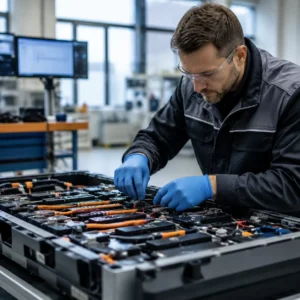
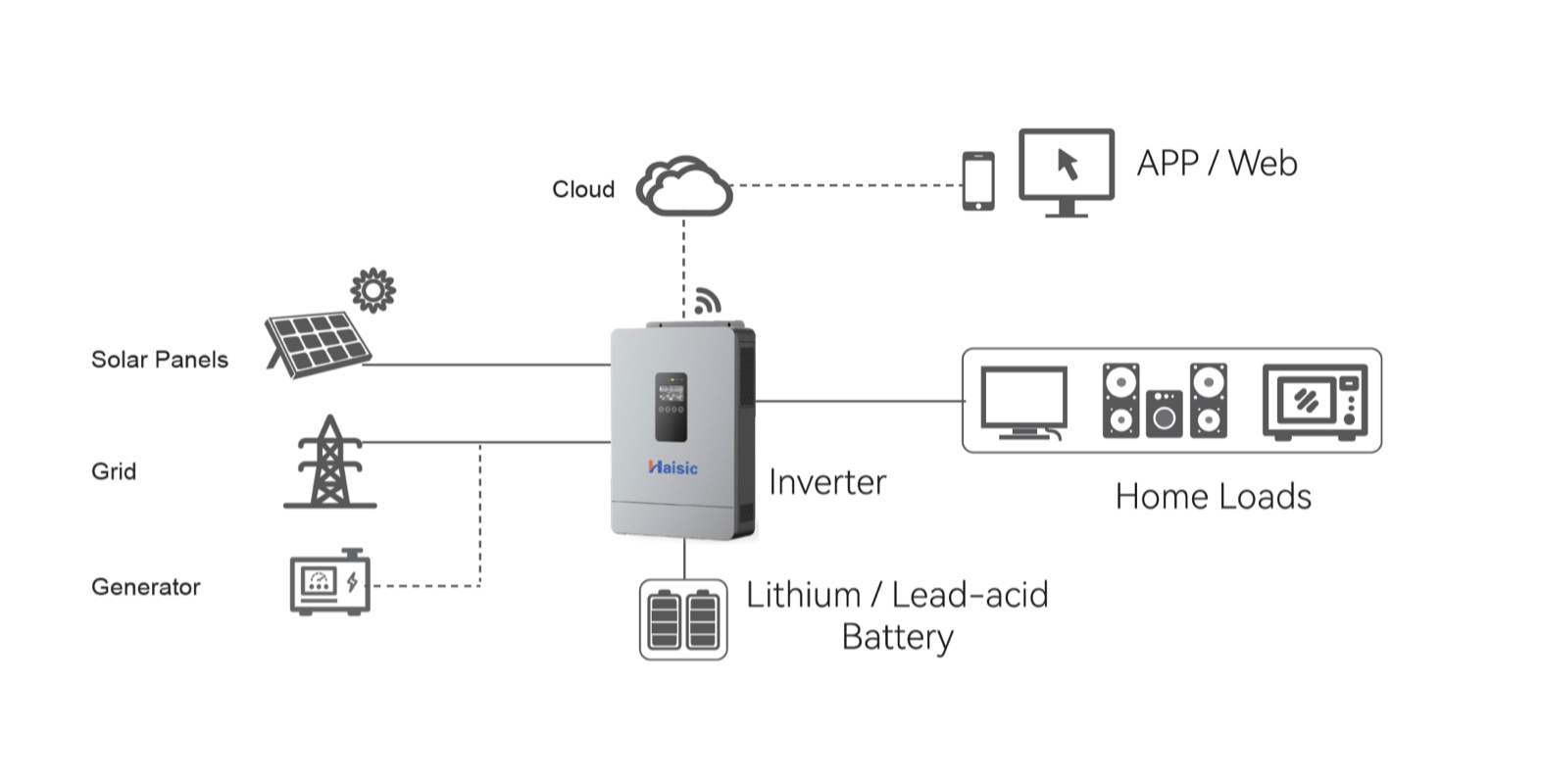
A battery energy storage solution is more than just a collection of cells; it is an intelligent ecosystem designed to capture, store, and dispatch electricity on demand. At its core, a Battery Energy Storage System (BESS) functions as a bidirectional bridge between energy generation and consumption.
The Core Components of a BESS
We integrate four critical subsystems to ensure our units operate with maximum efficiency and safety:
- Battery Modules: The physical housing for cells (typically LFP) that store chemical energy.
- Battery Management System (BMS): The \”brain\” of the system. It monitors voltage, temperature, and state of charge (SoC) to prevent overcharging or thermal runaway.
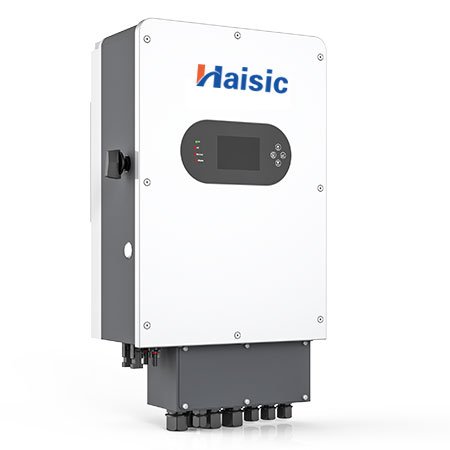
- Power Conversion System (PCS): A high-performance bidirectional inverter that converts AC from the grid into DC for storage, and vice versa for discharge.
- Energy Management System (EMS): The software layer that decides when to charge or discharge based on market prices or site demand.
The Charging and Discharging Process
The energy flow follows a seamless cycle to optimize your power usage:
- Charging Phase: During periods of low demand or high renewable production, the PCS draws AC power from the grid or solar panels, converts it to DC, and stores it in the battery modules.
- Storage: The BMS constantly balances the cells to maintain health and longevity.
- Discharging Phase: When peak prices hit or the grid fails, the stored DC energy is converted back to AC by the PCS and fed into your facility or the utility grid for energy arbitrage or peak shaving.
Comparison: BESS vs. Alternative Technologies
While other storage methods exist, a modular battery energy storage solution offers unmatched flexibility and response time.
| Feature | Battery Storage (BESS) | Pumped Hydro | Compressed Air (CAES) |
|---|---|---|---|
| Response Time | Milliseconds | Minutes | Minutes to Hours |
| Scalability | Highly Modular | Geographically Limited | Geographically Limited |
| Footprint | Compact / Containerized | Massive | Large / Underground |
| Efficiency | ~85% – 95% | ~70% – 80% | ~40% – 70% |
| Deployment | Rapid (Months) | Slow (Years/Decades) | Slow (Years) |
By leveraging grid-scale energy storage architecture, we provide a solution that is faster to deploy and easier to scale than traditional mechanical storage, making it the superior choice for modern commercial and utility applications.
Picking the Right Technology: Key Battery Chemistries
The chemistry inside a battery energy storage solution determines its safety, cost, and how many years it will last. We focus on selecting chemistries that balance performance with long-term ROI.
Lithium Iron Phosphate (LFP): The Industry Gold Standard
We favor Lithium Iron Phosphate (LFP) for most stationary applications. It is widely regarded for LFP battery safety, as it is chemically stable and significantly less prone to thermal runaway compared to other lithium-ion types.
- Longevity: LFP offers an exceptional cycle life, often handling 6,000+ cycles before noticeable capacity loss.
- Cost-Effectiveness: While slightly heavier than NMC, the lower material costs make it the best value for grid and commercial use.
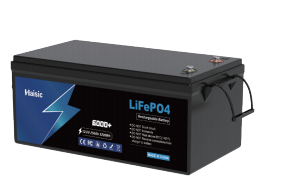
- Practical Example: For smaller, localized needs, using a haisic 12v 70ah lifepo4 deep cycle lithium battery brings this same industrial-grade stability to specialized equipment and backup systems.
Comparing LSI Technologies and Emerging Options
While LFP dominates, we monitor the entire landscape to ensure the right fit for specific energy needs:
- NMC (Nickel Manganese Cobalt): Offers higher energy density, making it better for electric vehicles where space is tight, but it lacks the safety profile of LFP for stationary storage.
- Flow Batteries: These are ideal for long-duration storage (8+ hours) because you can scale the energy capacity just by adding more electrolyte tanks.
- Sodium-Ion & Solid-State: These are emerging \”ones to watch.\” Sodium-ion promises even lower costs, while solid-state aims for ultimate safety, though both are still scaling toward mass commercial adoption.
Key Decision Factors for Your BESS
Choosing the right technology requires looking at these four critical metrics:
| Metric | Why It Matters |
|---|---|
| Cycle Life | Determines how many times you can charge/discharge before the battery dies. |
| Energy Density | How much power fits in a specific physical footprint. |
| Operating Temp | How well the battery performs in extreme heat or cold without extra cooling. |
| Degradation Rate | The speed at which the battery loses its ability to hold a full charge over time. |
By prioritizing Lithium Iron Phosphate, we ensure our customers get a reliable system that minimizes degradation rates and maximizes safety in any environment.
Versatile Applications of a Battery Energy Storage Solution
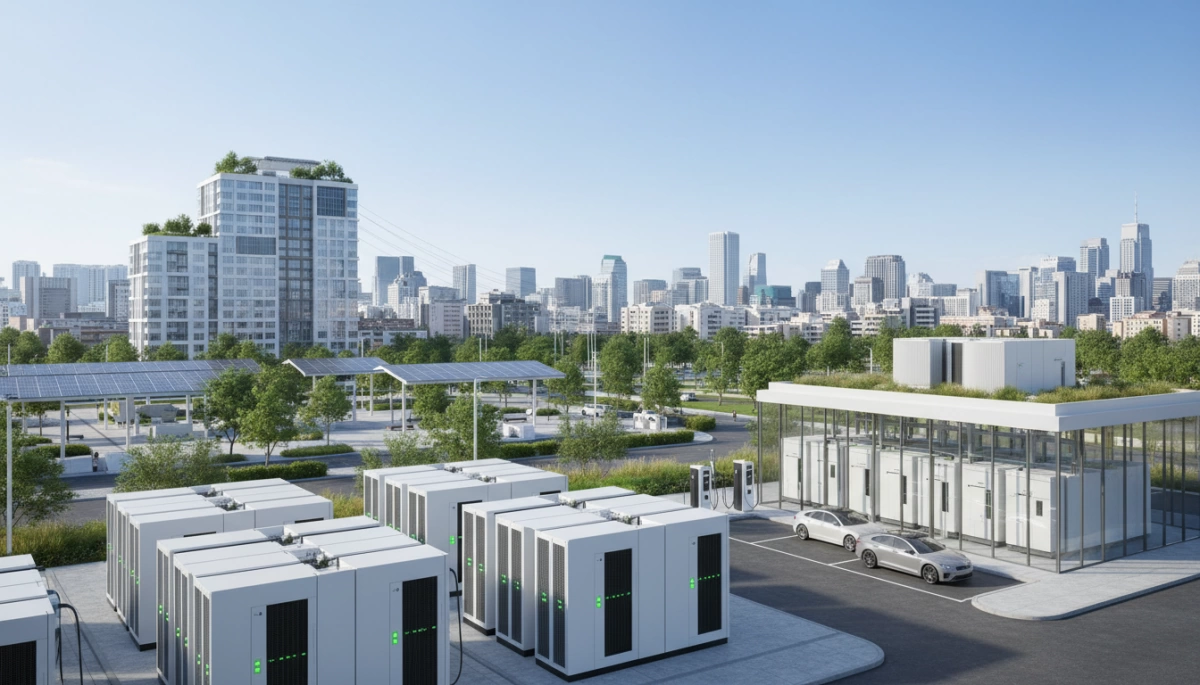
The flexibility of a battery energy storage solution allows it to serve different parts of the power grid. Whether we are stabilizing a national utility network or helping a factory lower its monthly bills, the application determines the configuration of the battery management system (BMS) and the choice of lithium iron phosphate battery cells.
Front-of-the-Meter (FTM): Utility-Scale BESS
Front-of-the-meter storage refers to systems connected directly to the distribution or transmission network. These utility-scale BESS installations act as a buffer for the grid, providing essential services that keep power flowing smoothly.
- Frequency Regulation: Instantly balancing supply and demand to maintain grid stability.
- Energy Arbitrage: Charging during low-cost periods and discharging when electricity prices peak.
- Renewable Energy Integration: \”Firming\” solar and wind power by storing excess generation for use when the sun goes down or the wind stops.
Behind-the-Meter (BTM): Commercial Battery Storage
For businesses and industrial facilities, behind-the-meter storage is about local control and cost management. Our Haisic 200kw industrial & commercial energy storage battery is a prime example of how companies can take charge of their energy expenses.
| Application | Primary Benefit | Goal |
|---|---|---|
| Peak Shaving | Reduces demand charges | Cut utility spikes |
| Self-Consumption | Maximizes solar usage | Lower carbon footprint |
| Backup Power | Ensures uptime | Business continuity |
Peak shaving solutions are particularly effective for factories with heavy machinery. By discharging the battery during high-load periods, businesses avoid the expensive \”demand charges\” set by utility companies.
Microgrids and Off-Grid Resilience
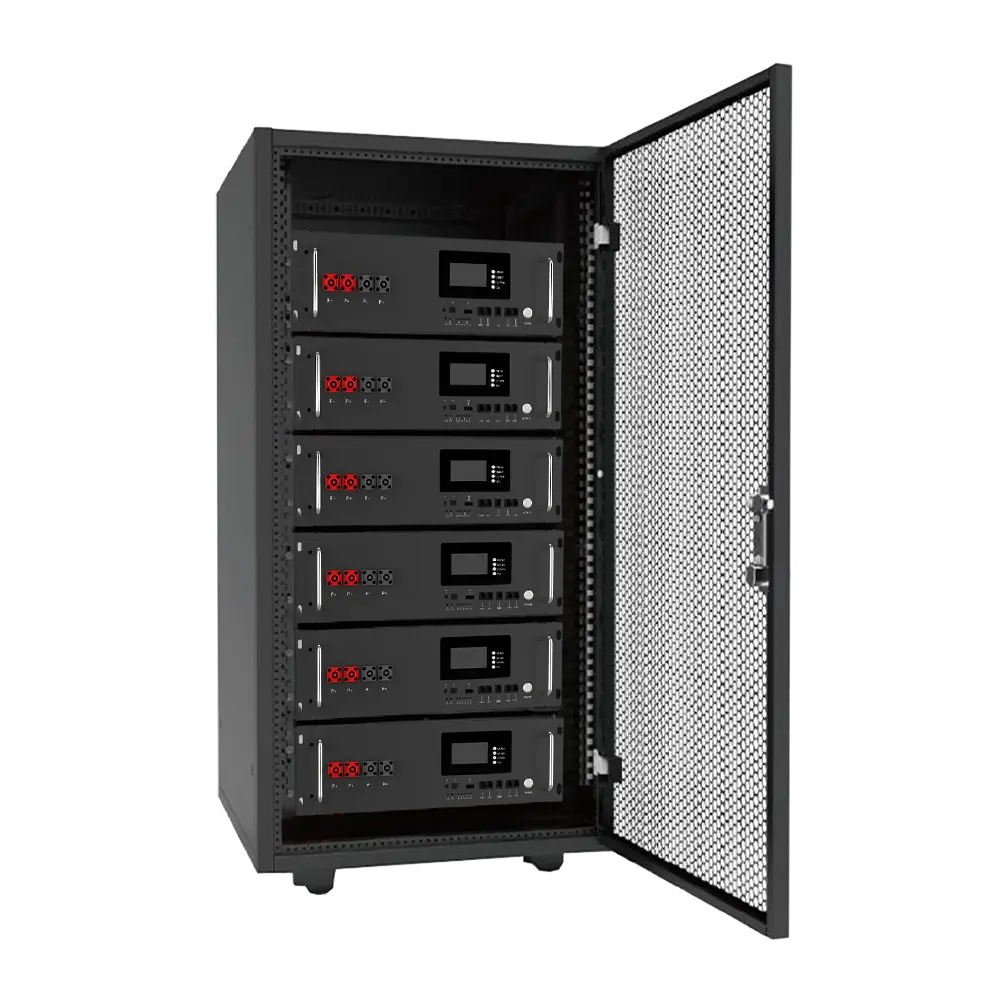
In remote areas or regions with unreliable infrastructure, our Haisic 100kwh containerized battery energy storage system provides total energy independence. These modular energy storage setups create self-sufficient microgrids that combine solar power with reliable grid-scale energy storage capacity.
- Energy Independence: Operating completely off the main grid.
- Resilience: Instant backup power for hospitals, data centers, and critical infrastructure.
- Localized Control: Managing energy flow within a specific campus or community.
Proven Deployment Examples
We have seen these systems transform operations across various sectors:
- Manufacturing: Using BTM storage to smooth out power quality and prevent equipment damage.
- Solar Farms: Transitioning from \”intermittent\” power to \”dispatchable\” power that can be sold to the grid 24/7.
- Remote Mining: Replacing expensive, polluting diesel generators with a hybrid solar and LFP battery safety focused storage system.
Strategic Benefits of a Battery Energy Storage Solution
Adopting a battery energy storage solution transforms how your business interacts with the grid. We help you move beyond being a passive consumer to becoming an active energy manager. Whether you are aiming for a better battery storage ROI or total operational resilience, the advantages are immediate and measurable.
Key Business Advantages at a Glance
| Benefit Category | Core Impact |
|---|---|
| Financial | Lowers demand charges and unlocks energy arbitrage opportunities. |
| Operational | Provides seamless backup power and stabilizes power quality. |
| Sustainability | Reduces carbon footprint through efficient renewable energy integration. |
| Risk Management | Shields operations from volatile energy prices and grid instability. |
- Maximized Financial Returns: By using peak shaving solutions, we help you avoid expensive utility rates during high-demand periods. Our high-capacity energy storage containers allow you to store cheap off-peak energy and deploy it when prices spike, significantly improving your bottom line.
- New Revenue Streams: Beyond simple savings, a well-managed battery energy storage system (BESS) can participate in grid services like frequency response markets. This turns your hardware into a proactive asset that generates recurring income.
- Operational Resilience: Protect your facility against unpredictable blackouts. A dedicated storage setup ensures your critical machinery and data centers stay running, preventing the massive costs associated with downtime.
- Sustainability & Compliance: Meet your corporate ESG goals with ease. By storing clean energy from onsite solar or wind, you ensure your commitment to a lower carbon footprint is backed by reliable, 24/7 power.
- Improved Power Quality: Our systems filter out voltage sags and surges, protecting sensitive electronic equipment and extending the lifespan of your industrial machinery.
Choosing the Right Battery Energy Storage Solution
Selecting a battery energy storage solution is a major decision for any operation. We focus on five core pillars to ensure you get a system that is safe, efficient, and future-proof.
Scalability and Modular Design
We design our systems for growth. A modular energy storage setup allows you to start with what you need today and scale up as your energy demands evolve. This flexibility protects your initial investment and prevents your hardware from becoming obsolete.
Safety and Thermal Management
Safety is our top priority. We focus heavily on LFP battery safety, incorporating multiple layers of protection to ensure stable operation:
- Thermal Management: Active cooling and heating to keep cells in the optimal temperature range.
- Fire Suppression: Integrated, automated systems for immediate risk mitigation.
- Certified Standards: Full compliance with international safety and performance certifications.
Seamless Integration and Performance
Your BESS must work perfectly with your existing solar, wind, or grid infrastructure. We prioritize seamless integration to maximize energy flow and maintain high power quality. Every system is backed by clear performance guarantees and warranties that cover the unit\’s expected lifespan.
Total Cost of Ownership (TCO)
The true value of a system goes far beyond the initial sticker price. To maximize your battery storage ROI, you must look at the cost of solar battery storage through the lens of its entire lifecycle.
| Factor | What to Consider |
|---|---|
| Installation | Complexity and compatibility with current site wiring. |
| Maintenance | Remote monitoring and periodic hardware checks. |
| Degradation | How much capacity remains after 5,000+ cycles. |
| End-of-Life | Responsibilities and costs for recycling battery modules. |
By calculating the total cost—including installation and maintenance—you ensure that your utility-scale BESS or commercial setup delivers genuine financial benefits for years to come.
Market Trends Shaping 2026 and Beyond
The landscape for any battery energy storage solution is shifting rapidly as we head into 2026. We are seeing a massive surge in global installations, driven by a significant energy storage cost reduction that makes large-scale adoption more viable than ever before.
Record Growth and Falling Costs
We’ve hit a tipping point where the economies of scale are slashing prices for utility-scale BESS and commercial units alike.
- Massive Deployment: Record-breaking capacity is being added to grids to manage renewable volatility.
- Affordability: Falling raw material costs for lithium iron phosphate batteries are passing directly to the end-user.
- Incentives: Governments are doubling down on tax credits and subsidies to accelerate energy independence.
Smart Tech and Predictive Analytics
The next generation of storage isn\’t just about hardware; it’s about intelligence. We are integrating AI-driven battery management systems (BMS) that use predictive analytics to anticipate grid demand and optimize charging cycles. This technology doesn\’t just improve performance; it significantly enhances LFP battery safety by monitoring cell health in real-time to prevent issues before they occur.
The Shift to Long-Duration Storage
While short-term frequency regulation was the initial focus, the market is now moving toward longer-duration and hybrid storage systems.
- Extended Discharge: A shift from 2-hour to 4-8 hour storage windows to support the grid overnight.
- Modular Energy Storage: Scalable designs allow businesses to start small and expand as their energy needs grow.
- Hybrid Integration: Seamlessly combining storage with existing solar and wind assets to create \”firm\” renewable energy.
As a leader in this space, we recognize that staying ahead means embracing these shifts toward smarter, more modular, and safer energy solutions that offer a faster battery storage ROI for every installation.
Why Choose Haisic as Your Battery Energy Storage Partner
At Haisic, we don\’t just supply hardware; we provide a complete battery energy storage solution designed for long-term reliability. We’ve built our reputation on manufacturing expertise, focusing exclusively on lithium iron phosphate battery technology. This ensures that every system we ship prioritizes safety, longevity, and a high battery storage ROI for our global partners.
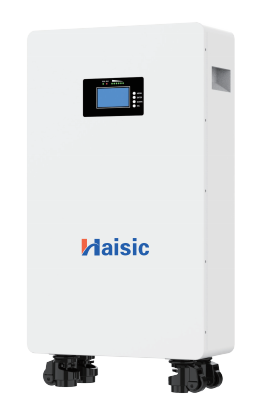
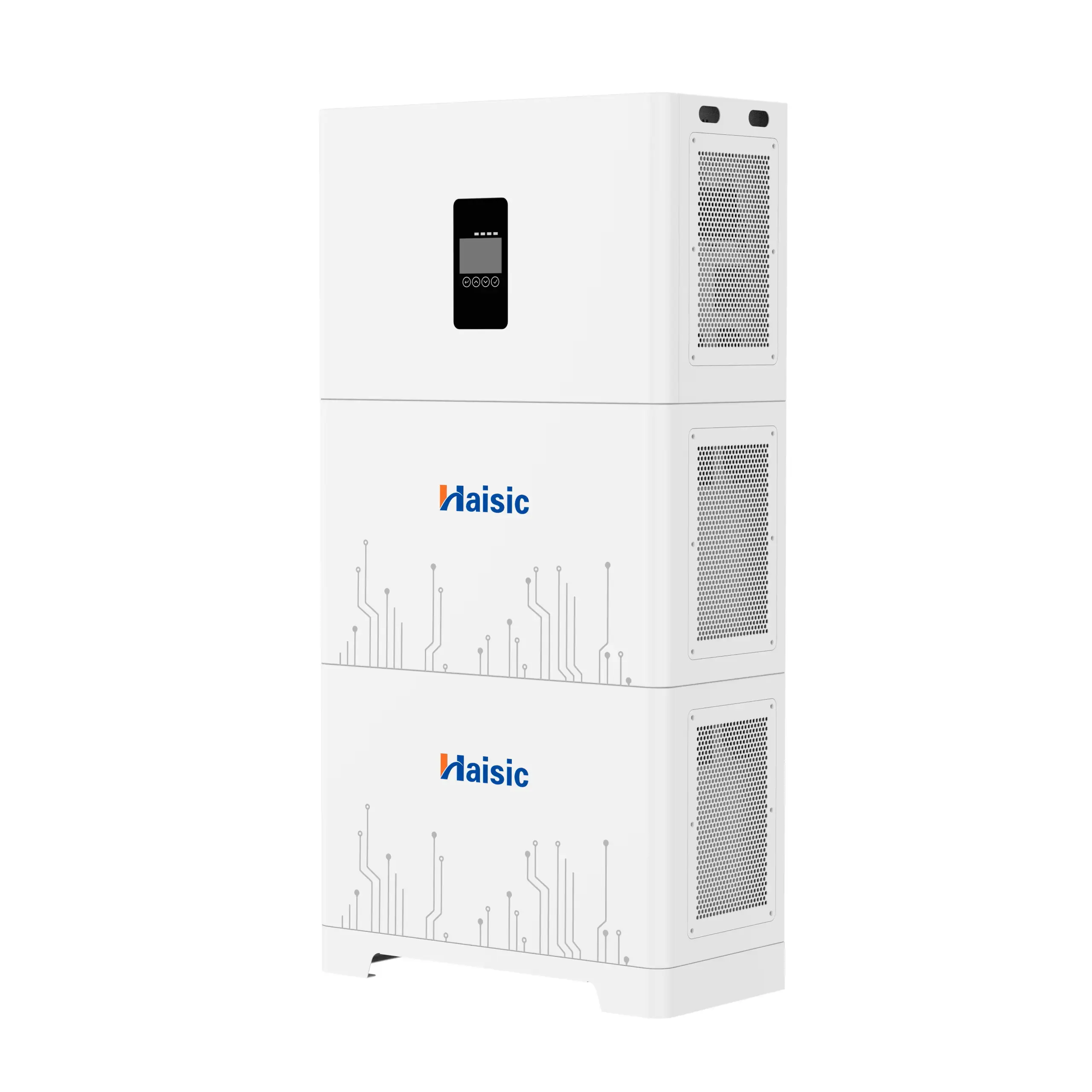
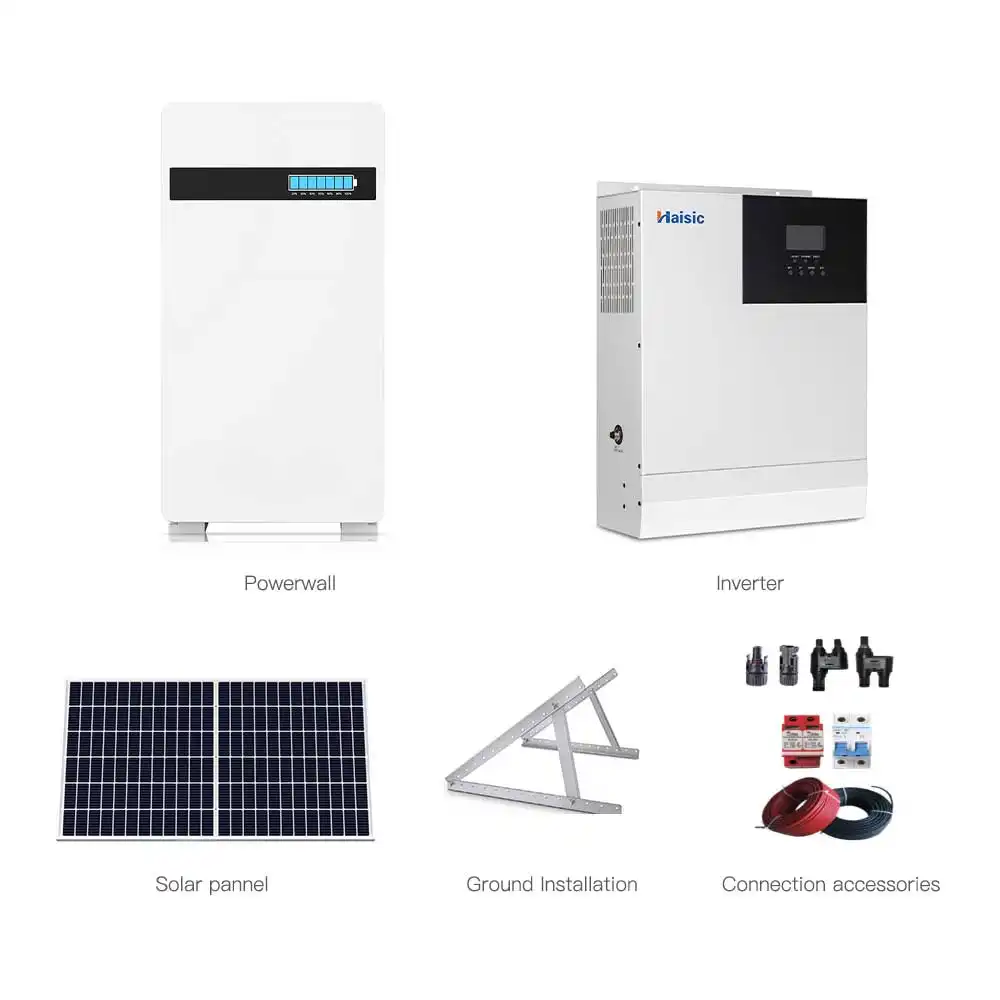
Whether you are looking to buy home battery storage for a residential project or need a robust industrial setup, our Haisic 32kWh all-in-one home energy storage system offers a plug-and-play experience that simplifies complex energy management.
The Haisic Advantage
- LFP Battery Safety: We use high-grade cells with superior thermal stability to prevent overheating and ensure a 10+ year lifespan.
- Customized Configurations: We understand that every grid is different. We offer modular designs that scale with your needs.
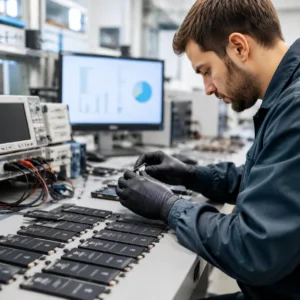
- Proven Manufacturing: Our facility utilizes automated assembly and rigorous stress testing to maintain consistent quality across all batches.
- Seamless Integration: Our systems, such as the high voltage 512V 20kWh LiFePO4 energy storage system, are engineered to work perfectly with existing solar arrays and smart grids.
Haisic Solution Overview
| Feature | Haisic LFP Systems | Standard NMC Systems |
|---|---|---|
| Safety Profile | Ultra-high thermal stability | Moderate risk of thermal runaway |
| Cycle Life | 6,000+ cycles | 2,000 – 3,000 cycles |
| Eco-Friendliness | Cobalt-free & recyclable | Contains heavy metals |
| Best For | Daily cycling & long-term ROI | Weight-sensitive mobile apps |
Results That Matter
We’ve successfully deployed battery storage solution projects across Europe, North America, and Southeast Asia. Our customers report a significant drop in peak-hour energy costs and total peace of mind during grid outages. From small-scale residential backups to large commercial grid-scale energy storage, Haisic delivers the power you can count on.