










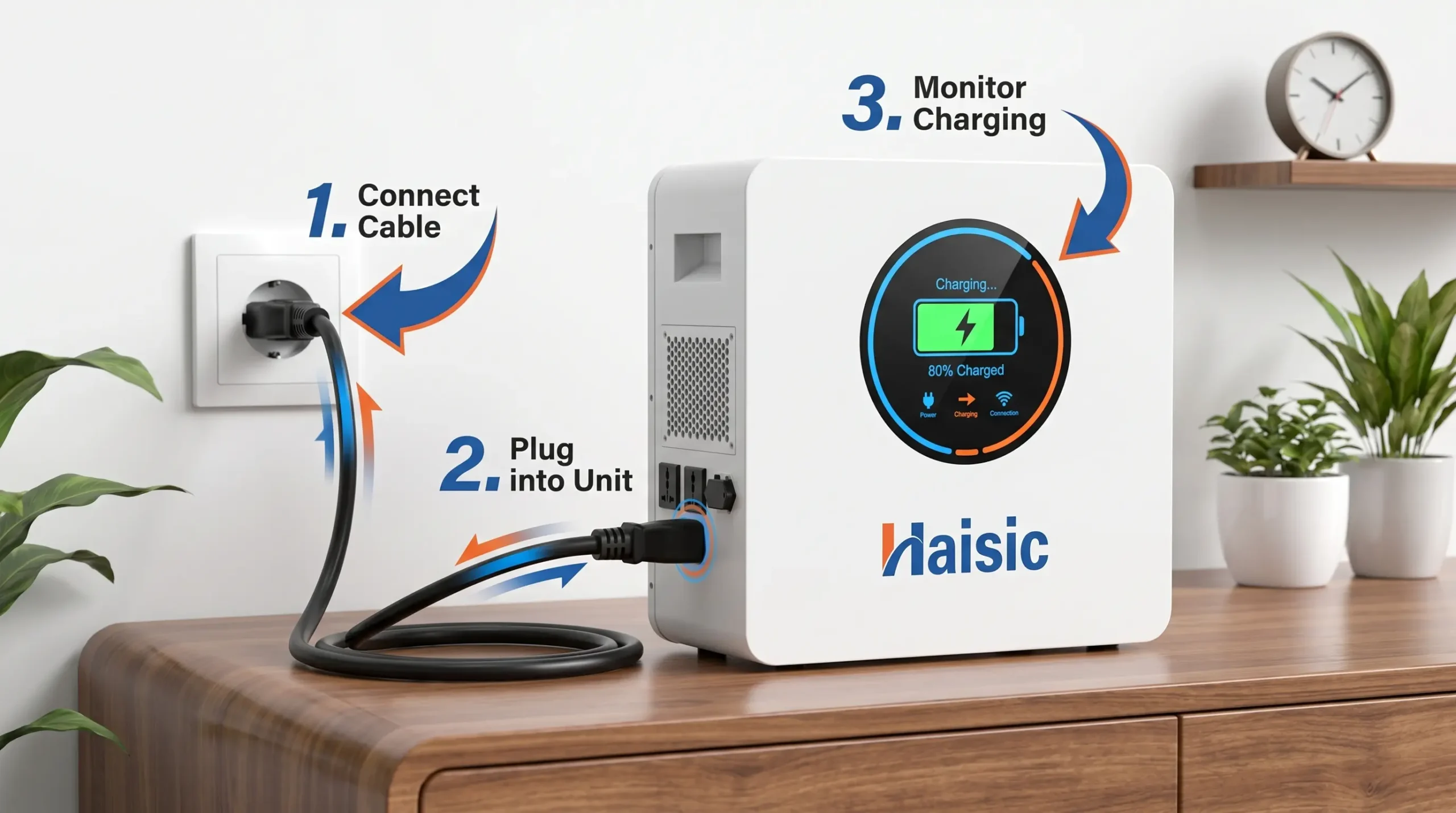
You might already know that figuring out exactly how to recharge a battery at home requires more than just plugging it into the nearest wall outlet…
But what is the safest, most effective way to do it without damaging your equipment?
Well, you\’re in for a treat because I\’ve put together the ultimate step-by-step guide.
Whether you are dealing with everyday household rechargeables, heavy-duty automotive batteries, or advanced Haisic home energy storage systems, using the correct charging method is crucial for your safety and your wallet.
In this post, you\’re going to learn exactly how to identify your battery chemistry, choose the right smart equipment, and avoid the dangerous mistakes that ruin battery lifespans.
So if you want to master your home power setup and keep your devices running efficiently for years to come, this guide is for you.
Let\’s dive right in.
Understanding Your Battery Type Before You Start
Before you learn how to recharge a battery at home, you must identify exactly what you are holding. Using the wrong charger or settings for a specific battery chemistry isn\’t just ineffective—it is dangerous. As a manufacturer, I’ve seen how improper identification leads to equipment failure, so your first step is always a thorough visual inspection of the battery label.
Disposable vs. Rechargeable: The Golden Rule
Never attempt to charge primary batteries, such as standard alkaline or zinc-carbon cells. These are designed for single use only. Attempting to force current back into a disposable battery will cause it to leak corrosive chemicals or explode. Only recharge batteries clearly labeled as \”Rechargeable.\”
Chemistry Matters: LiFePO4, Lead-Acid, and NiMH
Different batteries use different chemical reactions to store energy, and each requires a specific charging profile.
- Lithium Iron Phosphate (LiFePO4): These are the gold standard for modern home energy storage. They offer high energy density and extreme safety. They require a charger that supports a constant current/constant voltage (CC/CV) profile.
- Lead-Acid (AGM/Gel): Commonly found in cars and backup UPS systems. These are heavy and require multi-stage charging to prevent sulfation.
- Nickel-Metal Hydride (NiMH): Usually found in small household AA or AAA rechargeables. They are sensitive to heat and require \”smart\” chargers to avoid overcharging.
Identifying Voltage and Capacity Ratings
Check the manufacturer’s label for two critical numbers before you begin the charging process:
| Label Term | What it Means | Why it Matters |
|---|---|---|
| Voltage (V) | Electrical pressure | The charger voltage must match the battery voltage (e.g., 12V, 24V, or 48V). |
| Capacity (Ah/mAh) | Total energy storage | This determines how much current (Amperage) you should apply. |
Pro-Tip: Always verify the State of Charge (SoC) and the chemistry type printed on the casing. If the label is missing or unreadable, do not attempt to charge the battery at home; recycle it properly instead. Safety starts with knowing your equipment.
Essential Equipment for Home Battery Charging
As energy storage battery manufacturers, we know that learning how to recharge a battery at home safely and efficiently starts with having the right equipment. Using the correct tools not only protects your investment but also keeps your household safe.
Smart Chargers
A smart battery charger is the absolute gold standard for everyday use. These microprocessor-controlled devices actively read the battery\’s State of Charge (SoC) and adjust the power delivery automatically. This built-in overcharge protection ensures the charger stops pushing power the second your battery is full, preventing overheating and extending the overall lifespan of the unit.
Trickle Chargers
If you are maintaining a vehicle, boat, or seasonal backup unit, trickle charging is the perfect solution. These chargers deliver a low, steady amperage to keep batteries topped off over long periods. They are specifically designed to maintain the charge without boiling the internal fluids or degrading the battery chemistry.
Inverters and Integrated Systems
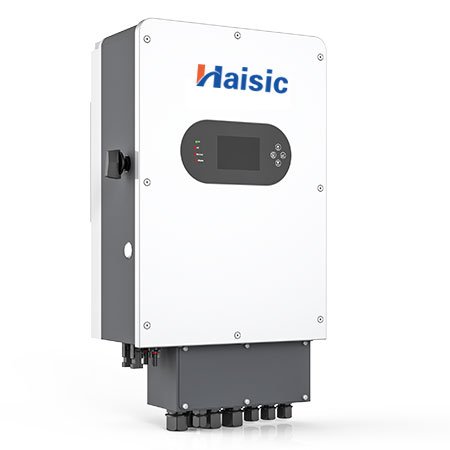
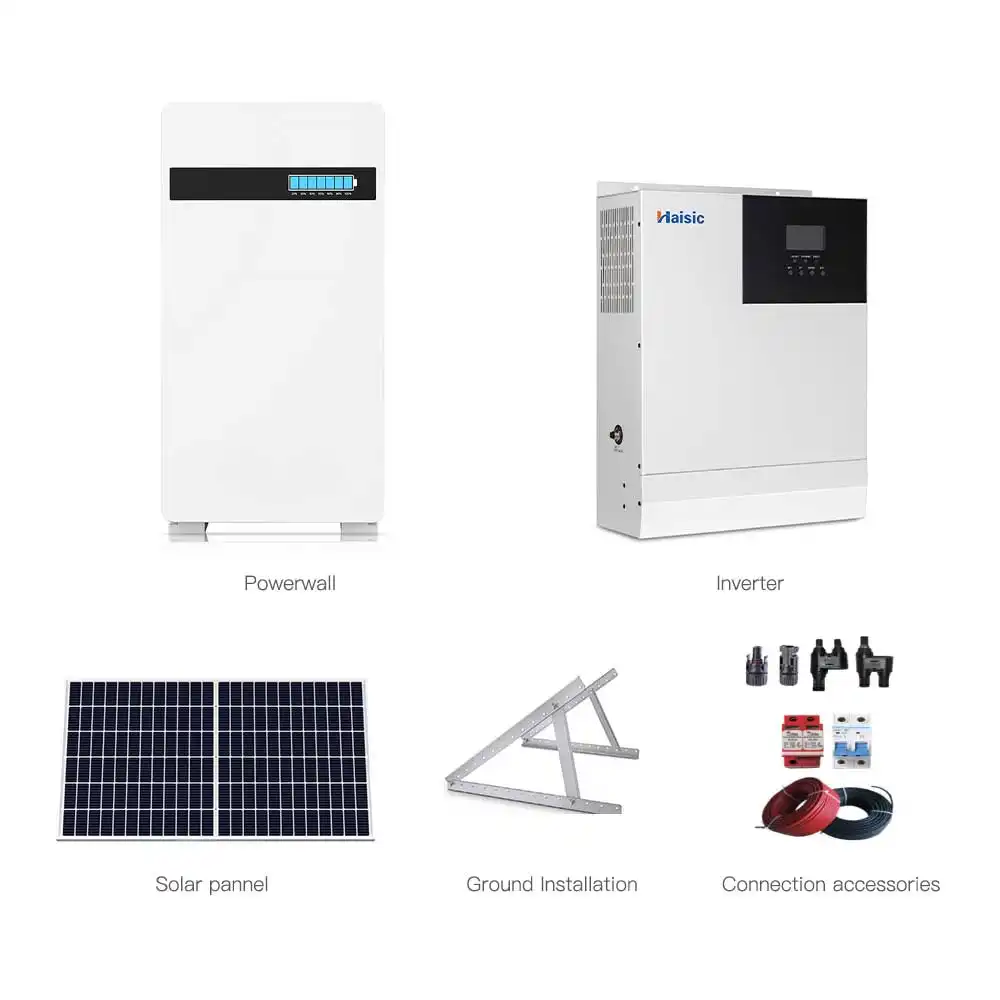
For whole-house setups, the charging process is largely automated. When you utilize a high-capacity lithium battery for solar power storage, the integrated hybrid inverter and Battery Management System (BMS) do the heavy lifting. They manage the self-charging cycle seamlessly by pulling energy directly from your solar array or the grid, ensuring optimal performance without requiring manual intervention.
Essential Safety Gear
Never cut corners on safety. Even with advanced smart technology, having basic protective gear on hand is non-negotiable:
- Insulated Gloves: Protects your hands against accidental shocks and exposure to terminal corrosion.
- Eye Protection: Safety goggles shield your eyes from potential sparks or unexpected chemical leaks.
- Fire-Safe Charging Bags: Highly recommended when charging smaller, loose lithium-ion cells to safely contain any potential thermal events.
Step-by-Step Guide: How to Recharge a Battery at Home
Recharging batteries at home requires a specific approach based on the battery chemistry and its intended use. Following the correct sequence ensures safety and maximizes the lifespan of your cells.
Small Household Rechargeables (AA, AAA, 18650)
For common household electronics, using a high-quality cradle charger is the most effective method.
- Select the Right Charger: Ensure the charger is compatible with the specific chemistry, such as NiMH or Li-ion.
- Avoid the Memory Effect: While modern NiMH batteries have largely eliminated \”memory effect,\” it is still best to avoid constant partial charges.
- Placement: Insert batteries according to the polarity (+/-) marked on the device. Smart chargers will automatically stop when the State of Charge (SoC) reaches 100%.
Automotive and Marine Batteries (Lead-Acid)
Charging a car or boat battery at home requires a dedicated automotive charger and a well-ventilated space.
- Clean Terminals: Remove any terminal corrosion with a wire brush before connecting.
- Connect the Leads: Always connect the Positive (Red) clamp first, followed by the Negative (Black) clamp.
- Set the Amperage: Use a lower amperage setting (2A to 4A) for a \”slow charge,\” which is healthier for the lead plates than a high-amp rapid charge.
- Monitor: If the battery casing becomes hot to the touch, stop charging immediately.
Home Energy Storage & Solar Batteries (LiFePO4)
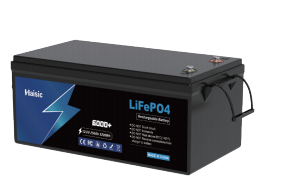
When managing larger systems, such as a haisic 12v 70ah lifepo4 deep cycle lithium battery, the process is often automated but requires correct configuration.
- BMS Oversight: Our Lithium Iron Phosphate batteries include an integrated Battery Management System (BMS) that protects against overcharging and balancing cells.
- Inverter Settings: If charging via a solar array or the grid, ensure your inverter or solar charge controller is set to the specific LiFePO4 voltage profile.
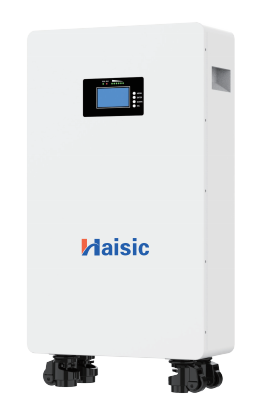
- Grid-Tie Charging: For home backup, a wall mounted 51.2v 100ah 5kwh system can be programmed to recharge during off-peak hours to reduce energy costs.
| Battery Type | Recommended Charger | Key Safety Step |
|---|---|---|
| AA/AAA (NiMH) | Smart Cradle Charger | Check for heat buildup |
| 18650 (Li-ion) | Dedicated Li-ion Charger | Never leave unattended |
| Car (Lead-Acid) | 12V Smart/Trickle Charger | Ensure proper ventilation |
| Solar (LiFePO4) | LiFePO4 Compatible Inverter | Verify BMS communication |
Recharging at home is straightforward as long as you match the charger to the battery chemistry and respect the voltage limits of the pack. Always prioritize smart chargers that offer automatic shut-off to prevent thermal issues.
Advanced Methods: Recharging via Renewable Energy
To truly master how to recharge a battery at home, you should look beyond the standard wall outlet. Integrating renewable sources and smart timing can significantly lower your costs while keeping your backup systems ready.
Portable Solar Panel Setup
Using solar energy is one of the most efficient ways to maintain batteries without relying on the grid. For small to medium setups, a portable solar panel paired with a solar charge controller is essential. This controller acts as a voltage regulator, preventing the panel from pushing too much current into the battery and causing damage.
- Placement: Position panels in direct sunlight, ideally at a 30-45 degree angle.
- Connection: Connect the controller to the battery first, then the panel to the controller.
- Monitoring: Watch the State of Charge (SoC) on the controller display to ensure a steady intake.
Off-Peak Grid Charging
If you use a domestic battery energy storage system, you can save money by \”time-shifting\” your energy usage. Most utility companies offer lower rates during the night or early morning. By programming your system to recharge during these off-peak hours, you store cheap electricity for use during expensive peak periods.
- Automation: Use a smart inverter to schedule charging blocks automatically.
- Efficiency: This method reduces strain on the local grid and ensures your renewable energy storage remains at 100% capacity before the sun even rises.
- Cost Management: Check your local utility\’s rate schedule to pinpoint the exact hours when electricity is most affordable.
Critical Safety Precautions & Common Mistakes
Safety is my top priority when teaching people how to recharge a battery at home. Even with the best equipment, neglecting basic safety protocols can lead to permanent hardware damage or hazardous situations. Understanding the limits of your power source is the first step toward successful maintenance.
Avoiding Thermal Runaway
Thermal runaway is a chain reaction where a battery\’s temperature rises uncontrollably. This is most common in lithium-based cells if they are damaged or overcharged.
- Watch for Swelling: If the battery casing looks bloated or deformed, stop charging immediately.
- Feel the Heat: A battery should be warm, but never hot to the touch. If it smells like chemicals or \”sweet\” smoke, disconnect the power.
- BMS Protection: Always use batteries with a high-quality Battery Management System (BMS) to monitor cell health in real-time.
Proper Ventilation and Gas Risks
When handling lead-acid maintenance, airflow is non-negotiable. These batteries can release hydrogen gas during the final stages of charging.
- Never charge in sealed boxes: Ensure there is a cross-breeze to dissipate gases.
- Spark Prevention: Connect your charger clamps before plugging the charger into the wall to avoid sparks near the battery terminals.
The Dangers of Overcharging
Using \”dumb\” chargers without an automatic shut-off is a recipe for disaster. Constant current without a voltage regulator will cook the electrolyte and ruin the internal plates. For large-scale setups, I recommend integrated ESS battery storage solutions that automatically transition to a \”float\” mode once the state of charge hits 100%.
Ideal Storage and Charging Environment
Temperature significantly impacts how a battery accepts a charge.
- Avoid Extreme Cold: Charging a lithium battery in sub-freezing temperatures can cause permanent \”lithium plating,\” which short-circuits the cell.
- Avoid Extreme Heat: High ambient heat accelerates chemical degradation.
- The Sweet Spot: Aim for a dry, room-temperature environment (around 20°C to 25°C) for maximum efficiency and longevity.
How to Tell When Your Battery is Fully Charged
Knowing exactly when your power unit has reached maximum capacity is a critical part of learning how to recharge a battery at home safely. Guesswork leads to damaged cells or unexpected power loss. Here are the most reliable ways to confirm a full charge.
Reading LED Indicator Lights
Most modern smart chargers and energy systems come with built-in visual cues.
- Solid Green: Typically indicates the battery has reached a 100% State of Charge (SoC).
- Blinking Lights: Usually means the battery is actively charging or balancing cells.
- Red or Yellow: Often points to a fault, high temperatures, or a deeply discharged state. Always consult your equipment\’s manual, as specific color codes vary by manufacturer.
Using a Multimeter to Check Resting Voltage
For absolute precision, multimeter testing is the industry standard. Disconnect the charger and let the battery rest for at least two to four hours to remove the surface charge.
- A fully charged 12V lead-acid battery will show a resting voltage of 12.6V to 12.8V.
- A fully charged 12V Lithium Iron Phosphate (LiFePO4) battery will read much higher, typically between 13.3V and 13.6V.
Understanding these distinct voltage profiles is a key factor when evaluating are Li-ion or lead-acid batteries better for home energy storage for your specific household needs.
Understanding the Float Stage
If you are using a high-quality multi-stage charger, the device will automatically let you know when the heavy lifting is done. Once the battery hits full capacity, the charger shifts into the Float stage. During this phase, the voltage regulator drops the output to a safe maintenance level. It supplies just enough current to counter natural self-discharge, keeping the battery topped off without the risk of overcharge damage.
Maintenance Tips to Extend Battery Lifespan
Learning exactly how to recharge a battery at home is only half the battle. To protect your investment and maximize energy density over time, you need a solid maintenance routine. Here is how we keep our power units running strong for years.
The 20-80% Rule for Lithium Longevity
For modern lithium-based units, managing your State of Charge (SoC) is critical. Try to keep the battery level between 20% and 80% during regular use. Pushing it to a full 100% or draining it to zero every single time puts unnecessary stress on the internal cells. When operating a robust 12.8V LiFePO4 battery pack, sticking to this simple rule significantly extends its cycle life, while the built-in Battery Management System (BMS) handles the heavy lifting for daily overcharge protection.
Prevent Terminal Corrosion
Dirty connections ruin charging efficiency. Terminal corrosion acts as a physical barrier, forcing your smart battery charger to work harder and potentially misread the resting voltage.
- Visual Checks: Inspect the battery terminals monthly for white or blue powdery buildup.
- Proper Cleaning: For standard lead-acid maintenance, scrub the posts with a wire brush and a simple mix of baking soda and water.
- Protection: Wipe the area completely dry and apply a thin layer of dielectric grease to block future moisture.
Update Your Smart Systems
Today\’s renewable energy storage units rely heavily on advanced software. As an ISO-certified energy storage system manufacturer, we constantly refine the software that controls charging algorithms. Regularly checking for and installing firmware updates on your smart energy storage systems ensures that the voltage regulator, solar charge controller, and internal BMS are always operating with the latest safety and efficiency protocols.
Frequently Asked Questions (FAQs)
Can I recharge a completely dead car battery at home?
Yes, you can, but success depends on the battery\’s overall health and how long it has been dead. When figuring out how to recharge a battery at home that is completely flat, the right equipment is crucial.
- Use a smart battery charger: These advanced chargers can assess the State of Charge (SoC) and apply a slow, controlled pulse to revive deeply discharged cells.
- Trickle charging: A slow, steady charge is much safer and more effective for a dead lead-acid battery than blasting it with high amps.
How long does it take to recharge a lithium-ion battery?
The charging timeline depends entirely on the battery\’s capacity and your charger\’s amperage settings.
- Small electronics: Typically require 1 to 3 hours.
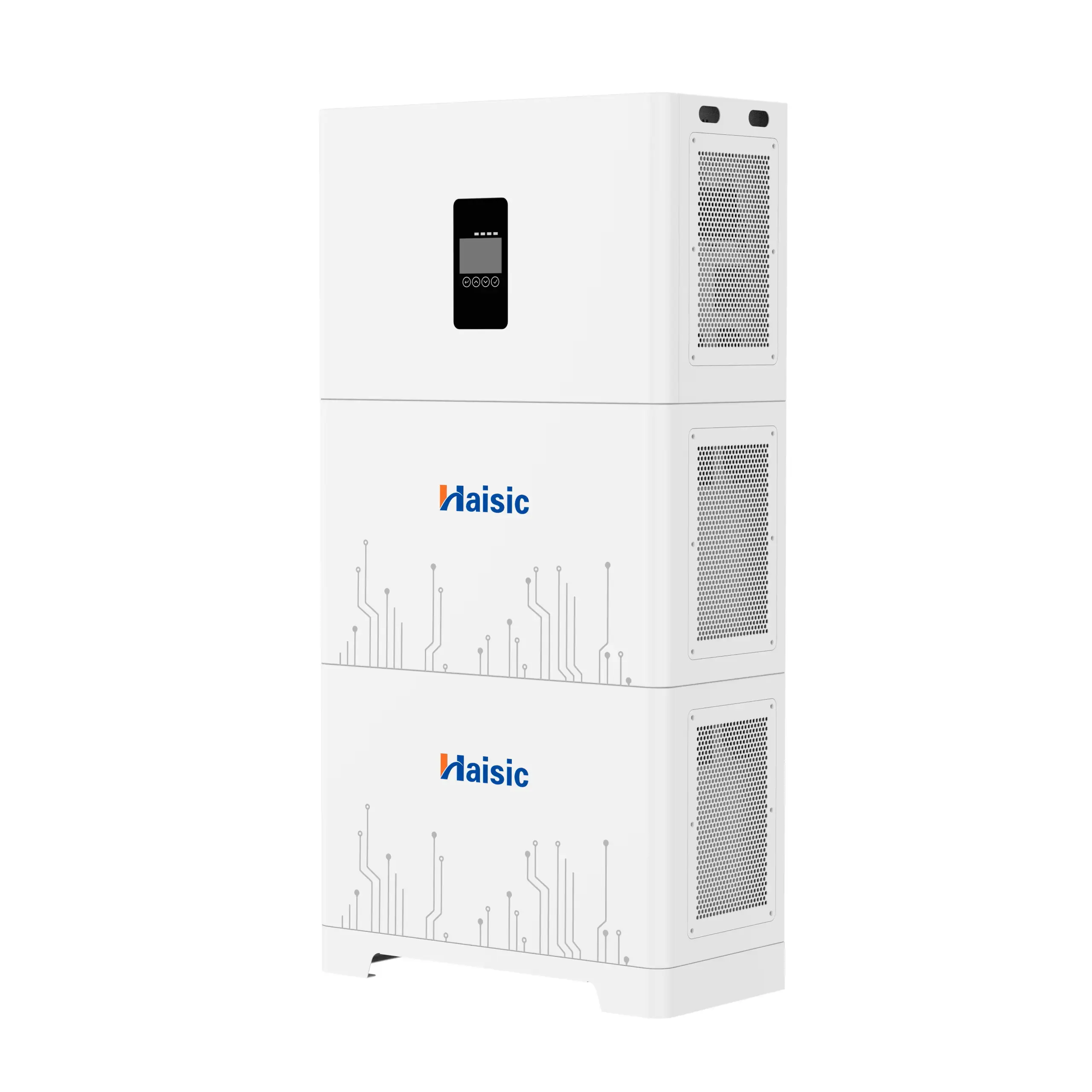
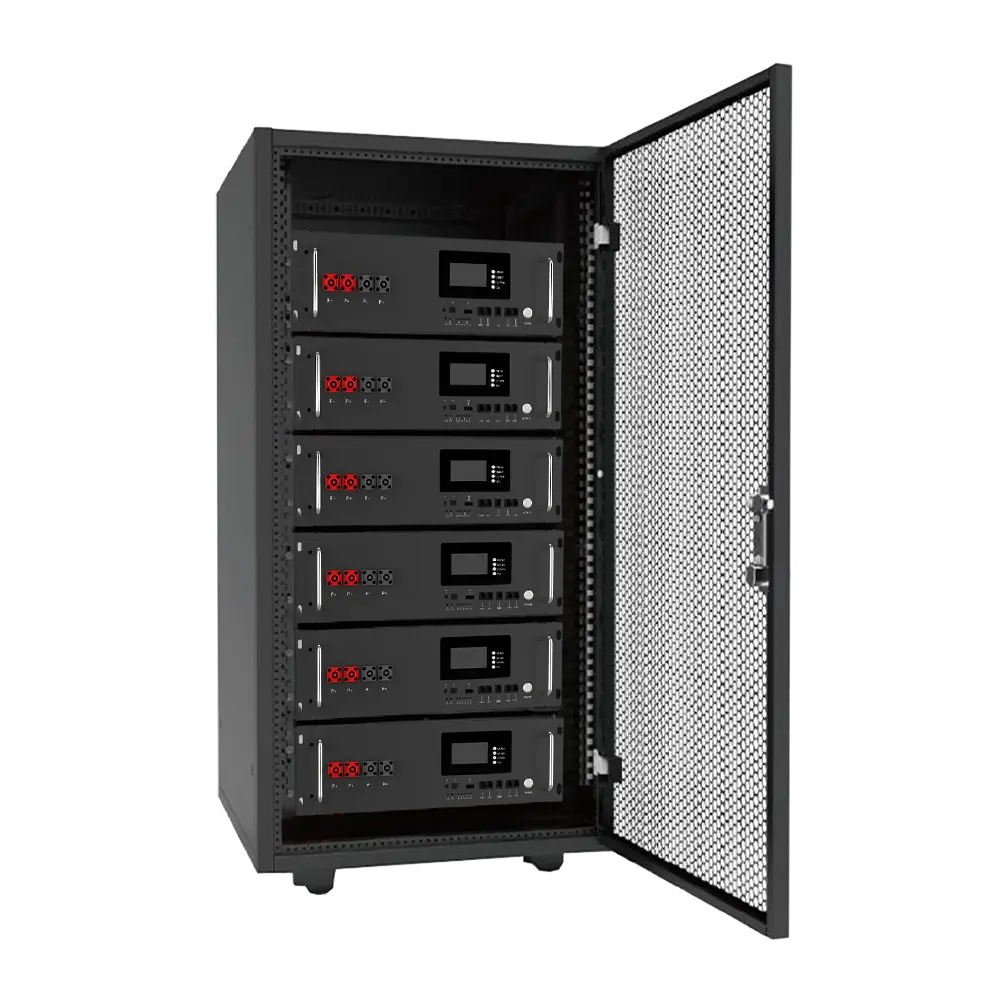
- Home energy systems: A robust high-volt stacked 20kWh energy storage system usually takes 2 to 4 hours to reach full capacity when connected to a proper grid or solar setup. The integrated Battery Management System (BMS) regulates the energy flow to maximize charging speed without degrading the cells.
Is it safe to leave a battery charging overnight unattended?
It is safe as long as you are using modern, high-quality equipment.
- Overcharge protection: Today\’s smart chargers and renewable energy storage systems automatically cut off power or switch to a safe float mode once the battery hits 100%.
- Safety first: Never leave cheap, uncertified chargers plugged in overnight. Always ensure your charging environment is well-ventilated, away from flammable materials, and kept at a moderate temperature.