











What is a Home Battery Energy Storage System (BESS)?
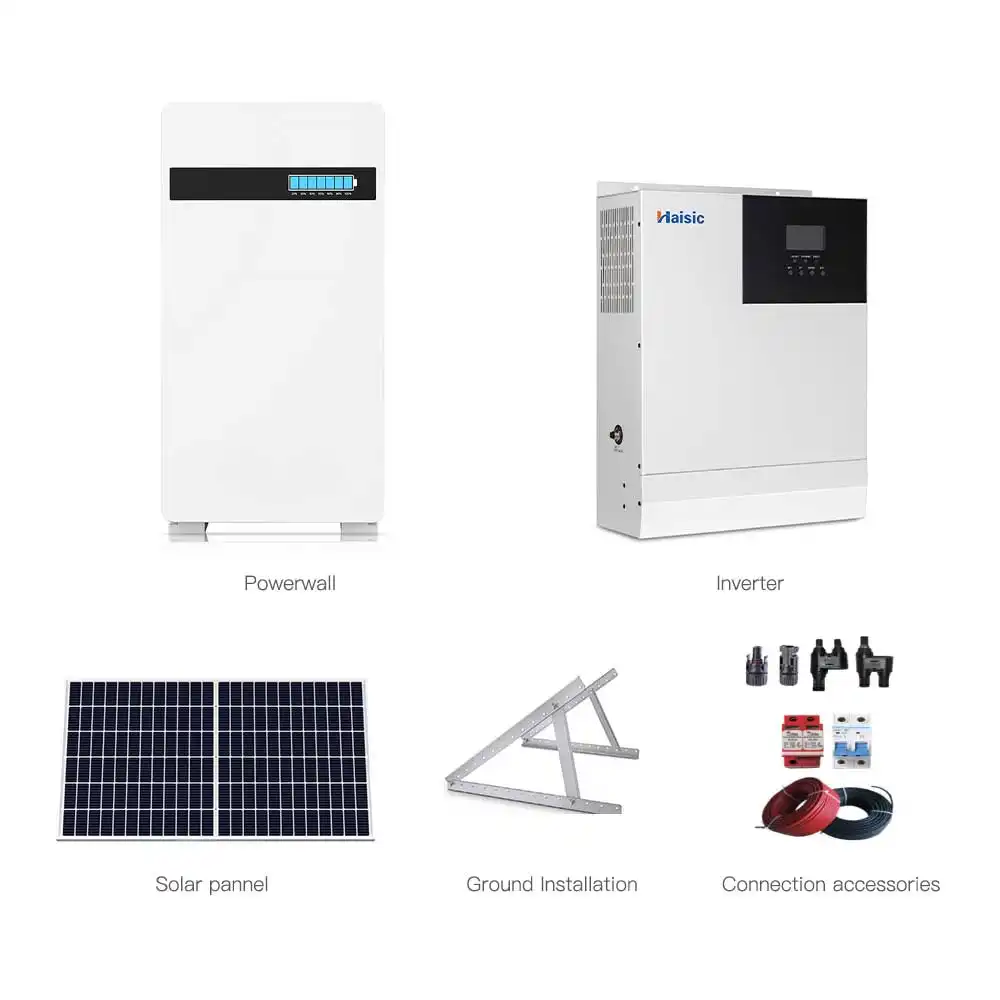
A Home Battery Energy Storage System (BESS) is a technology solution that allows homeowners to store electricity for later use. Unlike simple standalone batteries, a BESS is an integrated ecosystem designed to maximize energy efficiency and reliability. While historically associated with off-grid living, modern systems are increasingly paired with grid-tied solar installations to provide resilience against blackouts and manage electricity costs.
How Home Solar Batteries Work
The fundamental operation of a home battery revolves around managing the flow of energy between your solar panels, the electrical grid, and your home appliances.
- Generation: Solar panels convert sunlight into direct current (DC) electricity.
- Conversion: An inverter converts this DC electricity into alternating current (AC) for immediate home use.
- Storage: Excess energy not consumed immediately is directed to the battery bank rather than being sent back to the grid.
- Discharge: During the evening or a power outage, the battery discharges stored energy to power essential circuits, ensuring continuous operation without grid reliance.
Key Components: Cells, Inverters, and Management Systems
A robust energy storage system relies on three critical hardware elements working in unison:
- Battery Cells: The core chemical units that store energy. Common chemistries include Lithium-ion (NMC or LFP) for high efficiency and Lead-Acid for budget-conscious setups.
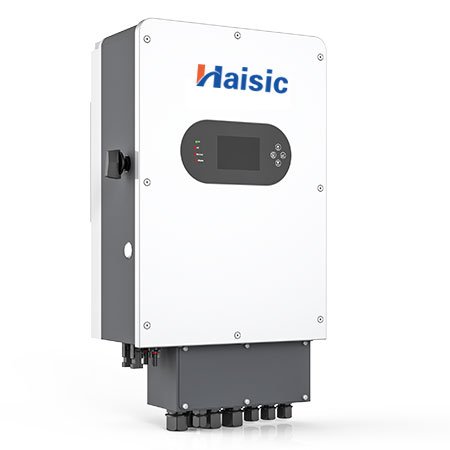
- Inverter: This device dictates the Power Rating (kW), determining how much electricity can be delivered at once. It converts the battery\’s DC power into usable AC power for the home.
- Battery Management System (BMS): The \”brain\” of the unit. It monitors temperature, voltage, and current to ensure safety, optimize the Depth of Discharge (DoD), and prolong the system\’s lifespan.
The Role of Batteries in Modern Energy Independence
The primary driver for adopting energy storage systems is the pursuit of energy independence. Modern batteries transform a standard solar setup into a reliable 24/7 power source.
- Backup Power: In the event of a grid failure, the battery automatically isolates from the utility line and creates a microgrid, keeping lights and refrigerators running.
- Cost Management: Systems can be programmed to discharge during peak utility rate hours (Time-of-Use), significantly lowering monthly bills.
- Carbon Footprint: By storing and using your own clean solar energy rather than drawing from the grid at night, you maximize the environmental benefits of your renewable investment.
Benefits of Installing a Home Battery System
Choosing the right type of home battery transforms how you manage energy. It is no longer just about having solar panels; it is about gaining control over when and how you use that power. We see a massive shift from simple grid-tied setups to comprehensive storage solutions that offer independence and financial savings.
Emergency Backup Power During Outages
The most immediate benefit of an energy storage system is security. When the grid goes down due to storms or technical failures, your home remains operational. Unlike noisy gas generators, a battery system provides silent, seamless backup power.
- Instant Switch: Your lights and essential appliances stay on without interruption.
- Independence: You are not reliant on the utility company to restore service immediately.
- Peace of Mind: Protects sensitive electronics and keeps food from spoiling in the fridge.
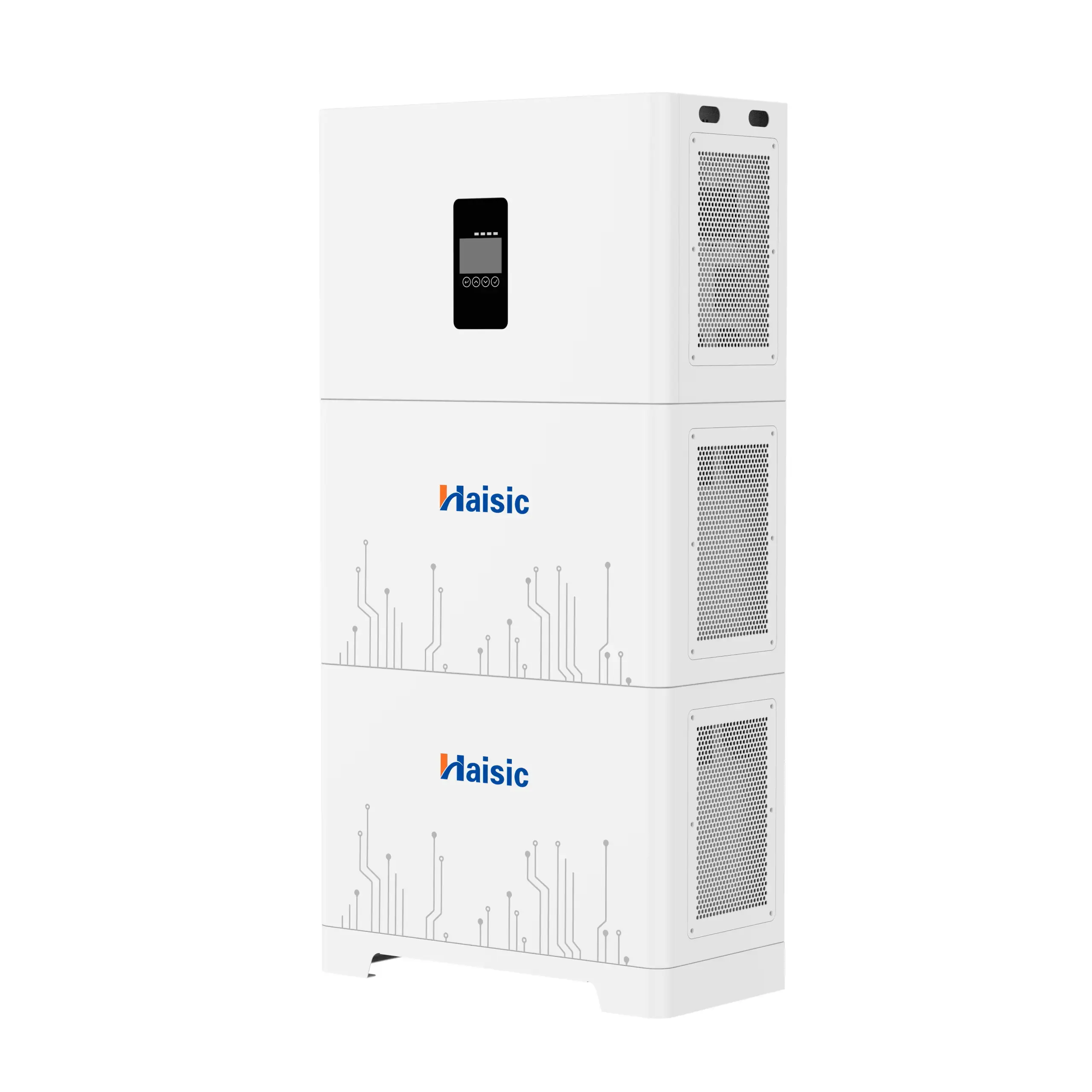
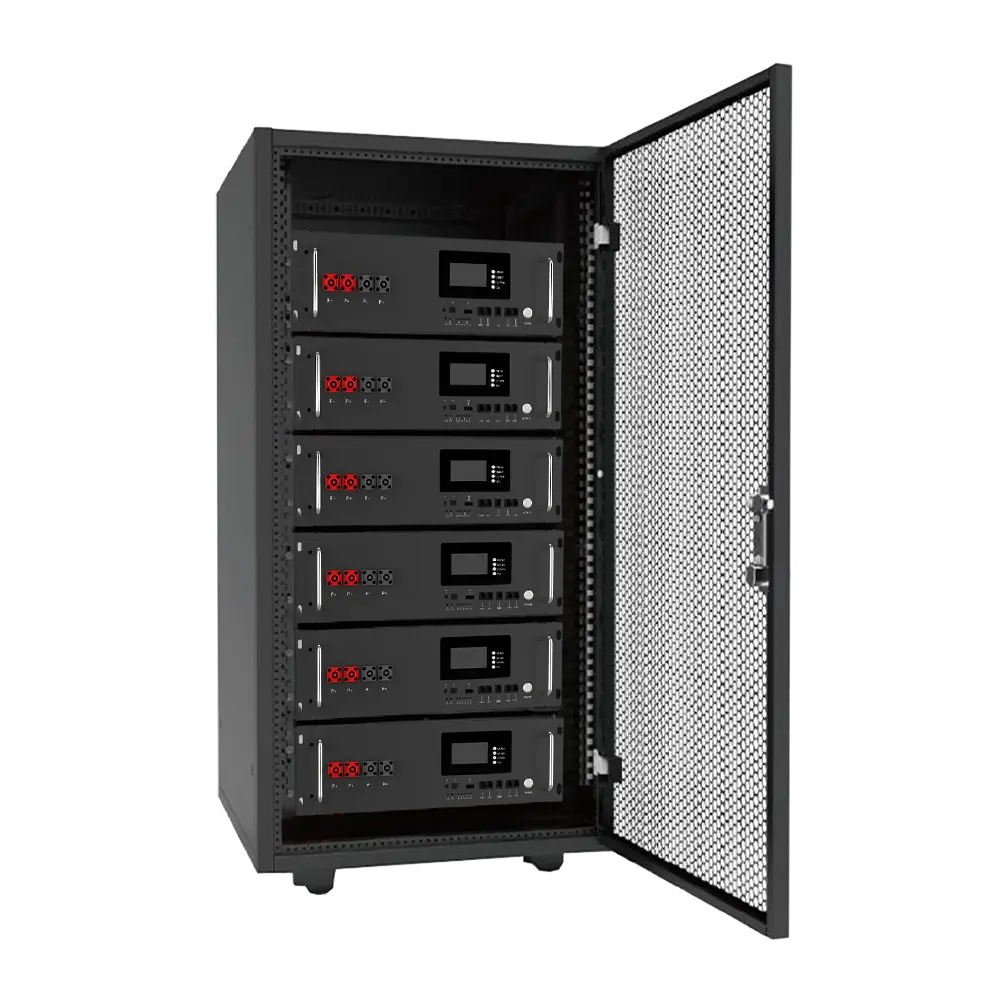
For those needing reliable capacity during extended blackouts, a stackable energy storage battery can provide the necessary scalability to keep a whole home running longer.
Lowering Electricity Bills through Peak Shaving
Many utility companies now use Time-of-Use (TOU) rates, meaning electricity is more expensive in the evening when demand is high. A home battery allows you to avoid these peak charges.
- Charge Low: Store energy from the grid when rates are cheap or from your solar panels for free.
- Discharge High: Use that stored energy during expensive peak hours.
- Smart Management: Modern systems automate this process to maximize savings without you lifting a finger.
Maximizing Solar Self-Consumption
Without a battery, excess solar energy generated during the day is sent back to the grid, often for a low credit. By installing a high-efficiency lithium solar battery, you can store that surplus energy instead.
This means you are powering your home with your own clean energy even after the sun goes down. It effectively increases the value of every kilowatt-hour your panels produce, ensuring you use what you generate rather than giving it away.
Reducing Your Carbon Footprint
Using stored solar energy reduces your reliance on the utility grid, which often generates power using fossil fuels.
- Clean Energy Use: You consume more renewable energy directly.
- Grid Efficiency: Reduces strain on the public grid during high-demand times.
- Eco-Friendly Tech: Modern options like saltwater batteries offer non-toxic, recyclable alternatives for the environmentally conscious homeowner.
Common Types of Home Batteries
When selecting a type of home battery, understanding the underlying chemistry is crucial because it dictates the system\’s lifespan, efficiency, and size. The market has evolved from bulky industrial solutions to sleek, high-efficiency units designed specifically for residential use.
Lithium-Ion Batteries (LiFePO4 and NMC)
Lithium-ion technology is currently the gold standard for residential energy storage. Most modern systems utilize either Nickel Manganese Cobalt (NMC) or Lithium Iron Phosphate (LFP) chemistries. These batteries are favored for their high energy density, meaning they store a significant amount of power in a compact, lightweight unit.
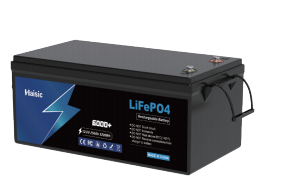
They also offer a superior Depth of Discharge (DoD), typically allowing you to use 80% to 90% or more of the battery\’s capacity without causing damage. For homeowners prioritizing longevity and safety, a 128V 100Ah LiFePO4 battery pack provides a robust solution with a long cycle life and zero maintenance requirements. While the upfront cost is higher than older technologies, the return on investment is generally better due to their durability.
Lead-Acid Batteries (AGM and Sealed)
Lead-acid batteries have been the backbone of off-grid solar setups for decades. They are the most affordable option upfront and are a proven, reliable technology. However, they come with significant limitations for modern home use.
- Lifespan: They have a much shorter cycle life compared to lithium options.
- Maintenance: Many require regular maintenance, though sealed AGM versions reduce this burden.
- Capacity: They have a lower DoD, usually around 50%. Draining them beyond this point can permanently damage the battery.
- Size: They are heavy and require more physical space to store the same amount of energy as a lithium counterpart.
Flow Batteries for Long-Duration Storage
Flow batteries represent a newer approach to energy storage, utilizing a liquid electrolyte solution that flows between tanks to generate electricity. This technology is unique because it allows for 100% Depth of Discharge, meaning you can use the entire stored energy capacity without degrading the battery\’s health.
These systems are incredibly durable, often lasting up to 30 years. However, the trade-off is size and cost. Flow batteries are complex to install, very expensive, and require a large amount of space, making them less practical for standard residential homes but excellent for large-scale or specialized applications.
Emerging Technologies: Saltwater and Nickel-Cadmium
As the demand for clean energy grows, alternative chemistries like Saltwater batteries are gaining attention. These use saltwater electrolytes instead of heavy metals, making them the most eco-friendly and non-toxic option available. They are non-flammable and safe to touch.
Like flow batteries, saltwater units can be fully discharged (100% DoD). However, they are still considered an emerging technology. They tend to have a lower energy density, meaning you need a physically larger battery to store the same amount of power as a lithium-ion system. While promising for eco-conscious users, they currently occupy a niche segment of the market.
Key Technical Specifications to Compare
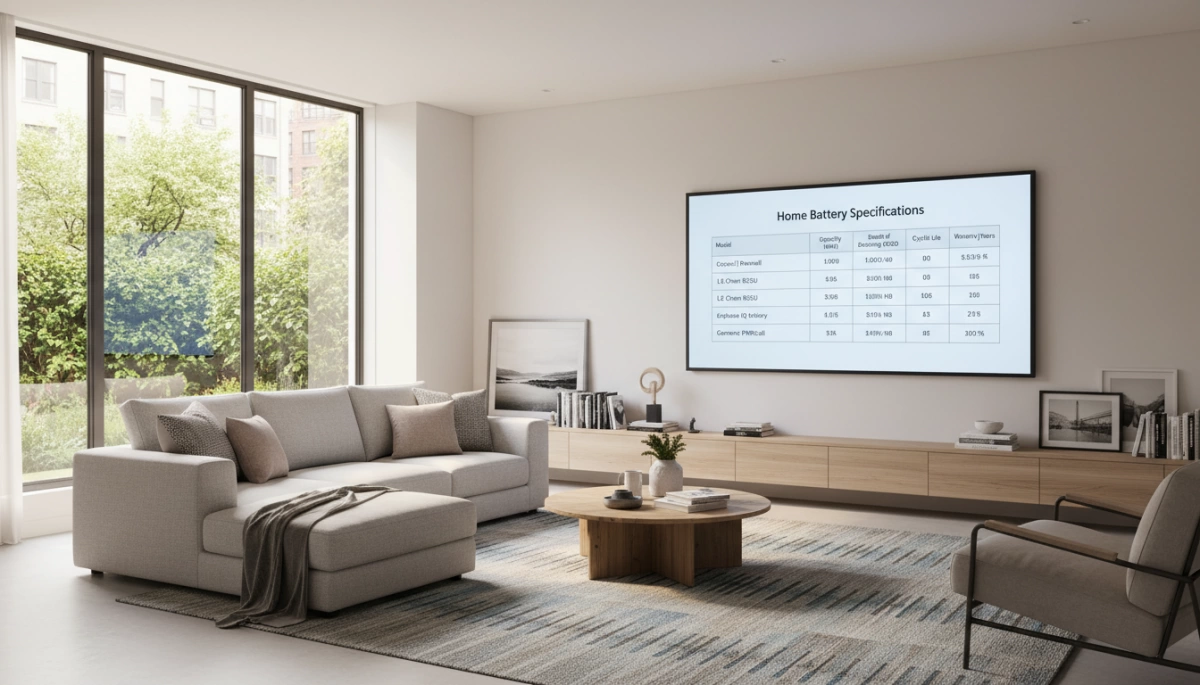
When evaluating the right type of home battery for your property, looking beyond the price tag is essential. We focus on specific technical metrics that determine how a battery performs during daily use and emergencies. These specifications dictate how much power you have, how long it lasts, and the overall efficiency of your energy storage system.
Battery Capacity and Power Rating
Two distinct metrics define a battery\’s capability: capacity and power rating. It is crucial to understand the difference to ensure the system meets your specific load requirements.
- Capacity (kWh): This measures the total amount of electricity the battery can store, similar to the size of a fuel tank. A higher capacity means you can run your home for a longer duration during an outage.
- Power Rating (kW): This indicates the amount of electricity the battery can deliver at one specific moment.
A battery with high capacity but low power rating can run a few small devices for a long time (like lights and a fridge). Conversely, a battery with a high power rating can run heavy equipment, such as HVAC systems or pumps, but might drain faster if the capacity isn\’t equally high.
Depth of Discharge (DoD) and Usable Energy
Depth of Discharge (DoD) refers to the percentage of the battery\’s capacity that has been used. Most manufacturers specify a maximum DoD to maintain battery health. For instance, a 10 kWh battery with a 90% DoD provides 9 kWh of usable energy before it needs recharging.
Higher DoD is generally better because it means you can utilize more of the energy you store without damaging the unit. Modern household battery backup solutions typically feature a much higher DoD compared to older lead-acid technologies, allowing you to get more value out of a compact system.
Round-Trip Efficiency Standards
Round-trip efficiency represents the ratio of energy used to energy stored. In simple terms, it measures how much energy is lost during the conversion process from DC (solar) to AC (home) and back.
If you feed 10 kWh into a battery and can only retrieve 8 kWh, the round-trip efficiency is 80%. Higher efficiency means less energy is wasted as heat or during chemical conversion, ensuring you get the most out of your solar panels.
Cycle Life and Manufacturer Warranties
A battery\’s lifespan is often measured in \”cycles,\” where one cycle constitutes a full charge and discharge. Over time, a battery\’s ability to hold a charge diminishes.
- Lead-Acid: Typically has a shorter cycle life and requires more frequent replacement.
- Lithium-Ion: Offers a significantly longer lifespan and is the standard for long-term residential use.
When searching for the best battery storage for solar, look for warranties that guarantee a specific number of cycles or years of operation. A strong warranty ensures that the battery will retain a certain percentage of its original capacity even after years of daily use.
Comparison of Key Metrics
| Metric | Unit | What It Tells You |
|---|---|---|
| Capacity | kWh | How long you can run your devices. |
| Power Rating | kW | What devices you can run simultaneously. |
| DoD | % | How much of the battery is usable. |
| Efficiency | % | How much energy is retained during storage. |
| Lifespan | Cycles | How many times you can charge/discharge the unit. |
Application Scenarios for Home Energy Storage
Choosing the right type of home battery depends heavily on how you intend to use the energy. We see distinct differences in hardware requirements depending on whether you are completely disconnected from the utility company or just looking to save money on your monthly bill.
Off-Grid Systems for Remote Living
For those living in remote areas without access to utility lines, the battery bank is the lifeline of the home. In these off-grid scenarios, reliability and capacity are paramount because there is no grid to fall back on.
- Legacy Choice: Traditionally, Lead-Acid batteries have been the standard here due to their lower upfront cost and established track record in DIY solar setups.
- Modern Shift: We are seeing a rapid shift toward Lithium-ion technology, even for off-grid users. Although the initial investment is higher, the longer lifespan and zero maintenance requirements make them far more practical for long-term remote living.
Grid-Tied Systems with Net Metering
Most residential installations today are grid-tied. In this setup, your solar system works in tandem with the utility grid. The primary goal here is usually economic efficiency rather than total isolation.
A modern battery storage for home system allows you to store excess solar energy generated during the day and use it during the evening when utility rates are highest (Time-of-Use). This maximizes your solar investment and reduces reliance on the grid during peak pricing hours, effectively lowering your carbon footprint while managing costs.
Partial vs. Whole-Home Emergency Backup
When the grid goes down, the capability of your system depends on its power rating and total capacity. You generally have two options for backup configurations:
- Partial Backup (Critical Loads): This setup powers only essential appliances like the refrigerator, lights, and Wi-Fi router. It requires a smaller, more affordable battery with a standard power rating.
- Whole-Home Backup: This requires a much robust system capable of running high-demand appliances like air conditioners and electric stoves.
To achieve full independence during an outage, you need a system with a high continuous power rating and sufficient capacity. Investing in reliable emergency battery backup power ensures that your household continues to function seamlessly, whether you choose to back up just the essentials or the entire property.
How to Choose the Best Home Battery for Your Needs
Assessing Your Daily Energy Consumption
To select the right **type of home battery**, I first look at two critical metrics: capacity and power rating. Capacity, measured in kilowatt-hours (kWh), tells me the total amount of electricity the battery can store. Power rating (kW) determines how much electricity it can release at once. If I need to run heavy appliances like an air conditioner, I need a high power rating. Determining [what size battery pack is required for home energy storage](https://haisicstorage.com/what-size-battery-pack-is-required-for-home-energy-storage/) is the first step to ensuring my critical appliances stay running during a blackout without draining the system too fast.
Evaluating Installation Costs and ROI
While lead-acid batteries often have the lowest upfront price, they aren\’t always the best long-term value. I always calculate the Return on Investment (ROI) by looking at the battery\’s lifespan and efficiency. **Lithium-ion** batteries generally offer a better ROI because they last longer and require zero maintenance compared to lead-acid options.
* **Lead-Acid:** Low initial cost, but frequent replacements reduce value.
* **Lithium-Ion:** Higher upfront cost, but high efficiency and longevity save money over time.
* **Flow/Saltwater:** High cost, generally for niche applications where specific eco-friendly traits are required.
Compatibility with Existing Solar Arrays
Not every battery works with every solar setup. When adding **energy storage systems** to an existing array, I check if the system is AC-coupled or DC-coupled. Modern grid-tied systems are usually designed to work seamlessly with **Lithium-ion** technology. However, if I am using older equipment, I have to ensure the voltage and communication protocols match to avoid system bottlenecks. Exploring our diverse [battery products](https://haisicstorage.com/products/) helps identify which chemistry and voltage configurations integrate best with specific inverter brands.
Safety Ratings and Indoor vs. Outdoor Placement
The **type of home battery** I choose dictates where I can install it. **LFP** (Lithium Iron Phosphate) and NMC chemistries are compact and popular for residential use, but they must be manufactured to high standards to prevent thermal issues. In contrast, flow batteries and lead-acid banks take up significant space and may require ventilation.
| Battery Type | Space Requirement | Safety & Placement Notes |
|---|---|---|
| Lithium-Ion | Compact | Wall-mountable; high energy density; requires quality management systems. |
| Lead-Acid | Large | Heavy footprint; often requires ventilated spaces due to off-gassing. |
| Saltwater | Large | Non-flammable and non-toxic; safe for indoor use but heavy. |
| Flow Battery | Very Large | Complex installation; requires significant floor space; non-toxic. |
Frequently Asked Questions About Home Batteries
How long do home solar batteries typically last?
The lifespan of a type of home battery depends heavily on the technology used. Lead-acid batteries generally have the shortest lifespan and lower cycle life, often requiring replacement sooner than modern alternatives. In contrast, Lithium-ion batteries are the industry standard for residential use because they offer a much longer operational life and require zero maintenance. For those looking for maximum longevity, flow batteries can last up to 30 years, though they come with a larger physical footprint and higher price tag. Manufacturers typically measure life in \”cycles,\” which refers to one full charge and discharge sequence.
Are home batteries worth the investment in 2026?
For many homeowners, the answer is a definite yes, especially when considering the long-term benefits of energy independence. A battery system allows you to store energy to power your home during grid outages and manage electricity costs by using stored power during peak utility rate hours. While Lithium-ion options have a higher upfront cost compared to older tech, their high efficiency and depth of discharge usually deliver the best return on investment. If you are evaluating the financial breakdown, understanding the cost of backup battery for a residential solar system is crucial to seeing how these savings accumulate over time.
Can I install a home battery without solar panels?
Yes, you can install a standalone battery system without solar panels. These systems connect directly to the grid, allowing you to charge the battery when electricity rates are low and discharge it when rates are high or during a blackout. This setup provides essential backup power and helps with cost management. However, to fully reduce your carbon footprint and maximize energy self-sufficiency, pairing the battery with a renewable generation source is the most effective strategy.