










Power goes out. The house goes dark. Your fridge, Wi‑Fi, lights, and maybe even a CPAP machine or sump pump all stop at once.
If this sounds familiar, you’re not alone. With more storms, grid failures, and heatwaves every year, emergency battery backup power is no longer a “nice to have” — it’s essential.
The good news? You don’t need a noisy gas generator, messy fuel cans, or dangerous fumes in your garage. Modern portable power stations, home battery backup systems, and solar-compatible “battery generators” give you clean, quiet, indoor‑safe power when the grid goes down.
In this guide, you’ll see exactly:
- What type of emergency power supply you really need
- How to size a home battery backup so it actually runs your essentials
- Why advanced LiFePO4 battery backup is becoming the go‑to alternative to traditional generators
- How manufacturers like Haisic design long‑life, high‑safety batteries specifically for outage protection
If you want reliable, low‑stress backup power the next time the lights go out, keep reading.
Why You Need Emergency Battery Backup Power
Power outages are no longer rare events. Storms, grid failures, heat waves, or aging infrastructure can knock out electricity for hours—or days. When that happens, it’s not just annoying. It can quickly become serious for your safety, food, health, and comfort.
Real Risks During Blackouts
When the lights go out, you’re suddenly without:
- Safety: No lights, dead phones, no way to follow emergency alerts.
- Food: Fridges and freezers warm up, and hundreds of dollars in food can spoil.
- Health: CPAP machines, oxygen concentrators, medical fridges, and basic home care devices stop working.
- Comfort & security: No fans or AC in heat waves, no heat in winter (for many systems), no Wi‑Fi, no way to charge devices.
An emergency battery backup power system gives you a reliable safety net when the grid fails.
Why Battery Backup Beats Sitting in the Dark
You don’t have to “wait it out” in the dark or run to a neighbor’s house every time the power drops. With a portable power station or home battery backup, you can keep:
- Lights on in key rooms
- Phones, laptops, and routers powered
- Essential appliances like a refrigerator or sump pump running
- Critical medical devices operating safely
Instead of guessing when power will return, you control your own emergency power supply.
Key Benefits: Quiet, Clean, Low-Maintenance Power
Compared with a traditional gas generator, a LiFePO4 battery backup or solar generator emergency setup gives you:
- Quiet operation – No loud engine noise, ideal for apartments, neighborhoods, and nighttime use.
- Clean, indoor-safe backup power – No fumes, no carbon monoxide, no fuel storage.
- Low maintenance – No oil changes, no pull-start cords, no fuel stabilizers. Just charge and store.
- Fast, flexible charging – Use wall outlets, solar panels, or even your car to recharge.
This makes a blackout battery system a practical, everyday solution—not a tool you only drag out once a year.
When Battery Backup Makes the Most Sense
An emergency home power system is especially valuable if:
- You live in an area with frequent storms or grid outages
- You’re in an apartment or condo where gas generators are not allowed or unsafe
- You rely on medical devices and need a CPAP battery backup or power for oxygen
- You want quiet backup power for apartments or dense neighborhoods
- You travel with an RV, camper, or go off-grid and need reliable, portable solar backup
In all these cases, emergency battery backup power becomes more than a convenience—it’s a core part of your reliable home power backup plan.
Types of Emergency Battery Backup Systems
When you plan emergency battery backup power for your home, you’re really choosing how much of your life you want to keep “normal” when the grid goes down. Here’s how the main options stack up.
Portable power stations for basic home backup
A portable power station is a plug‑and‑play blackout battery system you can move anywhere in the house.
Best for:
- Apartments, renters, or small homes
- Keeping phones, Wi‑Fi, lights, laptops, CPAP, and a small fridge running
- People who also want RV and camping power or portable solar backup
What to look for:
- 500–2,000+ Wh capacity
- 500–2,000W output (enough for a fridge + router + a few lights)
- LiFePO4 battery backup for longer cycle life and safer indoor use
Whole home battery backup systems
A whole home backup battery system connects to your main panel and powers key circuits like fridge, lights, outlets, and sometimes AC or heat. It’s a true backup generator alternative with no fuel, fumes, or noise.
Best for:
- Homeowners in storm‑prone or outage‑prone areas
- Running critical loads: fridge, sump pump, well pump, router, lighting, some AC/heat
- People pairing with rooftop solar for a long‑term energy storage for outages solution
These systems usually offer:
- 5–20+ kWh capacity
- 3–10 kW continuous output
- Expandable battery packs to scale up later
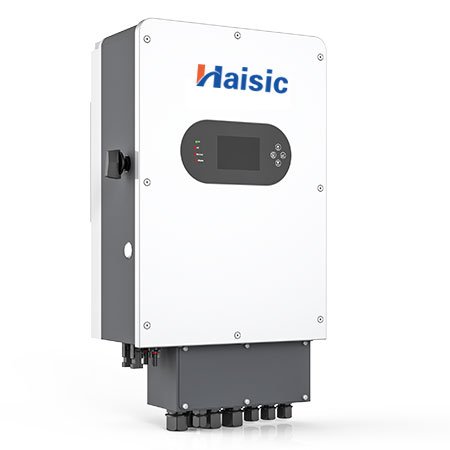
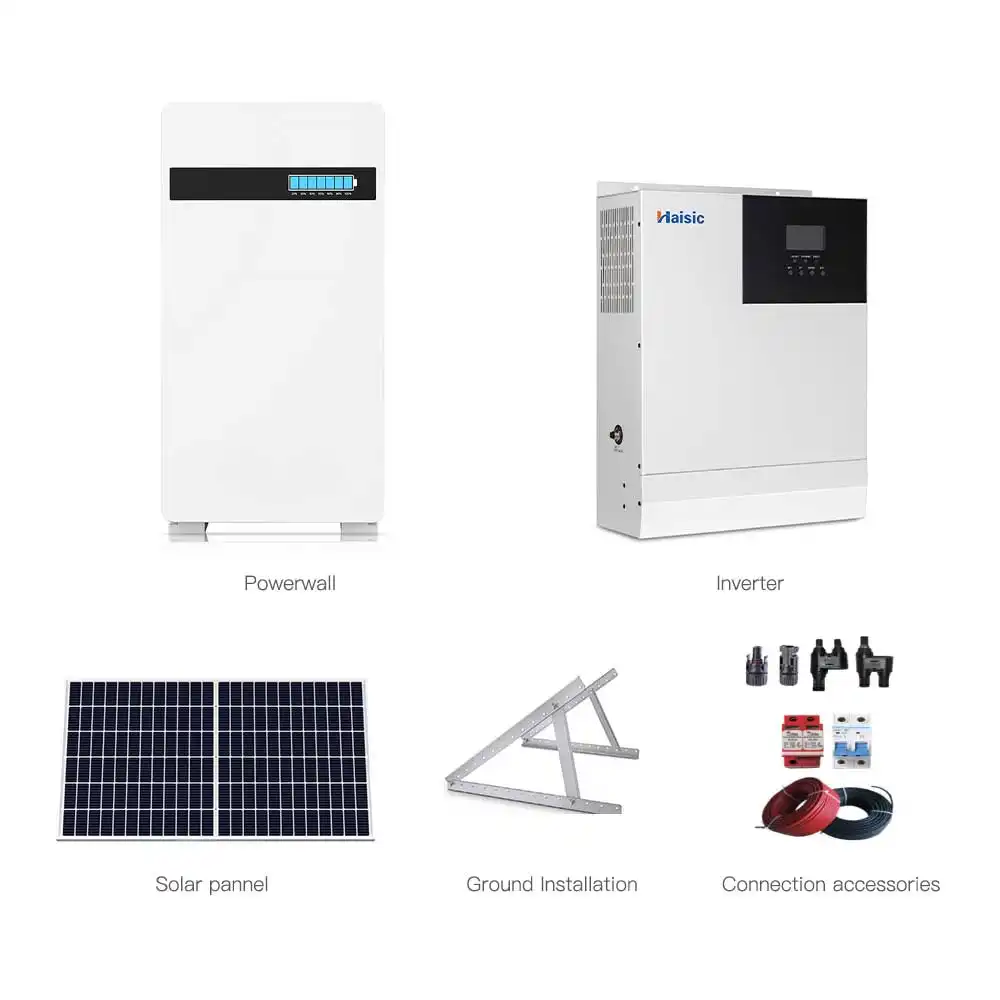
If you’re looking at a more permanent system, a home lithium battery storage setup or a 5 kW class power energy storage solar system for home is the type of solution I’d use for whole home backup power.
UPS vs EPS for seamless emergency power
For seamless emergency power, you’ll see two terms a lot: UPS and EPS.
UPS (Uninterruptible Power Supply)
- Switches to battery in milliseconds
- Keeps PCs, servers, networking gear, and some medical devices from even blinking
- Ideal as a UPS for home office or router + modem backup
EPS (Emergency Power Supply)
- Designed for home backup circuits rather than ultra‑instant switch
- Small delay is usually fine for fridges, lights, TVs, and chargers
- Often built into larger home battery backup systems
If your priority is no interruption for sensitive electronics, go UPS. If your focus is general home loads during blackouts, EPS‑style backup is usually enough.
Hybrid solar generator and battery setups
A hybrid solar generator isn’t a gas generator at all—it’s a battery + inverter + solar input combo that can recharge from the sun during long outages.
Why this setup works well:
- Gives you solar compatible battery backup with free “fuel” during storms
- Ideal for off‑grid power station use, cabins, RVs, and remote homes
- Lets you run essentials much longer than a single battery charge
Typical hybrid setup:
- Portable or wall‑mounted battery station (LiFePO4)
- 1–4 portable solar panels
- Optional expansion batteries for whole house backup battery system style capacity
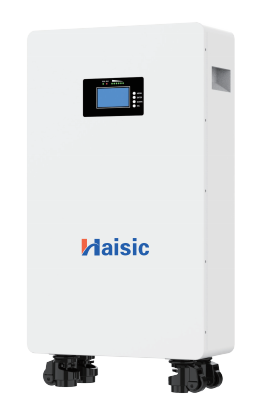
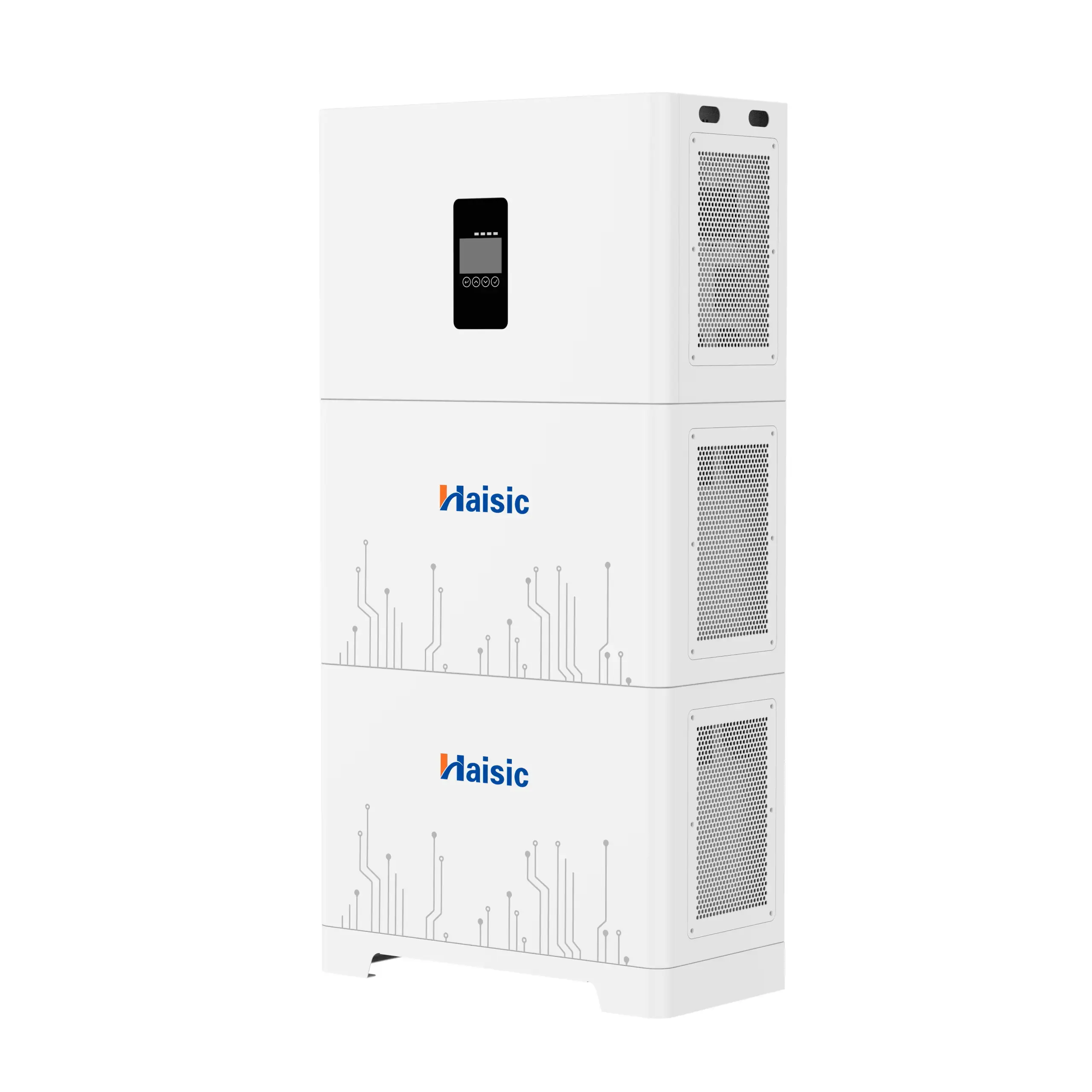
For homeowners wanting a more permanent, solar‑ready backup, a dedicated battery storage for home system like Haisic’s home lithium battery storage solutions gives you a clean, indoor‑safe, and scalable emergency home power system.
Key Factors When Choosing Emergency Battery Backup Power
When you’re choosing emergency battery backup power for your home, focus on the specs that actually decide whether your setup helps you in a blackout or just looks good on paper.
1. Battery Capacity (Wh / kWh)
Capacity tells you how long your backup system can run your essentials.
- Wh (watt-hours) / kWh (kilowatt-hours) = stored energy
- For short outages: 500–1,500 Wh is fine for phones, laptops, Wi‑Fi, some lights
- For fridges, sump pumps, or longer storms: look at 2–10 kWh+ home battery backup
- Think in hours of runtime, not just big numbers on the label
If you’re planning partial whole-home backup or solar integration, a dedicated LiFePO4 energy storage system like a 15kWh LiFePO4 solar battery pack gives you serious room to work with.
2. Output Power and Surge Watts
Capacity is about “how long”; output power is about “what can I run?”
- Continuous output (W) = what the battery can deliver non-stop
- Surge watts = short bursts for startup loads (fridges, AC, pumps)
- Match your highest combined load plus the biggest surge device (like a fridge or sump pump)
- For most homes:
- 500–1,000W: lights, Wi‑Fi, phones, small devices
- 1,000–2,000W: fridge, TV, router, a few circuits
- 2,000W+ : more flexible emergency home power
3. Battery Chemistry: LiFePO4 vs Other Lithium
Battery chemistry decides safety, lifespan, and long-term cost.
- LiFePO4 (LFP)
- 3,000–6,000+ cycles
- More stable, safer, and cooler running
- Holds capacity better over years
- Other lithium (NMC, etc.)
- Higher energy density, but fewer cycles
- Generally less ideal for heavy daily or seasonal backup use
For emergency backup power that you trust for the long haul, LiFePO4 battery backup is the smart default. That’s why our own packs are built around LFP cells instead of cheaper chemistries.
4. Charging Options: Wall, Solar, Car
You want multiple ways to recharge when the grid is down.
- Wall charging – fast top-ups before storms or rolling blackouts
- Solar charging – key for long outages; look for solar compatible battery backup with MPPT controllers
- Car charging (12V) – backup to your backup when nothing else is available
For storm‑ready setups, I always recommend systems that act as a solar generator emergency hub, not just a battery.
5. Portability, Size, and Expandable Packs
Your use case decides whether you go portable or stationary.
- Portable power station
- Best for apartments, RV, camping, and small homes
- Carry it to different rooms, vehicles, or sites
- Expandable battery station / rack system
- Add more capacity later as your needs grow
- Ideal for reliable home power backup and off‑grid setups
If you’re planning a more permanent backup system, modular LiFePO4 packs like our 12.8V 50Ah lithium battery can slot into larger energy storage designs and scale with your home.
6. Safety Protections and Certifications
Emergency power must be safe indoors and around family.
Look for:
- BMS (Battery Management System) with:
- Overcharge / over-discharge protection
- Short-circuit and overcurrent protection
- Over-temperature shutoff
- Proper certifications (varies by region):
- CE, UL, UN38.3, RoHS, etc.
- Enclosed, indoor-safe blackout battery systems with no fumes
Don’t compromise on safety to save a little money. In an emergency, your backup power should be the last thing you’re worried about.
How to Calculate Your Emergency Battery Backup Power Needs
Getting the right emergency battery backup power isn’t guesswork. I always break it down into a simple, step‑by‑step checklist so you don’t end up with a system that’s too weak or way oversized.
1. List Your Essential Devices and Appliances
Start with what truly matters in a blackout:
- Fridge / freezer (food safety)
- Router / phones / laptops (communication)
- Lights (LEDs are best)
- CPAP / oxygen machine or other medical devices
- Sump pump or well pump (flooding and water)
- Fans or small heaters (in extreme weather)
Only list what you must keep running – this is your “critical loads” list.
2. Check Wattage, Startup Watts, and Daily Usage
Every device has two key numbers:
- Running watts – what it uses continuously
- Startup / surge watts – short spike when it turns on (fridges, pumps, AC, etc.)
You can find this:
- On the device label (W or A x V = W)
- In the manual or on the brand’s website
- With a plug-in power meter, if you want to be precise
Then estimate daily usage (Wh):
Wh (watt-hours) = watts × hours per day
Example:
- Router: 15 W × 24 h ≈ 360 Wh/day
- Fridge: 120 W × 8 h (compressor cycles) ≈ 960 Wh/day
Total them up to see how much energy your emergency battery backup must cover.
3. Plan Runtimes for Short vs Long Outages
Think about your reality:
- Short outages (1–8 hours):
- Keep fridge cold, lights on, internet running
- Medium outages (8–24 hours):
- Add phone/laptop charging, medical equipment, maybe a fan
- Long outages (1–3+ days):
- You need higher capacity or solar charging to keep going
For longer outages, I recommend looking at a solar‑ready system or a modular LiFePO4 energy storage system like a stackable power energy storage setup so you can expand capacity over time.
4. Example Emergency Battery Backup Power Calculations
Let’s say you want to run:
- Fridge: 960 Wh/day
- Router: 360 Wh/day
- 4 LED lights: 40 W × 5 h = 200 Wh/day
- Phone + laptop: 150 Wh/day
Total daily usage: 960 + 360 + 200 + 150 = 1,670 Wh/day
Now add a buffer (~20–30%) so you don’t fully drain the battery:
- 1,670 Wh × 1.3 ≈ 2,171 Wh
If you want 1 day of backup, a 2,000–2,400 Wh emergency battery backup power station is about right.
For 2 days, double it → 4,000–4,800 Wh (4–4.8 kWh) or a small home battery backup system.
5. Avoid Underpowered or Oversized Systems
To avoid bad decisions:
- Don’t underpower
- Check that inverter output (W) > total running watts
- Check surge rating (e.g. 2,000–3,000 W) if you’re running a fridge, pump, or power tools
- Don’t oversize just for show
- Huge systems cost more and may never be fully used
- Match capacity to real needs, then consider an expandable battery station if you want room to grow
- Think in kWh, not just watts
- Watts = what you can power at once
- Watt-hours (Wh / kWh) = how long you can keep things running
Once you’ve done this basic math, you’ll know exactly what size portable power station or whole home backup power setup you really need, instead of guessing.
Top Features in Modern Emergency Battery Backup Systems
When you’re buying emergency battery backup power, the features matter as much as the capacity. Here’s what I always look for (and build into our own systems).
Fast Charging & Solar Charging Support
In an outage, recharge speed is everything. A modern portable power station or home battery backup should support:
- High-watt AC charging (fast wall charging, ideally 800W–2,000W+ on larger units)
- Solar generator emergency support with MPPT solar input
- Multiple input options: AC wall, solar, and sometimes car charging
Why it matters:
| Feature | Why You Want It |
|---|---|
| Fast AC charging | Top up in a few hours between rolling blackouts |
| MPPT solar charging | Maximum power from portable solar backup |
| Dual input (AC + solar) | Faster recovery after long storms |
If you’re thinking about a more serious energy storage setup, our high-voltage LiFePO4 energy storage systems use similar fast-charging, solar-ready tech at a larger scale.
Smart App Control & Real-Time Monitoring
Modern emergency power supply systems shouldn’t be “dumb boxes.” You should be able to see and control everything from your phone:
- Live input/output watts and remaining runtime
- Battery health and cycle count
- Custom charge limits (extend LiFePO4 battery life by avoiding 100% all the time)
- Remote on/off for outlets to shed non‑essential loads
Smart control turns your battery into a reliable home power backup tool instead of a guessing game.
Quiet, Indoor-Safe Blackout Battery Systems
This is the big advantage over a gas backup generator alternative:
- No fumes – safe to use inside apartments, condos, RVs, and bedrooms
- Low noise – usually under 40–50 dB, perfect for night use
- No fuel storage – no gasoline smell, no spills, no carb issues
For battery backup for medical devices like CPAP or oxygen concentrators, indoor-safe and quiet operation is non‑negotiable.
Expandable Capacity for Future Power Needs
Energy usage grows: more devices, more loads, longer outages. Modern blackout battery systems should be:
- Modular – add extra battery packs when you need more kWh
- Stackable – build from a small portable power station to a larger home battery backup system
- Flexible – cover critical loads now, expand toward whole home backup power later
Example expansion options:
| Setup Type | Typical Use |
|---|---|
| Single portable power station | Phone, laptop, Wi‑Fi, CPAP, small fridge |
| Station + 1–2 extra batteries | Fridge, lights, router, TV during blackouts |
| Scalable LiFePO4 energy storage | Partial or whole house backup battery system |
If you’re planning a long-term, scalable emergency home power system, it’s worth looking at a more robust battery energy storage solution that’s designed to grow with your needs over the years.
Modern emergency battery backup power isn’t just about surviving an outage; it’s about having a quiet, smart, solar-ready system you can expand as your life (and energy use) changes.
Battery Backup vs Traditional Gas Generators
When you’re planning emergency battery backup power for blackouts, the real choice is simple: quiet indoor-safe battery backup or a traditional gas generator. Both have their place, but they’re very different tools.
Noise, Fumes & Indoor Safety
Battery backup systems (portable power stations or home battery backup):
- Run near-silent – perfect for apartments, townhouses, and nighttime use.
- Produce zero fumes, so they’re safe to use indoors for refrigerators, routers, lights, CPAP, and phone charging.
- No carbon monoxide risk, no fuel spills, no exhaust – a true blackout battery system for indoor use.
Gas generators:
- Loud by design – often over 60–70 dB, which gets old fast in dense neighborhoods.
- Must be used outside only because of deadly carbon monoxide.
- Need extension cords, weather-safe placement, and constant supervision.
If you live in an apartment, condo, or tightly packed neighborhood, indoor-safe battery backup power wins every time.
Fuel Costs & Long-Term Maintenance
Emergency battery backup power:
- “Fuel” is grid power or solar charging, often at very low cost.
- No oil changes, carburetor cleaning, or spark plugs.
- Charge it, test it a few times a year, and it’s ready – especially with long-life LiFePO4 battery backup systems.
- With solar-compatible units, you can build a solar generator emergency setup that keeps running during long outages without buying fuel.
Gas generators:
- Need gas or diesel – which can be hard to find during storms and disasters.
- Must be run regularly to stay reliable.
- Require ongoing maintenance and safe fuel storage.
Over a few years, a gas generator’s fuel + maintenance can cost more than a quality portable power station or energy storage for outages.
Runtime, Reliability & Ease of Use
Battery backup systems:
- Offer instantly available power at the push of a button.
- Simple enough for anyone in the family to use in a blackout.
- Runtime depends on battery capacity (Wh/kWh) and what you plug in, but LiFePO4 systems can cycle thousands of times.
- For longer outages, an expandable battery station plus solar panels becomes a reliable home power backup solution.
Gas generators:
- Can run as long as you keep feeding fuel.
- Good for high loads like whole-house HVAC or multiple heavy tools.
- But you’re always limited by fuel supply and weather (hard to run in heavy storms or high winds).
If you want “set it and forget it” with low stress during storms, a battery-based emergency power supply is easier to live with day-to-day.
When to Pick Battery Backup vs Generator (or Both)
Here’s a quick way to choose:
Go battery backup only if:
- You’re in an apartment or urban home.
- You mainly need critical loads: Wi-Fi, phones, lights, a battery backup for refrigerator, laptop, medical devices, or CPAP battery backup.
- You want quiet backup power for apartments with no fumes or fuel.
Go gas generator only if:
- You’re in a standalone home with good outdoor space.
- You need to run big loads for long periods (central AC, large well pumps, entire workshop).
- You don’t mind fuel storage, noise, and maintenance.
Go hybrid: battery + generator if:
- You want the convenience of indoor-safe backup power for daily outages, plus the option to power heavier loads.
- You like using a portable solar backup or home battery as your first line of defense, and a generator as a rare backup for extreme situations.
- You want resilience: solar + whole home backup power battery + generator gives you the most flexible emergency home power system.
If you’re aiming for low running costs and long-term resilience, pairing a LiFePO4 energy storage system with solar is often more cost-effective than relying on fuel. For example, a modular setup built around a high-cycle LiFePO4 battery storage system can become the core of a whole house backup battery system while keeping operating costs down over time.
Real-World Uses for Emergency Battery Backup Power
Emergency battery backup power isn’t just “nice to have” anymore—it’s something most homes, RVs, and even small businesses can actually use in day‑to‑day life, not just during a blackout.
Home Power Outage Backup for Essentials
A good emergency home power system keeps the basics running when the grid goes down:
- Refrigerator & freezer – prevent food loss during storms and long blackouts
- Wi‑Fi router, phones, laptops – stay connected for news, work, and emergencies
- LED lights & fans – keep the house safe and livable
- Sump pump or well pump – avoid flooding or water outages
With a properly sized home battery backup or even a strong portable power station, you can ride through most outages without scrambling for candles and ice.
Medical Emergency Power for CPAP and Oxygen
If someone in your home relies on medical gear, emergency battery backup for medical devices is non‑negotiable:
- CPAP / BiPAP machines
- Oxygen concentrators
- Nebulizers and small medical pumps
Look for LiFePO4 battery backup with pure sine wave output, long runtimes, and clear runtime estimates, so you know exactly how long a CPAP battery backup can run during a power cut.
RV, Camping, and Off‑Grid Backup Power
For RV owners and off‑grid users, a portable power station or off‑grid power station is the clean backup generator alternative:
- Power for lights, fans, phones, tablets, and laptops
- Run fridges, induction cookers, or small coffee makers in an RV
- Quiet backup power for cabins, tiny homes, or remote work sites
Pairing a portable station with portable solar backup panels gives you real off‑grid power for days, not hours.
Portable Solar Backup for Storms and Disasters
In storms, hurricanes, and grid failures, a solar compatible battery backup becomes your own mini power plant:
- Charge from the wall before a storm, then top up with solar if the grid is down
- Keep radios, phones, and emergency lights on for days
- Power critical loads while fuel stations are closed or sold out
For larger, long‑term energy storage for outages, I usually recommend a dedicated home system like a LiFePO4 energy storage system. For example, a high‑capacity setup such as the 20.48kWh touchscreen home energy storage battery gives you serious whole‑home backup for extended blackouts.
Whether you’re in an apartment, a house, an RV, or off‑grid, the right emergency battery backup power setup turns a blackout into an inconvenience, not a crisis.
Maintenance and Longevity Tips for Emergency Battery Backup Power
Keeping your emergency battery backup power system in good shape is the difference between “lights on” and “stuck in the dark” when the grid fails. Here’s how I manage backup batteries so they last longer and stay ready.
How to Store Your Backup Battery Between Outages
Store your portable power station or home battery backup like it’s a long‑term asset, not a gadget you toss in a closet.
- Keep charge around 40–60% for long-term storage (unless the manufacturer says otherwise).
- Store in a cool, dry place, ideally 10–25°C (50–77°F). Avoid hot garages and damp basements.
- Avoid full discharge in storage – never leave LiFePO4 batteries at 0%.
- Power off completely if your blackout battery system has a hard power switch.
If you’re using modular packs like a 12V LiFePO4 deep cycle battery or a higher-voltage bank such as the 51.2V 400Ah (20.48kWh) LiFePO4 energy storage battery, treat them like core infrastructure: clean, dry, and away from heat.
How Often to Test and Cycle Your System
You don’t want the first “test” to be a real storm.
- Do a functional test every 1–3 months: plug in your essential loads (router, lights, CPAP, fridge, etc.).
- Cycle 10–30% of capacity regularly so the BMS (battery management system) stays active and accurate.
- For large home battery backup setups, run a planned mini-outage once or twice a year and confirm everything switches over correctly.
Charging Habits to Extend LiFePO4 Battery Life
LiFePO4 battery backup systems are built for long life, but your habits still matter.
- Avoid living at 100% state of charge when not needed. Top up before storms, not all year.
- Don’t deep discharge every time – try to stay above 10–20% when possible.
- Use the recommended charger (wall, solar, or inverter/charger) and respect proper voltage limits.
- For solar-compatible battery backup, set charge limits in the inverter/app (for example, max 90%) if the system supports it.
If you’re running standalone batteries such as a 12V 70Ah LiFePO4 deep cycle battery, keep charge currents and voltages within spec and avoid cheap, unregulated chargers.
Firmware Updates and Basic Safety Checks
Modern emergency power supply systems are smart devices. Treat them like one.
- Update firmware via the app or USB whenever the brand releases stability or safety upgrades.
- Check ports, cables, and cooling vents every few months for dust, corrosion, or loose connectors.
- Make sure ventilation is clear – don’t cover your portable power station or wall-mounted battery with boxes or clothes.
- Inspect for swelling, cracks, or unusual smells. If something looks off, stop using it and contact support.
With a little storage discipline, light regular use, and smart charging habits, your LiFePO4 emergency battery backup power system will stay reliable for years and be ready when the grid isn’t.
Why Choose Haisic for Emergency Battery Backup Power
When you’re betting on emergency battery backup power, you can’t cut corners. I build and ship these systems for real-world outages, not lab demos, so everything starts from reliability, safety, and easy use under pressure.
Haisic LiFePO4 Technology & Safety
We standardize on LiFePO4 battery backup for one reason: it’s the safest and most stable chemistry for home and off‑grid power.
Why LiFePO4 for emergency power:
- Long cycle life: typically 6,000+ cycles at 80% depth of discharge
- Stable and thermal-safe: far lower fire risk vs standard lithium-ion
- Consistent output: holds voltage better under heavy loads
- Wide temp tolerance: better behavior in cold and heat than many alternatives
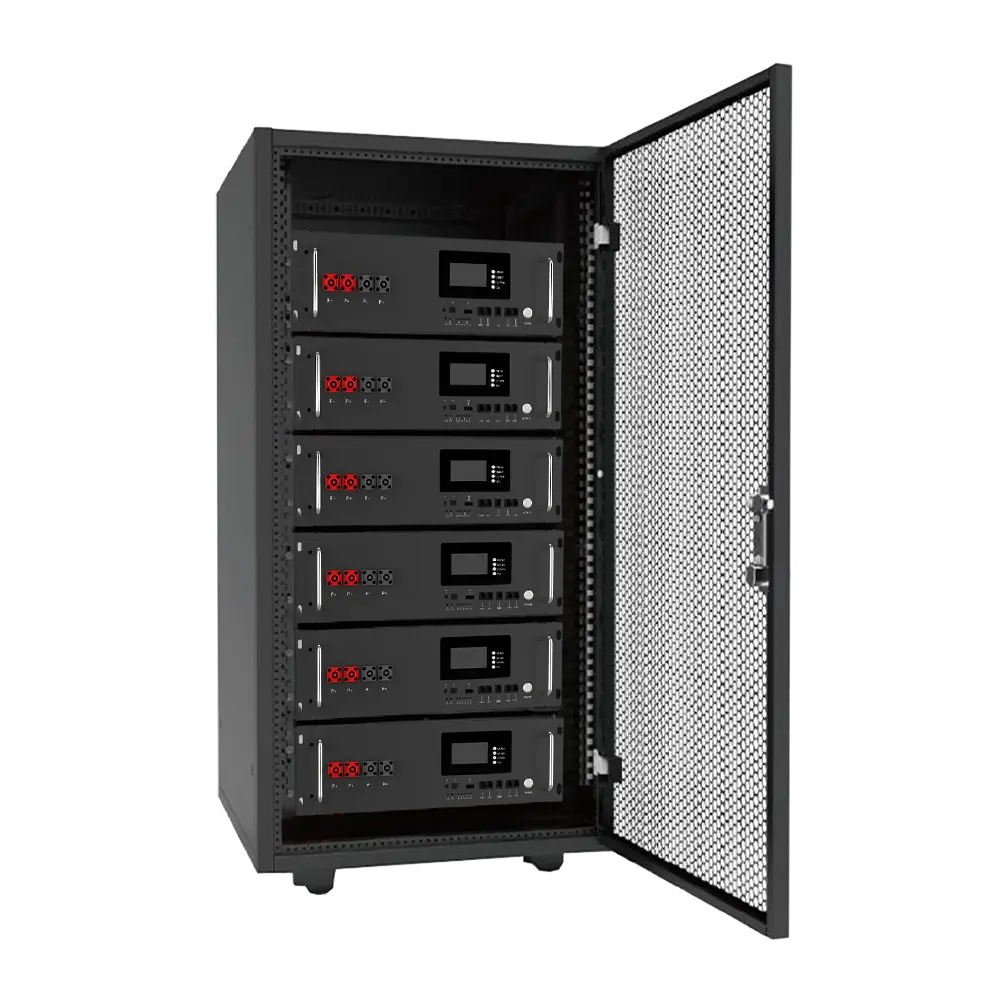
Our rack battery lines, like the Haisic 48V 100Ah LiFePO4 rackmounted battery pack, use built-in BMS with:
- Over-charge / over-discharge protection
- Over-current and short-circuit protection
- Temperature monitoring and cutoff
- Cell balancing for longer life
You get indoor-safe backup power with controlled chemistry and hardware-level protection.
Haisic Options for Home Backup & Portable Power
Different homes and lifestyles need different emergency power supply setups. I design our lineup to cover both fixed and mobile use.
| Need | Best Fit | Notes |
|---|---|---|
| Critical loads (fridge, lights, router, medical) | 48V rack or wall-mount LiFePO4 | Pairs with hybrid inverter / UPS for automatic switchover |
| Whole home backup power | High-voltage packs like the 256V 280Ah 7.168kWh LiFePO4 battery pack | Supports multi-kWh to tens of kWh systems |
| Off-grid / solar generator emergency setups | LiFePO4 packs + solar inverter | Fits cabins, rural homes, and long storm seasons |
| Portable, moveable emergency power | Compact power stations (AC + DC ports) | For apartments, RV, camping, or rented homes |
You can start small (backup for router, lighting, CPAP, phone) and scale to whole house backup battery system as needed.
Long-Term Reliability During Outages
Emergency systems only matter if they still work after years of sitting idle and then running hard.
How we build for long-term reliability:
- High cycle life LiFePO4 cells: designed for 10+ years of regular cycling
- Expandable battery station options: add more capacity as your needs grow
- Grid + solar compatible: charge from the wall today, add solar later
- Low self-discharge: keeps charge in standby for storm and disaster seasons
- Serviceable, modular design: easier replacement and upgrades versus sealed systems
For homes that see regular storms, unstable grids, or planned outages, our LiFePO4 energy storage system builds a stable, predictable backbone for your reliable home power backup—without noise, fumes, or fuel hassles.
FAQ: Emergency Battery Backup Power
How long will a battery backup last in a power outage?
It depends on battery capacity (Wh / kWh) and what you’re running.
- A 1,000Wh portable power station can typically run:
- Wi‑Fi + phone + laptop: 10–20 hours
- CPAP: 1–2 nights
- A 5kWh home battery backup can usually cover:
- Lights, fridge, router, small devices: 8–24 hours
- A 15kWh+ system can stretch to multiple days if you’re careful with usage.
To estimate:
Runtime (hours) ≈ Battery Wh ÷ Device Watts (total).
Can I use solar panels with my emergency battery system?
Yes, most modern emergency battery backup power systems are solar compatible. Look for:
- Built‑in MPPT solar charge controller
- Supported solar input voltage and wattage
- MC4 or compatible solar connectors
Pairing a LiFePO4 battery backup with portable solar panels effectively creates a solar generator emergency setup, ideal for storms, blackouts, RVs, and off‑grid cabins.
Are battery backup systems safe to use indoors?
Quality systems using LiFePO4 batteries are designed to be indoor safe:
- No fumes, no exhaust, no gasoline
- Very low fire risk compared to older chemistries
- Built‑in protections: over‑charge, over‑discharge, short‑circuit, temperature
Always:
- Keep vents clear
- Avoid blocking airflow
- Use certified products (UL, CE, UN38.3, etc.)
This is a huge advantage over gas generators, which must stay outside.
What’s the difference between portable and whole home backup?
Portable Power Station
- Capacity: usually 300Wh–3,000Wh
- Runs essentials: phones, laptops, routers, lights, CPAP, maybe a fridge
- Plug devices directly into AC/DC/USB ports
- Great for apartments, renters, RV, camping, and short outages
Whole Home Backup Battery System
- Capacity: typically 5kWh–20kWh+
- Hard‑wired to your home’s backup circuits
- Can power multiple rooms, fridge, sump pump, lights, and more
- Works with solar and often replaces or complements a generator
If you want a serious whole house backup battery system, a high‑capacity 51.2V LiFePO4 energy storage battery like this 15.6kWh home energy battery with touchscreen management is the right style of solution.
How do I size an emergency battery backup for my home?
List your critical loads
- Fridge, router, lights, phone/laptop, CPAP, medical devices, sump pump, etc.
Check wattage (nameplate, user manual, or plug‑in meter)
- Note running watts and any surge watts for motors (fridge, pump).
Estimate daily use
- Example:
- Fridge: 150W running, ~1,200Wh/day
- Router + phones + lights: ~300–600Wh/day
- Total daily Wh = sum of all device Wh.
- Example:
Decide how many days you want to cover
- 1 day, 2–3 days, or longer with solar input.
Choose battery size
- Basic essentials: 1–2kWh portable power station
- Small home / critical circuits: 5kWh class system like a 5kWh LiFePO4 battery pack for home backup
- Extended outages / solar‑ready: 10–15kWh+
I always recommend sizing a bit larger than your bare minimum so you’re not forced to micromanage every watt during an emergency