









Established Leaders Among Battery Energy Storage System Companies
Here’s a quick snapshot of the top global BESS manufacturers 2026 that most developers, EPCs, and utilities benchmark against.
Top Battery Energy Storage System Companies (Quick View)
| Company | Type / Focus | Flagship BESS Product | What They’re Known For |
|---|---|---|---|
| Tesla | Utility & C&I battery energy storage company | Megapack utility‑scale BESS | High integration, strong brand, fast deployment |
| Fluence | Grid‑scale energy storage manufacturer | Gridstack & Ultrastack turnkey BESS | Grid reliability, software‑driven controls |
| BYD | Lithium battery energy storage system company | BYD Cube / BYD Container ESS | Vertical integration from cell to system |
| CATL | LFP battery storage company | EnerC & EnerOne container systems | Long cycle life and strong LFP technology |
| LG Energy Solution | ESS battery energy storage manufacturer | LG Utility‑scale ESS & RESU residential line | Bankability, global service footprint |
| Samsung SDI | Lithium‑ion energy storage company | E‑Station / E‑House ESS | High‑end cells with strong safety design |
| Powin Energy | Turnkey BESS solutions provider | Centipede platform for utility & C&I | Modular containers and fast project delivery |
| Wärtsilä | Grid‑scale energy storage system integrator | GridSolv Quantum | Full EPC + long‑term O&M packages |
| Sungrow | Hybrid solar + storage system provider | PowerTitan & PowerStack BESS | Inverter + BESS combo and strong pricing |
| AlphaESS | Residential & commercial battery storage | Storion series (SMILE & T series) | Flexible home and small C&I solar+storage kits |
Each battery energy storage system company here offers bankable, UL9540‑aligned solutions and proven project references, which is why many buyers treat them as the baseline when comparing new, cost‑effective BESS suppliers.
Fast-Rising Battery Energy Storage System Company: Haisic Energy Storage
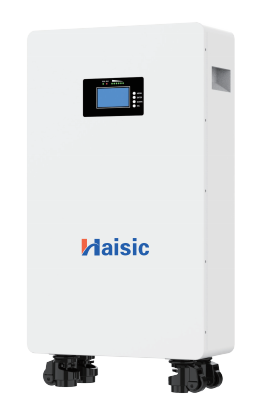
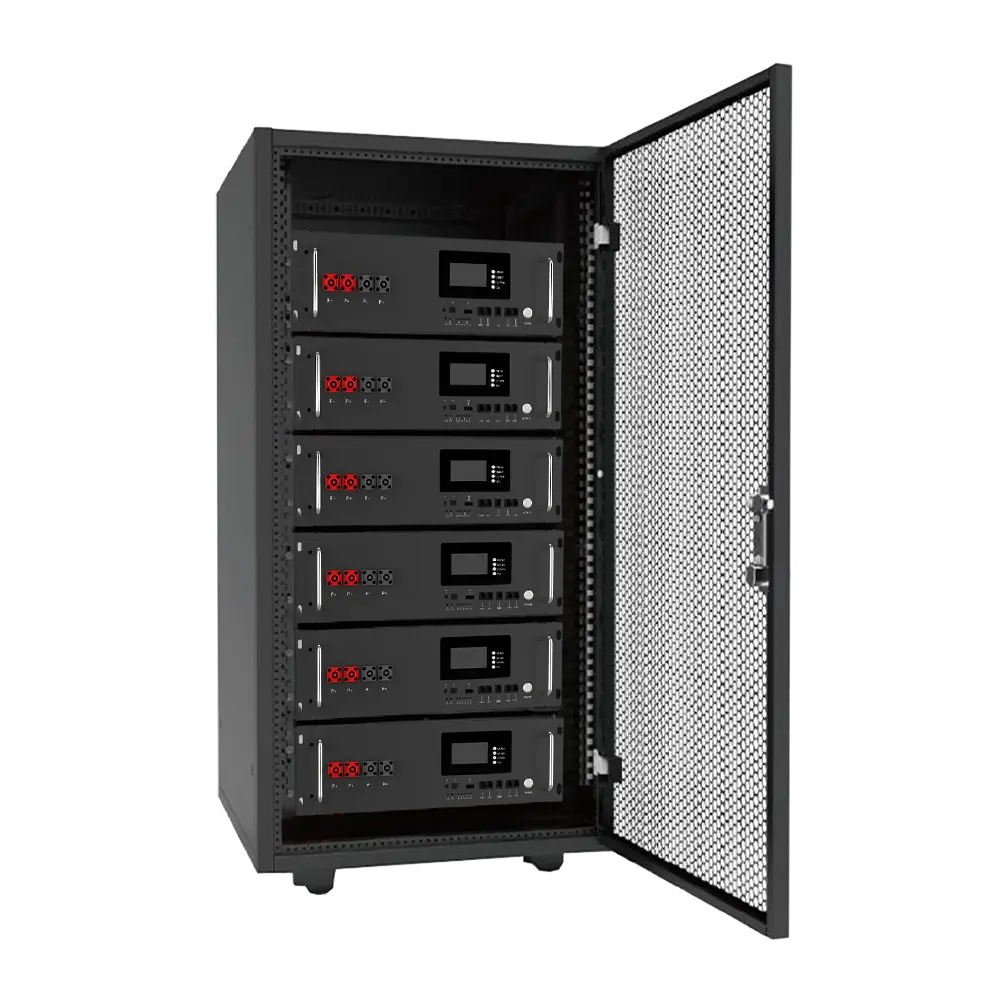
I run Haisic as a full-stack battery energy storage system company – we’re not just assembling boxes. Since 2012, we’ve built our own cells, packs, and BMS in-house, and shipped 2 GWh+ of systems into real projects worldwide. That vertical control is why developers and EPCs treat us as a long-term BESS manufacturer and supplier, not a trading company.
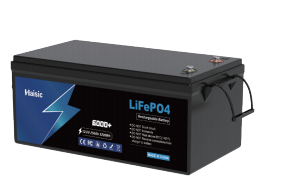
Our core tech is built around LFP battery chemistry for safety and long life, combined with an active balancing BMS that keeps packs healthy over thousands of cycles. For harsher climates and high-power applications, we offer liquid cooling battery energy storage systems to stabilize temperatures, reduce degradation, and protect performance.
Flagship lines include:
- HS-Series C&I container ESS (100 kW–5 MW) – turnkey commercial & industrial battery storage solutions, including options like our [215 kWh 100 k
Haisic Battery Energy Storage System Technical Specs
As a battery energy storage system company and direct manufacturer, I design Haisic packs to hit the numbers project developers actually care about, not just brochure claims.
Core Performance At A Glance
| Spec | Haisic BESS Range (Typical) | Why It Matters |
|---|---|---|
| Cycle life @ 80% DoD | 6,000–10,000 cycles | Long asset life, supports 10–15+ year projects |
| Round‑trip efficiency | ≥ 94% | Higher usable kWh and better project IRR |
| Chemistry | LFP (LiFePO₄) | Safer, more stable vs. NMC in C&I and grid use |
| Safety certifications | UL9540, UL9540A, IEC62619, UN38.3 | Meets key code and AHJ/utility requirements |
| Performance warranty | 10–15 years (model dependent) | Bankable for IPPs, EPCs, and commercial clients |
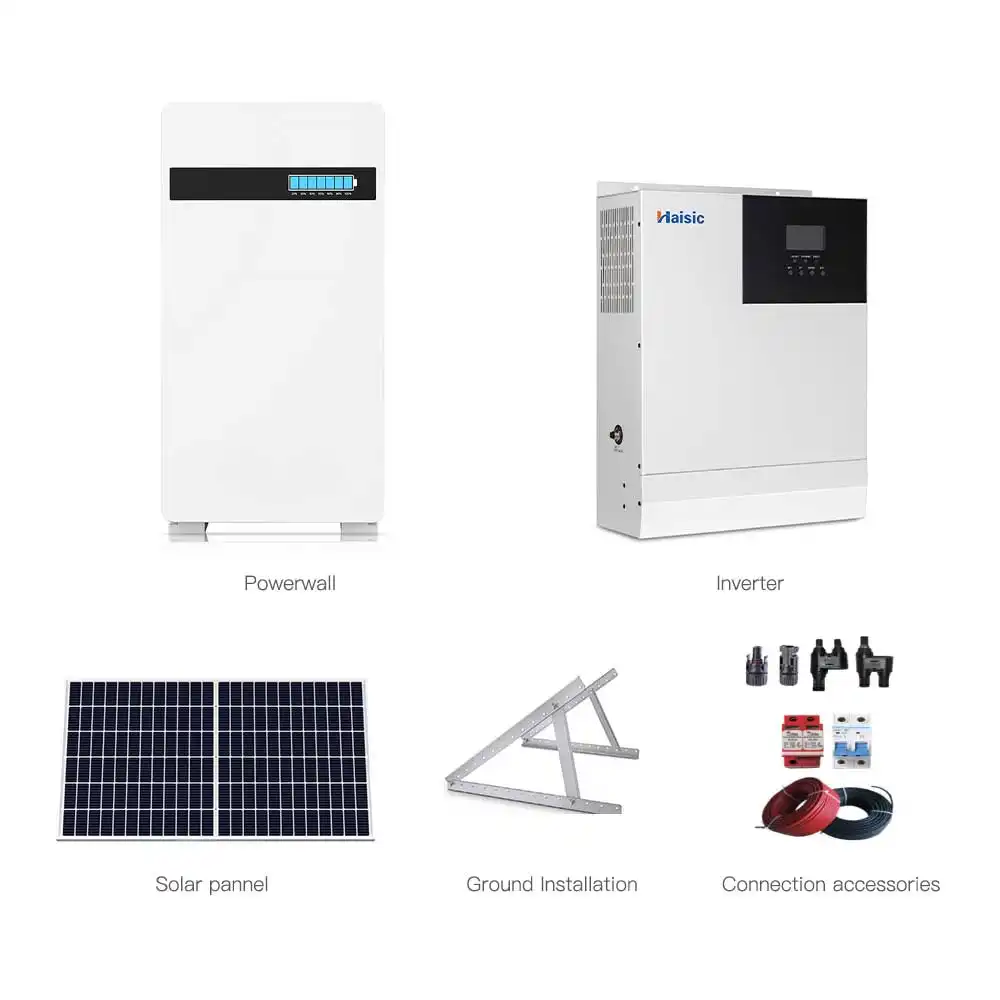
On our residential and small commercial side, these same specs carry through to products like the 51.2V 100Ah LiFePO4 battery module and 10kWh 5kW home battery system, giving installers Tier‑1 performance from a cost‑effective LFP battery storage company.
For global customers comparing battery energy storage system suppliers, these metrics are what decide lifetime cost, bankability, and how reliably the system will run once it’s in the field.
Real-World Battery Energy Storage Projects & Case Studies
100 MW / 400 MWh Utility-Scale Project in Australia
We delivered a 100 MW / 400 MWh lithium battery energy storage system in Australia, supplying fully integrated containers (cells, packs, BMS, EMS, and commissioning support). The system provides:
- 4-hour duration for grid support and peak shaving
- >94% round-trip efficiency under real operating conditions
- Full compliance with UL9540/UL9540A and local grid codes
The EPC partner summed it up:
“Haisic’s engineering support and response time were on a different level. From design to commissioning, they behaved like a true system integrator, not just a battery supplier.”
50+ C&I Battery Energy Storage Installations
We’ve rolled out 50+ commercial and industrial BESS projects across Europe and Southeast Asia, from 500 kWh rooftop systems to 5 MWh behind-the-meter peak shaving setups. Typical use cases:
- Reducing demand charges and peak loads
- Solar self-consumption and backup power
- Stabilizing microgrids in remote or weak-grid areas
A C&I client in Germany shared:
“We compared three Tier-1 battery energy storage system manufacturers. Haisic gave us the best TCO and the cleanest technical documentation. Installation was straightforward, and performance has matched the simulations.”
For homeowners and small businesses, many of these C&I and hybrid solar projects use the same core technology as in our battery storage for home and small commercial systems, just scaled up.
What EPCs and Developers Say
Across our global battery energy storage system projects, the feedback is consistent:
- Developers:
“Bankable specs, transparent warranties, and realistic lead times. That’s why we moved more projects to Haisic in 2026–2026.”
- EPCs:
“Pre-engineered containers, clear cable schedules, and remote commissioning support saved us weeks on-site.”
If you’re planning a new BESS project and want real numbers on cost, payback, and configuration, we break this down in detail in our guide to the cost of solar battery storage for commercial and residential users.
Why More Developers Are Switching to Haisic in 2026
If you’re comparing battery energy storage system companies for your next project, here’s why many global developers are moving to Haisic in 2026.
1. 20–30% Lower Total Cost of Ownership
We design and manufacture our own cells, packs, and BMS, so there’s no extra margin stacked between a factory and a system integrator. That lets us offer:
- 20–30% lower TCO vs. many Tier-1 Western BESS manufacturers
- Competitive CAPEX plus optimized O&M, thanks to long cycle life and stable LFP chemistry
- Flexible configurations to avoid oversizing and wasted capacity
For C&I and residential users who care about ROI, this cost advantage is often the difference that makes projects bankable.
2. Shorter Lead Times (16–20 Weeks)
In fast-moving markets, a 12‑month wait kills deals. Our integrated energy storage system factory in China plus regional stock means:
- Standard lead times of 16–20 weeks for most C&I and utility-scale systems
- Faster rollout for multi-site portfolios and solar + storage pipelines
- More predictable delivery for EPCs and developers working against incentive deadlines
3. Local Support & English-Speaking Project Teams
We work like a global battery energy storage system company, not just an exporter:
- Dedicated English-speaking project engineers from design to commissioning
- Local warehouses and service partners in the USA, Germany, and Australia
- Remote monitoring and quick response for warranty and after-sales issues
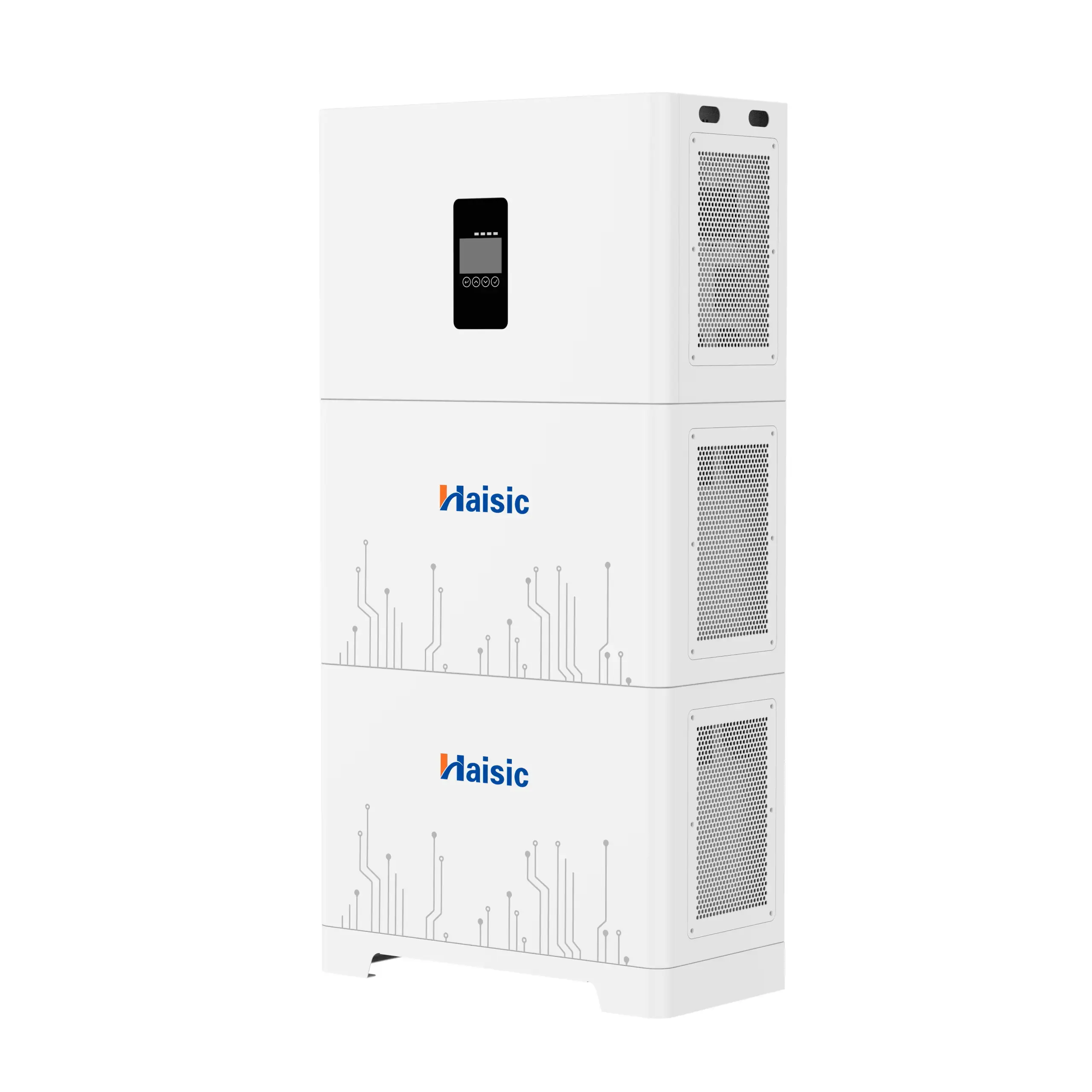
If you’re deploying residential and small commercial systems, our high-voltage stacked 20 kWh and 30 kWh battery storage solutions are optimized for installers who need plug-and-play, well-documented products.
4. Flexible OEM/ODM & White-Label BESS
Many developers, EPCs, and solar brands want their own label on a proven lithium battery energy storage system. That’s exactly what we support:
- OEM/ODM services for residential, C&I energy storage systems, and containerized BESS
- Custom cabinets, branding, communication protocols, and EMS integration
- Turnkey packs or full systems for hybrid solar + storage portfolios
If you need a cost-effective, UL9540-certified energy storage partner that can sit behind your brand and scale with your pipeline, that’s where Haisic fits.
How to Evaluate and Choose Your Battery Energy Storage System Company

If you’re about to select a BESS partner, treat it like choosing long‑term infrastructure, not just buying hardware. I use this simple 10‑point checklist whenever I compare battery energy storage system companies and suppliers:
| # | What to Check | Why It Matters |
|---|---|---|
| 1 | Safety certifications (UL9540, UL9540A, IEC, UN38.3) | Confirms the system is accepted by insurers, AHJs, and grid operators. |
| 2 | Cell chemistry & design (LFP vs NMC) | Impacts safety, lifespan, and operating temperature range. |
| 3 | Cycle life at real DoD | Look for ≥6,000 cycles at 80% DoD, not just “lab conditions” numbers. |
| 4 | Round‑trip efficiency | Higher efficiency (≥94%) cuts energy losses and improves project returns. |
| 5 | Warranty & performance guarantees | Clear years + throughput + capacity retention, backed by a real balance sheet. |
| 6 | Track record & bankability | Proven MWh deployed and use in financed projects reduce lender risk. |
| 7 | Local service & spare parts | Regional warehouses and on‑site support keep downtime and O&M costs low. |
| 8 | Integration (PCS, EMS, SCADA) | One turnkey BESS solution simplifies design, commissioning, and support. |
| 9 | Customization / OEM-ODM options | Lets you tailor C&I or residential ESS to your brand and grid requirements. |
| 10 | Total cost of ownership, not just CAPEX | Include BOS, shipping, commissioning, O&M, and degradation over 10–15 years. |
If you want a practical tool for your next tender, you can download our free 10‑point checklist PDF and use it to score each lithium battery energy storage system company side by side. Just head to our online quote request page and ask for the “BESS Partner 10‑Point Checklist (PDF)” with your project details.
Frequently Asked Questions About Choosing a Battery Energy Storage System Company
What’s the difference between a cell manufacturer and a system integrator?
A quick overview:
| Role | What They Do |
|---|---|
| Cell manufacturer | Produces lithium-ion cells (LFP, NMC, etc.) used inside battery modules |
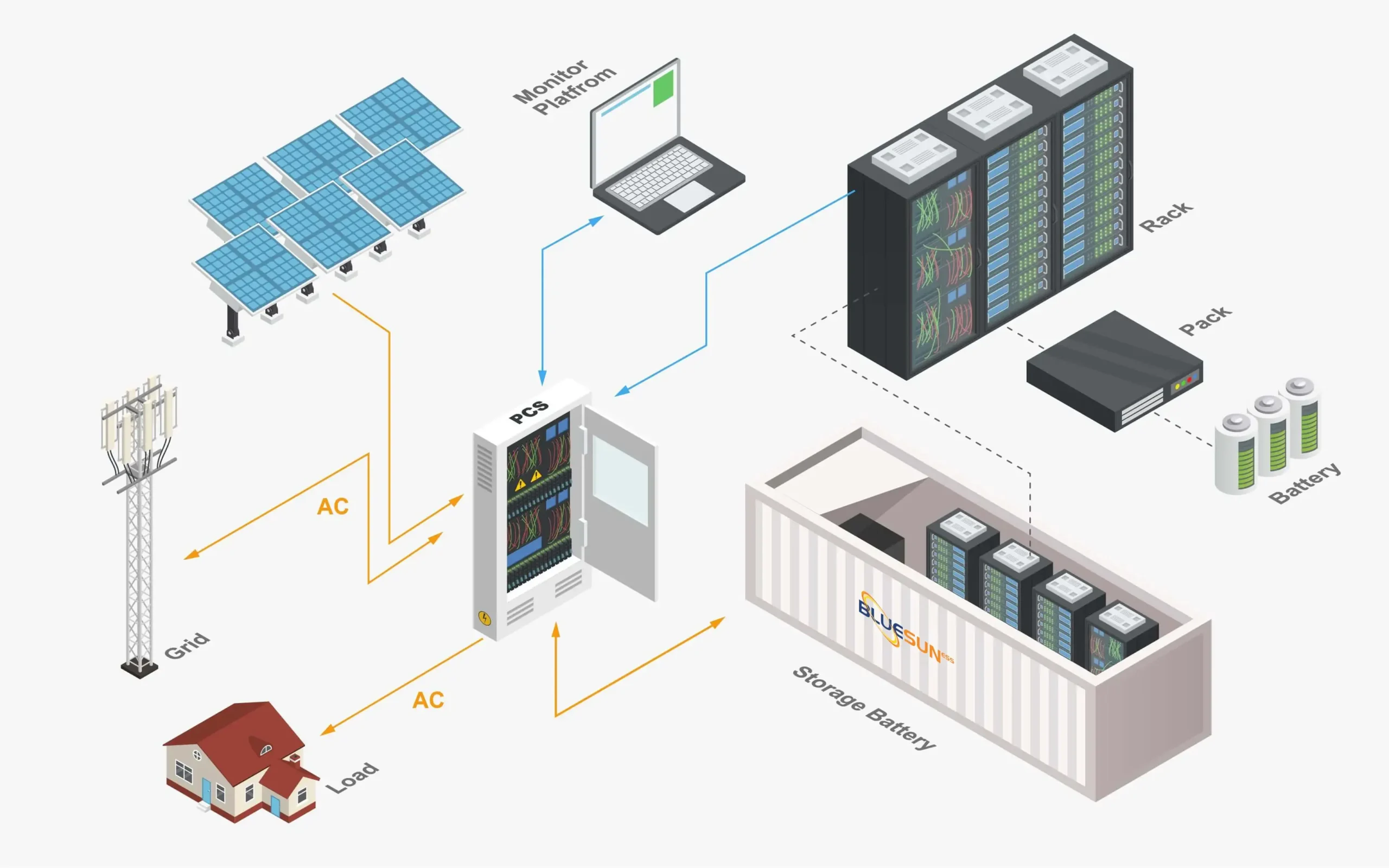
| System integrator | Designs and builds complete BESS: packs, racks, containers, PCS, EMS |
| Haisic Energy Storage | We are both a lithium battery energy storage system manufacturer and integrator |
As a vertically integrated battery energy storage system company, we design cells, packs, BMS and deliver turnkey C&I and utility systems from one source.
Is Haisic bankable?
Yes. We position Haisic as a bankable battery energy storage system supplier by focusing on:
- Proven field performance in multi-MWh projects
- UL9540 and IEC-certified products with 10–15 year performance warranties
- Full technical documentation, model libraries and test reports for lenders and insurers
For project developers and EPCs, this means our systems can support financing and long-term O&M planning.
Can Haisic provide PCS and EMS?
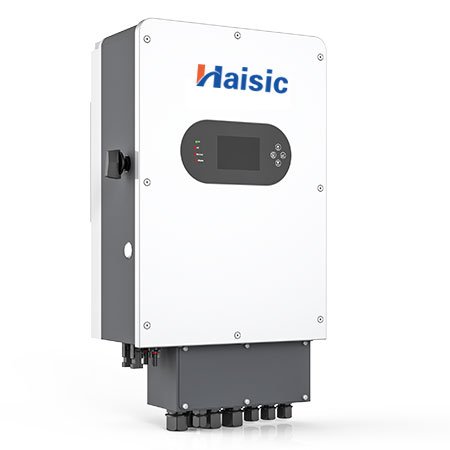
Yes. We provide complete, turnkey BESS solutions including:
- DC battery container + PCS (string or central)
- Onboard EMS with open protocols (Modbus/TCP, IEC 104, etc.)
- Integration with solar inverters and hybrid plant controllers
You can source the full stack from one energy storage system factory in China through our global delivery model. Explore our integrated project options on our BESS solutions page.
What are your lead time and MOQ?
Typical figures for 2026:
| Product Type | Lead Time (FOB) | Standard MOQ |
|---|---|---|
| Residential & small commercial BESS | 8–12 weeks | 1 pallet / model |
| C&I battery containers (100 kW–5 MW) | 16–20 weeks | 1 full container system |
| Utility-scale solutions | 20–28 weeks | From 1 MWh, project-based engineering |
As a flexible battery energy storage company, we support OEM/ODM and white-label orders; tell us your target market and volume, and we’ll align lead time and MOQ to your rollout plan.