











Are you struggling to navigate the complexities of the current BESS market? Securing the right assets is often the difference between a profitable project and a stranded liability.
In fact, successful battery energy storage procurement requires more than just finding a supplier; it demands a strategy that accounts for supply chain volatility and rigorous technical requirements.
In this guide, you’re going to learn exactly how to structure your RFP, evaluate system integrators, and negotiate Energy Storage Service Agreements (ESSA) that protect your bottom line.
Let’s dive right in.
Introduction to Battery Energy Storage Procurement
Effective battery energy storage procurement is the cornerstone of modern energy management, bridging the gap between volatile renewable generation and consistent power demand. As the global energy landscape shifts toward decarbonization, securing reliable Battery Energy Storage Systems (BESS) has become a critical strategic priority for commercial, industrial, and utility sectors. We focus on delivering integrated solutions that simplify this complex acquisition process, ensuring safety, efficiency, and long-term bankability.
Current State of the BESS Market
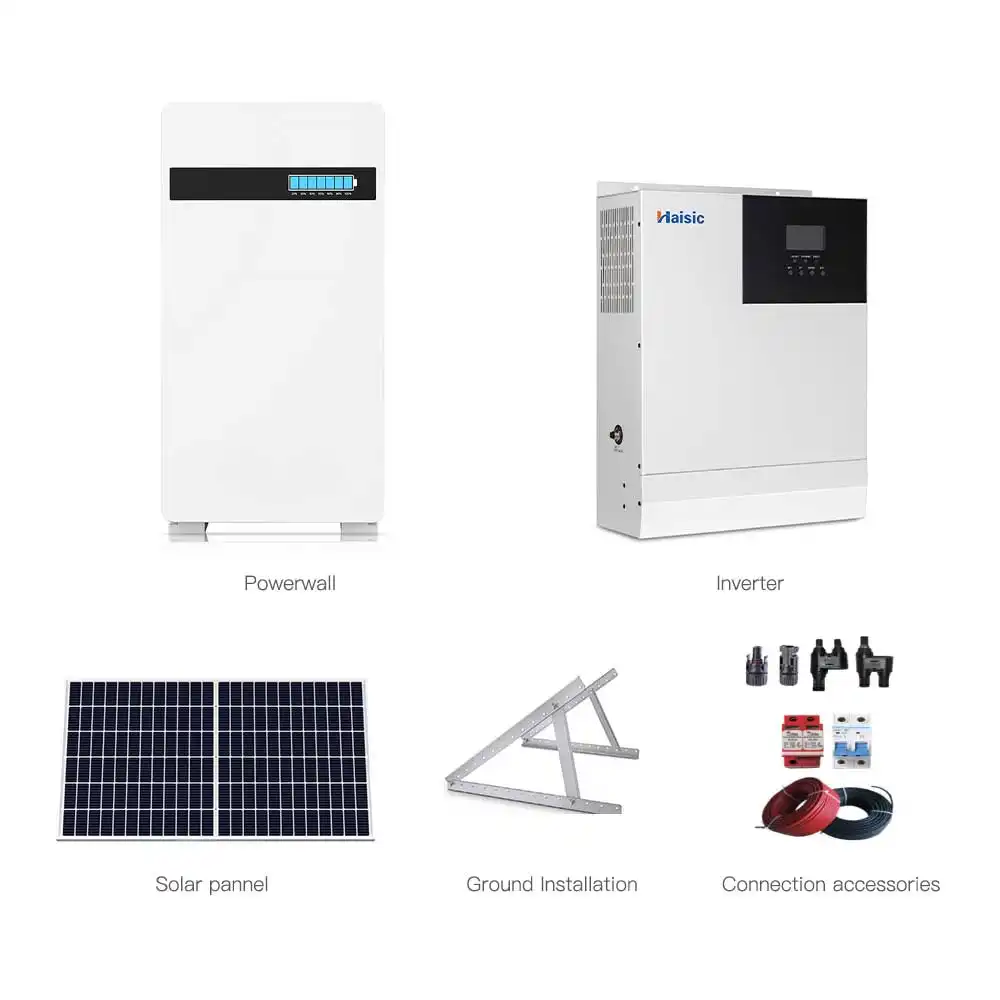
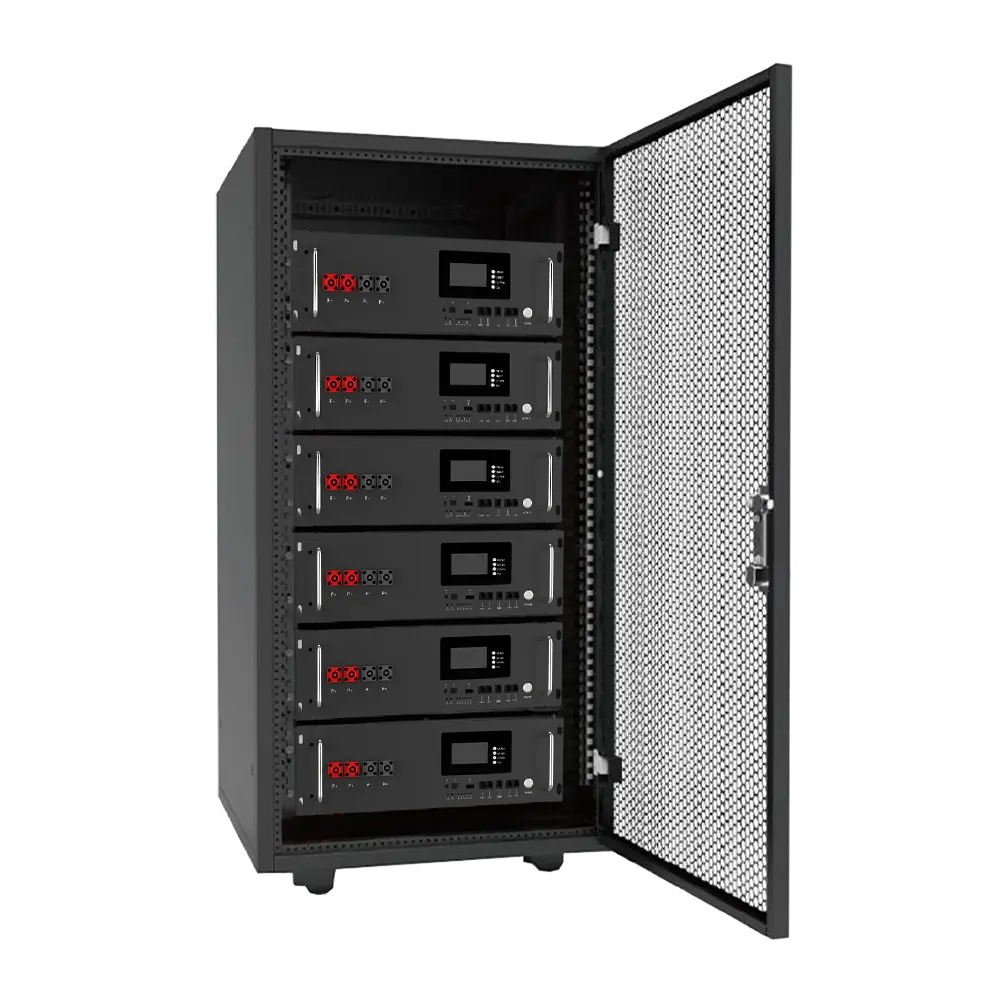
The BESS market is experiencing exponential growth, driven by the urgent need for grid stability and energy independence. We are witnessing a decisive industry shift toward Lithium Iron Phosphate (LiFePO4/LFP) chemistry, prized for its thermal stability and extended cycle life compared to legacy technologies. The supply landscape is evolving from simple component sourcing to comprehensive turnkey solutions, where buyers prioritize fully integrated cabinets that combine battery modules, PCS, and thermal management into a single, plug-and-play unit.
- Technology Shift: Rapid adoption of LFP for enhanced safety.
- Integration: Preference for all-in-one liquid-cooled and air-cooled cabinets.
- Scalability: Demand ranges from 5kWh residential units to multi-MWh utility containers.
The Strategic Value of Energy Storage
Investing in energy storage is no longer just about backup power; it is a financial instrument for operational efficiency. A well-procured system unlocks multiple revenue streams and cost-saving mechanisms. Our advanced liquid cooling technology ensures temperature uniformity, which maximizes battery lifespan and operational uptime, directly impacting the Return on Investment (ROI).
Key Strategic Benefits:
- Peak Shaving: Reducing demand charges by discharging during expensive peak hours.
- Energy Arbitrage: Charging during low-cost periods and discharging when prices rise.
- Grid Resilience: Providing immediate backup power during outages to prevent downtime.
- Asset Longevity: Intelligent thermal management extends the usable life of the system.
Defining Project Scope and Objectives
Successful procurement begins with a clearly defined scope. Before engaging suppliers, project owners must determine the specific application scenario—whether it is for a commercial microgrid, industrial peak shaving, or residential backup. This stage involves calculating the necessary power (kW) and energy capacity (kWh) to meet load requirements.
Critical Scoping Factors:
- Application Type: C&I, Residential, or Utility-scale.
- Capacity Needs: Sizing the system (e.g., 100kW/215kWh cabinets vs. containerized solutions).
- Space Constraints: Evaluating footprint for indoor or outdoor installation.
- Integration Level: Deciding between component procurement or a complete turnkey solution with integrated EMS.
Developing a Comprehensive Procurement Framework
Successful battery energy storage procurement requires more than just comparing price tags; it demands a structured approach to ensure technical compatibility and long-term reliability. We treat procurement as a strategic partnership search, focusing on \”turnkey\” capabilities where hardware, software, and safety systems are fully integrated before reaching the site. A solid framework minimizes risks associated with installation delays and system mismatches.
Issuing Requests for Information (RFI)
The RFI stage is about filtering the supply landscape to identify manufacturers with genuine industrial capabilities. We use this phase to verify if a supplier controls their supply chain, specifically their access to Tier 1 battery cells like CATL or EVE. This is also where we determine if a vendor offers advanced thermal management, such as liquid-cooling technology, or relies on older air-cooled methods.
Key questions to ask during the RFI process include:
- Cell Sourcing: Do they have direct partnerships with top-tier cell manufacturers?
- Safety Standards: Does the system include integrated aerosol fire suppression and meet IP55/IP66 ratings?
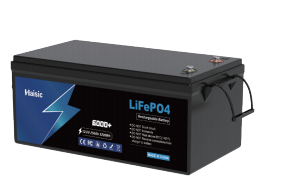
- Chemistry: Are they using a stable LiFePO4 battery for solar energy storage to ensure maximum safety and cycle life?
Drafting the Request for Proposal (RFP)
When moving to the RFP, specificity is critical. We move beyond general capacity requests to defining the exact operational scenario, whether it is peak shaving, microgrid formation, or commercial backup. The RFP must mandate \”All-in-One\” designs—prefabricated cabinets that include the battery modules, PCS, and cooling systems—to reduce on-site engineering costs.
Your RFP should explicitly require:
- Cycle Life Guarantees: A minimum of 6,000 cycles for C&I applications.
- Integration Specs: Clear protocols for how the energy storage system for solar power communicates with existing PV inverters.
- Smart Management: Requirement for a cloud-based Energy Management System (EMS) for real-time remote monitoring.
Bid Evaluation and Selection Criteria
Evaluating bids goes beyond the initial capital expenditure. We prioritize Total Cost of Ownership (TCO), which factors in round-trip efficiency, degradation rates, and maintenance requirements. Technology-agnostic suppliers or those flexible enough to integrate various power conversion systems often provide better long-term value.
We score proposals based on:
- Thermal Performance: Liquid-cooled systems generally score higher due to better temperature uniformity and extended battery life.
- Safety Compliance: Presence of multi-level protection (cell, module, and system level).
- Bankability: The financial stability of the manufacturer and their ability to honor long-term warranties.
Understanding the BESS Supply Chain and Key Players
Navigating the battery energy storage procurement landscape requires a clear understanding of who holds the keys to technology and delivery. The supply chain is not linear; it involves a complex ecosystem of raw material providers, cell manufacturers, and full-system integrators. For most commercial and industrial buyers, the success of a project hinges on selecting partners who can bridge the gap between raw chemistry and a functional, grid-ready asset.
Battery Cell Manufacturers vs. System Integrators
A common misconception in the supply landscape is that sourcing directly from top-tier cell manufacturers is always the best route. While cell manufacturers produce the core energy storage medium (the battery cells), they rarely provide the necessary balance of system (BOS) components required for a functional site.
We operate as a specialized system integrator and manufacturer. We leverage strategic partnerships with Tier 1 cell manufacturers like CATL and EVE to source high-quality Lithium Iron Phosphate (LFP) cells. We then engineer the complete solution—integrating these cells with our proprietary Battery Management Systems (BMS), advanced liquid-cooling thermal management, and fire suppression systems. This approach delivers a \”Turnkey\” solution. Instead of piecing together components, procurement managers should focus on integrated solar and energy storage solutions that arrive pre-assembled and tested, significantly reducing on-site installation risks and EPC costs.
Global Market Dynamics and Geographical Trends
The global BESS market is volatile, driven by fluctuations in raw material costs (lithium carbonate) and shifting manufacturing hubs. Currently, the industry is seeing a massive shift toward LFP chemistry due to its superior safety profile and cost-effectiveness compared to NMC (Nickel Manganese Cobalt).
Key trends impacting procurement include:
- Localization: Increasing demand for local support and service centers to handle O&M.
- Technology Shifts: A rapid move from air-cooled to liquid-cooled systems in the C&I sector to improve temperature uniformity and extend battery lifespan.
- Supply Chain Resilience: The ability of suppliers to maintain stock of critical components like high-voltage boxes and PCS units despite global logistics challenges.
Supplier Diligence and Bankability Assessments
When evaluating technology-agnostic suppliers or dedicated manufacturers, \”bankability\” is the primary metric. This goes beyond just financial health; it encompasses the technical reliability and safety of the product. A low upfront cost is meaningless if the system poses a fire risk or degrades prematurely.
Your diligence checklist should prioritize:
- Safety Protocols: Does the system include aerosol fire suppression and IP55/IP66 protection ratings?
- Cycle Life: Look for systems rated for 6,000+ cycles, which is standard for our high-quality LiFePO4 battery solar systems.
- Integration Level: Ensure the EMS (Energy Management System) allows for real-time remote monitoring and fault diagnosis.
Procurement teams must verify that the supplier offers a comprehensive warranty that covers the entire integrated cabinet, not just individual modules. This single-point accountability is crucial for long-term asset security.
Common Procurement Structures and Contract Models
Navigating battery energy storage procurement requires selecting a contract model that aligns with your risk appetite and operational capabilities. We often see buyers struggle not with the technology, but with defining who owns the asset and who manages the performance risk. Choosing the right structure determines your financial exposure and long-term operational responsibilities.
Energy Storage Service Agreements (ESSA)
An ESSA is essentially a \”storage-as-a-service\” model. Instead of buying the hardware upfront, you pay for the capacity or the energy services the system provides. This shifts the performance risk away from you and onto the asset owner or third-party provider.
- Risk Mitigation: The provider guarantees availability and efficiency. If the system is down, you don\’t pay.
- Capital Efficiency: This is an OpEx model rather than CapEx, freeing up cash flow for core business activities.
- Performance Guarantees: Contracts usually stipulate strict round-trip efficiency and response times.
Tolling and Build-Transfer Agreements
For larger utility-scale energy storage projects, we frequently encounter tolling and build-transfer structures. These are distinct approaches to asset control.
- Tolling Agreements: You (the buyer) supply the charging energy and control the dispatch schedule, while the project owner maintains the physical asset. You are essentially \”renting\” the battery\’s ability to store and shift power without worrying about maintenance.
- Build-Transfer (BT): A developer handles the entire development phase—permitting, interconnection, and construction. Once the system reaches commercial operation, ownership is transferred to you. This is ideal if you want to own the asset but lack the internal team to manage the complex construction phase.
Engineering, Procurement, and Construction (EPC) Contracts
The EPC model is the standard for most Commercial & Industrial (C&I) projects. In this setup, a single entity is responsible for the design, hardware procurement, and installation, delivering a \”turnkey\” solution. At Haisic Storage, we streamline this process by offering prefabricated, all-in-one cabinets that significantly reduce on-site complexity.
Key advantages of a solid EPC framework include:
- Single Point of Responsibility: If something goes wrong during installation, there is one accountable party.
- Fixed Pricing: EPC contracts typically offer a lump-sum price, protecting you from cost overruns on labor or materials.
- Streamlined Integration: Using pre-integrated systems, such as our liquid-cooled units, simplifies the engineering phase because the thermal management and fire suppression are already built-in.
When drafting an EPC contract, ensure it clearly defines the \”substantial completion\” milestones and includes rigorous acceptance testing to verify that the BESS meets all technical specifications before final handover.
Technical Requirements and Performance Standards
When we handle battery energy storage procurement, we look far beyond simple capacity ratings. The technical backbone of a BESS determines its profitability and safety over the next decade. We prioritize Lithium Iron Phosphate (LiFePO4) chemistry because it offers the best balance of safety and longevity for commercial applications. Below, I break down the specific technical criteria that define a successful project.
Capacity Maintenance and Augmentation Strategies
Over time, every battery system faces capacity fade. A smart procurement strategy anticipates this by selecting modular systems that allow for easy augmentation. We design our BESS solutions, particularly our lithium battery storage container units, to be plug-and-play. This allows facility managers to add capacity seamlessly as energy demands grow or as initial cells age, without needing to replace the entire infrastructure.
Effective capacity maintenance also relies heavily on thermal management. We utilize advanced liquid cooling technology in our C&I cabinets. Unlike air-cooling, liquid cooling maintains a uniform temperature across all cells (often within a 2-3°C variance). This uniformity drastically reduces the stress on individual cells, ensuring the system maintains its rated capacity for longer periods.
Key Augmentation Considerations:
- Modularity: Can you stack or add cabinets easily?
- Space Planning: Is there physical room reserved for future augmentation units?
- PCS Compatibility: Will the Power Conversion System handle added DC capacity?
Battery Degradation and Warranty Evaluation
In battery energy storage procurement, the warranty is only as good as the cell chemistry behind it. We focus on high-endurance LFP cells that are rated for 6,000+ cycles. This high cycle life is critical for applications like peak shaving, where the battery is discharged daily. When evaluating warranties, I always look at the throughput guarantee rather than just the calendar years.
Degradation curves differ significantly between suppliers. A system with poor thermal management will hit its \”end of life\” (usually 80% remaining capacity) much faster than one with precision cooling. Our integrated BMS (Battery Management System) constantly monitors State of Charge (SoC) and State of Health (SoH) to predict degradation and optimize charging cycles, protecting your investment.
Performance Metrics Table:
| Feature | Standard Market Spec | Our High-Performance Spec | Impact on ROI |
|---|---|---|---|
| Cycle Life | 3,000 – 4,000 Cycles | 6,000+ Cycles | Longer operational lifespan |
| Cooling | Air-Cooled | Liquid-Cooled | Reduced degradation & maintenance |
| Chemistry | NMC / Lead-Acid | LiFePO4 (LFP) | Higher safety & thermal stability |
| Protection | Basic Fuse | IP55/IP66 + Aerosol | Lower insurance & risk costs |
Safety Standards and Fire Protection Protocols
Safety is the single most critical aspect of utility-scale energy storage and commercial projects. We adhere to strict industrial standards, ensuring our enclosures meet IP55 or IP66 ratings to withstand harsh environments. However, internal safety is where the real engineering happens.
We integrate multi-level fire protection directly into our cabinets. This includes cell-level monitoring via the BMS to detect thermal anomalies instantly. If a critical heat event occurs, our systems deploy an Aerosol fire suppression system automatically. This rapid response capability contains potential thermal runaway events before they can spread. When procuring storage, never compromise on these integrated safety layers; they are essential for securing site permits and insurance.
Navigating Risks in Storage Procurement
Effective battery energy storage procurement requires more than just comparing price tags; it demands a strategic approach to risk management. As a turnkey solution provider, we understand that the success of a project hinges on identifying potential pitfalls early in the sourcing process. From supply chain bottlenecks to operational safety, mitigating these risks ensures your BESS asset delivers long-term value.
Supply Chain Volatility and Equipment Availability
The global supply landscape for battery cells can be unpredictable. Fluctuations in raw material costs and high demand for lithium-ion cells often lead to extended lead times. To counter this, we maintain robust partnerships with Tier 1 cell manufacturers like CATL and EVE. This allows us to secure consistent inventory even when the market is tight.
When you decide to import energy storage systems from a manufacturer, reliability is paramount. We focus on:
- Integrated Supply Chains: Reducing reliance on multiple vendors by offering all-in-one cabinets.
- Prefabrication: Our systems are assembled and tested in the factory, minimizing delays caused by missing components on-site.
- Scalability: Whether you need a 215kWh C&I unit or a larger utility deployment, our modular design ensures equipment availability matches your project timeline.
Interconnection and Operational Risks
Connecting a BESS to the grid involves complex technical compliance. Delays often occur when hardware fails to meet local grid codes or safety standards. We mitigate this through our \”Plug-and-Play\” design philosophy. Our liquid-cooled and air-cooled cabinets come pre-integrated with the Power Conversion System (PCS) and fire suppression systems, streamlining the interconnection process.
Operational risk is further managed through intelligent software:
- Real-Time Monitoring: Our proprietary Cloud EMS tracks system health 24/7.
- Safety First: We utilize LFP chemistry and multi-level protection (IP55/IP66 ratings, aerosol fire suppression) to prevent thermal runaway.
- Thermal Management: Liquid cooling technology maintains temperature uniformity, significantly reducing the risk of premature cell degradation.
Risk Allocation and Contractual Provisions
Clear contracts are the backbone of successful procurement. It is vital to define who is responsible for system performance, warranty claims, and maintenance. We advocate for a turnkey procurement model where the manufacturer takes responsibility for the entire integration.
Key contractual considerations include:
- Performance Guarantees: Our cells are rated for 6,000+ cycles, allowing us to offer strong performance warranties.
- Scope of Work: Clearly defining the boundary between equipment delivery and on-site commissioning.
- Support Services: Ensuring the supplier provides comprehensive R&D support and after-sales service to handle any technical issues swiftly.
Project Lifecycle: From Installation to End-of-Life
Siting, Permitting, and Commissioning
Successful battery energy storage procurement extends far beyond signing the purchase order. We focus heavily on the physical integration of the system into the existing infrastructure. Siting requires a careful analysis of grid connection points, ground load-bearing capacity, and environmental conditions. Our approach utilizes prefabricated, \”plug-and-play\” cabinet designs which significantly reduce on-site complexity.
Permitting is often the biggest bottleneck. We mitigate this by ensuring our systems meet rigorous safety standards, including IP55/IP66 ratings and integrated aerosol fire suppression, which speeds up local authority approvals. Commissioning is the final handshake between the hardware and the grid. By using pre-integrated units, we streamline the solar battery storage installation process, ensuring the Power Conversion System (PCS) and Battery Management System (BMS) are fully synchronized before commercial operation begins.
Operation and Maintenance (O&M) Requirements
The long-term value of a BESS is determined by how well it is maintained. In our procurement framework, we prioritize systems that offer intelligent visibility. We utilize a proprietary Cloud-based Energy Management System (EMS) that allows for real-time data analysis and remote operations. This reduces the need for frequent physical site visits and lowers operational costs.
For hardware maintenance, the choice between cooling technologies is critical. We often recommend liquid-cooling solutions for C&I applications because they maintain tighter temperature uniformity, which extends battery life and reduces failure rates compared to traditional air-cooling.
| Feature | Benefit |
|---|---|
| Intelligent EMS | Real-time monitoring of State of Charge (SoC) and system health. |
| Liquid Cooling | Maintains optimal temperature range to prevent degradation. |
| Remote Diagnostics | Identifies faults early to prevent downtime without site visits. |
| Modular Design | Allows for swapping individual modules rather than whole systems. |
Decommissioning and Recycling Tasks
Planning for the end of a project is just as important as the beginning. When we structure a battery energy storage procurement deal, we consider the full lifecycle, including the eventual decommissioning after the system\’s rated 6,000+ cycles. We rely on Lithium Iron Phosphate (LFP) chemistry not only for its operational safety but also because it is generally more stable and easier to handle during the recycling process compared to other lithium-ion chemistries.
Our modular design philosophy ensures that when a system reaches its end-of-life, disassembly is straightforward. For large-scale deployments, such as our 1MWh ESS All-in-One systems, the containerized architecture allows for efficient removal and transport to recycling facilities, ensuring compliance with environmental regulations and closing the loop on the supply chain.