









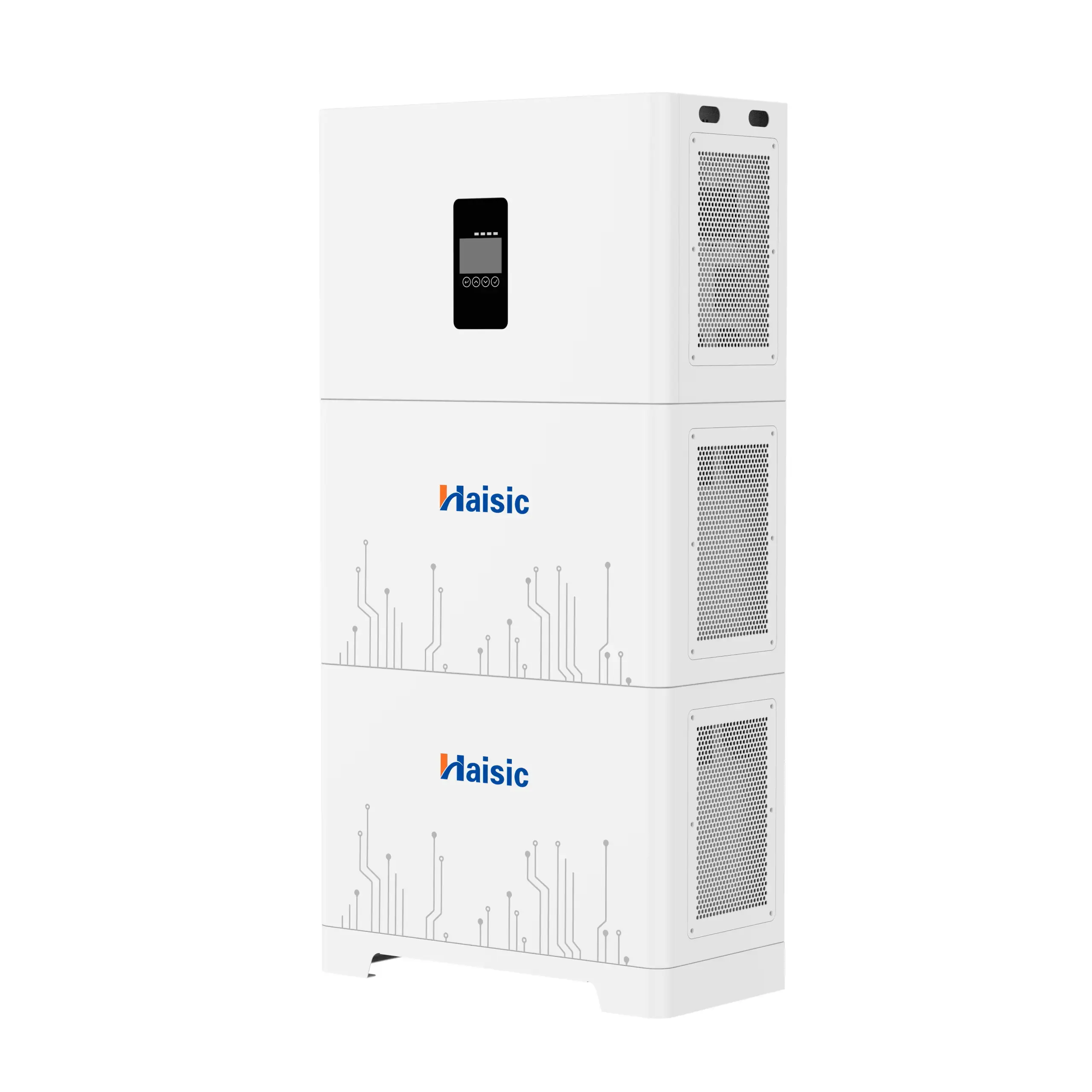
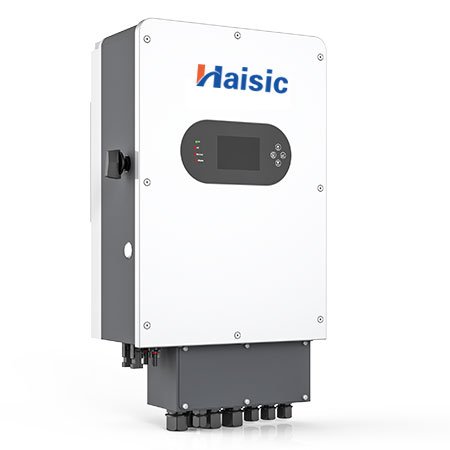
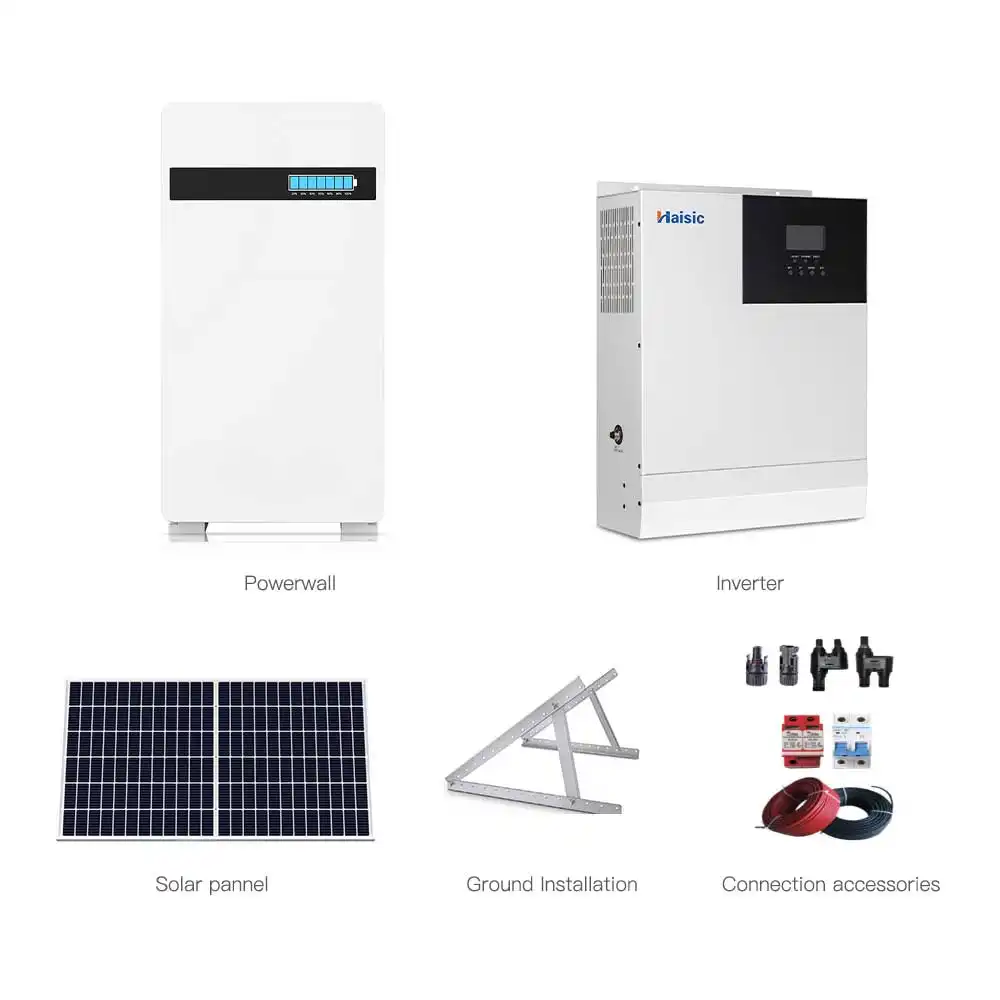
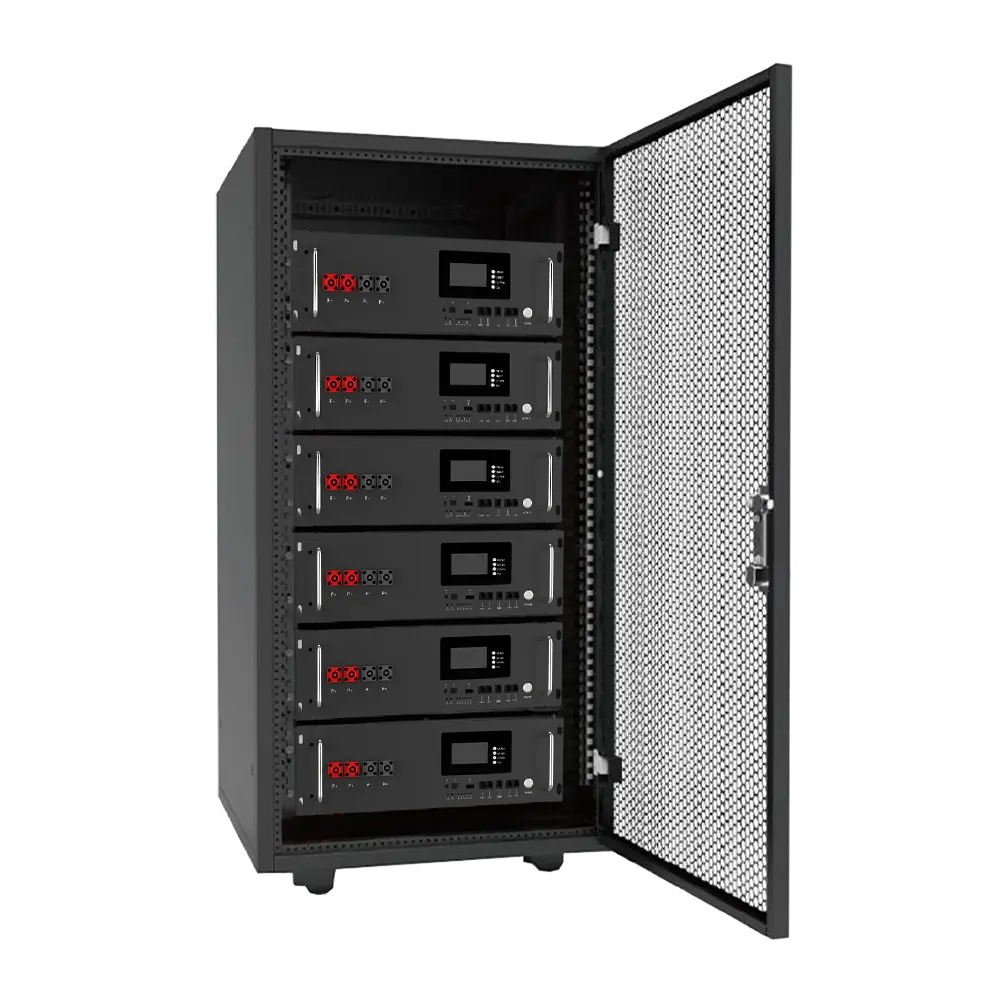

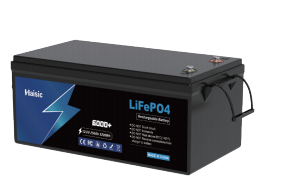
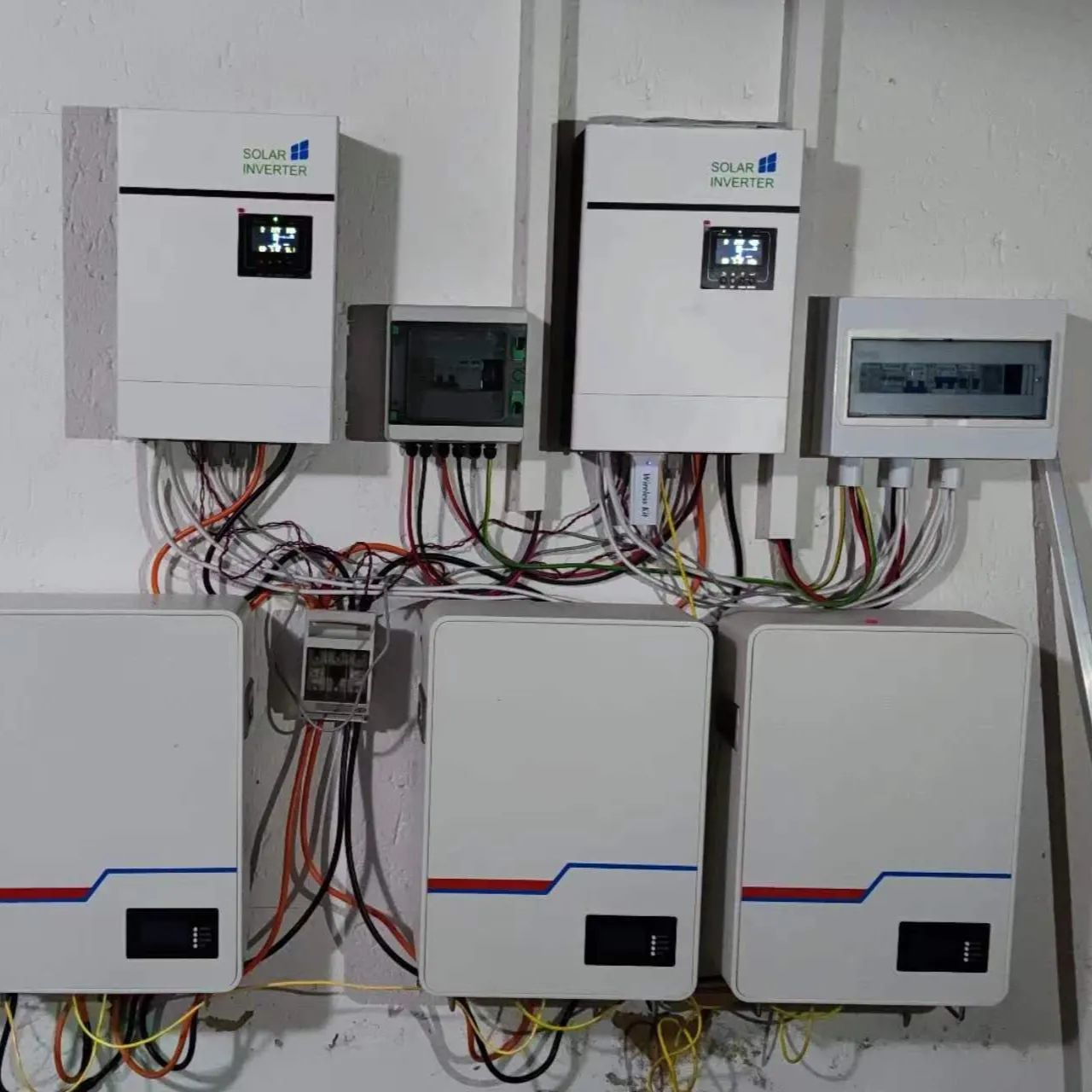
Power outages are no longer a rare inconvenience—they’re becoming a part of everyday life in many areas. And when the lights go out, keeping your household appliances running isn’t just about comfort…it’s about safety, food preservation, and peace of mind.
That’s where a power bank for household appliance use comes in.
But here’s the catch: most “power banks” you see online are only built for phones and laptops—nowhere near strong enough to run a fridge, fan, router, or TV. What you actually need is a high-capacity portable power station with AC outlets, serious watt-hour capacity, and safe, stable power output.
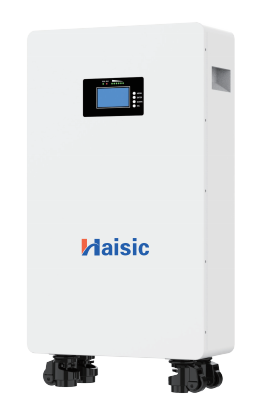
In this guide, you’ll learn exactly how to choose the right portable power solution for your home—how much capacity you really need, which appliances you can reliably run, and why modern LiFePO4 solar-compatible systems from brands like Haisic are quickly becoming the go-to backup for smart homeowners.
Let’s get straight into it.
What Is a Power Bank for Household Appliances?
A power bank for household appliances is a high-capacity, portable battery system that can safely run home devices like a fridge, Wi‑Fi router, TV, fan, or even power tools. Unlike a small phone power bank, this is a portable power station for home appliances designed to act as an emergency power supply for home or as flexible off‑grid power whenever you need it.
Portable Power Station for Home Use: Simple Definition
When I say portable power station, I mean a unit that combines:
- A large, rechargeable battery (measured in watt-hours, or Wh)
- A built-in inverter that converts battery power (DC) into normal household power (AC)
- Multiple AC outlets and DC ports so you can plug in appliances, laptops, and phones
- Smart charging inputs (wall, solar, car) to refill the battery efficiently
Think of it as a quiet, indoor-safe generator alternative you can carry, store in a closet, and turn on instantly when the power goes out.
How It Differs from a Regular Phone or Laptop Power Bank
A regular pocket power bank:
- Usually has USB-A or USB-C only
- Can only charge small devices (phones, earbuds, tablets)
- Has very limited capacity and no AC output
A high-capacity power bank with AC outlet for household appliances:
- Includes 110–120V (or 220–240V) AC sockets just like your wall outlets
- Delivers hundreds to thousands of watts of power continuously
- Can run a fridge on portable battery, power a mini fridge and fan, keep a router and TV running, or support CPAP and medical devices
- Uses advanced battery tech like LiFePO4 portable power station cells for long life and safety
In short, a normal power bank charges gadgets; a portable AC power bank for home use actually runs appliances.
Key Components: Battery, Inverter, Outlets, and Ports
Every serious portable power station for home appliances is built around a few core components:
Battery pack
- The heart of the system, measured in Wh (watt-hours)
- Determines how long you can power your devices
- Better units use LiFePO4 for longer life and safer performance
Inverter (pure sine wave inverter battery)
- Converts DC battery power into smooth AC power
- A pure sine wave inverter is crucial for sensitive electronics (laptops, TVs, medical gear) to avoid noise, overheating, or damage
Output ports
- AC outlets for household appliances (fridge, fan, TV, coffee maker)
- USB-A / USB-C for phones, tablets, laptops, and small gear
- DC outputs / car socket for 12V devices, coolers, and some camping appliances
Charging inputs
- Wall charging for fast top-ups
- Solar charging with an MPPT controller in higher-end models (true solar generator for household use)
- Car charging for road trips or emergencies
These pieces work together to give you reliable energy storage for essentials in one compact unit.
Why AC Output and Higher Wattage Matter for Appliances
Household appliances don’t run on USB. They need:
- Standard AC output (like your wall outlet)
- Enough continuous wattage to handle their load
A backup battery for power outages designed for appliances will offer:
- High continuous watt output to run devices like:
- Refrigerator or freezer
- Microwave (short periods)
- Coffee maker
- Power tools
- Home office gear and Wi‑Fi router
- Surge power capacity for startup spikes (especially motors and compressors in fridges, pumps, and AC units)
Without sufficient AC output and wattage, your power bank may:
- Shut down or trip protection when an appliance starts
- Fail to run a fridge on portable battery or other heavy loads
- Only be useful for low-power gadgets instead of real home backup power
This is why I design and recommend systems with pure sine wave AC output and realistic watt ratings that match actual household use, not just spec sheet marketing.
Common Names You’ll See for This Type of Power Bank
When you search online, you’ll see several names that mostly refer to the same class of product:
- Portable power station
- Solar generator for household use
- Backup battery for power outages
- Indoor safe portable generator alternative
- Home energy storage for blackout
- Expandable home backup power system
All of these point to the same idea: a large, rechargeable, AC-capable power bank for household appliances that can keep your essentials running whether you’re at home, on the road, or completely off-grid.
Why Use a Power Bank for Household Appliances?
A power bank for household appliances (portable power station) fixes one simple problem: when the power goes out, your life shouldn’t stop.
Real-life problems it solves
Power banks for home appliances are ideal when you deal with:
- Power outages & rolling blackouts
- Storms, typhoons, and grid failures
- Unstable voltage that can damage electronics
- Remote areas or older buildings with weak wiring
Instead of sitting in the dark, you can still run your router, fridge, lights, phones, and fans from a high‑capacity power bank with AC outlets.
When a power bank beats a gasoline generator
In many everyday cases, a portable power station for home appliances is simply the better choice than a fuel generator:
| Situation | Power Bank for Appliances | Gasoline Generator |
|---|---|---|
| Indoor use | Yes, safe (no fumes) | No, carbon monoxide risk |
| Noise | Very quiet (fan only) | Loud engine noise |
| Maintenance | Low (keep charged) | Oil changes, fuel storage, servicing |
| Start-up | Instant, button press | Pull start / electric, warm-up time |
| Small daily loads (router, lights) | Efficient & convenient | Overkill, wastes fuel |
If you live in an apartment, condo, or dense neighborhood, a quiet backup power for apartment is often the only realistic backup option.
Who actually needs one?
A portable AC power bank for home use makes sense for:
- Homeowners – want backup for fridge, freezer, lights, internet
- Renters – can’t install permanent systems but still want emergency power
- RV and camper users – need silent power for mini fridges, fans, laptops
- Off-grid cabins & tiny homes – use as off-grid power for appliances with solar
If you’re planning a larger system later, a portable unit also pairs well with a home solar energy storage system as a flexible, movable backup.
Core benefits: quiet, low-maintenance, indoor-safe
Why I always recommend a backup battery for power outages as a first step:
- Silent and low-key – no engine noise, no complaints from neighbors
- No fumes – safe to use indoors, in bedrooms, offices, RVs
- Low maintenance – just keep it charged a few times a year
- Fast to deploy – grab, plug in, you’re online and powered in seconds
- Safe for electronics – pure sine wave inverters protect TVs, PCs, routers
This is your indoor safe portable generator alternative.
How it fits into your overall energy plan
Think of a portable power station for home appliances as the first layer of your energy backup:
- Short outages (minutes to hours): use the power bank only
- Longer blackouts: pair it with solar panels as a solar generator for household use
- Future growth: combine portable units with a larger stackable energy storage system like a modular home battery bank
You don’t need to jump straight to a whole‑home system. Starting with a reliable energy storage for essentials gives you peace of mind today, and it scales with you as your backup needs grow.
Everyday situations to use a power bank for household appliances
A power bank for household appliances isn’t just for big emergencies. In daily life, it quietly solves real problems and keeps your routine stable.
Power outages at home (short and long)
Whether it’s a 30‑minute cut or a 12‑hour blackout, a portable power station for home appliances can:
- Keep LED lights on in key rooms
- Run your Wi‑Fi router and modem
- Power a fan for comfort
- Keep your phone and laptop charged
In longer outages, a higher‑capacity, indoor‑safe portable generator alternative can keep a fridge or mini fridge running to protect your food.
Keeping fridge, router, and lights running
Most people start with three essentials:
- Refrigerator or mini fridge – to avoid food waste
- Internet router – to stay connected and work remotely
- Basic lighting – so you’re not using candles everywhere
A high‑capacity power bank with AC outlet and pure sine wave inverter is ideal here, because it can safely handle compressors in fridges and sensitive electronics.
Camping, road trips, and RV living
If you camp, travel by van, or live in an RV, a portable battery for RV and camper appliances becomes your “silent generator”:
- Run a portable fridge, LED lights, fan, or small induction cooktop
- Charge cameras, drones, tablets, and laptops for content creation
- Use 12V DC and AC outlets for camping appliances without hunting for hookups
Paired with solar, it turns into a compact off‑grid power for appliances setup.
Backup power for home office and Wi‑Fi
Remote work and side projects don’t stop just because the grid does. A backup battery for power outages keeps your:
- Laptop / desktop (via monitor + mini PC)
- Router and modem
- Phone chargers
- Desk lamp
running for hours, so you can keep working, streaming, or taking calls without scrambling to find a café with power.
Supporting medical or sensitive devices
For many families, the top priority is reliable energy storage for essentials, especially:
- CPAP machines and BiPAP devices
- Nebulizers and small medical pumps
- Monitors and other sensitive electronics
Here, a LiFePO4 portable power station with pure sine wave output and long cycle life is worth paying for. It’s stable, quiet, and safer for 24/7 or repeated emergency use.
Off‑grid cabins, sheds, and tiny homes
If you’ve got a tiny home, off‑grid cabin, or backyard office, a solar generator for household use can:
- Run lights, laptop, Wi‑Fi, and small kitchen appliances
- Power tools in a shed or workshop where there’s no wiring
- Act as a smaller, flexible alternative to a fixed home energy storage battery
If you plan to eventually step up to a full wall‑mounted system, you can combine a portable power station with a larger battery storage for home solution like a dedicated home lithium battery storage system to cover both daily use and deeper outages.
Key Specs That Actually Matter in a Power Bank for Household Appliances
When you’re buying a power bank for household appliances, ignore the marketing fluff and focus on these specs – they decide what you can actually run, and for how long.
Battery Capacity (Wh) – How Long It Really Lasts
Capacity is measured in watt-hours (Wh).
Think of it as “how many watts for how many hours”:
- Runtime (hours) ≈ Battery Wh ÷ Appliance watts
- 500 Wh battery / 100 W TV ≈ 5 hours
- 1,000 Wh battery / 400 W fridge ≈ ~2 hours (real use is longer because fridges cycle on/off)
- For real-world use, assume 10–20% loss from inverter and heat.
Higher Wh = longer runtime, not more “power” at once. That part comes next.
Continuous vs Surge Power (W) – What You Can Actually Run
For any portable power station for home appliances, you’ll see two watt ratings:
- Continuous output (W) – The max power it can supply non-stop.
- If the unit is rated 1,000 W continuous, don’t run a 1,200 W microwave on it.
- Surge / peak output (W) – Short burst for motors and compressors starting up.
- Fridges, pumps, power tools can briefly pull 2–3× their running watts.
Rule:
- Your total appliance watts must stay below continuous rating.
- Your biggest startup load must stay below surge rating.
Inverter Type – Why Pure Sine Wave Matters
The inverter turns battery DC into AC like your wall outlets.
- Pure sine wave inverter = clean, grid-like power
- Safer for fridges, TVs, laptops, CPAPs, chargers, and other sensitive electronics
- Runs motors and compressors smoother and cooler
- Modified sine wave = cheaper, but can cause noise, heat, or even damage
For home backup and off-grid power for appliances, I only consider pure sine wave inverter batteries. The same standard is used in higher-end systems like a pure sine wave hybrid solar inverter for whole-home setups.
Outputs and Ports – What You Can Plug In
Make sure your backup battery for power outages has the right outputs:
- AC outlets (110–120V or 220–240V) – For appliances, fridge, TV, chargers
- More sockets = easier to power multiple devices
- USB-A – Phones, older devices, low-power gadgets
- USB-C PD – Fast-charging laptops, tablets, modern phones
- DC barrel ports – Some routers, LED lights, DC appliances
- Car socket (12V) – Car fridge, inflators, some fans
More isn’t always better; look for the mix that matches your actual devices, not just port count.
Build Quality, Cooling, and Safety Protections
A high-capacity power bank with AC outlet is still a serious electrical device. Don’t cheap out on safety:
- Cooling & fans
- Good airflow, smart fan control, and vents that don’t choke easily
- Battery management system (BMS) with:
- Overload protection
- Overcharge / over-discharge protection
- Short-circuit and over-temperature protection
- Strong casing & handles
- Impact-resistant shell, solid handles or wheels if it’s heavy
- Safety certifications
- Look for CE, UL, or equivalent regional marks depending where you live
If you plan to pair your unit with solar or expand later, check that it plays nicely with MPPT-based inverters and controllers similar to those in off-grid solar inverter systems, where safety and reliability are non-negotiable.
Focus on these core specs and you’ll know if a portable AC power bank for home use is just a big phone charger or a real indoor-safe generator alternative you can trust during an outage.
Battery Types and Lifespan for a Power Bank for Household Appliances
When you’re buying a power bank for household appliances, the battery chemistry is what decides how long it lasts, how safe it is, and how often you can actually use it.
LiFePO4 vs lithium-ion vs lead-acid
LiFePO4 (lithium iron phosphate)
- 3000–6000+ cycles to ~80% capacity
- Very stable and safe, low fire risk
- Heavier than standard lithium-ion, but still compact vs lead-acid
- Best choice for daily use, off-grid setups, RVs, and long-term home backup
- Similar chemistry is used in high-end packs like a long‑lasting 12.8V LiFePO4 deep cycle battery.
Standard lithium-ion (NMC, NCA, etc.)
- ~500–1500 cycles
- Lighter and very energy-dense
- More heat-sensitive and needs good protection circuits
- Good for lightweight power banks for camping appliances or occasional outages
Lead-acid (AGM, gel)
- ~300–500 cycles (often less if deeply discharged)
- Very heavy and bulky for the same capacity
- Cheaper upfront but weak value if you cycle it often
- Only makes sense for very occasional backup or fixed installs where weight doesn’t matter
Cycle life and real lifespan
Each “cycle” = roughly one full charge and discharge.
- If a LiFePO4 portable power station is rated for 4000 cycles, using it once per day can give you 10+ years before capacity noticeably drops.
- A typical lithium-ion unit used daily may start losing useful capacity in 3–5 years.
Safety and thermal stability
- LiFePO4 is the safest:
- Resists overheating
- Much lower fire risk
- More forgiving in hot climates and during long outages
- Standard lithium-ion is safe if the BMS (battery management system) is good, but it’s more sensitive to abuse.
- Lead-acid can vent gas and must be kept upright and ventilated.
For indoor, apartment, and bedroom use (CPAP, routers, laptops), a LiFePO4 portable power station for home appliances is the clear winner.
Weight, portability, and chemistry
- LiFePO4: slightly heavier than standard lithium-ion, but the extra weight buys you insane cycle life and safety.
- Lithium-ion: best when you want maximum capacity with minimal weight, like travel and vanlife.
- Lead-acid: heavy, low usable capacity; not ideal for a portable solution.
Best choice: daily vs occasional use
Daily / frequent use
- Off-grid cabins
- RV/camper appliances
- Regular load-shedding or unstable grids
→ Go for a LiFePO4 portable power station or a modular home backup pack built on LiFePO4 cells (similar to a high-cycle 12.8V LiFePO4 pack with thousands of cycles).
Occasional use (few times a year)
- Rare outages
- Occasional camping trips
→ A standard lithium-ion high-capacity power bank with AC outlet can be enough and lighter to carry.
If you want a reliable emergency power supply for home that you can use often without killing the battery, choose LiFePO4. If you just need a lightweight backup for trips and rare blackouts, standard lithium-ion is fine. Avoid lead-acid unless you’re on a very tight budget and don’t need real portability.
How Much Power Bank Capacity Do You Actually Need?
1. Quick way to estimate your power needs
For a power bank for household appliances, don’t guess – do a 5‑minute math check:
- List the essentials you want to run
- Example: fridge, Wi‑Fi router, a few lights, laptop, phone chargers, maybe a fan.
- Write down each device’s watts (W)
- You’ll find it on the label or back of the appliance.
- Estimate hours per day you’ll use each one
- Fridge: 8–12 hours (it cycles on/off)
- Router: 24 hours
- Lights: 3–5 hours
- Daily energy use (Wh) = Watts × Hours
- Do this for each appliance, then add them up.
- Add 20–30% for losses and safety margin.
That total tells you the minimum Wh capacity your portable power station for home appliances should have.
2. Typical wattage ranges for household appliances
Most homes fit roughly into these ranges (actual numbers vary by brand and region):
Low-power essentials
- LED light: 5–15 W
- Wi‑Fi router/modem: 10–25 W
- Phone: 5–20 W while charging
- Laptop: 40–100 W
Medium loads
- TV (32–55\”): 60–160 W
- Fan: 30–70 W
- Mini fridge: 60–100 W (draws more when compressor starts)
Heavier appliances
- Full-size fridge: 80–200 W (running), 800–1200 W (surge)
- Microwave: 700–1200 W
- Coffee maker: 600–1200 W
- Power tools: 500–1200 W depending on type
Knowing these ranges helps you match your high-capacity power bank with AC outlet to what you actually want to run.
3. How to calculate runtime (Wh vs W)
Use this simple formula to predict how long your portable power station for home appliances will last:
Runtime (hours) ≈ Battery capacity (Wh) × 0.85 ÷ Device power (W)
(0.85 accounts for inverter and conversion losses)
Examples (using a 1,000Wh LiFePO4 portable power station):
- Wi‑Fi router at 15W:
1,000 × 0.85 ÷ 15 ≈ 56 hours - LED light at 10W:
1,000 × 0.85 ÷ 10 ≈ 85 hours - Mini fridge at 70W (average):
1,000 × 0.85 ÷ 70 ≈ 12 hours - Laptop at 60W:
1,000 × 0.85 ÷ 60 ≈ 14 hours
If you want to run a fridge on a portable battery through an overnight blackout, you quickly see why people choose 1,000–2,000Wh instead of small phone-style power banks.
4. Sample power setups (basic → heavy-use)
Use these as a rough guide when picking an emergency power supply for home:
A. Basic essentials (short outages, apartments)
- Devices: router, 2–4 LED lights, phones, 1 laptop, maybe a fan
- Daily need: ~300–600Wh
- Recommended: 500–1,000Wh power bank with AC output
- Goal: keep connected, keep a couple rooms lit.
B. Standard home backup (fridge + comfort)
- Devices: full‑size fridge, router, lights, laptops, TV or fan
- Daily need: ~800–1,500Wh (heavily depends on fridge use)
- Recommended: 1,000–2,000Wh portable power station, pure sine wave inverter
- Goal: save food, keep internet and basic comfort running.
C. Heavy-use / partial home backup
- Devices: fridge + freezer, router, lights, multiple laptops/TVs, fans, occasional microwave/coffee maker or power tools
- Daily need: 2,000Wh+
- Recommended:
- 2,000–4,000Wh capacity, or
- A modular setup with expandable home backup power (stackable batteries or a dedicated home battery storage unit).
- Goal: comfortable living for multi-day outages or off-grid.
5. When to consider more than one power station
Two (or more) units often make more sense than one giant box:
- Redundancy: if one fails, you’re not in the dark.
- Flexibility: one stays on the fridge, another follows you to your office, RV, or bedroom.
- Portability: easier to carry two 1,000Wh units than a single huge 3,000Wh block.
- Charging options: one can charge from solar while the other powers your essentials.
If you’re aiming for reliable energy storage for essentials across longer blackouts, pairing a core home battery with one smaller, mobile portable power station is often the most practical and cost-effective mix.
Appliance power and runtime examples (power bank for household appliances)
When you buy a portable power station for home appliances, the real question is simple: what can it run, and for how long? Here’s a quick, practical breakdown.
Low‑power essentials (easy wins)
These are the best match for a backup battery for power outages – long runtimes, low stress on the battery.
- Phones / tablets: 5–15 W
- A 1,000 Wh power bank for household appliances can charge phones 50–100+ times.
- LED lights: 5–15 W each
- Run 4 small LED lights (40–60 W total) for 12–20 hours on 1,000 Wh.
- Wi‑Fi router + modem: 10–25 W
- Keep your internet up for 24–60 hours on 1,000 Wh.
- Small USB gadgets (earbuds, cameras, power banks)
- Basically “free” compared to heavier loads.
These are the first things I protect with a battery pack for TV and internet router during an outage.
Medium loads (comfort and productivity)
Good portable power station for home appliances will handle these easily, but runtime drops faster.
- Laptop: 40–80 W
- 1,000 Wh = 10–20 hours of work time (screen brightness matters).
- TV (LED): 60–120 W
- 1,000 Wh = around 8–12 hours of TV.
- Fan: 30–70 W
- 1,000 Wh = 15–30 hours of airflow.
- Mini‑fridge: 50–100 W (with short surges)
- 1,000 Wh = 8–15 hours depending on room temp and how often you open it.
If you want longer runtimes for a power bank for mini fridge and fan, go for LiFePO4 portable power stations with 1,500–2,000 Wh or expandable batteries.
Heavier loads (short bursts only)
This is where you need a high-capacity power bank with AC outlet and decent watt output.
- Coffee maker: 800–1,200 W
- 1,000 Wh = roughly 30–45 minutes of total brew time.
- Microwave: 1,000–1,500 W
- 1,000 Wh = 20–40 minutes total cook time.
- Power tools (drills, saws): 500–1,800 W (big surges)
- Perfect use case for a high watt power station for power tools, but mostly for short jobs, not all‑day construction.
Most indoor safe portable generator alternatives in the 1,000–2,000 W range can run these, but not for long. Use them in short pulses, not nonstop.
What a home power bank can and can’t realistically run
Realistic for most home battery backups (1–2 kW / 1–2 kWh):
- Phones, laptops, lights, router
- TVs, fans, mini‑fridges
- CPAP and small medical devices (with a pure sine wave inverter battery)
- Occasional use of coffee maker, microwave, or a small power tool
Not realistic (or only on big, high‑end systems):
- Central AC, large space heaters, electric ovens
- Large well pumps, big air compressors
- Whole‑home loads all at once
If you want to step up from small power stations to reliable energy storage for essentials, that’s where a more robust home energy storage system or best battery storage for solar setup starts to make sense.
How to prioritize loads during a power outage
To get real value from a solar generator for household use or indoor safe portable generator alternative, you need a simple plan:
1. Protect essentials first
- Router + modem
- Phones and key devices
- 1–2 LED lights in key rooms
- Medical equipment (CPAP, oxygen concentrator, etc.)
2. Add comfort loads second
- Fan instead of AC
- TV or laptop for updates and entertainment
- Mini‑fridge instead of full‑size fridge if capacity is limited
3. Use heavy loads in short bursts
- Run the coffee maker once, then unplug it
- Heat food quickly in the microwave instead of using an electric stove
- Use power tools in short jobs, not continuous operation
A good rule of thumb with any portable AC power bank for home use:
Keep your average draw under 30–40% of the power station’s continuous watt rating if you want long runtimes and better battery health.
For larger homes or frequent outages, I usually pair a portable power station for flexible use with a more permanent home backup battery from a specialist battery energy storage system company to cover bigger household loads.
Best Appliances to Pair With a Home Power Bank
When you buy a power bank for household appliances (portable power station / solar generator), the real value comes from what you plug into it. Here’s how I’d prioritize it in a real outage.
Core essentials for emergencies
These are the first things I’d protect with a portable power station for home appliances:
Internet & communication
- Wi‑Fi router + modem (10–30W total)
- Phones, tablets, power banks
→ Keeps you informed, working, and in touch.
Lighting
- LED bulbs, USB or rechargeable lamps (5–10W each)
→ Huge impact on comfort, very low draw.
- LED bulbs, USB or rechargeable lamps (5–10W each)
Medical & critical devices
- CPAP, nebulizer, small medical monitors (check exact watts)
- Phone for emergency calls
→ Always confirm power needs and test before an actual outage.
Cold storage (short outages)
- Fridge / mini-fridge (60–150W while running, more at startup)
→ For longer blackouts, a dedicated battery backup for refrigerator and freezer or even a larger home energy storage system makes more sense.
- Fridge / mini-fridge (60–150W while running, more at startup)
Appliances that give the biggest comfort boost
Once essentials are covered, I’d use a high-capacity power bank with AC outlet for:
- Fans or small air coolers – Low watts, big comfort in heat.
- TV / streaming box / laptop – Useful for news and sanity.
- Electric blanket or heat pad – Much cheaper in watts than space heaters.
- Small kitchen gear – Electric kettle, rice cooker, or induction cooktop in short bursts.
These give you “normal life” vibes without killing your battery in an hour.
Appliances to avoid or limit
Even a solid LiFePO4 portable power station has limits. I’d avoid or strictly limit:
- High‑draw heating devices
- Electric space heaters (1,000–2,000W)
- Hair dryers, irons, toasters
- Large AC units or electric water heaters
- Old or inefficient refrigerators / freezers with high surge draw
- Heavy power tools (table saws, compressors) unless you have a high watt power station for power tools
Use them only if:
- Your power station’s continuous watt output can handle it comfortably
- You accept very short runtimes
How to plan a simple “power budget”
Treat your emergency power supply for home like a bank account:
List devices you’ll run
- Example: router (15W), 2 LED lights (20W), laptop (60W), fan (40W)
→ Total: 135W
- Example: router (15W), 2 LED lights (20W), laptop (60W), fan (40W)
Check your power station capacity
- Example: 1,000 Wh battery
Estimate runtime
Runtime (hours) ≈ Battery Wh × 0.85 ÷ Total watts- 1,000 Wh × 0.85 ÷ 135W ≈ 6.3 hours
Prioritize
- Tier 1: router, phone charging, one light
- Tier 2: fan, laptop, TV
- Tier 3: “nice to have” kitchen gear, entertainment
If you need much longer runtimes for multiple appliances, that’s when I’d look at larger reliable energy storage for essentials like a modular home energy storage system without solar or multiple power stations.
Using power strips and extension cords safely
You can safely stretch a portable AC power bank for home use across rooms if you respect a few rules:
- Use quality, heavy‑gauge cords
- For higher loads (fridge, tools), use 12–14 AWG rated cords.
- Don’t daisy‑chain power strips
- One strip per outlet on the power station.
- Stay under the outlet and unit limits
- Add up device watts; keep it below the continuous watt rating of your unit.
- Use surge protectors for sensitive electronics
- Especially with PCs, TVs, and pure sine wave inverter battery setups.
- Keep cords visible and dry
- No running under rugs, through door gaps, or in wet areas.
Set up your indoor safe portable generator alternative once, test it on a normal day, and you’ll be ready to plug in your essentials the minute the lights go out.
Must‑Have Features in 2026 Power Banks for Household Appliances
If you’re buying a power bank for household appliances in 2026, these features aren’t “nice to have” anymore—they’re mandatory.
1. Fast AC Charging & Passthrough Charging
For an emergency backup battery for power outages, recharge speed is everything.
What to look for:
| Feature | Why it matters at home |
|---|---|
| Fast AC input (800–2000W) | Recharges in 1–2 hours before a storm or blackout. |
| Passthrough charging | Runs appliances while the unit charges, ideal for router, mini fridge, CPAP. |
| Smart charging profiles | Protects battery life when plugged in 24/7. |
This is critical if you use your portable power station for home appliances daily and want true “always ready” backup.
2. Solar Charging & MPPT Controller
For a solar generator for household use, built‑in MPPT is non‑negotiable.
Key points:
- MPPT charge controller: 15–30% better solar efficiency than PWM.
- Wide PV input range: Lets you use different panel sizes and voltages.
- Decent solar input (400–1200W): So you can realistically run a fridge + lights off‑grid.
If you’re planning a larger off‑grid setup, pair your portable unit with a higher‑voltage LiFePO4 battery pack such as a 128V 5 kWh system for deeper household energy storage.
3. Smart App Control & Real‑Time Monitoring
Modern portable power stations for home appliances should feel like part of a smart home.
Must‑have app functions:
- Live input/output watts & remaining time
- Per‑port on/off control (AC / DC / USB)
- Charging limits (e.g., stop at 80–90%) to extend LiFePO4 lifespan
- Firmware updates for better performance and safety
This is especially useful when you’re running a battery backup for refrigerator and router and want precise control.
4. Expandable & Modular Designs
A single high‑capacity power bank with AC outlet is great, but expandable systems are smarter long‑term.
Why modular wins:
- Start with one unit, add extra battery packs as your needs grow.
- Mix daily use (small portable) with larger rack‑mounted storage like a 48V 100Ah LiFePO4 pack for deeper backup.
- Easier to carry smaller modules than one huge brick.
Look for clear expansion ports, stackable designs, and plug‑and‑play connection.
5. Noise Level, Fan Control & Indoor Use
Your power bank for household appliances is going to sit in your living room, bedroom, or small apartment—noise matters.
Indoor‑friendly specs:
- Quiet fans with smart speed control (don’t run full blast at low load).
- Passive cooling at low watt loads (router, lights, phone charging).
- No fumes, no exhaust—safe for bedrooms and small spaces.
- Low‑profile design that fits under a desk or beside a sofa.
For urban users and renters, a quiet backup power for apartment beats any gasoline generator—and you’ll actually use it year‑round, not just during blackouts.
Solar and Off‑Grid Use with a Power Bank for Household Appliances
How solar generators for household use really work
A portable power station for home appliances becomes a “solar generator” when you add solar panels. Simple flow:
- Solar panels turn sunlight into DC power
- The built‑in MPPT controller in your power bank regulates that power
- The battery stores it
- The pure sine wave inverter turns it into AC power for your appliances
No fuel, no fumes, and fully indoor‑safe – that’s why many people use a solar generator for household use as a quiet alternative to a gas generator.
Picking the right solar panel size and type
Match your power bank for household appliances with the right solar panel setup:
Panel wattage
- Small use (router, lights, phones): 100–200W
- Mixed use (laptop, TV, mini fridge, fan): 200–400W
- Heavy use (fridge, tools, longer outages): 400–800W+
Panel type
- Portable folding panels – best for camping, RVs, renters
- Rigid rooftop panels – best for permanent off‑grid or hybrid systems
- High‑efficiency mono‑crystalline – smaller footprint, better in low light
If you’re planning a bigger hybrid setup later, pair your power station with a hybrid solar inverter like a high‑capacity residential hybrid solar inverter system so everything plays nicely together.
Charging speed: full sun vs cloudy conditions
With solar, conditions matter:
Full sun (clear sky, midday)
- A 400W array might deliver ~300–360W to your solar charging portable power station
- A 1000Wh battery can recharge in about 3–4 hours
Cloudy or hazy
- Expect 20–50% of panel rating
- That same 1000Wh could take all day or longer
Always oversize your solar a bit if you rely on it daily. Your LiFePO4 portable power station will thank you.
Balancing solar input with appliance usage
To stay off‑grid comfortably, match daily solar input with daily appliance draw:
- List your essential loads:
- Router + modem: ~15–25W
- LED lights: 5–10W each
- Mini fridge: 50–80W average
- Fan: 30–60W
- Multiply watts × hours used per day to get Wh per day
- Make sure your solar generator for household use pulls in at least that much Wh from panels on a typical day
If solar brings in less than you use, you either:
- Add more panel wattage
- Add more battery capacity (expandable home backup power)
- Or cut some loads during low‑sun days
When a hybrid setup with grid, solar, and battery makes sense
For most homes and apartments, the smartest move is a hybrid setup:
Grid + power bank
- Use wall power to keep your backup battery for power outages topped up
- Let the power bank take over during blackouts
Grid + solar + battery
- Use rooftop or ground‑mount solar to charge your power station daily
- Run essentials like your router, TV, mini fridge, and fan mostly on solar
- Grid stays as backup
If you later add a larger system (for example a multi‑kilowatt three‑phase hybrid inverter for whole‑home support like this 8–12kW three‑phase hybrid solar inverter), your portable AC power bank for home use still works as a flexible add‑on for camping, travel, and room‑by‑room backup.
In short: start with a high‑capacity power bank with AC outlet, pair it with the right solar panels, and you’ve got a quiet, indoor‑safe, off‑grid‑ready backup system that actually fits how you live day to day.
Portability, Size, and Design of a Power Bank for Household Appliances
When you’re picking a power bank for household appliances, portability and design matter just as much as capacity. If it’s too heavy or awkward to move, you simply won’t use it when you actually need it.
Balance Capacity and Weight
For most homes and apartments, I recommend:
- 500–1,000Wh: light enough to carry easily, ideal for routers, phones, lights, a fan, or a mini fridge.
- 1,000–2,000Wh+: heavier but far more useful in blackouts (can keep a fridge and key appliances going for hours). At this size, look for wheels or a cart-style design.
- If you want a larger, fixed setup with big capacity for whole-room backup, a floor‑mounted home energy storage system like a 5,120Wh home battery cabinet makes more sense than a “carry” power bank.
The key is picking a portable power station for home appliances that you can actually move without hurting your back.
Handles, Wheels, and Carry Options
Good design makes a huge difference in daily use:
- Top or side handles: for 300–1,000Wh units you can grab with one hand.
- Dual handles: safer for 1,000Wh+ units so two people can lift.
- Built‑in wheels + telescopic handle: a must if your high‑capacity power bank with AC outlet is 20kg+ and you plan to move it between rooms or to your car.
If you’re planning to run a mini fridge and fan while camping or during outages, don’t underestimate the value of wheels.
Easy Storage at Home
You want your backup battery for power outages close and ready, not buried in a closet. I usually suggest:
- Near an indoor outlet you’ll use for charging
- Off the floor if your area is flood‑prone
- Somewhere you can reach in the dark (hallway, living room corner, near the home office)
Avoid damp basements and places that get very hot (direct sun, next to heaters). A tidy home backup setup is easier if you use a compact unit or a slim wall or floor‑mounted energy storage system like a 10,240Wh home backup battery.
Heat Management and Ventilation
Even the quietest portable power station for home use generates heat:
- Keep at least a few inches of space around the vents.
- Don’t cover it with blankets, clothes, or stack boxes on top.
- Give it extra breathing room when running high loads like a microwave or power tools.
Good units use smart fans and cooling to stay safe while still being indoor‑friendly and quiet.
One Unit for Home, Car, and Outdoors
If you want a single portable AC power bank for home use, car, and camping:
- Look for a compact footprint with a solid handle
- Make sure it fits easily in the trunk or behind a car seat
- Check it has 12V car charging, solar input, and multiple AC outlets so you can run appliances anywhere
- Confirm the casing is tough enough for outdoor use (but still looks clean in your living room)
The right design lets you use the same portable power for camping appliances, home outages, and road trips, instead of buying different systems for each scenario.
Safety and Usage Best Practices for a Power Bank for Household Appliances
Using a power bank for household appliances is safe indoors if you treat it like any other high‑power electrical device and follow a few rules.
Basic electrical safety (AC outlets & adapters)
- Only plug in appliances that match the unit’s rated watt output. If your portable power station is 1,000W continuous, don’t plug in a 1,500W heater.
- Use the grounded AC outlets on the power bank as they are – don’t file plugs, bend prongs, or use sketchy adapters.
- Keep the unit dry and off the floor where water might pool. No bathrooms, no open windows in storms.
- Turn off AC output before plugging/unplugging bigger appliances (like a mini fridge or power tools) to avoid arcing.
Indoor use and ventilation
- Place your portable power station for home appliances on a hard, flat surface with at least 20–30 cm of space around vents.
- Don’t cover it with blankets, clothes, or stack items on top – fans need airflow to cool the inverter and battery.
- Avoid direct sunlight and hot spots; high heat shortens battery life and can trigger thermal shutdown.
- Store larger modular systems, like a LiFePO4 home battery or stacked high‑voltage storage modules, in a dry, ventilated indoor space – not in a damp basement corner.
Avoiding overloads and short circuits
- Add up the watts of everything you plan to run. Stay under 80% of the rated continuous output for reliability.
- If the unit shuts down when you start an appliance, it’s likely a surge overload – unplug, restart, and try fewer or smaller loads.
- Never plug in damaged cords, loose plugs, or DIY-modified appliances. That’s how you get short circuits and melted connectors.
- Use the DC and USB ports for smaller gadgets whenever possible – this is more efficient and keeps the AC side less stressed.
Extension cords, surge protectors, and power strips
- Use only heavy-duty, grounded extension cords (ideally 14 AWG or thicker) for appliances like fridges or power tools.
- Keep cords fully uncoiled to avoid heat buildup, and don’t run them under rugs or through door gaps.
- You can use a quality surge protector or power strip, but:
- Don’t daisy-chain strips.
- Don’t exceed the strip’s rated amps.
- Avoid plugging another UPS or inverter into the power station’s AC output – that can confuse both devices.
Safe around kids, pets, and sensitive electronics
- Keep your emergency power supply for home where kids can’t poke at outlets or press buttons. Use outlet covers if needed.
- Route cables where pets can’t chew them; replace any cord with bite marks or exposed copper immediately.
- For sensitive electronics (TVs, PCs, routers, CPAP, etc.), use a power bank with a pure sine wave inverter and built‑in protections (overcurrent, overvoltage, short‑circuit).
- Don’t place drinks, plants, or metal objects on top of the unit – one spill or dropped tool can cause damage or a short.
Handled this way, a portable AC power bank for home use is a safe, clean alternative to a fuel generator and can reliably protect both your household and your devices.
Charging Options and Strategies for a Power Bank for Household Appliances
When you’re using a power bank for household appliances, how you charge it matters as much as how you use it. Here’s how I look at charging options and smart strategies so you’re not caught with an empty battery when you need it most.
Wall Outlet Charging & What Input Watts Actually Mean
For most people, the wall socket is still the main way to recharge a portable power station for home appliances.
Key points:
- Input watts (W) = how fast your unit can take in power
- Higher input watts = faster recharge, but more heat and fan noise
- Example:
- 500 W input → ~2 hours to charge a 1,000 Wh unit
- 100 W input → ~10 hours for the same battery
Quick reference table:
| Battery Size (Wh) | Typical Input (W) | Approx. Charge Time* |
|---|---|---|
| 500 Wh | 300 W | 1.5–2 hours |
| 1,000 Wh | 500 W | 2–3 hours |
| 2,000 Wh | 1,200 W | 2–2.5 hours |
*Real times vary by brand, battery chemistry, and charge curve.
Look for fast AC charging with adjustable modes (eco/quiet/fast). This is crucial if you want your backup battery for power outages to be ready between storms or grid cuts.
Car Charging on Road Trips & Emergencies
Car charging is slower but extremely useful as a backup.
- Most portable AC power banks for home use accept 12V car socket input (usually 60–120 W).
- Great for:
- Road trips with a power bank for mini fridge and fan
- Topping up during long blackouts if you can idle the car safely
- Expect longer charge times:
- 1,000 Wh battery at 100 W car input ≈ 10 hours from empty to full
Tips:
- Run the car engine while charging to avoid draining the car starter battery.
- Use the manufacturer’s car charging cable to avoid overheating or loose connections.
Solar-Only vs Mixed Charging Methods
If you’re aiming for off-grid power for appliances, solar matters. A solar generator for household use is just a power station + solar panels.
Solar-only charging:
- Good for off-grid cabins, sheds, and tiny homes
- Works well in sunny climates if you size panels correctly
- Needs enough panel wattage to cover:
- Daily usage (Wh)
- Charging losses (~10–20%)
Mixed charging (best for most people):
- Combine grid (wall), solar, and car:
- Fast top-ups from wall
- Solar for daytime sustain
- Car input as an emergency backup
- Ideal for emergency power supply for home where weather and grid are unpredictable.
Simple sizing guide:
| Daily Use (Wh) | Recommended Solar (W) | Notes |
|---|---|---|
| 500–800 Wh | 200–300 W | Light use, weekend cabin |
| 800–1,500 Wh | 400–600 W | Basic home essentials |
| 1,500–3,000 Wh | 800–1,200 W | Heavier use/off-grid |
For larger, fixed home energy storage for blackout setups, I’d step up to a dedicated wall-mounted LiFePO4 system like a 51.2V 100Ah 5kWh unit and use portable power stations as flexible add-ons.
How Often Should You Top Up Your Power Station?
The battery chemistry matters, but as a rule:
- Keep charge between 20% and 80% for daily cycling to maximize lifespan.
- For LiFePO4 portable power stations:
- Top up every 1–3 months if in storage.
- Safe to float around 50–80% long term.
- For outages:
- In storm season or unstable grids, keep it 80–100%.
- After an outage, recharge to at least 60–80% as soon as power returns.
Avoid letting your high-capacity power bank with AC outlet sit at 0% for long periods—this is where capacity loss accelerates.
Energy-Saving Tips to Stretch Runtime During Outages
To make your emergency power supply for home last, you have to think like you’re on a power budget.
1. Prioritize essential loads
Run only what matters most:
- High priority: router, phone, LED lights, CPAP, small fan, laptop
- Medium: TV, mini fridge, low-power coffee maker
- Low / avoid: electric heaters, big AC units, hair dryers, large microwaves
2. Use energy-efficient devices
- Swap to LED bulbs and low-wattage fans.
- Use a mini fridge instead of a full-size fridge when practical.
- Choose inverter-type appliances where possible.
3. Smart usage patterns
- Don’t leave devices plugged in and charging all day.
- Batch heavy loads:
- Run a coffee maker or microwave for short bursts, then unplug.
- Turn off:
- Display screens
- Always-on stand-by devices (game consoles, soundbars)
4. Use built-in DC outputs when possible
- Phones, tablets, routers (with adapters) can run via USB or DC outputs more efficiently than via AC.
- Less conversion → less loss → more usable runtime.
5. Check real-time usage on the display or app
If your unit has a smart app-controlled power station feature:
- Watch output watts and estimated runtime.
- Turn off loads until you hit a number that gives you at least 8–12 hours during a night outage.
Quick Runtime Estimation Cheat Sheet
Use this to make fast decisions during a blackout:
Runtime (hours) ≈ Battery Wh × 0.85 ÷ Appliance Watts
The 0.85 factor accounts for inverter and conversion losses.
Example with a 1,000 Wh portable power station for home appliances:
| Appliance | Power (W) | Approx Runtime* |
|---|---|---|
| Wi-Fi router + modem | 20 W | ~42 hours |
| LED light (single) | 10 W | ~85 hours |
| Laptop | 60 W | ~14 hours |
| Mini fridge (avg draw) | 60 W | ~14 hours |
| 100 W fan | 100 W | ~8.5 hours |
*Real runtime depends on usage patterns and duty cycles.
If you set up your charging options and strategies properly—wall, car, and solar—and stick to a clear “power budget” during outages, a good power bank for household appliances becomes a reliable, quiet, indoor-safe backup you can trust year after year.
Maintenance and Long‑Term Care for a Power Bank for Household Appliances
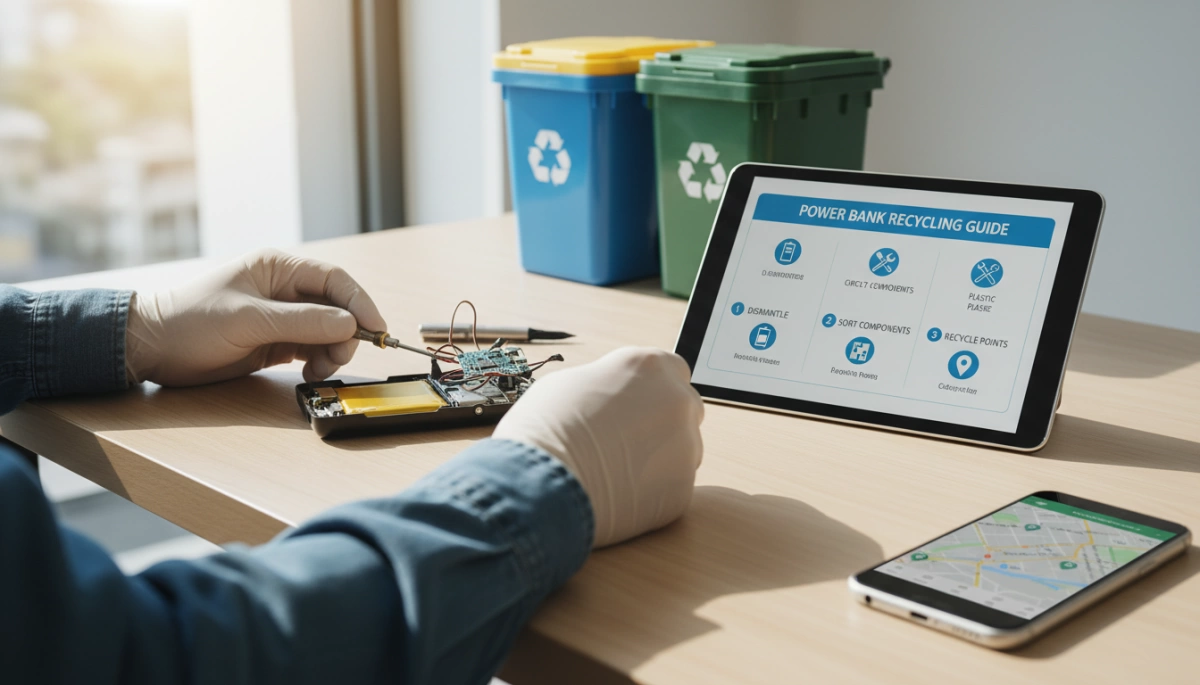
Keeping a power bank for household appliances in good shape is simple, but you have to be intentional. Here’s how I treat long‑term care so the battery stays reliable for years.
How often to cycle and recharge
For a portable power station for home appliances, the worst thing you can do is forget it exists.
- Use and recharge it at least every 2–3 months
- Don’t store it empty – keep it around 40–80% state of charge
- After every outage or trip, fully recharge as soon as possible
- With LiFePO4 portable power stations, regular cycling is actually healthy, thanks to their higher cycle life
Best storage practices
If you’re not using your backup battery for power outages every week, store it right:
- Store in a cool, dry place, away from direct sun or heaters
- Ideal temperature: 10–25°C (50–77°F)
- Avoid damp basements and hot attics
- Don’t block the vents – leave space around it for airflow
- For long-term storage, keep it around 50–60% charge and check it every 2–3 months
If you’re building a more permanent setup, high‑quality LiFePO4 home battery packs like a 5kWh LiFePO4 solar battery pack follow similar rules but are designed for heavier, more frequent cycling.
Firmware updates and app checks
Most smart app controlled power stations now ship with companion apps:
- Check the app every few months for firmware updates
- Updates can improve charging efficiency, fan control, safety limits, and SOC accuracy
- Verify that real-time monitoring (input/output watts, battery % and temps) looks normal during use
- If an update fails or the unit behaves oddly, contact support before heavy use in an emergency
Signs your battery is aging
Even the best LiFePO4 portable power station will slowly wear out. Watch for:
- Noticeably shorter runtime with the same appliances
- Battery dropping quickly below 20% or jumping in big steps
- The unit shutting down early under moderate loads
- Higher than usual fan noise or heat at normal loads
- Visible swelling, cracks, burns, or smell – if you see this, stop using it immediately
When capacity loss becomes obvious (often after thousands of cycles on LiFePO4), it may be time to downgrade it to light-duty tasks or plan for a replacement, possibly stepping up to a larger reliable energy storage for essentials like a 15kWh LiFePO4 solar battery pack if you’re going more serious on home backup.
Disposal and recycling
A portable AC power bank for home use is electronic waste, not regular trash:
- Do NOT throw it in the household garbage
- Look for local e‑waste or battery recycling programs
- Many cities accept lithium batteries at recycling depots or hazardous waste days
- Before handing it in, turn it off and, if possible, discharge to a low but safe level (10–20%)
- Keep it in its original box or a non‑conductive container to avoid short circuits
Handled right, a solar generator for household use can stay reliable for years, give you consistent emergency power supply for home, and retire safely when it’s finally done its job.
Comparing Power Banks, Generators, and Whole‑Home Backup
When you’re planning backup power, you’re basically choosing between three tiers: a portable power bank for household appliances, a gasoline generator, or a whole‑home backup system. Each has a clear role.
Portable Power Station vs. Gasoline Generator
A portable power station for home appliances (battery-based):
- Pros
- Indoor‑safe: no fumes, no fuel, no exhaust
- Quiet: just a low fan noise, ideal for apartments and dense neighborhoods
- Plug‑and‑play: pure sine wave AC outlets, USB, and DC ready to use
- Low maintenance: no oil changes, no carb cleaning, no fuel storage
- Cons
- Limited capacity and wattage vs big fuel generators
- Needs charging (wall, solar, car) ahead of time
A gasoline generator:
- Pros
- High watt output: can handle multiple big loads at once
- Can run as long as you have fuel
- Cons
- Loud, smelly, must stay outdoors
- Regular maintenance, fuel storage risk
- Carbon monoxide risk if used incorrectly
If you want quiet backup power for an apartment or small house loads (router, lights, fridge, fan, CPAP), a portable AC power bank for home use is the better everyday choice.
Portable Battery vs. Whole‑Home Backup Systems
A backup battery for power outages sits between small power banks and a full home system:
Portable power station
- Good for essentials and mobility
- Ideal for renters, RVs, and smaller homes
- Can double as off‑grid power for appliances on trips
Whole‑home backup battery or hybrid system
- Hard‑wired into your panel
- Automatically powers most circuits when the grid fails
- Higher upfront cost but smoother experience
If you’re planning a long‑term energy setup, you might pair a portable power station with a larger fixed system, such as a LiFePO4 home energy battery like this 51.2V 305Ah 15.6kWh energy storage pack for deeper whole‑home coverage.
Noise, Fumes, Maintenance, and Running Costs
Noise
- Power bank / solar generator: whisper‑quiet, fan only
- Gas generator: loud engine, often >60–70 dB
Fumes
- Power bank: none, fully indoor‑safe
- Generator: exhaust fumes, strict outdoor use only
Maintenance
- Power bank: keep charged, occasional firmware/app checks
- Generator: fuel rotation, oil changes, tune‑ups
Running cost
- Power bank: “fuel” is grid or solar power, very low ongoing cost
- Generator: fuel costs spike during long blackouts
For reliable energy storage for essentials, the running cost over a few years strongly favors batteries.
When to Start With a Power Bank and When to Upgrade
Start with a high‑capacity power bank with AC outlet if:
- You mainly need to run a fridge on a portable battery, keep Wi‑Fi and lights on, or support a CPAP
- You rent or move often
- You want a solution that works at home, in the car, and outdoors
Consider upgrading to whole‑home backup + larger battery storage if:
- You own your home and face frequent, long blackouts
- You want to keep multiple big appliances and HVAC running
- You’re ready to invest in a full home energy storage for blackout solution
You can even scale up with modular LiFePO4 packs, like a 12.8V 100Ah 12kWh LiFePO4 battery pack, when your needs grow.
Using a Power Bank in a Layered Backup Setup
The most practical strategy is layered backup:
Tier 1 – Portable power station for home appliances
- Covers core essentials: router, phones, lights, mini‑fridge, fan, medical devices
- Easy to grab during storms, evacuations, or RV trips
Tier 2 – Generator or larger battery
- Handles bigger loads: full‑size fridge/freezer, power tools, some AC units
Tier 3 – Whole‑home and solar
- Long‑term resilience: solar charging + fixed storage for multi‑day outages
This way your solar generator for household use isn’t just an emergency tool; it becomes your first line of defense, backed up by larger systems only when you truly need them.
Budget, Brands, and What You Really Pay For
When you’re buying a power bank for household appliances, you’re not just paying for capacity on a spec sheet. You’re paying for safety, lifespan, brand support, and how well it actually performs when the power goes out.
How pricing scales with capacity and features
In general, price scales with Wh and watts:
- Entry level (300–600Wh / 300–600W)
Good for routers, phones, a few lights, maybe a laptop. Cheaper, but limited for real home backup. - Mid-range (800–1500Wh / 800–1800W)
Sweet spot for most homes: can run a mini fridge, fan, Wi‑Fi, laptops at the same time for a few hours. - High-capacity (2000–5000Wh+ / 2000–4000W+)
Aimed at serious backup battery for power outages, RVs, and small off-grid setups. Higher upfront cost, but covers more of your essentials.
Features that push the price up (and are usually worth it):
- LiFePO4 battery (much longer life than standard lithium-ion)
- Pure sine wave inverter (safe for sensitive electronics)
- High AC output (can start fridges, power tools, kettles, etc.)
- Fast AC charging + solar charging with MPPT
- Expandable batteries / modular home backup power
- App control and smart monitoring
Why some units are more expensive
Some portable power stations for home appliances cost more for good reasons:
- Battery chemistry – LiFePO4 units can last 3–5x more cycles than basic lithium-ion. Higher price, but much lower cost per year.
- Inverter quality – Stable, efficient, pure sine wave inverters are more expensive but run appliances cooler and safer.
- Build quality – Better cooling, stronger casing, proper internal wiring, and certified components.
- System design – True solar generator for household use with MPPT, stackable packs, and integration with home energy systems.
- Compliance & certifications – CE, UL, etc. add cost but protect you.
For larger, more permanent systems, something like a residential ESS battery bank (for example, a 25.6V 280Ah residential energy storage system) will cost more upfront but gives you utility‑grade reliability and capacity.
Warranty, support, and real-world reliability
This is where a lot of the value actually sits:
- Warranty length
- LiFePO4: look for 5–10 years or at least 3000+ cycles to 70–80% capacity.
- Anything under 2 years on a high-capacity unit is a red flag.
- Support quality
Check if the brand has:- Real contact options (email, phone, chat)
- Clear manuals and firmware updates
- Accessible spare parts
- Track record
Search for real user reviews, especially about:- Units shutting down under load
- Capacity dropping quickly
- Inverter failures during outages
For larger or modular systems, check if the supplier offers solutions-based support, not just hardware. For example, some providers design complete home energy storage solutions tailored to your load and solar setup, like the projects shown in their energy storage solutions overview.
Red flags when shopping online
Avoid units that:
- Hide or don’t clearly state Wh capacity and continuous watt rating
- Only show peak/surge watts in big font, with a very low continuous rating
- Don’t mention inverter type (likely not pure sine wave)
- Have no real brand presence, no website, or zero warranty details
- Are suspiciously cheap vs similar LiFePO4 portable power stations
- Have many reviews complaining about overheating, random shutdowns, or poor support
If you’re unsure, treat it like this: if you don’t trust it to run a CPAP, router, or fridge while you sleep, don’t buy it.
Balancing budget with safety and performance
Here’s a simple way to decide:
- On a tight budget and only need basics (phones, lights, router)?
- Go mid-capacity, pure sine wave, maybe smaller Wh but from a known brand.
- Living in an area with frequent outages or planning off‑grid power for appliances?
- Prioritize LiFePO4, longer warranty, and higher cycle life over flashy extras.
- Want serious backup for fridge, freezer, and key loads?
- Consider a high-capacity power bank with AC outlet plus expandability, or step up to a home ESS solution if you want a more permanent setup.
Rule of thumb:
Don’t cheap out on safety and battery quality. It’s better to buy a slightly smaller but reliable energy storage for essentials than a big, questionable unit that might fail when you need it most.
Using a Power Bank for Household Appliances Day-to-Day
A power bank for household appliances isn’t just for blackouts – it’s something I use all the time to make power more flexible, reliable, and cheaper.
Everyday Use Around the House and Yard
I keep a portable power station for home appliances in one central spot and use it to:
- Run a fan, TV, or Wi‑Fi router during peak-rate hours to trim the power bill.
- Power LED lights and speakers in the yard or balcony without dragging extension cords.
- Keep phones, tablets, and laptops charged from one high-capacity power bank with AC outlet and USB-C hub.
Mobile Work and Content Creation
If you work remotely or create content, a portable AC power bank for home use is a serious upgrade:
- Run a laptop, monitor, and camera in cafés, co-working spaces, or client sites.
- Record video or livestream outdoors with stable pure sine wave inverter power for mics, lights, and rigs.
- Use it as a clean backup battery for power outages so your work doesn’t stop when the grid does.
Powering Tools and Devices Without Outlets
For DIY and pro work, I rely on off-grid power for appliances and tools:
- Run drills, saws, inflators, and soldering irons in garages, sheds, and construction areas.
- Power pressure washers, garden tools, or pumps far from the house.
- Use a high watt power station for power tools instead of dragging long, unsafe cables.
Sharing Power at Events and in Outages
A quiet backup power for apartment or community spaces is ideal for:
- Block parties, markets, pop-up booths, and outdoor classes.
- Charging neighbors’ phones and running mini fridge and fan setups during local outages.
- Powering routers, lights, and a TV in a shared area so everyone stays informed.
Keeping Your Backup “Ready to Go”
Using your LiFePO4 portable power station regularly is the best maintenance:
- The battery gets cycled, which is healthier than leaving it full and idle for months.
- You notice early if anything needs updating or replacing (cables, firmware, app, etc.).
- You always know its real-world runtime for things like battery backup for refrigerator and freezer or emergency backup for CPAP and medical devices.
If you’re planning a bigger hybrid setup with solar plus battery for home and small appliances, it’s worth looking at IP65-rated hybrid solar inverter systems like this 6–12 kW hybrid solar inverter for on-grid/off-grid use as a long-term upgrade path.