











If you’re trying to figure out the real cost of solar battery storage in 2025–2026, you’re not alone.
Most homeowners are seeing quotes all over the place—$5,000, $20,000, even $40,000+—and have no idea what’s reasonable, what’s padded, and what actually delivers value.
Here’s the bottom line: in 2025, a typical 10–15 kWh home solar battery usually lands around $8,500–$16,000 installed before incentives, and about $7,000–$18,000 after the 30% tax credit for a full system with solar. But the “right” price for you depends on a few key levers: battery chemistry, brand premium, installation complexity, and the rebates available where you live.
In this guide, we’ll break down:
- Real-world price ranges per kWh (raw vs. fully installed)
- What you should expect to pay for 5 kWh, 10 kWh, 20+ kWh setups
- How federal and state incentives slash your upfront cost
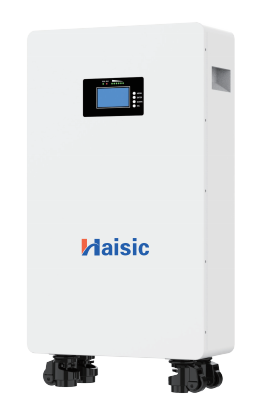
- Which brands offer the best value per kWh in 2025–2026 (including how Haisic stacks up)
If you’re close to buying and want clear numbers—not sales talk—keep reading. This will show you exactly what solar battery storage should cost in 2025 and how to avoid overpaying.
Solar Battery Prices in 2026: The Numbers You Need
Home solar battery storage cost in 2026 is finally becoming predictable. Most systems fall into a few clear price bands that you can use as a reality check before talking to any installer.
Cost per kWh: Raw vs Installed
When we talk about lithium solar battery cost per kWh, you need to separate hardware from the fully installed price:
- Battery-only (raw hardware):
- Global range: $350–$650 per kWh (LFP is usually at the lower end, NMC higher)
- Installed home battery storage cost:
- Typical range: $800–$1,500 per kWh installed
- Includes: inverter/EMS (if needed), mounting, wiring, labor, commissioning, and margin
If someone quotes far outside these ranges, you’re either getting a very premium system, a very bare‑bones install, or a misquote.
Installed Price by Usable Capacity
Real-world 2026 ballpark pricing for a solar battery storage system (global averages, residential):
- 5–8 kWh (small backup / apartments)
- Installed: $5,000–$9,000
- Effective range: ~$1,000–$1,400 per kWh
- 10–15 kWh (typical hybrid home)
- Installed: $9,000–$18,000
- Effective range: ~$900–$1,300 per kWh
- 25–40 kWh (whole house battery backup / light off‑grid)
- Installed: $20,000–$45,000
- Effective range: **~$800–$1,200
What Actually Drives the Cost of Solar Battery Storage?
The cost of solar battery storage in 2026 mainly comes down to seven things. If you understand these, it’s much easier to spot real value vs just paying for a logo.
1. Battery Chemistry (LFP vs NMC vs Lead-acid)
LFP (Lithium Iron Phosphate)
- Most popular for home storage now
- Lower cost per kWh over its lifetime
- Safer, longer cycle life, great for daily cycling
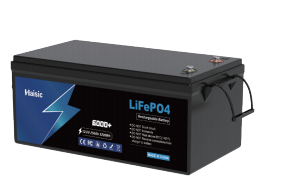
- What we use in our Haisic systems because it gives the best value for money
NMC (Nickel Manganese Cobalt)
- Higher energy density, often used in EVs
- Usually more expensive and runs hotter
- Better when space is tight, but not always worth the premium for home use
Lead-acid
- Cheap upfront, but short life and poor depth of discharge
- Ends up more expensive per kWh over 5–10 years
For most homeowners looking at solar battery storage cost, LFP is the sweet spot.
2. Brand Premium vs Value Brands (Haisic Spotlight)
You pay extra for big brands (like Tesla or Enphase) because of marketing, name recognition, and installer networks.
- Premium brands
- Higher installed price per kWh
- Good apps and ecosystem, but not always better hardware
- Value brands (like Haisic)
- Focus on high cycle life, strong warranty, and lower $/kWh
- Less brand markup, more budget going into the battery itself
If you want the best value solar battery, look at performance specs and warranty terms instead of just the badge. Our own battery storage for home solutions are built exactly around that idea: high-quality LFP, long life, and sharp pricing.
3. Built-in vs External Hybrid Inverter
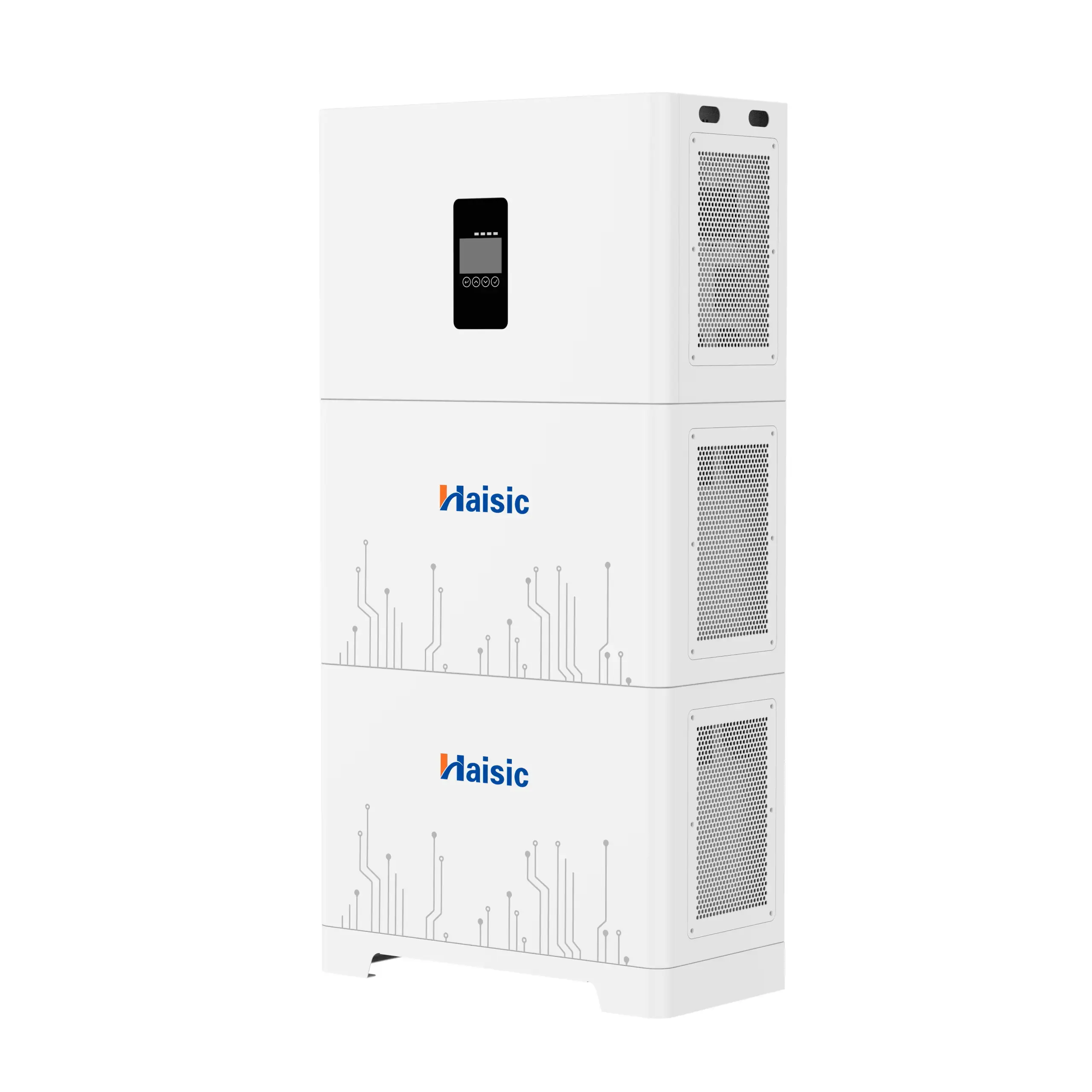
All-in-one systems (battery + inverter in one box)
- Cleaner install, less hardware clutter
- Can cost more upfront but reduce labor and wiring cost
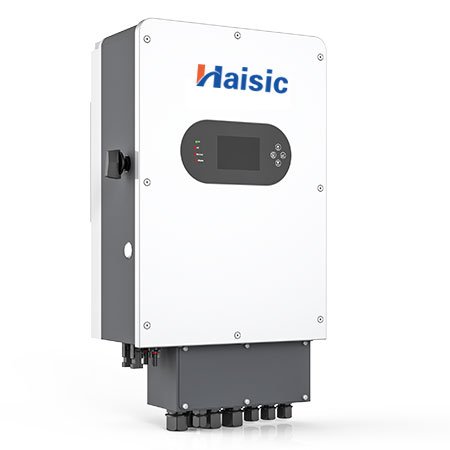
External hybrid inverter + battery
- More flexible and modular
- Slightly more complex install, but easier to expand or mix components
Your cost of a solar battery storage system will change depending on whether you’re replacing an old inverter, building from scratch, or adding storage to an existing solar array.
4. Installation Complexity & Local Labor
Two homes with the same battery can have totally different quotes because of the install:
- Distance between panels, inverter, and battery
- Wall material and mounting needs
- Need for trenching or long cable runs
- Local electrician and installer rates
In high-cost labor markets, installation can be 30–40% of your total solar battery storage cost.
5. Warranty Length & Cycle Life
Longer warranties and higher cycle ratings usually mean higher upfront cost but lower cost per kWh over time.
Look at:
- Warranty years (10 vs 15 years)
- Guaranteed cycles (e.g., 6,000–10,000 cycles)
- Guaranteed remaining capacity at end-of-warranty (e.g., 70–80%)
Haisic’s LFP batteries are designed with a high cycle life and up to 15-year coverage to keep long-term ownership costs low.
6. Scalability & Modularity
If your system is easy to expand, you don’t have to overspend on day one.
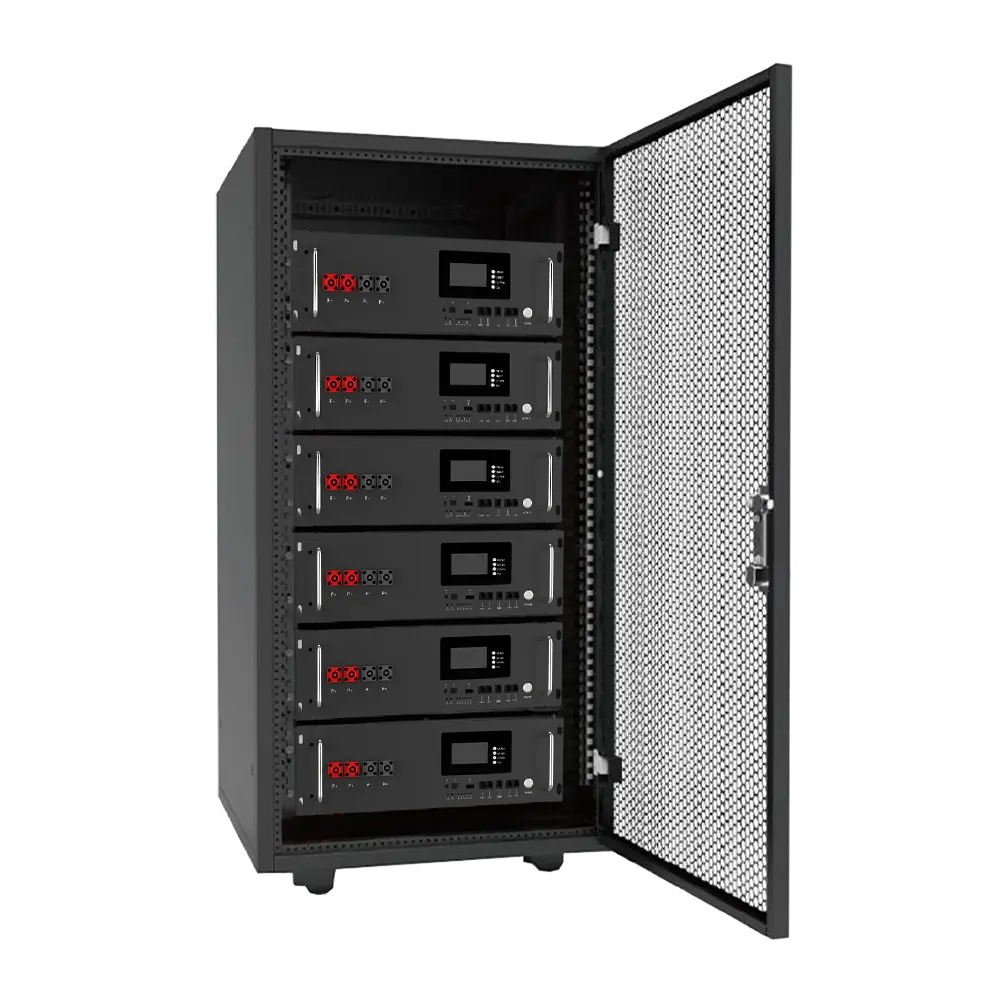
- Modular stackable batteries let you start with 10–15 kWh and add more later
- Non-modular systems can force you to buy a larger unit than you actually need
This flexibility directly affects the cost of solar power storage battery setups over time, especially if your usage grows (EV, heat pumps, home office, etc.).
7. Geographic Differences (US, Europe, Australia)
Where you live has a big impact on the average cost of solar battery storage:
- California – Higher labor and permitting costs, but strong incentives and high utility rates
- Texas – Lower labor costs, but incentives vary by utility
- Australia – Very solar-heavy market; battery prices competitive, but state rebates differ
- Europe & UK – Higher hardware price (VAT, import, regulations), but strong demand and some national subsidies
Local rebates, labor rates, and energy tariffs all shift the final home battery storage cost, even when the hardware is identical.
If you want to compare options and see where Haisic sits on price vs performance, our guide to the best battery storage for solar is a solid starting point.
Current incentives that slash the cost of solar battery storage

You don’t pay the full “sticker price” for a solar battery storage system in 2026—between tax credits, rebates, and cheap financing, the real cost can drop fast.
1. 30% U.S. Federal Tax Credit (ITC) in 2026
In 2026, standalone solar batteries still qualify for the 30% Federal Investment Tax Credit.
- Applies whether the battery is installed with new solar or added later
- Covers equipment + installation (labor, wiring, permitting, etc.)
- Claim it as a credit on your federal income tax return (you must have enough tax liability)
Example:
- Battery + solar system cost: $15,000
- 30% ITC: $4,500
- Net cost after federal tax credit: $10,500
That math alone can turn a high-end lithium solar battery system from “too expensive” into reasonable, especially if you’re pairing it with long-life LFP batteries like a modular 51.2V LiFePO4 pack similar to this 51.2V 100Ah energy storage battery.
2. State and local battery rebates
Depending on where you live, the average cost of solar battery storage can drop another 10–40%:
California (SGIP):
- Strong rebates for home battery storage, especially in fire-risk / high-outage areas
- Can cut $2,000–$5,000+ off a whole house battery backup cost
Massachusetts (SMART + ConnectedSolutions):
- Extra payments when your battery supports the grid at peak times
- Lowers your solar battery payback period by stacking incentives and bill credits
Other U.S. states (NY, NJ, MD, CO, etc.) often offer:
- Upfront battery rebates
- Performance-based payments
- Sales tax or property tax exemptions
3. Utility rebates and low-interest financing
Many utilities now push solar battery storage because it helps them avoid blackouts and peak pricing:
- Upfront rebates for approved battery models
- Bill credits if you let them temporarily use your battery at peak times
- 0–3% interest loans for solar + battery, spreading the cost over 5–15 years
This is where a “$15,000 system” often ends up feeling more like a $100–$150/month payment, especially when you factor in bill savings from time-of-use arbitrage and backup power during outages.
4. Real-world cost after incentives
Putting it together for a typical home battery storage cost in 2026:
- System price (solar + battery): $15,000
- 30% Federal ITC: −$4,500
- State/utility rebates (varies, example): −$1,000 to −$3,000
- Net cost: often $8,000–$10,500 out of pocket
If you add modular, scalable systems (for example, a 10 kWh solar battery price using stackable LFP modules), you can start smaller, keep your upfront cost down, and expand later as your budget or energy use grows.
Total cost of popular solar battery setups in 2026
When people ask about the real cost of solar battery storage, they usually mean “What does a full setup cost, installed, after incentives?” Here’s a fast breakdown for 2026 ballpark pricing (USD, before tax credits or rebates).
1. 10kW solar + 20 kWh battery (typical U.S. home)
For a grid-tied home that wants evening self-consumption and blackout backup:
- 10kW solar system installed: $18,000–$26,000
- 20 kWh lithium LFP storage installed: $16,000–$24,000
- Total system cost (solar + storage): $34,000–$50,000
- After 30% U.S. Federal ITC: roughly $23,800–$35,000 net
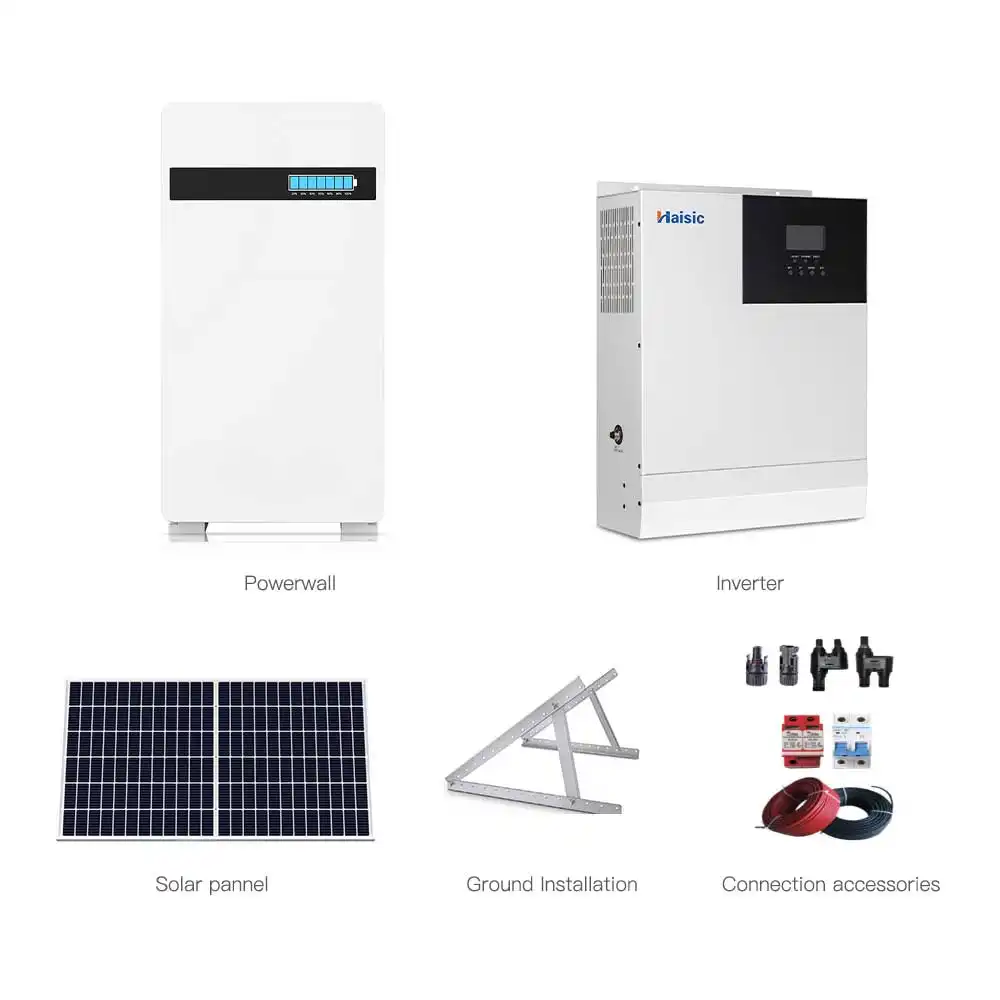
This kind of setup will typically cover most of a normal U.S. home’s daily use and keep core loads running during outages. A comparable turnkey package would be similar to a 10kW off‑grid/backup-ready solar power system like this 10kW off-grid solar system, but configured for grid-tied use.
2. Off‑grid cabin solar + battery bank
For a smaller off‑grid home or cabin that wants real independence:
- Solar array (5–8kW): $10,000–$18,000 installed
- Battery storage (15–30 kWh LFP): $12,000–$28,000 installed
- Hybrid/off‑grid inverter + BOS hardware: $4,000–$8,000
- Total off‑grid system cost: $26,000–$54,000
Off‑grid systems cost more per kWh because you oversize both solar and storage for winter days, low sun and multiple days of autonomy. Here, reliability is the priority, not the absolute lowest home battery storage cost.
3. Tesla Powerwall 3 vs Haisic stack (20 kWh class)
In 2026, a lot of homeowners compare Tesla Powerwall 3 price installed to value LFP stacks.
Typical Tesla Powerwall 3 setup (U.S.):
- 1× Powerwall 3 (13.5 kWh usable): $9,000–$11,500 installed
- 2 units (27 kWh usable): $17,000–$22,000 installed
- Effective installed cost per kWh: about $800–$1,100/kWh
Haisic LFP alternative – 4× 5kWh modules (≈20 kWh)
Using four 5kWh LFP home energy storage modules (similar in class to this 10kWh wall‑mounted home storage):
- 4× 5kWh Haisic LFP batteries (20 kWh nominal): $8,000–$11,000 hardware
- Hybrid inverter + installation: $4,000–$7,000
- Total installed cost: roughly $12,000–$18,000
- Installed cost per kWh: around $600–$900/kWh, depending on labor and inverter choice
This is where cost of solar battery storage swings in favor of high‑value LFP stacks: you still get long cycle life, high safety and strong warranties, but you avoid the heavy brand premium—especially in markets with higher labor and import costs (Europe, Australia, UK).
Payback Period & ROI Reality Check
When we talk about the cost of solar battery storage, the real question most people care about is: When does this thing actually pay for itself?
Typical Payback: 6–10 Years
In 2026, the solar battery payback period usually lands in the 6–10 year range, depending on:
- Utility rates:
- High electricity prices (California, parts of Europe, Australia) = faster payback
- Low rates (many parts of the U.S. South/Midwest) = slower payback
- Net-metering policy:
- Full/strong net metering: Battery saves less (grid already “stores” your power)
- Reduced export rates / no net metering: Battery value jumps sharply
- System size & usage:
- If you regularly use evening power (most homes do), cycling 50–80% of the battery daily, ROI improves
- Oversized batteries that rarely cycle = poor payback
Time-of-Use Arbitrage: Quiet Money Saver
In markets with time-of-use (TOU) tariffs, the cost of solar battery storage system can be justified quickly because you:
- Charge the battery with cheap solar or off-peak grid power
- Discharge during expensive peak hours
- Cut your peak usage and avoid demand charges where they apply
This “buy low, use high” model can shave 20–50% off your evening bills, especially in places like California, the UK with dynamic tariffs, or parts of Australia.
Outage Protection: Big Intangible Value
There’s also value you can’t see on a bill:
- Whole house battery backup cost might look high on paper, but keeping fridges, heat pumps, routers, and medical devices running during storms or grid failures is huge.
- In areas with frequent outages, a home battery storage cost isn’t just about ROI – it’s about comfort, safety, and business continuity if you work from home.
If you’re comparing options, I focus on lithium solar battery cost per kWh (especially LFP chemistries) and the total installed system price against your tariff structure. For example, pairing modular LFP stacks like a high-voltage 30 kWh system with TOU plans can turn a “just backup” system into a real earning asset over its 10–15+ year life.
Best Value Solar Batteries in 2026 (Honest Ranking)
When we talk cost of solar battery storage in 2026, “best” means three things: low $/kWh, long life, and strong warranty. Here’s how I’d rank the value plays most homes should look at.
1. Haisic LFP Home Batteries – Best Overall Value
For most homeowners, Haisic is the sweet spot between price and durability.
Why it’s top value:
- Lithium iron phosphate (LFP) cells –
Hidden Costs of Solar Battery Storage Most People Forget
When you budget for the cost of solar battery storage, don’t just look at the battery price. These extra items can easily add 10–30% to your total solar battery storage cost.
1. Permitting & Inspection Fees
Local permits and inspections are unavoidable in most regions.
- Typical range: $200–$1,000+ depending on city and country
- Often needed for: battery, inverter, main panel work, and sometimes structural checks
2. Main Panel Upgrade
A lot of homes can’t handle the extra amperage of a whole-house battery backup.
- Service upgrade from 100A to 200A can run $1,500–$4,000
- Required when adding large systems like a 10kW solar system with battery storage or multi-battery stacks
3. Monitoring & Software Subscriptions
Some systems include lifetime monitoring. Others quietly add fees later.
- App/portal subscriptions: $0–$200 per year
- “Advanced” features (time-of-use optimization, API access, etc.) may be paywalled
Look for systems where monitoring is included in the base solar battery storage system cost.
4. Future Expansion Limits
The cheapest home battery storage today can be the most expensive tomorrow if you outgrow it.
- Some brands cap how many batteries you can add or lock you into one inverter
- Mismatched voltage or communication protocols can force a full replacement, not an upgrade
Modular, stackable LFP systems (for example, a 51.2V 100Ah 5kWh wall-mounted battery that can be expanded later) keep long‑term solar storage battery cost under control because you can add capacity as your usage grows.