










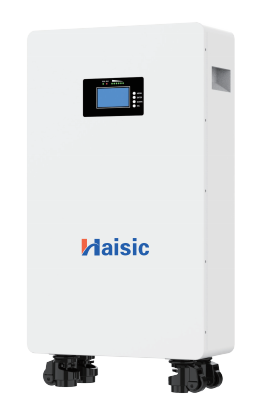
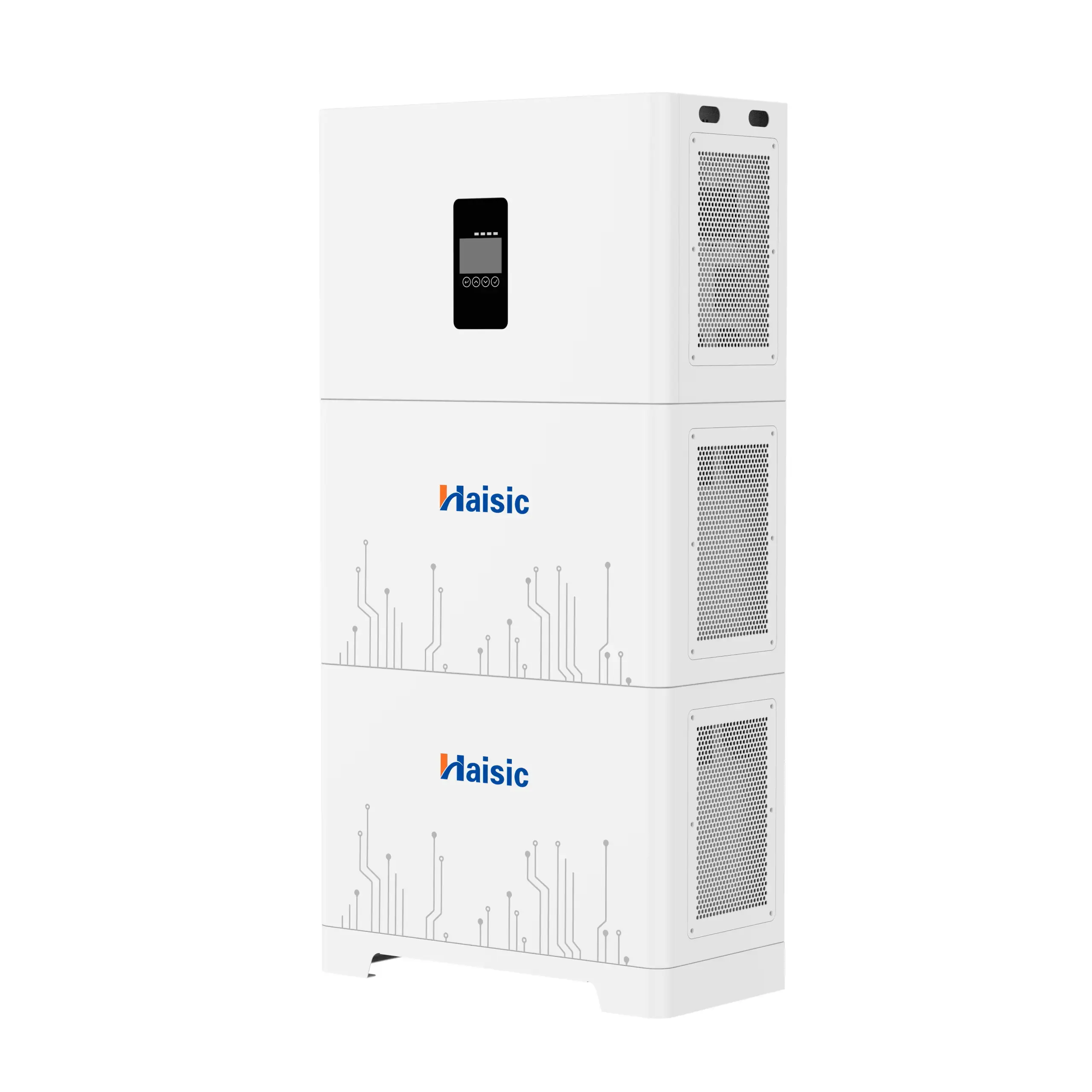
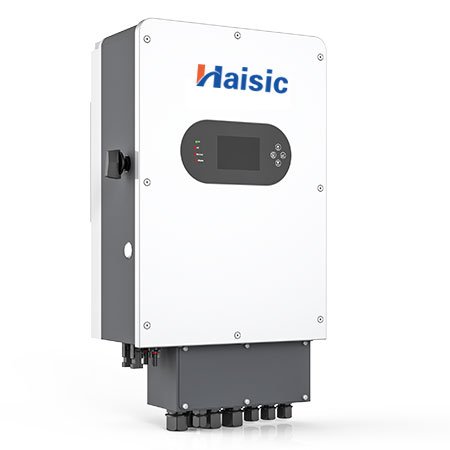
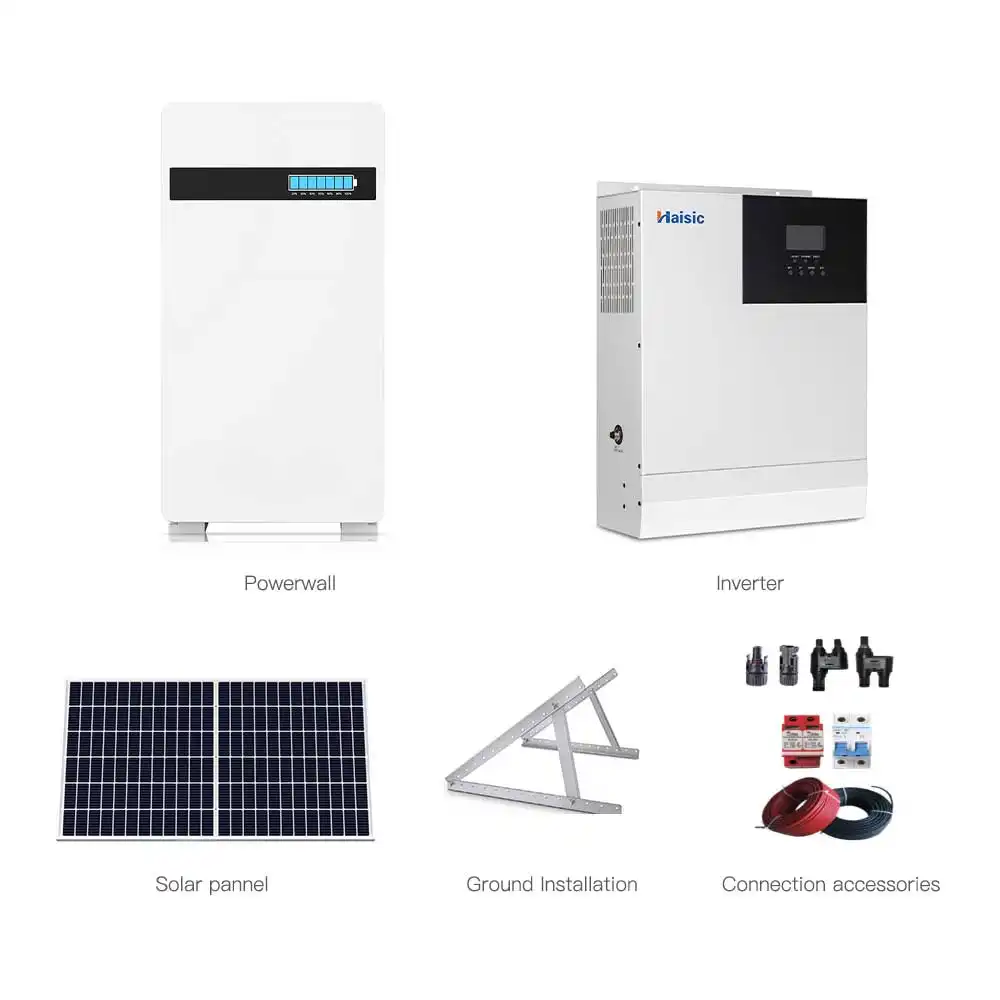

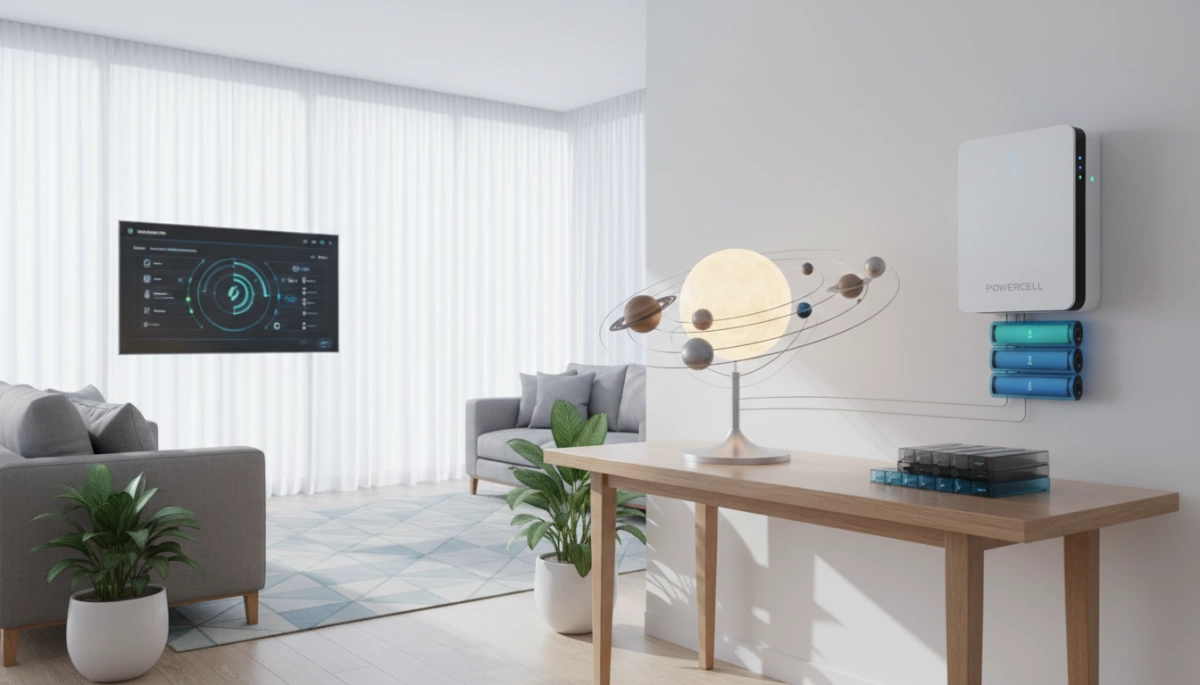
Thinking about a solar system with storage for your home… but not sure where to start?
You’re not alone.
More and more homeowners are tired of rising power bills, worrying about blackouts, and watching their excess solar get sent back to the grid for pennies. A solar-plus-storage system changes that.
With solar panels plus a home battery backup, you can:
- Store your daytime solar and use it at night
- Keep the lights on during outages
- Cut bills with time-of-use savings instead of playing by the utility’s rules
In this guide, you’ll see exactly how a solar system with storage works, what kind of solar battery storage system you actually need, and how to choose reliable components from proven manufacturers like Haisic—without wasting money on the wrong setup.
Let’s get straight into how to turn your home into your own mini power plant.
What Is a Solar System with Storage?
A solar system with storage (also called solar-plus-storage or a solar system with battery) is a setup where your solar panels generate electricity and a battery storage system saves the extra energy for later use. Instead of sending most of your excess solar power straight to the grid, you store it at home and use it when you actually need it—at night, during peak-rate hours, or when the grid goes down.
Solar-plus-storage vs grid-tied solar
A standard grid-tied solar system without batteries works like this:
- Your solar panels power your home during the day.
- Any extra power is exported to the grid (often through net metering).
- At night or when solar is low, you buy electricity back from the grid.
A solar system with storage for home adds a home battery backup so you can:
- Store surplus daytime solar in a solar battery bank.
- Use your own stored energy in the evening or during outages.
- Reduce how much you rely on the grid and how exposed you are to changing power prices.
Core components of a solar system with storage
A typical solar system with storage and battery includes:
- Solar panels – Capture sunlight and turn it into DC electricity.
- Inverter or hybrid solar inverter – Converts DC from panels/battery into AC power your home can use. A hybrid inverter can manage both solar and battery in one unit.
- Battery bank / solar battery storage system – Usually a lithium-ion solar battery (often LiFePO4 home storage) that stores excess solar energy.
- Charge controller / battery management system (BMS) – Protects the battery by controlling charging and discharging for safety, lifespan, and efficiency.
With this setup, home solar with storage becomes more than just power generation—it turns into a flexible, residential energy storage system that supports solar energy independence, solar outage protection, and smarter use of your own clean energy.
How a Solar System with Storage Works
A solar system with storage is built to do one simple thing: capture your daytime solar power, store the excess in a battery, and feed it back to your home when you actually need it.
Energy Flow: From Panels to Battery to Home
Here’s the basic flow in a solar system with storage for home:
- Solar panels generate DC power when the sun is out.
- That power is used in this order:
- First to run your home’s current loads (lights, fridge, AC, etc.).
- Then to charge the solar battery storage system.
- Any remaining power may go to the grid (for grid-tied setups) or gets curtailed if you’re fully off-grid.
- When the sun goes down or during an outage, your home battery backup discharges, feeding power back through the inverter to keep your home running.
Your home energy management system (in the hybrid inverter or gateway) controls this flow automatically.
DC-Coupled vs AC-Coupled Solar-Plus-Storage
There are two main ways to wire a solar system with storage and battery:
- DC-coupled:
- Panels and battery share the same DC bus.
- Power is converted from DC to AC only once.
- Higher efficiency, fewer conversions, ideal for new hybrid solar systems with storage.
- AC-coupled:
- Existing solar inverter stays as is.
- A separate hybrid solar inverter or battery inverter is added.
- Perfect for a battery retrofit for solar on older grid-tied systems.
Both options work; DC-coupled is cleaner for new builds, AC-coupled is flexible for upgrades.
Grid-Tied, Off-Grid, and Hybrid Setups
You can build a solar system with storage battery in three main ways:
- Grid-tied solar with storage
- Connected to the grid.
- Battery handles solar outage protection and time of use savings (charge when cheap, discharge when rates are high).
- You can still benefit from solar net metering with storage where allowed.
- Off-grid solar system
- No grid at all.
- You rely completely on your solar battery bank plus a generator if needed.
- Requires larger storage and careful sizing, often using robust LiFePO4 home storage.
- Hybrid solar system with storage
- Grid-connected but designed to run key loads (or the whole house) during blackouts.
- Smart control for peak shaving with solar battery, EV charging, and future loads.
For larger projects or small businesses, systems like our modular 1MWh ESS solar energy storage solution are designed on the same principles, just at a bigger scale, and can be paired with commercial solar arrays for serious backup and savings.
The Role of the Battery: Day vs Night
The battery is the heart of a solar battery backup system:
- Daytime:
- Stores any solar you’re not using in real time.
- Reduces exports to the grid and boosts solar self-consumption.
- Evening and night:
- Acts as whole home battery backup or supports critical loads.
- Cuts peak evening bills in markets with time-of-use rates.
- Outages:
- Keeps lights, Wi-Fi, refrigeration, and other essentials running without a generator.
A well-designed home solar with storage setup turns your solar panels into a reliable, always-on energy source, not just a daytime helper.
Key Benefits of a Solar System with Storage
A solar system with storage (solar plus battery) turns your panels into a reliable, always-on power source instead of just a daytime helper. Here’s what you really get from a solar system with storage for home:
1. Backup Power & Outage Protection
With a solar system with storage and battery, your lights stay on when the grid goes down.
- Keeps essentials running: fridge, Wi‑Fi, lights, security, medical devices
- Seamless switchover with a home battery backup and hybrid inverter
- Scales from critical-load backup to whole-home battery backup depending on your battery bank size
If you want a ready-made residential setup, a compact 5kW power energy storage solar system for home is a good fit for most small to mid-size homes and gives solid outage protection.
| Use Case | Recommended Storage (kWh) | What It Covers |
|---|---|---|
| Basic backup | 5–10 kWh | Lights, Wi‑Fi, small appliances |
| Most of the home | 10–20 kWh | Fridge, pumps, AC (limited), outlets |
| Whole-home backup | 20+ kWh | Nearly all loads, longer outages |
2. Time-of-Use Savings & Peak Shaving
In markets with time-of-use rates, a solar battery storage system lets you game the pricing:
- Charge the battery with cheap daytime solar
- Discharge during expensive evening peaks
- Cut your peak demand so you pay less on demand charges (common in parts of the US, EU, Australia, Asia)
This is where a home energy management system really shines—automating when the battery charges/discharges to maximize savings.
3. Energy Independence & Less Grid Reliance
A solar system with storage battery lets you rely less on utilities and more on your own roof:
- Use more of your own solar instead of exporting it for low credits
- Keep key loads running even when the grid is unstable
- Ideal for regions with weak grids or frequent blackouts
Paired with a hybrid solar inverter, you can run grid-tied, off-grid, or hybrid without changing the core hardware.
4. Environmental Benefits & Higher Self-Consumption
With home solar with storage, you can push your solar self-consumption above 70–80% instead of sending excess to the grid:
- Lower overall carbon footprint
- Less need for fossil-fuel peaker plants during evening peaks
- More stable local grids thanks to distributed residential energy storage systems
In short: more of your own clean energy, less wasted, less imported from fossil-based grids.
5. Exporting or Selling Stored Solar to the Grid
In some regions, grid-tied solar with storage lets you:
- Export stored energy during high-price windows
- Stack value: self-consumption + net metering + peak pricing
- Participate in emerging programs like virtual power plants (VPP) where utilities pay you to use your battery
This is especially powerful with a flexible system like a 10kW off-grid solar power system adapted for hybrid operation in markets that reward exporting stored power.
A well-designed solar system with storage and battery gives you three big wins at once: backup power, lower bills, and more energy independence—all while cutting your carbon footprint.
Types of Solar Batteries for a Solar System with Storage
When you add a solar system with storage for home use, the battery type is a big decision. It affects how long your system lasts, how much energy you can use, and what your total costs look like over time.
Lithium-ion vs Lead-acid in a Solar System with Storage
The two main choices for a solar system with storage and battery are:
- Lithium-ion solar batteries (including LiFePO4 home storage)
- Lead-acid batteries (flooded, AGM, gel)
Lithium-ion solar batteries (especially LiFePO4) are now the default for most residential solar with batteries because they deliver:
- Higher usable capacity per kWh installed
- Better efficiency when charging/discharging
- Longer lifespan and warranty
- Smaller footprint and cleaner installation
Lead-acid batteries still show up in some off-grid solar systems and budget installs, but they’re becoming a niche choice for serious home solar with storage.
Pros and Cons: Lifespan, Efficiency, DoD, Safety, Cost
Here’s a simple comparison for a home solar battery storage system:
Lithium-ion (incl. LiFePO4)
- Lifespan: 10–15+ years, often 4,000–6,000+ cycles
- Round-trip efficiency: ~90–95% (you lose less energy when storing)
- Depth of discharge (DoD): 80–100% usable capacity is common
- Safety: LiFePO4 chemistry is very stable and thermally safe
- Upfront cost: Higher per kWh than lead-acid, but cheaper over the full life
- Best for: Grid-tied solar plus storage, whole home battery backup, long-term ROI
Lead-acid (AGM/gel/flooded)
- Lifespan: 3–7 years, lower cycle count
- Round-trip efficiency: ~70–85%
- Depth of discharge: Usually limited to 30–50% if you want them to last
- Safety/maintenance: Flooded types need venting and regular checks; AGM/gel are better but still bulkier
- Upfront cost: Cheaper upfront, more expensive over time due to replacements
- Best for: Low-budget, low-cycle, or very remote off-grid setups
For most residential solar energy storage for solar panels, lithium-ion simply gives better value per kWh you actually use.
Why Lithium Solar Batteries Dominate Residential Solar Storage
Modern lithium ion solar battery systems dominate home solar with storage for a few clear reasons:
- More usable energy in the same footprint – Critical if you’re trying to fit a full home battery backup into a garage or utility room.
- Longer warranties – Many lithium solar batteries offer 10-year warranties with guaranteed remaining capacity.
- Better daily cycling – Perfect for solar self-consumption and peak shaving with solar battery on time-of-use tariffs.
- Smart integration – Pair well with hybrid solar inverter systems and home energy management platforms.
LiFePO4, in particular, is ideal for a solar system with storage battery because it combines safety, long life, and stable performance in different climates.
Examples of High-Quality Home Storage Batteries
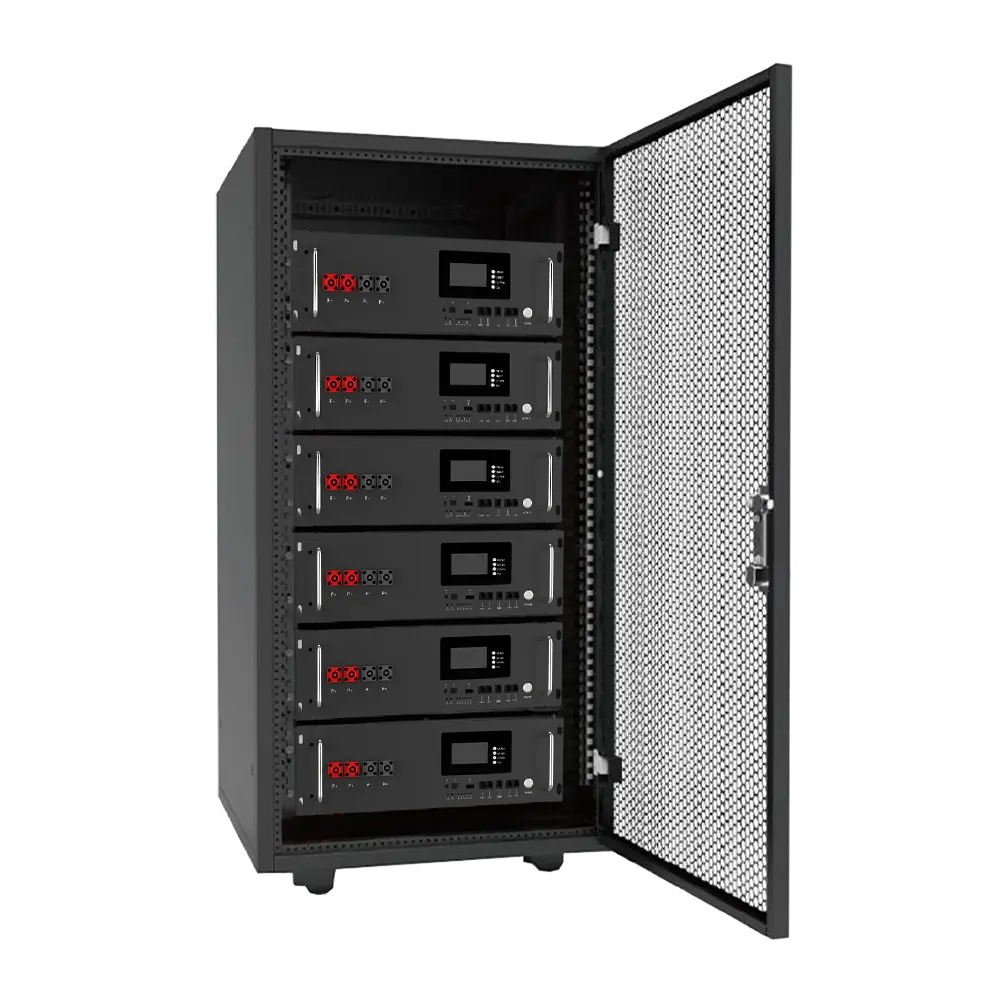
For a serious residential energy storage system, I focus on LiFePO4-based home batteries that are built for daily cycling, long life, and clean integration with hybrid inverters.
A few strong examples:
- Modular LiFePO4 home storage batteries for flexible capacity from partial backup to whole-home systems, like our own home lithium battery storage solutions designed for daily solar cycling.
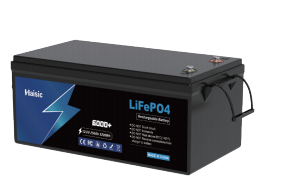
- High-capacity single units, such as a 15 kWh LiFePO4 solar battery pack that can cover most evening and night usage in a typical home and stack for larger loads. Options like the 15kWh LiFePO4 solar battery pack (51.2V, 305Ah) are built specifically for solar system with storage applications.
If you’re planning a hybrid solar system with storage or a solar system with storage for home that supports EV charging, whole home backup, or time-of-use optimization, a LiFePO4-based battery bank is the most future-proof and cost-effective choice in the current market.
Sizing a Solar System with Storage for Your Home
Key factors for sizing a solar system with storage
When I size a solar system with storage for home use, I always start with four things:
- Household energy use
- Check your bills for average daily usage (kWh).
- Look at seasonal peaks (summer AC, winter heating, EV charging).
- Climate
- Sunny regions = more solar production, less battery needed per kWh used.
- Cloudy/cold regions = you may want more panels and a slightly larger battery to smooth bad-weather days.
- Roof solar potential
- Roof size, shading, orientation (south-facing in the northern hemisphere is ideal).
- Limited roof space usually means higher-efficiency panels and smarter battery use.
- Outage risk
- If you live in an area with frequent blackouts, storms, or weak grids, a larger home battery backup makes sense.
- Stable grids with time-of-use pricing = you can prioritize bill savings and peak shaving over full backup.
How to estimate solar battery capacity (kWh)
Think in kWh of usable backup, not just battery size on paper:
- Calculate daily critical loads
- Add up the power of items you really need in an outage: fridge, lights, Wi-Fi, a few plugs, maybe a small AC or heater.
- Example: 3–8 kWh/day for “essential loads” in many homes.
- Decide how long you want to run
- 1 day of backup: essential-only = 5–10 kWh.
- 1–2 days: 10–20 kWh+.
- Use a simple rule of thumb
- Partial-home backup: 0.3–0.6× your average daily use.
- Whole-home backup: 0.8–1.2× your average daily use.
Modern LiFePO4 home storage like a 10–20 kWh system (for example, a 20.48 kWh home energy storage battery with touchscreen monitoring) fits the needs of a lot of households.
Partial-home vs whole-home battery backup
You don’t need to back up everything to make a solar battery storage system worth it:
- Partial-home backup (most common)
- Backs up essentials on a dedicated backup panel.
- Lower cost, smaller battery (typically 5–15 kWh).
- Great if your main goals are outage protection and time-of-use savings.
- Whole-home battery backup
- Powers the entire home, including big loads (HVAC, pump, EV charger).
- Needs a larger solar battery bank (often 15–30+ kWh) and a strong hybrid solar inverter.
- Best for areas with long outages, weak grids, or when you want near full solar energy independence.
Typical solar-plus-storage setups for average homes
For a typical modern home using 20–30 kWh/day, I usually see:
- Solar system with storage (starter)
- 4–6 kW of solar panels
- 5–10 kWh lithium ion solar battery
- Partial-home backup, strong time-of-use savings
- Balanced solar-plus-storage system
- 6–10 kW of solar
- 10–20 kWh LiFePO4 home storage
- Covers most daily usage plus overnight and short outages
- Whole home battery backup system
- 8–12+ kW of solar
- 20–30+ kWh storage (can be modular or containerized)
- Designed for heavy loads, longer outages, and high self-consumption
If you’re planning for EVs, heat pumps, or future growth, it’s smart to choose a modular residential energy storage system that can scale, such as those in our battery storage for home lineup.
Costs and ROI of a Solar System with Storage
Upfront cost of a solar system with storage
For a solar system with storage for home, you’re usually paying for four main pieces:
- Solar panels – often 30–40% of the total cost
- Battery storage system – usually the single biggest add-on cost
- Hybrid inverter + balance of system (wiring, switches, mounting, monitoring)
- Professional installation, permits, and inspections
Depending on where you live, a solar system with storage and battery for a typical home might land roughly in these ranges (very general, hardware + install):
- Smaller systems (5–8 kW solar + 5–10 kWh battery): often in the low–mid five figures
- Average family home (8–12 kW solar + 10–20 kWh battery): often in the mid–high five figures
Larger homes, whole-home backup, or three‑phase hybrid systems using gear like a 8–12 kW three‑phase hybrid solar inverter or 36 kVA hybrid solar inverter will obviously sit higher.
Incentives, tax credits, and rebates
The sticker price isn’t the real price. With a solar battery storage system, you can often stack:
- National or federal tax credits (in many regions, solar + storage both qualify)
- State / provincial rebates for home solar with storage
- Utility incentives for peak shaving with solar battery or joining a virtual power plant
- Zero‑interest or low‑interest loans for residential energy upgrades
These can easily cut 20–40% off the upfront cost in some markets. Always check local rules for solar battery incentive programs and solar net metering with storage.
Payback period and long-term savings
A solar system with storage battery earns money back in a few ways:
- Bill reduction – your solar covers daytime loads
- Time‑of‑use savings – charge the battery when power is cheap, use it when rates spike
- Peak shaving – avoid demand charges where utilities bill you for your highest power spike
- Outage protection – harder to price, but extremely valuable in blackout‑prone areas
Typical payback period for solar plus storage can run:
- Around 5–8 years in high-electricity-price regions with strong incentives
- Around 8–12 years where power is cheaper or incentives are weaker
After that, you’re mostly enjoying low ongoing energy costs for the remaining life of the panels and battery.
Real-world ROI examples
A few simple patterns we see globally:
- High time-of-use tariffs (big evening price spikes):
- A 10 kW solar + 10–15 kWh solar battery backup system can cut bills 50–80%
- Payback can drop below 7 years when the battery is used heavily for TOU shifting
- Outage-prone regions:
- Homes investing in whole home battery backup (20+ kWh) value reliability as much as savings
- Even if payback is closer to 10–12 years, the return in comfort and business continuity is huge
If you size the solar battery bank to match your true usage and choose a solid residential energy storage system, the ROI is usually better than leaving cash in the bank, especially where electricity prices keep climbing year after year.
Installation Options for a Solar System with Storage
When you add a solar system with storage to your home, you’ve got two main paths: build it in from day one, or retrofit batteries to what you already have.
New Solar-Plus-Storage vs. Add-On Batteries
New solar-plus-storage project
- Design panels, inverter, and battery as one system
- Use a hybrid solar inverter that handles both solar and battery in/out
- Cleaner wiring, better efficiency, easier monitoring
- Ideal if you’re planning EV charging or whole home battery backup
Retrofitting a solar battery storage system
- Keep your existing grid-tied panels
- Add a compatible battery and hybrid or AC‑coupled inverter
- Great if you already have net metering but want solar outage protection
- Check if your current inverter can stay, or needs upgrading
Example: If you’re starting from scratch, I’d pair panels with a single-phase hybrid inverter like a 6 kW IP65 hybrid solar inverter with MPPT controller and a LiFePO4 battery bank for simple, all-in-one control.
Professional Installation, Permits, and Safety
A solar system with storage for home isn’t a DIY job for most people:
- Permits & approvals
- Electrical permit
- Utility interconnection (for grid-tied or hybrid systems)
- Sometimes fire or building approvals
- Safety requirements
- Correct cable sizing and breakers
- Proper battery room/area ventilation and clearances
- Compliance with local electrical codes and grid rules
Always use a certified installer—your solar battery backup system and warranty both depend on it.
Compatibility: Inverters, Panels, and Battery Brands
Mixing parts randomly is how you end up with a system that underperforms or fails early. I always check:
- Voltage ranges
- PV input voltage must match panel string voltage
- Battery voltage must match inverter battery specs
- Communication protocols
- Battery BMS must “talk” to the hybrid inverter (CAN/RS485, brand compatibility)
- Needed for accurate SOC, safe charging, and warranty protection
- Power and capacity balance
- Inverter kW must match your peak loads
- Battery kWh must match your backup time and time-of-use savings goals
If you want a clean, tight setup, match a LiFePO4 home storage battery with a compatible hybrid solar inverter from the same platform (for example, pairing a high-capacity battery bank with a 10 kW IP65 hybrid solar inverter for larger homes).
Quick Comparison Table
| Option | Best For | Pros | Watch Out For |
|---|---|---|---|
| New solar-plus-storage | New installs, renovations | Optimized design, cleaner wiring | Higher upfront cost |
| Battery retrofit for solar | Homes with existing grid-tied solar | Uses existing panels, lower add-on cost | Inverter/battery compatibility issues |
| Hybrid solar system with storage | Backup + bill savings + EV charging | Flexible modes, smart energy management | Must choose quality hybrid inverter |
| Off-grid solar system with storage | Remote or unreliable grid areas | Full energy independence | Larger battery bank & backup needed |
Choose the solar system with storage and battery path that matches your home, your budget, and how much independence you want from the grid.
Maintenance and Lifespan of a Solar System With Storage
A solar system with storage (solar plus storage) is surprisingly low-maintenance, especially when you use a lithium-ion or LiFePO4 solar battery instead of old-school lead-acid.
Low-Maintenance Benefits of Modern Lithium Home Batteries
For home solar with storage, lithium batteries are near “set and forget”:
- No topping up water, no venting, no regular manual checks
- Built-in Battery Management System (BMS) protects against overcharge, deep discharge, and overheating
- Compact, wall-mounted, and clean – ideal for modern residential energy storage systems
High-quality LiFePO4 packs, like a 128V home storage battery with long cycle life, are built for daily use and minimal upkeep. A good example is a 128V 280Ah LiFePO4 pack designed for 6,000+ cycles and stable home backup performance, like this type of 128V LiFePO4 battery pack with 3.58kWh capacity and long cycle life.
Monitoring Performance With Apps and Smart Tools
Most solar battery storage systems now come with:
- Mobile apps showing solar production, battery level (SoC), and home usage in real time
- Alerts for faults or abnormal behavior
- Remote firmware updates and smart controls for peak shaving and time-of-use savings
You can see exactly when your solar system with storage battery is charging, discharging, or providing home battery backup during an outage.
Lifespan, Cycle Life, and Warranties
For a modern solar battery backup system:
- LiFePO4 batteries: typically 6,000–10,000 cycles, 10–15+ years usable life
- Lithium-ion (NMC, etc.): usually 4,000–6,000 cycles, 10+ years
- Most reputable brands: 10-year warranty, often tied to a specific kWh throughput
A well-designed residential solar with batteries setup will comfortably cover a decade or more of daily cycling if used within specs.
Best Practices to Extend Battery Life
To keep your solar system with storage for home efficient for the long haul:
- Avoid full 0–100% swings daily; aim for a moderate working range (e.g., 10–90%) if settings allow
- Keep batteries in a cool, dry, ventilated space, away from direct sun and extreme temperatures
- Don’t oversize or undersize – match battery capacity to your real usage and whole home battery backup needs
- Make sure firmware, app, and hybrid solar inverter settings are properly configured for your battery type
- Schedule yearly checks with your installer for wiring, breakers, and overall system health
A well-sized solar system with storage and battery plus a quality LiFePO4 home storage pack gives you years of reliable backup power, strong solar self-consumption, and minimal hassle.
How to Choose the Right Solar System with Storage
When I help customers pick a solar system with storage for home, I always start with goals, then match the tech. Keep it simple and clear.
1. Get Clear on Your Goals
Decide what matters most before you buy:
- Outage protection:
- Just keep lights, fridge, Wi‑Fi on → 5–10 kWh battery
- Full home backup (AC, pumps, more circuits) → 15–30+ kWh
- Bill savings & time-of-use:
- Charge battery with solar in the day, discharge at peak rates
- Look for smart control / time-of-use optimization
- EV charging:
- Bigger inverter, higher battery power output
- Plan for future EV, not just today
- Future loads:
- Heat pumps, electric stove, pool, home office → size up now
2. Key Things to Check: Battery, Inverter, System Size
Battery (heart of your solar battery storage system)
- Chemistry: Lithium-ion (especially LiFePO4) is now the standard
- Capacity (kWh): How many hours of backup you want
- Power (kW): How many appliances you can run at the same time
- Depth of discharge (DoD): Aim for 90–100% usable
- Warranty: 10+ years or 6,000+ cycles is solid
Inverter (brains of a hybrid solar system with storage)
- Choose a hybrid solar inverter if you want smooth solar + battery + grid control
- Make sure inverter power (kW) matches or exceeds your peak home usage
- Look for:
- Backup capability (works when grid is down)
- Fast switchover for outage protection
- Monitoring app and smart controls
System size
- Solar: Usually sized to match your yearly kWh use
- Battery:
- Budget/TOU savings → 10–15 kWh
- Serious backup / big homes → 20–30+ kWh (for example, an all‑in‑one 32 kWh home energy storage system is ideal for whole‑home backup)
3. Compare Brands & Suppliers (Don’t Skip This)
When comparing solar system with storage and battery options:
- What to ask suppliers:
- Are you using LiFePO4 or older chemistries?
- What’s the full system warranty (battery + inverter + BMS)?
- Do you provide design + installation + after‑sales support?
- What to check:
- Real customer reviews and case studies
- Local service/support availability
- Clear documentation, app, and monitoring platform
Look for integrated systems from experienced manufacturers. For example, a 10.24 kWh touchscreen home energy storage system like this 10240Wh home storage unit gives you battery, BMS, and user‑friendly control in one box, which makes design and installation much simpler.
4. Why the Manufacturer Matters
Partnering with a strong energy storage manufacturer is a big deal:
- Better safety & reliability: Tested cells, certified products, proper BMS
- Optimized performance: Battery, BMS, and inverter designed to work together
- Scalability: Easy to expand from one battery to a full residential energy storage system
- Support & warranty: You’re not stuck between brands blaming each other
If you want a system that can grow with you (extra batteries, future EV, more solar), go with a proven solar plus storage platform, not just the cheapest kit on the market.
Quick Comparison Table
| Factor | What to Aim For in Home Solar with Storage |
|---|---|
| Main goal | Outage backup + bill savings + future flexibility |
| Battery type | LiFePO4 lithium-ion solar battery |
| Battery size (typical) | 10–20 kWh for most homes; 20–30+ kWh for whole-home backup |
| Inverter | Hybrid solar inverter with backup function |
| Warranty | ~10 years on battery & inverter |
| Best partner | Experienced energy storage manufacturer + certified installer |
Choose based on your real-life needs, not just specs: start with what you want your solar system with storage for home to do during a typical evening—and during a blackout—and size everything around that.
FAQs About a Solar System with Storage
1. How much does a solar system with battery storage cost?
For a solar system with storage for home, most homeowners fall into these rough ranges (before incentives):
- Small system + battery (5–8 kW solar, 5–10 kWh battery): $12,000–$20,000
- Medium home system (6–10 kW solar, 10–20 kWh battery): $18,000–$35,000
- Larger / whole home battery backup (10 kW+ solar, 20–40 kWh battery): $30,000–$60,000+
Your final price depends on:
- System size (kW of panels + kWh of storage)
- Battery type (standard lithium-ion vs higher-end LiFePO4 home storage)
- Labor, permits, and local grid requirements
- National or regional solar battery incentives, tax credits, and rebates
Many markets also offer tax credits that can cut the cost of a solar battery storage system by 20–30% or more.
2. Can I add a storage battery to my existing solar system?
Yes, in most cases you can retrofit a battery to an existing grid-tied solar system:
- If you already have a modern inverter, you may add an AC‑coupled home battery backup.
- Older systems may need a new or hybrid solar inverter to support storage and backup.
- A good installer will check your panel output, main breaker size, and local codes before adding a solar battery backup system.
If you’re planning for future storage, it’s smart to choose a solar system with storage-ready inverter upfront, even if you add the battery later.
3. What size solar battery do I need for my home?
To size a solar system with storage battery, I look at three things:
- Daily energy use (kWh)
- Check your bill: find average daily kWh.
- Backup goal
- Essentials only (fridge, lights, Wi‑Fi): often 5–10 kWh is enough for a night.
- Most of the home: 10–20 kWh.
- Whole home + heavy loads (AC, pumps, EV): 20–40 kWh+.
- Outage duration & time-of-use
- Short outages or just TOU savings: smaller battery.
- Long outages or off‑grid: larger solar battery bank.
As a rough rule for residential solar with batteries:
- Small apartment / very efficient home: 5–10 kWh
- Typical family home: 10–20 kWh
- Large home or frequent outages: 20–40 kWh
If you want a clean, compact option, a 10 kWh wall‑mounted home energy storage unit like our 10kWh wall-mounted home energy storage battery is a solid starting point for most homes.
4. Common misconceptions about home solar battery backup
Let me clear up a few myths I hear all the time about solar plus storage:
- “Any solar system will work during an outage.”
Wrong. Standard grid‑tied solar shuts off when the grid goes down. You need a solar system with battery and backup inverter to keep the lights on. - “One small battery can run my whole house for days.”
Not realistic. A single 10 kWh battery usually covers one night of essentials, not days of full-house usage. - “Batteries don’t make sense unless I go completely off‑grid.”
In many regions with time-of-use rates or unstable grids, a hybrid solar system with storage pays off via peak shaving, bill savings, and solar outage protection—even if you stay grid‑connected. - “Lithium batteries are unsafe at home.”
Quality lithium-ion solar batteries—especially LiFePO4 home storage systems—are designed with multiple safety layers, smart BMS, and certifications. When installed correctly, they’re one of the safest options for a residential energy storage system. Our 51.2V 30.5Ah touchscreen home energy battery is built exactly with this in mind: long life, safe chemistry, and easy monitoring.
If you’re clear on your goals—backup power, solar energy independence, TOU savings, or EV support—it’s much easier to pick the right solar system with storage and battery for your home.