










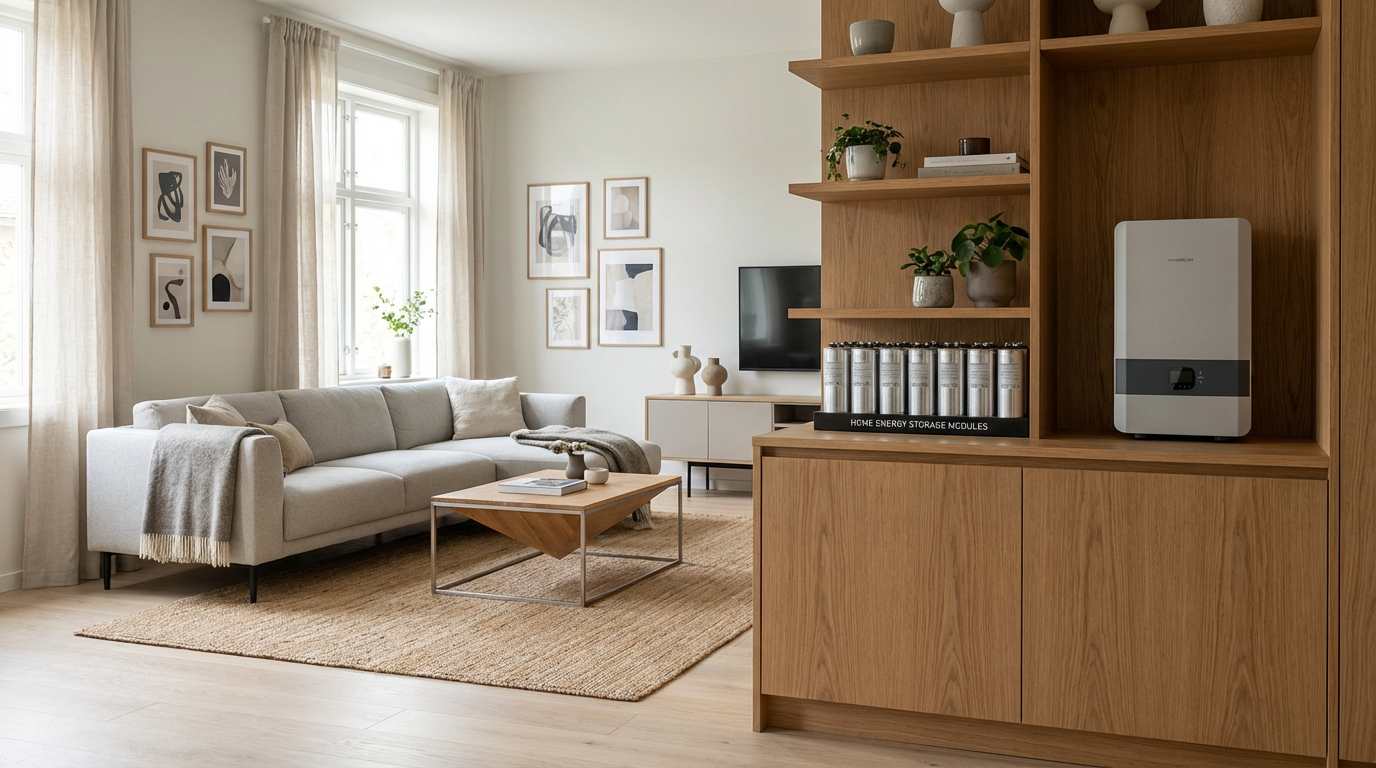
How Capacitors Store Energy for Home Use
Many homeowners ask: can capacitors really store enough energy for a house, or are they just “support parts”? To answer that, we need a simple picture of how they work and what actually matters for home storage.
Basic Idea: How Capacitors Store Energy
A capacitor is like a tiny rechargeable “pressure tank” for electrons:
- It has two plates with an insulator between them.
- When you charge it, electrons pile up on one side, creating an electric field.
- That electric field is where the energy is stored, not in a chemical reaction (like a battery).
Key effects:
- Very fast charging and discharging (milliseconds to seconds)
- Voltage drops as it discharges, unlike most battery packs that hold a flatter voltage
Simple formula (you don’t need to memorize it):
Stored energy ≈ ½ × C × V²
So higher voltage = a lot more energy, but you still don’t reach battery-level capacity in most cases.
Regular Capacitors vs Supercapacitors
Not all capacitors are equal. For home energy use, we mainly care about supercapacitors (ultracapacitors), not the tiny caps on circuit boards.
| Type | What It Is Good For | Typical Use |
|---|---|---|
| Regular capacitor | Filtering, smoothing, quick spikes | Power supplies, electronics |
| Supercapacitor | Storing larger bursts of energy | EVs, backup power, grid support |
Regular capacitors
- Extremely low energy storage
- Great for microseconds to seconds support, not kWh-level storage
Supercapacitors / Ultracapacitors
- Much higher capacitance and energy than regular caps
- Still far lower energy density than lithium batteries
- Excellent for fast charge/discharge, power smoothing, and short backup
When we talk about “home energy storage with capacitors”, we’re really talking about supercapacitor banks, not normal capacitors.
Key Specs That Matter for Home Storage
If you’re thinking about supercapacitors for home energy storage, these four specs are critical:
1. Energy Density (kWh per kg or per liter)
- How much energy can it hold per unit size/weight
- Supercapacitors: very low energy density vs lithium batteries
- Impact: you need much more space for the same kWh
2. Power (kW) and Charge/Discharge Speed
- How fast you can move energy in and out
- Supercapacitors: extremely high power (great for spikes, motor starts, inverter surges)
- Ideal for short bursts, not long overnight backup
3. Cycle Life
- How many charge/discharge cycles before noticeable degradation
- Supercapacitors: often hundreds of thousands to millions of cycles
- Much higher than most lithium-ion home battery systems
- Strong fit for daily cycling and constant micro-charging (solar fluctuations, peak shaving)
4. Safety and Thermal Behavior
- No flammable electrolyte like many lithium chemistries
- Very low risk of thermal runaway or fire
- Still need quality BMS/power electronics, but overall a safer profile in a home
Quick Snapshot: Supercapacitors vs Batteries (for Home Use Basics)
| Spec | Supercapacitors | Lithium Home Batteries (Li-ion / LiFePO₄) |
|---|---|---|
| Energy density | Very low | High |
| Power output | Extremely high | High |
| Cycle life | Extremely long | Long, but limited |
| Safety | Very safe, low fire risk | Good to moderate, depends on chemistry |
Core takeaway:
Capacitors – especially supercapacitors – are excellent at handling power, not storing large amounts of energy. That trade-off is at the center of whether they make sense as a main home energy storage solution or a smart add-on.
Capacitors vs Batteries for Home Energy Storage
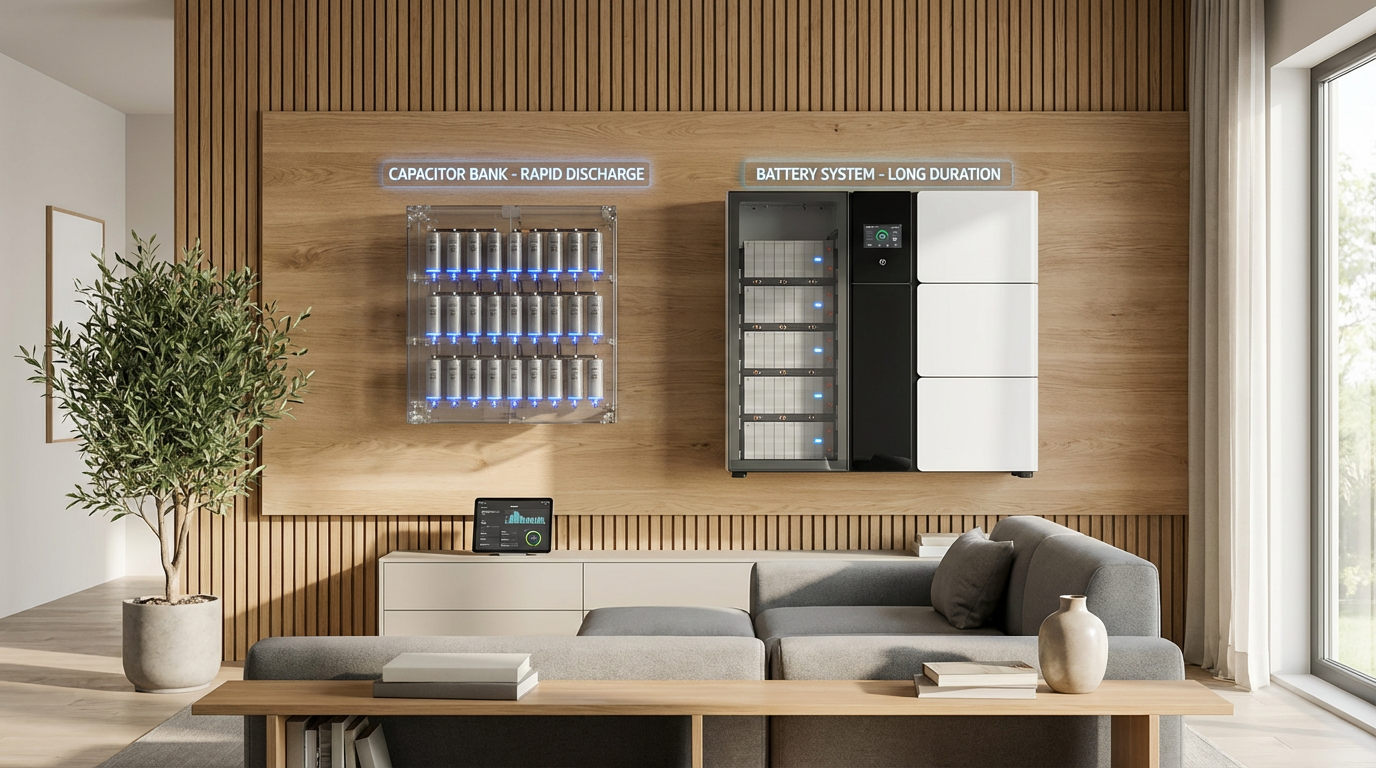
Energy density: how much energy fits in your home?
For full-home backup, batteries win by a mile.
- Lithium-ion / LiFePO4 home batteries: ~80–180 Wh/kg
- Supercapacitors: typically ~5–15 Wh/kg
To match a typical 10–20 kWh home battery, a supercapacitor bank would be huge and heavy, and far more complex. That’s the main reason we don’t see “supercapacitor Powerwalls” on the market.
Power and fast charge/discharge
This is where supercapacitors shine:
- They can charge and discharge in seconds, handle extreme power spikes, and cope with very high charge/discharge rates without damage.
- Batteries (like a LiFePO4 home storage pack) can deliver solid power, but they still have limits on how fast you can safely charge/discharge without reducing lifespan.
In practice:
- Use batteries for hours of energy.
- Use capacitors for milliseconds–minutes of power bursts.
Cycle life and reliability
- Supercapacitors: often 500,000+ cycles, practically no wear in daily use.
- Home batteries: typically 3,000–8,000 cycles to ~70–80% capacity, which is still 8–15+ years for most homes.
Batteries degrade slowly over time; supercapacitors barely age in terms of cycle count, but their low energy capacity limits them as the main storage.
Self-discharge, efficiency, and standby
- Supercapacitors have high self-discharge. They slowly bleed energy even when idle, which is bad for overnight or multi-day storage.
- Lithium batteries hold charge well for weeks or months, with low standby losses and round-trip efficiency typically around 90–95% in good systems.
For daily solar plus storage, batteries are simply more practical.
Safety in a home environment
- Supercapacitors don’t have thermal runaway like some lithium chemistries; they’re generally very safe and robust.
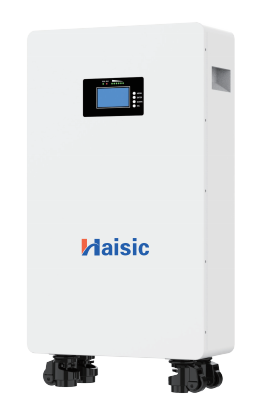
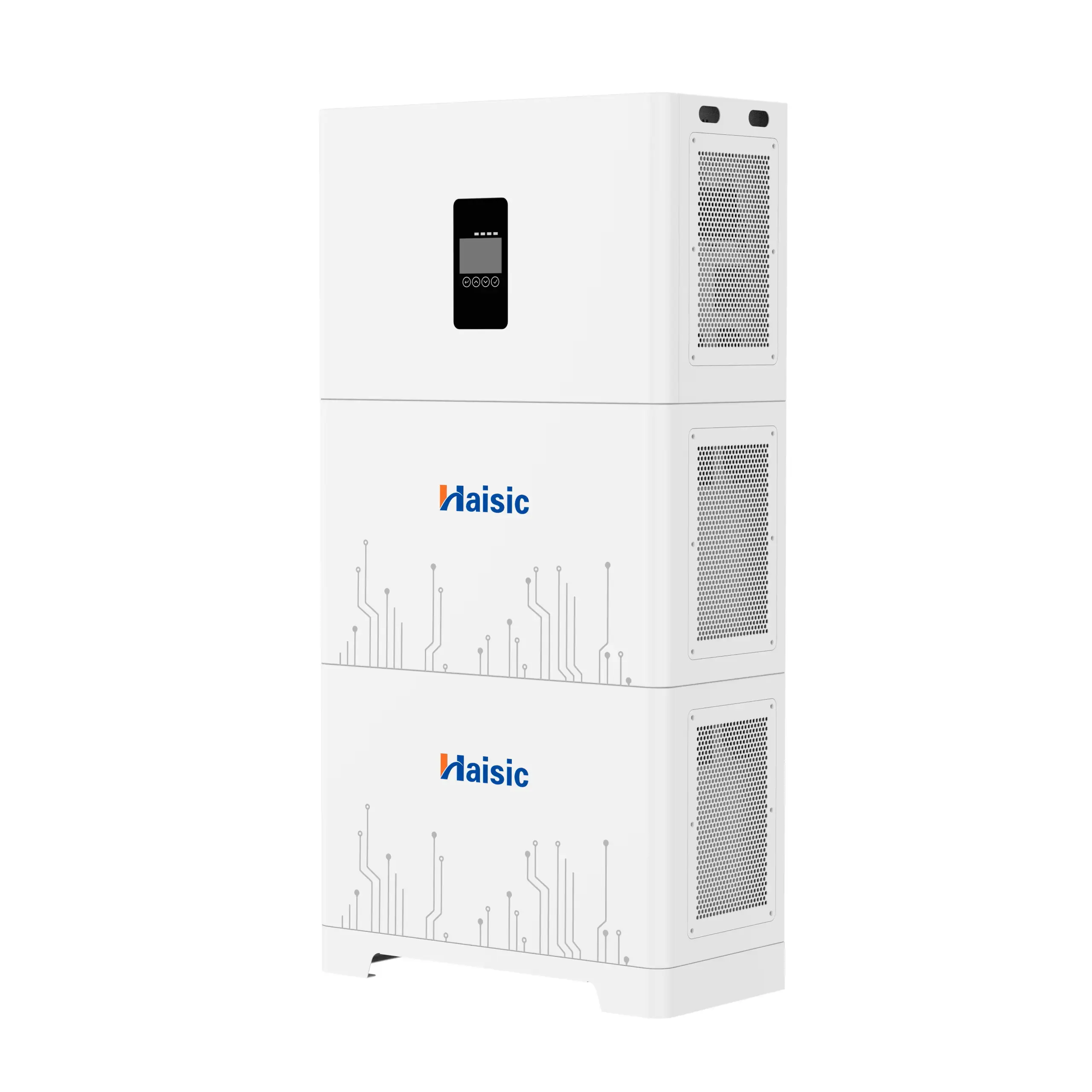
- Modern LiFePO4 home batteries are also very safe when built right, with BMS protection, enclosure design, and certifications. Products like our touchscreen 20.48 kWh home energy storage battery are engineered specifically to minimize fire and electrical risks in residential spaces.
If safety is your top concern, choose LiFePO4 or use supercapacitors as a support layer, not as the only storage.
Cost per kWh and real budget impact
This is the deal-breaker today:
- Cost per kWh (supercapacitors) is many times higher than lithium batteries, especially once you size them big enough for home use.
- Lithium home batteries currently offer the lowest real-world cost per kWh for residential backup and solar storage, especially in standard sizes like 10–20 kWh.
In short:
- Capacitors are amazing for power quality, spikes, and ultra-fast behavior.
- Batteries are still the only realistic, cost-effective choice for whole-home energy storage right now.
Pros of Using Capacitors for Home Energy Storage
Ultra-fast charging for solar and grid
Capacitors and supercapacitors can charge and discharge in seconds, not hours. That makes them ideal if you:
- Need to grab cheap grid power during very short off-peak windows
- Want to smooth fast solar output swings (passing clouds, sudden load spikes)
- Need instant power for motors, pumps, or EV chargers starting up
They don’t care about charge rate the way batteries do, so “fast charging home storage” is basically built in.
Long cycle life and low maintenance
Supercapacitors handle hundreds of thousands to millions of cycles with very little capacity loss. In practice, that means:
- Daily cycling for 10–20+ years with minimal degradation
- Almost no maintenance compared with normal batteries
- Ideal for “high cycle life energy storage” tasks like frequent charge/discharge in solar plus storage setups
You’re not planning for replacements every 8–12 years like with most lithium systems.
Wide temperature performance
Capacitors work well in a much wider temperature range than most lithium-ion packs:
- Better performance in very cold garages or very hot sheds
- Less need for complex heating/cooling systems
- More stable behavior for off-grid homes in harsh climates
If your climate is tough on batteries, capacitors are naturally more forgiving.
Safety and lower fire risk
There’s no liquid electrolyte that can go into thermal runaway like in some lithium-ion chemistries. That means:
- Very low fire risk in normal use
- No dramatic venting or runaway chain reaction if damaged
- A safer option around kids, pets, and dense neighborhoods
For many homeowners worried about “safe home battery technology,” capacitors are one of the least risky energy storage types.
Environmental and recyclability advantages
Supercapacitors usually rely on carbon-based materials and simple metals, making them:
- Easier to recycle at end of life
- Lower in toxic materials compared with many battery chemistries
- Attractive for “low maintenance home storage” with a smaller long-term environmental footprint
If your main storage is still a lithium system, you can pair it with a small supercapacitor bank to cut stress on the battery and extend its life. For example, combining a LiFePO4 pack like a home lithium battery storage system with a capacitor front-end can give you both safety and extreme cycle life.
Limits of Capacitors as Home Energy Storage
Low energy density: the core problem
For whole‑home energy storage, supercapacitors have very low energy density compared with lithium batteries.
- You’d need many times more supercapacitors to store the same kWh as a single LiFePO4 home battery.
- That’s fine for short bursts of power, but not for running a house overnight or through a storm.
Space and size issues at home
Because of that low energy density, a home-scale supercapacitor bank gets big, fast:
- More racks, more modules, more wiring.
- Harder to fit in a garage or utility room compared with a compact wall-mounted lithium system.
- For urban homes or apartments, the footprint alone is usually a deal-breaker.
Upfront cost vs lithium home batteries
On a cost per kWh basis, supercapacitors are still expensive:
- $/kWh is far higher than a good LiFePO4 solar battery system.
- Even though they last more cycles, the initial investment to reach 10–20 kWh of storage is not realistic for most homeowners.
- Mature lithium systems, like a modular 51.2V home battery pack or a complete home battery storage system, are simply more cost-effective today.
Voltage drop and extra electronics
Capacitors discharge differently than batteries:
- As they release energy, voltage drops quickly, which your home inverter and appliances don’t like.
- You need more complex power electronics (DC‑DC converters, control systems) to keep a stable output.
- That adds cost, inefficiency, and more points of failure compared with a straightforward lithium battery setup.
No ready-made residential supercapacitor systems
Right now, there are very few turnkey residential ultracapacitor systems on the market:
- Most supercapacitor banks for homes are DIY or custom-engineered, not plug‑and‑play.
- No mass-market ecosystem like we have for lithium Powerwall‑style systems.
- For most homeowners, that means higher risk, fewer installers, and limited support, which makes capacitors a niche choice rather than a mainstream home energy storage solution.
When Capacitors Make Sense in Home Energy Systems
Capacitors and supercapacitors aren’t ideal for full home backup, but they shine in a few very specific jobs. If you use a lot of solar, run heavy appliances, or you’re into DIY power systems, they can be a smart add‑on.
Short‑term backup and ride‑through support
Capacitors react in milliseconds, which makes them perfect for “riding through” very short outages or voltage dips that would otherwise:
- Crash your PC, router, or home server
- Reset smart home controllers or security systems
- Glitch sensitive electronics or lab gear
A small supercapacitor bank on the DC bus or behind a UPS can keep things stable for seconds to a few minutes while a generator, solar inverter, or main battery kicks in.
Peak shaving and reducing demand charges
If you’re on a tariff with demand charges or high peak rates, supercapacitors can help shave those short spikes:
- Charging slowly from solar or the grid when loads are low
- Discharging very quickly when a big load starts (EV charger, pump, A/C)
- Keeping your grid draw below the demand threshold
For many homes, combining peak shaving capacitors with a right‑sized solar plus battery setup is cheaper than oversizing the battery just to handle brief peaks.
Handling quick power spikes from motors and inverters
Motors and compressors (well pumps, fridges, A/C, power tools) pull a big inrush current at startup. Capacitors are great at:
- Smoothing those inrush spikes so inverters don’t trip
- Letting you run bigger tools or pumps on a smaller inverter
- Keeping voltage more stable for sensitive loads while heavy loads start
If you have a workshop, off‑grid cabin, or a well pump on an inverter, a supercapacitor bank can make the system feel much “stronger” without buying a huge inverter.
Using capacitors to protect and extend battery life
Supercapacitors are a good buffer between your batteries and nasty load spikes:
- They absorb fast surges instead of your lithium battery taking the hit
- They reduce high current cycling that accelerates battery wear
- They can cut down temperature rise in batteries during heavy use
In real life, that means your LiFePO4 or lithium‑ion bank can last longer and stay closer to its rated cycle life, especially in systems that see a lot of stop‑start loads or fast EV charging.
Best‑fit scenarios for DIY and advanced solar users
Capacitors for home energy storage make the most sense if:
- You already have solar plus a battery and want better performance under spikes
- You run tools, pumps, or machines off an inverter
- You care more about reliability and stability than pure kWh capacity
- You enjoy DIY and are comfortable with DC bus design, fuses, and safety
For most homeowners, supercapacitors are a supporting tool, not a main storage option. If you’re planning a full residential system, start with a solid LiFePO4 battery solution, then look at adding capacitors for spike handling and ride‑through once the core system is in place. Solutions like a 10 kW off‑grid solar power system with battery storage are usually the backbone; capacitors are the performance upgrade on top.
New supercapacitor tech for home energy storage
Supercapacitors are moving fast, but they’re not “home battery replacements” yet. Still, the tech curve is interesting if you’re planning long-term.
Graphene and advanced materials
New supercapacitors use graphene, carbon nanotubes, and other nano-materials to push energy density higher while keeping:
- Very high cycle life
- Fast charging (seconds to minutes)
- Strong power output for peaks
Lab results are promising, but most graphene supercapacitors today are still in pilot or niche products, not in mass-market home energy storage with capacitors.
Hybrid supercapacitor–battery tech
To bridge the gap, brands are testing:
- Lithium-ion + supercapacitor hybrids
- Lithium-titanate + ultracapacitors
- Hybrid cells that behave partly like a battery, partly like a capacitor
The idea is simple:
- Supercapacitor side = bursts, spikes, fast charge
- Battery side = hours of energy
In practice, most residential systems today still lean on LiFePO4 battery modules (like stacked 10–30 kWh packs) rather than full hybrid units, because they’re cheaper and well-proven.
Cement-based and structural supercapacitors
Research groups are testing:
- Cement-based supercapacitors that turn concrete into a storage medium
- Structural supercapacitors built into walls, floors, or building panels
If these scale, your house could literally become part of the storage system. But right now this is early-stage R&D, not something you can spec into your solar quote.
Real-world case studies: EVs, grid, backup
Where supercapacitors already earn their keep:
- EVs & buses: capturing braking energy, handling quick acceleration, reducing stress on the main battery
- Grid systems: frequency regulation, voltage support, ultra-fast power smoothing
- Backup systems: short ride-through during grid dips, protecting servers and sensitive loads
These are the same roles they’d play at home: fast, short bursts rather than long overnight backup.
How close are we to home-scale capacitor storage?
Right now:
- Supercapacitors are excellent add-ons, not full replacements for a 20–30 kWh home battery bank
- Energy density and cost per kWh are still the blockers
- Over the next 5–10 years, expect more hybrid systems (battery + capacitors) rather than pure supercapacitor Powerwall alternatives
If you’re shopping today, it’s smarter to look at high-cycle LiFePO4 systems with room for future upgrades, like a stackable 20–30 kWh high-voltage setup for solar-plus-storage or a modular 12.8 V LiFePO4 battery system that can be paired later with capacitor-based power electronics as that tech matures.
Hybrid Systems: Capacitors Working With Home Batteries
Why pairing capacitors with batteries can work
If you want both speed and capacity, a hybrid setup makes sense.
- Capacitors / supercapacitors handle sharp load spikes and ultra-fast charge/discharge.
- Home batteries (LiFePO4 or lithium-ion) handle the bulk, long-duration energy storage.
Together, you get smoother power delivery, less stress on the battery, and a more stable home system.
Using capacitors for bursts, batteries for long-term storage
In a solar-plus-storage setup:
- Capacitors cover short bursts: motor starts, compressor kick-in, sudden appliance loads, inverter transients.
- The battery delivers steady energy over minutes to hours: evening usage, night-time loads, backup during outages.
This means fewer high-current peaks going into the battery, which can reduce battery heating and extend lifespan.
System design ideas for solar plus storage at home
A simple hybrid layout usually looks like this:
- Solar array → MPPT → DC bus
- Supercapacitor bank connected to the DC bus to smooth fast fluctuations
- Home battery pack (for example a 15kWh LiFePO4 solar battery pack) connected via a BMS and inverter
- Smart control to:
- Let capacitors handle sub-second to a few-second spikes
- Let batteries handle anything longer
You can also scale down with a 51.2V LiFePO4 battery like this 51.2V 100Ah model and add a small capacitor bank near the inverter or main DC bus.
Impact on system life, efficiency, and user experience
Done right, a hybrid capacitor–battery system can:
- Increase battery cycle life by lowering peak currents and avoiding deep, rapid swings
- Improve efficiency by cutting conversion losses during spikes and voltage dips
- Feel smoother: fewer inverter cutouts, better start-up of large loads, more stable voltage during cloudy solar conditions
End result: the system “just works” better and feels more robust in daily use.
Future-ready setups for homeowners watching new tech
If you’re planning for the future:
- Choose a solid LiFePO4 solar battery system now and leave space (physically and electrically) for a capacitor bank add-on.
- Use an inverter/charger that supports high DC bus currents and can integrate extra DC components.
- Keep wiring, fusing, and busbars sized with headroom for future supercapacitor modules.
This way, as supercapacitor tech and hybrid modules mature, you can upgrade your system instead of replacing it.
Best Home Energy Storage Options Today
If you’re asking “can capacitors make a good energy storage for home?”, you’re really comparing them against today’s main options. Here’s the short version of what actually works right now.
Lithium‑ion & LiFePO4 Home Battery Systems
For most homes, LiFePO4 (lithium iron phosphate) is the sweet spot:
- Safe: Very low fire risk vs older lithium chemistries
- Long life: 4,000–6,000+ cycles is normal
- Good energy density: Fits in a small wall or floor unit
- Mature tech: Lots of inverters, apps, and installers support it
Typical use cases:
- Daily solar charging + night-time use
- Backup for blackouts
- Off‑grid cabins or small businesses
Example: A 25.6V 280Ah residential LiFePO4 ESS or a 51.2V 400Ah 20.48kWh battery module is the kind of capacity that comfortably covers most homes, especially when paired with rooftop solar. (Those are the types of packs we build for residential users.)
Other Emerging Home Storage Tech (Flow, Sodium, etc.)
These are promising but still niche for homes:
| Tech | Pros | Cons for Homes |
|---|---|---|
| Sodium‑ion | Cheaper materials, safer | Lower energy density, early-stage |
| Flow batteries | Very long life, easy to scale | Large, complex, mostly commercial/industrial |
| Zinc-based | Safe, non‑flammable | Limited suppliers, still maturing |
Good to watch, not always ready to replace a home LiFePO4 system today.
Where Capacitors Fit in Residential Storage
Supercapacitors/ultracapacitors shine at power, not energy:
- Great for:
- Smoothing solar spikes
- Handling motor inrush (pumps, compressors, tools)
- Fast charge/discharge bursts
- Weak for:
- Storing many kWh for overnight use
- Compact whole‑home backup at reasonable cost
So for now, capacitors are a support player, not your main “home battery.” They make the most sense in hybrid systems, protecting and boosting batteries rather than fully replacing them.
How to Choose the Right Home Energy Storage Setup
Use this quick filter:
- Your main goal
- Bill savings & self‑consumption → LiFePO4 solar battery
- Serious backup/off‑grid → Larger LiFePO4 bank + generator
- Power quality & spikes → Add capacitors on top of a battery system
- Key selection points
- Capacity (kWh): At least 1× your typical daily use if you want deep backup
- Power (kW): Enough to run your big loads at once (A/C, pump, EV charger)
- Cycle life & warranty: Look for clear cycle ratings and 8–10 year coverage
- Integration: Certified with your inverter/charger and local grid rules
What to Look For in a Home Battery Brand & System Design
Don’t just buy a “box with kWh.” Check:
- Cell chemistry: Prefer LiFePO4 for homes
- Build quality: Rackable modules, proper BMS, clear protections
- Scalability: Can you add more packs later?
- Support & documentation: Clear install manuals, local or online support
- Real specs: Honest usable capacity, not just “nameplate” numbers
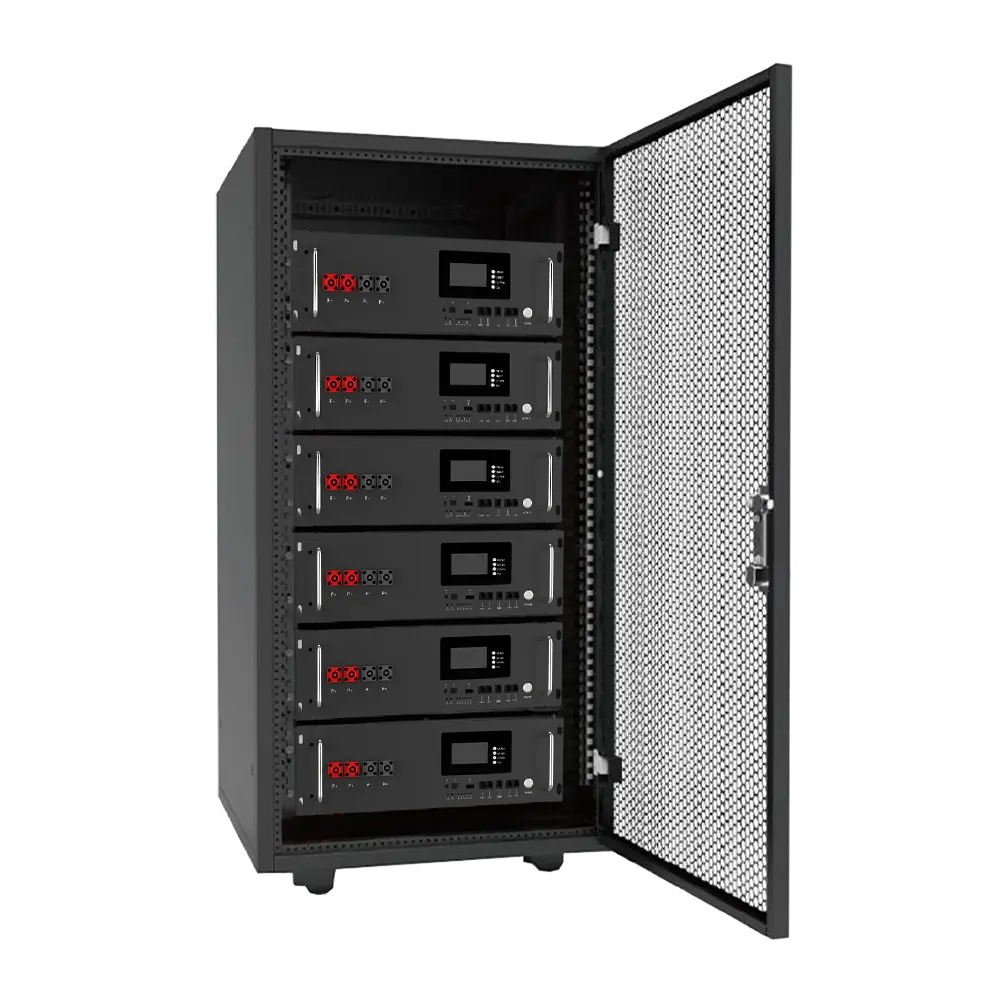
For example, a modular 51.2V 400Ah LiFePO4 rack battery for solar storage or a compact 25.6V 280Ah residential ESS cabinet gives you reliable capacity now and room to grow as your usage changes, EVs come in, or you add more rooftop solar.
If you want whole‑home storage today, start with LiFePO4 batteries, and treat capacitors as an optional performance upgrade—not a replacement.
Should You Use Capacitors as Home Energy Storage Now?
If you’re wondering whether capacitors or supercapacitors can replace a home battery today, the honest answer is: not for full home storage. But they can play a useful supporting role in the right setups.
Quick checklist: Do capacitors match your home needs?
Capacitors might make sense if you:
- Need very short backup (seconds to a few minutes) for sensitive loads (servers, routers, PCs, small office gear).
- Care more about power spikes than total energy (e.g. pumps, compressors, motors, heavy tools starting up).
- Want ultra‑high cycle life (hundreds of thousands to millions of cycles).
- Have very limited tolerance for fire risk and want the safest possible buffer for sharp loads.
They usually don’t fit if you:
- Want to run your home for hours during outages.
- Need to store solar energy from day to night.
- Don’t have spare space for large capacitor banks.
- Want a cost-effective cost per kWh right now.
When to stick with batteries for whole‑home storage
For almost every homeowner today, a LiFePO4 home battery system is still the best choice for:
- Daily solar storage (charging by day, using at night).
- Emergency backup that can last hours or more.
- Off‑grid cabins or homes that need energy overnight.
- Cost per kWh that makes sense over 10+ years.
If your goal is a “home Powerwall alternative” with real capacity, a lithium system like a wall‑mounted 51.2V 100Ah (around 5 kWh) LiFePO4 battery is far more practical than any supercapacitor bank available today. You can look at complete wall-mounted solutions on our home energy storage products page to understand current real‑world specs, form factors, and costs.
Where small capacitor add‑ons can actually help
Capacitors work well as add‑ons to a battery-based system, especially for:
- Smoothing solar output when clouds pass fast.
- Handling motor inrush (fridge, AC, well pump, power tools) so your inverter and battery aren’t slammed by sudden peaks.
- Protecting batteries from repeated high‑current spikes, which slows battery degradation.
- Acting as a “ride-through” buffer for short grid dips (milliseconds to seconds), reducing the number of deep battery cycles.
In practice, this often means a small supercapacitor module near your inverter or key loads, not a giant “supercapacitor Powerwall”.
How to plan for future upgrades and hybrid solutions
If you want to stay “future‑ready” for hybrid capacitor–battery systems:
- Choose a modular battery system with a good BMS and quality inverter that can later integrate additional DC components.
- Make sure your inverter supports high surge power and has room in its DC bus design for future add‑ons.
- Leave physical space near the inverter for a future supercapacitor module or power-conditioning hardware.
- Focus on safe, standard components today (LiFePO4 batteries, reputable inverters) and treat capacitors as an optional upgrade later, not the core.
Practical next steps for homeowners
If you’re actively researching home storage now:
- Define your main goal
- Backup time needed (minutes vs hours).
- Daily solar usage vs rare emergency use.
- Budget and space limits.
- Start with a proven battery system
- Compare LiFePO4 wall-mounted systems in the 5–15 kWh range.
- Check cycle life, warranty, and integration with your solar inverter.
- Use solutions pages like our home and commercial storage solutions to see how these systems are used in real projects.
- Add capacitors only where they clearly help
- Short backup for IT gear or sensitive electronics.
- Peak-shaving for specific loads.
- To reduce stress on your main battery bank and inverter.
Right now, capacitors alone are not a good stand‑alone home energy storage solution. Use them as a smart add‑on to a solid battery system, not as a replacement.