










Are you worried about being left in the dark during the next unexpected grid failure?
Choosing the right battery power inverter for home backup can feel overwhelming, but it is the ultimate key to keeping your life running smoothly when the grid goes down.
As an energy solutions expert, I know that investing in a reliable home power backup system is crucial for your family\’s safety and peace of mind. I\’m going to give you advice that cuts through the complex technical jargon, grounded in real industry engineering.
In this guide, you\’re going to learn exactly how to calculate your necessary wattage, protect your sensitive appliances with a pure sine wave inverter, and choose the perfect battery setup for your specific needs.
So if you\’re ready to ditch the noisy gas generator and achieve true energy independence, this guide is for you.
Let\’s dive right in.
We know how stressful it is when the grid unexpectedly fails. You are left sitting in the dark, wondering how to keep your food from spoiling, your medical devices running, and your family comfortable. A reliable home power backup system is the definitive answer to grid instability, and understanding its core component is your first step to true energy independence.
What is a Battery Power Inverter?
To put it simply, your house and your backup batteries speak two different electrical languages. A battery power inverter for home use acts as the critical, real-time translator between them.
- The Basics: Batteries store electrical energy as DC (Direct Current). However, the modern electronics in your house—from your HVAC system to your laptop—require AC (Alternating Current) to operate safely. The inverter\’s primary job is to instantly convert that stored DC power into the usable AC power your appliances need.
The Hub of Your Residential Energy Storage System (ESS)
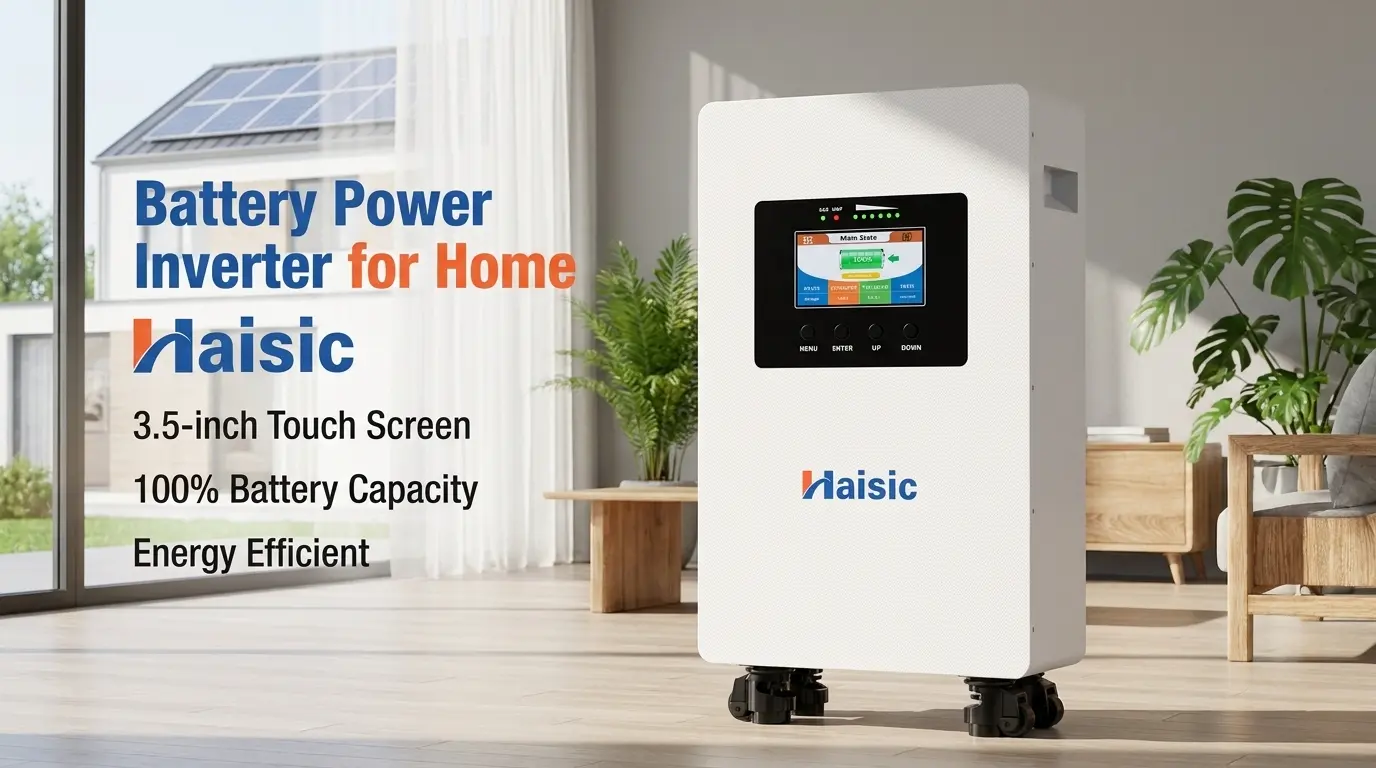
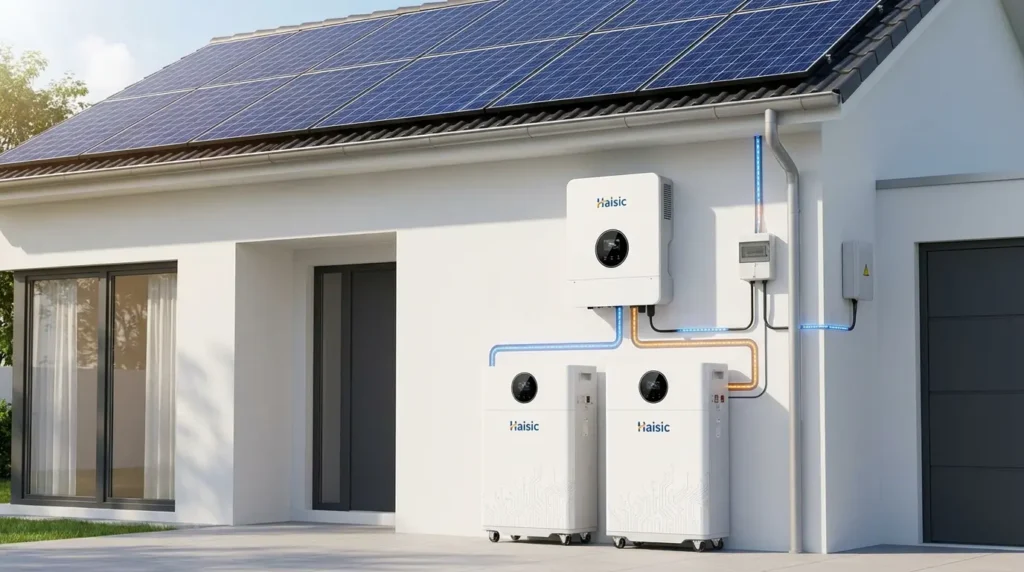
An inverter does not work in isolation. It is the central brain of your entire Residential Energy Storage System (ESS). It acts as an intelligent traffic controller, seamlessly directing energy between three main components:
- The Battery Bank: It regulates power flowing in to charge the batteries and pulls stored DC power out the second you need it.
- Solar Panels: It integrates directly with your roof, channeling fresh solar energy to power your home loads while simultaneously recharging your battery reserves.
- The Grid: It constantly monitors your utility connection. When grid power is stable, it can draw energy to top off your batteries; the millisecond the grid drops, it automatically islands your home and switches to backup power.
Pure Sine Wave Inverter: Protecting Your Home Electronics
When choosing a battery power inverter for home use, you will run into two types of electrical flow: pure sine wave and modified sine wave. The difference is simple. Think of a pure sine wave as a smooth, rolling ocean wave—this is the exact same clean power your utility company sends to your wall outlets. A modified sine wave is more like a staircase; the power flow is blocky, choppy, and abrupt.
Why the Waveform Matters
Running your modern home power backup system on a modified sine wave is a massive risk. Today\’s homes are packed with sensitive electronics that demand smooth power to survive.
| Feature | Pure Sine Wave Inverter | Modified Sine Wave |
|---|---|---|
| Power Flow | Smooth, clean, and continuous | Blocky, choppy, and abrupt |
| Compatibility | 100% safe for all modern household devices | Causes humming, overheating, or failure |
| Best For | Smart TVs, laptops, medical devices, fridges | Old, simple motors (mostly outdated) |
Here is exactly what happens if you plug sensitive gear into a modified sine wave inverter:
- Overheating: Your devices will run noticeably hotter and far less efficiently, draining your batteries faster.
- Loud Humming: You will hear an annoying buzz from ceiling fans, audio gear, and modern refrigerators.
- Permanent Damage: Sensitive electronics like laptops, CPAP medical devices, and smart appliances can literally fry or burn out prematurely.
The Haisic Standard
We believe your appliances should run just as safely off-grid as they do on the grid. If you are setting up a residential energy storage system (ESS), there is no room for compromise. That is why all of our high-quality home systems at Haisic exclusively use pure sine wave technology. We guarantee your electronics stay protected, quiet, and perfectly powered through any outage.
Sizing Your Home Inverter: What Can You Actually Run?
When setting up a battery power inverter for home use, figuring out the exact size you need is usually the biggest hurdle. You definitely do not want a system that shuts down the moment your refrigerator kicks on. To get your whole house inverter sizing right, we first need to look at how appliances draw power.
Continuous vs. Peak Power
Not all power draw is the same. Appliances use electricity in two very distinct ways:
- Continuous (Running) Watts: This is the steady, ongoing amount of power an appliance needs simply to stay on and operate. Your WiFi router, television, and LED lights rely on continuous watts.
- Peak (Starting/Surge) Watts: This is a massive, temporary burst of energy required to start up appliances that have electric motors. Your refrigerator, air conditioner, and well pump might need two to three times their normal running watts just to turn on. If your inverter cannot handle this initial surge, the system will overload and trip.
How to Calculate Your Needs
Finding your exact power requirement is a straightforward process:
- Make a list: Note down the essential appliances you absolutely must run at the same time during an outage.
- Check the labels: Find the running and starting watts for each item (usually printed on a metal tag or sticker on the back of the device).
- Add it up: Total the running watts for all the appliances on your list.
- Account for the surge: Take that total running wattage and add the single highest starting wattage from your list. This final number dictates the minimum size you need for your battery power inverter for home.
Inverter Appliance Compatibility Matrix
To make the selection process easier, I rely on this quick reference guide to match standard inverter capacities with everyday household loads.
| Inverter Size | Setup Type | What It Can Comfortably Run |
|---|---|---|
| 3000W (3kW) | Essential Backup | WiFi, laptops, TVs, LED lighting, device chargers, and one standard refrigerator. |
| 5000W (5kW) | The Standard Home | A 5kW home inverter system handles the basics above, plus a microwave, coffee maker, washing machine, or a small window AC unit. |
| 10,000W (10kW+) | Heavy-Duty | Full inverter appliance compatibility: All essentials, large kitchen appliances, well pumps, electric water heaters, and central HVAC systems. |
I always advise sizing up slightly. Building in a 10% to 20% power buffer ensures your equipment isn\’t constantly maxed out, preventing overheating and extending the lifespan of your entire setup.
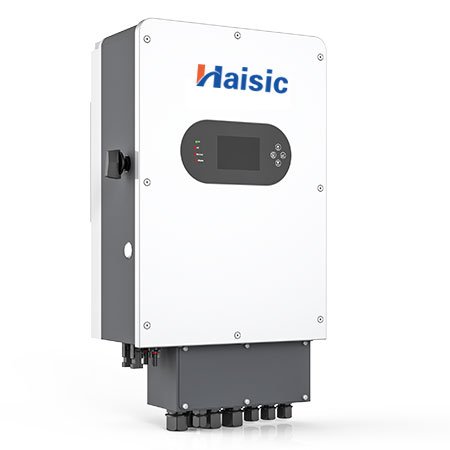
Pairing Your Battery Power Inverter for Home
Lead-Acid vs. LiFePO4 Battery Storage
When building a reliable residential energy storage system (ESS), your battery power inverter for home needs a solid power bank to pull from. I see many people try to cut costs upfront by wiring their inverters to outdated lead-acid batteries. We strongly advise against this. Today, the only battery chemistry that makes sense for a serious off-grid home power setup or grid-tied backup is Lithium Iron Phosphate (LiFePO4).
Here is exactly why we rely on LiFePO4 battery storage rather than older, heavier alternatives:
- Unmatched Safety: LiFePO4 chemistry is incredibly stable. It completely eliminates the risk of thermal runaway (catching fire), making it inherently safe to install inside your home or garage.
- Zero Maintenance: Old lead-acid banks force you to check acid/water levels and manage toxic off-gassing. LiFePO4 requires absolutely zero maintenance. You set it up and let the battery management system (BMS) do the work.
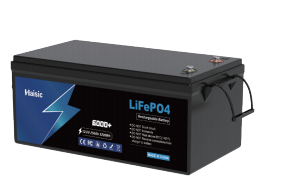
- Massive Cycle Life: A premium 48V home battery system using LiFePO4 cells consistently delivers over 6,000 charge cycles before showing significant degradation.
- Lower Total Cost: Don\’t let the initial price tag fool you. Because these batteries boast a 10 to 15-year lifespan, you aren\’t replacing them every few years. Over a decade, LiFePO4 is significantly cheaper and dramatically lowers your total cost of ownership.
Standalone vs. Hybrid Solar Inverters
When I help customers choose a battery power inverter for home, the decision usually comes down to a standalone or a hybrid setup. The right choice depends entirely on whether you plan to integrate solar energy or if you just need a straightforward backup plan.
Standalone Inverters
If you want a simple, battery-only backup system, a standalone inverter is your go-to. It does one job perfectly: it takes stored power from your batteries and powers your essential home appliances during a blackout. It is the easiest way to secure your home without overcomplicating the installation.
Hybrid Solar Inverter Integration
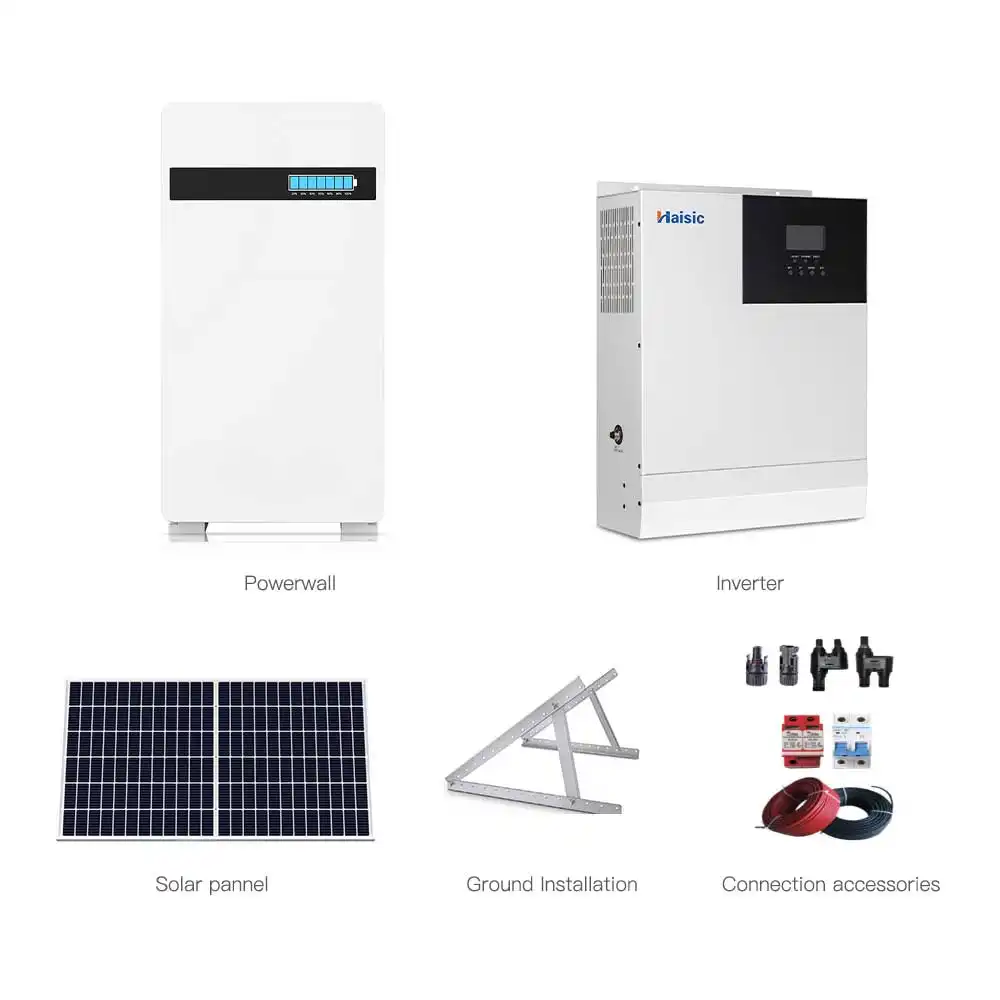
For those building a comprehensive residential energy storage system (ESS), a hybrid solar inverter is an absolute must. We typically use units ranging from 3kW to 12kW that feature built-in MPPT controllers. This allows the inverter to seamlessly sync your solar panels, your battery bank, and your main breaker panel. It is the backbone of a reliable off-grid home power setup or an efficient grid-tied system.
Smart Energy Management
The real value of a modern hybrid setup is in the software. These units come with smart monitoring through WiFi or GPRS. Using intelligent energy algorithms, the system automatically decides when to pull free power from your solar panels, when to dip into your batteries, and when to pull from the utility grid. A smart grid-tied inverter with battery backup actively slashes your monthly electric bill without you having to lift a finger.
Setup Comparison
| Feature | Standalone Inverter | Hybrid Solar Inverter |
|---|---|---|
| Primary Use | Simple battery-only backup | Full residential energy storage |
| Solar Integration | No | Yes (Built-in MPPT) |
| Typical Size | Varies by basic load | 3kW to 12kW for whole-home |
| Smart Monitoring | Basic | Advanced WiFi/GPRS algorithms |
| Cost Savings | Protection against outages | Actively lowers daily utility bills |
Installation Options for Your Battery Power Inverter for Home
When we design a reliable home power backup system, the physical setup is just as important as the hardware itself. Depending on your living situation and power needs, you generally have two main paths: flexible plug-and-play setups or fully integrated hardwired systems.
Quick Comparison: Setup Types
| System Type | Best For | Installation Method | Power Delivery |
|---|---|---|---|
| Portable / Trolley | Renters, basic essentials | Plug-and-play (DIY) | Manual via extension cords |
| Integrated Hardwired | Homeowners, total backup | Professional | Automated via breaker panel |
Portable and Trolley Systems
If you are renting or just need to keep a few specific appliances running during an outage, a portable setup is the most practical choice.
- Zero Installation: These units are completely plug-and-play. You do not need an electrician or building permits.
- Targeted Power: You simply run extension cords directly from the inverter to your critical loads, like a fridge, WiFi router, or laptop.
- Ultimate Flexibility: You can easily move the trolley unit where it is needed most, making it an excellent starting point for a basic off-grid home power setup.
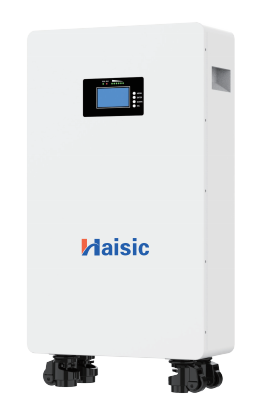
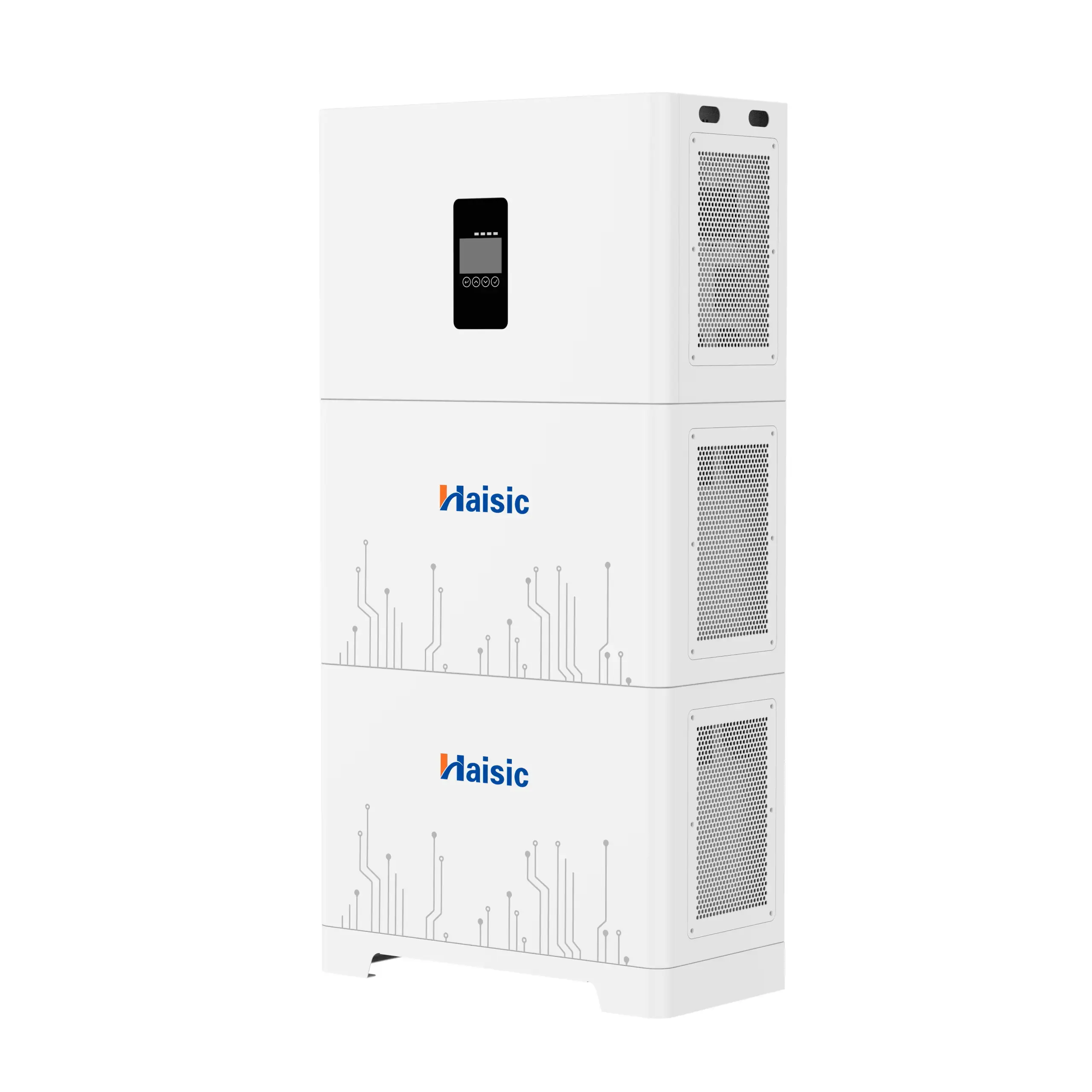
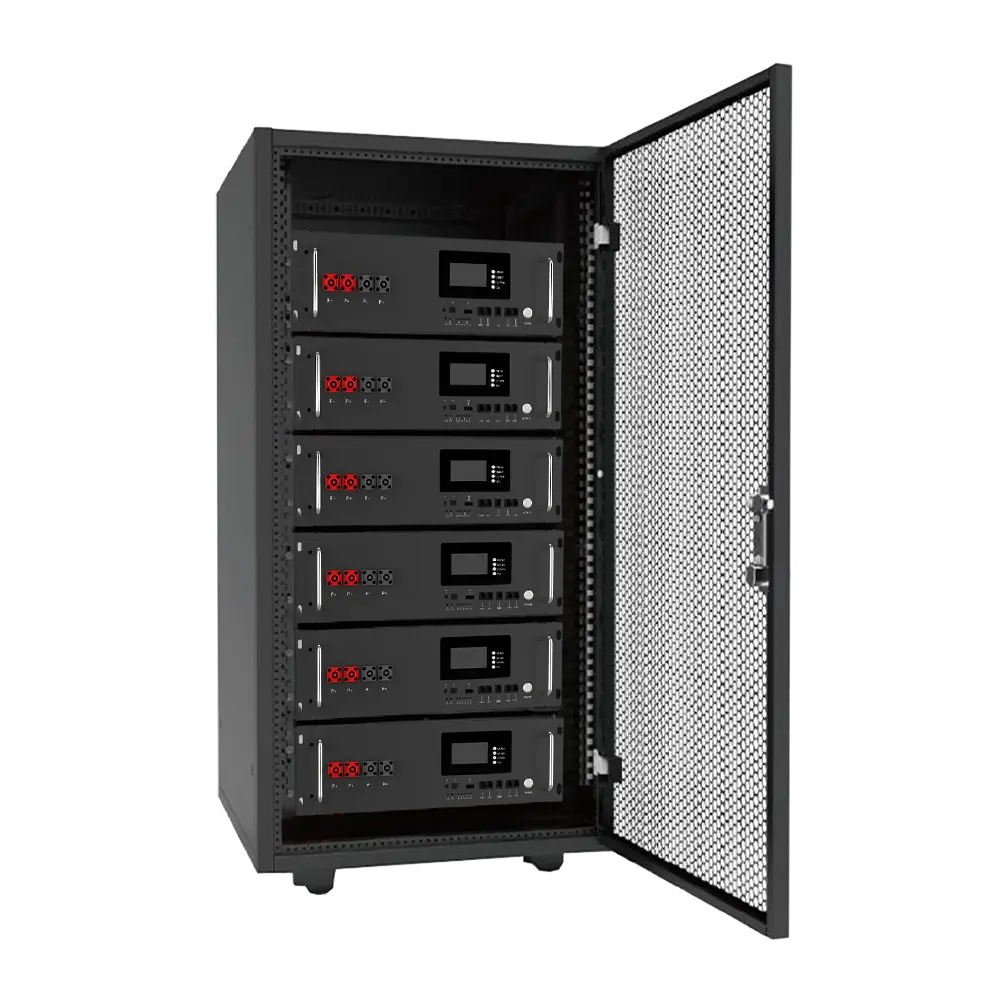
Integrated Wall-Mounted and Rack-Mounted Systems
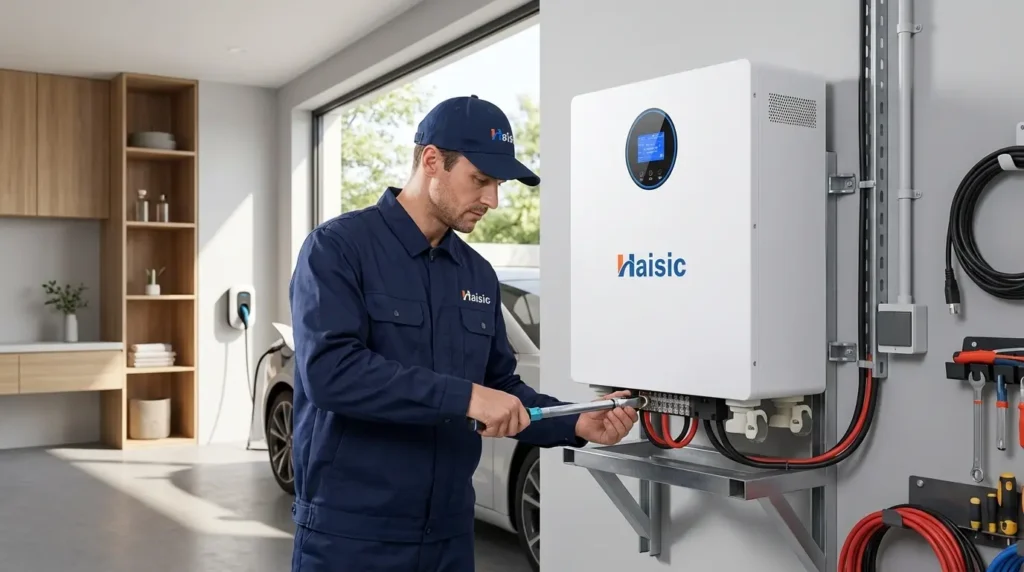
For maximum convenience and comprehensive coverage, we build hardwired systems. This permanently integrates your battery power inverter for home use directly into your electrical grid.
- Seamless Switchover: When the grid drops, the system instantly detects the blackout and takes over automatically. Your lights stay on without a flicker.
- Whole-House Coverage: Because the system is wired directly into your home’s main breaker panel, it seamlessly powers your existing wall outlets and hardwired appliances.
- Professional Setup Required: Tying a residential energy storage system (ESS) into your main panel requires a licensed electrician. Proper solar power inverter installation is mandatory to ensure building code compliance and absolute safety.
Why Trust Haisic for Your Residential Energy Storage System
When you invest in a battery power inverter for home use, you need equipment that won\’t quit when the grid goes down. At Haisic, we are a tier-one national high-tech enterprise with over 15 years of dedicated R&D experience. We build reliable, plug-and-play systems designed to last.
Unmatched Reliability and Safety
Your safety is our bottom line. Our energy storage systems are built to meet the strictest global standards:
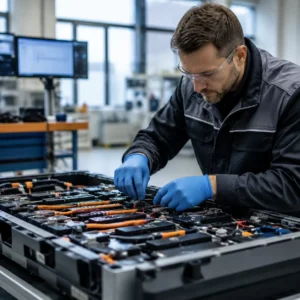
- Smart Protection: Every unit features an advanced battery management system (BMS) to prevent overcharging, monitor temperatures, and maximize lifespan.
- Extreme Durability: IP65 ratings ensure our equipment stands up to harsh, real-world environmental conditions.
- Global Certifications: We hold rigorous international certifications, including ISO, CE, FCC, and UN38.3.
Scalable Off-Grid Home Power Setups
We know that power needs change. Our systems offer incredible flexibility, allowing you to easily scale up your capacity as your energy demands grow.
- Starting Point: 5.12kWh stackable units for essential, everyday backup.
- Maximum Power: Fully expandable up to a robust 26.88kWh high-voltage system to handle heavy household loads.
A Leading OEM Energy Storage Manufacturer
Because we manufacture our products directly, we cut out the middleman. Beyond protecting homeowners, we deliver unmatched, direct-from-factory support for global dealers, installers, and large-scale custom energy projects through our comprehensive B2B and OEM/ODM services.