











Are you struggling to decide between a c10 or c20 battery for home inverter setups?
You might already know that picking the wrong capacity rating can ruin your backup time and drastically shorten your battery\’s lifespan…
But what do these numbers actually mean for running your fans, lights, and heavy appliances during a blackout?
Well, you\’re in for a treat because I\’ve put together a complete, jargon-free breakdown.
As an energy storage expert, I know that investing in the right battery is crucial for keeping your home running smoothly. I\’m going to give you advice that goes beyond basic math, built on real industry experience.
In this post, you\’re going to learn exactly how to decode these ratings, calculate your home\’s true power load, and choose the perfect system step by step.
So if you\’re looking to build a bulletproof home power setup—and discover the modern upgrade that outlasts them both—this guide is for you.
Let\’s dive right in.
Demystifying Battery C-Ratings (The Math Made Simple)
When homeowners ask me whether they should buy a c10 or c20 battery for home inverter systems, the conversation usually starts with a lot of confusion. Let\’s clear the air. To build a reliable energy storage system, you first need to understand the underlying math, which is simpler than you might think.
Battery Discharge Rate Explained: What is a C-Rating?
Simply put, a C rating in batteries dictates how fast you can safely draw power out of the unit without damaging the cells or drastically reducing its lifespan. It represents the intended discharge rate over a specific number of hours. When you combine this with the Amp-hour (Ah) rating meaning—which is effectively the size of your energy \”fuel tank\”—the C-rating acts as your electrical speed limit.
The Practical Calculation: Real-World Math
Let\’s look at how this works in a real-world scenario using a standard 150Ah capacity battery. The math is straightforward: divide the total Ah by the C-rating number to find your maximum safe continuous discharge current.
- C20 Battery Rating: Designed to be completely discharged over 20 hours.
- Calculation: 150Ah ÷ 20 hours = 7.5 Amps
- Real-World Result: You can safely pull 7.5 Amps continuously for 20 hours. Perfect for slow, steady loads like a few LED lights and ceiling fans.
- C10 Battery Rating: Designed for a faster, heavier discharge over 10 hours.
- Calculation: 150Ah ÷ 10 hours = 15 Amps
- Real-World Result: You can safely pull 15 Amps continuously for 10 hours. Built to handle heavier surges and multiple appliances at once.
If you try to pull a heavy 15 Amp load from a C20 battery, you force it to discharge much faster than its internal chemistry was designed for. This directly triggers a frustrating phenomenon that kills battery backup times.
The Peukert Effect in Batteries (Simplified)
You might look at the math above and assume, \”If I draw 30 Amps from my 150Ah battery, it will just last 5 hours, right?\” Unfortunately, no. This is due to the Peukert effect in batteries.
In plain terms, heavy loads drain lead-acid batteries disproportionately faster. When you force a battery to deliver electricity faster than its rated speed, its internal resistance spikes. This generates heat and wastes energy. Because of this efficiency loss, a 150Ah battery subjected to a massive sudden load (like turning on an AC unit or a large water pump) might only deliver 100Ah or 110Ah of actual usable power before dying. This scientific reality is exactly why matching your home\’s actual appliance load to the correct C-rating is an absolute must.
C20 Battery for Home Inverter: Slow and Steady Backup
When deciding between a c10 or c20 battery for home inverter, the C20 rating serves as the traditional standard. I often recommend this rating for standard home UPS systems designed to deliver steady power over an extended period. If you are focused on maximizing your home UPS battery backup time for basic daily needs, the C20 is your practical baseline.
Ideal Use Cases
A C20 battery is built for marathons, not sprints. It fits perfectly into these scenarios:
- Long, predictable power outages: Ideal for areas where the grid goes down for steady, prolonged periods.
- Minimal load requirements: Perfect for keeping essential electronics running, such as LED lights, ceiling fans, and Wi-Fi routers.
Pros of the C20
- Lower upfront cost: It is generally the more budget-friendly option when searching for the best inverter battery for home setups.
- Excellent slow-drain lifecycle: Delivers reliable longevity and steady performance as long as the power draw remains consistently low.
Cons of the C20
- Struggles with heavy loads: This is absolutely not a heavy load inverter battery. Hooking up high-draw appliances like water heaters or microwaves will drain it rapidly and permanently damage its capacity.
- Degrades with solar charging: C20 batteries degrade much faster when subjected to the rapid, fluctuating charging currents of solar panels, making them a poor choice for modern solar energy storage.
The C10 Battery: Built for Heavy Loads and Solar
When deciding between a c10 or c20 battery for home inverter setups, I always highlight the C10 as the heavy-duty powerhouse. It is engineered specifically for faster charge cycles and high power delivery, making it a robust alternative to standard batteries.
Ideal Use Cases
If your energy storage systems for home demand serious output, the C10 rating is exactly what you need.
- High-Draw Appliances: Perfect for running heavy loads like air conditioners, large refrigerators, and water pumps.
- Frequent Power Cuts: Ideal for areas experiencing short but frequent outages where the battery needs to dump power quickly and recharge fast.
- Solar Setups: It functions flawlessly as a deep cycle solar battery, efficiently handling the rapid charging and discharging associated with solar panels.
Pros and Cons
Here is a quick look at why I recommend this as a heavy load inverter battery, alongside its main drawback:
- Pros: It handles high amperage safely and offers significantly faster charging efficiency, ensuring your system recovers quickly when the power returns.
- Cons: In any C10 battery price comparison, you will notice a 15-20% higher upfront price point compared to standard C20 models. However, the performance under stress often justifies the extra investment.
Head-to-Head Comparison: C10 vs C20 Tubular Battery
When deciding on a c10 or c20 battery for home inverter systems, I always tell my customers to look straight at the raw performance data. Understanding the real difference between C10 and C20 is the only way to pick the best inverter battery for home use without wasting your money.
Here is exactly how these two stack up:
| Feature | C10 Battery | C20 Battery |
|---|---|---|
| Max Safe Discharge Current | High (e.g., 15 Amps for a 150Ah battery) | Low (e.g., 7.5 Amps for a 150Ah battery) |
| Ideal Application | Solar panels & frequent power cuts | Standard UPS & rare, long outages |
| Charging Speed | Fast & highly efficient | Standard / Slower |
| Relative Cost | 15-20% higher upfront price | Budget-friendly |
| Lifespan Under Heavy Load | Excellent | Degrades much faster |
Core Differences Explained
- Max Safe Discharge Current: If you have a standard 150Ah setup, a C10 model can safely handle a 15 Amp draw. This lets you run heavier home appliances safely. A C20 tops out around 7.5 Amps before it starts struggling.
- Ideal Application: For a standard home UPS battery backup handling basic lights and fans, the C20 does the job. But if you are putting together a solar inverter battery setup, you absolutely need the rapid-cycling power of a C10.
- Charging Speed: C10 batteries charge significantly faster. If your local grid goes down frequently and you only have a short window to recharge, this charging efficiency is crucial.
- Cost and Long-Term Value: You will pay a higher C10 battery price right out of the gate. However, if you demand a lot of power daily, the long-term ROI makes the C10 a far smarter investment for energy storage systems for home.
- Lifespan Under Heavy Load: Pushing a C20 past its limits drastically shortens its lifecycle. Because it is built as a true heavy load inverter battery, the C10 handles massive power spikes without taking damage, ensuring your system lasts for years.
How to Choose a C10 or C20 Battery for Home Inverter
I always tell customers that picking the right energy storage systems for home use comes down to your daily habits. Let\’s break down the exact inverter battery capacity calculation you need to make the right call between a C10 and C20 rating.
Step 1: Calculate Your Maximum Load
You need to know exactly how much power you will draw at once. A heavy load inverter battery is absolutely necessary if you run high-wattage appliances simultaneously. Here is a quick home appliance wattage checklist to help you estimate your load:
| Home Appliance | Estimated Wattage | Best Battery Fit |
|---|---|---|
| Ceiling Fans + LED Lights | 100W – 200W | C20 |
| TV + Wi-Fi + Laptop | 150W – 250W | C20 |
| Refrigerator | 300W – 800W | C10 |
| Microwave / Water Pump | 1000W+ | C10 |
The Rule of Thumb: Add up the wattage of everything you plan to run during a blackout. If your total load stays under 400W, a C20 handles it effortlessly. If you regularly push past 500W-800W, you need the fast-discharge capabilities of a C10.
Step 2: Assess Your Power Outage Patterns
Next, look at your local grid reliability. This directly impacts your expected home UPS battery backup time and overall battery health.
- Frequent, short outages (1-2 hours): You need a battery that can handle rapid discharging and fast recharging. A C10 battery is built for this exact stress.
- Infrequent, long outages (4-8+ hours): You need slow, steady power delivery. A C20 battery excels here, efficiently trickling out energy over a long period without damaging the internal plates.
Step 3: Factor in Your Charging Source
How you recharge your setup is just as critical as how you drain it.
- Grid-Only Systems: Standard home inverters charge batteries at a slow, controlled rate over 10 to 12 hours from the utility grid. A standard C20 battery is perfectly matched for this traditional, low-stress charging profile.
- Solar Panels: Solar charging is fast and aggressive. You only have a small window of peak sunlight to dump massive amounts of current into the system. If you are building a deep cycle solar battery setup, a C10 battery is mandatory. It safely absorbs high charging currents from solar charge controllers much faster than a C20 ever could.
Beyond the C10 or C20 Battery for Home Inverter
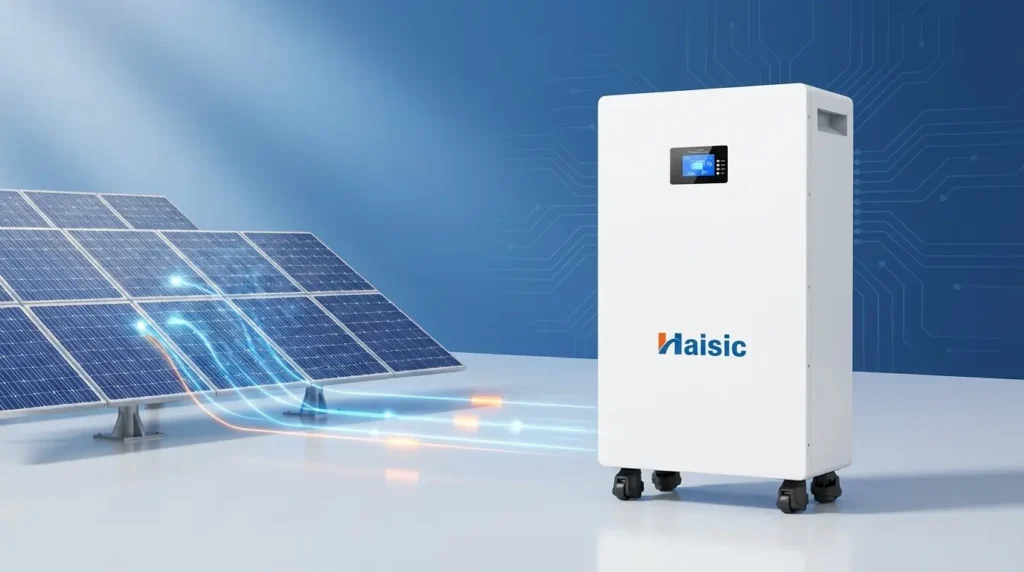
Lead-Acid vs LiFePO4 Battery
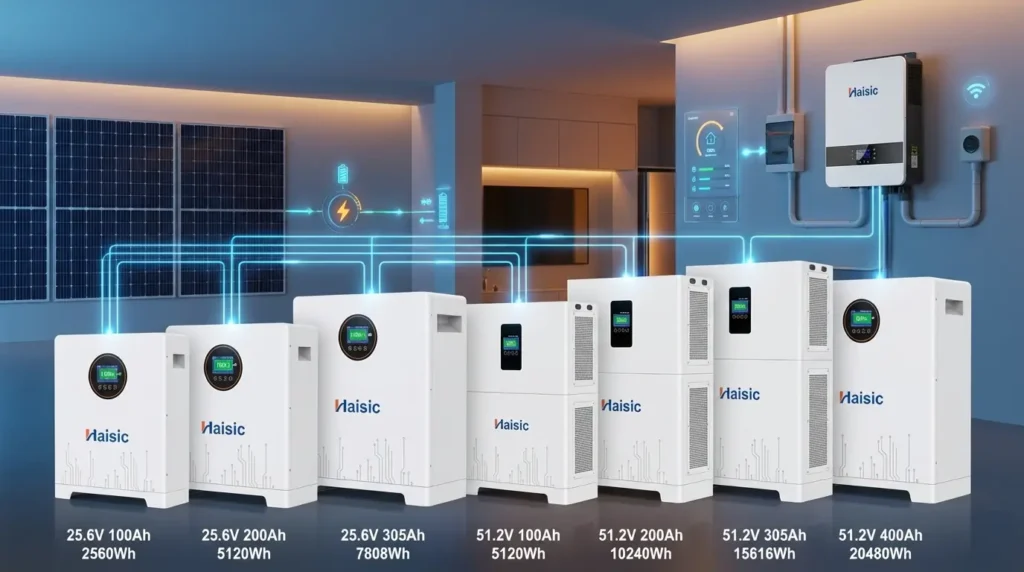
I always remind my customers that standard lead-acid batteries have their limits. The market is shifting rapidly. If you are looking to truly optimize your energy storage systems for home, it is time to move past the traditional constraints of standard tubular batteries.
The Superior C1 Rating
While you might debate between a c10 or c20 battery for home inverter use, Lithium Iron Phosphate (LiFePO4) completely changes the math. Instead of relying on a slow 10 or 20-hour drain, LiFePO4 technology operates very close to a C1 rating. It can safely handle massive power loads and discharge its capacity in just one hour without damaging the internal cells.
The 10+ Year Lifespan
The initial price is higher, but the return on investment is undeniable. Here is the real-world reality of making the lithium upgrade:
- Zero Maintenance: Forget about distilled water top-ups. You install it and let it work.
- Decade-Long Durability: Expect a solid 10+ year lifespan even under heavy, daily cycling.
- Deep Discharge Capability: Unlike standard options, you can drain LiFePO4 deeply without ruining the battery life.
Frequently Asked Questions (FAQs)
When trying to figure out the right c10 or c20 battery for home inverter setups, I usually hear the same few questions from customers. Here are the straight answers to help you choose the best inverter battery for home use.
Can I use a C10 battery on a standard C20 home inverter?
Yes, absolutely. You can easily hook up a C10 battery to a standard inverter that previously ran on a C20 setup.
- Universal Compatibility: Home inverters do not restrict the C rating in batteries. They simply push out a steady charging current.
- The Upgrade Advantage: Because C10 models are built to absorb power faster, using one on a standard inverter is perfectly safe. It handles the charge cycle effortlessly and acts as a highly durable deep cycle solar battery if you decide to add panels later.
Is a C20 battery sufficient to run my home refrigerator?
Generally, I don\’t recommend it. * The Compressor Surge: Refrigerators require a massive, sudden spike in power to start their compressors.
- The Drawback: C20 batteries are engineered for slow, steady power drains. Hitting them with a high-draw appliance heavily triggers the Peukert effect in batteries, meaning your available capacity drops drastically under stress.
- The Better Choice: If you want to run a fridge, microwave, or water pump, you need a heavy load inverter battery. A C10 is the much safer, more reliable option here.
How do I calculate home UPS battery backup time?
To get an accurate inverter battery capacity calculation, you have to factor in how fast you are pulling the power.
- The Standard Formula: Backup Time = (Battery Ah × Voltage × Inverter Efficiency) ÷ Total Load in Watts.
- The C20 Limit: A 150Ah C20 battery only delivers its full 150Ah if you drain it slowly over a full 20 hours (roughly 7.5 amps per hour). Pull power faster than that, and the actual backup time shrinks significantly.
- The C10 Advantage: A 150Ah C10 holds its true 150Ah capacity even when drained twice as fast over 10 hours (15 amps per hour). If you have a high daily load, the C10 will always give you a more accurate and reliable home UPS battery backup time.