










What Makes Up a Complete Commercial Solar Solution?
When I talk to business owners, their biggest worries usually boil down to two things: unpredictable utility rate hikes and sudden grid outages that halt production. Simply putting some panels on a roof does not solve these problems. A true commercial solar solution is a fully integrated ecosystem designed to generate, store, and intelligently manage your facility\’s power.
Here is exactly what goes into a system built for business resilience.
Solar PV Arrays: The Generation Hub
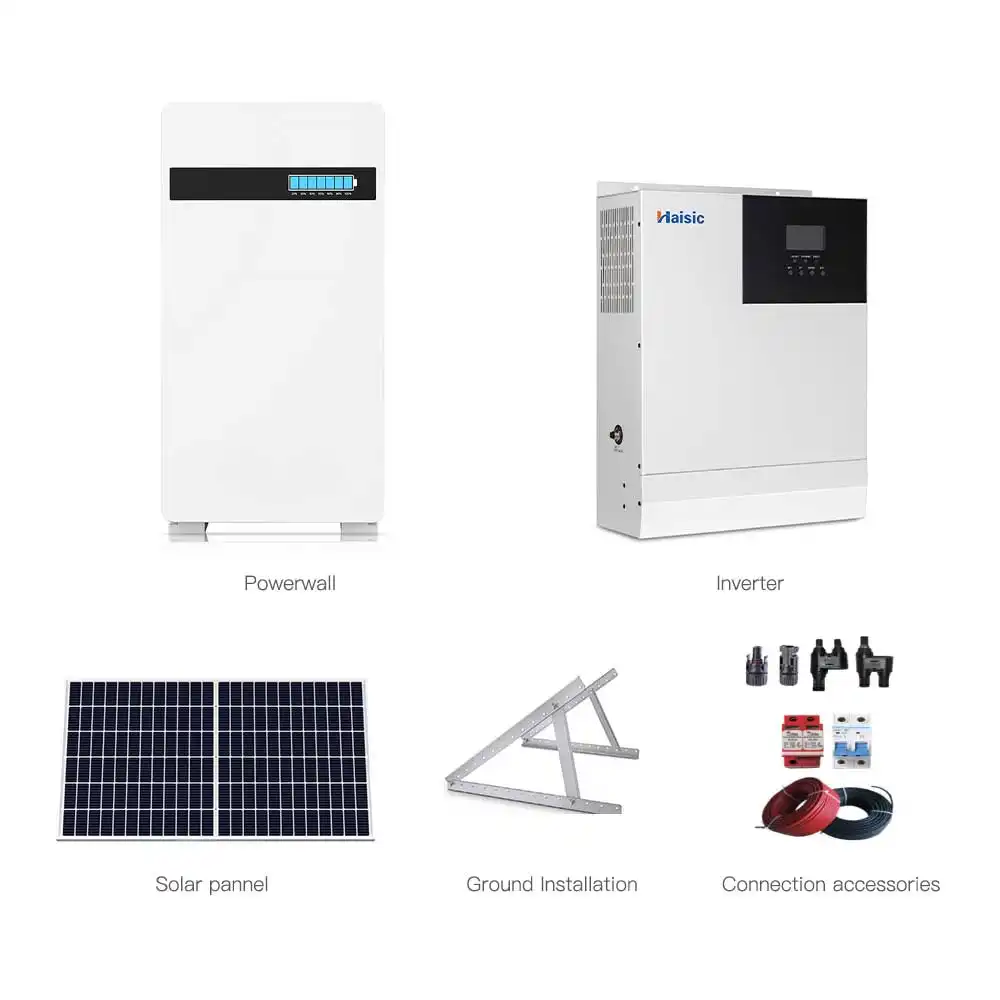
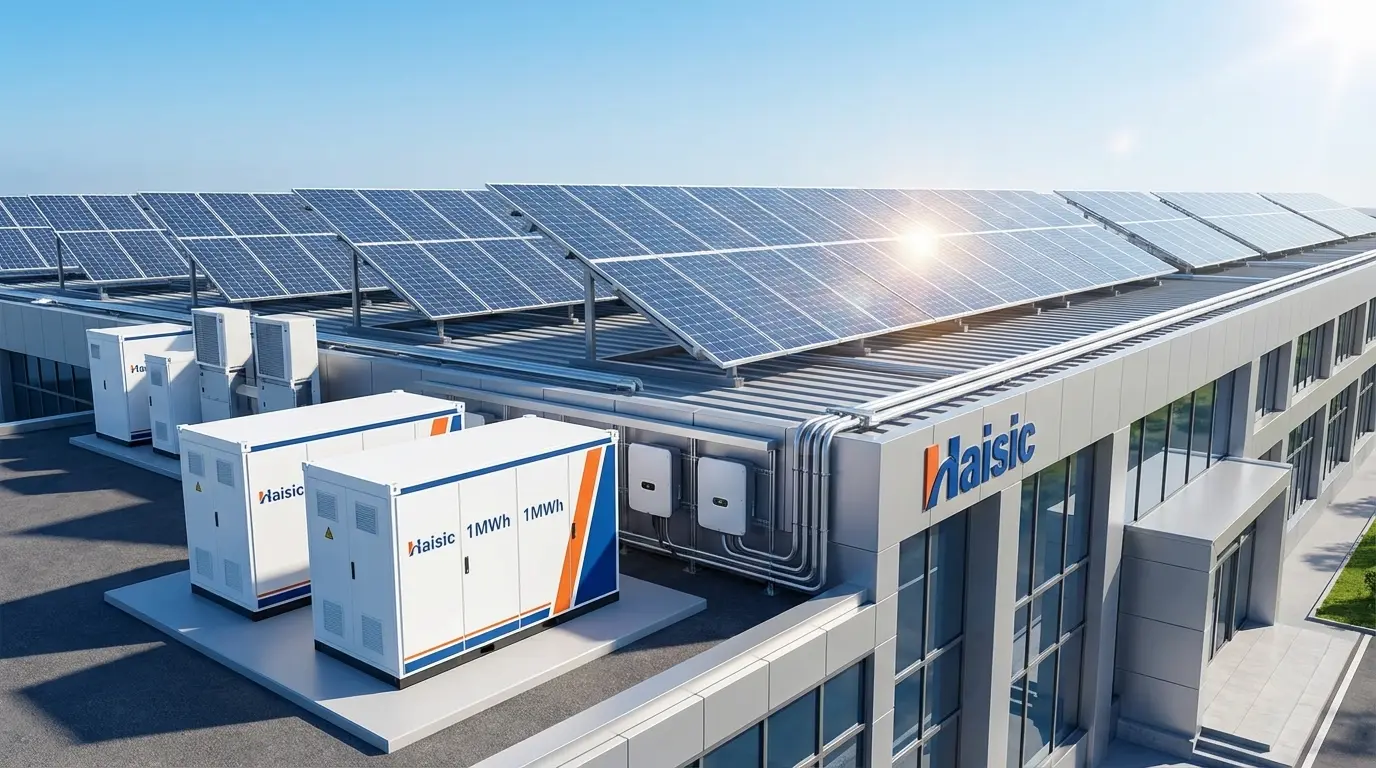
Generating power starts with maximizing your available commercial real estate. Every commercial solar installation is unique, so we utilize different mounting options to capture the best sunlight:
- Commercial Rooftops: The standard approach, perfect for utilizing large, flat roofs on warehouses or retail spaces.
- Ground Mounts: The most efficient choice if your facility sits on excess, unused land.
- Solar Carports: A highly efficient way to utilize parking lots, providing shade for employee vehicles while generating massive amounts of site power.
Commercial Energy Storage Systems (ESS)
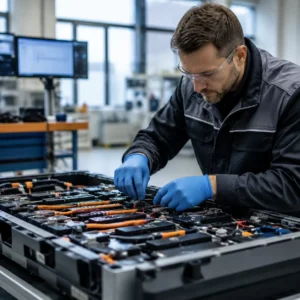
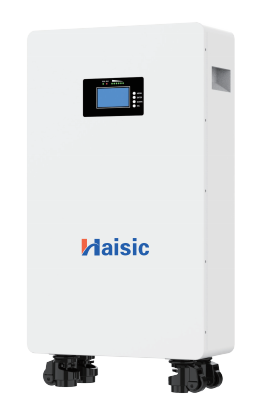
Solar alone isn\’t enough. If the grid goes down, standard grid-tied solar shuts off. That is why high-capacity commercial energy storage systems (ESS) are the foundation of true energy independence.
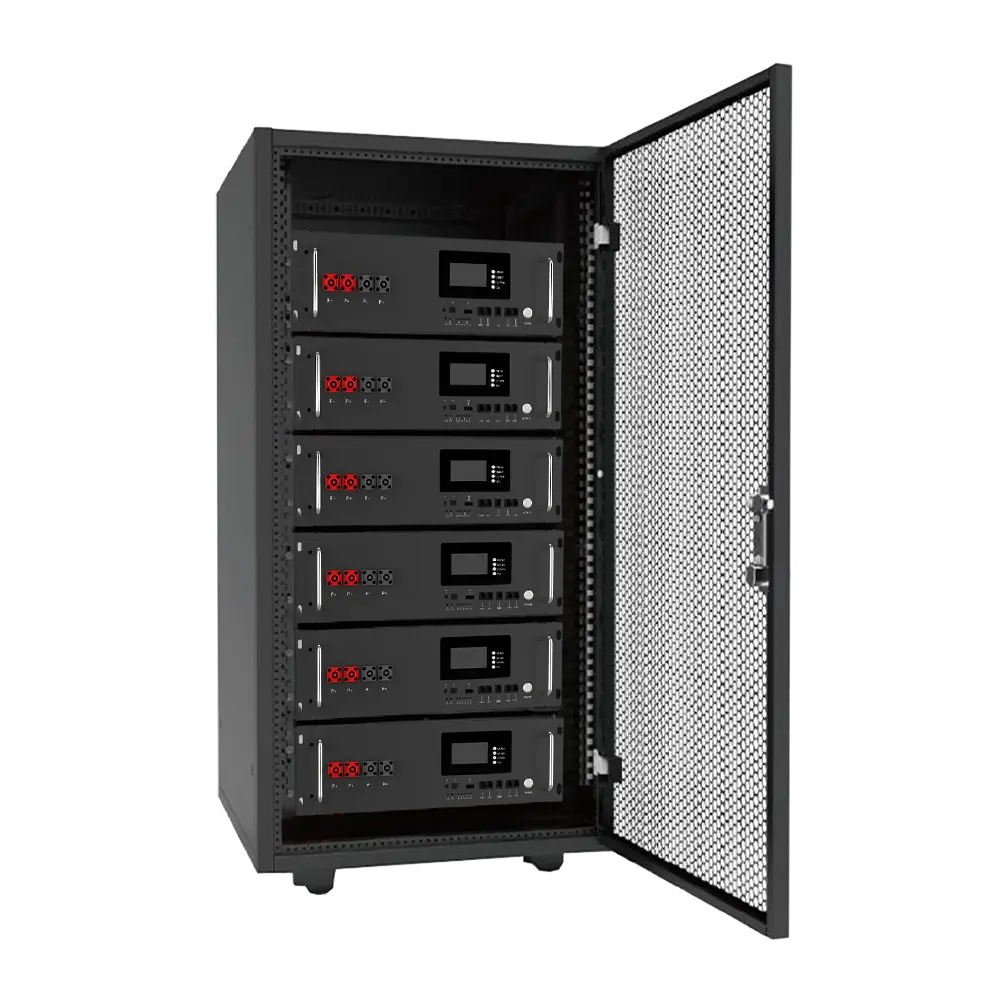
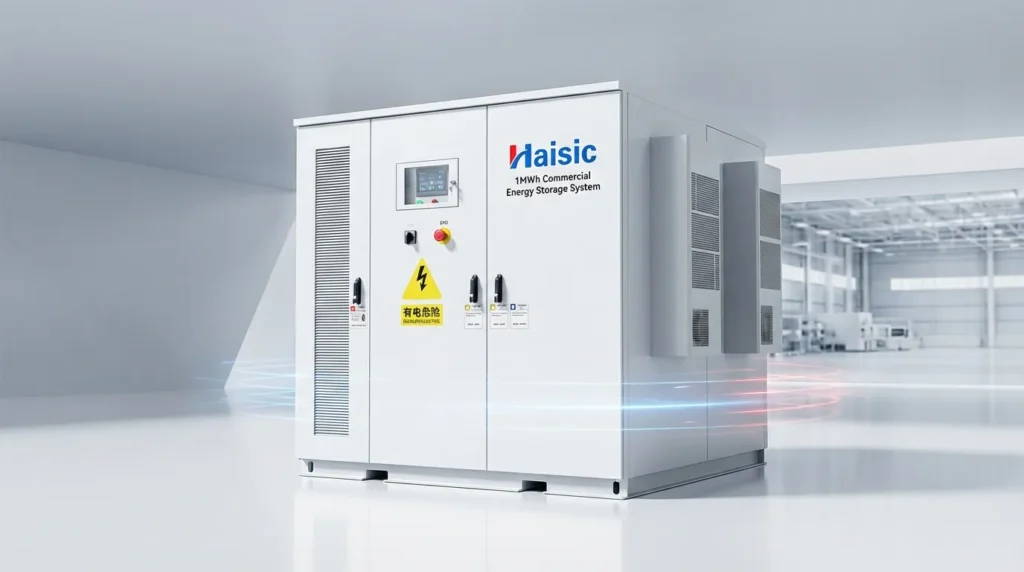
- Massive Capacity: We build systems to scale, ranging from 50kWh setups to massive 1MWh containerized energy storage solutions that can power heavy operations.
- LiFePO4 Chemistry: We strictly rely on the LiFePO4 commercial battery standard. It delivers maximum thermal safety, reliability, and longevity, easily pushing past 6,000 charge cycles before degrading.
Solar Hybrid Inverters & Smart BMS
If the panels are the heart and the batteries are the muscle, the hardware managing the flow is the brain.
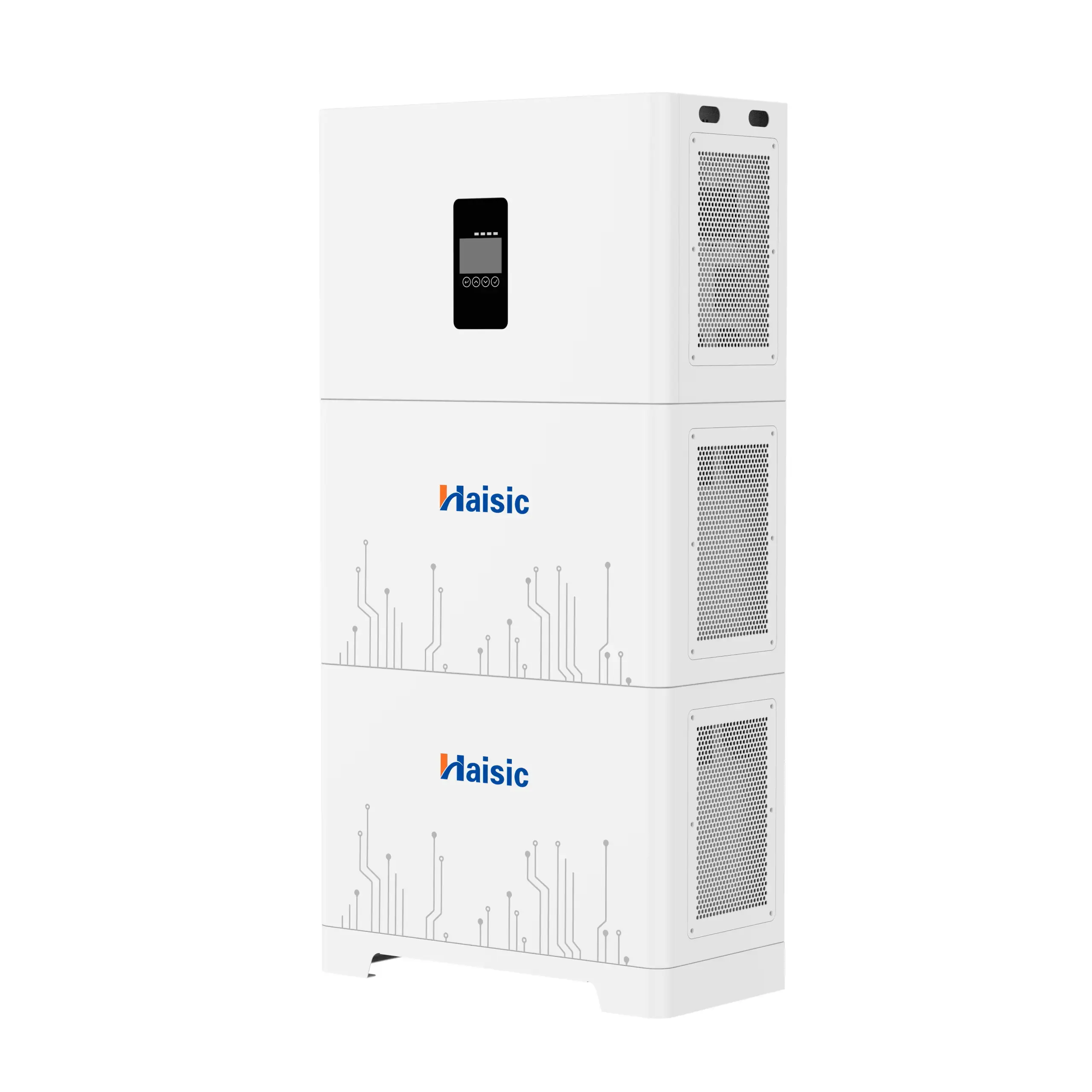
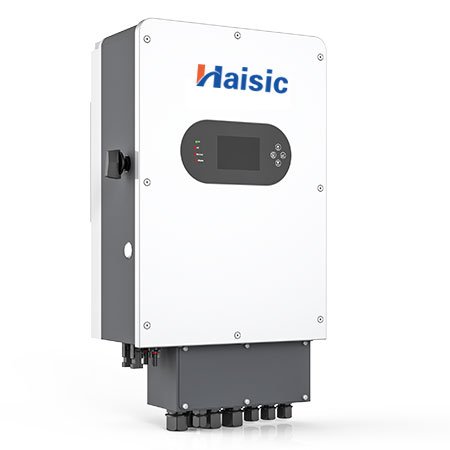
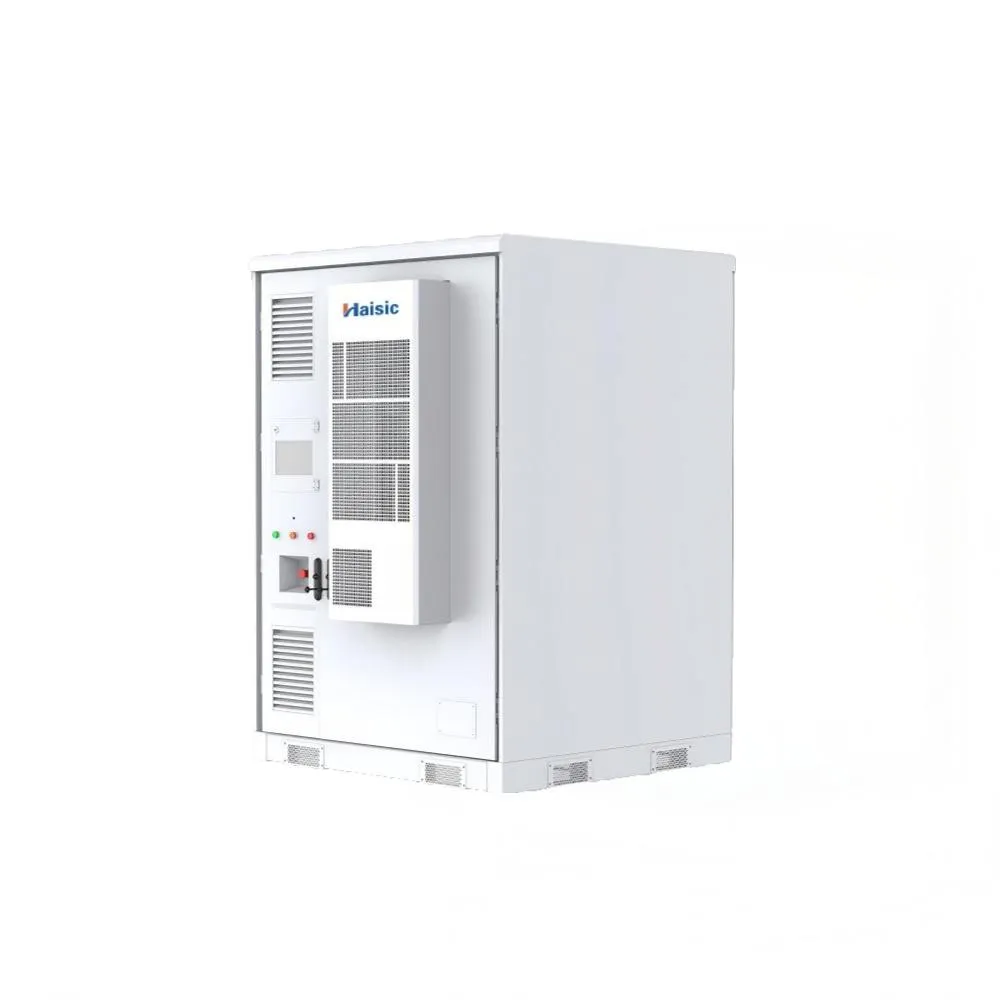
- Solar Hybrid Inverters: We deploy robust 3kW to 12kW hybrid inverters that manage power flow effortlessly. They switch your facility between grid-tied savings and off-grid commercial power in milliseconds during an outage.
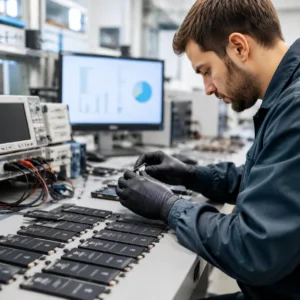
- Battery Management System (BMS): A built-in, smart BMS constantly monitors individual cell health. It optimizes daily energy usage, balances the load, and protects your entire hardware investment from overheating or over-discharging.
| Core Component | Business Purpose | Key Technology Spotlight |
|---|---|---|
| Solar PV Arrays | Direct Power Generation | Roof, Ground, or Carport Mounts |
| Commercial ESS | Outage Resilience & Storage | LiFePO4, 1MWh Containerized Systems |
| Inverters & BMS | System Optimization & Protection | Hybrid Inverters, Smart Monitoring |
The Financial Blueprint of a Commercial Solar Solution
When I talk to business owners, the conversation always comes down to the bottom line. Making the switch isn\’t just an environmental choice; it is a straightforward financial strategy. Here is exactly how we deliver a high commercial solar ROI.
Demand Charge Management
Utility companies penalize businesses heavily for peak energy usage. If your power usage spikes for just a few minutes, you get hit with a massive demand charge for the entire billing cycle.
- The Fix: We use peak shaving battery storage to stop these penalties.
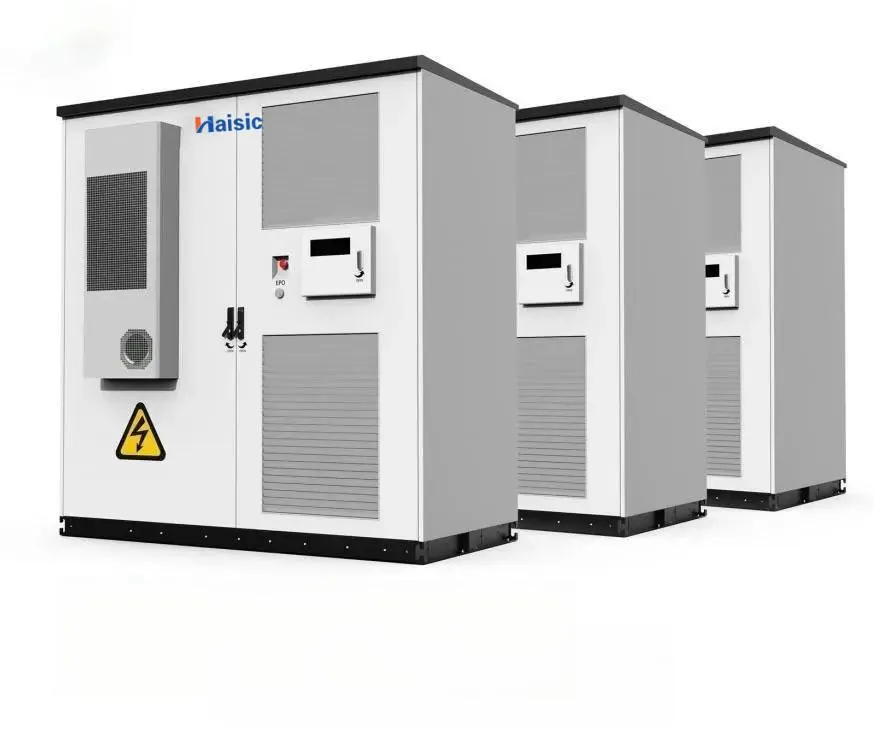
- How it Works: Our commercial energy storage systems (ESS) automatically detect when your facility is pulling too much grid power. The system instantly discharges stored solar energy to cover the spike. You flatten your energy draw and wipe out high demand charges.
Investment Tax Credit (ITC) for Solar
The upfront costs of going solar are heavily offset by government incentives, making the financial barrier to entry much lower than you might think.
- Federal ITC: You get a significant tax credit applied directly to the total cost of your solar and battery installation.
- MACRS Depreciation: The Modified Accelerated Cost-Recovery System lets you aggressively write off the equipment\’s depreciation on your taxes.
- The Result: Combining the ITC and MACRS radically shortens your payback period, turning your energy system into a profit center much faster.
Off-Grid Commercial Power
Calculate exactly what a one-hour power outage costs your business in stalled production, lost sales, and idled employees. Outages are expensive.
- Business Continuity: We build reliable off-grid commercial power capabilities right into your setup.
- Zero Downtime: When the grid fails, your stored solar power takes over instantly. Your operations keep running, and you stop losing money to circumstances outside of your control.
Financing Your Commercial Solar Solution
Figuring out how to fund your system is just as crucial as the hardware itself. When we look at commercial solar financing, we generally weigh two main paths: Capital Expenditures (CapEx) and Operating Expenditures (OpEx).
CapEx vs. OpEx
Whether you want to own the hardware outright or prefer a hands-off, zero-down approach changes your financial strategy entirely.
| Financing Model | Upfront Cost | Long-Term ROI | Best For |
|---|---|---|---|
| Cash Purchase / Bank Loan (CapEx) | High | Highest | Businesses wanting maximum savings and full ownership. |
| Solar Lease (OpEx) | Zero to Low | Moderate | Companies wanting fixed monthly payments without maintenance hassles. |
| Solar Power Purchase Agreement (PPA) | Zero | Moderate | Businesses looking to buy cheaper electricity, not the equipment. |
Maximizing Commercial Solar ROI
Here is a quick breakdown of the pros and cons between buying and leasing to help you make the right call for your balance sheet:
- Owning Outright: Buying your system means you capture all the tax incentives and depreciation benefits. The payback period is aggressive, and once the system is paid off, your solar energy is effectively free. This yields the highest long-term returns.
- Zero-Down Options: With a Solar Power Purchase Agreement (PPA), a third party owns the system, and you simply buy the power it generates at a locked-in, discounted rate. Leases work similarly but with a fixed monthly equipment fee. Both options preserve your working capital and deliver day-one savings, but you forfeit the tax incentives to the system owner.
Ultimately, if you have the capital, owning your commercial solar solution outright delivers the best long-term financial win. If preserving cash flow is your top priority, OpEx models let you lower your energy costs immediately without tying up your funds.
Choosing a Partner for Your Commercial Solar Solution
When we design a commercial solar solution, safety, growth, and long-term value are my top priorities. You are not just buying hardware; you are investing in a decades-long energy asset. Here is exactly what you must look for in an integration partner.
Manufacturing Quality and Certifications
Liability is a massive concern for any business. You need a system that won\’t fail or create hazards on your property. Always verify these non-negotiable certifications:
- ISO9001: Guarantees rigorous, consistent quality control at the factory level.
- CE & FCC: Ensures the electronics meet strict global health, safety, and interference standards.
- UN38.3: A mandatory safety certification for the reliable transport and handling of lithium batteries, which is vital when installing a high voltage ESS.
Scalability for Future Growth
Your business isn\’t static, and your energy demands will increase as your operations expand. Don\’t lock yourself into a rigid system.
- Modular Upgrades: Choose hardware that scales naturally with your facility.
- Containerized Energy Storage: These modular blocks allow you to seamlessly grow your backup capacity from an initial 100kW setup up to 500kW or more without tearing down your existing infrastructure.
Total Cost of Ownership (TCO)
A cheap system today is an expensive headache tomorrow. We focus on the long game to maximize your commercial solar ROI.
- Tier-1 R&D: Systems backed by top-tier engineering have fewer faults and require far less maintenance.
- LiFePO4 Commercial Battery: This chemistry is incredibly durable and safe, offering thousands of deep cycles without rapid degradation.
- The 15–20 Year Payoff: Investing in premium technology yields a significantly lower TCO over a 15 to 20-year lifespan compared to budget alternatives that demand early replacement.