











Are you trying to figure out if a 10kw solar system is the right investment for your home?
It’s one of the most popular sizes for families looking to crush their electricity bills, but the technical details can be overwhelming.
In this post, you’re going to learn exactly what a 10,000-watt capacity setup costs, how much energy production you can realistically expect, and if it can truly power an entire house.
I’ve stripped away the jargon to give you a clear, data-driven look at pricing, components, and your potential return on investment (ROI).
Let’s dive right in.
What Is a 10kW Solar System?
A 10kW solar system is a robust renewable energy solution designed for large residential properties and small commercial businesses with high electricity consumption. Unlike smaller starter kits, this system size provides substantial power generation capabilities, making it a primary choice for homeowners looking to achieve significant energy independence and offset expensive utility rates.
Understanding the 10,000-Watt Capacity
The \”10kW\” rating refers to the DC power output of the solar array under standard test conditions. In practical terms, this system generates a significant amount of electricity daily.
- Daily Output: Approximately 40 to 50 kWh per day, depending on sunlight exposure and location.
- Annual Production: Roughly 12,000 to 15,000 kWh per year.
This capacity is powerful enough to support households with heavy appliances, such as central air conditioning, heated swimming pools, or electric vehicle (EV) charging stations.
Is a 10kW System Right for Your Home?
Determining if a 10 kw solar system fits your needs largely depends on your current energy usage and budget. This system size is typically ideal for:
- High Energy Consumers: Households with average monthly electricity bills between $200 and $400.
- Large Properties: Homes requiring 500 to 700 square feet of unshaded roof space for installation.
- Future-Proofing: Owners planning to add more electrical loads, such as EVs or heat pumps, in the near future.
If your energy consumption falls below these benchmarks, a smaller system might suffice; however, for larger homes, a 10kW array ensures you aren\’t under-powering your property.
How a 10kW Solar Power System Works
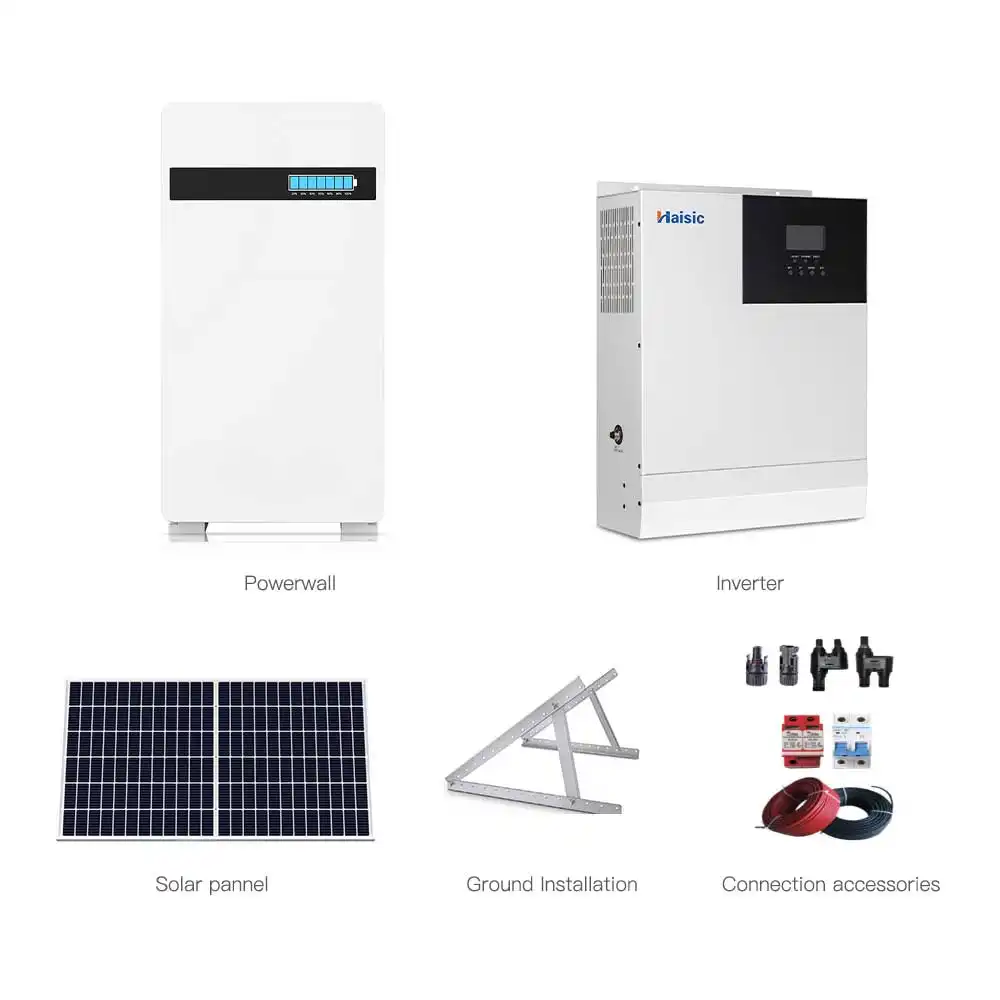
The operation of a 10kW system relies on the seamless integration of four core components to convert sunlight into usable household electricity:
- Solar Panels: Approximately 25 to 30 high-efficiency panels (350W–400W each) capture solar irradiance.
- Inverter: Converts the Direct Current (DC) produced by the panels into Alternating Current (AC) used by home appliances.
- Racking System: Securely mounts the panels to your roof or a ground structure.
- Monitoring Software: Allows you to track energy production and system health in real-time.
Once installed, the system feeds electricity directly into your home\’s main panel, reducing the amount of power you need to purchase from the grid.
How Much Does a 10kW Solar System Cost?
Average Price Estimates and Cost Per Watt
When planning for a 10kw solar system, the financial commitment is the first thing we need to address. Based on current market data, the gross cost for a system of this size typically falls between $20,000 and $30,000. This price includes the solar panels, inverter, racking, and standard installation labor.
However, the sticker price is rarely what you actually pay. After applying the 30% Federal Solar Tax Credit, the net cost usually drops to a range of $14,000 to $21,000. While this is a significant upfront investment, it is designed to replace your monthly utility bill, which is why we see a typical payback period of just 5 to 8 years.
Factors Influencing Total Installation Costs
Several variables can push your final quote toward the higher or lower end of the spectrum. The specific hardware you choose makes the biggest difference. High-efficiency panels and premium racking systems cost more but often deliver better long-term reliability.
Key cost factors include:
- Inverter Type: Choosing between string inverters and microinverters affects pricing. Sourcing from reputable solar power inverter suppliers is crucial for balancing cost with performance.
- Roof Characteristics: Steep roofs, multi-story homes, or complex layouts require more labor and specialized mounting equipment.
- Add-ons: If you choose to integrate a battery for home energy storage, your total project cost will increase, though this adds valuable energy independence.
Government Incentives, Rebates, and Tax Credits
The most significant financial lever available is the Federal Solar Tax Credit (ITC). This incentive allows you to claim 30% of the total system cost as a credit against your federal income tax liability. This is a dollar-for-dollar reduction, not just a tax deduction.
For a 10kw solar system costing $25,000, this credit puts $7,500 back in your pocket. It is worth noting that this percentage generally applies regardless of system size, whether you are installing a smaller 5kw solar power system or upgrading to a larger 20kw solar system. Beyond the federal level, many states offer additional rebates or Solar Renewable Energy Certificates (SRECs), further reducing the net cost of going solar.
Energy Production: How Much Electricity Will It Generate?
Daily and Annual kWh Output Estimates
When we look at the performance of a 10kw solar system, the numbers are impressive for residential use. On average, this system size generates between 40 and 50 kilowatt-hours (kWh) of electricity per day. This daily production naturally fluctuates based on the season and weather conditions.
Over the course of a year, this accumulates to a substantial amount of power. You can expect a total annual output ranging from 12,000 to 15,000 kWh. This level of production is designed to offset a significant portion, if not all, of a large household\’s energy consumption.
Can a 10kW System Power an Entire House?
For many homeowners, a 10kW array is more than sufficient to power the entire home. This system is specifically recommended for properties with high electricity usage, typically corresponding to monthly utility bills between $200 and $400.
If your annual usage falls within the 12,000 to 15,000 kWh range, this system can eliminate your electric bill. To ensure you have power even when the sun isn\’t shining, pairing your panels with reliable battery storage for home allows you to store excess energy generated during the day for use at night, maximizing your energy independence.
Geographic and Environmental Factors Affecting Efficiency
While the equipment is rated for 10kW, real-world efficiency depends heavily on your location. The estimate of 40–50 kWh per day assumes good exposure to sunlight. Several variables will influence the final numbers:
- Peak Sun Hours: Areas with more direct sunlight hours will see production on the higher end of the scale.
- Roof Orientation: South-facing roofs generally capture the most solar energy.
- Shading: Trees or nearby buildings casting shadows will reduce output.
If you live in an area with fewer peak sun hours, you might need to consider a slightly larger setup, such as a 12kw solar system, to achieve the same net energy results. However, for most regions, the 10kW capacity remains a versatile standard for high-consumption homes.
Core Components of a 10kW Solar Kit
Building a reliable 10kW solar system requires more than just panels; it involves a synchronized set of hardware designed to maximize energy harvest. We focus on quality components to ensure the system delivers its expected 40–50 kWh daily output for decades.
Solar Panels: Efficiency and Quantity Requirements
The number of panels you need depends entirely on the wattage of the individual modules. For a 10kW solar system, we typically install between 25 and 30 panels. Higher efficiency panels allow us to generate the same amount of power with a smaller footprint, which is crucial if your roof space is limited.
Panel Quantity Breakdown:
| Panel Wattage | Number of Panels Needed | Estimated Roof Space |
|---|---|---|
| 330 Watts | ~30 Panels | ~525 sq. ft. |
| 370 Watts | ~27 Panels | ~475 sq. ft. |
| 400 Watts | ~25 Panels | ~440 sq. ft. |
Using modern, high-efficiency modules ensures you get the most out of your available area, unlike older setups where you might need significantly more units to reach the same capacity.
Inverter Options: String, Microinverters, and Hybrid Systems
The inverter is the heart of your solar setup, converting the DC electricity generated by the panels into usable AC electricity for your home. Choosing the right type impacts efficiency and future flexibility.
- String Inverters: These connect panels in a series. They are cost-effective and work well on roofs with full sun exposure and no shading issues.
- Microinverters: Installed on each individual panel. They optimize performance independently, meaning if one panel is shaded, the rest of the 10kW solar system keeps running at full power.
- Hybrid Inverters: These manage inputs from both solar panels and battery storage simultaneously. If you plan to add backup power later, a hybrid unit is the smartest investment upfront.
Battery Storage and Powerwall Integration
While a grid-tied system is standard, integrating battery storage transforms your setup into a true energy independence solution. A 10kW solar system often produces more energy during the day than a home consumes. Without storage, this excess is sent back to the grid.
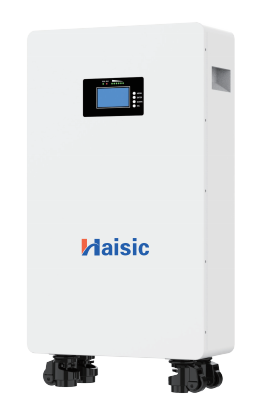
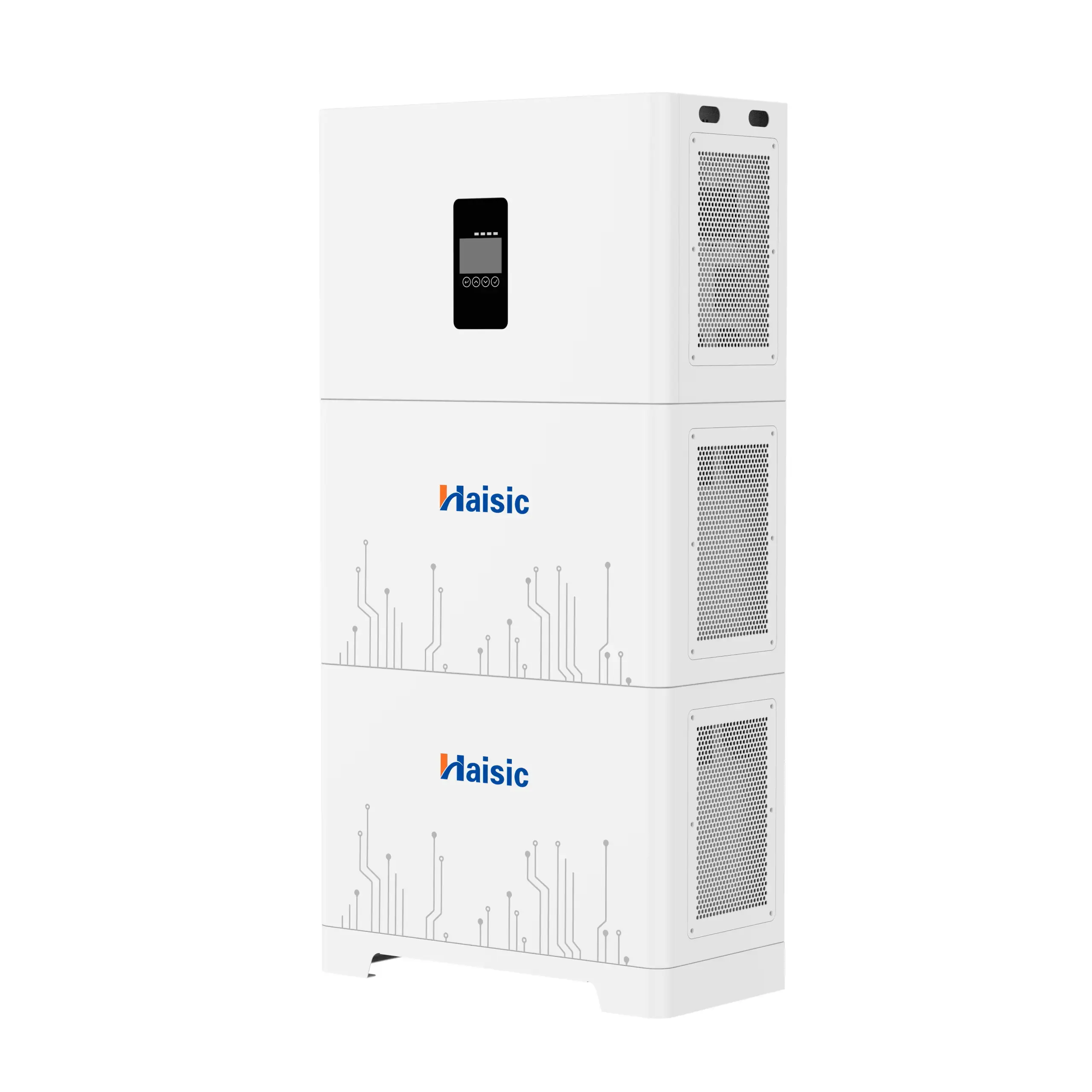
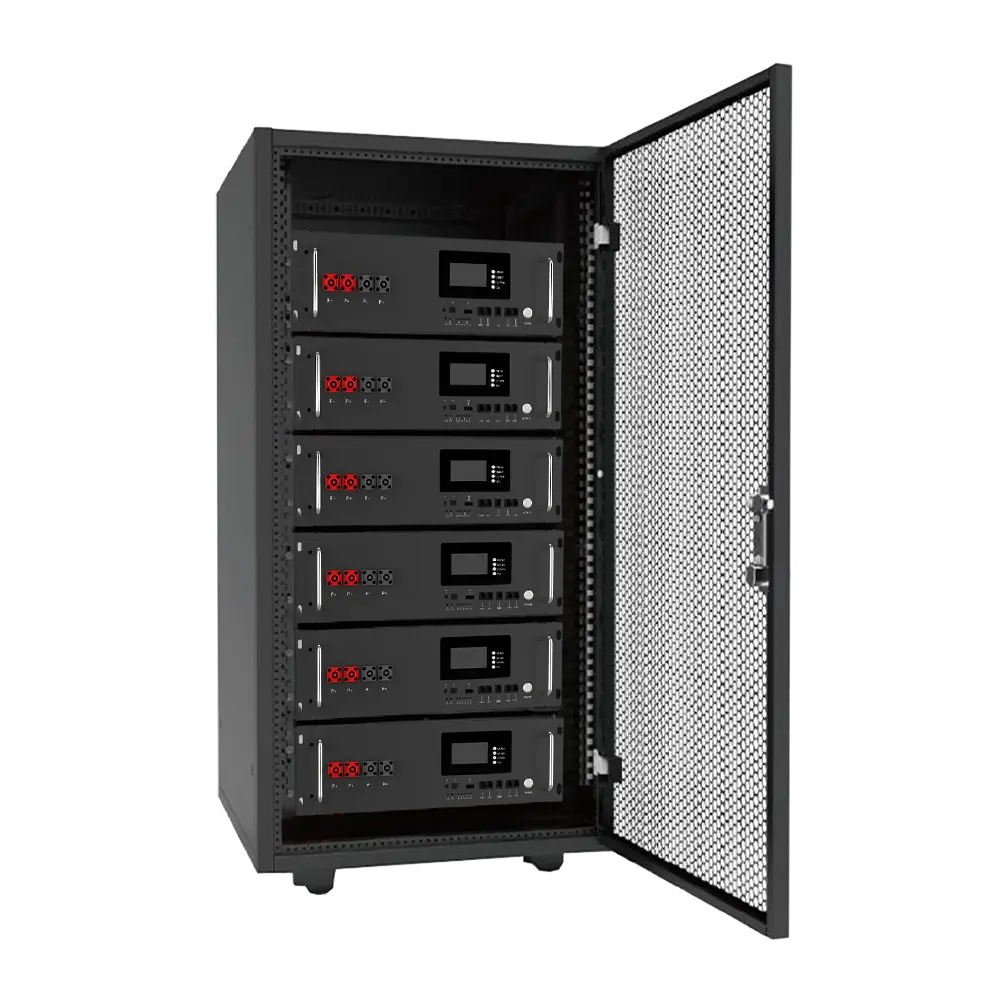
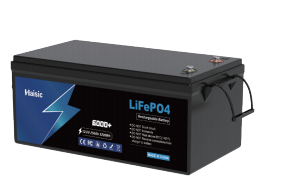
By adding a battery bank, you store that surplus energy for use at night or during power outages. For homeowners looking to maximize self-consumption, high-capacity storage solutions like the Haisic 128V LiFePO4 battery pack provide the reliability needed to keep essential appliances running when the sun goes down. This integration is key for maximizing your return on investment and ensuring security against grid instability.
Sizing and Space Requirements
Planning a 10kw solar system requires accurate measurements of your available property area. Since this system size is substantial enough to power large homes or small businesses, the physical footprint of the hardware is a primary consideration during the design phase.
How Many Solar Panels Are Needed for 10kW?
The total number of panels depends entirely on the wattage efficiency of the specific modules you choose. Modern residential solar panels typically range from 350 watts to 400 watts. To achieve a 10kW (10,000 watts) capacity, you generally need between 25 and 30 panels.
Here is a quick breakdown of panel quantities based on wattage:
| Panel Rating | Estimated Quantity |
|---|---|
| 330 Watts | ~30 Panels |
| 350 Watts | ~29 Panels |
| 400 Watts | 25 Panels |
Using higher-efficiency panels reduces the total count, which is beneficial if you are working with limited mounting areas.
Roof Space and Mounting Equipment Needs
To accommodate a 10kw solar system, you typically need between 500 and 700 square feet of clear, unshaded roof space. This estimate includes the necessary gaps between rows for racking and maintenance access.
- Orientation: South-facing roofs (in the Northern Hemisphere) provide the highest output.
- Obstructions: The area must be free from chimneys, vents, or large tree shadows that could reduce efficiency.
- Structural Integrity: The roof must be strong enough to support the weight of the racking system and panels over a 25-year lifespan.
In addition to the roof surface, you must allocate wall space near your main electrical panel for the 10kw hybrid solar inverter and safety disconnect switches.
Ground Mount vs. Rooftop Installation
If your roof is too small, has complex angles, or is heavily shaded, a ground-mounted system is a practical alternative. Ground mounts allow us to position the 10kw solar system at the perfect angle and direction for maximum sun exposure, regardless of the home\’s orientation.
- Rooftop: generally cheaper and utilizes unused space.
- Ground Mount: easier to clean and maintain but requires dedicated yard space and trenching for cables.
Choosing the right mounting style ensures your investment generates the expected 40–50 kWh per day without physical constraints limiting performance.
System Types: Grid-Tied, Off-Grid, and Hybrid
When selecting a 10kw solar system, the connection type defines how you interact with the utility grid and how you store energy. We typically categorize these into three main configurations, each serving different energy goals and budget requirements.
Grid-Tied 10kW Systems for Net Metering
A grid-tied setup is the most common and cost-effective option for residential properties. In this configuration, your solar panels connect directly to the public utility grid. When your system generates more electricity than your home consumes—which often happens with a powerful 10kw solar system during peak sunlight hours—the excess power is sent back to the grid.
Through a policy called net metering, the utility company credits your account for this exported energy. You can then use these credits to draw power from the grid at night or during cloudy days. The main advantage here is lower upfront costs since you do not need to purchase a battery bank. However, if the public grid goes down, your solar system will also shut off for safety reasons to protect utility workers.
Off-Grid 10kW Kits for Energy Independence
For remote locations or complete freedom from utility bills, an off-grid system is the ideal solution. These systems operate entirely independently of the power company. Since you cannot draw power from the grid when the sun sets, you must rely on stored energy.
To make this work, you need a robust LiFePO4 battery solar system to capture and hold the energy generated during the day. An off-grid 10kw solar system requires careful calculation of your daily energy usage to ensure your battery bank is large enough to power your home through the night and during periods of poor weather. This option offers total energy security but comes with a higher price tag due to the cost of batteries.
Hybrid Systems for Battery Backup and Flexibility
Hybrid systems offer the best of both worlds by combining grid connectivity with battery storage. With a hybrid inverter, your 10kw solar system can export excess power to the grid to earn credits while also keeping a dedicated battery bank charged.
This setup allows you to store energy in a reliable energy storage system for solar power for use during peak rate hours or power outages. If the grid fails, a hybrid system can isolate itself and continue powering your essential appliances using the stored battery energy. This provides peace of mind and financial flexibility, making it a growing choice for modern homes.
Quick Comparison:
- Grid-Tied: Lowest cost, relies on the grid for backup, utilizes net metering.
- Off-Grid: Total independence, requires batteries, higher cost, no electric bills.
- Hybrid: Versatile, offers battery backup during blackouts, optimizes savings.
Financial Benefits and Return on Investment (ROI)
Investing in a 10kw solar system is not just about environmental impact; it is a strategic financial decision. For properties with high energy consumption, the transition to solar transforms a perpetual monthly expense into a tangible asset that pays for itself over time.
Estimated Monthly Savings on Electricity Bills
A 10kw solar system is specifically engineered for homes and small businesses with significant power needs, typically those seeing monthly electricity bills ranging from $200 to $400. By generating an average of 40 to 50 kWh per day, this system can offset a massive portion, if not all, of your utility costs.
Instead of renting power from the grid, you own your production. Over the course of a year, this results in roughly 12,000 to 15,000 kWh of free electricity. If your local utility rates are high, the annual savings can easily amount to thousands of dollars, directly improving your household budget or business bottom line.
Calculating the Solar Payback Period
The payback period is the time required for your electricity bill savings to equal the initial cost of the system. Thanks to the 30% Federal Solar Tax Credit (ITC), the net cost of a 10kw solar system drops significantly, accelerating this timeline.
Most owners see a return on investment (ROI) within 5 to 8 years. Considering that solar panels typically come with 25-year warranties, you enjoy nearly two decades of essentially free energy after the break-even point.
Cost and Payback Breakdown:
| Financial Factor | Estimated Range |
|---|---|
| Gross System Cost | $20,000 – $30,000 |
| Net Cost (After 30% ITC) | $14,000 – $21,000 |
| Payback Period | 5 – 8 Years |
| System Lifespan | 25+ Years |
Impact of Net Metering and Feed-in Tariffs
Net metering is a billing mechanism that credits you for the excess electricity your panels produce during peak sunlight hours. Since a 10kw solar system is powerful, it often generates more energy during the day than a home consumes instantly. This surplus is sent back to the grid, building up credits that offset the cost of any power you draw at night.
However, policies vary by location. In areas with less favorable buy-back rates, many users choose to store their surplus energy rather than export it. Integrating DIY home energy storage allows you to capture that excess production, ensuring you maximize the value of every kilowatt generated and achieve greater energy independence.
Installation and Maintenance
Professional Installation vs. DIY Solar Kits
Installing a 10kw solar system is a significant construction project that typically involves mounting 25 to 30 panels and managing high-voltage electrical connections. While DIY solar kits are available, we generally recommend professional installation for a system of this size. Certified installers handle the complex permitting process, ensure the racking is structurally sound for the 500 to 700 square feet of roof space required, and guarantee that the grid interconnection meets local utility standards. If you plan to include battery backup, working with a custom energy storage system manufacturer often requires specialized technical knowledge to ensure the setup is safe and compliant.
Routine Maintenance for Peak Performance
One of the strongest selling points of a 10kw solar system is its low maintenance requirement. Since there are no moving parts, the primary task is keeping the panels clear of debris, leaves, and heavy snow.
- Cleaning: Rinse panels occasionally if you live in a dry or dusty area to prevent output drops.
- Monitoring: Use the included monitoring software to track daily production. You should see an average of 40–50 kWh per day; a sudden drop usually indicates it is time for a cleaning or a service check.
- Inspections: Have a professional inspect the wiring and racking every few years to ensure everything remains tight and corrosion-free.
Understanding Equipment and Performance Warranties
Protecting your investment is straightforward because high-quality solar hardware comes with robust coverage.
- Performance Warranty: Solar panels are typically warrantied for 25 years, guaranteeing they will still produce a high percentage of their original power output after decades of use.
- Product Warranty: This covers defects in materials and workmanship for the panels, usually lasting 10 to 25 years depending on the brand.
- Inverter Warranty: String inverters and microinverters have their own coverage terms, often ranging from 10 to 25 years.
Given that the payback period is often just 5 to 8 years, these warranties ensure the system generates free electricity for the majority of its lifespan.
Frequently Asked Questions
What Appliances Can a 10kW System Run?
A 10kw solar system is a powerhouse, typically generating between 40 and 50 kWh per day. This output is sufficient to cover the energy demands of a large residential home or a small commercial office. Unlike smaller setups, a 10kW array does not force you to pick and choose which devices to turn on; it supports high-consumption appliances simultaneously.
Most owners find this system size easily handles:
- Central Air Conditioning and electric heating systems.
- Electric Vehicle (EV) charging stations (Level 2).
- Swimming pool pumps and heaters.
- Standard large appliances like refrigerators, washers, and dryers.
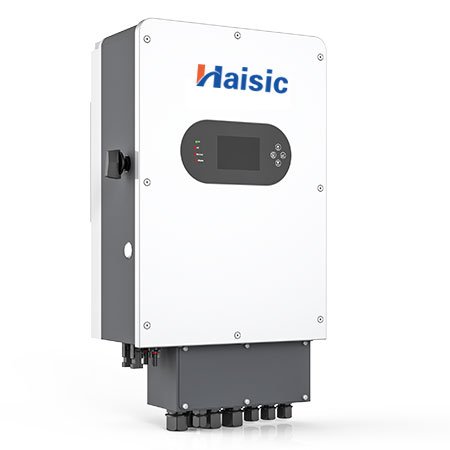
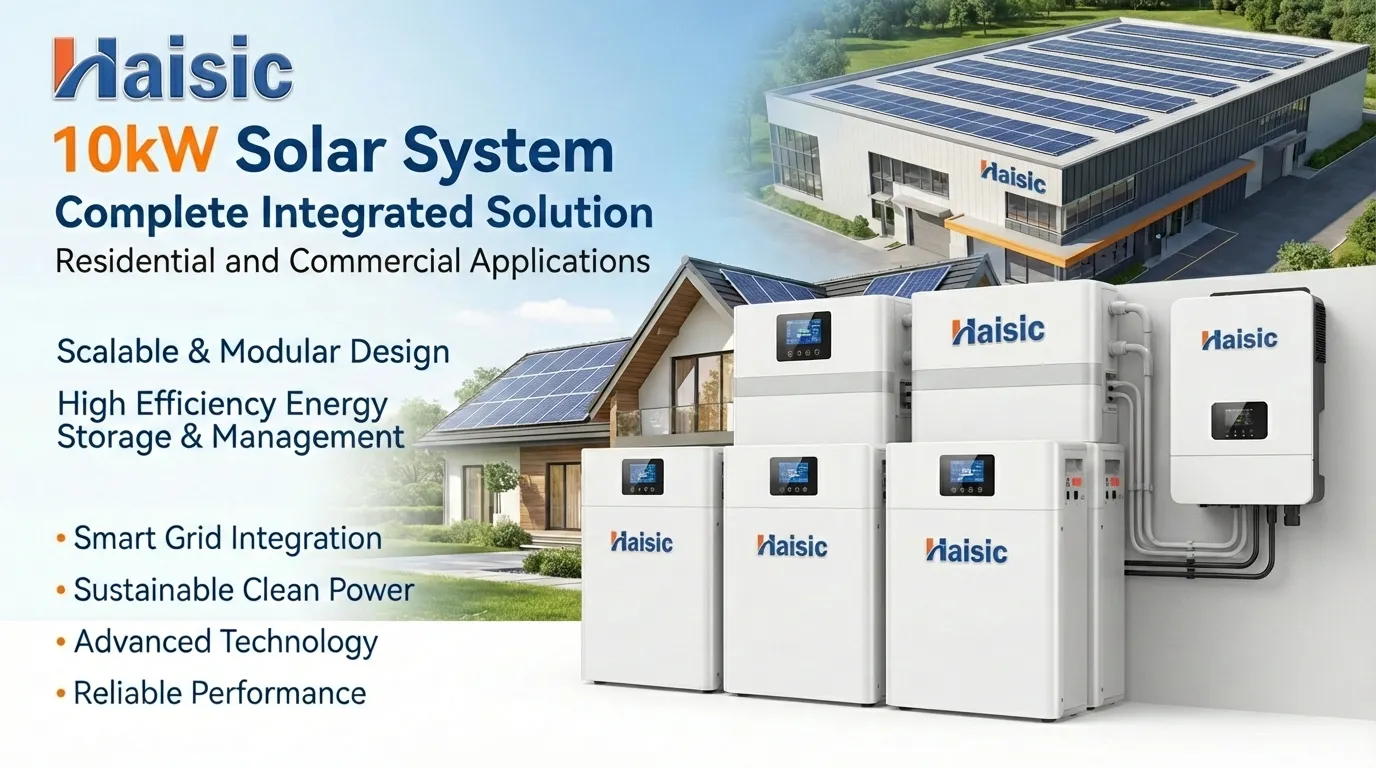
To effectively manage these heavy loads, especially if you are integrating storage later, utilizing a robust Haisic 8kW/10kW/12kW three-phase hybrid solar inverter ensures your power distribution remains stable and efficient throughout the day.
How Long Does a 10kW Solar System Last?
When investing in a 10 kw solar system, you are looking at a long-term asset. The solar panels themselves are incredibly durable, with most manufacturers offering a 25-year performance warranty. This guarantees that the panels will continue to produce a significant percentage of their rated power even after two and a half decades.
While the panels are built for decades of exposure, other components like string inverters may have a shorter lifespan, typically requiring maintenance or replacement after 10 to 15 years. However, the system as a whole requires very little active maintenance to keep running efficiently.
Does a 10kW System Increase Property Value?
Installing a 10kw solar system significantly boosts property value. Homes equipped with solar arrays sell faster and for a premium compared to non-solar homes. Buyers view the system as a pre-paid utility asset that liberates them from rising electricity rates.
- Reduced Liability: The future homeowner inherits a home with little to no electric bill.
- Green Premium: Energy-efficient upgrades are highly attractive in the modern real estate market.
- Investment Recovery: Data suggests that for every $1 saved on annual electricity bills, your home\’s value increases by roughly $20.
With a payback period of just 5 to 8 years, the system adds equity to your property immediately upon installation.