










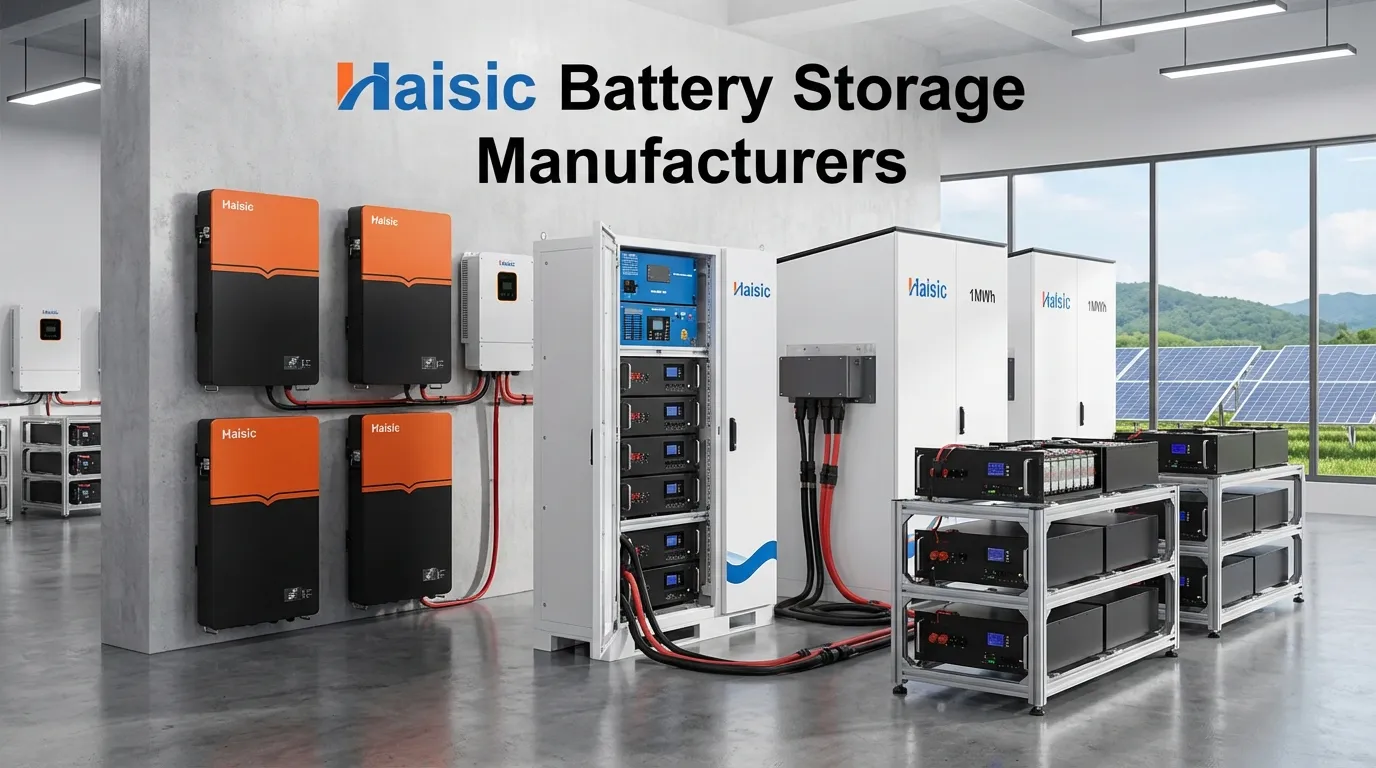
Are you struggling to identify reliable battery storage manufacturers for your next energy project?
Selecting the right partner is critical. Whether you are sourcing residential battery storage solutions or deploying massive commercial (C&I) energy storage systems, the quality of the hardware defines your success.
In this guide, you’re going to learn exactly how to evaluate leading battery storage manufacturers, understand the crucial differences between liquid-cooled and air-cooled storage cabinets, and secure the best A-grade LiFePO4 cell technology for your needs.
Let’s dive in.
Understanding the Role of Battery Energy Storage Systems
As the global demand for reliable power grows, battery storage manufacturers are pivotal in transforming how energy is consumed and managed. A Battery Energy Storage System (BESS) is not merely a backup unit; it is an intelligent hub that balances supply and demand, ensuring that energy storage solutions deliver maximum efficiency for both residential and commercial applications.
How Battery Storage Supports Renewable Energy Integration
Renewable sources like solar and wind are inherently intermittent. An advanced energy storage company designs systems to capture excess energy generated during peak sunlight or high wind periods. Instead of wasting this clean power, the BESS stores it for use during the evening or calm days. This capability smooths out fluctuations, stabilizing the grid and allowing for a higher penetration of green energy without compromising reliability.
Key Benefits: Peak Shaving, Backup Power, and Grid Independence
Modern storage systems offer versatile applications that go beyond simple electricity retention. Whether for a residential ESS or an industrial setup, the core advantages are distinct:
- Peak Shaving: Systems discharge stored energy during times of peak demand to avoid expensive utility demand charges.
- Backup Power: In the event of a grid failure, the system instantly switches to island mode, keeping critical appliances running.
- Grid Independence: Users can maximize self-consumption, reducing reliance on traditional utility providers.
| Feature | Primary Function | User Benefit |
|---|---|---|
| Load Shifting | Moves consumption to off-peak hours | Lower energy bills |
| Frequency Regulation | Maintains grid stability (50/60Hz) | Prevents equipment damage |
| Black Start | Restores power without grid aid | Immediate recovery after outages |
Reducing Energy Costs with Smart Storage Solutions
Intelligent software is the brain behind the hardware. By utilizing Time-of-Use (TOU) arbitrage, smart storage systems automatically charge when electricity rates are low and discharge when rates spike. This automated management ensures that homeowners and businesses significantly reduce their operational costs. Partnering with a forward-thinking energy storage company ensures access to these AI-driven optimizations, turning energy storage into a profitable asset rather than just an expense.
Leading Battery Storage Manufacturers in the Global Market
The global landscape for battery storage manufacturers is expanding rapidly as the demand for reliable power grows. Whether you are looking to secure energy for a single home or a large industrial complex, the market is split between massive consumer electronics giants and specialized energy storage factories. As an industry insider, I see firsthand how the supply chain works. The best manufacturers aren\’t always the ones with the most commercials on TV; they are the ones investing heavily in R&D, safety testing, and high-quality cell sourcing.
Top-Rated Residential and Commercial Storage Companies
When we look at the top players, the market is divided into companies focusing on residential ESS and those tackling utility-scale projects. Major global brands often dominate the headlines, but many high-performance systems are built by specialized manufacturers who provide the core technology behind the scenes.
For homeowners and businesses, the priority is finding a energy storage company that balances performance with longevity. We focus on delivering systems that integrate seamlessly with existing solar arrays. For example, sourcing a high-quality lithium-ion battery for solar storage is critical for maximizing self-consumption and ensuring your lights stay on during a blackout.
Key segments in the market include:
- Tier 1 Brands: High brand recognition, often higher price points, and standardized product lines.
- Specialized Manufacturers: Focused on specific chemistries like LiFePO4, offering more flexibility and often better price-to-performance ratios.
- System Integrators: Companies that assemble components from various sources (often leading to compatibility issues if not managed well).
What Makes a Reliable Energy Storage Manufacturer?
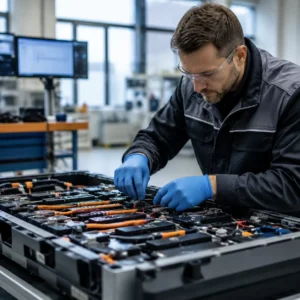
Reliability goes far beyond a warranty paper. A truly dependable manufacturer controls the quality of the core components, specifically the battery cells and the Battery Management System (BMS). In our production lines, we prioritize Grade A LiFePO4 cells because they offer the safest thermal stability and longest cycle life.
Here is what you should look for in a partner:
- Vertical Integration: Does the manufacturer design their own BMS and structural casing?
- Safety Certifications: Look for UL, CE, and IEC standards.
- Supply Chain Stability: Can they guarantee delivery timelines during global shortages?
- Technical Support: Do they understand the technical nuances of energy storage solutions, or are they just moving boxes?
Comparing Global Industry Leaders and Emerging Brands
There is a distinct difference between buying from a global conglomerate and partnering with an agile manufacturer. Global leaders offer a \”safe\” choice but often lack flexibility. Their systems are usually closed ecosystems, meaning you cannot easily expand or repair them without proprietary parts.
Emerging brands and specialized factories, on the other hand, often drive innovation in modularity. We allow customers to scale their systems as their energy needs grow, rather than forcing a one-size-fits-all solution. This approach significantly impacts the long-term ROI. When calculating the total cost of solar battery storage, you must factor in expandability and maintenance.
Comparison: Global Giants vs. Specialized Manufacturers
| Feature | Global Industry Giants | Specialized Manufacturers |
|---|---|---|
| Cost | Premium pricing for brand name | Competitive, value-focused |
| Flexibility | Low (Fixed capacities) | High (Modular & scalable) |
| Technology | Standardized | Rapid adoption of new tech |
| Support | Slow, bureaucratic | Direct & technical |
Choosing the right BESS partner means looking past the logo and examining the engineering that powers the system.
Residential Battery Storage Solutions for Homeowners
As battery storage manufacturers, we understand that homeowners prioritize safety, aesthetics, and ease of use when choosing an energy system. The market has shifted away from bulky lead-acid setups toward sleek, modern lithium solutions designed to blend seamlessly into a home environment. We focus on delivering energy storage solutions that provide reliable backup power without compromising on living space.
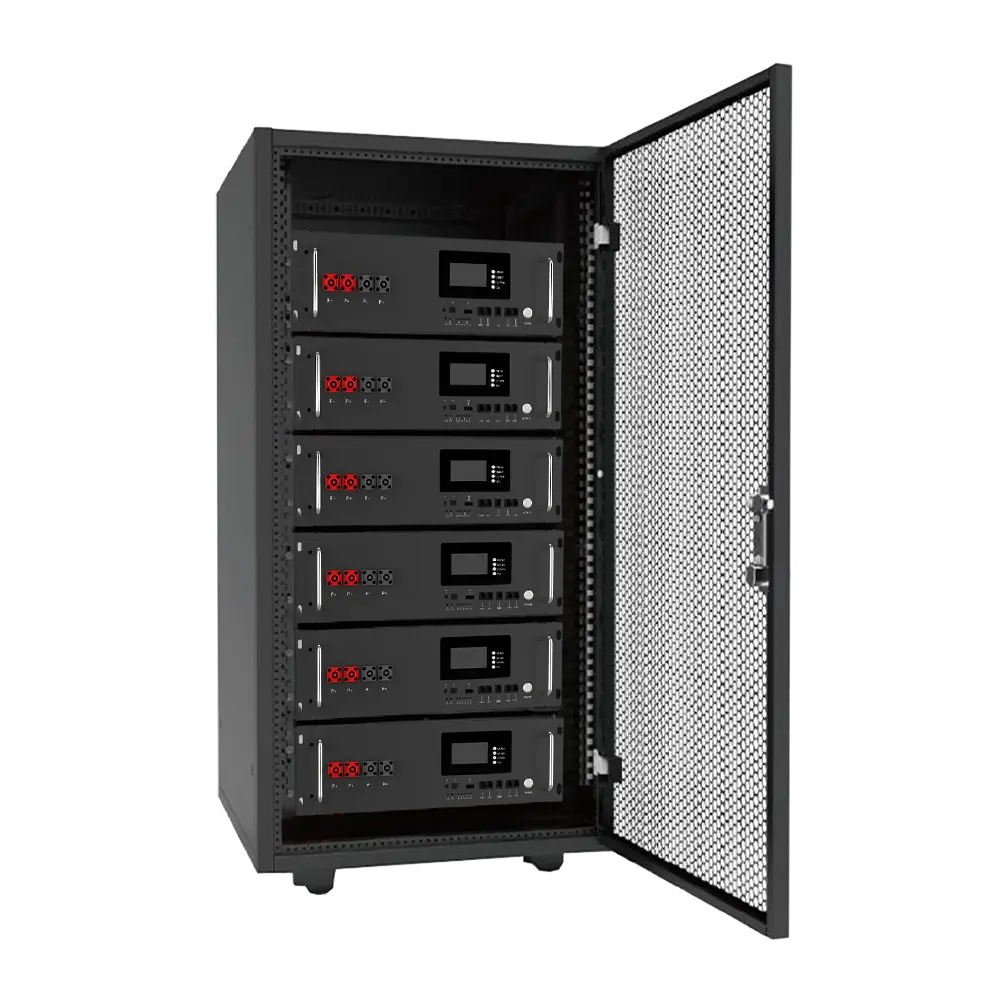
Wall-Mounted and Stacked LiFePO4 Battery Packs
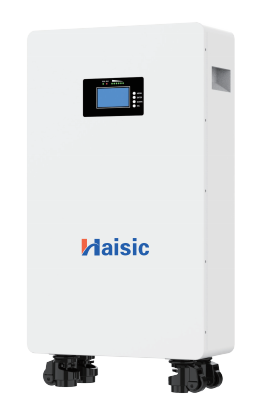
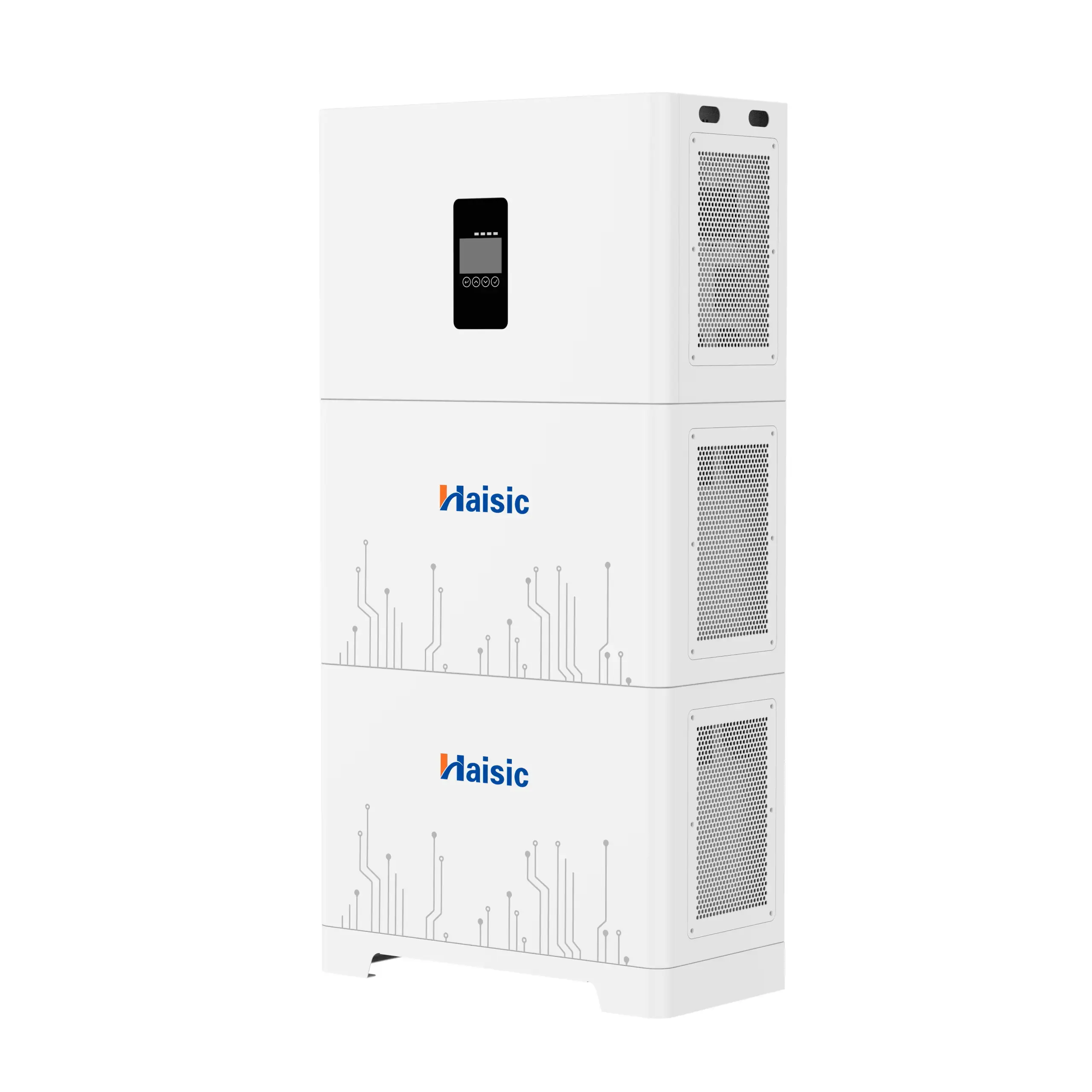
Space is often at a premium in residential properties. To address this, we offer flexible form factors that adapt to different installation environments. Wall-mounted units are excellent for keeping floor space clear in garages or utility rooms, while stacked designs allow for easy capacity expansion.
- Scalability: Stacked modules allow you to start small and add more storage later.
- Safety: We utilize LiFePO4 chemistry, which is chemically stable and eliminates the risk of thermal runaway common in other lithium types.
- Design: Modern casings are designed to look like appliances rather than industrial equipment.
For homeowners looking for a compact and reliable starting point, our 25.6V 280Ah residential ESS offers a perfect balance of capacity and space-saving design, ensuring critical loads stay powered during outages.
High-Voltage vs. Low-Voltage Residential Systems
When selecting a residential ESS, one of the main technical decisions is choosing between high-voltage (HV) and low-voltage (LV) architectures. Low-voltage systems (typically 48V) are the industry standard for safety and compatibility with a wide range of hybrid inverters. They are easy to handle and widely understood by installers.
However, high-voltage systems are gaining popularity for their efficiency. By operating at a higher voltage, the current required to deliver the same amount of power is reduced, which minimizes heat loss and improves overall system efficiency. For larger homes with significant energy demands, a 128V LiFePO4 battery pack provides robust performance and faster charging capabilities compared to traditional low-voltage alternatives.
All-in-One Solar Battery and Inverter Integration
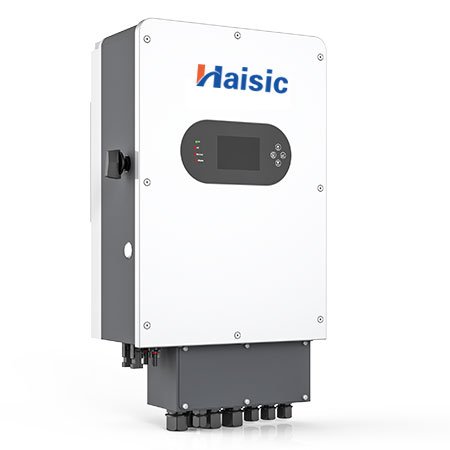
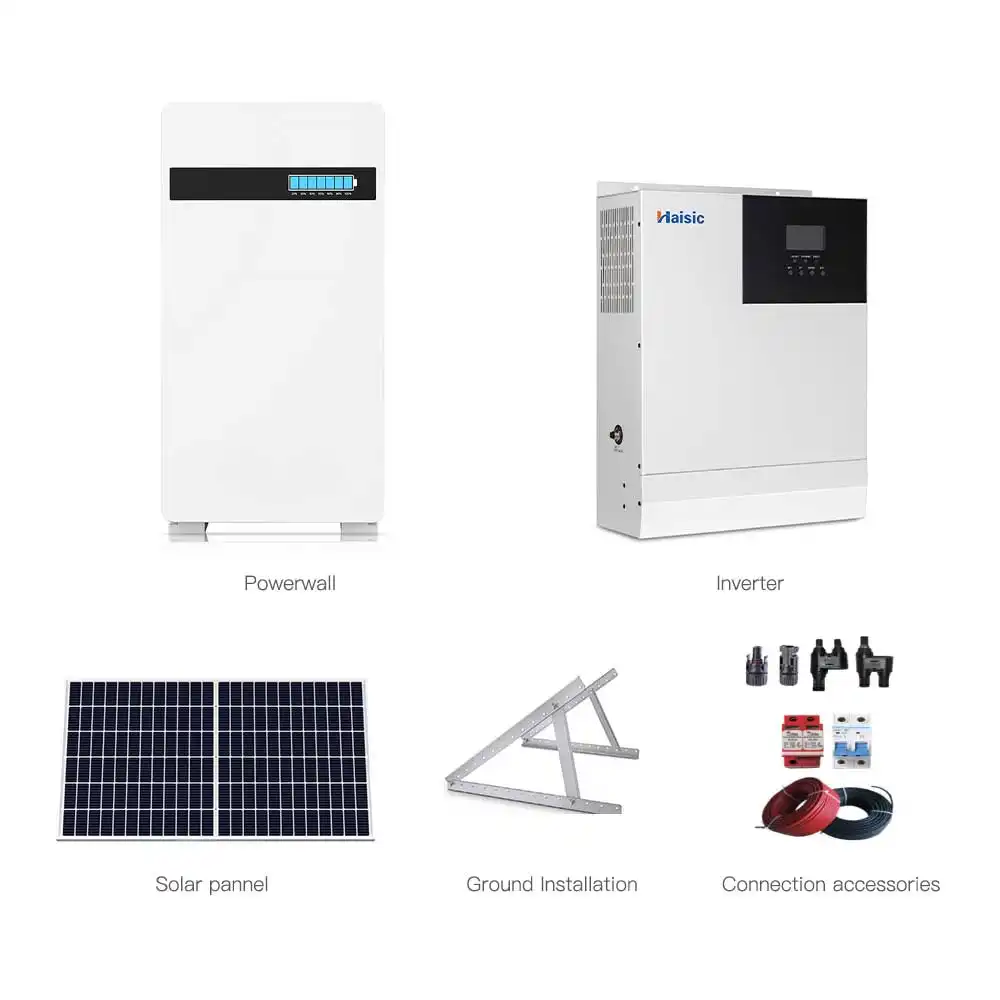
The trend in the energy storage company sector is moving toward \”all-in-one\” systems. These units integrate the battery modules, the Battery Management System (BMS), and the hybrid inverter into a single, pre-wired cabinet.
Benefits of All-in-One Systems:
- Plug-and-Play: Drastically reduces installation time and complexity.
- Smart Monitoring: Unified software allows for real-time tracking of solar generation and consumption.
- Aesthetics: A clean, single-box look eliminates messy external wiring.
This integration simplifies the user experience, making renewable energy accessible to homeowners who want a \”set it and forget it\” solution.
Industrial and Commercial (C&I) Energy Storage Systems
As businesses increasingly turn to renewable energy, the demand for robust energy storage solutions has skyrocketed. We understand that commercial operations cannot afford downtime. Unlike residential setups, C&I systems require higher power density and intelligent management to handle complex load profiles. As battery storage manufacturers, we focus on delivering scalable BESS units that bridge the gap between utility-scale power and on-site energy needs, ensuring factories and commercial buildings maintain operational continuity.
Modular Liquid-Cooled and Air-Cooled Storage Cabinets
Thermal management is the backbone of any reliable battery system. We offer modular cabinets that utilize either liquid or air cooling technologies, depending on the specific environment and discharge requirements.
- Air-Cooled Systems: Ideal for standard environments where cost-efficiency is a priority. These use fans and vents to regulate temperature.
- Liquid-Cooled Systems: Essential for high-density applications. Liquid cooling provides superior heat dissipation, allowing the battery to perform better under heavy loads and extending the overall lifespan of the cells.
Our modular design ensures that you can start with the capacity you need today and expand later. For instance, our 200kW industrial commercial energy storage battery features an integrated liquid cooling design that maximizes safety and efficiency in a compact footprint.
High-Capacity Solutions for Large-Scale Projects
For large-scale industrial projects, capacity is king. We engineer high-voltage systems capable of storing hundreds of kilowatt-hours (kWh) to megawatt-hours (MWh) of energy. These units are built to support critical loads, such as manufacturing lines or data centers, where power stability is non-negotiable.
Key features of our high-capacity systems include:
- High Energy Density: Packing more power into less space.
- Grid Support: Capabilities for frequency regulation and voltage support.
- Long Cycle Life: Utilizing A-grade LiFePO4 cells for durability.
Deploying a 256V LiFePO4 battery pack allows businesses to shift energy usage from expensive peak hours to cheaper off-peak times, significantly reducing operational costs.
Integrating Storage with EV Charging Infrastructure
The rapid adoption of electric vehicles (EVs) presents a new challenge for commercial properties: grid strain. Installing fast chargers can cause massive spikes in power demand, leading to hefty demand charges from utility providers.
We solve this by integrating energy storage solutions directly with EV charging stations. The battery acts as a buffer, drawing power from the grid (or solar panels) at a steady rate and releasing it quickly to charge vehicles. This \”peak shaving\” technique ensures that your facility can offer high-speed charging without upgrading the entire grid connection or incurring penalty rates. It is a smart move for any forward-thinking energy storage company looking to future-proof their infrastructure.
Key Technologies and Performance Features
The Advantage of A-Grade LiFePO4 Cell Technology
When evaluating battery storage manufacturers, the core chemistry is the most critical factor. We prioritize A-Grade Lithium Iron Phosphate (LiFePO4) cells because they offer the highest safety profile and longevity in the market. Unlike lower-grade or ternary lithium options, A-Grade LiFePO4 cells are chemically stable and resistant to thermal runaway, drastically reducing fire risks.
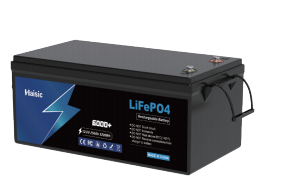
These cells are designed to handle deep cycling without significant degradation. For example, our high-voltage LiFePO4 battery packs utilize this premium cell technology to deliver over 6,000 life cycles. This ensures that the system maintains high capacity for more than a decade, providing a better return on investment for homeowners and businesses alike.
Advanced Battery Management Systems (BMS) and AI Monitoring
Hardware is nothing without intelligent software. The Battery Management System (BMS) acts as the brain of the energy storage solution, critical for protecting the battery cells from damage. A high-quality BMS constantly monitors parameters like voltage, current, and temperature to prevent overcharging, over-discharging, or short circuits.
Modern manufacturers are now integrating AI-driven monitoring. This technology analyzes historical data to predict potential faults before they happen, optimizing the performance of your solar lithium battery bank. This proactive approach ensures seamless integration with inverters and maximizes the usable energy from every charge cycle.
Thermal Management: Efficiency of Liquid vs. Air Cooling
Heat is the primary enemy of battery efficiency and lifespan. Effective thermal management is essential, especially for larger systems running at high power. We see two main approaches in the industry: air cooling and liquid cooling.
- Air Cooling: Uses fans and airflow to dissipate heat. It is simple, cost-effective, and easy to maintain, making it ideal for residential units.
- Liquid Cooling: Uses a coolant fluid to regulate temperature. It is more complex but offers superior heat dissipation and temperature uniformity, which is vital for large commercial systems.
Comparison of Cooling Technologies:
| Feature | Air Cooling | Liquid Cooling |
|---|---|---|
| Cooling Efficiency | Moderate | High |
| System Complexity | Low (Simple fans) | High (Pumps & Coolant) |
| Space Efficiency | Requires spacing for airflow | Compact design |
| Ideal Application | Residential/Small Commercial | Large C&I/Utility Scale |
Choosing the Right Battery Storage Manufacturer
Selecting the best partner among the many battery storage manufacturers determines the long-term success of your energy project. It is not just about buying a box of batteries; it is about investing in a system that will power your life or business for the next decade. We need to look past the marketing fluff and focus on the engineering and support that keeps the lights on.
Essential Safety Certifications and Quality Standards
Safety is the baseline, not a feature. When evaluating an energy storage company, we always look for strict adherence to international safety protocols. A reputable manufacturer must hold certifications like UL 9540 for system safety, IEC 62619 for battery safety, and UN38.3 for transport. These standards ensure that the BESS can handle thermal stress and electrical loads without risk. You can learn more about how a professional energy storage company maintains these rigorous quality controls to ensure reliability across global markets.
Evaluating Cycle Life, Depth of Discharge, and Warranty
Performance metrics directly impact your return on investment. We focus heavily on the chemistry and the warranty terms. Currently, long-lasting LiFePO4 storage systems are the industry standard, offering superior longevity compared to older technologies. A cheap battery often ends up costing more if it degrades rapidly.
Key Metrics to Compare:
| Feature | Standard Expectation | Why It Matters |
|---|---|---|
| Cycle Life | 6,000+ Cycles | Determines how many years the battery lasts before capacity drops. |
| Depth of Discharge (DoD) | 90% – 100% | Defines the actual usable capacity versus total capacity. |
| Warranty | 10 Years / Throughput | Guarantees performance and protects your financial investment. |
Always check the fine print on the warranty. A solid residential ESS warranty covers both years and total energy throughput, ensuring the manufacturer stands behind their cycle life claims.
Technical Support and Global Service Networks
Even the best hardware needs support. A reliable manufacturer provides more than just a product; they offer a robust service network. We prioritize suppliers who offer remote firmware updates and responsive technical teams. If a system throws a fault code, you need a partner who can diagnose it remotely via the cloud rather than waiting weeks for a site visit. Global support ensures that spare parts and technical expertise are never too far away, minimizing downtime for your energy storage solutions.