









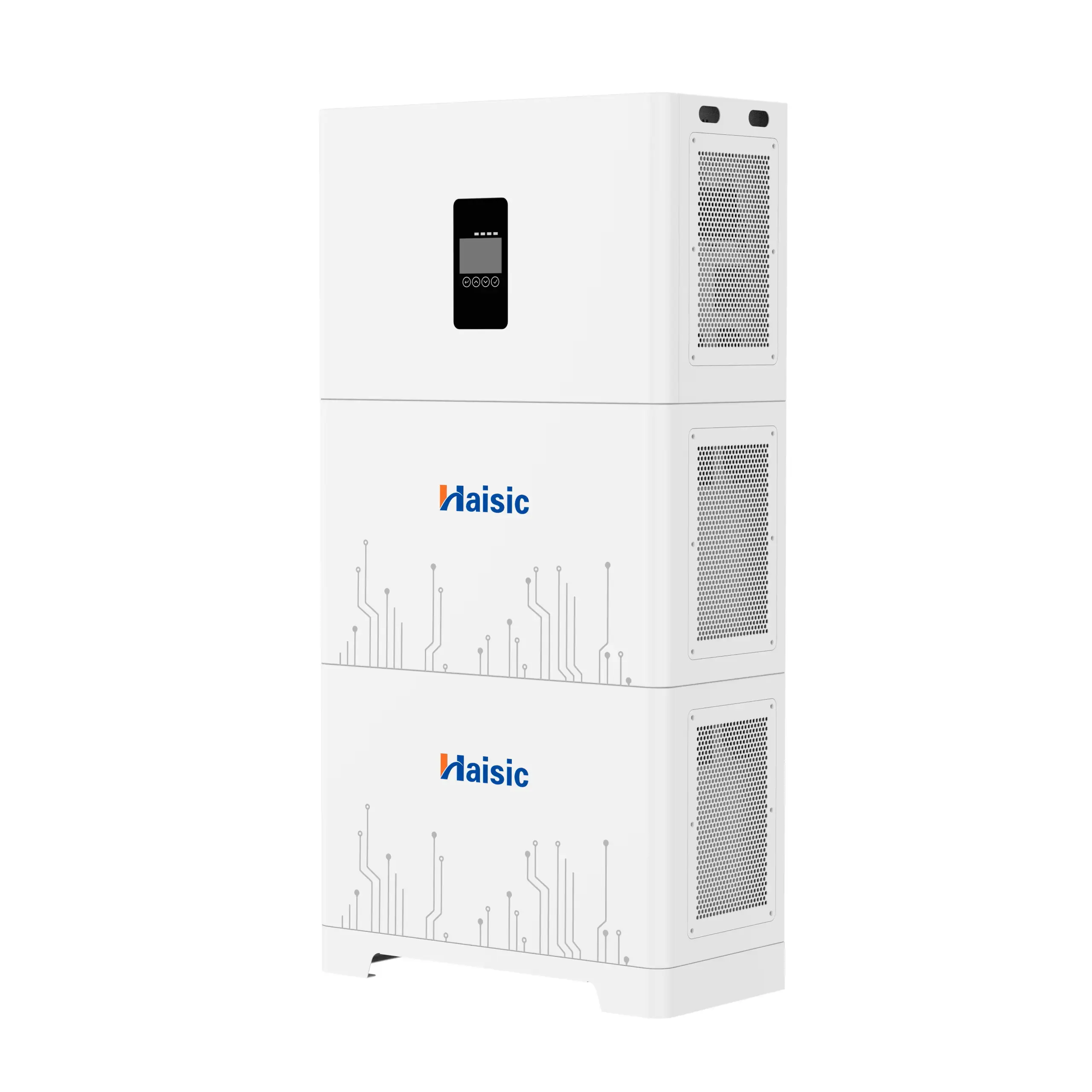
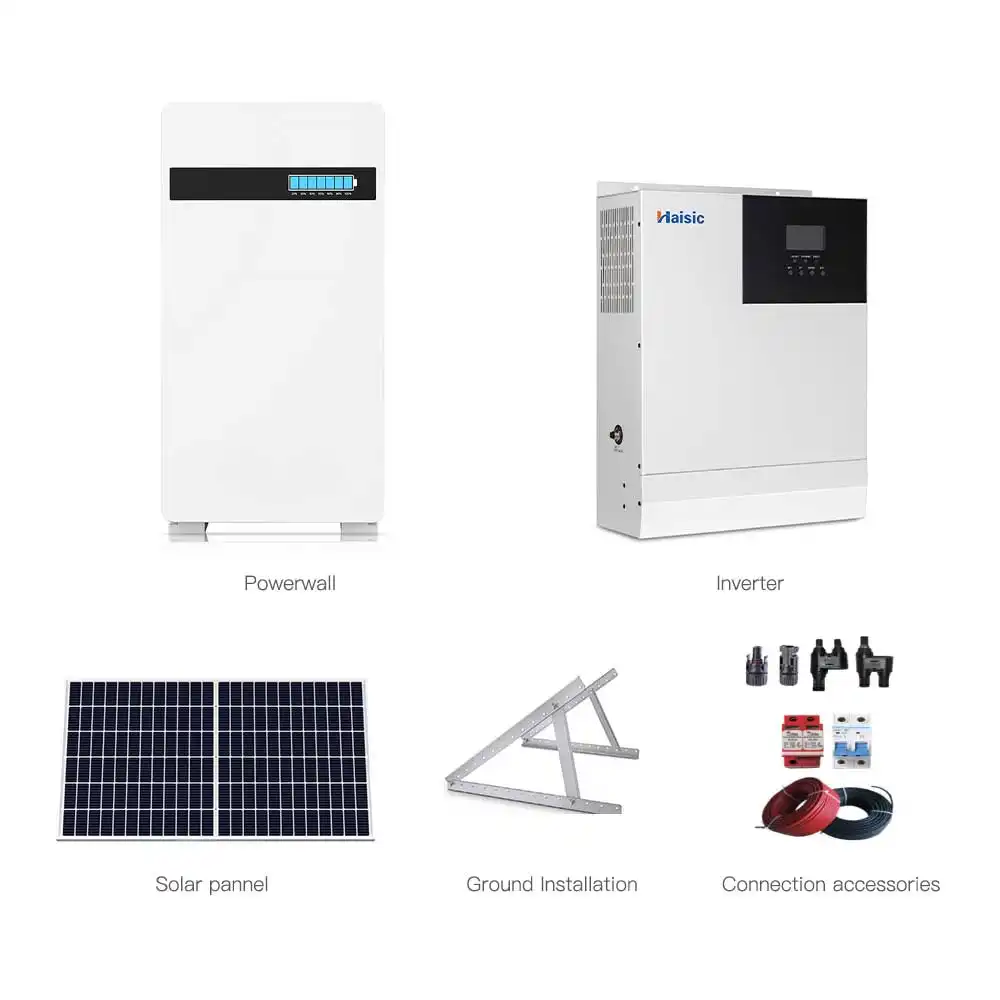
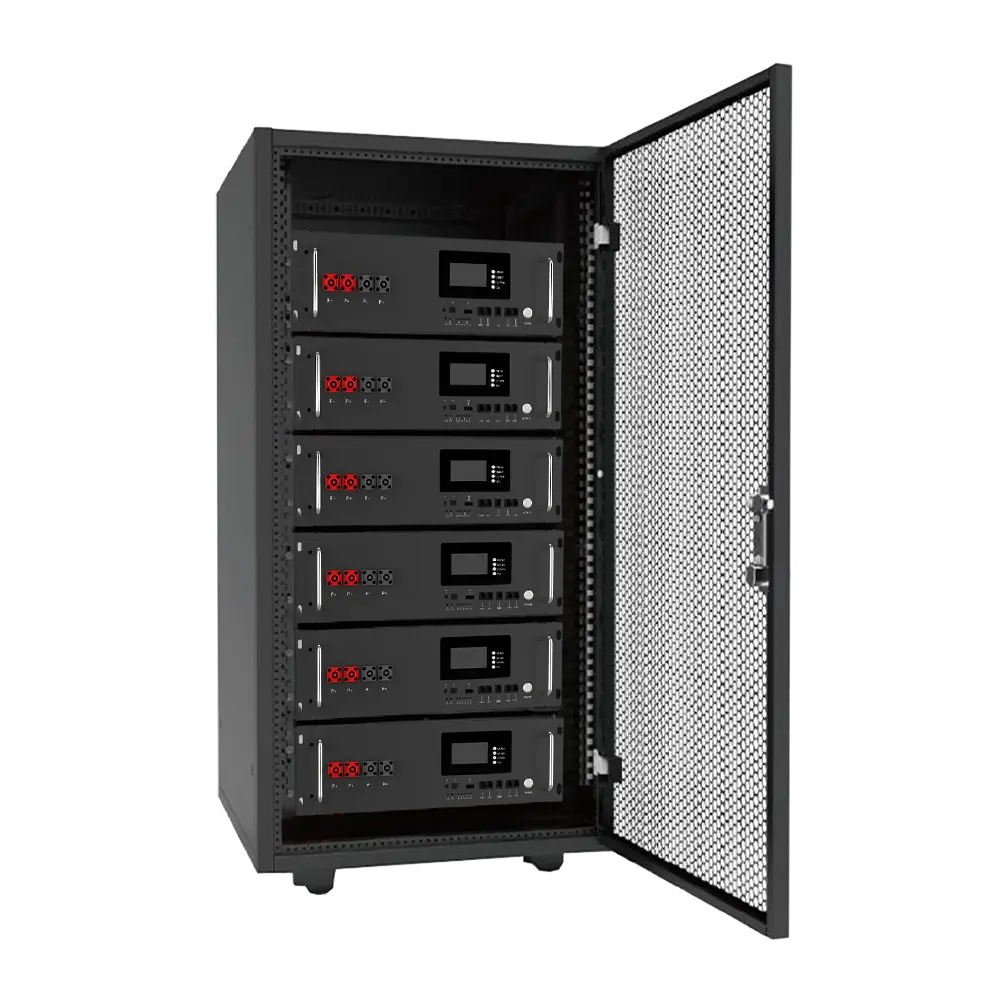

What Is a Generator Battery Bank?
If you’re tired of a generator roaring all day, wasting fuel just to keep a few lights or a fridge running, a generator battery bank setup is exactly what fixes that.
Simple Definition
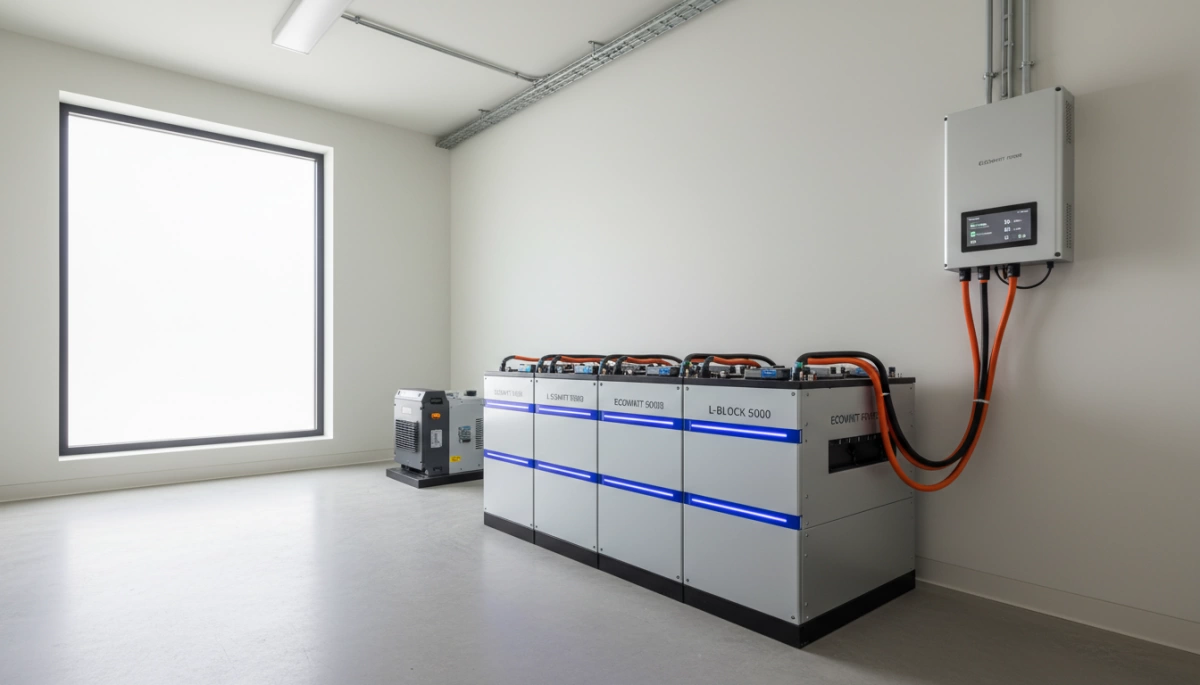
A generator battery bank is a system where:
- The generator runs for a limited time to charge a battery bank
- The battery bank then powers your home, RV, cabin, or tools quietly through an inverter
In short: run the generator less, use stored energy more.
How a Generator Charges a Battery Bank
Here’s the basic flow in a hybrid generator battery system:
- Generator turns on and produces AC power
- An inverter/charger (or dedicated charger) converts that power to DC and charges the battery bank
- When the batteries are full, you shut off the generator
- The inverter takes over, converting battery DC power back to AC to run your loads
You use the generator only when you need to recharge, not 24/7.
Key Components at a Glance
| Component | Role in the system |
|---|---|
| Generator | Produces AC power (gas, diesel, propane, inverter generator) |
| Battery bank | Stores energy (LiFePO4, AGM, or lead‑acid) |
| Inverter/charger | Charges batteries from generator and powers AC loads from the battery |
| Wiring & cabling | Safely connects generator, charger, battery, and loads |
| Fuses/breakers | Protects against shorts, overloads, and wiring faults |
| Disconnects & grounding | Lets you safely isolate and service the system |
These core parts turn a noisy, fuel‑hungry generator into a quiet, efficient backup power system.
Generator Battery Bank vs “Battery Generator” vs Portable Power Station
These terms get mixed up a lot, so I keep them very clear:
| Term | What it really means |
|---|---|
| Generator battery bank | Full system: separate generator + battery bank + inverter/charger + wiring |
| Battery generator | Marketing term; usually just a portable power station with no fuel engine |
| Portable power station | All‑in‑one battery + inverter in a box; great for small loads and short use |
A generator battery bank is more flexible and scalable than a portable power station. You can choose:
- Battery size
- Generator size and fuel type
- Add solar panels
- Upgrade components over time
How Hybrid Generator Battery Systems Work in Real Life
Here’s how people actually run a generator charging battery bank in daily life:
Home backup power hybrid system
- Run generator a few hours to charge a LiFePO4 battery bank for generator backup
- Turn generator off, let the battery run lights, fridge, router, medical gear silently overnight
RV generator battery bank / van life generator battery system
- Use generator or alternator to charge batteries quickly
- Spend most of the time on quiet battery power for AC, microwave, laptops, and fans
Off grid generator battery setup (cabin, tiny home, homestead)
- Solar panels do the daily charging when there’s sun
- Generator only kicks in during bad weather or high demand to top up the battery bank
The pattern is always the same: short generator runtime, long quiet battery runtime.
When You Need a Generator Battery Bank vs Just a Generator
You actually need a generator battery bank setup when:
- You want quiet backup power at night or in noise‑sensitive areas
- Fuel is expensive or hard to bring in, and you want fuel‑efficient generator setups
- You need stable, clean power for electronics or medical equipment
- You plan to add solar hybrid generator systems later
- You have frequent outages and can’t tolerate constant generator noise and wear
A simple standalone generator is usually enough when:
- Outages are rare and short
- You’re fine with noise, fumes, and manual refueling
- You only need to power things occasionally for a few hours
If you’re running a generator more than a couple of hours a day, or you care about noise and fuel costs, a hybrid generator battery system is almost always the smarter move.
Why Use a Generator Battery Bank?
A generator battery bank fixes most of the problems people hate about running a generator all the time. If you rely on backup power for your home, RV, cabin, or jobsite, a hybrid generator battery system is usually smarter, quieter, and cheaper over time.
Pain points with standalone generators
Running only a generator comes with trade‑offs:
- Noise: Constant engine noise, especially at night or in quiet neighborhoods and campgrounds.
- Fuel burn: Wasteful at low loads (e.g., just a few lights and a Wi‑Fi router).
- Maintenance: Oil changes, filters, and repairs stack up fast if it runs many hours.
- Wear and tear: Hard use shortens engine life and leads to more downtime.
How a battery bank cuts runtime and fuel use
With a generator charging a battery bank, you let the gen run only when it’s efficient:
- Run the generator at a higher load for a few hours to charge the battery bank fast.
- Shut the generator off and let the battery storage handle low and medium loads.
- This means less runtime, less fuel, and less maintenance for the same amount of usable energy.
If you use a LiFePO4 battery bank for generator support (like the systems we build for home lithium battery storage), you also get very high round‑trip efficiency and long cycle life, which improves overall fuel savings.
Silent power during nights and quiet hours
Once the batteries are charged, you can:
- Run fridges, lights, routers, CPAP/medical devices, phone chargers from the battery bank.
- Keep the generator off at night, during quiet hours, or when neighbors are close.
- Enjoy silent backup power for sleeping, working, or camping without engine noise or fumes.
Better power quality and surge handling
A generator battery bank setup with a quality inverter gives you:
- Clean, stable AC power for sensitive electronics (computers, TVs, networking gear).
- Strong surge capability from the inverter to start compressors, pumps, or power tools.
- The generator focuses on charging, while the battery and inverter handle spikes and surges smoothly.
More reliable backup for essentials
For most global users, the priority is simple: keep the essentials running reliably:
- Refrigerators and freezers so food doesn’t spoil.
- Lights, internet, and phones so you can work and communicate.
- Medical equipment (CPAP, oxygen concentrators, monitors) that cannot lose power.
A battery backup for generator reduces the risk of outages when fuel is low, the generator fails to start, or noise limits its use
Key Components of a Generator Battery Bank System
A solid generator battery bank setup is built from a few core parts that work together as one hybrid system. If you get these pieces right, everything else becomes easier.
1. Generator Types
Your generator is the “fuel engine” of the system. Common options:
- Gas generators – Cheap, easy to find fuel, good for occasional use.
- Diesel generators – Better fuel efficiency, longer life, ideal for heavy or daily use.
- Propane (LPG) generators – Cleaner burn, longer fuel storage life, popular for home backup.
- Inverter generators – Quieter, more fuel‑efficient, clean power for electronics; great for pairing with a battery bank because they can ramp up and down smoothly.
For larger hybrid setups, I usually pair battery storage with a diesel or propane generator to get the best balance of runtime, fuel cost, and reliability.
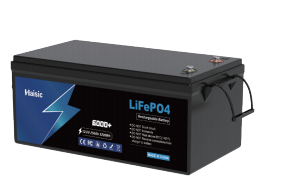
2. Battery Types: LiFePO4 vs Lead‑Acid vs AGM
Your battery bank is the “energy tank” that stores what the generator and/or solar produce.
LiFePO4 (Lithium Iron Phosphate)
- High cycle life (up to 4,000–6,000+ cycles)
- Safe chemistry, stable, low maintenance
- Lighter and smaller for the same capacity
- Higher upfront cost but lowest cost per kWh over time
Ideal for modern generator battery bank setups, especially 24V and 48V systems.
Flooded Lead‑Acid
- Low initial cost, widely available
- Heavy, need ventilation and regular maintenance (water top‑ups)
- Shorter cycle life and limited depth of discharge
AGM (Absorbent Glass Mat)
- Sealed, low maintenance
- Better performance than flooded lead‑acid, but still lower cycle life than LiFePO4
- Good for budget generator backup where weight and size are less critical
For serious hybrid generator battery systems and off‑grid use, I design around LiFePO4 battery banks for generators, especially in modular 48V formats similar to our high‑voltage ESS LiFePO4 energy storage systems.
3. Inverter/Charger Role
The inverter/charger is the brain and traffic controller of the system:
- Converts DC battery power to AC power for your home, RV, or tools
- Charges the battery bank from the generator (and often from solar or grid when available)
- Manages priorities: which source to use first, when to charge, when to switch
Look for:
- Pure sine wave output
- Built‑in charger with adjustable charging current
- Programmable settings for LiFePO4 vs lead‑acid
- Enough surge capacity for starting motors and compressors
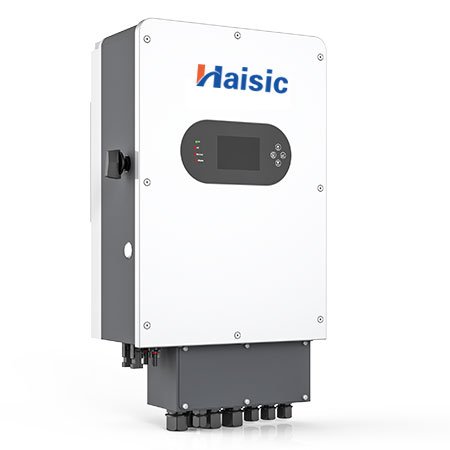
Hybrid inverters like our 3kW–6kW hybrid solar inverter with MPPT are designed for this kind of generator + battery + solar integration.
4. Battery Management System (BMS)
Every modern LiFePO4 battery bank for generator backup needs a proper BMS:
- Protects cells from overcharge, over‑discharge, short circuit, and over‑temperature
- Balances cells so the pack stays healthy and capacity stays high
- Communicates with the inverter/charger (in better systems) to optimize charging
If the BMS is poor, the best generator and inverter in the world won’t save your battery bank. Always check for certifications, rated current, and temperature protections.
5. Wiring, Fuses, Breakers, and Safety Gear
Good wiring is what makes a generator battery bank setup safe and dependable:
- Proper cable size for DC runs between batteries and inverter (short and thick)
- DC fuses or breakers close to the battery bank
- AC breakers for loads and generator input
- Main disconnect switch so you can safely isolate the battery bank
- Grounding and bonding done to code
Never skip fusing and proper wire sizing. High current DC faults are dangerous.
6. Optional Add‑Ons
To make a hybrid generator battery system truly flexible:
- Solar panels – Cut fuel use and generator runtime, especially for daytime loads
- MPPT solar charge controller – Smart charging from solar for higher efficiency
- Auto‑start module for generator – Starts the generator automatically when battery voltage is low or load is high
- Automatic transfer switch (ATS) – Seamless switching between generator, grid, and battery
For larger off‑grid homes or small businesses, I often pair a generator with a containerized solar + battery system similar to our ESS energy storage containers.
7. Monitoring and Control
You can’t optimize what you can’t see. Good monitoring and control gives you:
- Battery state of charge (SoC) and voltage
- Charge/discharge power (kW) and energy throughput (kWh)
- Generator runtime hours and load percentage
- Error codes and basic alerts
Common options:
- Built‑in LCD/LED displays on inverter/charger
- Mobile apps or web dashboards via Wi‑Fi/4G
- Simple battery monitors (shunt‑based) for accurate SoC
At a minimum, I recommend:
- Real‑time SoC display
- Historical kWh usage
- Generator runtime tracker
These core components, chosen and matched properly, give you a quiet, efficient, and fuel‑smart generator battery bank system that actually fits how you live and work.
Types of Generator Battery Bank Setups
1. Simple Manual Generator Battery Bank Setup
This is the most basic generator battery bank setup and perfect if you like to keep full control.
Typical layout:
- Generator → AC battery charger → battery bank → inverter → loads
You:
- Start the generator manually when batteries get low
- Use a charger to push power into the battery bank
- Let the inverter feed your home/RV circuits from stored energy
It’s cheap, flexible, and a good DIY generator battery bank setup if you’re okay with plugging in cords and watching meters yourself.
2. Hybrid Generator Battery System with Auto‑Start
Here you level up to automation and comfort.
Key features:
- Generator with auto‑start
Battery Choices for Generator Integration
Picking the right battery bank for your generator setup is what decides runtime, cost, and how trouble‑free your system is over the next 5–10 years. Here’s how I look at battery choices for any hybrid generator battery system.
LiFePO4 Battery Bank for Generator: Pros and Cons
Pros:
- Long cycle life – 3,000–6,000+ cycles at 80% depth of discharge (DoD). For daily use or frequent outages, LiFePO4 usually has the lowest cost per kWh over its life.
- Deep usable capacity – You can safely use 80–90% of the rated capacity without killing the battery quickly.
- Fast charging – Perfect for generator charging a battery bank in short windows so the generator runs fewer hours.
- Lightweight and compact – Ideal for RVs, vans, and tight home backup spaces.
- Stable and safe chemistry – Lower fire risk than other lithium chemistries when paired with a proper BMS.
Cons:
- Higher upfront cost vs lead‑acid.
- Needs a dedicated LiFePO4‑compatible charger/inverter.
- Poor performance if charged below freezing unless you have low‑temp protection.
For larger hybrids (home backup, cabins, small businesses), I usually prefer a 48V LiFePO4 battery bank like a 51.2V 100Ah LiFePO4 pack because it charges efficiently from a generator and keeps wire size and losses down.
Lead‑Acid and AGM Battery Bank for Generator
Pros:
- Low upfront cost – Easy entry for basic backup.
- Widely available and simple to integrate.
- AGM is sealed, low‑maintenance, and okay indoors (with ventilation).
Cons:
- Shorter cycle life – Often 300–800 cycles at 50% DoD.
- You should only use about 50% of the capacity regularly to avoid killing them early.
- Slower charging – means longer generator runtime and higher fuel use.
- Heavy and bulky for the same usable energy.
I only recommend lead‑acid/AGM for occasional emergency backup or short‑term projects, not daily hybrid generator battery systems.
Cycle Life, Depth of Discharge, and Cost per kWh
A battery’s real cost is total energy delivered over its life, not the purchase price.
Lead‑acid/AGM
- Recommended DoD: 50%
- Typical cycles: ~500
- Good when outages are rare.
LiFePO4
- Recommended DoD: 80–90%
- Cycles: 3,000–6,000+
- Best for regular generator battery bank use, off‑grid, and RVs.
Rule of thumb:
If you use your battery bank more than a few times per month, LiFePO4 almost always wins on cost per kWh over its life.
Safety Features for a Generator Battery Bank
Whatever chemistry you choose, make sure your battery backup for generator has:
BMS (Battery Management System)
- Over‑charge and over‑discharge protection
- Over‑current and short‑circuit protection
- Cell balancing for longer life
Thermal protection
- High/low temperature cutoff
- Optional low‑temp heating for cold climates
Certifications
- Look for CE, UL, UN38.3, and other regional approvals depending on your market.
Good LiFePO4 packs, especially higher‑voltage units like a 51.2V 400Ah LiFePO4 battery module, usually integrate a strong BMS and safety stack out of the box, which makes them ideal for home hybrid backup systems.
Voltage Choices: 12V, 24V, 48V
Your generator battery bank setup voltage affects efficiency, cable size, and future upgrades:
12V battery bank
- Best for: small RVs, vans, light camping setups.
- Simple but high current at larger loads (thicker cables, more losses).
24V battery bank
- Best for: mid‑size RVs, small off‑grid cabins, tiny homes.
- A solid sweet spot between simplicity and efficiency.
48V battery bank
- Best for: home backup, off‑grid cabins, small commercial sites.
- Lower current, thinner cables, more efficient inverter operation.
- Ideal for solar hybrid generator systems and higher power inverters.
If you’re planning a whole‑house generator battery backup or serious off‑grid build, start with 48V. It scales easier and keeps your hybrid system cleaner.
Scalability and Modular Battery Banks
Think ahead. Your power needs will usually grow.
When you design a generator battery bank:
- Choose modular batteries that can be added in parallel or series later.
- Stick to one chemistry, one brand/model per bank for clean BMS behavior.
- Make sure your inverter/charger and generator can handle future battery capacity and charge current.
Modular LiFePO4 packs are ideal for this: start with one, then stack more when you add solar, more loads, or longer backup requirements. This keeps your hybrid setup flexible, fuel‑efficient, and upgrade‑friendly without buying everything on day one.
How to Size a Generator Battery Bank
Sizing a generator battery bank is straightforward if you walk through it step by step. You don’t want to overspend on capacity you never use, but you also don’t want the lights going out at 2 a.m.
1. Figure Out Your Essential Loads (Wh / kWh)
Start with what must stay on during an outage or off‑grid:
- Fridge or freezer
- Lights in key rooms
- Wi‑Fi router, phone/ laptop charging
- Medical devices (if any)
- Sump pump, well pump, or heating controls
Check the label or manual for watts (W), then:
- Energy (Wh) = Watts × Hours per day
- Add all loads to get daily energy use in Wh or kWh.
Example (small home essentials, per day):
- Fridge: 120 W × 8 h = 960 Wh
- Wi‑Fi + router: 20 W × 24 h = 480 Wh
- Lights: 60 W × 5 h = 300 Wh
- Phone/ laptop: 100 W × 2 h = 200 Wh
- Total ≈ 1,940 Wh ≈ 2 kWh/day
2. Decide How Many Hours or Days of Backup You Need
Be honest about your situation:
- Urban area with rare outages: 8–24 hours backup usually enough
- Rural / unstable grid: 1–3 days of essential loads
- Off‑grid cabin: 2–5 days buffer for bad weather
Battery capacity needed (raw) = daily kWh × days of backup
Example: 2 kWh/day × 2 days = 4 kWh base requirement.
3. Account for Inverter Efficiency, Depth of Discharge, Safety Margin
You never get 100% of what’s on the label. Adjust for real‑world use:
- Inverter efficiency: assume ~90–93%
- Depth of discharge (DoD):
- LiFePO4: use up to 80–90% of rated capacity
- Lead‑acid / AGM: use only 50% for long life
- Safety margin: add 10–20% headroom
Rule of thumb for LiFePO4:
Required battery (kWh) ≈ Daily kWh × Days ÷ 0.9 (inverter) ÷ 0.8 (DoD)
For the 4 kWh example:
4 ÷ 0.9 ÷ 0.8 ≈ 5.6 kWh battery bank.
A compact 48V LiFePO4 home battery around 5–6 kWh, like a 51.2V 305Ah home energy battery with touchscreen monitoring, fits this use well and scales easily if your needs grow.
4. Match Generator Output to Charging Time and Battery Size
Your generator must comfortably:
- Run live loads, plus
- Charge the battery bank in a reasonable time.
Key points:
- Target charge rate for LiFePO4: 0.2C–0.5C (20–50% of Ah capacity)
- For lead‑acid: keep charge current lower (0.1C–0.2C) for battery life
- Plan for 3–6 hours of generator runtime to recharge most of the bank
Example:
- 5 kWh battery at 48V ≈ 100 Ah
- 0.3C charge rate ≈ 30 A at 48V ≈ 1.4 kW charging power
- Add 600–800 W for live loads → 2.0–2.5 kW generator is plenty.
5. Sample Generator Battery Bank Sizing
Small RV / Van (quiet camping setup)
- Daily use: 1–2 kWh (lights, fan, fridge, laptops)
- Backup target: 1–2 days
- Battery bank: 2–4 kWh LiFePO4 (12V or 24V)
- Generator: 2–3 kW inverter generator
Small Home Essentials (frequent outages)
- Daily use: 2–4 kWh essentials
- Backup target: 1–3 days
- Battery bank: 5–10 kWh, preferably 48V LiFePO4
- Generator: 3–6 kW (gas, diesel, or propane), with good 48V charger
Off‑Grid Cabin
- Daily use: 3–8 kWh depending on lifestyle
- Backup target: 2–4 days (plus solar if available)
- Battery bank: 10–20+ kWh at 48V
- Generator: 5–8 kW with proper charger and auto‑start option
6. How Battery Size Affects Generator Runtime and Fuel Savings
The bigger your generator battery bank (within reason), the smarter you can run the generator:
- Run the generator hard and efficient for a few hours to bulk‑charge the battery
- Turn it off and let the battery bank carry low and night loads silently
- Avoid long periods of light loading, which wastes fuel and can damage diesel units
Typical impact:
- Well‑sized battery bank can cut generator runtime by 40–70%
- Less runtime = less fuel, less noise, less maintenance
- Over‑sizing too much, however, ties up money in capacity you rarely cycle
A practical path for most global users: start with a modular LiFePO4 battery bank in the 5–10 kWh range at 24V or 48V, pair it with a correctly sized generator and inverter/charger, then expand capacity later as your budget and loads grow.
Sizing the Generator for a Battery Bank
Getting the right generator size for your generator battery bank is where you save the most fuel, noise, and money. Too small and nothing works. Too big and it idles, wastes fuel, and fails early.
Peak Load vs Continuous Load
Start with your loads, not the generator:
- Peak load (surge): short spikes when devices start (AC compressor, pump, microwave).
- Continuous load: what actually runs for hours (fridge, lights, router, laptop, small AC).
As a rule of thumb:
- Size the inverter to handle peak load.
- Size the generator mainly for:
- Your typical continuous load, plus
- A sensible charging rate for the battery bank.
Let the battery bank and inverter handle big surges; the generator doesn’t have to match every spike.
How Much Generator Power You Really Need
For a hybrid generator battery setup, think in kW:
Small RV / van life:
- Live loads: 300–800 W average
- Charging battery: 500–1,000 W
- Good generator size: 2–3 kW inverter generator
Small home essentials backup:
- Live loads: 800–2,000 W
- Charging battery: 1.5–3 kW
- Good generator size: 4–7 kW
Off‑grid cabin / homestead:
- Live loads: 1–3 kW
- Charging battery: 3–5 kW
- Good generator size: 6–10+ kW (depending on lifestyle and tools)
Aim for your generator to run at 40–80% load during bulk charging. That’s the sweet spot for fuel efficiency and engine health.
Avoid Wet‑Stacking and Light Loading
Running a big diesel or gas generator at 10–20% load for hours is a waste:
- Wet‑stacking: unburned fuel builds up in the exhaust, causing soot, smoke, and long‑term damage.
- Light loading: poor efficiency, more wear per kWh, and more maintenance.
To avoid that:
- Don’t buy a 10 kW generator to power a 500 W night load.
- Use the battery bank for light, quiet loads.
- When you do run the generator, charge hard: bring loads + charging together so the generator works in its efficient range.
Charging Rates: LiFePO4 vs Lead‑Acid
Your battery chemistry strongly affects generator sizing and charger size.
LiFePO4 battery bank for generator:
- Can safely take higher charge rates (often 0.5C–1C, check the spec).
- Example: a 48V 100Ah LiFePO4 (~5 kWh) can often take 2–5 kW of charge.
- That means you can use a smaller generator, run it harder for a few hours, then shut it down and enjoy silent power.
- A modular 48V LiFePO4 rack battery (like a 48V 100Ah rack‑mounted unit) is ideal if you want fast, efficient generator charging in a compact package.
Lead‑acid / AGM battery bank for generator:
- Lower practical charge rate, typically 0.1–0.2C if you want decent life.
- Example: 48V 400Ah lead‑acid (~19 kWh) should usually be limited to around 2–4 kW of charge.
- They also slow down a lot near the top of charge (absorption stage), which makes your generator sit at low load longer.
So:
- LiFePO4 = smaller generator, faster charge windows, better fuel efficiency.
- Lead‑acid = bigger generator time window, more run hours for the same usable kWh.
Examples of Matched Generator + Battery Bank Pairs
Some realistic hybrid generator battery system pairings:
Van / small RV setup
- Battery: 12V 200Ah LiFePO4 (~2.5 kWh)
- Inverter/charger: 2,000 W
- Generator: 2–2.2 kW inverter generator
- Use case: laptops, lights, fridge, occasional microwave. Generator runs 1–2 hours to top up when solar/alternator is not enough.
Small home essentials backup
- Battery: 48V 100Ah LiFePO4 rack pack (~5 kWh)
- Inverter/charger: 5 kVA hybrid inverter
- Generator: 5–7 kW gas / LPG generator
- Use case: fridge, lights, router, TVs, a few outlets, small window AC. Generator runs 2–3 hours to charge, then house runs silent off the battery for the evening.
Off‑grid cabin with solar hybrid generator system
- Battery: 48V 200–300Ah LiFePO4 (10–15 kWh), using stackable 48V modules for future expansion.
- Inverter/charger: 8–10 kVA
- Generator: 8–10 kW diesel or propane
- Use case: full‑time off‑grid living, tools, well pump, appliances. Solar handles most of the year; generator only tops up in bad weather, running at 50–80% load while charging hard.
If you plan to scale later, choose a 48V modular battery bank from day one so you can add capacity without changing the whole system. This keeps your generator sizing useful as your hybrid system grows.
How to Set Up a Generator Battery Bank (Step‑by‑Step)
1. Plan Your Generator Battery Bank Layout
Before buying anything, sketch your generator battery bank setup on paper:
- Decide where the generator, battery bank, inverter/charger, and distribution panel will sit.
- Keep batteries close to the inverter/charger to reduce cable length and voltage drop.
- Place the generator outdoors, away from windows and doors.
- Plan a simple wiring diagram: short, direct cable runs, clear labeling, and room for future solar or extra batteries.
If you’re going 48V with a LiFePO4 battery bank for generator use, plan space for a compact high‑voltage pack like a 128V LiFePO4 battery system to keep wiring clean and efficient.
2. Pick the Right Generator + Inverter/Charger + Battery Combo
For a solid hybrid generator battery system, match these three:
Generator
- Inverter generator for clean power and better fuel efficiency.
- Size it for your peak loads + charging current (often 2–4 kW for RVs, 5–8 kW for home essentials).
Inverter/Charger
- Pure sine wave, built‑in charger, with enough continuous watts for your loads.
- Example: 3–5 kW inverter/charger for small homes and off‑grid cabins.
Battery Bank
- LiFePO4 for long life, fast charging, and deep cycles.
- Size in kWh based on how many hours of backup you want (e.g., 5–10 kWh for home essentials, 2–5 kWh for RV/van).
- Modular packs like stackable LiFePO4 battery storage make upgrades easy.
3. Basic Wiring Order (Simple and Safe)
A standard generator charging battery bank layout looks like this:
- Generator → AC in to Inverter/Charger
- Inverter/Charger → DC to Battery Bank
- Battery Bank → DC to Inverter/Charger (battery input)
- Inverter/Charger → AC output to Loads / Sub‑panel
In short:
Generator → Inverter/Charger → Battery Bank → Inverter AC Out → House/RV loads
- Use appropriately sized copper cables for DC (12V/24V/48V) runs.
- Keep DC cables as short as possible.
- Label all breakers and disconnects clearly.
4. Key Safety Steps: Fuses, Grounding, Ventilation
A safe generator battery bank is non‑negotiable:
Fuses & Breakers
- DC fuse or breaker near the battery positive terminal.
- AC breakers on generator input and inverter output.
- Use properly rated ANL/MEGA fuses for DC.
Grounding & Bonding
- Bond the system to a proper ground rod or existing home ground.
- Follow local electrical codes; neutral‑ground bonding may differ by region and equipment.
Ventilation & Clearances
- Keep batteries in a dry, cool, ventilated area.
- Keep generator outdoors with clear exhaust path.
- Maintain clearance around inverter/charger for airflow and cooling.
5. Startup & Testing Checklist
Before putting the hybrid generator setup into real use, run through this:
- Double‑check all polarity (no reversed +/‑ on DC).
- Confirm all fuses, breakers, and disconnects are installed and sized correctly.
- Power up the inverter from the battery only first; verify AC output to loads.
- Start the generator, then enable charger input.
- Watch charging voltage and current on the app or display.
- Simulate a power loss (turn generator off) and make sure loads stay on battery.
6. Simple Maintenance Routine
To keep your battery backup for generator reliable:
Generator
- Run under load at least once a month.
- Change oil, filters, and plugs per manufacturer schedule.
- Check fuel quality and rotate stored fuel.
Battery Bank (especially LiFePO4)
- Keep connections tight and free from corrosion.
- Check app/BMS data monthly (voltage, cycles, temps).
- Avoid extreme temperatures and keep the bank clean and dry.
Inverter/Charger & Wiring
- Inspect fans and vents for dust.
- Test breakers and disconnects a few times a year.
- Review system performance after any major outage.
If you follow these steps, you’ll have a quiet backup power solution that runs smoother, burns less fuel, and gives you reliable power whether you’re at home, off‑grid, or on the road.
Off‑Grid Generator Battery Bank Setups
Off‑grid cabin or tiny home power habits
If you’re running an off‑grid cabin or tiny home, the generator battery bank is your safety net, not your main power source. The goal is simple:
- Let solar and the battery bank handle most daily loads
- Use the generator only to top up the batteries in bad weather or for big loads (power tools, pump, etc.)
For most people, “essential loads” are:
- Fridge or freezer
- Lights and phone/Internet
- Water pump
- Small electronics and maybe a laptop
Design around those first, then add luxuries later.
Balancing solar, generator, and battery bank year‑round
A solid off‑grid generator battery bank setup has three legs:
- Solar panels: Do the heavy lifting in spring/summer
- Battery bank: Stores enough energy for 1–3 days of normal use
- Generator: Kicks in when solar can’t keep up
To keep things balanced:
- Size solar to cover at least 70–90% of your average yearly use
- Size the battery bank to handle your “bad weather buffer”
- Choose a generator big enough to charge the bank in 3–6 hours while also running live loads
For example, pairing a compact 5 kW home solar energy storage system with a generator gives you efficient daily use while the gen only runs when really needed.
Designing for winter, storms, and low‑sun days
Off‑grid fails in winter when people design only for summer. Plan for:
- Short days and low sun: Add extra panel capacity or accept more generator runtime
- Snow and storms: Easy‑to‑reach mounting for fast snow clearing
- Colder batteries: Keep LiFePO4 batteries in a sheltered, temperature‑controlled space
For harsh climates, a higher‑capacity LiFePO4 battery pack (like a 48V bank around 10–15 kWh) cuts generator runtime and gives you more margin when the weather is bad.
Fuel storage, noise control, and generator placement
A generator is the noisiest and dirtiest part of an off‑grid system, so placement matters:
- Put the gen outside with good ventilation and away from windows
- Follow strict CO safety rules—never in a garage or enclosed porch
- Use sound‑dampening (small shed, baffle walls, rubber mounts) to cut noise
- Store fuel safely: proper containers, away from heat, rotate stock, stabilize gasoline if stored long term
Good planning here makes a huge difference in comfort and safety.
Realistic expectations for off‑grid generator battery bank living
With a well‑designed off‑grid generator battery bank:
- Most days, you’ll run quietly off battery and solar
- The generator will run only a few hours during bad weather, winter, or heavy tool use
- You’ll still need to watch habits—long electric showers, big electric heaters, and always‑on loads burn through any battery bank
If you’re okay with:
- Managing loads
- Doing basic maintenance
- Hearing a generator occasionally in winter
then a hybrid generator + battery + solar setup is one of the most reliable and flexible ways to live off‑grid without giving up comfort.
Home Backup Generator Battery Bank
Using a generator battery bank for home backup power
A home backup generator battery bank lets you keep the lights on without running the generator 24/7. The generator charges the battery bank fast, then the battery and inverter quietly power your home while the generator is off. That means:
- Lower fuel use
- Less noise and exhaust
- Smoother, cleaner power for sensitive devices
Pairing a quality LiFePO4 battery bank (for example, a modular pack similar in concept to a 5kWh 25.6V LiFePO4 battery) with a right‑sized generator is usually the sweet spot for most homes.
What to back up: essentials vs whole‑home hybrid
You don’t need to back up everything. For most homes, a hybrid generator battery system makes sense in two ways:
Essentials‑only backup (most common):
- Fridge and freezer
- Lights in key rooms
- Wi‑Fi router and phone chargers
- Gas or oil boiler controls and circulation pump
- Medical gear (CPAP, oxygen concentrator, etc.)
Whole‑home hybrid backup (higher budget):
- Larger battery bank and inverter (often 48V system)
- Can run most outlets, lighting, and smaller AC units
- Generator only kicks in for heavy loads or long outages
Start with essentials, then scale your battery bank for backup power over time if needed.
Transfer switches, sub‑panels, and safety
If your home is grid‑connected, you must isolate your backup system from the grid for safety. I always recommend:
- Transfer switch or interlock kit – Prevents back‑feeding the grid and protects line workers
- Dedicated backup sub‑panel – Only essential circuits are moved here and fed by your inverter
- Proper grounding and over‑current protection – Fuses, breakers, and disconnects sized for your system
If you’re not fully comfortable with AC wiring, bring in a licensed electrician. It’s not optional when tying a home backup power hybrid system into existing wiring.
How a battery bank keeps the house quiet at night
With a generator charging battery bank, you can:
- Run the generator during the day when noise is less of an issue
- Charge the battery to full
- Shut the generator off and run silently all night from the battery
That means:
- No engine noise while you sleep
- No fumes or hot exhaust near open windows
- Better compliance with neighborhood or HOA noise rules
For many families, this “silent night mode” is the main reason to add a quiet backup power solution rather than rely on a standalone generator.
For frequent outages and unstable grids
If you live somewhere with frequent outages or a weak, unstable grid, a home backup generator battery bank is usually a smarter long‑term play than just a generator:
- The battery handles short outages and low loads on its own
- The generator only runs when the battery is low or loads are heavy
- You save fuel, reduce wear on the generator, and get more reliable power
Add solar later and the same solar‑hybrid generator system can cut your grid use and give you serious resilience year‑round.
RV, Van, and Camping Generator Battery Banks
Typical RV and Van Power Loads
In RVs, vans, and camping setups, a generator battery bank usually supports:
- Air conditioner (AC) – biggest load, often 1,200–2,000W when running, more on startup
- Microwave – 1,000–1,500W but used in short bursts
- Fridge (12V or 120V) – 50–150W but runs for many hours
- Laptops, phones, cameras, routers – 50–300W total, perfect for battery-only use
- LED lights, fans, water pump – low draw but always on in real life
A good RV generator battery bank setup lets you run small stuff quietly from batteries, and only fire the generator for heavy loads or fast charging.
Quiet Camping with a Generator + Battery Bank
If you hate generator noise (and so do your neighbors), a hybrid generator battery system is the fix:
- Run the generator a few hours to charge the LiFePO4 battery bank for generator backup
- Shut the generator off and let the inverter power your AC (for a bit), lights, fridge, laptops, and fans
- Use “quiet hours” powered just from the battery bank – silent nights, no fumes near your van
- Let the generator handle bulk charging at a good load (more fuel efficient), instead of idling all day
This generator runtime reduction is why a lot of van lifers and full-time RVers are moving to hybrid setups.
Integrating Shore, Solar, Alternator, and Generator
In a smart van life generator battery system, you normally mix several charging sources:
- Shore power at campgrounds – plug in, and your inverter/charger tops up the battery automatically
- Solar panels with generator battery bank – roof solar covers daytime loads and slow charging
- Vehicle alternator – DC‑DC charger lets you charge the house battery while driving
- Generator – backup for cloudy days, AC use, and fast charging when solar can’t keep up
A good inverter charger for a generator battery bank becomes the “brain” that manages all of this and keeps the battery safe and topped up.
Portable Power Station vs Custom RV Generator Battery Bank
For camping, both options work, but they suit different people:
Portable power station (battery generator):
- Plug‑and‑play, all‑in‑one, great for renters and weekend campers
- Perfect for laptops, phones, lights, CPAP, small fridge
- Limited scalability and repair; when it’s full or worn out, that’s it
Custom RV generator battery bank:
- Uses separate LiFePO4 batteries, inverter/charger, and generator
- Far more flexible, upgradeable, and powerful
- Can be tied into a 24V or 48V battery bank for generator use similar to a compact stackable home energy storage system
- Better long‑term cost if you live in your RV or travel often
If you just go out a few weekends a year, a portable power station plus a small inverter generator is fine. If you’re full‑time or off‑grid a lot, a proper generator battery bank setup wins.
Space, Weight, and Ventilation Tips
In vans and RVs, every cm and every kg matters. Some quick rules:
- Go LiFePO4 battery bank for generator use – lighter, smaller, deeper usable capacity than lead‑acid
- Mount batteries low and central to keep handling safe
- Keep the generator outside (or in a vented, insulated compartment) – exhaust and CO are non‑negotiable
- Ensure ventilation around the inverter/charger and batteries to avoid overheating
- Use short, fat cables, proper fusing, and solid mounting so nothing moves on rough roads
If you want something closer to a “mini home battery” style setup, a compact 51.2V Powerwall‑style energy storage battery can also work in larger RVs or toy haulers, similar to our 51.2V 100Ah Powerwall energy storage unit, paired with a suitable inverter and generator.
A well‑designed RV generator battery bank gives you quiet nights, flexible charging, and way less generator hassle when you’re out in the wild.
Generator Battery Banks for Worksites and Events
A generator battery bank setup is one of the easiest ways to get stable, quiet power on jobsites and events without overspending on fuel or oversized generators. You let the generator do the heavy lifting (charging and big loads), and the battery backup for the generator handles everything else in near‑silence.
Temporary power for tools, lights, and audio
On a worksite or event, loads are usually short, sharp, and uneven:
- Power tools with high start‑up surges
- Site lighting that runs for hours
- Audio gear, DJ setups, LED walls, POS systems, routers
A hybrid generator battery system smooths all of this out. You use the battery bank for peak loads and sensitive electronics, while the generator runs at steady, efficient power when you actually need to charge the batteries.
Handling peak loads and keeping noise down
Instead of upsizing the generator just for tool surges or sound system peaks, you:
- Size the battery bank to handle those bursts
- Let the inverter/charger pull steady power from a smaller generator
- Run lights, audio, check‑in desks, and IT gear directly from the battery bank for low noise
For more permanent or higher‑power sites, pairing a generator with a high‑capacity energy storage system like a 10 kWh battery module with integrated inverter makes it simple: plug in the generator, charge the bank, then run quietly for hours.
Fuel savings and runtime planning
Fuel is where the hybrid system pays off:
- Run the generator only during high demand or when the battery needs charging
- Avoid long idle or low‑load operation that wastes fuel
- Plan runtime so the generator charges during setup or daytime, and the battery bank runs nights and low‑load periods
A fuel‑efficient generator setup with battery storage often cuts runtime by 30–60% for festivals, night pours, long shifts, and weekend events.
Portable vs trailer‑mounted hybrid systems
You basically have two styles:
Portable generator battery bank
- Ideal for small crews, pop‑up events, mobile DJs, wedding venues
- Uses a compact inverter generator plus a LiFePO4 battery bank
- Easy to move, fast to deploy, lower initial cost
Trailer‑mounted hybrid generator system
- Best for large construction sites, multi‑day events, or remote locations
- Often integrates generator, battery storage, and distribution in one unit
- Can tie into solar or a hybrid inverter like a high‑power three‑phase hybrid inverter for bigger loads
If your goal is quiet backup power solutions, lower fuel bills, and fewer complaints from neighbors or event guests, a well‑sized generator charging battery bank is the most flexible and professional way to do temporary power.
Portable Power Station vs Generator Battery Bank
What a Portable Power Station Really Is
A portable power station is basically a compact “battery generator”:
- Built‑in lithium battery, inverter, and charge controller in one box
- Charges from wall, car, solar, or sometimes a small generator
- Great for phones, laptops, small fridge, router, cameras, and light tools
It suits you if:
- You need quiet backup power for a few hours to a day
- You’re camping, in a small apartment, or on the move
- You don’t want to deal with wiring, fuel, or complex setup
When a Simple Battery Generator Is Enough
A simple portable power station is usually enough if:
- Your peak load is under ~1–2 kW
- Outages are short and rare
- You mainly care about keeping Wi‑Fi, lights, phones, and one small fridge running
- You value plug‑and‑play more than long‑term scalability
In that case, a small station is cheaper and easier than a full generator battery bank setup.
Where a Generator + Battery Bank Wins
A full hybrid generator battery system (separate generator + LiFePO4 battery bank + inverter/charger) beats a power station when you need:
- Scale: 5–30 kWh storage or more, with 3–10 kW+ output
- Flexibility: add solar panels, more batteries, bigger inverter, auto‑start generator
- Serious backup: home essentials, RV air conditioning, tools, well pump, medical gear
- Continuous use: off‑grid cabin, homestead, remote site, or places with frequent outages
This kind of system is closer to a full home backup power hybrid system than a gadget. For example, a modular 48V LiFePO4 battery bank like our 51.2V 3.5kWh Powerwall module can be stacked and paired with an inverter generator for serious storage and clean power.
Cost, Lifespan, and Upgrade Path
Portable power station:
- Lower upfront cost at small sizes (500–2,000Wh)
- Limited cycle life and usually not repairable or upgradable
- When it dies, you often replace the whole unit
Generator battery bank system:
- Higher upfront cost, but lower cost per kWh long term
- LiFePO4 battery bank → 3,000–6,000+ cycles, 10+ years if sized right
- You can upgrade in stages:
- Start with a smaller bank
- Add more batteries or move to a bigger inverter later
- Add solar or auto‑start generator modules as budget allows
If you just need light backup, go portable.
If you care about fuel efficiency, long runtimes, and future expansion, a proper generator charging battery bank with modular batteries is the smarter move. For larger hybrid projects, our high‑voltage stacked battery systems are designed exactly for this kind of scalable setup.
Fuel Efficiency and Cost Savings with a Generator Battery Bank
A well‑designed generator battery bank setup is one of the easiest ways to cut fuel costs and stop wasting money on noisy, half‑loaded generator runtime.
How cutting generator runtime saves fuel and money
Generators are most fuel‑efficient at 50–80% load. Running them at low load just burns fuel for nothing. A hybrid generator battery system fixes this:
- Run the generator hard and efficiently to charge the battery bank and cover big loads.
- Turn the generator off. Let the battery backup for generator handle the rest.
Result: less engine time, less fuel, fewer oil changes, and a longer‑lasting generator.
Using the battery bank for low and night loads
Low loads (Wi‑Fi, lights, fridge, fans, CPAP, laptops) are perfect for a LiFePO4 battery bank for generator:
- The battery bank covers night loads silently.
- No 2am refueling, no neighbor complaints, no campground rule issues.
- You only start the generator when the battery actually needs a solid recharge.
Pairing a battery bank with a hybrid solar inverter (for example, a weather‑resistant IP65 hybrid solar inverter) lets you charge from both generator and solar, cutting fuel even further.
Fuel savings examples
Rough ballpark numbers (actual results vary by model and load):
Small RV / van setup
- 2–3 hours of generator per day at 50–70% load to charge a 24V or 48V battery bank
- 8–20 hours of silent power from the battery
- Often 40–60% less fuel vs running the generator all day at light load
Home backup hybrid system
- Generator runs a few hours to recharge a home energy storage battery and cover big loads (well pump, AC start‑up)
- Essentials (fridge, router, lights, plug loads) run on battery the rest of the day
- Fuel savings in the 30–50% range are very realistic for frequent outages
Payback timeline for a hybrid generator battery setup
Whether it pays off comes down to:
- Outage frequency & duration – The more you run the generator today, the faster a battery bank pays for itself.
- Fuel price – Higher fuel cost = faster ROI.
- Battery type – LiFePO4 has higher upfront cost but thousands of cycles and low cost per kWh.
- System size – Right‑sized storage plus a properly matched generator gives the best return.
Typical rough payback ranges I see globally:
- Light use / rare outages: mostly comfort and noise benefit, long payback, think “insurance”.
- Regular seasonal outages: 3–6 years if you currently burn a lot of fuel.
- Heavy off‑grid or unstable grid use: 1–3 years is realistic, especially with solar sharing the charging work.
If you already plan to add solar, combining it with a solar hybrid generator system (generator + battery + PV + hybrid inverter/charger) usually gives the strongest long‑term savings and the most flexible upgrade path.
Noise, Comfort, and Lifestyle Benefits of a Generator Battery Bank

A well‑designed generator battery bank setup changes how you live through outages, camping trips, or off‑grid days. It’s not just about power – it’s about comfort, quiet, and flexibility.
How a Battery Bank Changes Daily Life During Outages
With a generator battery bank, you don’t have to run the generator 24/7.
- Run the generator only a few hours to charge the battery bank, then shut it down.
- Let the inverter and batteries quietly power fridges, lights, Wi‑Fi, and medical gear.
- No more planning everything around “when the generator is on.”
For larger homes, a modular LiFePO4 home energy storage system (like a 51.2V high‑voltage battery bank) gives you long, quiet runtime with steady power quality.
Quiet Nights While the Generator Rests
At night or during quiet hours, the hybrid system really shines:
- Generator off, battery bank on – near‑silent power.
- Sleep without engine drone or fuel smell.
- Keep fans, lights, CPAP, routers, and chargers running with almost no noise.
For apartments or tight neighborhoods, this is the difference between “tolerable” and “unbearable” during a long outage.
Noise Rules: Neighborhoods, Campgrounds, Jobsites
Many places now have strict noise rules:
- Neighborhoods: Quiet hours (often 10 pm–7 am) – batteries keep you legal.
- Campgrounds: Generator hours and decibel limits – run the gen briefly, then swap to the battery.
- Jobsites & events: Noise restrictions near homes, schools, or events – the battery bank handles low and medium loads quietly.
A hybrid generator battery system lets you meet these rules while still having reliable power.
Heat, Exhaust, and Comfort Improvements
Less generator runtime means a more comfortable environment:
- Less heat and exhaust fumes around your home, RV, or tent.
- Reduced carbon monoxide risk when the generator isn’t running nonstop.
- Cooler, quieter living spaces, especially in small RVs and vans.
Pairing a generator with a LiFePO4 battery bank or a wall‑mounted storage unit (such as a 10kWh home energy storage system) gives you quiet backup power, lower fuel use, and a much better day‑to‑day experience during any outage or off‑grid stay.
Safety Tips for Any Generator Battery Bank Setup
Staying safe with a generator battery bank matters more than any spec sheet. You’re mixing fuel, high current, and stored energy in one system—treat it with respect.
General Electrical Safety for DIYers
If you’re doing a DIY generator battery bank setup, stick to a few non‑negotiables:
- Kill power before working – Turn off the generator, inverter/charger, and use battery disconnects before touching any wiring.
- Use the right tools and PPE – Insulated tools, safety glasses, and gloves when working around live DC and AC.
- Follow polarity carefully – Reversed battery polarity can destroy inverters and BMSs instantly. Double‑check before tightening.
- Follow local codes – NEC and local regulations exist for a reason, especially for home backup power hybrid systems tied to the grid.
Generator Placement, Exhaust, and CO Risks
Generators are deadly if you ignore exhaust rules:
- Never run a generator indoors – Not in a garage, basement, shed, or under open windows. Carbon monoxide builds fast.
- Keep clearances – At least several feet from walls, doors, windows, RV slide‑outs, and vents.
- Use CO detectors – One near sleeping areas and one near the room where cables enter the building.
- Exhaust direction – Point the exhaust away from tents, vans, cabins, and neighbor’s houses.
Battery Safety: Overcharge, Short Circuit, Temperature
Whether you use a LiFePO4 battery bank for generator backup or lead‑acid, protect it from abuse:
- Avoid short circuits – A dropped wrench across terminals can cause arc flashes and fire. Keep metal tools away from battery tops.
- Respect temperature limits –
- LiFePO4: don’t charge below 0°C (32°F) unless the BMS has low‑temp cut‑off or built‑in heating.
- Lead‑acid/AGM: avoid extreme heat; it kills lifespan fast.
- Use a proper charger/inverter – Voltage and charge profile must match the battery chemistry and voltage (12V, 24V, 48V).
- Vent lead‑acid – Flooded lead‑acid banks must be in a vented space to avoid hydrogen buildup.
If you’re going with a higher‑voltage system, a properly integrated residential ESS like our 25.6V 280Ah energy storage battery gives you built‑in protections (BMS, temp cut‑offs, and certifications) that make the whole hybrid generator battery system safer.
Fuses, Wire Size, and Disconnects
Most DIY mistakes happen here. High‑current DC is unforgiving:
- Fuse everything close to the source – Generator DC output, battery positive, solar input, and inverter connections should have fuses or breakers sized for the cable and load.
- Right wire gauge – Size cables for both current and distance. Long DC runs need thicker cable to avoid voltage drop and overheating.
- Use proper disconnects –
- Battery disconnect switch
- AC breakers for generator and load circuits
- DC breakers for solar and battery strings
- Tight, clean connections – Loose lugs heat up under high current. Torque them to spec and re‑check after the first few cycles.
When to Call a Licensed Electrician or Installer
Not everything should be DIY. Bring in a pro when:
- You’re tying a generator battery bank into your home’s main panel with a transfer switch.
- You’re building a whole‑house generator battery backup or large off‑grid cabin generator battery bank.
- You’re not sure about grounding, bonding, or neutral/earth connections.
- You’re working with higher voltages (48V+ DC, 240V AC) and commercial‑scale ESS like a 100 kW container system.
If you want a fully engineered, code‑ready solution instead of piecing parts together yourself, a containerized hybrid system like our 215kWh 100kW commercial/industrial container ESS can handle generator integration, protections, and monitoring out of the box—no guesswork on safety.
Common Mistakes With a Generator Battery Bank
When I help people fix their generator battery bank setup, the same mistakes show up over and over. Most of them cost money, fuel, and sometimes even kill batteries early. Here’s what to avoid.
1. Oversizing or Undersizing the Battery Bank
Getting the battery bank size wrong is the fastest way to waste money.
Oversized battery bank
- Generator can’t recharge it in a reasonable time
- Long run times, high fuel costs, and “lazy” charging
- Batteries sit at partial charge and age faster
Undersized battery bank
- Constant deep discharges and daily low‑voltage cutoffs
- Short battery life and unreliable backup power
- Generator has to start too often, burning fuel and making noise
Aim to size your battery bank for realistic daily use, not for “worst case plus everything in the house.”
2. Wrong Inverter or Mismatch With Generator
A lot of hybrid generator battery systems fail because the inverter/charger doesn’t match the generator.
Common issues:
- Inverter charger wants more power than the generator can supply
- Low‑quality inverter struggles with motor startup (fridge, pump, AC)
- Wrong input voltage or frequency range for your generator
- Power factor mismatch causes nuisance tripping and overloads
Always check:
- Generator rated output vs charger input (W / VA / amps)
- Surge rating of the inverter vs your biggest loads
- Voltage (120/230 V) and frequency (50/60 Hz) compatibility
3. Poor Ventilation and Bad Placement
Bad placement is both a performance and safety problem.
Generator mistakes:
- Running the generator in a garage, under a window, or near doors
- No airflow, causing overheating and higher fuel use
- Noise bouncing off walls straight into the house or RV
Battery bank mistakes:
- Lead‑acid batteries in sealed boxes with no venting
- LiFePO4 right next to high‑heat sources or in direct sun
- Stuffed in tight spaces with no airflow or access for service
Give both the generator and battery bank space, fresh air, and safe clearances.
4. Ignoring Maintenance Until Something Fails
A generator battery bank is still a system with moving parts and electronics. If you never touch it, something will fail when you actually need it.
At minimum:
- Run the generator under load monthly
- Check oil level, filters, plugs, and fuel quality
- Inspect battery connections, cables, and lugs for looseness or corrosion
- Review inverter/BMS logs and fix recurring warnings early
A simple 10–15‑minute monthly check saves you from dead batteries, clogged carburetors, and surprise outages.
5. Not Planning for Future Expansion or Solar
Many people build a generator battery bank only for today’s loads and forget how quickly power needs grow.
Common regrets:
- Battery bank locked at 12V when 24V/48V would have scaled better
- Inverter too small to add solar or extra battery capacity later
- No space reserved for a solar charge controller or extra modules
- Wiring undersized, forcing a full re‑wire to upgrade
If you think you might add solar panels, more batteries, or bigger loads later, design the system with:
- Higher system voltage (24V or 48V) where possible
- Modular batteries and scalable inverters
- Enough physical space and proper wiring upfront
For larger hybrid systems or commercial‑scale backup, it can be easier to start with a modular, containerized solution like a 1 MWh all‑in‑one solar energy storage system that’s already built for expansion and generator integration.
Avoiding these five mistakes makes your generator battery bank setup cheaper to run, safer, quieter, and more reliable when the grid goes down.
Troubleshooting Generator Battery Bank Issues
Even a well‑designed generator battery bank setup will act up sometimes. The key is to spot where the problem starts: generator, charger/inverter, wiring, or the battery bank itself.
Battery bank not charging or charging too slowly
If your generator charging battery bank performance suddenly drops:
Check the basics first
- Generator in “ON” mode and putting out the right voltage
- All breakers/fuses between generator → charger → battery bank are ON and intact
- Cables tight, no burnt connectors or corrosion
Verify charger/inverter settings
- Correct battery type selected (LiFePO4 vs lead‑acid/AGM)
- Charging current not limited too low in the menu
- Float/absorption voltage matches the battery spec/BMS requirements
Watch battery protections
- BMS may be limiting charge if the pack is too cold, too hot, or full
- For LiFePO4, cold temps can shut down charging completely
- Use a monitor/app to see battery voltage, amps, and any BMS faults
If everything looks right and charging is still weak, the charger section of your inverter/charger may be failing and it’s time to call a pro or check warranty terms (always within the limits of the product’s usage and data policies).
Inverter overloads, trips, or low‑voltage shutdowns
When your hybrid generator battery system keeps cutting out:
Overload trips
- Add up all active loads (AC, microwave, kettle, tools) and compare to the inverter’s continuous and surge rating
- Stagger heavy loads instead of starting them together
- For motors and compressors, you may need a bigger inverter or soft‑start kit
Low‑voltage shutdown
- Battery might be undersized or discharged too deeply
- Check cable size and length; undersized wires cause voltage drop
- For lead‑acid/AGM, avoid pulling below ~50% regularly
- For LiFePO4, a BMS low‑voltage cutoff may be triggering – recharge and review settings
Generator struggling with startup or light loading
If the generator doesn’t like your battery backup for generator setup:
Hard startup
- Check fuel, air filter, spark plug (gas) or injectors (diesel)
- Disable big loads while starting; enable charger after the generator stabilizes
- Confirm generator is sized correctly for charging + live loads
Light loading / wet‑stacking
- Running a big diesel generator at tiny loads for hours is bad
- Use the charger to pull a healthy load (30–70% of rated power)
- Consider a smaller or inverter generator paired with the battery bank
Reading error codes and fixing simple issues
Most modern inverter/chargers and BMS units throw clear error codes:
- Keep the manual handy or save a PDF on your phone
- Note the exact code, voltage, and load at the time of the fault
- Common easy fixes:
- Reset breakers, fix loose lugs, clean corroded terminals
- Adjust battery type/charging profile
- Power‑cycle inverter/charger after clearing the cause
If a code keeps returning after obvious checks, don’t keep “reset until it works” — that’s how batteries and inverters get destroyed.
When to repair, upgrade, or replace components
Know when to stop patching and start planning an upgrade:
Repair or service when:
- Generator won’t hold stable voltage/frequency but isn’t too old
- Inverter fan noise, minor faults, or worn connectors show up
- Cables are undersized or poorly crimped and need re‑doing
Upgrade when:
- You’ve clearly outgrown the inverter size or battery capacity
- You’re switching from lead‑acid to LiFePO4 for better cycle life
- You want auto‑start, remote monitoring, or solar integration
Replace when:
- Batteries won’t hold charge or have high internal resistance
- Generator repairs cost more than a newer, more efficient unit
- Inverter/charger is obsolete, unreliable, or out of support
Staying on top of small issues early keeps your generator battery bank reliable when you actually need backup power — especially for fridges, routers, and medical gear where failure isn’t an option.
Is a Generator Battery Bank Right for You?
A generator battery bank isn’t for everyone. It shines when you care about quiet, reliable, low‑fuel backup power, not just “keeping the lights on at any cost.” Here’s how to decide if a generator battery bank setup actually makes sense for you.
1. Check your power needs and budget
Start with three quick questions:
- What must stay on?
Fridge, lights, router, medical gear, sump pump, security, maybe a few sockets for work gear. - How much do you want to spend now vs over time?
- Just‑in‑case outages, a few times a year → a simple generator is usually enough.
- Regular outages or off‑grid living → a hybrid generator battery system often wins on fuel and comfort long‑term.
- Are you okay investing upfront to save on fuel, noise, and stress later?
If yes, a battery backup for your generator is worth a look.
If you’re planning a more serious home or off‑grid backup, it’s worth talking to a specialist; our team shares practical sizing tips and real‑world case studies in our energy storage blog.
2. How often do you lose power?
Frequency and duration of outages are the big decider:
Rare, short outages (1–3 times a year, <4 hours each)
- A small inverter generator alone is fine.
- A portable power station can also cover you for routers, phones, and a few lights.
Regular outages (monthly or every storm)
- A generator charging a battery bank lets you:
- Run the generator hard and efficiently for a few hours
- Then switch to silent battery power for the rest
- A generator charging a battery bank lets you:
Long outages (8–72+ hours) or off‑grid
- A generator + LiFePO4 battery bank or generator + solar hybrid system becomes the sweet spot for comfort and fuel savings.
3. Your tolerance for noise, fuel, and maintenance
Ask yourself:
Noise:
- Can you (and neighbors) tolerate a generator rumbling all evening or night?
- Campgrounds, urban areas, and some neighborhoods have noise rules—battery power is often the only quiet backup.
Fuel costs and access:
- If fuel is pricey or hard to get during storms, using a battery bank to cut generator runtime can save a lot.
- Hybrid setups can slash fuel use, especially where power cuts are frequent or long.
Maintenance:
- A generator alone must be run regularly, serviced, and refueled.
- A hybrid generator battery system still needs care, but the generator runs fewer hours, so wear and servicing drop.
4. Choose: generator, portable power station, or full hybrid?
Use this simple guide:
Choose a simple generator if:
- You mostly need high‑power loads occasionally (well pump, tools, big appliances).
- Outages are rare.
- Noise and fuel use don’t bother you much.
Choose a portable power station (“battery generator”) if:
- You mainly need low to moderate loads: laptops, phones, Wi‑Fi, LED lights, small fridge.
- You live in an apartment, move often, or camp occasionally.
- You want plug‑and‑play backup with no wiring.
Choose a full generator battery bank (hybrid system) if:
- You have recurring outages, off‑grid living, or a remote site.
- You want quiet nights, lower fuel bills, and better power quality.
- You might add solar panels later and want a scalable system.
- You’re ready to invest in a more complete home backup power hybrid system.
If you’re leaning toward a custom generator battery bank and want it done properly (safe wiring, right inverter/charger, and the right LiFePO4 or lead‑acid bank), working with a professional installation and design team like ours at Haisic Energy Storage Services makes the setup far more reliable and future‑proof.
If you answer “yes” to quiet, lower fuel use, and better comfort during outages, a generator battery bank is likely the right move.