










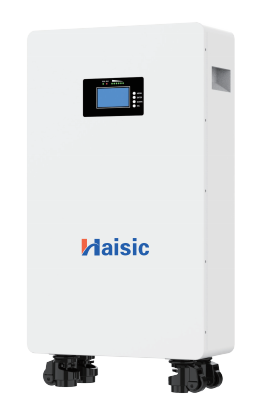
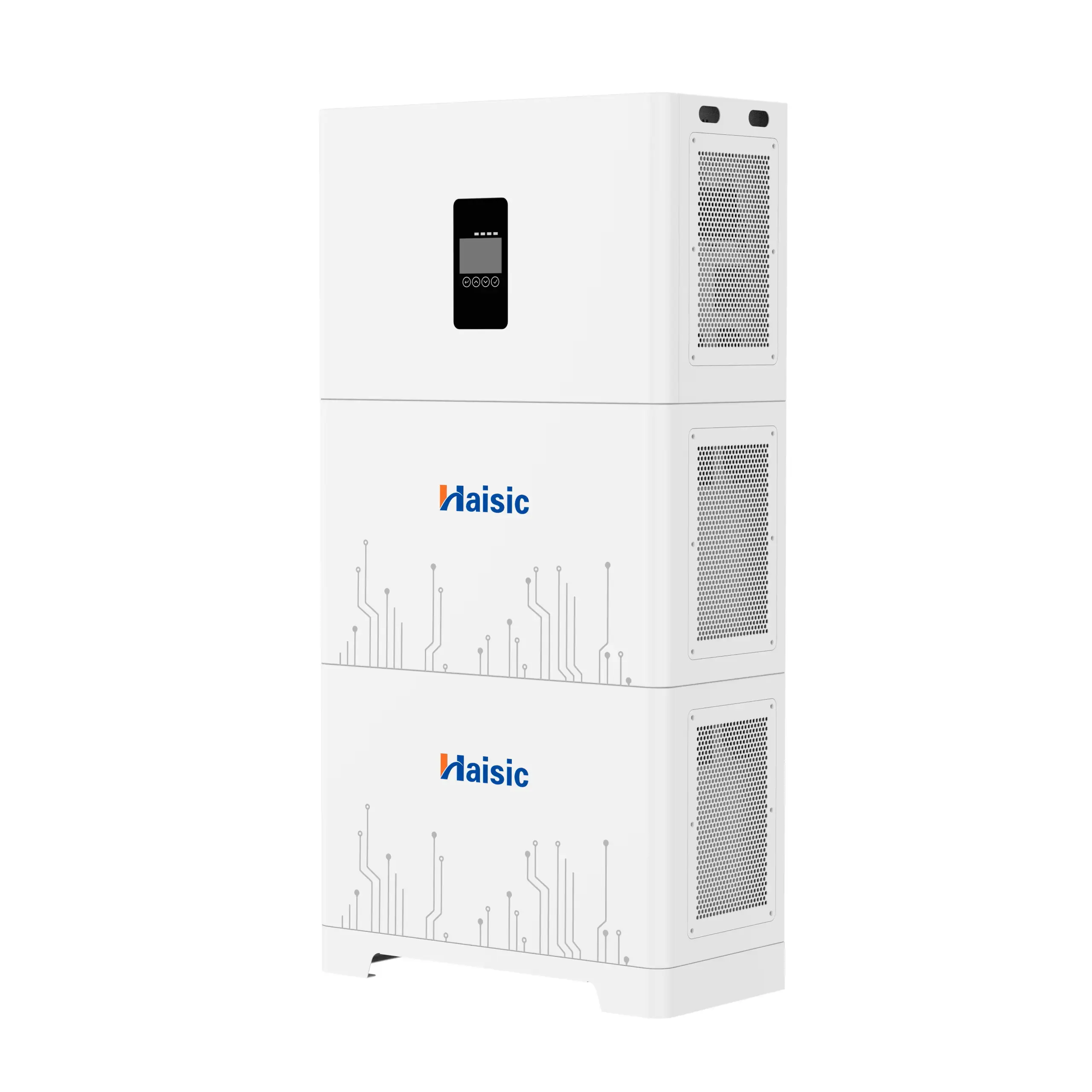
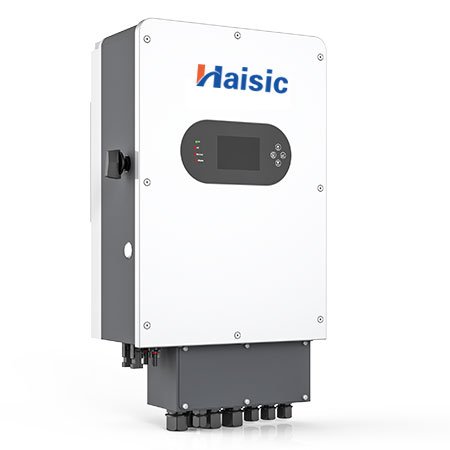
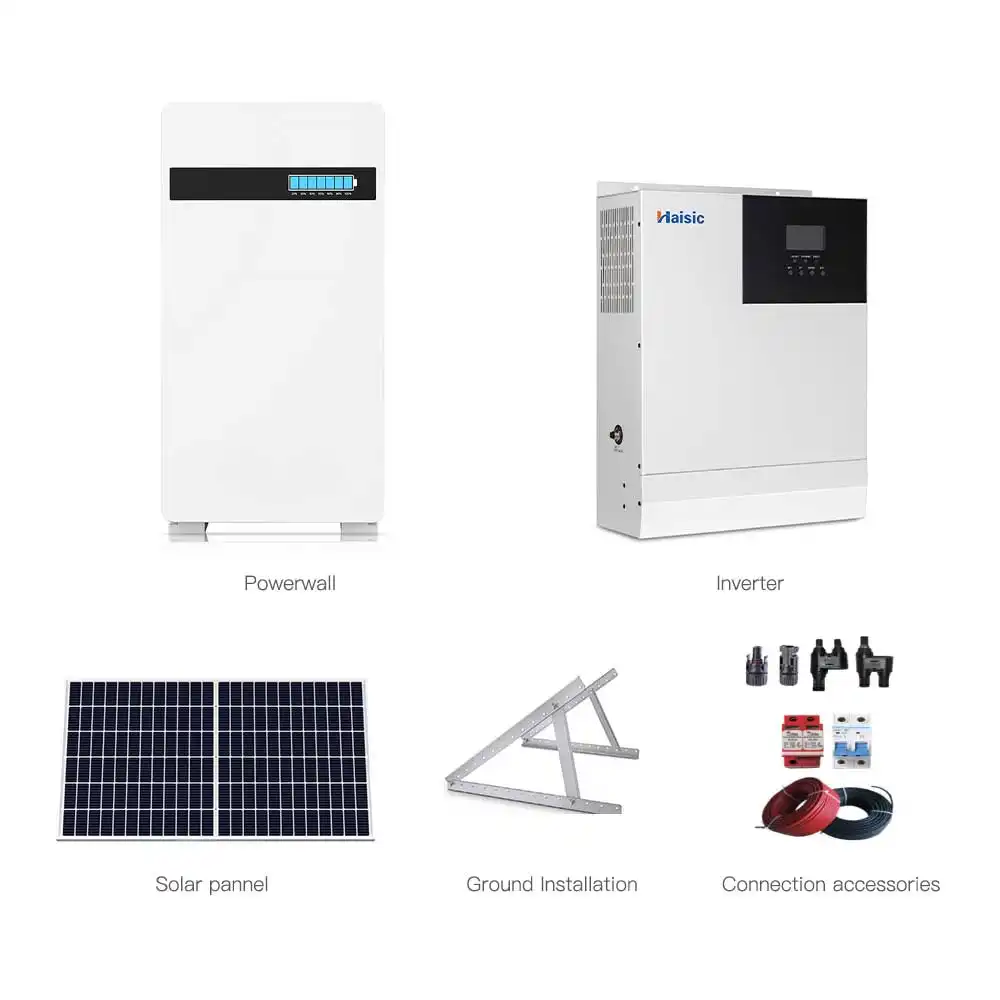

If you’re wondering “how much energy storage for a home?”, you’re not alone.
With rising electricity prices, more solar installs, and blackouts becoming normal in many regions, getting the right home battery size (in kWh) has gone from “nice-to-have” to absolutely essential.
Here’s the punchline most installers won’t tell you upfront:
For a typical modern home in 2025, you’re usually looking at 13–40 kWh of usable energy storage – not the smaller 5–10 kWh systems many ads push.
In this guide, we’ll show you:
- How to read your daily household energy consumption (kWh) in 2 minutes
- The exact difference between critical loads vs whole-house backup (and why that changes your battery size dramatically)
- A simple, practical way to calculate how many kWh to power your house for 1 day, several days, or full off-grid living
- Real-world examples of solar battery storage sizing from homes that actually run on lithium home batteries every day
By the end, you’ll know whether you need 10 kWh, 20 kWh, 30 kWh+, and what that means in cost, backup duration, and real-life comfort.
Step 1 – Understand Your Daily Energy Consumption
Before you ask “How much energy storage for a home?” you need one number: your real daily kWh usage. Everything else depends on it.
Average Daily kWh by Region (2026)
Use these rough 2026 averages as a starting point:
| Region | Typical Daily Use (kWh/day) | Notes |
|---|---|---|
| US | 25–35 kWh | Higher for all‑electric + EV homes |
| EU | 10–18 kWh | Smaller homes, more gas heating |
| AU | 18–30 kWh | High AC use, strong solar adoption |
These are averages. Your home can easily be half or double these numbers depending on size, climate, and lifestyle.
How Home Size and Lifestyle Change Daily kWh Needs
Two similar houses can use very different energy. What matters is how you live:
- Home size
- Small apartment: 5–10 kWh/day
- 1,200–1,800 sq ft house: 12–25 kWh/day
- 2,500–3,500 sq ft house: 25–45 kWh/day
- Fuel type
- Gas for heating/cooking/hot water → lower electric use
- All‑electric with heat pump + induction → much higher kWh
- Family and lifestyle
- Work from home, gaming PCs, always‑on electronics
- Lots of laundry, long hot showers, big fridges/freezers
- Home businesses (welding, woodworking, crypto mining)
If you’re running big appliances often, your daily kWh demand will jump fast—and your battery size must follow.
How to Read Your Utility Bill for Real Daily Usage
Skip the guesswork. Your utility bill already tells you exactly how many kWh you use.
Look for:
A line like: “kWh used this period”
Billing period dates: for example 30 days
Then calculate:
Daily kWh = Total kWh ÷ Number of days
Example:
- Bill shows 900 kWh for 30 days
- 900 ÷ 30 = 30 kWh/day average
That daily kWh number is your baseline for sizing a home battery storage system.
Using Smart Meters and Apps to Track Live Consumption
If you have a smart meter or home energy app, use it to see when you use power, not just how much.
Useful tools:
- Utility smart meter apps (hour‑by‑hour or 15‑minute data)
- Smart plugs for big devices (EV chargers, heaters, pool pumps)
- Whole‑home monitors (Sense, Emporia, etc.)
Track:
- Peak evening load (usually 5–10 pm)
- Overnight baseline (router, fridge, always‑on devices)
- High‑draw events (oven, dryer, EV charging kicking in)
This helps decide if you need a small backup battery for evenings, or a larger system to handle high loads.
Seasonal Swings: Summer vs Winter Use
Your daily kWh usage is not the same year‑round:
- Summer:
- Air conditioning and dehumidifiers can double daily usage
- A 20 kWh/day home can hit 35–40 kWh/day in heat waves
- Winter:
- Electric heating, heat pumps, and longer nights push up kWh
- Resistance heaters are especially power‑hungry
When sizing energy storage, decide:
- Do you size for average usage, or
- Do you size for worst‑case weeks (heat waves / cold snaps)?
Special Loads That Dramatically Change Battery Needs
Some appliances completely change how many kWh you need to power a house, especially during outages:
- Electric heating & resistance heaters
- Baseboard, space heaters, old electric furnaces
- Can draw 2–10 kW continuously – batteries drain fast
- Air conditioning
- Central AC: 2–5 kW while running
- Multiple split units? Multiply the impact
- EV charging
- Typical home charge: 7 kW for several hours
- One full EV charge can be 25–80 kWh all by itself
- Pools and spas
- Pumps: 0.5–2 kW for many hours a day
- Electric spa heaters are huge loads
- Well pumps, large tools, electric ovens, dryers
- High power, short bursts – can trip smaller battery inverters
For backup power, many homeowners choose to:
- Exclude these heavy loads from the battery, or
- Run them less often or at lower settings during outages
Knowing your true daily kWh and which loads you’re willing to shut off is the only honest way to choose the right home battery size.
Step 2 – Define Your Goal for Home Energy Storage
Before asking how much energy storage for a home, you need to be clear on why you want a home battery. Your goal decides the kWh size, cost, and system design.
Bill savings vs true backup power
Ask yourself:
- Bill savings only (no real backup focus):
- Goal: use a battery for time-of-use (TOU) arbitrage and peak shaving.
- Typical size: 5–10 kWh usable is often enough for many grid-tied homes to cover the expensive evening hours.
- True backup power (blackout protection):
- Goal: keep your home running when the grid fails.
- Typical size: 10–30+ kWh usable, depending on how much of the house you want to run and for how long.
If your main goal is TOU savings + light backup, a compact, integrated system like a 5 kW solar + 10–20 kWh home battery setup (similar to this 5 kW home solar energy storage system) usually hits the sweet spot.
Short outages vs 24-hour vs multi-day autonomy
Next, be honest about how bad your outages are:
- Short outages (1–4 hours):
- Focus: keep lights, Wi‑Fi, fridge, a few outlets running.
- Target: 5–10 kWh usable.
- Full 24-hour backup (once in a while):
- Focus: keep critical loads plus some comfort (fridge, some lighting, internet, maybe a small AC/heat source).
- Target: 10–20 kWh usable for an efficient, gas-heated home; 20–30 kWh for all-electric.
- Multi-day autonomy:
- Focus: storm-prone or weak-grid areas; want to ride out 2–3 days with limited generator use.
- Target: 30–60+ kWh usable, and usually paired with solar or a generator.
Partial backup vs whole-house backup
You don’t always need to back up everything:
- Partial backup (critical loads only):
- You power a critical loads subpanel:
- Fridge & freezer
- Lighting in key rooms
- Router/Wi‑Fi, phone chargers, laptop
- Gas boiler/furnace controls or small heat pump
- Maybe one small AC unit or fan
- Typical size: 10–15 kWh usable is enough for many homes for a full night or a full day of careful use.
- You power a critical loads subpanel:
- Whole-house backup:
- Includes oven, induction cooktop, central AC, dryer, pool pump, EV charger, etc.
- Typical size: 20–40+ kWh usable depending on home size and how “normal” you want life to feel during an outage.
If budget is tight, I always recommend: start with a critical loads system and choose modular, stackable batteries so you can expand later.
Grid-tied with solar vs fully off-grid
Your energy storage strategy changes a lot depending on your setup:
- Grid-tied with solar plus storage:
- Goal: bill savings + backup.
- Battery can recharge daily from solar, so you often need less total kWh than a fully off-grid design.
- Typical: 10–20 kWh usable plus a 5–10 kW solar array covers evening use and short-to-medium outages for many households.
- Fully off-grid:
- Goal: live independently from the grid year-round.
- You need enough battery to cover:
- Night-time use
- Cloudy days
- Typical: 40–80+ kWh usable, depending on climate, solar size, and how efficient your home is.
How your goal translates into target battery kWh
Here’s a simple way to line up goal → kWh size (usable capacity):
| Goal / Use Case | Typical Usable kWh Range |
|---|---|
| TOU bill savings, light backup only | 5–10 kWh |
| Critical loads for 1 night | 10–15 kWh |
| Critical loads for 24 hours | 15–20 kWh |
| Whole-home backup for 1 night | 20–30 kWh |
| Multi-day partial backup (with solar) | 30–60 kWh |
| Fully off-grid home | 40–80+ kWh |
Always remember: usable kWh is less than the battery’s nominal kWh. A 20,480 Wh (20.48 kWh) LFP home battery like this 20.48 kWh touchscreen home storage unit usually gives you around 18–19 kWh usable depending on settings and depth of discharge.
Common homeowner profiles and matching storage needs
To make it practical, here’s how I usually match homeowner type → battery size:
- Urban apartment, grid reliable, wants bill savings:
- 5–10 kWh usable
- Suburban family, gas heating, has solar, wants backup for blackouts:
- 10–20 kWh usable (partial or near-whole-home backup)
- All-electric home with heat pump, induction, no EV yet:
- 15–25 kWh usable for good resilience
- Large home, pool, multiple AC units, one EV:
- 25–40+ kWh usable if you want “life as normal” during outages
- Rural, outage-prone, maybe planning off-grid later:
- Start with 20–30 kWh usable but choose a stackable modular system so you can grow to 40–60+ kWh over time.
Once you’re clear on your main goal—bill savings, backup, or full independence—picking a realistic target kWh range becomes much easier, and you can size the rest of your residential energy storage system around that.
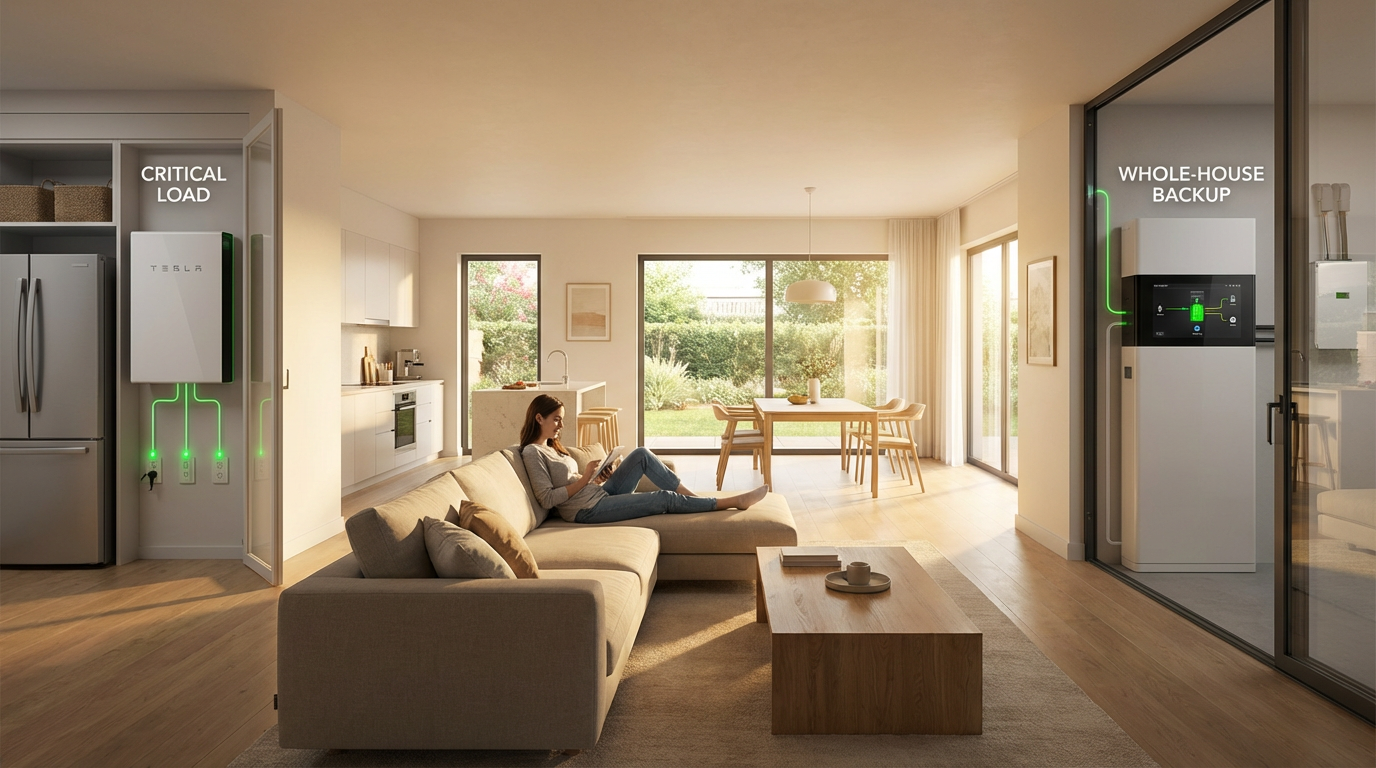
Critical Loads vs Whole-House Backup: How Much Energy Storage for a Home?
What are “critical loads” in a typical home?
When we size home battery storage, I always split loads into two buckets:
Critical loads (must stay on):
- Fridge/freezer
- Wi‑Fi/router and a few sockets for phone/laptop
- A few LED lights in key rooms
- Gas boiler or heat pump controls and circulation pump
- Medical devices (if any)
- Sump pump / well pump (where needed)
- Basic security system and garage door
Non‑critical / heavy loads (nice to have, but optional in an outage):
- Electric oven and dryer
- Electric water heater
- Central AC or large split ACs
- EV charger
- Pool pump, sauna, hot tub
- Workshop tools
A good home battery backup system almost always focuses on the first list first.
Daily kWh for critical loads only
Typical daily consumption just for critical loads:
- Small apartment: ~2–4 kWh/day
- Average gas-heated home: ~4–7 kWh/day
- Home with well pump / medical gear: ~6–10 kWh/day
For backup sizing, I normally assume 30–50% of your normal daily use is “critical”. So if your home uses 20 kWh/day, critical loads are often in the 6–10 kWh/day range.
Daily kWh for whole-house backup (including heavy appliances)
Whole‑house means you keep living almost normally. Numbers jump fast:
- Average single‑family home (mixed fuel): 20–30 kWh/day
- All‑electric with heat pump: 25–45 kWh/day
- Large home with pool + 2 AC units: 40–80+ kWh/day
- Add an EV doing daily charging: +8–20 kWh/day per car
This is why “how many kWh to power a house” is such a slippery question—your heavy appliances decide the answer.
Appliances that massively increase battery size
If any of these run during an outage, your home battery size calculator numbers can double or triple:
- Electric water heater: 3–5 kW draw, 6–12 kWh/day
- Electric dryer: 4–6 kW when on
- Central AC / large heat pump: 2–6 kW, heavy summer or winter use
- EV charger: 7–11 kW Level 2, 10–20+ kWh per full charge
- Pool pump / heater, hot tub: huge long‑run kWh use
Most people choose to shed or limit these loads during backup, even with a big residential battery storage system.
How to build a critical load subpanel
The clean way to do this is a critical load subpanel:
- List your must‑have circuits: fridge, router, key lights, boiler, etc.
- Have an electrician move those breakers into a dedicated subpanel.
- Connect your home battery inverter output to that subpanel.
- During an outage, only that subpanel stays powered by the battery.
This keeps your battery storage for home focused on what matters, and avoids a big AC or EV charger accidentally draining your system in an hour.
If you’re going for a compact wall unit like a 10kWh home battery system, a critical-load subpanel is almost mandatory for decent backup time. For example, a 10kWh wall‑mounted home energy storage unit is ideal here, because you can comfortably run essentials overnight without oversizing.
Choosing smaller critical backup vs whole-house backup
Here’s how I decide with customers:
Go “critical loads only” (smaller system, ~5–15 kWh usable) if:
- Your grid is reliable, outages are rare and short
- You mainly care about food, internet, lights, and heating controls
- You’re on a budget but still want serious resilience
Go “whole-house backup” (larger or modular, ~15–40+ kWh usable) if:
- You have frequent or multi‑day outages
- You want to keep most appliances running normally
- You have all‑electric heating or EVs and don’t want to change habits
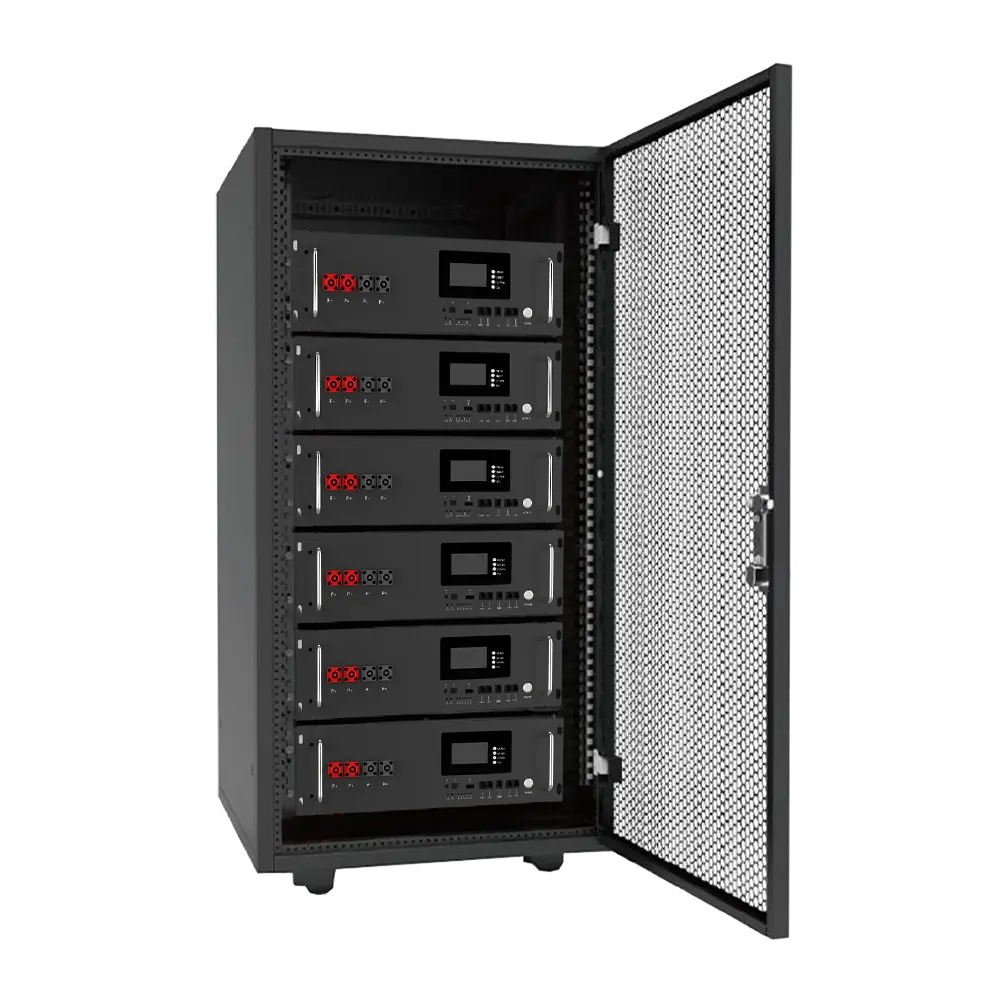
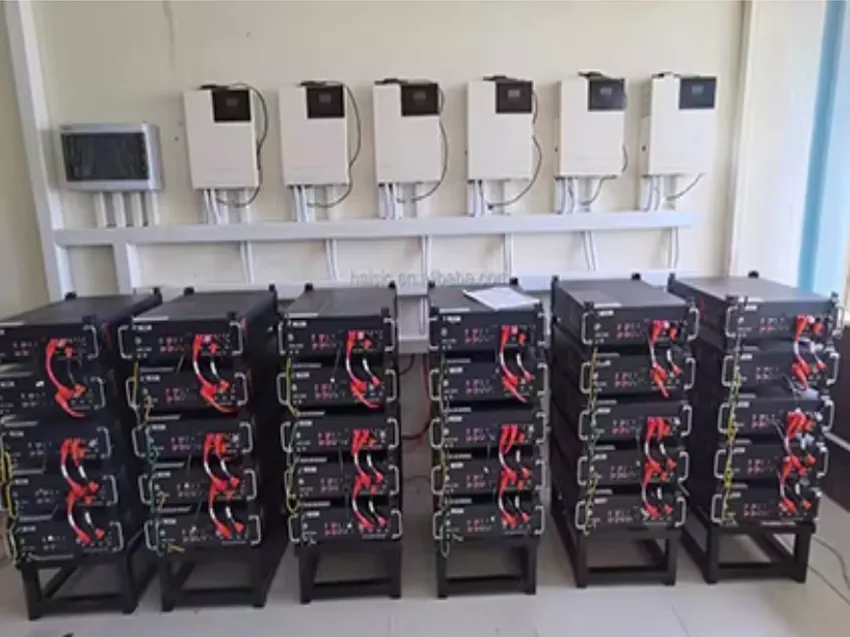
A stackable modular home battery (rack‑mounted or multi‑unit wall systems) is usually the smartest path in 2026: start with critical‑load capacity, then add more kWh later as you electrify more of your home or add EVs. A flexible system like a dedicated home lithium battery storage solution lets you grow from a “survival mode” setup to a near whole‑house backup over time, without ripping anything out.
Home Battery Sizing Calculator: How Much Energy Storage Do You Need?
You don’t need to be an engineer to size a home battery. If you know how many kWh you use per day and how long you want backup, you can get very close with a simple formula.
Key Inputs for a Home Battery Size Calculator
When I size residential battery storage, I always start with these four numbers:
- Daily kWh use (or critical-load kWh)
How much energy you want the battery to cover in 24 hours. - Backup hours or days
How long you want the battery to last during an outage. - Depth of Discharge (DoD)
The safe usable % of the battery (e.g. 90% for lithium iron phosphate). - System efficiency
Losses in inverter, wiring, and battery (usually 85–95%; I use 90% as a safe default).
Core formula in plain English:
Required battery (nominal kWh) =
(kWh you need × backup hours or days) ÷ (DoD × efficiency)
Example with typical values:
- DoD = 90% → 0.9
- Efficiency = 90% → 0.9
- Combined factor = 0.9 × 0.9 = 0.81
So:
Battery size (kWh) ≈ kWh needed ÷ 0.81
(Or just multiply by 1.25 as a shortcut.)
Step-by-Step Battery Sizing in Simple Terms
- Decide what you want to power
- Whole house, or just critical loads (fridge, lights, Wi‑Fi, some outlets)?
- Find your daily kWh
- From your bill or smart meter (e.g. 20 kWh/day, 30 kWh/day).
- Choose backup duration
- 8 hours, 24 hours, or multiple days (e.g. 2–3 days in outage‑prone areas).
- Pick reasonable DoD and efficiency
- Lithium home batteries: DoD = 90–95%; efficiency = 88–93%.
- I use 0.9 DoD and 0.9 efficiency to stay conservative.
- Run the numbers
- Multiply daily kWh by number of days/hours (scaled to 24h).
- Divide by 0.81 (or multiply by 1.25) to get required nominal kWh.
Worked Example: 1,500 sq ft Gas-Heated Home
Assumptions (typical US/EU suburban home):
- Gas heat, gas water heater, gas cooking
- Average electrical use: 18 kWh/day
- Goal: 24 hours of whole‑home backup
- DoD: 90% (0.9)
- Efficiency: 90% (0.9)
Step 1 – Daily need: 18 kWh
Step 2 – Backup time: 1 day → 18 kWh total
Step 3 – Apply DoD & efficiency:
18 kWh ÷ (0.9 × 0.9) = 18 ÷ 0.81 ≈ 22.2 kWh
Result:
- Ideal battery size: ~22 kWh nominal
- Practically: a 20–25 kWh home battery system covers this comfortably.
For example, stacking two ~10–12 kWh units (like a pair of 51.2V 100Ah 5.1kWh floor-mounted batteries) gets you right into this range.
Worked Example: 3,000 sq ft Mixed-Fuel Family Home
Assumptions:
- Gas furnace and water heater, electric appliances and AC
- Family of 4–5
- Daily use: 30 kWh/day
- Goal: 24 hours of whole‑home backup
- DoD: 90%; efficiency: 90%
Daily need: 30 kWh
30 ÷ 0.81 ≈ 37 kWh
Result:
- Target: 35–40 kWh nominal
- Real-world setup: three 10–15 kWh modules in a rack system.
A modular stack of higher‑capacity 51.2V 305Ah (~15.6 kWh) batteries is ideal here: 2–3 units can easily hit the 30–45 kWh sweet spot for a larger family home.
Worked Example: All-Electric Home + EV Charging
Assumptions:
- 2,200–2,800 sq ft, all‑electric (heat pump, induction cooktop, electric dryer)
- One EV charging mostly at night
- Daily house usage: 35 kWh/day
- EV charging: 10 kWh/night (light commuter use)
- Total daily: 45 kWh/day
- Goal: 24 hours of critical + comfort backup, not full EV refueling
- Let’s say you only want half EV usage backed up: 5 kWh
- Backup target: 40 kWh/day
- DoD: 90%; efficiency: 90%
40 ÷ 0.81 ≈ 49 kWh
Result:
- For decent comfort and partial EV coverage: 45–50 kWh nominal.
- For serious off‑grid‑style autonomy or heavy EV use, you’d go 60+ kWh, which usually means a modular, stackable system rather than a single unit.
Adjusting for Solar Production and Weather
If you have solar, you can shrink the battery slightly—but only if you’re realistic about cloudy days.
Rule of thumb with solar:
- On sunny days, your solar array:
- Runs daytime loads
- Recharges part or all of your battery
- On cloudy or stormy days, assume:
- 30–50% of normal solar output
- You might need the battery to bridge longer gaps
Simple approach:
Start with “no solar” battery size using the formula above.
If you have:
- Strong solar (e.g. 6–10 kW)
- Good sun hours for most of the year
- Few long outages
You can often shave 20–30% off the battery size and still be fine.
In outage‑prone or cloudy regions, don’t shrink the battery much:
- Maybe reduce by 10–15% max, or keep full size for multi-day backup peace of mind.
Quick Recap: How Big a Battery for Your Home?
- Multiply your daily kWh use by the days of backup you want.
- Divide by 0.81 (or multiply by 1.25) to size the nominal kWh battery.
- Add a bit more if:
- You’re in a cold, cloudy, or outage‑prone area
- You have heavy loads (heat pump, EV, pool, large AC)
Using this simple calculator logic keeps you out of the trap of under‑sizing (battery empties too fast) or overspending on way more storage than you’ll realistically use.
Real-World Home Energy Storage Examples
1. Typical Suburban Solar Home (Evening Backup Only)
Most suburban homes with solar and a 10–15 kWh home battery just want three things:
- Run lights, Wi‑Fi, fridge, a few plugs, maybe one small AC or heat pump
- Shift cheap daytime solar into the expensive evening peak
- Ride through short blackouts of 2–8 hours
What usually works:
- 8–12 kWh usable for small to mid homes with gas heating
- 13–20 kWh usable for larger homes or families that cook and work from home in the evening
What owners often say they would change:
- They wish they’d sized for one more room of AC in summer
- They underestimate how much cooking + TV + laundry pull in the 6–10pm window
A compact stackable lithium system from a specialist battery energy storage system company (for example solutions similar to those we build and ship globally) usually covers this use case with one or two modules.
2. Homes in Outage‑Prone Areas (Multi‑Day Backup)
If you live where storms, wildfires, or grid issues are common, the question isn’t “Can I make it through tonight?” but “Can I live normally for 2–3 days?”
Real‑world patterns:
- 20–30 kWh usable for partial backup (fridge, lights, internet, a few plugs, maybe a small mini‑split)
- 30–60 kWh usable for near‑normal life in bigger homes, especially with well pumps, multiple fridges/freezers, or medical gear
What works best:
- Pair oversized solar with at least 2–3 battery modules
- Add a small generator as a safety net for dark, stormy stretches
What people would change:
- Many regret sizing to “just survive one night” instead of 2–3 cloudy days
- Almost everyone wishes they’d built in easy expandability from day one
3. Off‑Grid Cabin or Rural Property
Off‑grid is a different world. Your battery is the grid.
Typical real‑world setups:
- Tiny cabin / weekend use: 5–10 kWh usable + small solar array
- Full‑time small home: 15–30 kWh usable
- Larger off‑grid house / homestead: 30–80+ kWh usable, often rack‑mounted
Key lessons:
- Design your loads around the battery, not the other way around
- Use efficient DC fridges, LED lighting, induction cooktops, and avoid electric resistance heating
- Many off‑grid owners start small, then double capacity once they experience their first bad weather week
A modular, rack‑style lithium iron phosphate home battery (similar in concept to what we offer on our best battery storage for solar guide) is usually the most flexible path.
4. Stacking Multiple Batteries to Hit Higher kWh
Once you pass 15–20 kWh, most people move to stackable modular home batteries instead of a single huge unit.
Real‑world setups:
- 2 × 10 kWh usable → ~20 kWh system
- 3 × 10 kWh usable → ~30 kWh system
- 4–6 modules → 40–60+ kWh for heavy users or off‑grid
What works:
- Stacking gives redundancy: if one module fails, the others still run
- Lets you start with one battery, add more later when budget or needs grow
What owners would change:
- Many wish they had picked a system with clean plug‑and‑play expansion, not one that needs a major re‑wire just to add a second battery.
5. What Actually Worked vs. What People Regret
Patterns across hundreds of installs and customer calls:
Undersized systems (very common):
- 5–7 kWh in a full‑size house → fine for lights + Wi‑Fi, useless for heating/cooling
- One 10 kWh battery in an all‑electric home with EV → drains in a few hours under real load
Oversized systems (less common but real):
- 30–40 kWh in a small, efficient home on a stable grid → expensive overkill, low cycle count, long payback
- People sized for “zombie apocalypse” but mostly use it for time‑of‑use arbitrage a few hours per day
What consistently works best:
- Right‑size for your actual daily kWh + outage pattern, not your worst‑case fantasy
- Use a critical loads subpanel for fridges, networking, a few outlets and one room of heating/cooling
- Choose modular, expandable storage so you can add kWh later instead of over‑buying up front
In short: real‑world winners are systems that cover core comfort and reliability first, then scale up only when the numbers and your lifestyle truly justify it.
Usable vs Nominal Battery Capacity at Home
Nominal kWh vs Usable kWh (What Really Matters)
When we talk about “how much energy storage for a home”, the number that actually matters is usable kWh, not the big nominal number on the spec sheet.
- Nominal capacity (kWh) = total energy the pack can hold on paper
- Usable capacity (kWh) = what the BMS lets you safely use every day
Example:
| Spec on brochure | Realistic usable |
|---|---|
| 10 kWh nominal | ~8–9 kWh usable |
| 15 kWh nominal | ~12–13.5 kWh |
| 20 kWh nominal | ~16–18 kWh |
Always size your home battery system off the usable figure.
Depth of Discharge (DoD) and Storage Sizing
Depth of discharge (DoD) = how much of the battery you’re allowed to drain.
- 100% DoD = you can use almost all capacity (not great for every chemistry)
- 80–90% DoD = common sweet spot for long life
- Lower DoD = longer cycle life, but more kWh needed
Formula in plain talk:
Required nominal kWh ≈
(Daily kWh you want covered ÷ DoD %) ÷ system efficiency
If you want 10 kWh usable, your battery has 90% DoD, and the system is 90% efficient:
10 ÷ 0.9 ÷ 0.9 ≈ 12.3 kWh nominal
LiFePO₄ vs Lead-Acid for Home Batteries
Lithium iron phosphate (LiFePO₄) is the clear winner for 2026 home storage:
| Feature | LiFePO₄ | Lead-acid (AGM/Flooded) |
|---|---|---|
| Typical DoD | 80–100% usable | 30–50% if you want long life |
| Cycle life | 4,000–6,000+ cycles | 500–1,500 cycles |
| Round-trip efficiency | ~93–97% | 75–85% |
| Maintenance | Virtually none | Can be high |
| Space/weight | Compact & light | Heavy & bulky |
For most homes, a stackable LiFePO₄ pack (like a wall or rack system) is the best choice for lifecycle cost and performance. For example, our 15kWh LiFePO₄ solar battery pack (51.2V 305Ah) is built specifically for high usable capacity and deep cycling over many years: 15kWh LiFePO₄ home solar battery pack.
Round-Trip Efficiency Losses
Your residential battery storage system always loses a bit of energy:
- Inverter conversion (DC ↔ AC)
- Battery chemistry losses
- Cables and wiring
Typical round-trip efficiency:
| System type | Realistic efficiency |
|---|---|
| Good LiFePO₄ + hybrid inverter | 90–95% |
| Lead-acid system | 75–85% |
So if you charge 10 kWh into the battery, you may only get 9–9.5 kWh out. This is why we always oversize slightly when planning whole house backup battery kWh.
How Much Extra Nominal kWh as Buffer?
To avoid running the battery too deep and to cover losses, add a sizing buffer:
- 10–20% extra for high-quality LiFePO₄ systems
- 20–30% extra where winters are harsh or outages are long
- More if you plan future EV charging or heat pump upgrades
Quick rule:
Take the usable kWh you think you need, then add 15–25% nominal on top as buffer.
Example:
Need 15 kWh usable → target 18–20 kWh nominal.
For smaller homes or tight spaces, a
How Many kWh of Energy Storage Do You Really Need?
Let’s keep this simple and real-world. Below are usable kWh ranges (not just “marketing” nominal kWh) that actually make sense for typical homes.
Small apartment – basic critical loads
Think: lights, Wi‑Fi, phone/laptop, fridge, maybe a small fan or TV.
- Typical daily use (critical only): 3–6 kWh
- Recommended battery storage:
- 5–7 kWh for short outages and basic backup
- 8–10 kWh if you want overnight backup and some comfort
- This size works well for renters or city apartments that just want blackout protection, not full luxury.
Average single-family home – solar + gas heating
Think: 3–4 bedroom home, gas furnace/water heater, solar on the roof, normal appliances.
- Typical daily use: 12–25 kWh (higher in summer with AC)
- Recommended battery storage:
- 10–13.5 kWh for evening solar self-use + short outages
- 15–20 kWh if you want most of the home backed up all night
- For many families, a single 10–15 kWh home battery system is the sweet spot for bill savings + backup.
All‑electric home – heat pump + induction cooking
Here, everything runs on electricity: space heating/cooling, water heating, cooking, dryer.
- Typical daily use: 25–45+ kWh (can spike in cold climates)
- Recommended battery storage:
- 15–20 kWh for comfort-focused backup and time-of-use savings
- 20–30 kWh if you want real whole‑home backup through long winter nights
- In this case, going for a stackable, modular 20–30 kWh system is usually smarter than a single small unit. A good example is a high-voltage stacked 30kWh battery system that you can grow over time.
Large luxury home – pool + multiple AC units
Think: big house, 2–3 (or more) AC units, pool pump, maybe home theater and loads of always‑on devices.
- Typical daily use: 40–80+ kWh
- Recommended battery storage:
- 25–40 kWh for solid backup of main areas + essentials
- 40–60+ kWh if you expect near full lifestyle during outages
- Here, modular, rack‑based storage is usually the only sane path. One big fixed unit will rarely cover this level of load flexibility.
Homes with one or more EVs charging at night
EV charging is the wildcard that blows up battery needs if you try to cover it fully from storage.
- EV daily use:
- Light commuter: 5–10 kWh per day
- Heavy driver or multiple EVs: 15–30+ kWh per day
- Recommended battery strategy:
- Don’t size the battery just to charge EVs; charge EVs mostly from solar + grid
- 15–25 kWh works well for home loads + some EV top‑ups during outages
- 25–40 kWh if you want to keep one EV usable during multi-day blackouts
- For heavy EV households considering partial off‑grid, look at robust off‑grid solar power systems around 10kW with sizeable battery banks like a 10kW off-grid solar system with storage and scale battery capacity from there.
Quick cheat sheet – kWh ranges by scenario
| Home scenario | Usable battery kWh (typical) | Usable battery kWh (backup-focused) |
|---|---|---|
| Small apartment, critical loads only | 5–7 kWh | 8–10 kWh |
| Avg home, solar + gas heating | 10–13.5 kWh | 15–20 kWh |
| All‑electric home (heat pump + induction) | 15–20 kWh | 20–30 kWh |
| Large luxury home (pool, multi‑AC) | 25–35 kWh | 40–60+ kWh |
| Home with 1 EV (normal driving) | 15–20 kWh | 20–30 kWh |
| Home with 2+ EVs or very high usage | 20–30 kWh | 30–50+ kWh |
Use this table as a starting point, then fine-tune based on:
- Your real daily kWh from the utility bill
- Whether you want bill savings only or serious backup
- Climate (hot summers / cold winters push you toward the higher end of each range)
Future-Proofing Your Home Energy Storage Size
If you’re buying home energy storage in 2026, you should size it for where your home is going, not where it is today. I always push people to think 5–10 years ahead.
Plan for EVs You Don’t Own Yet
Even one EV can blow up your energy profile:
- Typical daily EV charge: 8–20 kWh/day depending on commute
- Two EVs: easily 15–40 kWh/day extra
If you expect to add an EV soon, I’d oversize your battery by at least 5–15 kWh from what you “need” today, or choose a modular system that can stack more capacity later, like a stackable home energy storage system that grows with your fleet.
Switching Gas to Electric = Higher kWh
As you electrify:
- Gas stove → induction: +1–3 kWh/day (heavy cooking)
- Gas water heater → electric/heat pump: +3–10 kWh/day
- Gas dryer → electric: +1–4 kWh/day
If your plan is “all-electric” over time, bump your storage target by 30–60% versus your current usage.
Heat Pumps and Winter Loads
Heat pumps are efficient, but they still shift a lot of winter energy onto electricity:
- Cold climates: winter usage can jump 50–100%
- Mild climates: more modest, maybe 20–40%
When sizing storage for a heat pump home, size for your worst winter week, not your mild shoulder season.
Smart Homes and Always-On Loads
Every “smart” device adds to your background draw:
- Routers, cameras, hubs, servers, smart plugs
- Aquariums, NAS drives, home offices
Most homes now sit at 100–400 W 24/7. Over a day, that’s 2.4–9.6 kWh just in always-on loads. Your battery needs to comfortably cover that baseline before you even think about big appliances.
Climate and Extreme Weather
Global customers are dealing with:
- Longer heat waves → more AC runtime
- More storms and grid outages
- Colder snaps in some regions
If you’re in an outage-prone or extreme-weather area, lean toward multi-day backup sizing (e.g., 2–3× your normal daily kWh) instead of a bare-minimum overnight system.
Why Modular, Expandable Systems Win in 2026
Locking into a fixed-size battery is risky. Your life will change; your load will grow. That’s why I prefer:
- Modular lithium battery systems you can expand from ~10 kWh today to 20–40 kWh later
- Wall-mounted units like a 10 kWh Powerwall-style battery that can be paralleled as your needs grow, such as this 51.2V home Powerwall energy storage.
My rule:
- If you’re unsure, start with a solid core (10–15 kWh) on a modular platform, then add more kWh once the EVs, heat pump, or new loads actually arrive.
Home Battery Cost vs Capacity in 2026
Typical cost per usable kWh
In 2026, good-quality lithium home batteries (LFP) usually land around:
- $400–$700 per usable kWh for the battery itself
- $700–$1,200 per usable kWh installed (including inverter, labor, wiring, permits)
Cheaper systems often cut corners on cycle life, safety, or support. I focus on usable kWh, not just the “headline” kWh number.
Price tiers: 10kWh, 20kWh, 30kWh+
Typical installed price ranges (global averages, before incentives):
10kWh home battery system:
- ~$7,000–$12,000 installed
- Good for small homes or basic backup
20kWh home battery system:
- ~$12,000–$20,000 installed
- Sweet spot for many single‑family homes
30kWh+ stackable systems:
- ~$18,000–$30,000+ installed
- For large homes, multi‑day backup, or off‑grid
- Stackable systems like a high‑volt stacked 20kWh unit can be combined to reach 40–60kWh without redesigning the whole setup:
high‑volt stacked 20kWh residential systems
Battery‑only packs (no inverter, no labor) can be much cheaper per kWh, especially rack‑mount 5kWh modules that can be built up over time.
Installed cost vs battery‑only
You pay for more than the battery:
- Battery pack only: cells + BMS, ~40–60% of total cost
- Inverter/charger + gateway: 20–30%
- Labor, design, permits, wiring, protection gear: 20–30%
If you already have a compatible hybrid inverter, you can buy battery‑only modules (for example, 51.2V 5kWh wall‑mounted LFP) and keep your installed cost per kWh lower.
Incentives and payback
In many markets (US, EU, AU):
- Solar + battery can qualify for federal tax credits or VAT reductions
- Some programs pay you for exporting stored energy at peak times
- Incentives can shave 20–40% off upfront price, cutting payback by several years
Rough payback drivers:
- High time‑of‑use rates (cheap off‑peak, expensive peak)
- Frequent outages where backup has real value
- Good solar resource so you’re charging “for free”
Comparing to grid electricity
Rule of thumb:
- If your all‑in cost to store and discharge power is $0.20–$0.35/kWh and your peak grid rate is $0.30–$0.60+/kWh, storage starts to make economic sense.
- In places with cheap, flat electricity prices, batteries are more about resilience and independence than pure ROI.
Balancing budget, autonomy and ROI
To size cost vs capacity realistically:
- On a tight budget
- Aim for 10–15kWh, focus on critical loads, maximize incentives.
- Balanced approach
- Go 15–25kWh to cover 1–2 days of essential use and strong bill savings.
- Maximum autonomy / outage‑prone areas
- 30kWh+ modular system sized to your daily kWh use and solar; cost is higher, but so is resilience and comfort.
I always design around usable kWh, local electricity prices, and realistic outage risk, not just chasing the biggest possible battery.
Choosing Between 10kWh, 15kWh and Modular Home Batteries
Figuring out how much energy storage for a home usually comes down to three buckets: a single 10–13.5kWh unit, a 15–20kWh setup, or a larger modular system you can grow over time.
When a single 10–13.5kWh battery is enough
A 10–13.5kWh home battery size works well if:
- You live in a small apartment or efficient home with gas heating and gas hot water
- You mainly want evening self-consumption (use your solar at night instead of the grid)
- You just need short backup: Wi‑Fi, fridge, lights, a few plugs for 6–10 hours
- Your daily household energy consumption (kWh) is under ~15–20kWh
In these cases, a compact 10kWh home battery system keeps costs down while still giving you solid protection from short outages and high time-of-use rates.
When 15–20kWh is the sweet spot
A 15–20kWh home battery is usually the “just right” zone for:
- Average single-family homes (US, EU, AU) with solar and gas heating
- Families who want overnight backup for critical loads plus a few comforts
- Homes with one EV that only needs a light top-up from the battery in emergencies
- People using time-of-use rates + peak shaving to cut power bills
In real life, 15–20kWh often covers one full night of critical loads and a lot of typical evening use, without jumping to the high cost of large off-grid style banks.
When to skip small units and go modular
You should avoid small fixed systems and go stackable modular home batteries if:
- You’re planning multi-day home backup power (outage-prone or remote areas)
- Your home is all-electric (heat pump, electric water heating, induction, dryer)
- You own or plan one or more EVs and want serious backup for charging
- You expect to electrify gas appliances or add a heat pump in the next 3–5 years
In these cases, jumping straight to a modular residential battery storage system (for example 20–40kWh usable, expandable later) saves you from ripping out a too-small system later.
One big battery vs multiple smaller ones
One big battery – pros:
- Cleaner install, less wiring, less wall space
- Often cheaper per kWh at higher capacities
- Simpler monitoring and control
One big battery – cons:
- If it fails, everything is down
- Harder to partially upgrade later
Multiple smaller batteries – pros:
- Redundancy: if one unit fails, others keep running
- Easy to scale capacity as your needs grow
- Flexible placement around the home
Multiple smaller batteries – cons:
- Slightly higher install complexity
- More components to manage
For most larger homes, I prefer modular, stackable systems because they track your lifestyle changes over time.
Wall-mounted vs rack-mounted storage
Both work, but they suit different homes:
Wall-mounted lithium battery
- Good for tight urban homes and garages
- Cleaner look, great for 10–20kWh sizes
- Quick installation, ideal for standard grid-tied solar with storage
Rack-mounted home battery bank
- Better for 20kWh+ systems and off-grid setups
- Easier to expand by adding more modules
- Ideal for technical spaces: utility rooms, basements, equipment sheds
If you’re looking at a system you might grow over time, a rack-mounted modular stack is usually the smarter backbone. You can see examples of scalable residential setups in our home energy storage solutions.
How to leave room for easy future expansion
If you care about future-proofing, design your system like this from day one:
- Oversize the inverter a bit (for example, install a 10kW inverter even if you start with 10kWh of storage)
- Choose a battery brand/platform that supports stacking more units later
- Make sure your installer leaves electrical and physical space for extra batteries
- Have the electrician plan a critical load subpanel sized for future all-electric appliances
- Use monitoring tools and apps to track your real daily kWh use, then add capacity as needed
If you’re not sure where to land between 10kWh, 15–20kWh, or a larger modular bank, it’s often easiest to share your daily kWh use, solar size, and backup goals so we can size a system and quote options through our consultation and quote request page.
Home Energy Storage FAQs
Can 10kWh power a home overnight?
It depends on how you use power:
- Small apartment / very efficient home: Yes, 10kWh can usually run lights, Wi‑Fi, fridge, a TV, and a few plugs all night.
- Average single‑family home: 10kWh is often enough for critical loads only, not full whole‑house overnight.
- All‑electric homes: With electric heating or heavy AC, 10kWh usually isn’t enough unless you cut usage hard.
Rule of thumb: if your daily use is under 12–15kWh, a 10kWh battery can comfortably cover an overnight window.
How long does 20kWh last in a typical blackout?
Assuming ~90% usable and normal behavior:
- Critical loads only (5–7kWh/day): ~2–3 days
- Average home (10–15kWh/day): ~1–1.5 days
- All‑electric with heat pump (20–30kWh/day): ~8–18 hours
If you pair 20kWh of storage with solar, you can often stretch backup across multiple days, especially if you avoid running big loads at night.
Is 5kWh ever enough for a whole house?
For most houses, no. But 5kWh can make sense if:
- You live in a small, efficient apartment
- You only need a few hours of basic backup: lights, Wi‑Fi, phone charging, a small fan, and maybe a small fridge
- You just want bill savings / peak shaving, not real backup
For proper whole‑house backup, I’d only treat 5kWh as a “bonus buffer”, not the main system.
How much storage do you need if you already have solar?
Solar cuts your grid use, but batteries cover when the sun isn’t out. Rough guide:
- Daytime‑heavy usage (home office, AC in daytime): 5–10kWh is often enough for bill savings and short backup
- Evening‑heavy usage (cooking, TV, EV at night): 10–20kWh is common for real value
- Outage‑prone areas: 20–30kWh+ if you want multi‑day resilience with solar recharging during the day
A modular system (for example, combining multiple stackable 9.5kWh LiFePO₄ “Powerwall” units) lets you start small and add capacity as you watch real usage.
Do you still need a generator with a home battery?
It depends on your risk tolerance:
- Urban / stable grid: Battery + solar is usually enough, no generator needed
- Rural / frequent long outages (3+ days): A small generator plus battery is a strong combo
- Off‑grid: I strongly recommend a backup generator to cover long cloudy periods or winter peaks
Many homeowners now use the battery to cover short/medium outages, and a small, efficient generator only for rare, long emergencies.
How often do home batteries cycle and how long do they last?
Typical patterns:
- Daily cycling for bill savings: ~250–365 full cycles per year
- Mostly for backup: Often under 50 cycles per year
Modern lithium iron phosphate (LiFePO₄) systems are usually rated for 4,000–6,000 cycles, which translates to:
- Daily cycling: ~10–15+ years to ~70–80% of original capacity
- Backup‑only use: They often age out on calendar life (10–15 years) before cycles are the limit
Choose a high‑cycle LiFePO₄ battery and size it so you aren’t draining it to 0% every night. Even something like our compact 3.5kWh low‑voltage module can be stacked to stay in a comfortable depth of discharge range and extend lifespan.