












Tired of watching your solar power disappear the moment the sun goes down… and wondering if there’s a safer, longer‑lasting alternative to home batteries?
You’re not alone. More and more homeowners are looking at flywheel energy storage for home use as a way to get rock‑solid backup power without the fire risk, chemical aging, and constant replacements that come with traditional batteries.
In this guide, you’ll see how a flywheel energy storage system actually works in a house, where it beats conventional lithium‑ion home storage, what it really costs, and when it makes sense to pair a flywheel with a high‑performance solar battery pack for true energy independence.
If you want a clear, no‑fluff look at whether flywheel energy storage at home is worth it—and how it can fit into your own solar setup—keep reading.
The Fundamentals of Flywheel Energy Storage for Home Use
How Home Flywheel Energy Storage Works
If you’ve heard of a “flywheel battery for home” and wondered what it actually does, here’s the simple version:
A home flywheel energy storage system stores electricity as spinning motion instead of chemical energy (like lithium‑ion batteries).
- When you have extra power (from solar or the grid), the flywheel spins faster.
- When your home needs power, the system slows the flywheel down and turns that motion back into electricity.
Think of it as a very fast, very efficient electric spinning top that charges and discharges many times a day without wearing out.
Main Parts of a Home Flywheel System
A typical residential flywheel energy storage setup includes four core components:
Rotor (Flywheel Disc or Drum)
- Heavy, precisely balanced spinning mass
- Often made of high‑strength steel or composite material
- Stores energy as kinetic energy (speed of rotation)
Motor/Generator Unit
- Acts as a motor to spin the rotor when charging
- Acts as a generator to produce electricity when discharging
- Connects directly to your home’s inverter or power electronics
Housing and Enclosure
- Vacuum‑sealed flywheel enclosure reduces air friction and energy loss
- Often includes magnetic bearings to minimize physical contact and wear
- Strong containment shell for safety in case of a mechanical fault
- Configurations: garage‑mounted flywheel storage, concrete pad in the yard, or dedicated utility closet
Controller and Power Electronics
- Smart controller that talks to your solar inverter, home energy management system, and the grid
- Handles charging, discharging, and grid‑sync in real time
- Monitors speed, temperature, and safety conditions 24/7
Charging From Solar Panels or the Grid
In a home flywheel solar energy storage setup, charging is automatic and seamless:
With solar panels
- During the day, extra solar power (that your home isn’t using) flows to the flywheel
- The motor speeds up the rotor, storing energy as rotational motion
- No fuel, no chemicals — just controlled spinning
From the grid
- Charges during off‑peak hours when electricity is cheaper
- Can act as home backup power flywheel when the grid fails
- Ideal for homes with time‑of‑use tariffs and high evening rates
You don’t manage any of this manually. The home energy storage flywheel controller decides when to charge or coast based on your settings and tariffs.
Converting Kinetic Energy Back to Home Electricity
When you turn on a big appliance or lose grid power, the system responds instantly:
- The controller tells the flywheel to discharge
- The rotor slows down slightly, but remains spinning
- The motor now acts as a generator, converting motion back into AC power
- Your home sees stable voltage and frequency, just like grid power
This is why a flywheel UPS for residential use is so strong at handling:
- Sudden start‑up loads (AC compressors, pumps, EV chargers)
- Very fast power quality events (brownouts, short outages, flickers)
Typical Performance for Home Flywheel Systems
Exact numbers vary by brand and configuration, but for home kinetic energy storage, these are common ranges:
Power Output (kW)
- Small systems: 3–5 kW (small homes, essential loads)
- Mid‑sized: 5–15 kW (typical grid‑tied solar homes)
- Larger residential / small commercial: 15–30+ kW (estates, home microgrids)
Energy Capacity (kWh)
- Usually short‑ to medium‑duration storage:
- ~3–10 kWh for basic backup and load smoothing
- ~10–30 kWh for more serious home microgrid flywheel integration
- Ideal for minutes to a few hours, not multi‑day storage
- Usually short‑ to medium‑duration storage:
Round‑Trip Efficiency
- Modern residential flywheel systems: typically 85–95%
- Higher at frequent shallow cycling; slightly lower at long idle times
Cycle Life
- Ultra‑high cycle life home energy storage
- Often >100,000 full cycles, and effectively millions of partial cycles
- Performance loss over time is minimal compared to lithium‑ion
This makes flywheel energy storage for home especially attractive if you:
- Cycle your storage many times each day
- Need safe, non‑chemical home energy backup
- Want a mechanical energy storage for houses that can last decades with very low degradation
In short, a flywheel for home energy storage is a robust, high‑power, high‑cycle system that converts your solar or grid electricity into kinetic energy and back—quietly, safely, and with very low wear.
Key Benefits of Flywheel Energy Storage Home Systems
High Power Output for Real Household Loads
A home flywheel energy storage system reacts fast and hits hard loads with ease.
It’s ideal for:
- AC compressors starting up
- Fridges, pumps, and power tools
- Short, sharp spikes from EV chargers
Unlike many lithium systems that “throttle” peak current, a flywheel can deliver very high power for short bursts, keeping lights stable and avoiding nuisance trips.
Long Lifespan & Ultra‑High Cycle Life
Flywheel home energy storage is built for constant cycling:
- Typical cycle life: 100,000+ cycles (far beyond most home batteries)
- No deep‑cycle penalties, no memory effect
- Performance barely changes after years of daily use
If you’re charging/discharging multiple times a day (solar self‑use, smart tariffs), a flywheel gives decade‑level reliability without worrying about battery fade.
Low Maintenance & Strong Safety Profile
With no liquid electrolyte and no thermal runaway risk, a residential flywheel energy storage unit is inherently safer than many chemical options.
Key points:
- Few moving parts, sealed enclosure
- No venting, no off‑gassing, no fuel
- Minimal routine checks (mainly firmware and bearings, often monitored remotely)
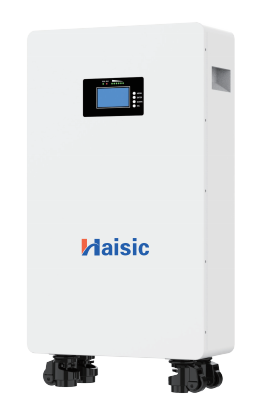
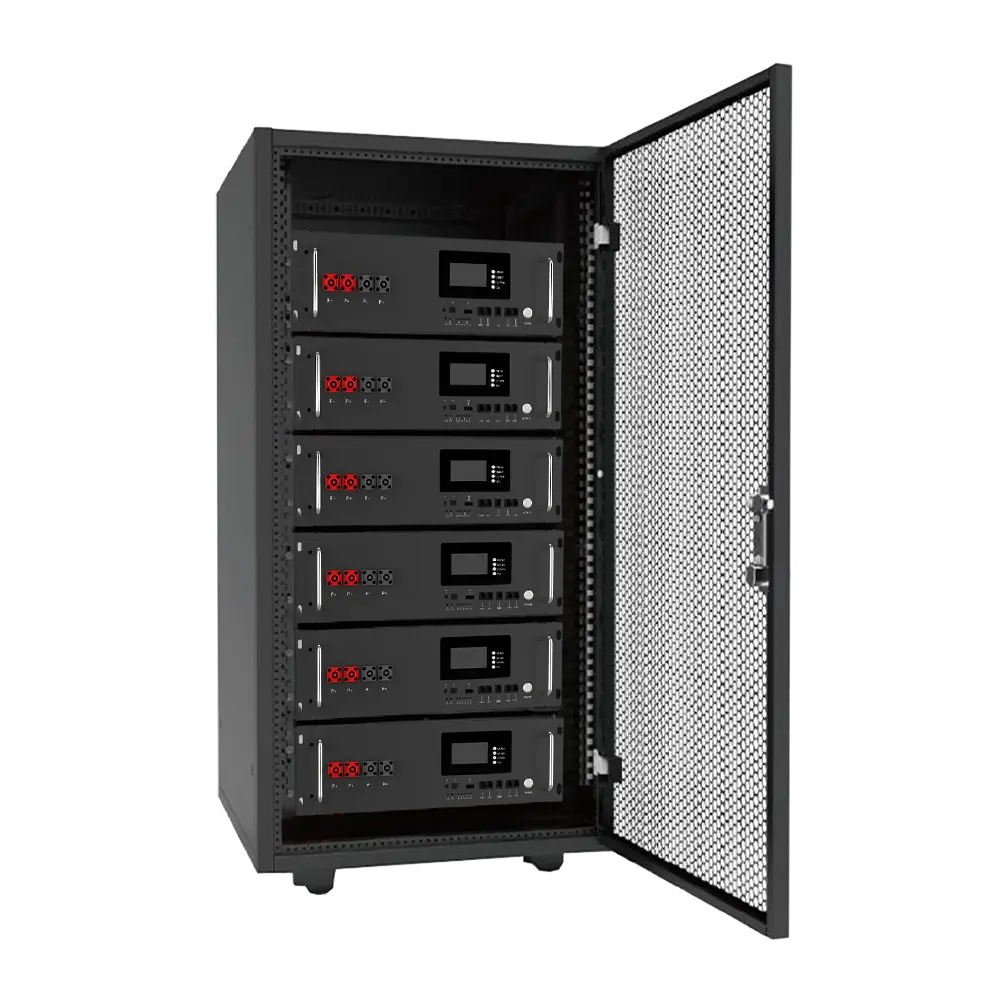
For many homeowners, it’s a “fit‑and‑forget” backup – especially when paired with a stable battery pack like a touchscreen 20.48 kWh home energy storage battery.
Environmental Benefits & Recyclability
Flywheel storage is mostly steel, composites, and electronics:
- Very low use of rare or conflict minerals
- High recyclability at end of life
- No toxic liquid electrolyte to handle
For eco‑focused households, a flywheel is a clean mechanical energy storage option that pairs well with solar and other low‑carbon systems.
Practical Perks: Footprint, Noise, Placement
Modern flywheel energy storage for home use is compact and quiet enough for normal living spaces:
| Factor | What to Expect |
|---|---|
| Footprint | Similar to a tall appliance or slim battery cabinet |
| Noise | Low hum; often < a fridge when properly installed |
| Placement | Garage, utility room, basement, or outdoor enclosure |
For tight homes and urban installs, a garage‑mounted flywheel storage unit or wall‑adjacent outdoor unit keeps things simple and out of the way, while a compact battery like a 5 kW power energy storage solar system for home can handle longer‑duration needs.
Limitations of Flywheel Energy Storage Home Systems
Short- to Medium-Duration Only
A flywheel energy storage home setup is best for minutes to a few hours, not for running your house all day. It’s great for:
- Smoothing solar dips (clouds, sudden loads)
- Handling short grid outages
But if you want overnight or multi‑day backup, you still need a battery bank or the grid.
Not a Full Replacement for Home Battery Storage
A flywheel home energy storage system gives you high power, not huge energy capacity. That means:
- Perfect for sharp peaks (AC startup, pumps, EV chargers kicking on)
- Not ideal as your only storage for long, slow energy use (lighting, fridges all night)
Most homes that want grid independence pair flywheels with a lithium battery system like a 10 kWh wall‑mounted home storage unit for longer duration.
Upfront Hardware and Installation Costs
Compared to a standard “flywheel battery for home” marketing line, the reality is:
- Higher upfront cost per kWh than many lithium‑ion options
- You pay for precision: vacuum enclosure, bearings, controls, safety housing
- Extra cost for engineering, concrete base, and electrical integration
This can still make sense if you cycle it hard every day and value ultra‑high cycle life.
Safety, Siting, and Permits
A residential flywheel energy storage unit spins at very high speed, so:
- It usually needs dedicated space (garage corner, outdoor pad, utility room)
- Structural base and safe standoff distance from bedrooms/living areas
- Local rules may require engineering sign‑off, noise checks, and permits
Done right, it’s a safe non‑chemical home energy backup, but it can’t just be dropped anywhere like a small battery box.
When a Flywheel Fits Your Home Energy Pattern
A home flywheel energy storage system makes sense if you:
- Have solar and care most about handling short peaks and grid flickers
- Run large motors or EV chargers that cause big, fast power swings
- Want high cycle life and low maintenance over 10–20+ years
- Are okay pairing it with lithium storage (for example, a 51.2V floor‑mounted home battery) to cover long-duration needs
If your main goal is all‑night backup or cheapest kWh storage, a traditional home battery system alone will usually be the better primary choice, with flywheel storage as a targeted add‑on for power quality and resilience.
Flywheel Energy Storage vs Home Battery Systems

When people compare flywheel energy storage for home with lithium‑ion batteries, they’re really asking two things: “What’s more reliable long‑term?” and “What gives me better value per kWh over 10–20 years?” Let’s break it down fast.
Flywheel vs Lithium‑Ion: Quick Comparison
| Feature | Flywheel energy storage home | Lithium‑ion home battery |
|---|---|---|
| Main storage type | Mechanical (spinning mass) | Chemical (electrochemical cells) |
| Typical power response | Very high, instant | High, but slightly slower than flywheels |
| Typical round‑trip efficiency | ~85–92% | ~90–95% |
| Cycle life | 100,000+ cycles (often unlimited daily cycling) | 3,000–8,000 cycles (depends on quality) |
| Degradation over time | Very low | Gradual capacity loss every year |
| Best duration range | Seconds to a few hours | Hours to a day+ |
| Maintenance | Low, mechanical checks | Low–medium, firmware + cell monitoring |
| Safety | No flammable electrolyte, strong housing | Very safe if well‑designed BMS; still chemical risk |
| Typical home use today | High‑power peaks, backup, microgrids | Main home storage, solar self‑use, backup |
If you mainly want energy capacity for long evening use, lithium‑ion still wins. If you care most about power, instant response, and ultra‑long life, a home flywheel energy storage system is hard to beat.
For homeowners focusing on batteries first, I usually point them to a robust home lithium battery storage system and then layer flywheels on top if their usage pattern justifies it.
Efficiency, Cycle Life & Real‑World Reliability
Efficiency
- Flywheels: Strong at short‑duration cycling; minor self‑discharge over hours due to bearings, vacuum system.
- Lithium‑ion: Very good round‑trip efficiency, but you lose capacity over years and with deep cycles.
Cycle Life & Degradation
- Flywheels: Designed for constant cycling (grid support, EV fast‑charge buffering). 10+ years of heavy use with almost no capacity fade.
- Lithium‑ion: High‑quality packs can last 10–15 years, but you’ll see:
- Reduced usable capacity
- Stricter depth‑of‑discharge limits over time
Real‑World Reliability
- Flywheel home energy storage:
- Fewer failure modes (no electrolyte, no gas venting)
- Still need proper enclosure and professional installation
- Home batteries:
- Very mature tech, widely deployed
- The real‑world reliability hinges on cell quality, BMS, and installation
Cost per kWh & Total Cost of Ownership
Upfront, flywheel energy storage at home is usually more expensive per kWh of capacity than lithium‑ion. But the story changes when you look at total lifetime throughput.
Rough idea (varies by country, brand, and scale):
| Metric | Flywheel for home energy storage | Lithium‑ion home battery |
|---|---|---|
| Upfront cost per kWh (installed) | Higher | Lower to medium |
| Lifetime kWh throughput | Very high (high cycles per day) | Medium–high |
| Cost per lifetime kWh | Competitive for high‑cycling use | Strong for “1–2 cycles per day” use |
| Best value scenario | Many short cycles, frequent peaks | Daily solar shifting, evening usage |
If your home cycles storage multiple times a day (solar + EV + time‑of‑use arbitrage), flywheels can be financially attractive over 10–20 years, even with a higher flywheel energy storage home price upfront.
Best Use Cases: Flywheels, Batteries & Pumped Hydro
Flywheel energy storage for home works best when:
- You have big, sudden loads (EV fast charging, workshop tools, heat pumps starting).
- Your goal is grid stability + resilience, not just “long hours of backup.”
- You want high‑cycle, low‑degradation storage (e.g., frequent charge/discharge from dynamic tariffs).
Lithium‑ion batteries make more sense when:
- Your main need is evening and night power from solar.
- You want 4–10 hours of backup for outages.
- You’re focused on time‑of‑use savings and self‑consumption of rooftop solar.
For most households, a solid lithium‑ion system like a battery storage system for home with integrated BMS is the practical baseline, and other storage types get layered on as needed.
Pumped hydro at home:
- Very rare for residential due to land, elevation, and permitting.
- Makes sense only for specific rural/off‑grid sites with suitable geography.
Why Hybrid Flywheel–Battery Home Systems Work Best
In real projects, I often treat flywheels and batteries as a team, not competitors.
Hybrid flywheel–battery home system logic:
Flywheel handles:
- Fast peaks and big inrush currents (AC, pumps, EV fast charge)
- Short‑term balancing (seconds–minutes)
- Extremely frequent cycling with minimal wear
Battery handles:
- Bulk energy shifting (day → night)
- Long backup during grid failures
- Slow, predictable discharge patterns
Benefits for homeowners:
- Smaller battery bank (lower upfront cost and slower degradation)
- Faster, smoother response to load spikes
- Higher overall reliability and resilience
- Better integration with home microgrids, EVs, and smart tariffs
If you’re serious about residential flywheel energy storage, I’d plan around batteries as your “energy tank” and flywheels as your “power booster.” That mix usually hits the best balance of cost, lifespan, and real‑world performance.
Real‑world home uses for
Installation and Cost Breakdown for a Home Flywheel Energy Storage System
Step‑by‑step: how a home flywheel installation usually goes
For a typical flywheel energy storage home project, the process looks like this:
Site survey & load analysis
- Check your main panel, roof solar size, backup needs, and local codes.
- Decide if the flywheel will run as backup, solar shifting, or part of a home microgrid.
System design
- Size the flywheel power (kW) and energy (kWh) around your real use:
- Small homes: backup for lights, fridge, Wi‑Fi
- Larger homes: HVAC, EV charger, pumps, tools
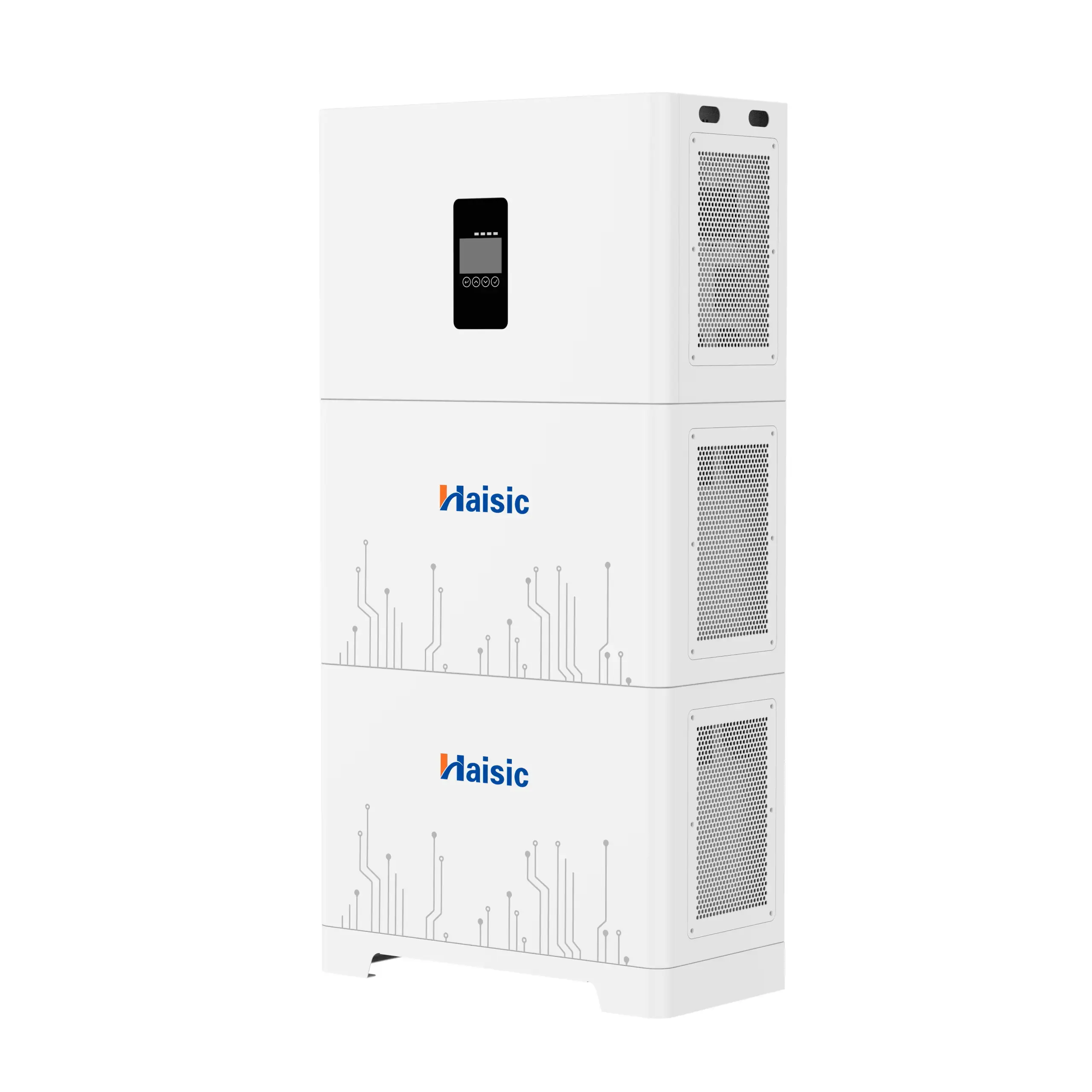
- Decide if you’ll pair it with a lithium battery bank (very common) like a stacked 30 kWh residential ESS pack for longer duration.
- Size the flywheel power (kW) and energy (kWh) around your real use:
Permits & utility approval
- Submit drawings for electrical, structural (if needed), and grid‑tie approval.
- In some regions, flywheels are treated like a UPS + battery system; in others, they’re reviewed as “mechanical storage”.
Hardware delivery & mounting
- Place the flywheel cabinet (or enclosure), inverter, and disconnects.
- Anchor to concrete or a solid slab to handle vibration and safety clearances.
Wiring & integration
- Tie into your main panel, critical loads sub‑panel, and solar inverter.
- Add CTs/meters for energy monitoring and smart control.
Commissioning & testing
- Spin up the flywheel under control, test charge/discharge, islanding, and failover.
- Set up app/portal access for real‑time monitoring.
Best locations for home flywheel energy storage
Most homeowners place a flywheel where it’s safe, cool, and out of the way:
Garage or utility room
- Easiest access to the main panel.
- Short cable runs and solid concrete floor.
Basement
- Stable temperature, low noise impact.
- Good option in colder climates, as long as moisture is controlled.
Outdoor pad or yard enclosure
- Weather‑rated cabinet on a small slab.
- Good for tight homes or where local codes prefer storage outside.
Where you don’t want it:
- Living rooms or bedrooms (noise and safety clearance).
- Attics or light wooden floors (weight and vibration risk).
Home flywheel energy storage cost and what drives price
Right now, a home flywheel energy storage system is still more niche than home batteries, so pricing is higher and varies by region and brand. Very general ranges:
- Small residential (2–5 kWh, high power)
- Rough ballpark: $6,000–$15,000 installed
- Mid‑size (5–15 kWh)
- Rough ballpark: $15,000–$35,000 installed
- Custom / hybrid flywheel + battery system
- Can exceed $40,000+ depending on backup scope and controls
Main factors that affect flywheel energy storage home price:
- Energy capacity and power rating (kWh / kW)
- Bearings and enclosure tech (standard vs magnetic bearings, vacuum enclosure)
- Integration with solar, EV chargers, generators, and home microgrid controls
- Local labor and permitting costs
- Whether you bundle with a battery ESS (e.g. a 25.6 V 280 Ah residential battery pack for long‑duration storage)
If you compare pure flywheel energy storage for home to lithium‑ion, the cost per kWh looks higher, but cost per cycle and power response are very competitive because the cycle life is huge.
Incentives, tax credits, and financing
In many markets, flywheel home energy storage can qualify under the same umbrella as battery storage:
National or regional tax credits
- In the US, standalone storage may qualify under the federal ITC if it meets criteria.
- EU and Australia have various state or regional rebates for residential storage.
Utility rebates
- Time‑of‑use shifting, demand response, or virtual power plant programs may pay incentives if your system can export or shave peaks.
Financing options
- Green energy loans, on‑bill financing, and home‑equity loans are common routes.
- Some installers offer 0‑down packages when bundled with solar.
You’ll want a local installer or energy consultant to confirm how your flywheel energy storage at home qualifies, because rules are changing fast.
Routine maintenance and monitoring
Flywheel systems are relatively low‑maintenance compared to engine generators, but they’re not “set and forget” forever:
Annual or bi‑annual check
- Visual inspection of cabinet, mounts, wiring, seals.
- Firmware updates, safety tests, functional test cycles.
Bearings and vacuum
- Modern magnetic bearing and vacuum‑sealed flywheels can run for many years with minimal intervention.
- Older or cheaper units may need periodic bearing checks.
Remote monitoring
- Most systems come with an app or web portal for:
- State of charge
- Charge/discharge power
- Alerts and fault history
- Most systems come with an app or web portal for:
Cleaning and environment
- Keep the area dust‑free, dry, and within the recommended temperature range.
- Make sure ventilation paths and access panels remain clear.
Done right, a home flywheel unit becomes a quiet, fast‑response “power buffer” that supports your solar, batteries, and EV charging with very little day‑to‑day effort.
Future of Flywheel Energy Storage in Homes
New materials and design trends
For home flywheel energy storage, the next wave is all about safer, lighter, cheaper hardware:
- Advanced composites and high‑strength steels let rotors spin faster with better safety margins.
- Vacuum‑sealed housings cut friction losses and improve efficiency.
- Magnetic bearings reduce wear and noise, which matters if you plan a garage‑mounted flywheel storage setup.
These changes are pushing flywheel energy storage home systems closer in cost to mid‑range lithium home batteries, especially when you factor in their long life.
Smart controls, AI, and software
Software will decide how useful a flywheel is at home:
- AI will predict your solar production, EV charging, and evening loads, then decide when to charge or discharge the flywheel.
- Flywheels will act like a high‑power buffer while a main battery (such as a stackable 15kWh LiFePO₄ solar battery) handles longer storage.
- Apps will let you set priorities: backup, bill savings, or grid‑support income.
This turns a home kinetic energy storage system into a smart, almost invisible part of daily life.
Flywheels in home microgrids and community energy
In future home microgrids and community energy projects, I see flywheels sitting at the center of fast power balancing:
- In a street‑level or apartment microgrid, a shared flywheel can handle sharp spikes while shared batteries cover overnight energy.
- For off‑grid homes, flywheels smooth out generator starts and protect sensitive loads when clouds hit solar suddenly.
They’re ideal wherever there’s a mix of solar, EVs, and fluctuating loads.
Working with advanced home battery technologies
Flywheel vs home battery system isn’t “either/or” anymore:
- Flywheel = power (fast response, huge cycle life, instant backup).
- Battery = energy (hours of storage, overnight coverage).
Paired with high‑cycle LiFePO₄ units like a 51.2V 100Ah home solar battery, a flywheel takes the daily beating from short, sharp cycles, so the battery ages slower and lasts longer.
Outlook for solar and off‑grid homeowners
For solar and off‑grid households, I expect:
- More hybrid flywheel‑battery home systems offered as one package.
- Strong interest in safe non‑chemical home energy backup, especially in regions worried about battery fire risk.
- Adoption first in high‑tariff, unstable‑grid markets (parts of Australia, Europe, and remote US areas), where resilience and power quality matter as much as basic backup.
Flywheel energy storage for home won’t replace batteries, but it will become a go‑to add‑on for anyone who wants high‑reliability backup, clean power quality, and long‑term, low‑maintenance storage.