










Early Home Energy Storage History
When we talk about home energy storage history, we’re really asking: how long have people tried to save electricity for later? The answer goes back much farther than Tesla Powerwall or modern lithium‑ion packs.
Ancient electrochemical cells and early battery ideas
The idea of storing energy in a device isn’t new:
- Archaeologists point to artifacts like the Baghdad Battery (around 200 BCE) as early electrochemical cells.
- These were crude by today’s standards, but they proved one thing:
You can store energy in chemicals, then release it on demand.
They didn’t power homes, of course, but they sparked the concept that became modern battery storage systems.
19th‑century rechargeable batteries in homes
Real home‑scale battery tech began in the 1800s:
- 1859 – Lead‑acid battery invented by Gaston Planté, the first rechargeable battery.
- By the late 19th century, wealthy homes and small businesses used lead‑acid batteries with early DC generators or local microgrids.
- These systems were bulky, heavy, and high‑maintenance, but they delivered:
- Basic lighting after dark
- Limited backup power when generators stopped
This was the first time homeowners could store electricity on‑site in any practical way.
Off‑grid cabins and RV battery setups (1980s–1990s)
By the 1980s and 1990s, home energy storage quietly evolved in niche markets:
- Off‑grid cabins, boats, and RVs used deep‑cycle lead‑acid battery banks to store power from:
- Small solar panels
- Wind turbines
- Gas or diesel generators
- Typical setups included:
- A 12V or 24V battery bank
- A basic inverter to run AC appliances
- Manual monitoring (checking water levels, voltages, fuses)
These early off‑grid battery systems were far from “smart,” but they solved the same problem we solve today:
“How do I keep the lights on when the grid can’t, or when I’m far away from it?”
In many ways, those rugged lead‑acid banks in cabins and RVs were the first real home energy storage systems ordinary people could build and live with.
When was the first home energy storage available?
What “available” really means at home
Before we talk dates, I need to define “available” for homeowners. For me, that means:
- You can buy a ready‑made system, not build it from loose batteries.
- It’s marketed for home use, not repurposed from telecom or industrial gear.
- You can get it installed by a normal electrician or installer, not a DIY expert.
By that definition, home energy storage became truly “available” when it turned into a packaged residential battery system, not just a pile of lead‑acid batteries in the garage.
Early practical home battery backups (pre‑solar boom)
Long before rooftop solar got popular, people were already using lead‑acid battery banks at home for:
- Off‑grid cabins and rural homes
- Backup power for outages
- RVs, boats, and small remote setups
These were usually deep‑cycle lead‑acid batteries, in a rack or box, tied to an inverter. They worked, but they were:
- Bulky and heavy
- High‑maintenance (water topping, ventilation)
- Mostly DIY or specialist installations
So yes, practical home battery backup has existed since at least the 1980s–1990s in off‑grid and backup setups. It was “available,” but only if you really went looking for it.
Why 2015 is seen as the mainstream starting point
When people ask “when was the first home energy storage available,” what they usually mean is:
“When did normal homeowners start hearing about home batteries and actually buying them?”
That mainstream moment was 2015, with the launch of the Tesla Powerwall:
- It was a single branded product made for homes.
- It had clean design, a fixed capacity, and a clear price.
- It was sold together with installers and financing.
- Media coverage made “home battery” a household phrase overnight.
From that point on, residential battery storage shifted from niche/off‑grid to something urban and grid‑tied homeowners started seriously considering alongside solar.
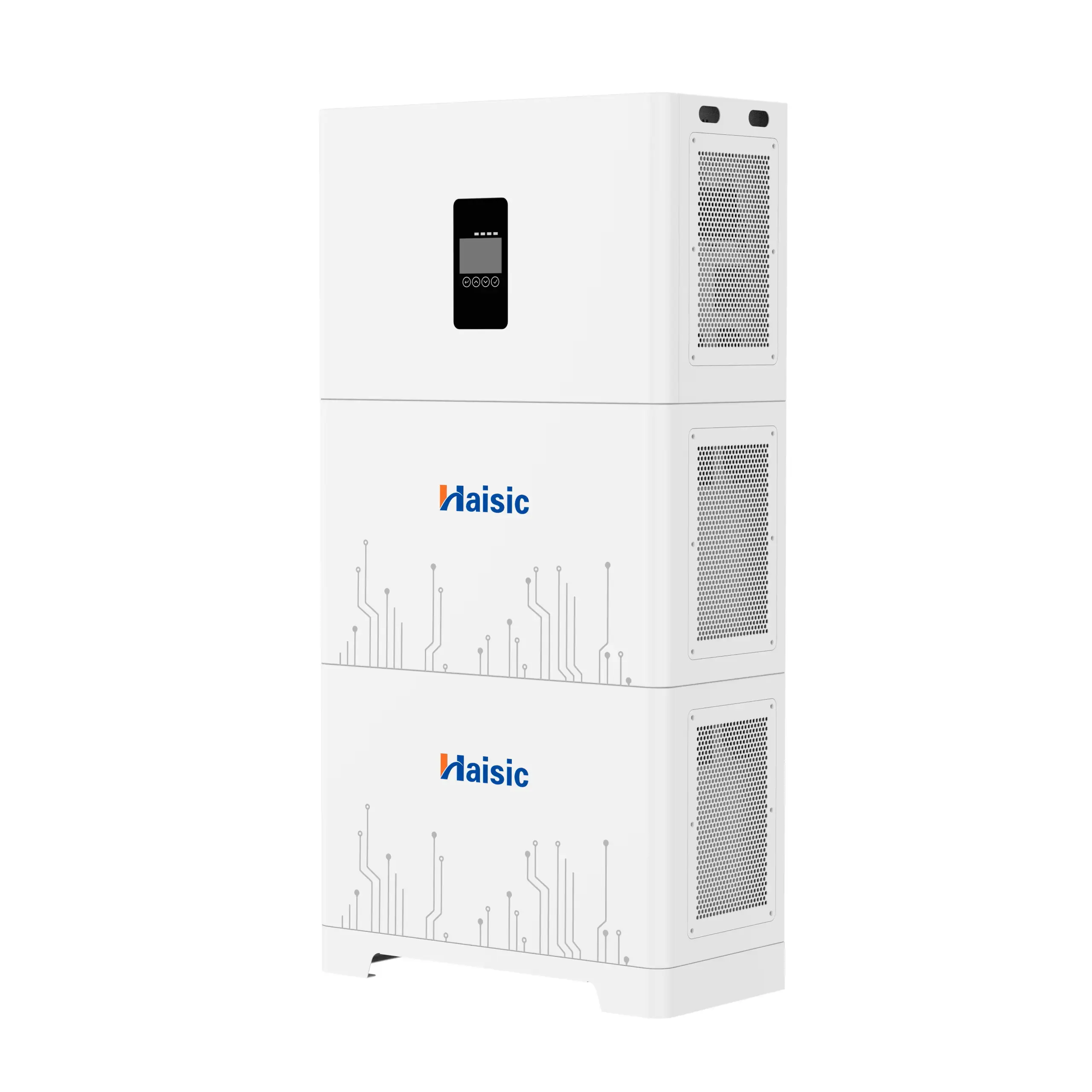
Today, we’re seeing the same concept in higher‑capacity, safer LiFePO4 home battery systems, like modular 20 kWh class storage units with touchscreens designed specifically for whole‑home use, similar to modern 20480Wh home energy storage batteries.
Pre‑2015 home energy storage timeline
Before Tesla showed up in 2015, home energy storage was already quietly evolving in the background.
1990s: Lead‑acid battery banks for off‑grid homes
In the 1990s, “home energy storage” mainly meant big lead‑acid battery banks in:
- Remote off‑grid houses and cabins
- RVs, boats, and small farms
These systems were:
- Bulky and heavy
- High‑maintenance (regular watering, ventilation)
- Limited in usable depth of discharge
They worked, but they were niche, DIY‑driven, and far from the clean, modular battery storage for home that people think of today.
Early lithium‑ion: from gadgets to early home use
In the 2000s, lithium‑ion took over laptops and phones first. That shift:
- Proved higher energy density and longer cycle life
- Drove costs down through consumer electronics scale
- Gave manufacturers confidence to design fixed residential systems
Early residential lithium‑ion setups were custom, expensive, and usually installed by tech‑savvy early adopters, not regular homeowners.
Utility‑scale battery projects paving the way
At the same time, big utilities started trial projects:
- Grid‑scale lithium‑ion and sodium‑sulfur battery farms
- Pilot projects to smooth solar and wind output
- Early “virtual power plant” concepts in places like Germany and Australia
These projects validated the tech, attracted investment, and helped standardize safety, controls, and communications that later flowed down into home ESS (energy storage systems).
Policy shifts that pushed solar + storage
Pre‑2015, policy quietly set the stage:
- Feed‑in tariffs and net metering made rooftop solar attractive
- Time‑of‑use tariffs created a price signal to store cheap energy and use it later
- Incentives and rebates in markets like Germany, California, and Australia encouraged pairing solar with batteries
- Growing grid instability and blackout events raised awareness of backup power
By 2014, the pieces were in place: proven lithium‑ion chemistry, falling cell prices, and policy support. What was missing was a simple, integrated, homeowner‑friendly product—exactly the gap modern home lithium battery storage solutions are built to fill.
Tesla Powerwall and the 2015 Home Energy Storage Breakthrough
Tesla Powerwall launch date and key specs
Tesla made home batteries “headline news” on April 30, 2015, when it launched the first Tesla Powerwall. The original model offered:
- 7 kWh daily‑cycle version and 10 kWh backup version
- Wall‑mounted design, slim and fully enclosed
- Integrated battery management and thermal control
- Designed to work with solar or as a backup power source
It wasn’t the first home battery system, but it was the first one packaged like a consumer product, not a DIY electrical project.
Why the first Powerwall changed home energy storage
The first Powerwall shifted the whole conversation because it:
- Turned a messy lead‑acid battery bank into a clean, compact, all‑in‑one box
- Came with a clear value story: backup during outages + using more of your own solar
- Put a strong brand and design behind something that used to be niche and “off‑grid only”
As an energy storage provider, I see that moment as the point when homeowners started asking for “a Powerwall‑type system” instead of just “some batteries.”
How media and marketing reshaped awareness
Tesla didn’t just launch a product; it launched a story: energy independence, backup power, and a cleaner grid. Massive media coverage did three things:
- Turned home energy storage history into mainstream news
- Made “solar plus storage” a phrase normal homeowners recognized
- Put pressure on installers and competitors to offer similar residential battery storage options
From that point, home batteries started to show up in everyday conversations about outage protection, tariffs, and net metering.
What made it feel “available” to regular homeowners
Home batteries existed long before 2015, but they felt like specialist gear. The Powerwall changed that because it:
- Looked like an appliance, not lab equipment
- Came with professional installation and warranties
- Was marketed alongside rooftop solar, not as a separate science project
- Had a simple promise: keep the lights on and use more of your own power
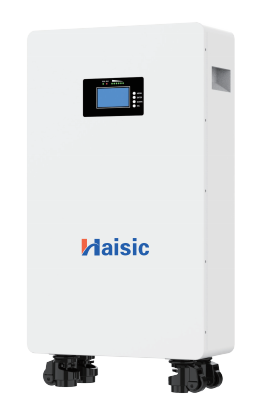
Today, we follow that same logic with our own wall‑mounted home energy storage solutions, like our compact 10 kWh wall‑mounted system for home backup and solar storage, designed to be just as “plug‑into‑your-life” as those early Powerwalls—but with newer chemistry, better cycle life, and more flexible integration for global customers.
Other early home battery systems around 2015
Around 2015, home energy storage quietly shifted from “off‑grid hobby” to a real residential product category—and it wasn’t just Tesla.
LG Chem & Samsung step into home energy storage
LG Chem and Samsung SDI both launched compact lithium‑ion home battery systems aimed at:
- Grid‑tied homes with rooftop solar
- Backup power during outages
- Daily cycling to cut grid imports and power bills
These systems were usually sold as battery packs bundled with third‑party inverters, rather than the all‑in‑one style you see in many newer floor‑mounted home energy storage systems.
Early regional adoption: Australia, Germany, US
The first real traction for these early home battery systems came where the economics and regulations made sense:
- Australia – High electricity prices + strong solar adoption made solar plus storage attractive fast.
- Germany – Feed‑in tariffs were falling, so storing your own solar started to beat exporting it.
- United States – Early adoption clustered in states like California and Hawaii with high power costs, frequent outages, or progressive incentives.
Installers in these regions were the first to package LG and Samsung batteries as “solar plus storage” offers for regular homeowners.
Installer networks & financing models
To make home batteries feel truly “available,” three things started to appear around 2015:
- Certified installer networks trained to design and commission residential ESS
- Financing and leasing models that wrapped batteries into monthly payments with solar
- Standardized packages (fixed capacity, fixed warranty, clear pricing) instead of custom, one‑off builds
This is when batteries stopped being a DIY science project and became a professional, repeatable product.
How competitors validated the home storage market
Tesla got the spotlight, but LG Chem, Samsung, and other early residential ESS brands were critical in:
- Proving there was real demand beyond early tech fans
- Giving installers multiple options to match budgets and brands
- Convincing utilities and regulators that residential battery storage was a serious, scalable resource
Their presence showed this wasn’t just a Tesla story—it was the start of a full home energy storage ecosystem, which later opened the door for more specialized, high‑capacity solutions like modern 51.2V home energy battery systems.
How home energy storage evolved after 2015
After 2015, home energy storage moved fast from “cool gadget” to a real household utility. Prices dropped, batteries got safer and smarter, and integration with solar, EVs, and the grid became normal instead of experimental.
Cost: from luxury tech to mass‑market
Right after the first Powerwall launches, a home battery was a premium toy. Now:
- Battery prices per kWh have fallen sharply, especially for lithium‑ion and LiFePO4.
- Systems that used to be “only for early adopters” are now standard add‑ons to solar installs.
- In markets like Australia, Germany, California, and parts of Europe, solar plus storage is often cheaper and more flexible than staying fully exposed to grid tariffs.
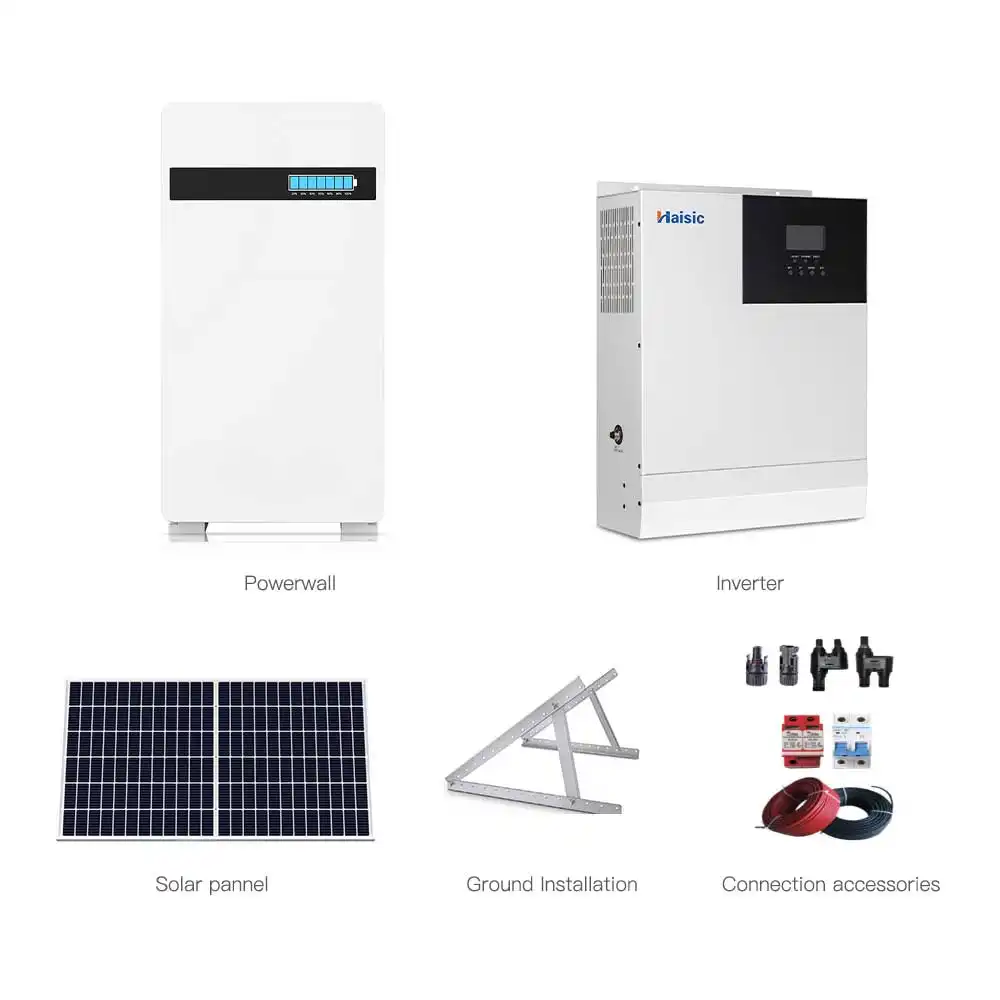
A good example is a modular, all‑in‑one system like a 10 kWh off‑grid solar power setup that combines panels, inverter, and batteries into a single, homeowner‑friendly package, similar to this type of 10 kW off‑grid solar power system.
Better lithium‑ion and LiFePO4 chemistries
The chemistry quietly did the heavy lifting:
- NMC lithium‑ion brought high energy density, compact wall‑mounted systems.
- LiFePO4 (LFP) became the go‑to for homes:
- Safer and more stable
- Longer cycle life
- Better performance at high depth of discharge
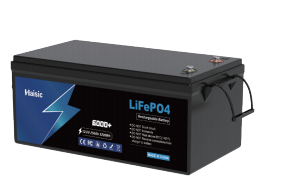
- Modern LiFePO4 home batteries (like a 51.2 V 100 Ah LiFePO4 module or integrated 10 kWh LiFePO4 home battery) are built for daily cycling over 10+ years, not just occasional backup.
Hybrid inverters and smart home integration
Post‑2015, the brains caught up with the batteries:
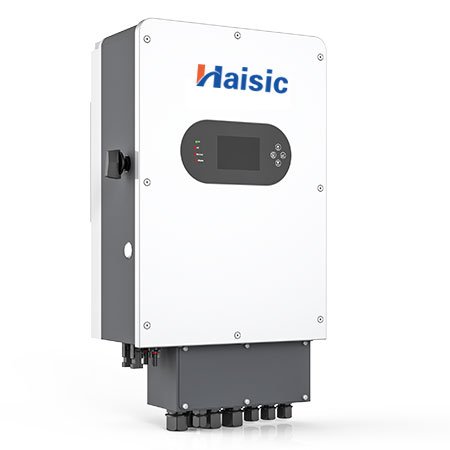
- Hybrid inverters let you run solar, battery, and grid together in one box.
- Apps show real‑time energy flows, tariffs, and battery state of charge.
- Smart homes now:
- Charge batteries when power is cheap
- Discharge when tariffs peak
- Prioritize critical loads (fridge, Wi‑Fi, lights) during outages
For most homeowners, this is the point where storage stopped feeling “technical” and started feeling like just another smart appliance.
Virtual power plants and grid services
The next big shift has been turning homes into mini power plants:
- Utilities and energy platforms now aggregate thousands of home batteries into virtual power plants (VPPs).
- Your battery can:
- Export to the grid during peak demand
- Support frequency regulation
- Help stabilize local networks during heatwaves or storms
- In some regions, homeowners earn bill credits or direct payments for letting the grid use a slice of their stored energy.
Since 2015, home energy storage has evolved from a backup box on the wall into a connected, revenue‑generating asset that supports your home, your bill, and the wider grid at the same time.
Key milestones in the home energy storage timeline
Pre‑2000: Experimental and off‑grid battery systems
Before 2000, “home energy storage” mainly meant:
- DIY lead‑acid battery banks in remote cabins
- Off‑grid homes using old telecom or golf cart batteries
- Basic inverters, no smart controls, limited safety
It worked, but it was messy, maintenance‑heavy, and absolutely not mainstream.
2000–2014: Pilot projects and early adopters
From 2000 to 2014, we started to see:
- Early grid‑tied solar plus battery pilots in Europe, Australia, and the US
- Niche systems sold through specialty installers, usually lead‑acid or early lithium
- Governments testing incentives and feed‑in tariffs, but storage was still expensive
In this phase, batteries were for enthusiasts and remote sites, not the average homeowner.
2015: The mainstream tipping point
2015 is the year home energy storage really “arrived” for regular people:
- Tesla’s first Powerwall grabbed global attention and made batteries feel modern and aspirational
- Media, installers, and consumers suddenly understood “home battery = energy independence + backup”
- Other brands quickly followed, validating residential ESS as a real market
This is why most people think of 2015 as the first truly mainstream moment for home batteries.
2016–2026: Rapid growth and policy support
From 2016 onwards, the curve bent fast:
- Costs dropped, lithium‑ion and LiFePO4 became the standard for residential systems
- Smart hybrid inverters, app control, and modular home batteries went from “nice to have” to normal
- Strong policy and incentives (California, Germany, Australia, etc.) pushed solar plus storage adoption
- Virtual power plants and grid services started paying homeowners for stored energy
Today, home storage has shifted from “early tech” to a practical tool for backup, bill savings, and energy independence. If you’re weighing up whether you actually need a battery, this evolution is exactly why I now see it as a realistic option for many households, not just tech fans—our own home battery solutions are built around that new reality of reliability, safety, and long‑term value.
Types of Home Energy Storage Over Time
Lead‑acid batteries for early home backup
Lead‑acid was the first “real” home energy storage:
- Cheap, familiar (same tech as car batteries)
- Used for off‑grid cabins, boats, and small backup systems
But: - Heavy and bulky
- Shorter lifespan and limited depth of discharge
Today, I’d only consider lead‑acid for low‑budget, low‑cycle backup where space isn’t an issue.
Lithium‑ion and LiFePO4 home battery systems
Modern home storage is dominated by lithium‑ion, especially LiFePO4 (lithium iron phosphate):
- Much higher energy density than lead‑acid
- Long cycle life and deeper usable capacity
- Smaller footprint and easier to wall‑mount
LiFePO4 in particular is a sweet spot for homes: - High safety and thermal stability
- Long lifespan (6,000+ cycles in good systems)
- Great for daily cycling with solar plus storage
If you want a serious, long‑term home system, I’d look at modular LiFePO4 packs like a 51.2V LiFePO4 battery or a 15 kWh LiFePO4 solar battery pack you can pair with hybrid inverters and smart home energy management. Well‑designed systems like these are built exactly for residential ESS use, not repurposed from other markets.
Thermal storage and hot‑water based solutions
Not all “storage” is batteries:
- Electric water heaters and heat pumps can store cheap off‑peak energy as hot water
- Thermal storage tanks can shift heating loads away from peak hours
This doesn’t power your lights, but it cuts bills and reduces peak demand, especially in colder regions or homes with high hot‑water use.
Emerging options like flow batteries for homes
Flow batteries are just starting to appear in residential projects:
- Very long cycle life and easy to scale capacity
- Better suited for long‑duration storage (many hours)
Right now they’re niche: higher upfront cost, limited brands, and fewer installers. But as the tech matures, they could become interesting for larger homes or small businesses that need long backup times and heavy daily cycling.
Why the first home energy storage still matters
Knowing when the first home energy storage was available isn’t just trivia – it tells you how “mature” the tech really is and how much risk you’re taking on today.
What early systems taught us about reliability
Those early lead‑acid setups and DIY battery banks exposed the weak points fast:
- Cheap batteries failed in a few years
- Poor BMS (battery management) meant over‑charging and early death
- Bad ventilation and wiring caused safety issues
The lesson: reliability is never just the battery – it’s chemistry, BMS, inverter, installation, and monitoring working together.
How tech maturity affects your risk
Home batteries have now gone from experimental to proven:
- Early days: high failure rates, limited support, tiny warranties
- Mid phase (around the first Powerwall): better integration, but still “early adopter” risk
- Now: standardized systems, clear specs, real‑world data from millions of installs
The more cycles and years a battery platform has in the field, the lower your technology risk as a homeowner.
What’s changed in safety, lifespan, and warranties
Compared to the “first wave,” modern residential energy storage systems are a different world:
- Safety: LiFePO4 and advanced BMS massively reduce thermal risk
- Lifespan: 6,000–10,000 cycles is now normal for quality home batteries
- Warranties: 10+ year performance warranties are standard, often tied to usable cycles and capacity retention
On my own projects, I simply don’t accept anything without:
- Certified safety (IEC/UL), proven chemistry, and a serious BMS
- At least 10 years warranty with clear cycle limits
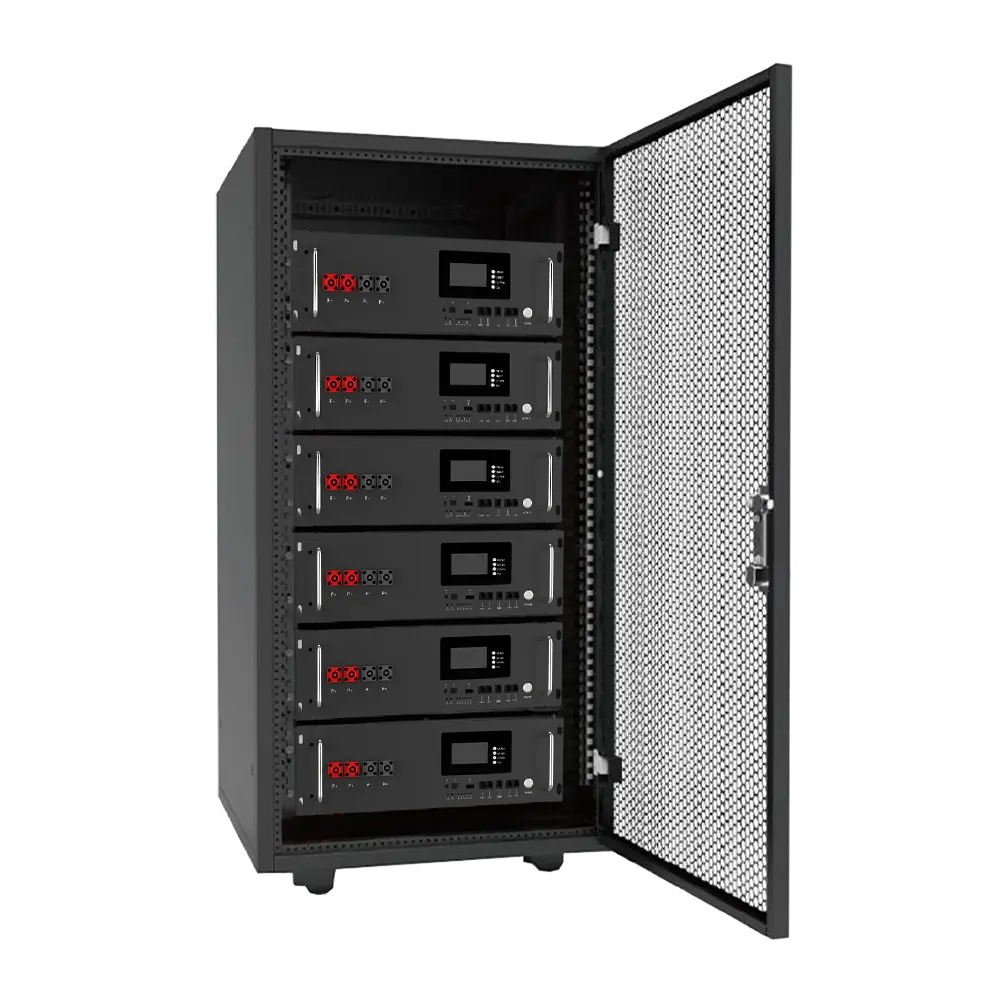
- A modular design so capacity can scale, like a 20–30 kWh stacked high‑voltage system (for example, a setup similar to a high‑volt 20 kWh–30 kWh stacked home battery system is the kind of architecture I look for).
What I look for now based on that history
Because we’ve seen what failed in the early days, my checklist is simple:
- Stable chemistry first (LiFePO4 over old-school lead‑acid for most homes)
- Integrated ecosystem: battery + inverter + app from a vendor that will still be around
- Real‑world track record, not just lab numbers
- Straight warranties with no hidden usage caps
- Scalable capacity so you can start small and grow with your load
The bottom line: the history of home energy storage is your risk map. The more a system has evolved beyond those first‑gen problems, the safer your money and your power security are today.
Is home energy storage right for you now?
Home energy storage makes sense right now if you want one (or more) of these four things:
lower bills, backup power, more control over when you use grid energy, or better use of your solar. If none of those matter much to you, a battery is probably optional.
Match battery tech to your energy goals
Start with what you actually want the system to do:
- Mainly backup power during outages
- Focus on: reliability, cycle life, warranty support
- Tech: modern LiFePO4 home batteries are ideal – safer, long life, deeper usable capacity than lead‑acid.
- Cut bills and beat time‑of‑use tariffs
- You need: fast charging/discharging + good round‑trip efficiency
- Tech: lithium‑ion / LiFePO4 wall‑mounted batteries with smart control and app monitoring.
- Maximize your solar self‑consumption
- You want: enough kWh to cover your evening/night usage
- Tech: modular systems (e.g. a 5 kWh wall‑mounted pack like this 51.2V 100Ah residential battery) you can stack as your loads grow.
- Partial off‑grid or full energy independence
- You need: bigger capacity + robust cycle life + compatible hybrid inverter
- Tech: LiFePO4 with expandable capacity, not small UPS‑style backups.
When solar plus storage makes financial sense
How to choose a modern home battery system
When you choose a home battery today, you’re really choosing between three main chemistries, the right size, and a solid warranty. Here’s how I look at it.
Lead‑acid vs lithium‑ion vs LiFePO4
Lead‑acid (AGM/gel)
- Pros: Cheap upfront, simple, widely known.
- Cons: Bulky, low usable capacity, short lifespan, hates deep discharges.
- Best for: Very tight budgets, low‑usage backup, remote cabins.
Lithium‑ion (NMC etc.)
- Pros: High energy density, compact, lots of brands, proven in EVs.
- Cons: More heat‑sensitive, typically fewer cycles than LiFePO4, may need stricter cooling.
- Best for: Space‑constrained homes that want solid backup and time‑of‑use savings.
LiFePO4 (LFP)
- Pros: Long cycle life, very stable chemistry, high usable depth of discharge, great for daily cycling.
- Cons: Slightly heavier per kWh than NMC, sometimes higher upfront cost.
- Best for: Daily use, solar‑plus‑storage, long‑term value and safety focus.
If you’re planning to cycle the battery a lot, I strongly lean toward LiFePO4 home battery systems.
How much battery capacity do you really need?
Start from use‑cases, not specs:
- Basic backup only (lights, Wi‑Fi, fridge, a few outlets):
→ 5–10 kWh is usually enough for short outages. - Comfortable backup (add well pump, some AC/heating, more plugs):
→ 10–20 kWh depending on climate and appliances. - Solar self‑consumption + backup:
- Look at your daily kWh usage and night‑time load.
- Common sweet spot: 10–15 kWh for an average household.
- High usage / big house / frequent outages:
→ 20–30+ kWh, ideally modular so you can expand.
Tip: Check your utility bills for average daily kWh and your highest‑use months. Size your battery to comfortably cover night use plus critical loads during an outage.
Key specs that actually matter
When I compare systems, I focus on:
- Usable capacity (kWh)
Not just “nominal” – what you can really use after depth of discharge limits. - Cycles
- Look for at least 6,000+ cycles for daily cycling (LiFePO4 often offers more).
- Rough guide: 6,000 cycles ≈ 16 years at 1 cycle/day.
- Depth of discharge (DoD)
- Lead‑acid: often 50% recommended.
- Lithium/LiFePO4: 80–100% usable is common. Higher usable DoD = more value.
- Warranty
- Years: Aim for 10+ years.
- Energy throughput: Many warranties guarantee a certain kWh delivered.
- Capacity retention: Look for at least 60–70% capacity at end of warranty.
- Power output (kW)
- Continuous and peak power both matter for running heavy loads (AC, pumps, ovens).
If you want a tailored setup and transparent specs, you can start by checking modular residential ESS options and getting actual numbers from the manufacturer’s side through their energy storage quote tools.
Questions to ask installers before you buy
Before you sign anything, I’d press for clear answers to:
- What chemistry is this (NMC, LFP/LiFePO4, lead‑acid)? Why this one for my use case?
- What is the usable kWh, not just the rated kWh?
- How many cycles and what capacity will I have left at the end of the warranty?
- Is the inverter hybrid and ready for solar, grid, and generator together?
- Can I expand the system later (modular design, extra battery packs)?
- What happens if the brand exits the market – who supports the warranty?
- How is the system certified and tested for safety (UL/IEC etc.)?
- What’s included in the quote: hardware, install, permits, monitoring, maintenance?
If an installer can’t explain these clearly in plain language, I’d either slow down or talk to another provider. Good partners are happy to walk you through the details and point you to technical resources or blogs, like a solid home energy storage knowledge base, so you can double‑check everything yourself.
Future of Home Energy Storage
The future of home energy storage is all about smarter control, tighter integration with EVs, and new battery chemistries that go way beyond today’s daily cycling.
AI‑driven smart charging and discharging
We’re moving from “dumb storage” to AI‑driven home energy management. Your battery will learn your habits and your tariffs, then automatically:
- Charge when prices are low or solar is peaking
- Discharge when grid prices spike or during peak‑demand windows
- Protect a reserve for storms or planned outages
For homeowners, that means higher savings with zero micro‑management. Modern systems like modular Powerwall‑style batteries and integrated solutions from providers like our residential energy storage services are already laying the groundwork for this level of automation.
Vehicle‑to‑home and EV batteries as backup
Your EV is basically a large battery on wheels. With vehicle‑to‑home (V2H):
- Your car can power your home during outages
- You can arbitrage energy: charge at cheap night rates, use it during expensive peaks
- You reduce the need for a huge stationary battery if you already own an EV
Global markets with high EV adoption (like Europe, Australia, and parts of the US) will see V2H become a standard backup option, not a niche feature.
Long‑duration storage and new chemistries
Next‑gen chemistries will push home storage beyond just “overnight” coverage:
- LiFePO4 (LFP): safer, longer cycle life, ideal for daily cycling in homes
- Sodium‑ion & flow batteries: lower cost, high cycle life, and more forgiving at scale
- Thermal + battery hybrids: using heat storage for hot water and space heating to cut electrical demand
Products built on robust LiFePO4 modules, like a 5–10 kWh 51.2V home Powerwall‑type battery, are already the “new normal” for long‑life residential storage.
What the next “Powerwall moment” could look like
The next big leap won’t just be one battery; it will be a bundle:
- AI‑managed battery + EV + solar + dynamic tariff optimization
- Simple app: “I want lowest bill” or “I want max backup” – the system does the rest
- Plug‑and‑play hardware that any certified installer can drop into most homes in a day
- Financing that makes storage cash‑flow positive from month one in many markets
When all of that feels as normal as getting a broadband connection, that’s the next “Powerwall moment” – and we’re very close to it.