










Why Upgrade to a 48 Volt Lithium Golf Cart Battery?
If you use your cart for more than quick weekend rides, a 48 volt lithium golf cart battery is one of the most impactful upgrades you can make.
The Problem with Lead-Acid in Daily Use
Traditional lead-acid packs cause constant frustration:
- Range anxiety – power drops fast after a few miles, especially on hills or with passengers.
- Slow charging – overnight charging becomes the norm; a missed charge means the cart sits.
- Constant maintenance – checking water, cleaning corrosion, leaking acid, and heavy batteries to move.
- Voltage sag – the cart feels weak as the battery discharges; acceleration and hill-climbing suffer.
For neighborhood use, resort fleets, or utility carts, this directly means lost time, unreliable service, and higher running costs.
How a 48V Lithium Golf Cart Battery Fixes It
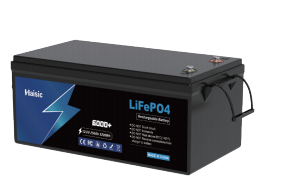
A quality lithium golf cart battery 48 volt (LiFePO4) solves those pain points:
- Longer, stable range – more usable energy, with steady power all the way down the charge.
- Fast charging – most 48V lithium packs recharge in a few hours, not overnight.
- Zero watering, zero acid – a true maintenance free golf cart battery.
- Much less voltage sag – the cart keeps its speed and torque until the battery is nearly empty.
For daily riders and golf courses, that means more trips per day, fewer “dead cart” calls, and more predictable schedules.
Who Gets the Most Value from 48V Lithium
A 48V LiFePO4 golf cart battery upgrade pays off fastest for:
- Neighborhood cruisers / retirement communities – frequent short trips, stop-and-go driving, and passengers.
- Fleet carts (golf courses, resorts, rentals) – high uptime needs, fast turnarounds between users.
- Utility and work carts – towing, hauling tools, or moving loads around campuses, factories, and farms.
- Lifted or accessorized carts – bigger tires, lights, sound systems, and accessories that demand more power.
If your cart is used several days a week, lithium quickly becomes a lower total cost choice versus repeated lead-acid replacements.
Typical Performance Gains with Lithium
Switching to a golf cart 48 volt lithium battery usually delivers:
- 25–50% more real-world range (same or smaller size vs lead-acid pack).
- Quicker acceleration thanks to higher continuous and peak current.
- Better hill-climbing with consistent torque under load.
- Higher usable speed for longer, without the “slow crawl” as charge drops.
The lighter weight of a 48V lithium ion golf cart battery also improves handling and braking, and reduces stress on the suspension and tires.
Less Downtime, More Ready-to-Go
With lithium, your cart simply spends more time available:
- Fast opportunity charging – plug in during lunch, a break, or between rounds.
- No maintenance windows – no watering sessions or corrosion cleanups.
- Longer lifespan – thousands of cycles before noticeable capacity loss.
As a manufacturer and system provider, we design our 48V golf cart battery replacement packs to be plug-and-play, safe, and reliable, so your cart is charged, ready, and predictable every day.
Lithium vs Lead-Acid Golf Cart Batteries
Real‑world performance differences
Lead-acid batteries were built for low cost, not modern performance. A 48 volt lithium golf cart battery (usually LiFePO4) gives you:
- Stronger, more consistent power from full to almost empty
- Higher usable capacity (you can safely use ~80–90% of lithium vs ~50% of lead-acid)
- No voltage sag, so your cart doesn’t feel “tired” halfway through the day
With a quality 48V LiFePO4 golf cart battery, the cart simply pulls harder, longer, and more reliably than with flooded lead-acid.
Weight, handling, and tire wear
Lead-acid packs are heavy. Swapping to a 48V lithium golf cart battery can cut 100–200+ kg (200–400+ lb) from the cart. That means:
- Quicker acceleration and better hill performance
- Shorter braking distances
- Less strain on suspension and steering parts
- Slower tire wear due to lower overall load
On lifted or street-used carts, this weight drop is very noticeable in everyday driving.
Lifespan and cycle life
This is where lithium wins big:
- Lead-acid: ~400–800 cycles if treated well (often 3–5 years)
- 48V LiFePO4: ~4,000–6,000+ cycles (often 8–12+ years)
Even mid‑size packs like a 25.6V 100Ah lithium golf cart battery used in series for 48V systems can outlast 2–3 full sets of lead-acid under normal use.
Charging time: fast vs overnight
Lead-acid wants slow, gentle, full charges:
- 6–10 hours “overnight” charging is common
- Leaving them partially charged shortens life
A 48V lithium ion golf cart battery handles fast charging and opportunity charging easily:
- 2–4 hours to full with a proper 48V lithium charger
- Safe to top up during lunch or between errands without memory effect
Maintenance: zero‑maintenance lithium
Lead-acid ownership = constant chores:
- Checking and adding distilled water
- Cleaning corrosion on terminals
- Worrying about acid leaks and fumes
A maintenance free golf cart battery like LiFePO4 needs:
- No watering
- No acid cleanups
- Just occasional cable checks and a quick look at your Bluetooth battery monitoring (if equipped)
Cost over time (TCO)
Upfront, lead-acid is cheaper. Over the life of the cart, lithium usually wins:
- One quality 48V LiFePO4 golf cart battery can replace 2–3 sets of lead-acid
- Lower electricity cost (higher charge efficiency, less wasted power as heat)
- No spending on distilled water, terminal cleaners, or frequent replacements
When you look at cost per year or cost per mile, lithium almost always has the better total cost of ownership.
Power as charge drops (voltage sag vs steady power)
Lead-acid voltage sags as soon as you load it, and it gets worse as the state of charge falls. You feel this as:
- Sluggish starts
- Poor hill climbing once the pack is below ~50%
A 48V lithium battery golf cart pack stays close to its nominal 51.2V most of the way down, so:
- Power and torque feel the same at 80% and 30%
- The cart only really slows right before shutoff (when the BMS protects the pack)
Environmental impact and disposal
Lead-acid is recyclable but uses toxic lead and acid, and poorly managed recycling can be a big environmental problem. A LiFePO4 48 volt golf cart lithium battery:
- Contains no liquid acid and no pure lead plates
- Lasts far longer, meaning fewer packs manufactured and scrapped
- Is easier and safer to handle and store
If you’re moving individual accessories to lithium as well, pairing your main pack with a 12V LiFePO4 deep cycle battery for golf carts (for lights or electronics) can cut even more lead and maintenance out of your setup.
Key Benefits of a 48 Volt Lithium Golf Cart Battery
Upgrading to a 48 volt lithium golf cart battery (LiFePO4) changes how your cart drives day to day. Here’s what you actually feel when you use it.
1. Longer Driving Range per Charge
A quality 48V LiFePO4 golf cart battery lets you drive farther with the same or smaller Ah rating than lead-acid.
| 48V Lithium Capacity | Typical Range (Flat, Light Use) |
|---|---|
| 48V 60Ah | ~20–25 km / 12–15 miles |
| 48V 100Ah–105Ah | ~40–55 km / 25–35 miles |
| 48V 150Ah+ | ~60–80 km / 37–50 miles |
Range will vary with speed, load, and terrain, but lithium always uses its energy more efficiently than lead-acid.
2. Consistent Power and Torque
With a lithium 48 volt golf cart battery, the cart pulls strongly until you’re nearly empty. No more “slow crawl” when the pack is low.
- Steady voltage = same speed and torque across most of the charge
- Stronger hill-climbing and better acceleration
- Ideal for lifted carts, bigger tires, and heavier riders
3. Lightweight, Less Wear on the Cart
A 48V lithium golf cart battery pack can cut 100–150+ kg (200–300+ lbs) compared to lead-acid.
- Faster take-off and better handling
- Shorter braking distance
- Less strain on suspension, frame, and tires
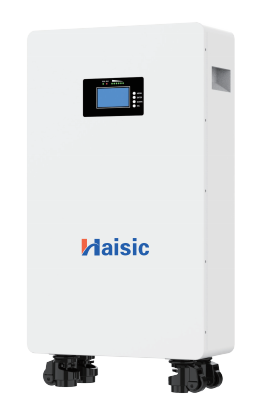
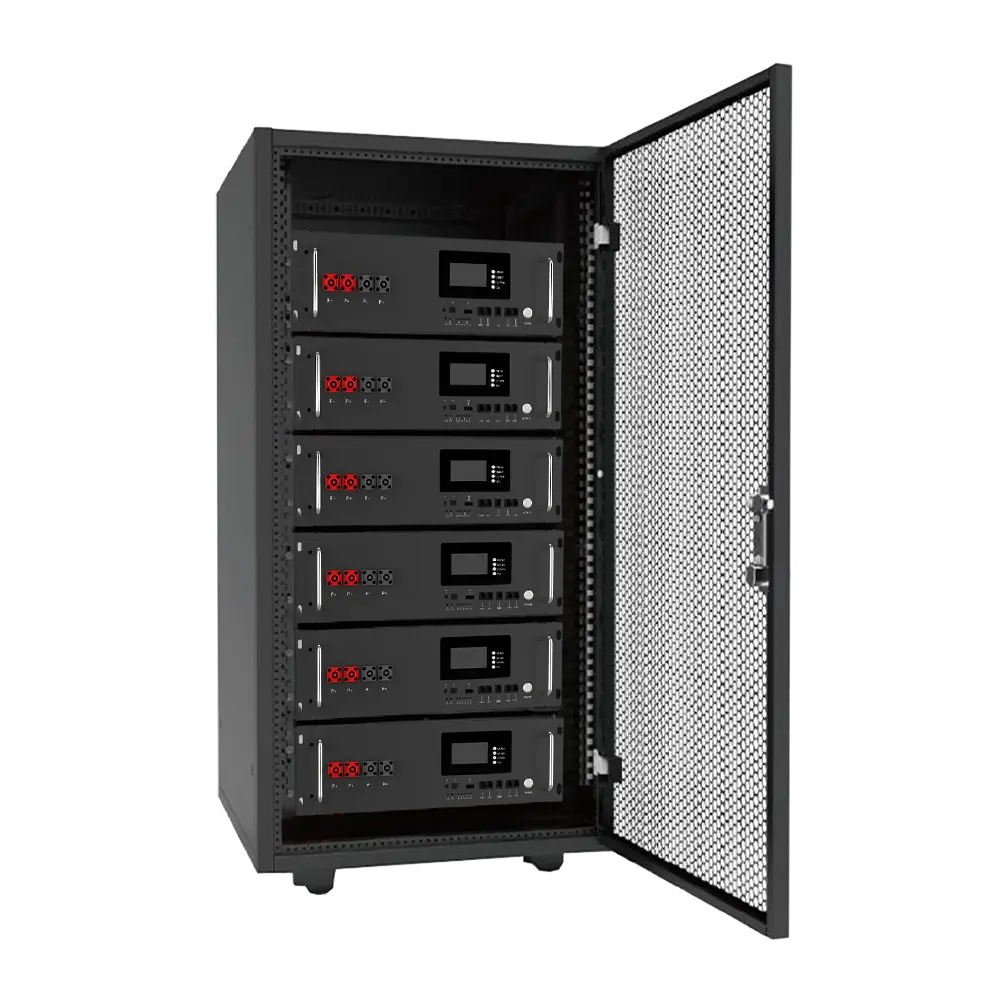
If you’re looking at high-quality, lightweight packs, a 51.2V 100Ah LiFePO4 battery like our 48V-class LiFePO4 rack-mounted battery pack is a solid reference for performance and build quality.
4. Zero-Maintenance Ownership
A 48 volt lithium golf cart battery is truly “set and forget”:
- No watering
- No acid spills or fumes
- No corrosion on terminals
- No equalization charges
You just charge and drive.
5. Fast Charging & Opportunity Charging
Lithium is a fast charging golf cart battery technology by design:
- ~2–4 hours from low to full (with the right 48V lithium charger)
- Safe to “top up” between short trips
- No memory effect, no need to fully drain
That flexibility is a big deal for neighborhood and fleet use.
6. Built-In BMS Protection
Every good 48V LiFePO4 golf cart battery includes a smart BMS (Battery Management System) that protects the pack from:
- Overcharge / over-discharge
- Over-current and short circuit
- High and low temperature abuse
- Cell imbalance
Many modern packs also offer Bluetooth golf cart battery monitoring, so you can check SOC, cycles, temperature, and current in an app.
7. Safe LiFePO4 Chemistry
LiFePO4 is the safest mainstream lithium chemistry for golf carts:
- Very low risk of thermal runaway
- Stable even under heavy load
- Naturally more tolerant to abuse than many “lithium-ion” chemistries
We only use Grade A LiFePO4 cells in our packs to keep safety margins high and performance consistent.
8. Better in Hot and Cold Conditions
A 48 volt lithium golf cart battery handles temperature swings better than lead-acid:
- Heat: Less performance drop in hot climates, slower aging
- Cold: More usable power than lead-acid in winter, with proper BMS low-temp protection
If you drive in mixed seasons and want stable performance, a modern 48V LiFePO4 golf cart battery with a robust BMS is the most reliable option on the market today.
Understanding 48 Volt Lithium Golf Cart Battery Specs
What 48V Really Means (48V vs 51.2V LiFePO4)
On golf carts, “48 volt lithium golf cart battery” usually means a 51.2V LiFePO4 pack (16 cells × 3.2V).
Carts and controllers are designed to work safely in a voltage window, so:
- Listed as: 48V lithium golf cart battery / 48V LiFePO4 golf cart battery
- Actual nominal voltage: ~51.2V
- Result: Stronger, more consistent power than a 48V lead-acid bank, with no issues for a standard 48V controller in Club Car, EZGO, or Yamaha carts.
Amp-Hour (Ah) Capacity in Simple Terms
Amp-hours tell you how much energy you’re carrying, like the size of your fuel tank:
- Higher Ah = more range
- Lower Ah = lighter weight, less cost
Typical 48V lithium ion golf cart battery capacities:
- 60Ah – light users, short neighborhood runs
- 80Ah – mixed use, some hills
- 100–105Ah – most popular “do-it-all” size
- 120–150Ah+ – long-range or heavy work carts
How Capacity Translates into Real Range
Real range depends on speed, terrain, and weight, but as a rough guide for a 48 volt golf cart lithium battery:
- 48V 60Ah lithium: ~20–30 km (12–18 miles)
- 48V 80Ah lithium: ~30–40 km (18–25 miles)
- 48V 100–105Ah lithium: ~40–60 km (25–37 miles)
- 48V 150Ah+ lithium: 60+ km (37+ miles)
Aggressive driving, big tires, lifts, and extra passengers all cut into those numbers. Smooth driving at moderate speed stretches them.
Continuous vs Peak Discharge Current
This is what decides how hard your 48V lithium battery can push the motor:
- Continuous current (A): what the pack can deliver all day without stress
- Peak current (A): short bursts for launching, hill climbs, towing
For a lithium golf cart battery 48 volt pack, look for:
- Continuous: 100–150A for standard carts, 200A+ for lifted or high-torque builds
- Peak: 250–400A for a few seconds for steep hills and fast takeoff
If your pack is under-specced, you’ll feel it as sluggish acceleration and voltage sag under load.
Why the BMS Matters on a 48V Golf Cart Battery
The built-in BMS lithium golf cart battery system is the brain and safety net. It:
- Balances cells for longer life
- Prevents overcharge, over-discharge, and short circuit
- Limits current to protect the pack and controller
- Cuts off in unsafe temperature ranges
For a serious 48V lithium conversion kit for golf cart use, I always prioritize:
- High continuous and peak current rating on the BMS
- Full protection list (over/under-voltage, overcurrent, short circuit, high/low temp)
- Quality LiFePO4 cells (Grade A) like those used in robust high-cycle LiFePO4 battery packs
Bluetooth & App Monitoring
A modern 48V golf cart battery pack with BMS should offer Bluetooth monitoring so you can see:
- Real-time state of charge (SOC) %
- Pack voltage and current draw
- Individual cell status (on better systems)
- Cycle count and estimated health
- Temperature warnings and protection events
For fleet operators or frequent neighborhood riders, a golf cart battery monitoring app makes it easy to catch problems early and manage usage.
Cycle Life: 4,000–6,000+ Cycles
A good 48V LiFePO4 golf cart battery is a long-term asset:
- 4,000–6,000+ cycles at typical use
- Used 4–5 times per week, that’s 8–12+ years of real-life service
- Still usually 70–80% capacity at end of rated life
That’s why a deep cycle lithium golf cart battery replaces multiple sets of lead-acid over its lifetime.
Warranty You Should Expect
For a serious 48 volt lithium golf cart battery, a solid warranty is:
- At least 5 years full or prorated
- Clear coverage on: capacity loss, manufacturing defects, BMS faults
- Support that can actually help you with troubleshooting, chargers, and 48V lithium golf cart battery wiring questions
Be careful with cheap no-name packs offering vague or unrealistic warranties.
Compatibility with Club Car, EZGO, Yamaha
Most quality 48V lithium battery for 48 volt golf cart systems are:
- Direct replacements for 48V lead-acid in Club Car, EZGO, Yamaha
- Designed as drop-in 48V lithium golf cart battery packs (same main voltage, similar footprint, correct terminals)
- Compatible with stock controllers in most standard carts, and tunable for aftermarket controllers in lifted or performance builds
You just match:
- System voltage (48V vs 36V vs 72V)
- Capacity (Ah) to your range needs
- Charger to a proper 48V lithium charger for golf cart use
Once those three match, a 48 volt golf cart lithium battery swap is straightforward and unlocks better power, range, and reliability.
How Far Can a 48 Volt Lithium Golf Cart Battery Go?
What really affects 48V lithium golf cart battery range
With any 48 volt lithium golf cart battery, real range depends on:
- Terrain:
- Flat streets: longest range
- Rolling / hilly courses: medium range
- Steep hills / off‑road: shortest range
- Speed:
- 10–12 mph = more miles
- 18–25 mph (lifted carts, big tires) = fewer miles
- Load:
- Number of passengers
- Cargo / tools / golf bags
- Towing trailers or yard equipment
- Driving habits:
- Smooth throttle and braking = more range
- Full‑throttle starts and constant top speed = less range
Lithium holds voltage better than lead‑acid, so you keep usable power almost to the end of the charge, which makes rated capacity (Ah) much more realistic.
48V 60Ah lithium golf cart battery range
A 48V 60Ah LiFePO4 golf cart battery is ideal for light users and flat areas:
- Flat neighborhoods (2–3 passengers): ~20–25 km / 12–15 miles
- Flat golf courses (18 holes): usually 1–1.5 rounds per charge
- Mild hills or light utility work: ~15–20 km / 9–12 miles
Choose 60Ah if you do short daily drives, quick trips around the community, or a single round of golf and can recharge often.
48V 100–105Ah lithium golf cart battery range
This is the “sweet spot” capacity for most riders:
- Flat neighborhoods: ~40–55 km / 25–35 miles
- Mixed terrain / standard golf course use:
- 2–3 rounds of golf depending on layout and speed
- Mild–moderate hills: ~30–40 km / 18–25 miles
A 100–105Ah 48V lithium golf cart battery pack is ideal if you:
- Drive daily around the neighborhood
- Do 36 holes in a day
- Share the cart with family and don’t want to think about charging all the time
High‑capacity 48V lithium (120Ah, 150Ah+)
If you want long range and all‑day use, high‑capacity 48V LiFePO4 is the way to go:
- 48V 120Ah lithium battery:
- Flat terrain: ~55–70 km / 35–45 miles
- Hilly courses: ~40–55 km / 25–35 miles
- 48V 150Ah+ lithium battery:
- Flat terrain: ~70–90+ km / 45–55+ miles
- Hilly / towing / lifted carts: ~50–65 km / 30–40 miles
These high capacity 48V lithium golf cart batteries are built for fleets, resorts, rental carts, and utility carts that run all day with tools, sprayers, or trailers.
Real‑world range examples
- Flat neighborhood cruiser (stock tires, 2–4 passengers):
- 60Ah: drives to the shops and back all day with overnight charging
- 100Ah: several days of normal use before charging
- Hilly golf course:
- 100–105Ah: 18–36 holes without worrying about power
- 120Ah+: great for fleets running back‑to‑back rounds
- Utility / towing cart (farm, resort, warehouse):
- 120–150Ah: steady power for cargo, sprayers, or light trailers through the whole shift
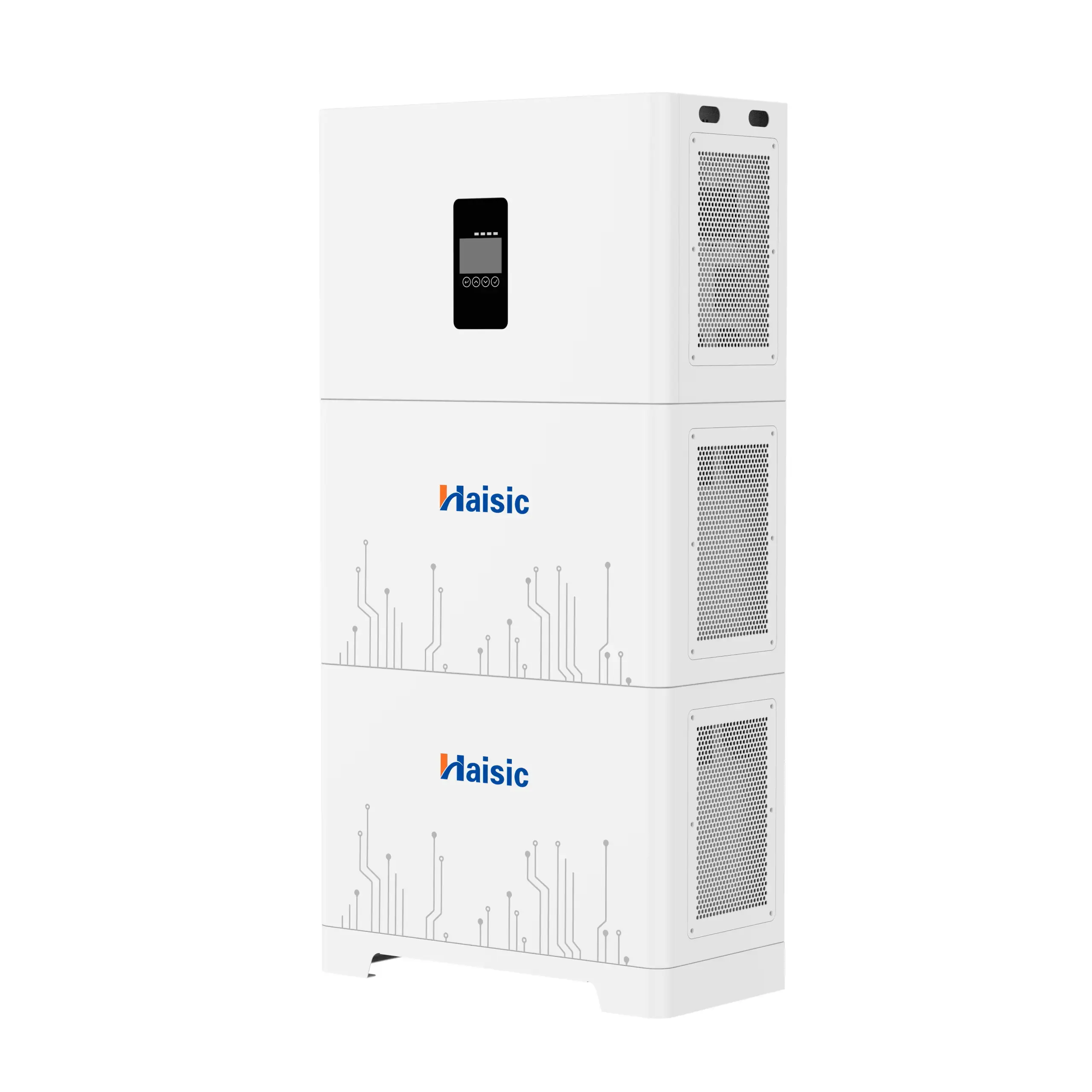
For businesses, this range translates directly into less downtime and better asset use, similar to how a well‑sized commercial energy storage system keeps operations running without interruption.
Simple tips to stretch your 48V lithium range
You don’t need to baby your cart, but these habits help:
- Cruise instead of full‑throttle starts
- Avoid constant top speed when you don’t need it
- Plan routes to avoid the steepest hills when possible
- Use “eco” or low‑speed mode if your controller supports it
Tire pressure, weight, and accessories
Three easy range killers:
- Low tire pressure:
- Keep tires at the recommended PSI
- Soft tires = more rolling resistance = less mileage
- Extra weight:
- Remove tools and junk you don’t use daily
- Heavy aftermarket seats, sound systems, and big wheels all cut range
- Power‑hungry accessories:
- Light bars, stereos, coolers, inverters – all pull from your 48V golf cart battery
- Use a quality voltage reducer for 12V accessories and wire them correctly
When to size up your 48V lithium battery capacity
You should move to a bigger Ah rating when:
- You finish the day under 20–30% state of charge regularly
- You’ve added lift kit, big tires, rear seat, and heavy accessories
- You’re using the cart for work, rentals, or fleet service all day
- You need reliable range in hot or cold climates, or with frequent hills
Rough sizing guide for a 48 volt lithium golf cart battery:
- Light use (short trips, flat terrain): 48V 60–80Ah
- Normal use (daily neighborhood + golf): 48V 100–105Ah
- Heavy use (fleet, hills, towing, long routes): 48V 120–150Ah+
If you’re planning energy upgrades around your property as well, it can help to think about batteries the same way you’d look at home or business battery storage costs and sizing — total daily use first, then add comfortable headroom.
A properly sized 48 volt lithium golf cart battery means you drive the way you want, all day, without range anxiety.
Choosing the Right 48 Volt Lithium Golf Cart Battery
1. Know your real daily range and power needs
Before buying a 48 volt lithium golf cart battery, write down how you actually use your cart in a normal week:
- Distance per day: average miles + your longest day
- Terrain: flat neighborhood, mixed, or steep hills
- Load: 1–2 riders, full family, or tools/towing
- Style: slow cruising vs. full-throttle starts
If you regularly hit 15–20+ miles/day, or you’re in a hilly area, you’ll want more capacity (Ah) and a higher current-rated pack.
2. Pick the right Ah capacity (light / normal / heavy users)
For a 48V LiFePO4 golf cart battery, here’s a simple rule of thumb:
Light users (flat, short trips, 5–10 miles/day)
- 48V 60Ah–80Ah
- Great for resort, campground, and light neighborhood use
Normal users (mixed terrain, 10–20 miles/day)
- 48V 100Ah–105Ah lithium golf cart pack
- Best balance of range, weight, and cost
Heavy users (hills, lifted carts, 4–6 passengers, utility work)
- 48V 120Ah–150Ah+ high capacity 48V golf cart battery
- Ideal for fleets, rentals, or all-day use
If you’re unsure, sizing slightly bigger is safer than too small.
3. Voltage: 36V vs 48V vs 72V (and why 48V wins)
- 36V carts – older, slower, lower power. Good for flat, light duty.
- 48V lithium golf cart battery systems – sweet spot for power, efficiency, and parts availability.
- 72V custom builds – performance toys, not necessary for most users.
If your cart is built as 48V from factory (Club Car, EZGO, Yamaha etc.), stick with a 48V lithium conversion instead of changing the whole system.
4. BMS features you should demand
The built-in BMS lithium golf cart battery is the brain of the pack. Look for:
- Continuous current rating that matches your controller (many carts need 100–200A continuous)
- Peak current for acceleration and hills (often 250–400A or more for short bursts)
- Core protections:
- Over-charge / over-discharge
- Over-current / short circuit
- High/low temperature cutoffs
- Bluetooth golf cart battery monitoring via app for:
- State of charge (SOC)
- Cell balance
- Cycle count
- Temperature
If the spec sheet doesn’t clearly list BMS current ratings, skip that brand.
5. Charger compatibility really matters
You should run a 48V lithium charger for golf cart use, not a “hacked” lead-acid charger.
- Look for:
- Correct 48V / 51.2V LiFePO4 charge profile
- Auto shut-off at full charge
- Proper plug type for your cart
- Fast charging golf cart battery setups usually pair:
- 48V 60–105Ah → 15–25A charger
- 48V 120–150Ah+ → 25–40A charger
If you’re already using a quality LiFePO4 system (like a modular 48V-grade LiFePO4 battery pack built from 12.8V modules), match the charger to the pack specs exactly.
6. Physical size and mounting (single pack vs modules)
Two common layouts for a lithium 48 volt golf cart battery:
Single-pack design
- One compact 48V LiFePO4 golf cart battery
- Clean install, fewer cables, easier wiring
- Best for most Club Car, EZGO, Yamaha owners
Multiple 12V lithium golf cart battery modules in series
- Flexible for tight or custom spaces
- More wiring and more connections = more install work
Check:
- Dimensions vs. original battery bay
- Mounting brackets / straps
- Clearance for cables and BMS wiring
7. Matching 48V lithium to Club Car, EZGO, Yamaha & custom carts
Most quality 48V golf cart lithium battery kits are sold as drop-in 48V lithium golf cart battery solutions for:
- Club Car 48V lithium battery upgrades
- EZGO 48V lithium battery upgrade kits
- Yamaha 48V lithium golf cart battery conversions
For custom or lifted carts running big controllers or motors, confirm:
- System voltage (48V vs 72V)
- Controller amps
- Cable/gauge upgrades if you’re pushing big current
8. How to compare brands without drowning in jargon
When you compare lithium vs lead acid golf cart batteries brands, focus on:
- Real capacity (Ah) @ 48V – not marketing fluff
- Cell type & grade: Grade A LiFePO4 cells, matched and tested
- BMS specs: continuous and peak current, protections, Bluetooth
- Cycle life: 4,000–6,000+ cycles at 80% DoD is ideal
- Certifications: UN38.3, CE, IEC, etc.
- Clear documentation: wiring diagrams, charger specs, install guide
Ignore vague claims like “high power” or “long life” without numbers behind them.
9. When to pay more for premium features or warranty
It makes sense to spend a bit more on your 48 volt lithium golf cart battery when:
- You use the cart daily (neighborhood vehicle, commercial, fleet)
- You need strong support and long warranty (5–10 years is solid)
- You rely on fast charging and heavy loads (families, lifted carts, towing)
- You want Bluetooth monitoring, robust waterproofing, and Grade A cells
A well-built 48V lithium pack built to the same standard as a larger LiFePO4 power system for EV and storage use will cost more upfront, but it usually delivers far better total cost of ownership and peace of mind.
Installation Guide for a 48 Volt Lithium Golf Cart Battery
What “drop‑in 48V lithium golf cart battery” really means
When brands say “drop‑in 48V lithium golf cart battery,” they mean:
- Same 48V system as your old lead‑acid pack (typically 51.2V LiFePO4 nominal)
- Fits in the existing battery compartment with basic brackets or a tray
- Uses the same main positive and negative cables
It does not always mean “no changes at all.” You’ll normally still: - Swap to a 48V lithium charger for golf carts
- Add or check a voltage reducer for 12V lights and accessories
- Re‑do or clean up some wiring for safety
Tools and basic safety gear
Before you touch your 48 volt golf cart battery system, have:
- Insulated tools (wrenches/sockets)
- Gloves + safety glasses
- Multimeter (to confirm 48V, polarity, and continuity)
- Zip ties and cable clamps for strain relief
- Non‑conductive mat or board to set tools on
Step‑by‑step: removing old lead‑acid batteries
- Turn everything off – key out, tow/maintenance mode on if your cart has it.
- Disconnect negative first, then positive, then any series jumpers.
- Remove all 12V/8V/6V batteries one by one (they’re heavy—lift safely).
- Clean the battery tray:
- Neutralize any acid with baking soda + water
- Remove rust and corrosion
- Inspect cables and lugs. Replace anything burnt, cracked, or green with corrosion.
Step‑by‑step: installing your new 48V lithium golf cart battery
- Dry fit the 48 volt lithium golf cart battery (or multiple 12V lithium golf cart batteries in series) to confirm clearance.
- Bolt or strap the pack so it cannot move or bounce on rough paths.
- Connect the main positive and negative leads to the pack terminals:
- Tight, clean, no frayed strands
- Use tinned copper lugs if possible
- If you’re running multiple lithium modules, wire them:
- Series only to get 48V total
- All modules should be same brand, Ah, and age
- Double‑check polarity with a multimeter before you turn anything on.
Wiring basics for a 48V lithium golf cart system
- Keep the main current path short and thick (proper gauge cable).
- Always keep 12V accessories off the main 48V; use a 48V‑to‑12V reducer.
- Don’t mix old and new cables randomly—keep the wiring layout clean and labeled.
- If your lithium pack has built‑in BMS with separate charge/discharge ports, respect that wiring layout exactly.
Upgrading your charger for lithium compatibility
You can’t treat a LiFePO4 48V golf cart battery like lead‑acid:
- Use a 48V lithium charger with the correct LiFePO4 profile.
- Plug it directly into the battery pack’s charge port, or follow the included harness.
- Avoid “smart” lead‑acid chargers that do desulfation pulses—they can damage lithium.
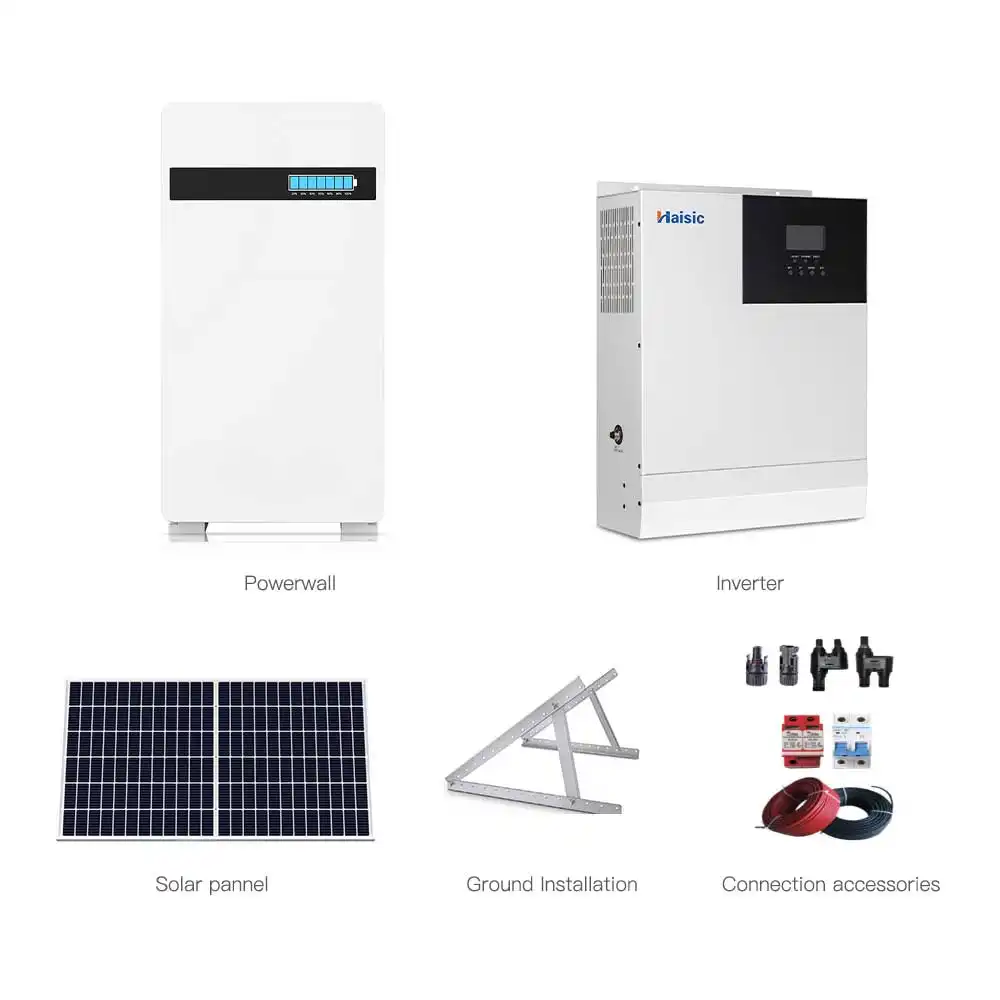
For larger home or fleet setups, the logic is similar to a wall‑mounted 51.2V 100Ah system used in energy storage; correct voltage and profile matter for long life and safety (like we do in our 51.2V LiFePO4 wall systems).
Using a voltage reducer for 12V lights and accessories
Any cart with:
- Lights
- Radios
- USB ports
- Pumps or winches
Should run those off a 48V‑to‑12V DC reducer, not directly off the 48V lithium ion golf cart battery: - Prevents unbalanced loading and weird faults
- Protects your BMS and accessories
- Gives clean, stable 12V output
Common installation mistakes to avoid
Don’t:
- Mix lithium and lead‑acid batteries in the same pack
- Use undersized cables or loose lugs
- Ignore BMS wiring diagrams
- Skip the lithium charger upgrade
- Mount the pack where it can rattle, rub, or get flooded with water
Do:
- Torque terminals correctly
- Secure cables away from sharp edges
- Verify 48V polarity before first power‑up
- Test the cart gently at low speed after install
DIY vs professional install
Do the install yourself if:
- You’re comfortable with basic 12V/48V wiring
- You have time to follow the diagram and safety steps
- Your cart is mostly stock (Club Car, EZGO, Yamaha, etc.)
Choose a professional installation when:
- You’re adding a high‑capacity 48V lithium golf cart battery for heavy work use
- The cart is lifted, modified, or has a lot of custom accessories
- It’s a fleet, resort, or commercial application where downtime is expensive
A clean, correct installation is what makes your 48V LiFePO4 golf cart battery safe, fast‑charging, and truly “maintenance‑free” for the long run.
Charging and Maintenance for 48V Lithium Golf Cart Systems
Keeping a 48 volt lithium golf cart battery healthy is simple, but you do need to follow a few rules if you want maximum range and long life.
Use a Lithium-Specific 48V Charger
Always pair your 48V LiFePO4 golf cart battery with a proper lithium charger.
- Why it matters:
- Lead-acid chargers use different voltage and charge curves.
- Wrong chargers can overcharge, undercharge, or confuse the BMS.
- A good 48V lithium golf cart battery charger stops automatically and protects the cells.
- Look for:
- Output around 58.4V for 51.2V LiFePO4 packs
- Correct amp rating for your Ah size (typically 15–30A for carts)
- Certifications and protections (overheat, short-circuit, reverse polarity)
Typical Charging Times for 48V Lithium Packs
Actual time depends on charger amps and battery capacity, but here’s a simple guide:
- 48V 60Ah lithium golf cart battery
- With a 15A charger: ~4–5 hours from low
- 48V 100–105Ah lithium golf cart pack
- With a 20A charger: ~5–6 hours
- High-capacity 48V 120–150Ah lithium
- With a 25–30A charger: ~5–7 hours
Lithium charges much faster than lead-acid, and you don’t need to wait until it’s empty.
Best Charging Habits for Long Lifespan
To get the most cycles out of your 48V lithium golf cart battery:
- Keep the regular use window between 15–90% state of charge.
- Plug in at the end of the day instead of running to empty.
- Avoid full discharge whenever possible.
- Don’t leave the pack sitting at 0% or 100% for weeks.
Good rule: if the cart is there and you’re done riding, it’s okay to charge.
Opportunity Charging: What’s Okay and What to Avoid
One big plus of a lithium golf cart battery upgrade is safe opportunity charging:
Good:
- Top up between rounds or errands.
- Short 30–60 minute boosts during the day.
- Plug in at lunch on the course or at work.
Avoid:
- Rapid “on/off” plug-ins every 5–10 minutes just to move the cart.
- Using random wall chargers, generators, or unapproved adapters.
- Charging in sealed, hot spaces with no airflow.
Storage Tips for Off-Season or Long Parking
If you park your 48 volt lithium golf cart battery for weeks or months:
- Store at 40–60% charge, not full.
- Turn off the cart and any add-on accessories.
- If your pack has a master switch, shut it off.
- Keep it in a cool, dry place (ideally 10–25°C / 50–77°F).
- Check and top up every 2–3 months if needed.
Proper storage is just as important for home and solar batteries; the same rules apply to larger systems like a home energy storage battery when you’re not using them heavily.
Using Bluetooth and Battery Monitors
Many 48V LiFePO4 golf cart batteries now come with built-in BMS and Bluetooth:
You can usually see:
- State of charge (SOC %)
- Voltage and current (real-time draw or charge)
- Temperature
- Cycle count and estimated health
Use the app to:
- Spot weak cells early
- See if you’re over-working the pack on hills
- Confirm your charger is hitting the right voltage
Simple Maintenance Checklist for “Maintenance-Free” Lithium
You don’t need watering or cleaning acid, but don’t ignore the system completely:
- Monthly
- Quick visual check of cables and lugs
- Make sure terminals are tight and corrosion-free
- Every 3–6 months
- Check SOC in the app
- Inspect mounting straps/brackets
- Confirm charger cooling fan and plug are okay
- Yearly
- Inspect the full wiring harness
- Check voltage reducer feeding 12V accessories
That’s it—no acid, no topping off, no equalization.
What to Avoid with a 48V Lithium Golf Cart Battery
If you want your 48V lithium ion golf cart battery to last 8–10+ years, avoid:
- Over-discharging
- Don’t keep pushing the cart after the BMS cuts power.
- Regularly hitting 0% SOC is the fastest way to shorten life.
- Wrong chargers
- No lead-acid “smart” chargers.
- No random 48V industrial chargers without LiFePO4 mode.
- Bad storage
- Don’t store fully dead.
- Don’t leave it baking in direct sun inside a closed cart shed.
- DIY wiring mistakes
- Crossing polarity, loose lugs, or too-thin cables.
- Always follow the wiring diagram for your 48V golf cart battery replacement.
Treat the system right, and a quality 48 volt lithium golf cart battery with a strong BMS and solid cells will outlast several sets of lead-acid while needing almost no day-to-day attention.
Cost and Value of a 48 Volt Lithium Golf Cart Battery
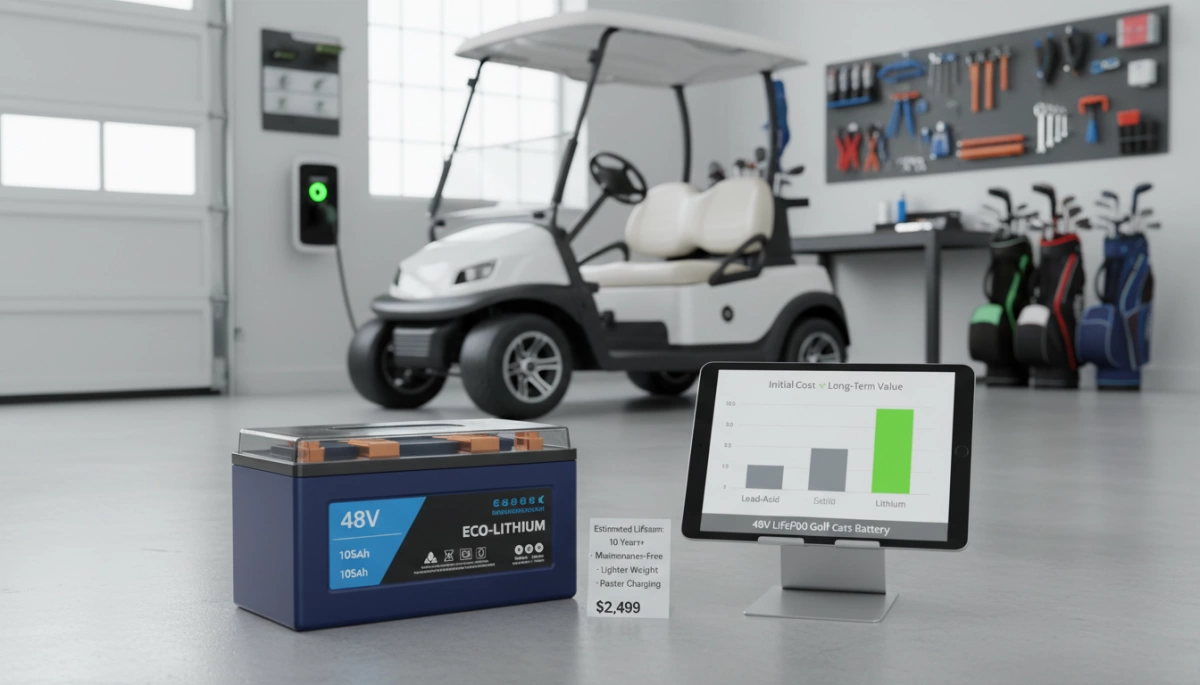
Upfront Cost vs Lead-Acid
A 48 volt lithium golf cart battery costs more upfront than a standard set of lead-acid batteries, but you’re trading higher purchase price for far longer life and way less hassle.
- Typical 48V lead-acid set: cheaper to buy, needs replacing every 3–5 years.
- Quality 48V LiFePO4 golf cart battery: higher initial cost, but designed for 8–10+ years of use with 4,000–6,000 cycles.
If you’re used to burning through lead-acid packs, the real question isn’t “Why is lithium expensive?”, it’s “How many sets of lead-acid will I buy in the same time?”.
How Many Lead-Acid Sets One Lithium Pack Replaces
A good 48V LiFePO4 golf cart battery (100Ah–150Ah) can easily replace:
- 2–3 full sets of flooded lead-acid batteries for most users
- More for light users who don’t deep-cycle every single day
In other words, one solid 48V lithium ion golf cart battery is a “multi-pack” purchase that you pay for once, instead of re-buying lead-acid every few years.
Maintenance and Electricity Savings
Lithium is basically a maintenance free golf cart battery:
- No watering
- No acid spills or terminal cleaning
- No equalization charges
You also save on electricity:
- Lead-acid wastes more energy as heat during charging
- LiFePO4 is much more efficient, so your cost per charge drops over thousands of cycles
Less tap water, less corrosion repair, fewer service calls – over time, that adds up.
Cost-Per-Year: Light, Medium, Heavy Users
Think of your 48V golf cart battery as a yearly cost, not a one-time hit:
Light user (weekend rides, seasonal use)
- Lead-acid: lower upfront, but sulfation from sitting kills them early
- Lithium: higher cost, but gentle use + low self-discharge = very low cost per year
Medium user (regular neighborhood cruising + golf)
- Lead-acid: usually 2–3 sets over 10 years
- Lithium: 1 pack over 8–10+ years
- Lithium often ends up same or cheaper per year, with better performance
Heavy user (daily use, fleets, work carts)
- Lead-acid: constant replacements and downtime
- Lithium: higher upfront, but clear winner in total cost of ownership
For high-use carts, the fast charging golf cart battery advantage alone (less downtime) is worth it.
Payback Period for Frequent Use
If you drive your cart most days (neighborhood EV, rental, course fleet, resort, or security cart):
- Payback on a 48V lithium golf cart battery often lands around 3–5 years
- After that, the battery is basically paying you back in:
- Fewer replacements
- Saved labor and maintenance
- Fewer outages and lost rental revenue
The more you use the cart, the faster lithium pays for itself.
Resale Value Boost
A cart with a newer 48V LiFePO4 golf cart battery pack with BMS is easier to sell and commands a premium:
- Buyers know they’re not stuck replacing old, tired lead-acid batteries
- A well-known LiFePO4 pack with a strong warranty can bump resale value noticeably
When people shop used carts, “lithium” is a keyword that immediately gets attention.
Hidden Costs to Watch for
Not all 48 volt lithium golf cart batteries are equal. When comparing brands, watch for:
- Weak or vague warranties (short term or tons of fine print)
- No-name cells vs grade A LiFePO4 cells
- Underrated or low-quality BMS (can limit power or fail early)
- No proper 48V lithium charger for golf cart included or supported
- Poor support, no documentation, no Bluetooth golf cart battery monitoring options
- Packs with no real testing, certifications, or proven track record
A cheap, low-spec 48V lithium pack can end up costing more if it fails early or can’t deliver rated capacity. I always lean toward well-built LiFePO4 solutions (similar to how we spec our larger 51.2V LiFePO4 battery systems) because total cost of ownership – not sticker price – is what really matters.
Top 48 Volt Lithium Golf Cart Battery Options and Features
When you compare 48 volt lithium golf cart batteries, the big difference isn’t just the sticker price – it’s what’s inside the pack and how it’s built. Here’s what actually matters.
What Separates Quality 48V Lithium Golf Cart Batteries From Cheap Packs
High‑quality lithium 48 volt golf cart batteries usually share these traits:
- True capacity (tested Ah, not “marketing” numbers)
- Strong BMS with proper current rating and protections
- Low internal resistance for better torque and less heat
- Solid build (mounting brackets, busbars, case, wiring)
- Real certifications and a clear warranty, not vague promises
Cheap packs cut corners on cells, BMS, and assembly – they might work at first, then sag, overheat, or fail under heavy loads (lifted carts, hills, towing, multiple passengers).
Why LiFePO4 Cells are Preferred for 48V Golf Cart Batteries
For golf carts, LiFePO4 (Lithium Iron Phosphate) is the sweet spot:
- Safer: Very stable chemistry, low fire risk
- Long cycle life: 4,000+ cycles when used correctly
- Flat voltage curve: Strong power almost to empty
- Better in heat: Handles hot climates much better than many NMC/NCA chemistries
That’s why a modern 48V LiFePO4 golf cart battery or 51.2V LiFePO4 pack is the go‑to choice for serious daily use.
What to Look For in Cell Quality
If the cells are bad, the pack is bad – no matter the brand logo.
Key cell quality checks:
- Grade A cells only (no “Grade B” or “refurb”)
- Matched cells: Tight voltage and capacity matching in each pack
- Brand and traceability: Known manufacturers, batch tracking
- Certifications: UL / CE / UN38.3 / IEC where applicable
Ask directly: Are these Grade A LiFePO4 cells? Who makes them? If they dodge, walk away.
Real‑World Features That Actually Matter
For a 48 volt lithium golf cart battery you plan to use daily, focus on these build features:
Robust BMS
- Continuous current high enough for your controller / motor
- Over‑charge, over‑discharge, short‑circuit, temperature protection
- Cell balancing for long‑term health
Protection & durability
- IP‑rated or sealed case for rain and washing
- Vibration resistance for rough paths, lifted carts, utility work
- Solid terminals, anti‑corrosion hardware
User features
- Bluetooth monitoring via app (voltage, SOC, cycles, temperature)
- Clear state‑of‑charge display
- Easy mounting and clean wiring layout
This is the difference between a “spec sheet battery” and one that actually holds up for years.
Popular 48V Lithium Capacities and Setups
Most riders fall into a few common setups:
| Use Case | Typical Pack (48V) | Notes |
|---|---|---|
| Solo / light neighborhood use | 60Ah – 80Ah | Short trips, flat ground, 1–2 riders |
| Family + mixed hills | 100Ah – 105Ah | Most popular “do‑it‑all” size |
| Heavy carts / lifted / fleets | 120Ah – 150Ah+ | Work carts, resort fleets, daily commercial use |
You’ll also see 51.2V 100Ah LiFePO4 packs used as “48V” systems – they’re just the LiFePO4 nominal voltage version of a 48V lead‑acid setup and can often be shared with other storage solutions like a 51.2V 100Ah stackable energy storage battery in multi‑use applications.
Why Work With a Direct Manufacturer or Supplier (Like Haisic)
As a manufacturer, I care less about selling “one box fits all” and more about fitting the pack to how you actually drive.
With a direct supplier like Haisic, you can:
- Tune capacity (Ah) to your real range needs
- Match discharge current to your controller and motor
- Customize form factor to fit odd battery bays or custom carts
- Align golf cart packs with other LiFePO4 storage systems you use at home or for business (for example, pairing with a 51.2V home energy battery)
- Get engineering support on wiring, charger matching, and BMS settings
That’s how you avoid guesswork, overspending, and underperforming packs – and end up with a 48 volt lithium golf cart battery that feels built for your cart, not just dropped in.
Safety and Reliability of 48 Volt Lithium Golf Cart Batteries
When I talk about upgrading to a 48 volt lithium golf cart battery, safety and reliability aren’t optional – they’re the core of the whole system.
Built‑in Protection Features (BMS)
A quality 48V LiFePO4 golf cart battery always has a built‑in BMS (Battery Management System). This is the “brain” that keeps the pack safe by:
- Overcharge protection – cuts off charging when cells are full
- Over‑discharge protection – stops the cart before you damage the cells
- Over‑current / short‑circuit protection – shuts down instantly if there’s a fault
- High / low temperature protection – prevents charging or discharging outside safe ranges
- Cell balancing – keeps all cells at the same voltage for long life and stable performance
If a 48V lithium golf cart battery doesn’t clearly list its BMS protections, I don’t touch it.
How Lithium Reacts to Faults (Overcharge, Short, Impact)
With LiFePO4 chemistry, a 48V lithium ion golf cart battery (technically LiFePO4) is very stable:
- Overcharge: A proper charger + BMS stops current once full, so no swelling or “boiling” like lead‑acid.
- Short circuit: The BMS responds in milliseconds and disconnects output to avoid cable melting or fire.
- Impact / vibration: A good pack uses rugged casing, foam support, and busbar design to handle rough cart use, off‑road, and lifted carts.
This is why LiFePO4 is the safest mainstream choice for a golf cart 48 volt lithium battery.
Thermal Management & Temperature Performance
48V LiFePO4 golf cart batteries handle heat and cold better than lead‑acid when built right:
- Hot climates: BMS temp sensors protect against charging when cells are overheated. Ventilated mounting and smart layout keep temps stable.
- Cold climates: Many packs include low‑temp charge cut‑off, and some have built‑in heaters for winter use and charging below 0°C.
- Normal use: LiFePO4 generates less heat under load than many other chemistries, giving you more consistent power on hills and long runs.
For large off‑grid or garage charging setups, I use the same stability standards we design into our high‑capacity LiFePO4 energy storage systems.
Safe Handling, Transport, and Disposal
Compared with lead‑acid, a 48 volt golf cart lithium battery is cleaner and easier to handle:
- No acid, no fumes, no spills
- Sealed case – you can tilt or move the pack without leaking
- Transport – always power off, protect terminals, and secure against movement
- End‑of‑life – send to certified lithium recycling; there’s no liquid acid to neutralize
Never throw a lithium battery in general trash or scrap without proper recycling.
Certifications & Test Standards That Matter
For a 48V lithium golf cart battery upgrade, I look for:
- UN38.3 – required for safe transport of lithium batteries
- CE / UKCA (where applicable) – compliance with electrical safety directives
- IEC 62619 / IEC 62133 – industrial and portable battery safety standards
- UL listing (where available) – third‑party safety testing
- ISO 9001 factory – quality management at the manufacturing level
If a brand can’t provide real test reports or certificates, that’s a red flag.
How to Spot Unsafe or Low‑Quality 48V Lithium Packs
There are a few easy tells when a lithium 48 volt golf cart battery isn’t up to standard:
- No clear BMS specs (no current rating, no protections listed)
- No name or grade of cells – they hide whether they use Grade A LiFePO4 cells
- Thin, cheap wiring or loose terminals
- No real warranty – or vague “5 years” with no written terms
- No certs / fake cert images
- Price that’s far below market with “too good to be true” capacity claims
For global customers who want a long‑term, maintenance free golf cart battery, I always tell them: pay attention to safety design, BMS, and certifications first, then compare price. A solid 48V LiFePO4 golf cart battery is an asset, not a gamble.
Common Questions About 48V Lithium Golf Cart Batteries
Is a 48V lithium battery compatible with my specific cart model?
In most cases, yes. A quality 48 volt lithium golf cart battery is designed as a drop-in replacement for carts that already run 48V systems, including:
- Club Car 48V carts
- EZGO 48V carts
- Yamaha 48V golf carts
- Custom 48V buggies and neighborhood electric vehicles
What you need to check:
- Your cart voltage (36V, 48V, 72V – it must match the pack)
- Available battery tray space and mounting layout
- Charger compatibility (often needs a lithium profile)
If your cart is 48V and in decent condition, a 48V LiFePO4 golf cart battery will almost always work with the right wiring and charger.
Can I replace only some lead-acid batteries or mix types?
No. Don’t mix:
- Lithium with lead-acid in the same pack
- Old batteries with new ones
- Different capacities or chemistries in series
If you’re going lithium, replace the entire 48V golf cart battery pack with a single 48V lithium golf cart battery or matched lithium modules. Mixing types causes:
- Uneven charging and discharging
- Shortened lifespan
- Potential safety and performance issues
What’s the difference between 48V and 51.2V in lithium packs?
Most “48 volt lithium golf cart batteries” are actually 51.2V nominal LiFePO4 packs:
- 16 LiFePO4 cells × 3.2V = 51.2V nominal
- Fully charged: around 58.4V
- Still marketed as “48V” because they replace 48V lead-acid systems
This is normal and fully compatible with 48V golf cart systems. The benefit is more usable energy and less voltage sag, so your cart holds power better than with traditional 48V lead-acid.
How does lithium perform in cold climates and winter storage?
Performance in cold:
- Power is slightly reduced below 0°C (32°F)
- Charging below freezing should be limited or controlled by the BMS
- LiFePO4 still outperforms tired lead-acid in many cold-start situations
For winter storage:
- Store around 40–60% state of charge
- Turn the battery off if there’s a main switch
- Keep it in a dry, sheltered area if possible
A good 48V LiFePO4 golf cart battery with a smart BMS will protect itself from low-temperature charging and over-discharge during long storage.
Can I keep my old charger or do I have to upgrade?
You almost always need a lithium-specific 48V charger:
- Lead-acid chargers are designed for different voltages and charge curves
- Equalization modes on old chargers can damage lithium packs
- A proper 48V lithium golf cart battery charger improves lifespan and safety
Some modern chargers can be reprogrammed for lithium. If not, budget for a dedicated lithium charger as part of your golf cart lithium battery upgrade.
What happens if I fully drain a lithium golf cart battery?
If you run it down:
- The BMS will shut the pack off to prevent deep damage
- The cart will suddenly lose power instead of slowly “limping” like lead-acid
- You’ll need to connect a compatible charger to wake the pack back up
Repeated deep discharges will:
- Shorten cycle life
- Stress the cells and BMS
Best practice: avoid going below 10–20% regularly if you want maximum lifespan from your 48V lithium ion golf cart battery.
What kind of support and service should I expect from a battery supplier?
With a serious 48 volt golf cart lithium battery, you should expect:
- Clear specs: voltage, Ah capacity, continuous/peak current, cycle life
- Solid warranty: typically 5–10 years for quality LiFePO4 golf cart packs
- Technical support: help with sizing, wiring, charger matching, and troubleshooting
- Real certifications: safety and quality test reports
- After-sales service: quick response on issues, replacement handling, and guidance on use
If you’re working with a dedicated manufacturer like us, you should also have access to custom solutions and system support, similar to how we design and back our larger energy storage systems and services for global clients.