











Understanding 40kWh Battery Costs and Price Factors
Investing in a substantial home energy storage system requires a clear understanding of the financial landscape. A 40kWh system is designed to provide significant backup power for off-grid living or whole-home emergency support, and pricing reflects the capacity and technology involved. The total investment is not just the battery units; it involves the integration of inverters, racking, and the specific chemistry selected for your energy goals.
Average Price Range for Solar and EV Batteries
When evaluating the 40kwh battery price for solar applications, the market offers a spectrum of options ranging from budget-friendly value brands to premium tier manufacturers. While electric vehicle (EV) battery costs are often cited in automotive contexts, stationary solar storage has its own distinct pricing structure based on durability and cycle life.
- Value Lithium (LiFePO4): Entry-level 40kWh battery banks, utilizing brands like EG4, typically range from $12,000 to $15,000.
- Premium Lithium Options: High-end systems from brands such as Fortress Power or SimpliPhi, known for extended warranties and robust engineering, generally cost between $18,000 and $28,000 for the batteries alone.
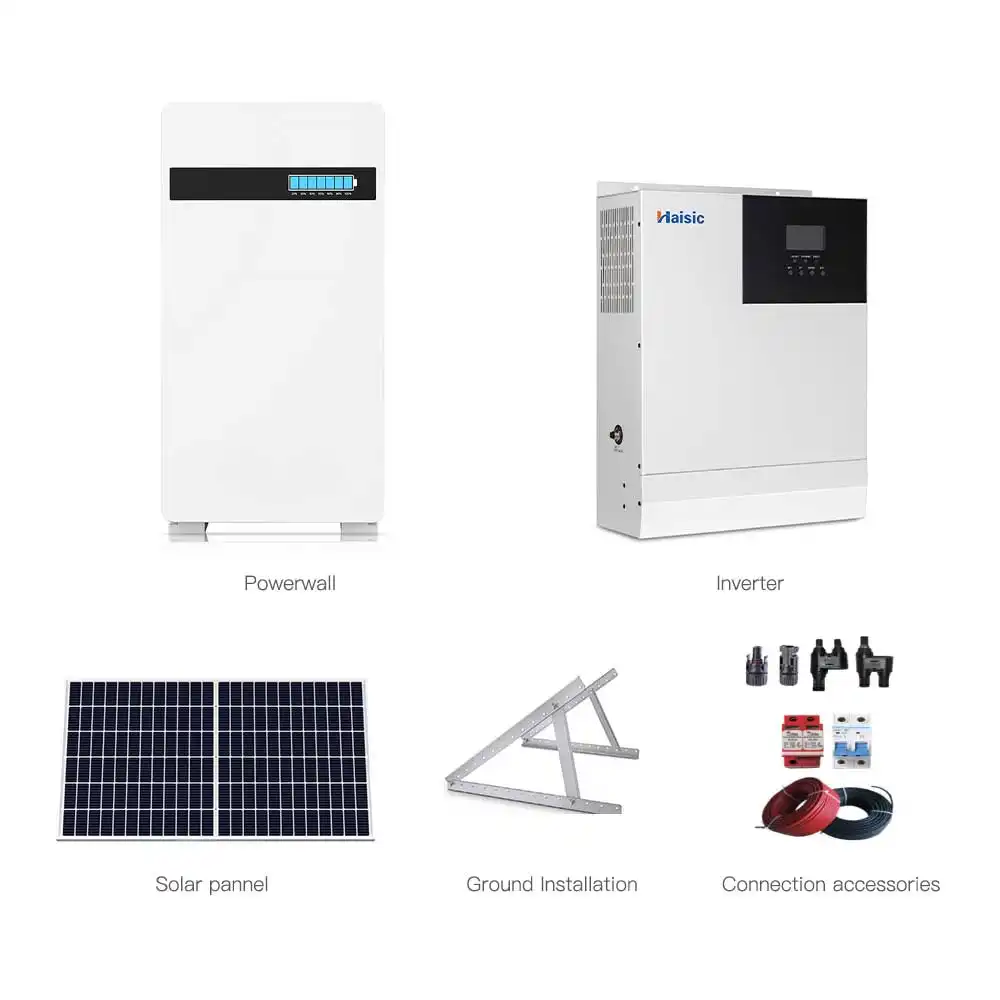
- Complete Installed Kits: For a fully operational system including inverters, racking, and cables, the total price often lands between $25,000 and $32,000.
- Incentives: It is crucial to factor in the 30% Federal Solar Tax Credit, which can significantly lower the effective net cost of these systems.
Key Factors Influencing 40kWh Battery Pricing
The cost per kWh is heavily influenced by the technology and longevity of the components chosen. We offer diverse configurations to match specific budgetary and technical requirements.
- Battery Chemistry:
- Lithium Iron Phosphate (LiFePO4): Higher upfront cost but offers superior value with 6,000+ cycles, 10-year warranties, and deep discharge capabilities (up to 100%).
- Lead Acid (AGM): Lower initial purchase price but shorter lifespan and limited to 50% depth of discharge, reducing usable capacity.
- Brand Tier: Premium brands command higher prices due to advanced Battery Management Systems (BMS) and established track records, while value brands offer a lower barrier to entry.
- System Architecture: Pre-wired power centers and all-in-one kits may have a higher sticker price but reduce complexity and component sourcing issues.
Installation and Hidden Maintenance Expenses
One of the primary advantages of our 40kWh kits is the focus on DIY-friendly design, which directly mitigates the high costs associated with professional installation labor. However, buyers must consider the total cost of ownership beyond the initial hardware purchase.
- Labor Savings: Our systems are engineered for easier self-installation, potentially saving thousands in contractor fees.
- Maintenance Costs:
- Lithium Systems: Virtually maintenance-free with long lifespans, eliminating replacement costs for over a decade.
- Lead Acid: Requires more attention and will likely need replacement sooner, adding to the long-term expense.
- Balance of System (BOS): Essential components like heavy-duty cabling, racking, and rapid shutdown devices are included in our complete kits to prevent unexpected expenses during setup.
Types of 40kWh Battery Systems
LiFePO4 (Lithium Iron Phosphate) vs. Ternary Lithium
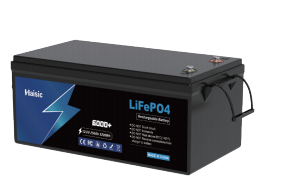
When evaluating the **40kwh battery price**, the underlying chemistry is the biggest cost driver. We prioritize **Lithium Iron Phosphate (LiFePO4)** for stationary storage because it offers superior safety and longevity compared to Ternary Lithium. While Ternary batteries are often lighter and used in EVs, LiFePO4 is the gold standard for home energy storage, providing **6,000+ cycles** and a 10-year warranty. This chemistry allows for a depth of discharge between 90-100%, making it a far better long-term investment than Lead Acid (AGM) options, which are cheaper upfront but require replacement much sooner.
Stackable vs. Wall-Mounted Residential Units
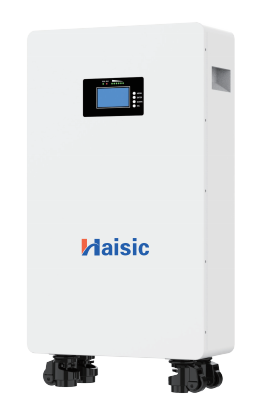
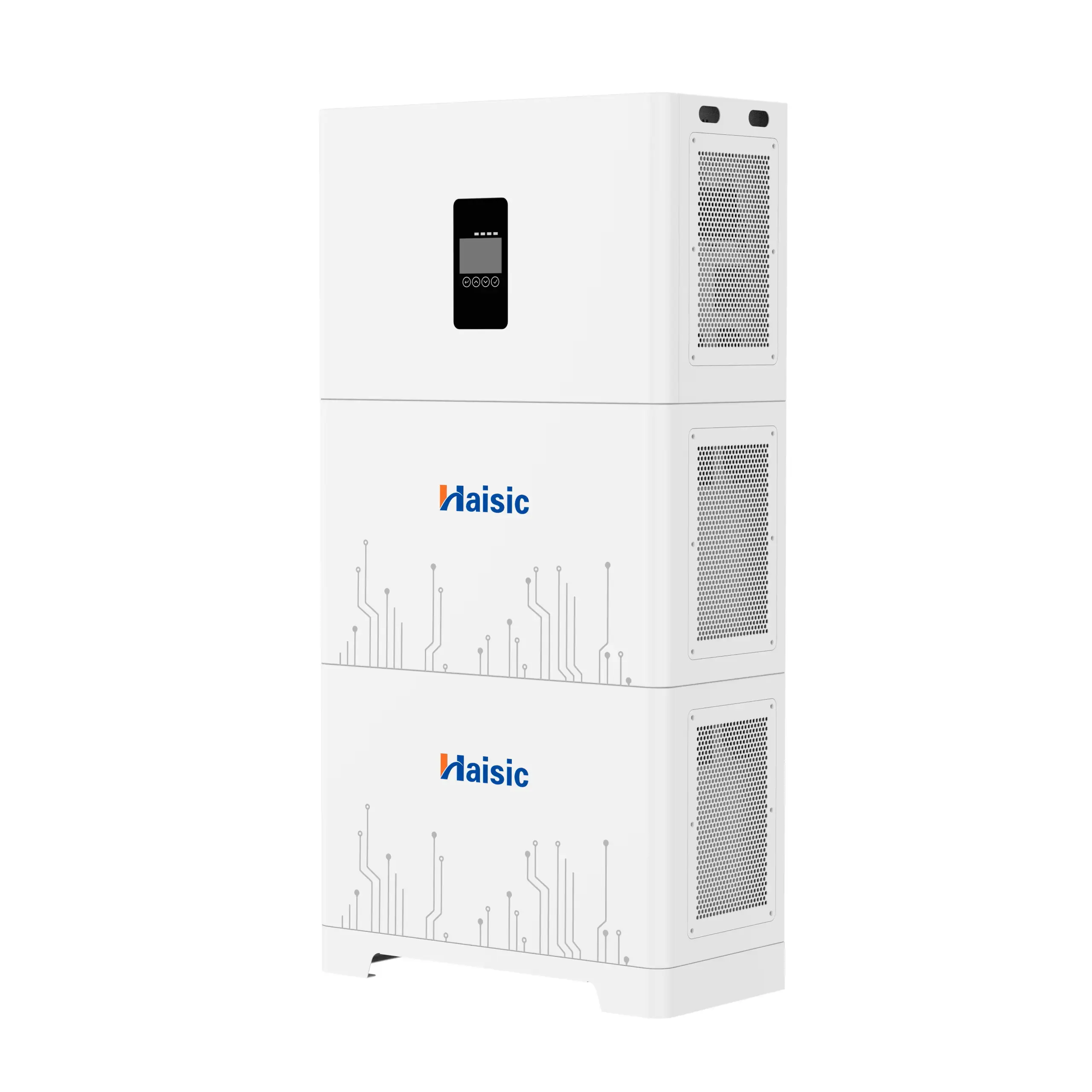
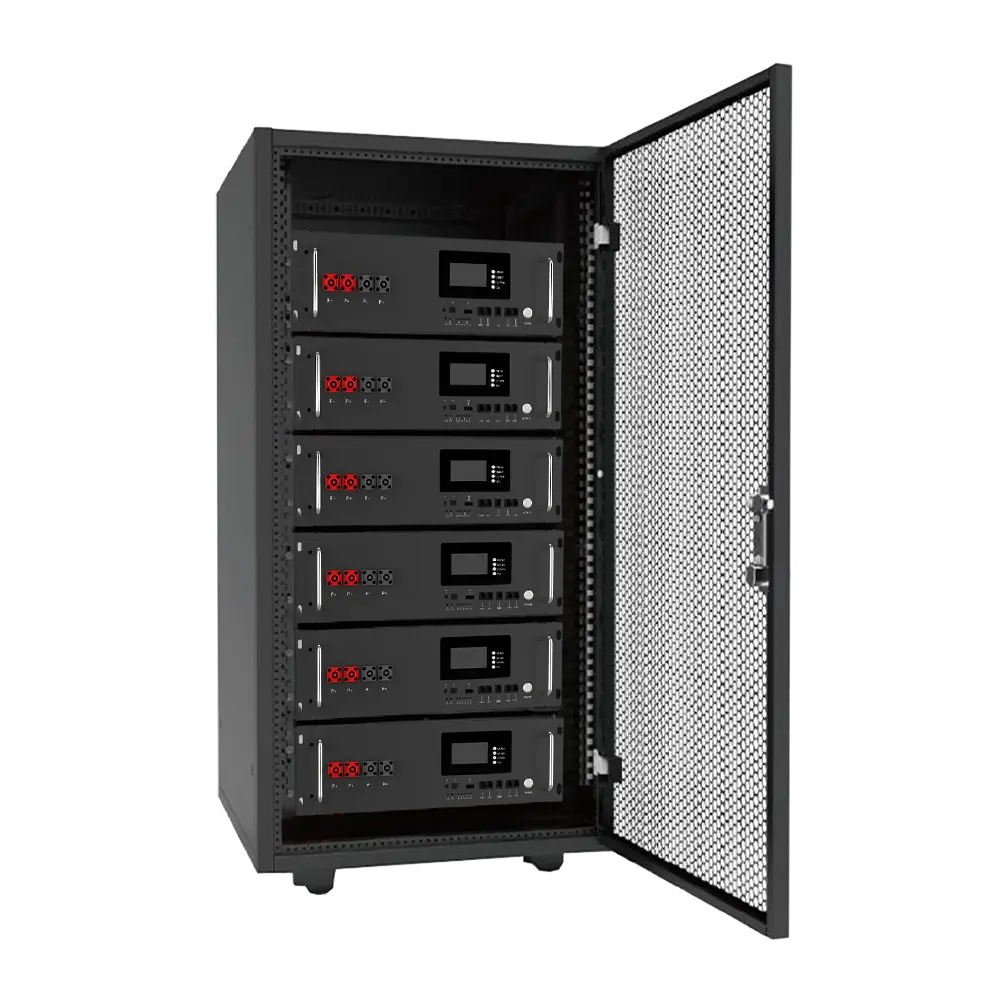
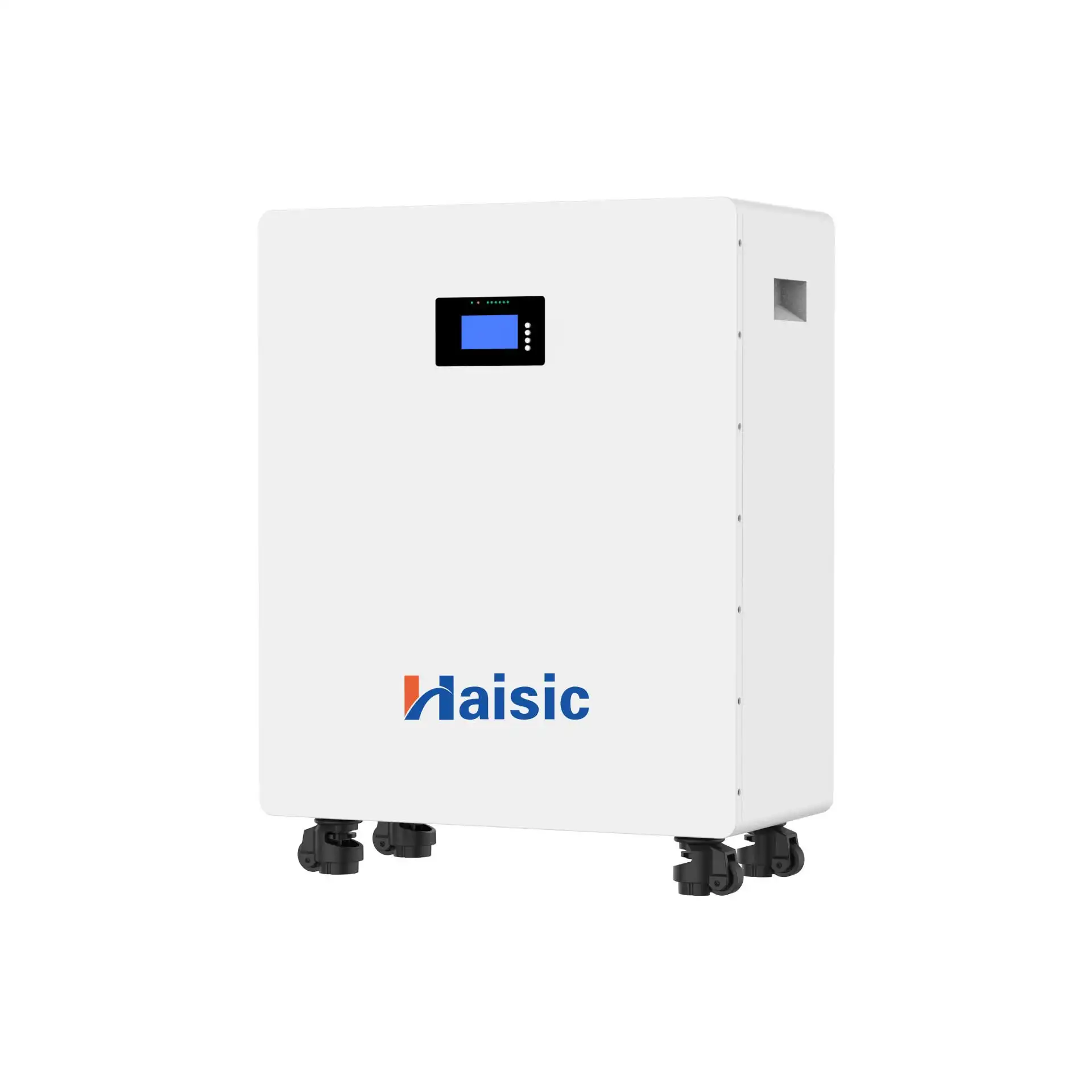
Flexibility in installation is crucial for DIYers and installers. We offer **stackable server-rack batteries**, such as those from EG4, which allow you to easily expand capacity by sliding modules into a cabinet. This is often the most cost-effective way to build a large bank. Alternatively, premium **wall-mounted units** (like Fortress Power or SimpliPhi) save valuable floor space and offer a cleaner aesthetic for garages. Both configurations can be integrated into comprehensive [residential battery energy storage systems](https://haisicstorage.com/residential-battery-energy-storage-system/) to meet specific spatial requirements.
Commercial and Industrial Energy Storage Systems (ESS)
A 40kWh capacity sits at the intersection of high-demand residential and light commercial use. For business applications, these systems function as critical backup power centers. Unlike standard home kits, commercial setups often utilize **pre-wired power centers** with Sol-Ark or Schneider inverters to handle higher continuous loads. These robust systems ensure that essential operations, such as servers or security systems, remain online during grid outages, providing energy independence for small businesses and workshops.
Performance: What Can a 40kWh Battery Power?
A 40kWh system represents a significant step up in energy independence, moving beyond simple emergency backup to full-home resilience. These systems typically utilize a 48 volt battery lithium architecture to provide stable 120/240V AC power, capable of sustaining an average household for days rather than hours.
Household Appliances and Backup Duration
When justifying the 40kWh battery price, the primary value lies in runtime. A 40kWh battery bank can power a standard home for 1 to 2 days without any solar input. This capacity handles heavy loads that smaller batteries cannot, such as well pumps, HVAC systems, and large refrigerators.
Estimated Runtime for Common Appliances (40kWh Capacity):
| Appliance | Average Load | Est. Runtime (Continuous) |
|---|---|---|
| Refrigerator | 150W | 200+ Hours |
| Central A/C | 3500W | 10-12 Hours |
| Electric Water Heater | 4000W | 8-9 Hours |
| Lighting & Wi-Fi | 200W | 180+ Hours |
Note: Lithium (LiFePO4) batteries allow for 90-100% depth of discharge, whereas Lead Acid (AGM) options should only be discharged to 50%, significantly reducing usable runtime.
EV Driving Range and Performance Expectations
While these systems are designed for stationary home storage, they can serve as a \”gas station\” for your Electric Vehicle. A fully charged 40kWh home battery holds enough energy to provide a standard EV with approximately 100 to 150 miles of driving range. However, dumping your entire home storage into a vehicle will leave your house without backup power. We recommend managing your loads carefully; if you are unsure about your specific capacity requirements, reviewing a battery storage do i need guide can help balance home and EV needs.
Solar Panel Requirements for a Full Charge
To ensure your investment pays off, your solar array must be large enough to refill the battery daily. For a 40kWh bank, we recommend a solar array size between 8kW and 12kW.
- 8kW Array: Will recharge the battery in about 5 hours of peak sun (ideal for sunny climates).
- 12kW Array: Recommended for off-grid setups or areas with frequent cloud cover to ensure a full charge even on suboptimal days.
Properly sizing your solar input prevents the battery from sitting at a low state of charge, which is crucial for maintaining the longevity of the system.
Key Features and Technical Specifications
Cycle Life and Depth of Discharge (DoD)
When evaluating the 40kwh battery price, the underlying chemistry dictates the true value and usable capacity of the system. We primarily offer Lithium Iron Phosphate (LiFePO4) options because they provide superior longevity compared to traditional Lead Acid (AGM) batteries. While AGM might look cheaper upfront, the recommended Depth of Discharge (DoD) is only 50%, whereas LiFePO4 allows for 90-100% usage without degrading the battery.
This difference significantly impacts the comparison between Li-ion and lead-acid batteries regarding long-term return on investment.
| Feature | Lithium (LiFePO4) | Lead Acid (AGM) |
|---|---|---|
| Cycle Life | 6,000+ Cycles | 500 – 1,000 Cycles |
| Usable Capacity (DoD) | 90% – 100% | ~50% Recommended |
| Typical Warranty | 10 Years | 1 – 3 Years |
| Maintenance | Maintenance-Free | Requires Monitoring |
Battery Management Systems (BMS) and Safety Standards
Safety is critical for any home energy storage system. Our 40kWh kits, whether featuring premium brands like Fortress Power or value-oriented options like EG4, operate on a standard 48V DC architecture equipped with advanced Battery Management Systems (BMS). The BMS actively monitors cell voltage, current, and temperature to prevent common hazards such as overcharging, deep discharging, or thermal runaway.
- Automatic Balancing: Ensures all cells charge and discharge evenly for maximum lifespan.
- Protection Circuits: Cuts off power instantly if unsafe conditions are detected.
- Communication: Many units integrate directly with Sol-Ark or Schneider inverters for seamless data exchange.
For those looking to reduce installation complexity, we provide pre-wired power centers. These units house the BMS and connections in a safe enclosure, making the setup process much safer and faster for DIY projects.
Efficiency Ratings and Energy Density
High efficiency is essential to keeping your effective cost per kWh low. Our lithium-based systems typically deliver high round-trip efficiency, meaning very little energy is lost as heat during the charge and discharge cycles. This is a major advantage over older battery types, ensuring that the solar energy you generate is actually available for use.
In terms of density, a 40kWh bank is substantial. It is designed to power a whole home for 1-2 days during an outage. Despite this high capacity, modern lithium battery backup solutions are engineered to be space-efficient. We offer rack-mounted and stackable designs that minimize the physical footprint, allowing for a clean installation in garages or utility rooms without sacrificing power output.
40kWh EV Battery Replacement Costs

When evaluating the 40kWh battery price for replacement or new installation, it is crucial to understand the substantial investment involved in this capacity class. Whether for stationary home backup or mobile applications, a 40kWh system represents a massive energy reserve capable of powering a whole home for days. Based on current market data for residential storage, total system costs generally range from $15,000 to over $35,000. This price fluctuation depends heavily on the battery chemistry selected, with premium Lithium Iron Phosphate (LiFePO4) options commanding a higher upfront price compared to traditional Lead Acid (AGM) setups, though they offer significantly better longevity and depth of discharge.
Replacement Prices for Nissan LEAF and Popular Models
While specific automotive replacement costs vary by service provider, the raw cost of 40kWh energy storage provides a clear baseline for budgeting. In the solar sector, premium LiFePO4 battery banks of this size typically cost between $18,000 and $28,000 for the batteries alone. However, budget-friendly brands like EG4 have disrupted the market, lowering the entry point for a 40kWh bank to approximately $12,000 to $15,000. For those requiring even larger scale solutions, exploring a 107.5kWh 100kW commercial industrial container ESS can provide perspective on the scalability of lithium technology. Ultimately, the price per kWh is driven by the quality of the cells and the integrated battery management technology.
Warranty Coverage and Insurance Considerations
Protecting your investment is just as important as the initial purchase price. High-quality 40kWh lithium systems typically come with a 10-year warranty and are rated for over 6,000 cycles, ensuring reliable performance for a decade or more. This contrasts sharply with lead-acid options, which have shorter lifespans and lower recommended depth of discharge (50%). When calculating the total cost of ownership, it is also essential to factor in financial incentives. For residential solar storage systems, the 30% Federal Solar Tax Credit (ITC) can significantly reduce the effective net price, making the switch to a robust lithium system more financially viable.
Labor Costs and Battery Disposal Fees
Installation labor and balance of system components can add a significant margin to the final bill. For a complete 40kWh kit, including inverters, racking, and cables, the total installed cost often lands in the $25,000 to $32,000 range. To mitigate these expenses, many of our systems are engineered for DIY-friendly installation, featuring pre-wired power centers that simplify the technical setup and reduce the need for expensive professional labor. By choosing a pre-configured kit, you can avoid hidden fees and ensure that your system is optimized for immediate use, whether for grid-tied backup or off-grid independence.
Top 40kWh Battery Brands and Manufacturers
When analyzing the 40kwh battery price landscape, the manufacturer you choose significantly impacts both the upfront cost and the long-term reliability of your home energy storage system. We see a clear distinction between value-focused brands and premium engineering firms, each catering to different budget requirements and performance needs.
Leading Solar Brands: Sol-Ark, EG4, and Fortress Power
In the current market, brands like EG4, Fortress Power, and HomeGrid dominate the residential sector. Based on our experience with these systems, the pricing tiers are distinct. EG4 has revolutionized the entry-level market, offering rack-mounted LiFePO4 solutions that can bring a 40kWh bank down to the $12,000 – $15,000 range. These are excellent for DIY enthusiasts looking for functionality without the premium price tag.
On the other end, Fortress Power and HomeGrid represent the premium tier. These units often feature advanced enclosures, higher IP ratings, and proprietary communication protocols. A 40kWh setup from these premium brands typically lands between $18,000 and $28,000. While Sol-Ark is primarily famous for their all-in-one hybrid inverters, they are the preferred \”brain\” for these 40kWh kits. Most high-capacity systems we configure are paired with Sol-Ark inverters to ensure seamless communication and grid-forming capabilities.
Brand Comparison Matrix:
| Brand Category | Typical Brands | Estimated 40kWh Price (Battery Only) | Key Features |
|---|---|---|---|
| Value / Budget | EG4, Server Rack Batteries | $12,000 – $15,000 | High value, rack-mount design, DIY-friendly. |
| Mid-Range | SimpliPhi, Ruixu | $16,000 – $22,000 | Proven reliability, flexible form factors. |
| Premium | Fortress Power, HomeGrid | $22,000 – $28,000+ | Aesthetically pleasing, advanced BMS, longer warranty terms. |
Wholesale and B2B Supplier Comparison
For installers and large-scale projects, purchasing individual battery modules is rarely cost-effective. We recommend looking at pre-configured kits that bundle the battery bank with the necessary racking, cables, and power centers. Wholesale kits often include pre-wired power centers, which drastically reduce installation labor.
If you are planning a large off-grid project or a commercial retrofit, checking a comprehensive quotes list is essential to compare bulk pricing versus retail kit pricing. While a single 40kWh lithium bank might cost upwards of $20,000 at retail, wholesale channels can offer significant discounts, especially when bundled with inverters from Schneider Electric or SMA.
Evaluating Warranty Terms and Technical Support
The warranty is the true indicator of a battery\’s value. When reviewing the 40kwh battery price, you are paying for the cycle life.
- Lithium Iron Phosphate (LiFePO4): The industry standard is now a 10-year warranty with a rating of 6,000+ cycles at 80% Depth of Discharge (DoD). This chemistry ensures your system remains viable for over a decade of daily use.
- Lead Acid (AGM): While cheaper upfront, the warranty is significantly shorter, often 2-5 years, with a cycle life of only 500-1,000 cycles at 50% DoD.
Technical support is equally critical. Premium brands generally offer U.S.-based support and pre-wired systems that minimize troubleshooting time. Before committing to a purchase, verify the current battery storage price trends to ensure the warranty terms align with the premium you are paying. A lower price often means limited support or a warranty that is difficult to claim, which can be costly in an off-grid emergency.
How to Choose the Right 40kWh Battery
Assessing Your Daily Energy Consumption Needs
Before committing to a purchase, you must calculate exactly how much power your household requires. A 40kWh system is substantial, typically capable of powering a standard home for 1-2 days without any solar input. To determine if this size fits your Home energy storage goals, review your utility bill to find your average daily kWh usage. If you consume around 30-35 kWh per day, this battery bank provides a comfortable buffer for outages. For those planning a complete off-grid setup, integrating a reliable solar system with storage ensures you can recharge fully during the day to maintain power through the night.
Inverter Compatibility and System Integration
Matching your battery bank to the right inverter is critical for performance and safety. Most 40kWh solutions operate on a standard 48V DC architecture, which must align with your inverter\’s input voltage. We recommend pairing these systems with proven inverter brands like Sol-Ark, Schneider Electric, or SMA to ensure seamless communication and efficiency. For DIY projects, opting for pre-wired power centers can significantly reduce installation complexity and labor costs, as these units come pre-assembled with the necessary breakers and connections.
Calculating Long-Term ROI and Energy Savings
When evaluating the 40kwh battery price, look beyond the upfront cost to the total cost of ownership. While a premium Lithium (LiFePO4) bank may cost between $18,000 and $28,000, it offers a far better Cost per kWh over its lifespan compared to Lead Acid alternatives due to higher cycle life and depth of discharge. Additionally, qualified systems are eligible for the 30% Federal Investment Tax Credit (ITC), which can drop your effective net price by thousands of dollars.
ROI Comparison: Lithium vs. Lead Acid
| Feature | Lithium (LiFePO4) | Lead Acid (AGM) |
|---|---|---|
| Upfront Cost | Higher ($18k – $28k) | Lower (Budget Friendly) |
| Cycle Life | 6,000+ Cycles | 500 – 1,000 Cycles |
| Usable Capacity | 90-100% | ~50% Recommended |
| Long-Term Value | Best ROI (10+ Years) | Lower (Frequent Replacement) |