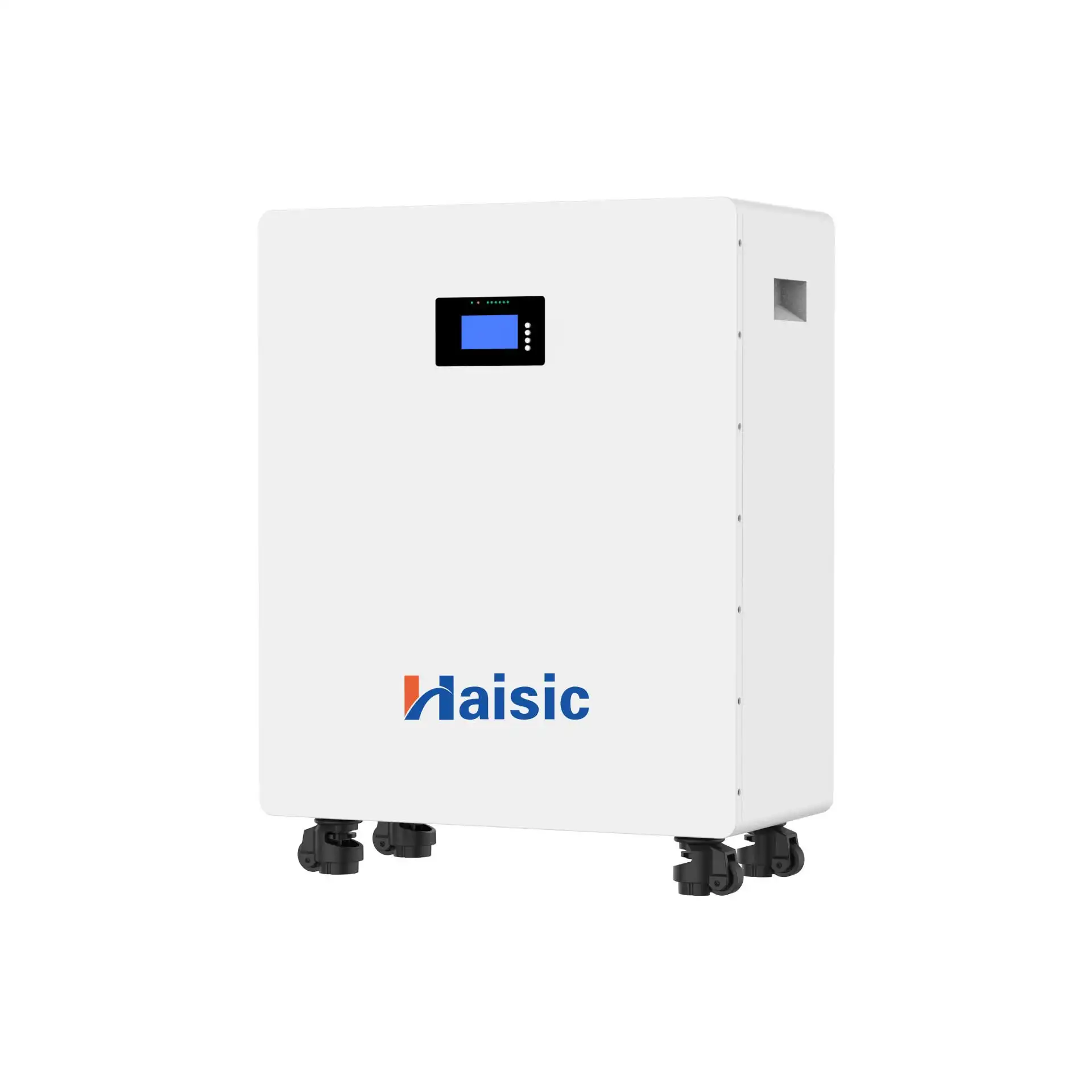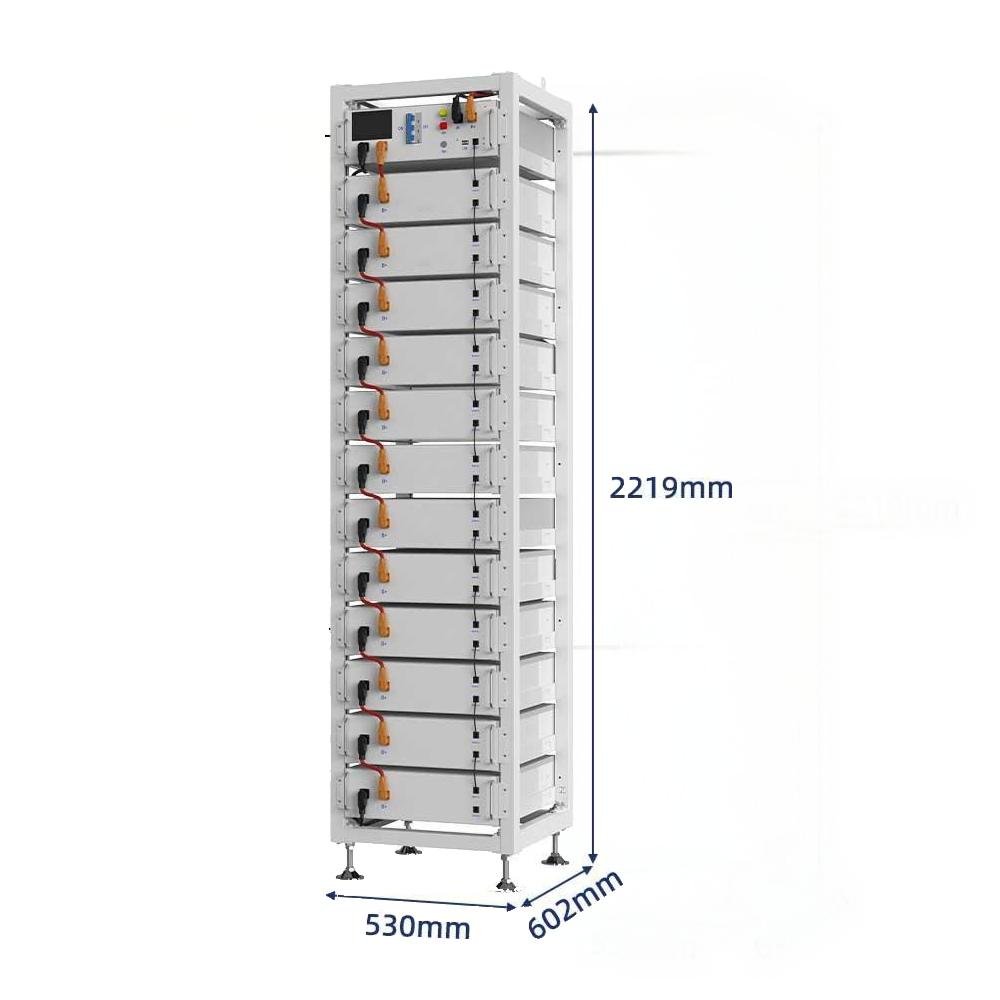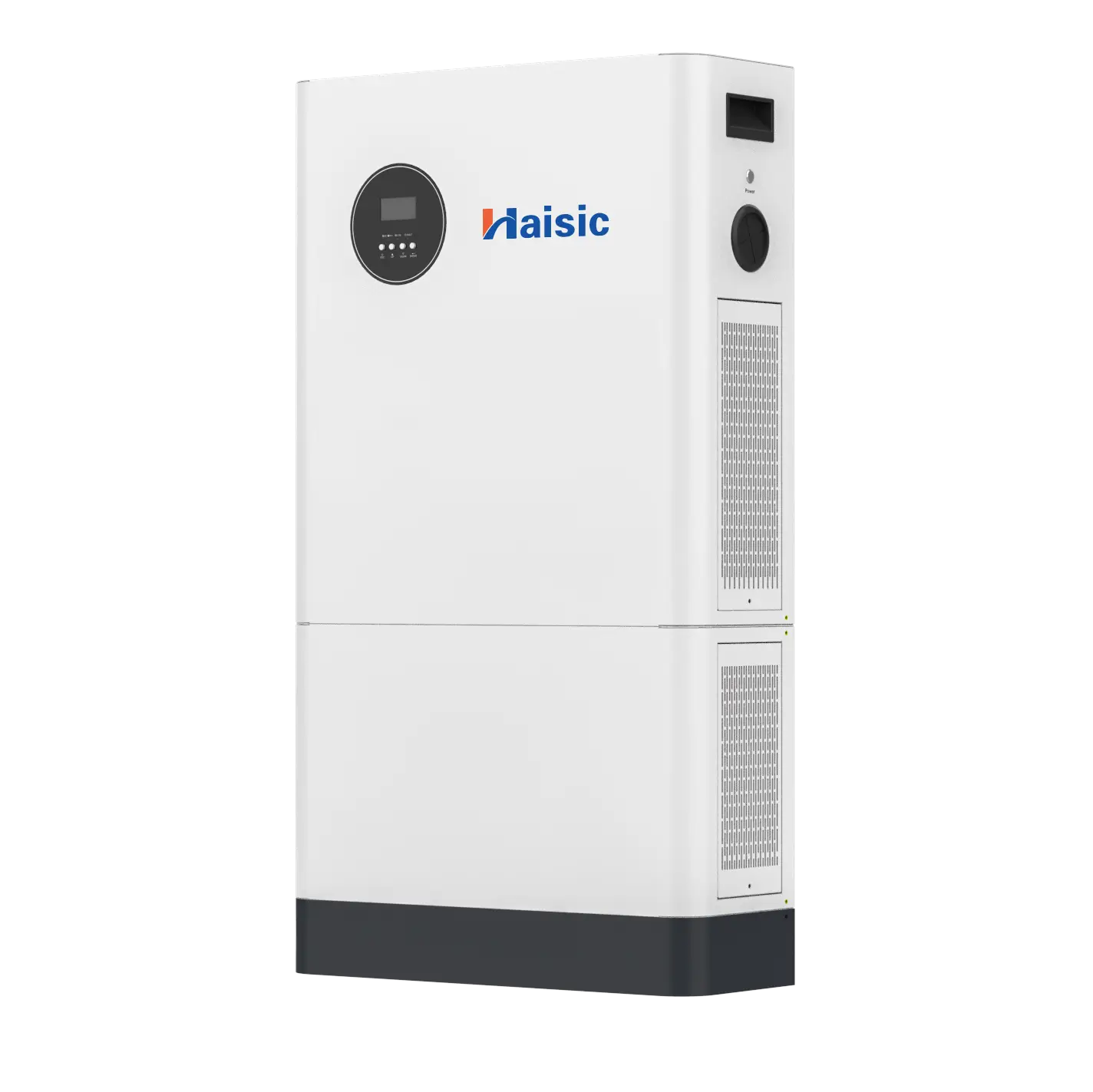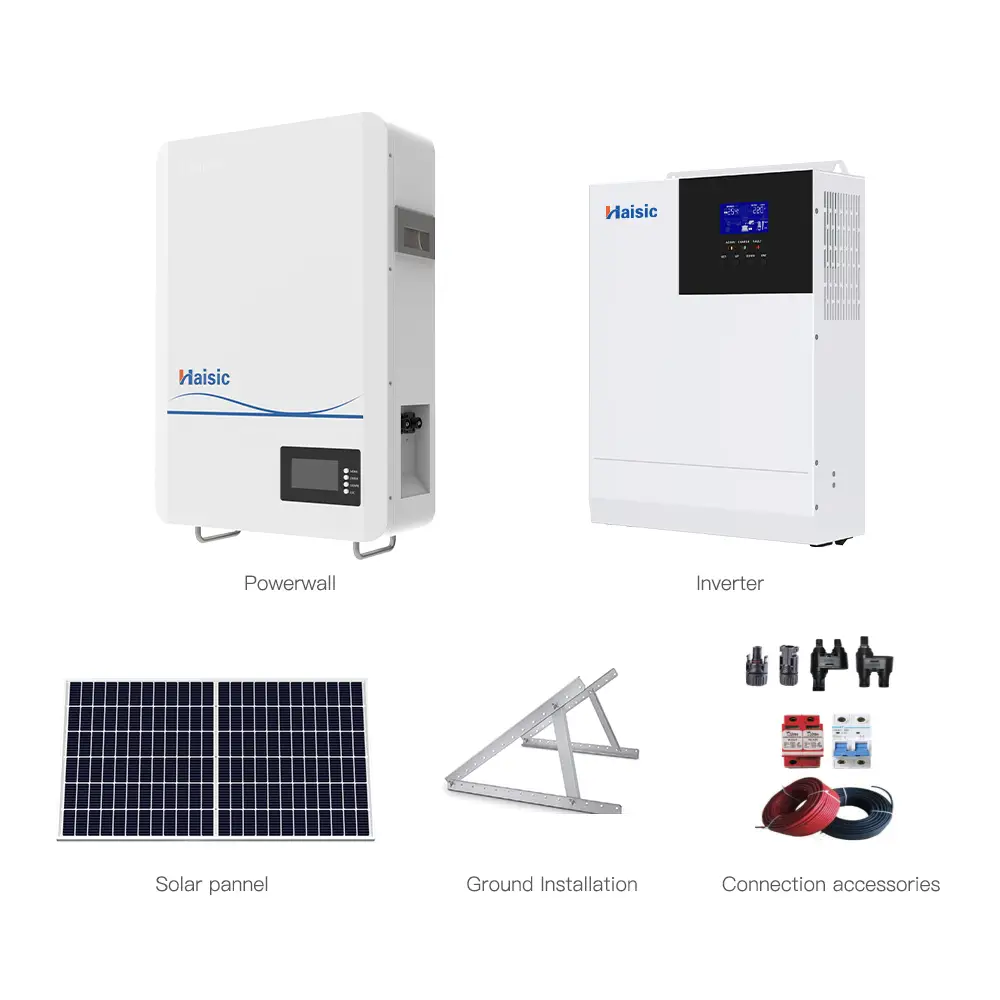

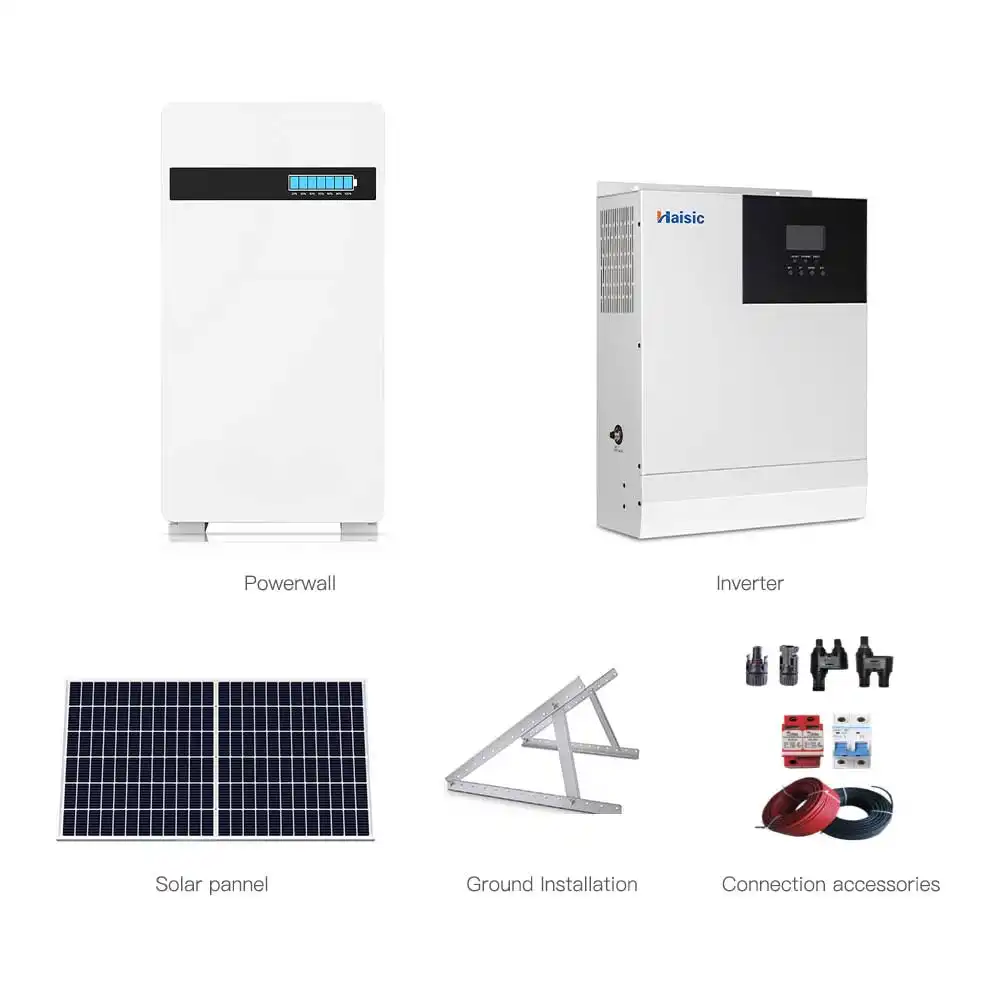

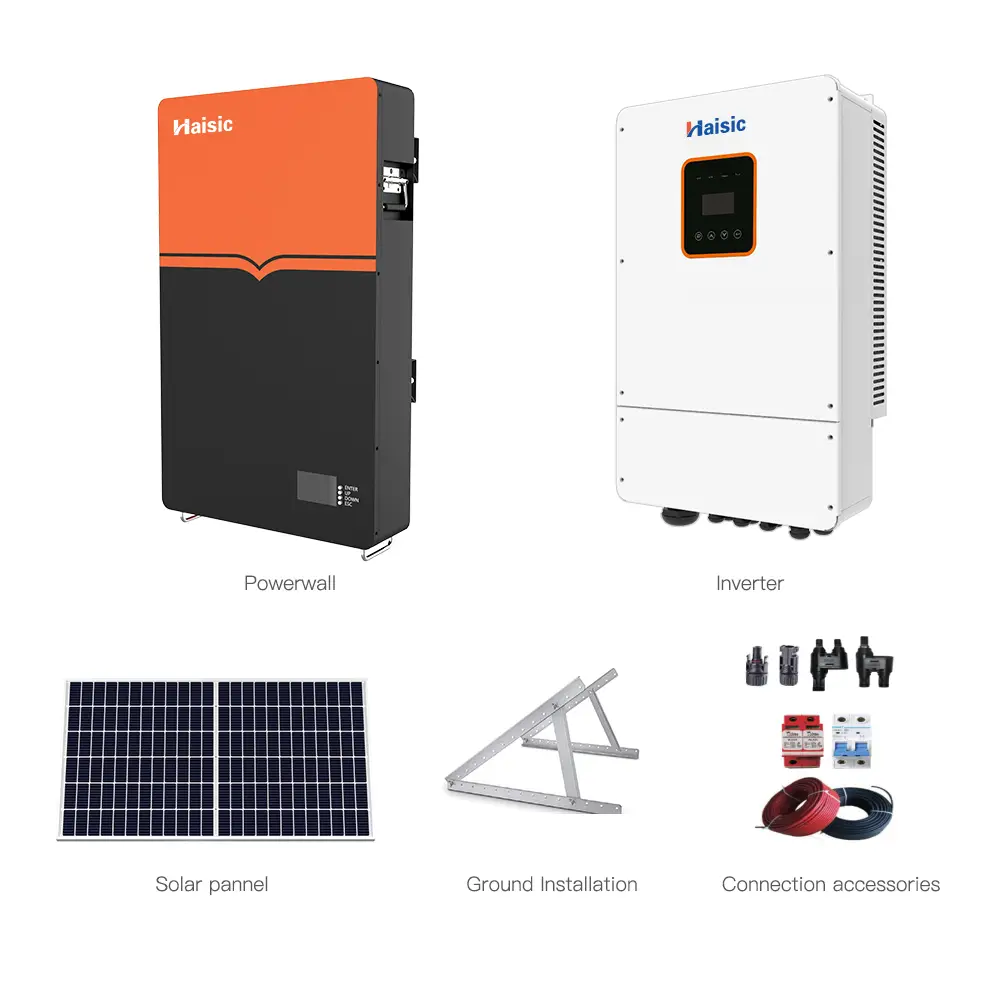
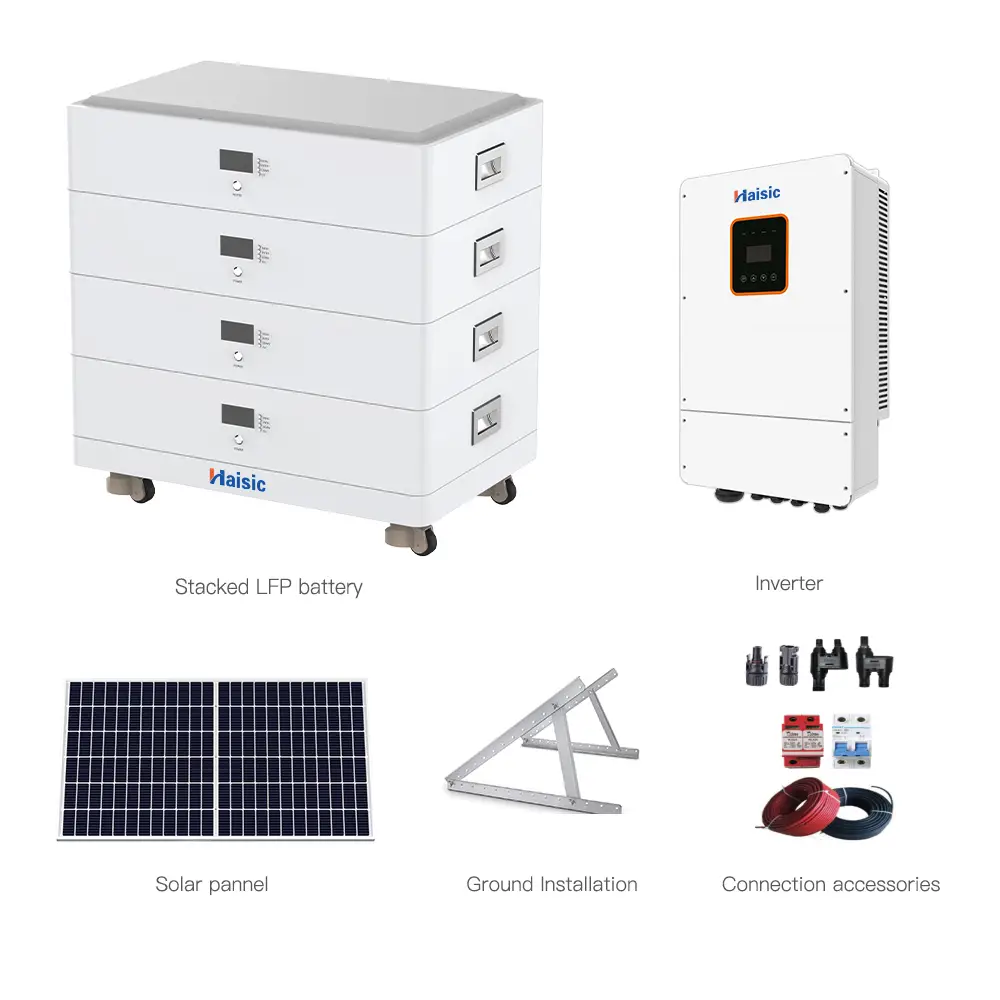
Residential Battery Energy Storage System
Efficient residential battery energy storage system for reliable home power backup and smart energy management
Product successfully added to the quotation
Residential Battery Energy Storage System Description
What Is a Residential Battery Energy Storage System (BESS)?
A residential battery energy storage system (BESS) is more than just a backup power source; it is the cornerstone of modern energy independence. These systems store electrical energy—typically generated by solar panels or drawn from the grid during off-peak hours—for use when you need it most. Unlike noisy, fuel-dependent generators, a residential home battery provides instant, silent power transition during outages and allows homeowners to manage their energy usage intelligently. By integrating advanced lithium technology with smart software, a BESS transforms a standard home into a resilient microgrid capable of operating autonomously from the utility provider.
How Home Battery Storage Works with Solar
Residential solar battery storage maximizes the utility of your photovoltaic (PV) system. Without a battery, excess solar energy generated during the day is sent back to the grid, often at a lower value than what you pay to buy it back at night.
A solar battery solution changes this dynamic through a simple, efficient cycle:
- Generation: Solar panels power your home’s immediate electrical loads (lights, fridge, HVAC).
- Capture: Excess energy flows into the residential battery system rather than the grid.
- Discharge: When the sun sets or grid power fails, the battery automatically discharges to power your home.
This process ensures that the clean energy you produce is actually used by your household, significantly reducing reliance on the utility grid.
Key Components: Batteries, Inverters, and Smart BMS
A high-performance residential power storage system relies on three critical components working in unison. We curate our inventory with top-tier brands like Sol-Ark, Fortress Power, and Enphase to ensure reliability.
- Lithium Battery Banks (LiFePO4): We prioritize Lithium Iron Phosphate chemistry for its superior safety profile and longevity. Unlike older lead-acid or NMC batteries, LFP units (such as those from HomeGrid or EG4) offer thousands of cycles and high thermal stability.
- Hybrid Inverters: The “brain” of the system. Devices like the Sol-Ark all-in-one hybrid inverter manage inputs from solar panels, the grid, and the generator while simultaneously charging the batteries.
- Battery Management System (BMS): This intelligent internal controller monitors voltage, temperature, and current. It balances the cells to prevent overcharging and deep discharging, ensuring the safety and lifespan of your investment.
The Difference Between AC-Coupled and DC-Coupled Systems
When designing a residential battery storage system, choosing between AC and DC coupling is the first critical decision. This choice depends largely on whether you are installing a new solar array or retrofitting an existing one.
| Feature | AC-Coupled Systems | DC-Coupled Systems |
|---|---|---|
| Best Application | Retrofitting homes with existing solar panels. | New installations of Solar + Battery together. |
| Efficiency | Slightly lower (multiple conversions from DC to AC). | Higher efficiency (energy stays in DC until used). |
| Installation | Easier to add to current microinverter systems (e.g., Enphase IQ Battery). | Requires replacing or installing a hybrid inverter. |
| Example Products | Tesla Powerwall, Enphase IQ 5P | Sol-Ark 15k, Fortress Power eVault |
AC-Coupled units are ideal for expanding residential solar battery storage systems without rewiring existing solar equipment. Conversely, DC-Coupled setups offer the highest efficiency for new projects by channeling solar power directly into the battery before converting it for home use.
Key Benefits of Installing a Home Battery System
Investing in a residential battery energy storage system transforms how a household consumes and manages electricity. Beyond simple storage, these systems provide a critical layer of security and efficiency, turning a standard solar setup into a resilient energy hub. We design these systems to offer tangible value, ensuring that your investment pays off in both security and savings.
Energy Independence and Backup Power During Outages
Grid instability is a growing concern for homeowners globally. A robust residential battery storage system ensures that your essential appliances keep running when the public grid fails. Whether you choose a modular unit like the Enphase IQ 5P or a high-capacity option like the Fortress eVault Max, the primary goal is peace of mind.
- Automatic Transfer: Systems detect outages instantly and switch to battery power without interruption.
- Essential Loads: Keep refrigerators, lights, and internet routers powered during emergencies.
- Whole Home Backup: Larger configurations can sustain HVAC systems and major appliances.
Reliable household battery backup solutions allow you to maintain your lifestyle regardless of external weather conditions or infrastructure failures.
Maximizing Savings with TOU Rates and Net Metering 3.0
Smart energy management is a major financial driver for adopting residential solar battery storage. Utility companies often charge higher rates during peak evening hours (Time-of-Use rates). A well-designed system allows you to store excess solar energy generated during the day and discharge it during these expensive peak windows.
| Benefit | Description |
|---|---|
| Load Shifting | Avoid buying expensive grid electricity by using stored battery power in the evening. |
| Solar Self-Consumption | Utilize 100% of the energy your panels produce instead of sending it back to the grid for minimal credit. |
| Rate Insulation | Reduce reliance on utility providers and protect your budget from future rate hikes. |
For many homes, a 5kW power energy storage solar system offers the perfect balance of capacity and cost-efficiency to maximize these savings.
Reducing Your Carbon Footprint with Clean Energy
Pairing solar panels with lithium battery banks significantly lowers a home’s carbon emissions. Without storage, homeowners must rely on the grid at night, which is often powered by fossil fuels. A residential battery system bridges this gap, allowing for the use of clean, renewable solar energy 24 hours a day. By prioritizing LiFePO4 chemistry—which is standard in brands like FranklinWH and EG4—we ensure safe, long-lasting, and environmentally responsible energy storage.
Types of Residential Energy Storage Solutions
When selecting a residential battery energy storage system, the physical design and installation environment are just as critical as the capacity. We offer a diverse range of configurations, from sleek wall-mounted units to robust, stackable towers, ensuring there is a perfect fit for every home’s energy profile.
Indoor vs. Outdoor All-Weather Battery Systems
Not every home has ample garage space, which is why we provide versatile residential solar battery storage options rated for different environments. Premium all-in-one units, such as the Tesla Powerwall 3, are designed with durable enclosures that withstand the elements, allowing for outdoor installation on an exterior wall.
Conversely, some high-capacity lithium battery banks are best suited for climate-controlled indoor spaces to maintain optimal efficiency. Choosing the right enclosure rating ensures your system operates safely, whether it is installed in a basement, garage, or exposed to the weather. For homeowners looking for specialized setups, our residential solar energy storage solutions cover both indoor and outdoor requirements.
Modular and Scalable Battery Stacks
Flexibility is a major advantage of modern residential power storage. Instead of committing to a massive system upfront, many of our customers prefer modular designs. Brands like HomeGrid and Enphase offer “stackable” or modular units that allow you to start with a smaller capacity—such as a 5kWh module—and expand later as your energy needs grow.
- Vertical Stacking: Systems like HomeGrid allow you to stack battery modules vertically, minimizing the floor footprint while maximizing storage.
- Parallel Expansion: Rack-mounted server batteries (like EG4) or wall-mounted units can be wired in parallel to increase total kWh capacity.
This scalability is ideal for families who anticipate purchasing an electric vehicle or adding more appliances in the future. If you need a tailored configuration, we act as a custom energy storage system manufacturer to help design a system that scales with your life.
Off-Grid vs. Grid-Tied Storage Systems
The architecture of your residential battery system depends heavily on your relationship with the utility grid.
- Grid-Tied Systems: These are designed to work alongside the utility grid. They focus on backup power during outages and optimizing time-of-use rates to lower electricity bills. AC-coupled systems, like the Enphase IQ Battery, are popular here because they easily retrofit onto existing solar arrays.
- Off-Grid Systems: For complete energy independence, off-grid systems require robust DC-coupled setups using powerful inverters like Sol-Ark or Schneider Electric. These systems are sized to handle the entire home load without any grid assistance, often utilizing large-capacity banks like the Fortress Power eVault Max.
Portable Emergency Power Kits and RV Solutions
For those who need residential home battery capabilities without a permanent installation, portable and mobile-friendly solutions are available. While full-scale systems power whole homes, smaller LiFePO4 battery kits (often used in RVs or as standalone emergency backups) provide essential power for critical devices. Brands like KiloVault and EG4 offer versatile 12V and 48V options that serve as excellent entry points for DIY solar projects or mobile energy storage, ensuring you have reliable power wherever you go.
Choosing the Right System for Your Home
Evaluating Battery Capacity (kWh) and Power Output (kW)
When selecting a **residential battery energy storage system**, the first two numbers you need to understand are capacity and power. Think of capacity (measured in **kWh**) as the size of your fuel tank—it determines how long you can run your home during an outage. Power output (measured in **kW**) is like the size of the pipe; it dictates how many appliances you can run simultaneously.
If you need to start a central air conditioner or a well pump, you need high peak power output. However, if your goal is simply to keep the lights and Wi-Fi on overnight, you should prioritize total energy capacity. We always advise customers to size their residential power storage based on their critical loads to avoid overspending on capacity they won’t use.
Understanding Battery Chemistry: LFP vs. NMC Safety
Safety is the most critical factor when bringing a large battery into your home. The market is currently split between Lithium Iron Phosphate (LFP) and Nickel Manganese Cobalt (NMC). From my perspective as a manufacturer, **LFP is the superior choice for stationary storage**.
- Safety: LFP has a much higher thermal runaway threshold, making it significantly safer and less prone to fire hazards compared to NMC.
- Lifespan: LFP batteries typically offer double the cycle life of NMC batteries.
- Sustainability: LFP chemistry avoids the use of cobalt, which is often associated with ethical mining concerns.
For a reliable residential home battery, stick with LFP chemistry to ensure long-term peace of mind.
Compatibility with Existing Solar Panels and Inverters
Not all batteries play nice with every solar setup. If you already have solar panels installed, you need to determine if your current inverter is “battery-ready.” Many older string inverters require an AC-coupled solution, where the battery has its own inverter. Conversely, if you are installing a new system from scratch, a DC-coupled system is often more efficient.
We design our residential solar battery systems to be highly compatible with major hybrid inverter brands. Ensuring seamless communication between the battery management system (BMS) and your inverter is vital for maximizing efficiency and monitoring data correctly.
Warranty Terms and Life Expectancy of Residential Batteries
A **residential battery system** is a long-term investment, and the warranty should reflect that. Don’t just look at the number of years (usually 10); look at the throughput warranty or cycle life. A high-quality battery should be rated for 6,000+ cycles at 80% Depth of Discharge (DoD).
You also want to check the “end of warranty capacity.” This guarantees that after 10 years, the battery will still hold a certain percentage of its original charge. For instance, a premium 10kWh wall-mounted home energy storage unit is built to retain significant capacity even after a decade of daily use, ensuring you get real value for your money.
Leading Residential Energy Storage Brands and Products
When selecting a residential battery energy storage system, we prioritize reliability and performance. We stock industry-leading brands that define the standard for home energy independence, including Tesla, Enphase, FranklinWH, Fortress Power, and HomeGrid. Our selection covers a wide range of chemistries and configurations, ensuring we can design a system that fits your specific energy goals, whether you need a proprietary ecosystem or a flexible, brand-agnostic solution.
High-Capacity All-in-One ESS Units
For larger homes or households with high energy demands, modular low-capacity batteries often aren’t enough. We recommend high-capacity units designed to handle significant loads without cluttering your space with multiple small boxes. Products like the Fortress Power eVault Max offer massive storage (up to 18.5 kWh) in a single robust unit. These systems are often “stackable,” allowing us to scale up easily if your energy needs grow. If you are seeking a reliable house battery backup that can sustain your home through extended outages, these all-in-one ESS units provide the heavy-duty power required for critical appliances and HVAC systems.
Slim, Wall-Mounted Space-Saving Designs
Not every homeowner has a dedicated mechanical room for equipment. That is why we offer slim, aesthetically pleasing residential battery systems that can be mounted directly on a garage wall or the side of your house.
- Tesla Powerwall 3: Known for its sleek design and integrated inverter, making it a compact choice for retrofits.
- Enphase IQ Battery 5P: A modular, distributed architecture that is easy to handle and install in tight spaces.
These designs utilize safe Lithium Iron Phosphate (LFP) chemistry while maintaining a low profile, preserving your floor space while delivering powerful residential power storage.
Smart Energy Management and Mobile App Monitoring
A modern residential solar battery storage system is more than just hardware; it is about intelligent control. The brands we carry, such as FranklinWH and Sol-Ark, feature sophisticated battery management systems (BMS) accessible via mobile apps. These platforms allow you to monitor real-time solar production, battery state-of-charge, and home consumption. You can program your system to discharge during peak rate hours to maximize savings or reserve power for storm alerts. We provide specialized technical commissioning support to ensure these smart features are perfectly calibrated, giving you complete visibility and control over your energy usage.
Installation and Cost Considerations
Average Cost of Residential Battery Storage
Investing in a **residential battery energy storage system** requires a clear understanding of the financial commitment. The total cost fluctuates based on the brand, chemistry, and total capacity you require. We offer a range of options to fit different budgets and energy needs:
- Entry-Level Modules: Individual expansion batteries or smaller modular units typically start around $1,500 to $3,000.
- Mid-Range Units: Specialized battery units designed for specific ecosystems often range between $5,000 and $9,000.
- Full System Kits: Complete “Essential” or “Whole Home” backup kits, which include the battery, inverter, and necessary controls, generally range from $10,000 to over $18,000.
These prices reflect the hardware costs for high-quality, industry-leading brands like Tesla, Enphase, and Fortress Power. While the upfront cost is significant, the long-term value lies in energy security and potential savings on utility bills.
Federal Tax Credits and Local Rebate Programs
To make **residential solar battery storage** more accessible, financial incentives are often available. We frequently apply “Instant Savings” and sale pricing to major brands to lower the initial barrier to entry. Beyond our direct discounts, many homeowners can leverage government incentives.
While specific programs vary by location, federal tax credits and local utility rebates can significantly offset the cost of your system. It is smart to investigate current incentives in your area, as these can dramatically reduce the net cost of adopting clean energy storage.
Finding a Certified Installer and Site Preparation
Proper installation is just as important as selecting the right hardware. We position our products as DIY-friendly professional-grade equipment, meaning they are accessible for guided installation. If you are looking to [build a home battery backup system](https://haisicstorage.com/build-a-home-battery-backup-system/), we provide specialized technical commissioning support. This ensures that the critical final steps of the installation are handled correctly, guaranteeing your system operates safely and efficiently.
Site preparation involves ensuring you have adequate wall or floor space for units like the slim Tesla Powerwall or stackable HomeGrid modules. Whether you hire a local certified electrician or manage the project yourself with our support, planning the physical layout and electrical connections is the first step toward energy independence.
Frequently Asked Questions
Can I Go Completely Off-Grid with a Home Battery?
Yes, going off-grid is possible, but it requires a properly sized residential battery energy storage system and a sufficient solar array. Unlike a standard grid-tied setup, an off-grid system must generate and store enough power to cover your usage during nights and cloudy days without any utility support.
To achieve this, we typically recommend “Whole Home” kits rather than smaller modular units. You will need high-capacity storage—often using stackable modules like HomeGrid or large single units like the Fortress eVault Max (18.5 kWh)—paired with powerful inverters such as Sol-Ark. For those looking to disconnect entirely, a robust home power storage system capable of handling high surges and sustained loads is essential to ensure you never run out of power.
How Long Will a Home Battery Power My House During an Outage?
The duration depends entirely on your battery’s capacity (kWh) and the electrical loads you choose to run. Most homeowners select one of two backup strategies:
- Essential Load Backup: A smaller system (approx. 5–10 kWh, like an Enphase IQ Battery 5P) powers critical circuits like lights, Wi-Fi, and the refrigerator. This can last 10 to 24 hours depending on usage.
- Whole Home Backup: Larger systems (15–30+ kWh) can run heavy appliances like air conditioners and well pumps. With conservative use and solar recharging during the day, these systems can keep a home running indefinitely.
What Maintenance Does a Residential ESS Require?
Modern residential solar battery storage systems are designed to be virtually maintenance-free. Most of the brands we carry, including EG4 and Fortress Power, utilize Lithium Iron Phosphate (LFP) chemistry. Unlike older lead-acid batteries, LFP units do not require water refilling, ventilation, or regular equalization charging.
Routine “maintenance” is mostly digital. You should regularly check your system’s monitoring app (such as the Tesla or Enphase app) to ensure the firmware is updated and the system is reporting data correctly. Physically, just ensure the battery unit remains free of dust and debris, and that air intake vents are not obstructed.
Is a Battery System Worth the Investment Without Solar?
While pairing storage with solar yields the highest return on investment through energy independence, a standalone battery still offers significant value. Even without panels, a home battery backup provides critical security during grid failures, keeping your essentials running when the neighborhood goes dark.
Additionally, if your utility company uses Time-of-Use (TOU) rates, you can program the battery to charge from the grid when electricity is cheap (off-peak) and discharge during expensive peak hours. This “rate arbitrage” can lower your monthly bills, although the savings are generally lower than if you were generating your own free power.
Reated Products
Related products
-

Product successfully added to the quotation
-

Product successfully added to the quotation
-

Product successfully added to the quotation
-
Product successfully added to the quotation