

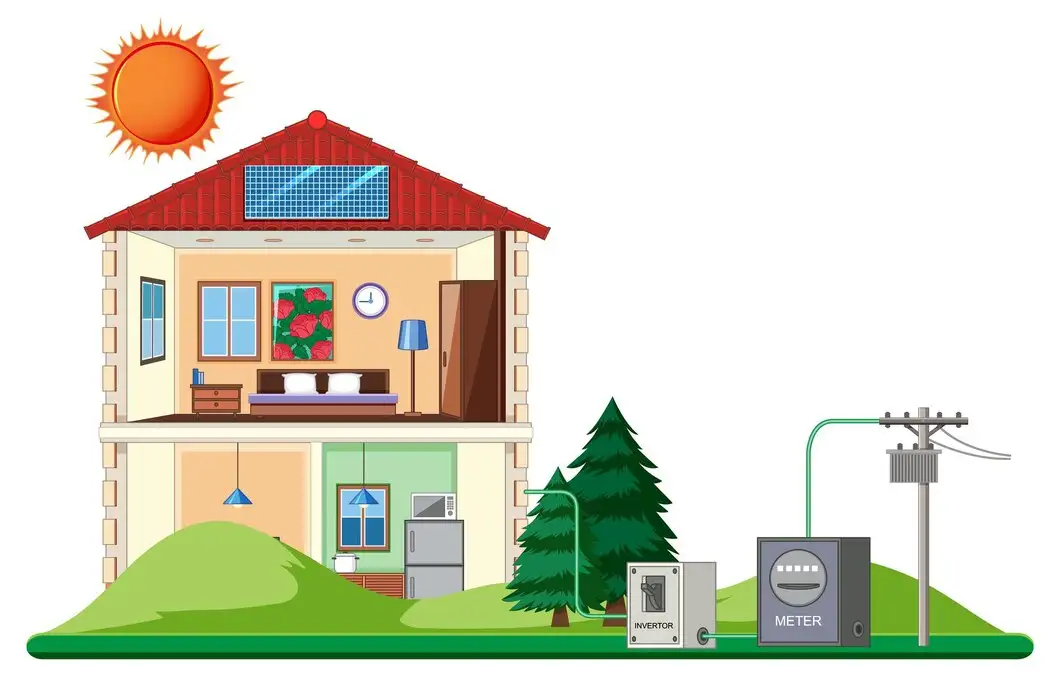
How Much Money Can You Really Save With Home Energy Storage?
If you’re dealing with rising power bills and constant outage worries, a home energy storage system (a home battery) is one of the few upgrades that can cut costs and keep the lights on.
Typical Savings Range: $700–$1,500 Per Year
For most grid‑tied homes, a properly sized lithium home battery can cut the annual electricity bill by roughly:
- Low impact: $400–$700/year (mild rates, limited time‑of‑use pricing)
- Typical: $700–$1,500/year (common in many US, EU, AU, and high‑tariff markets)
- High impact: $1,500–$2,500+/year (very high prices, strong time‑of‑use or demand charges)
Those numbers assume normal household usage and smart operation: charging the battery when power is cheap and using it when rates spike.
If You Already Have Solar Panels
With solar, the savings potential usually jumps:
- Solar only: You save by generating your own power, but export excess at low credit rates in many regions.
- Solar + battery (solar plus storage):
- You store surplus solar instead of sending it back to the grid for pennies.
- You use that stored energy at night when you’d otherwise buy expensive grid power.
In markets with weak net metering or low export credits, a solar battery often adds 30–60% more bill reduction on top of what your solar panels already do.
When a Home Battery Makes a Big Difference
A battery tends to save the most when:
- You have time‑of‑use rates (cheap off‑peak, expensive peak hours).
- Your utility gives poor export credit for solar (below retail rate).
- You face demand charges or peak usage fees.
- Your evening and night usage is high (AC, cooking, EV charging, entertainment).
It helps less when:
- Your utility has simple flat rates with low prices.
- You get full retail net metering, so exported solar is credited at the same rate you pay.
- Your home uses very little energy, so there isn’t much bill left to cut.
What Actually Drives the Savings?
Your home energy storage savings come mainly from four levers:
- Time‑of‑use arbitrage: Charge the battery with cheap off‑peak or midday solar; use it during peak‑rate hours.
- Maximizing solar self‑consumption: Keep more of your own solar instead of selling it back for less.
- Peak shaving: Knock down short spikes in usage that trigger high demand or capacity charges.
- Backup value: Avoid losing food, business, or comfort during outages—real savings that don’t always show on the bill.
If your rates, usage pattern, and solar production line up, a home battery can turn into a predictable, long‑term way to lock in lower energy costs while making your home more resilient.
How a Home Energy Storage System Actually Works
A home energy storage system is basically a smart battery that lets you control when you buy from the grid and when you use stored power. That’s where the real home energy storage savings come from.
Store extra solar instead of sending it back
If you have solar, your panels often produce more than you use in the middle of the day. A solar plus storage system will:
- Charge the battery first with extra solar power
- Only export to the grid when the battery is full
- Let you use that stored solar at night, instead of buying from the grid
This boosts your solar self-consumption and avoids exporting at low credit rates in places with weak net metering.
Charge off-peak, use during peak
Even without solar, a home battery can save money under time-of-use (TOU) rates:
- Charge the battery at night when power is cheap (off‑peak)
- Discharge during late afternoon/evening when prices spike (peak)
- This “rate arbitrage” can cut a big chunk from your monthly bill
In some regions, this alone is enough to make a 5–10 kWh system, like a 5kW home energy storage solar system, pay back in under 10 years.
Key parts: battery, inverter, smart controller
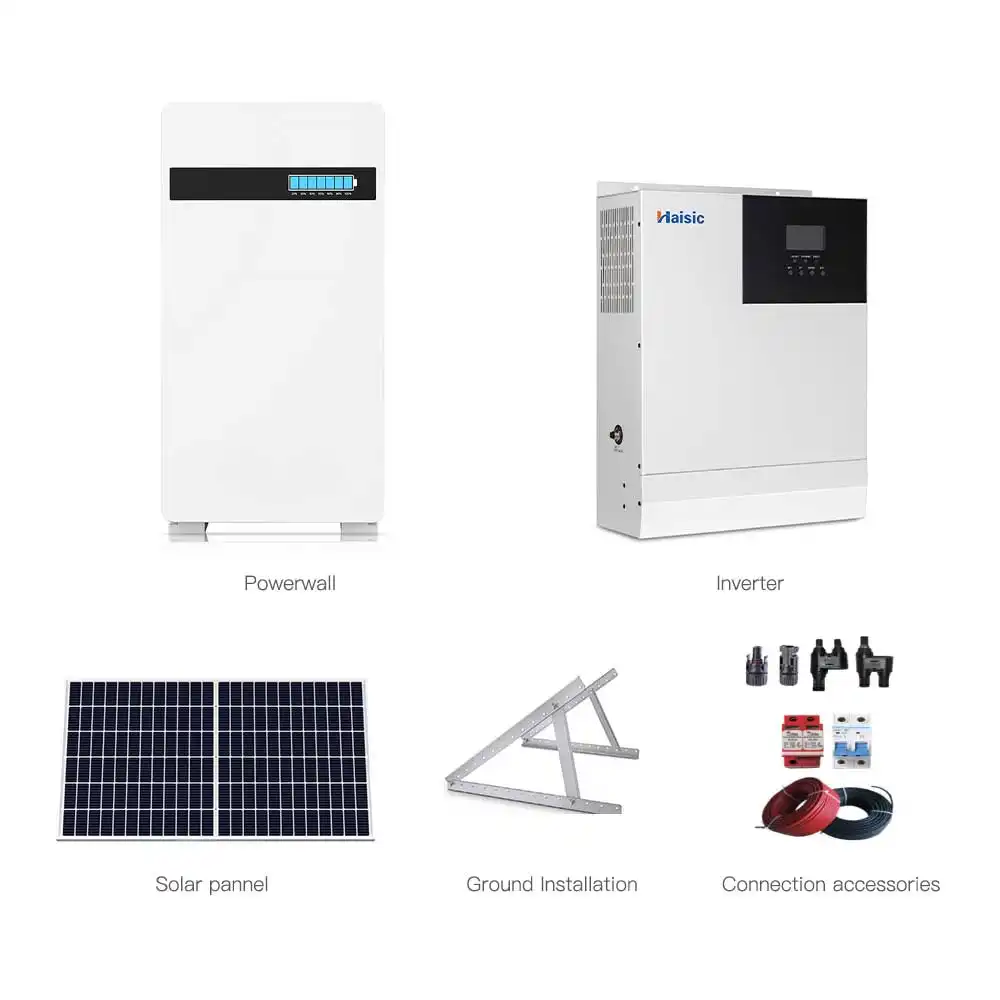
Every grid‑tied home battery system has three main pieces:
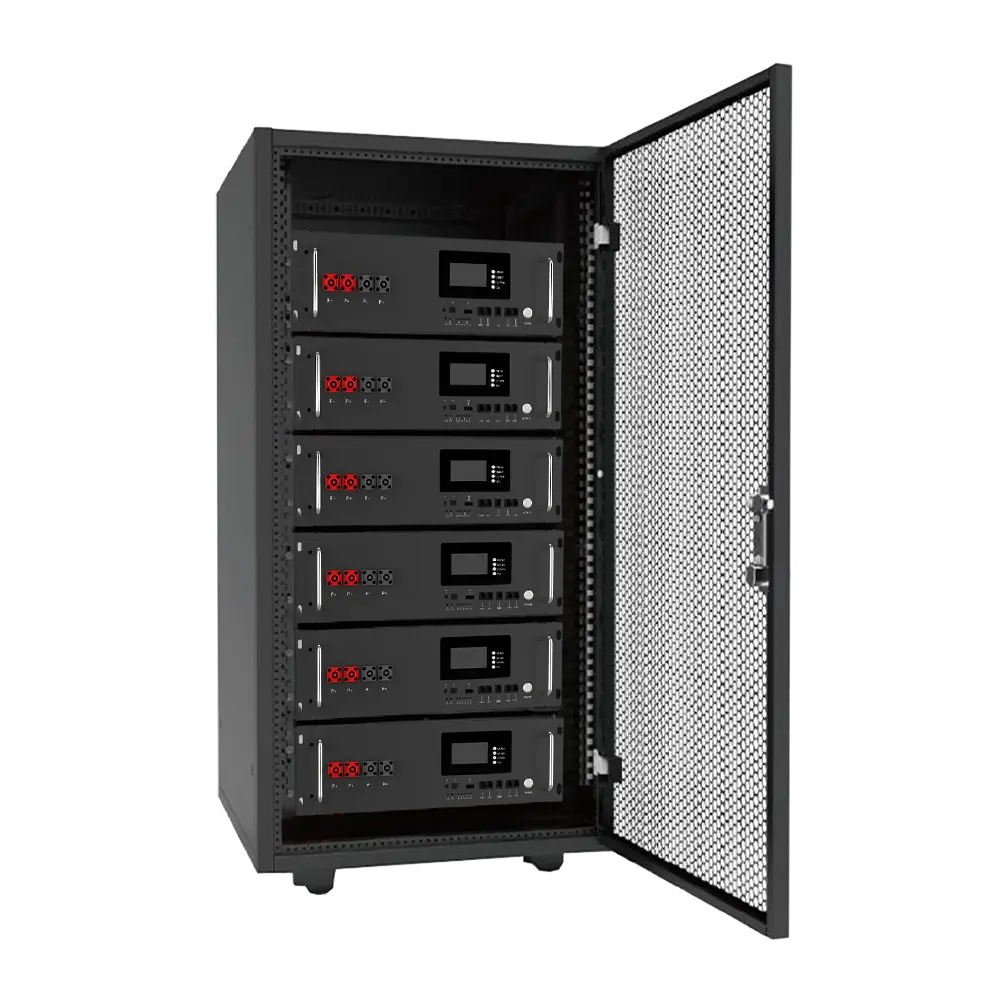
- Battery (usually lithium): stores energy in kWh
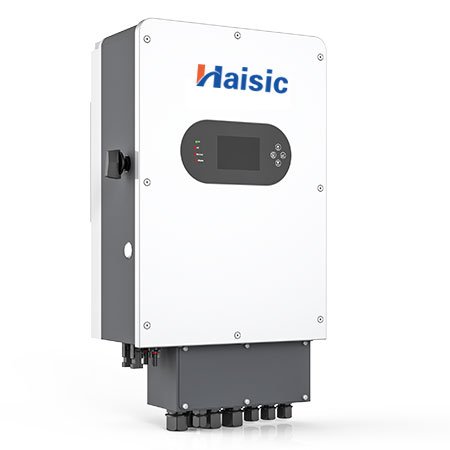
- Hybrid/Storage inverter: converts DC from solar/battery to AC for your home and the grid
- Smart controller / energy management system: decides when to charge, discharge, or export based on:
- TOU prices
- Solar production
- Your usage patterns
- Backup priorities during outages
The smarter this control is, the more residential battery storage ROI you can squeeze out.
Standalone battery vs solar plus storage
You’ve got two main setups:
-
Standalone battery (no solar)
- Best for: TOU savings, peak shaving, backup power
- Charges mostly from cheap grid power
-
Solar plus storage
- Best for: maximizing solar plus storage savings, lowering bills long‑term, and riding through outages
- Uses both solar and grid charging to optimize costs
In many markets, pairing solar with a 10 kWh home battery system or a larger 10kW off‑grid solar power setup delivers the strongest combination of energy bill reduction and resilience.
Main ways a home battery saves you money
1. Time-of-use rate arbitrage (charge low, use high)
If your utility has time-of-use (TOU) pricing, a home battery is basically a built‑in “rate hack.”
You can:
- Charge the battery when power is cheap (off‑peak, often late night or midday with excess solar)
- Use that stored energy when prices spike (evenings / peak hours)
The difference between off‑peak and peak rates is your profit per kWh. In many regions, that spread is $0.15–$0.30 per kWh, which adds up fast over a year.
2. Maximize solar self-consumption
Without a battery, extra solar you don’t use immediately is pushed back to the grid, usually at a low export credit. With weaker net metering, that can be as low as 20–40% of what you pay to import power.
A smart lithium home battery lets you:
- Store your midday surplus solar instead of exporting it cheap
- Use that stored solar in the evening and at night, replacing expensive grid power
This “solar self-consumption” boost is one of the biggest drivers of solar plus storage savings, especially in markets with poor export rates. If you’re comparing options, look at how much more of your own solar you can use with a well‑sized home lithium battery storage system.
3. Peak shaving and demand charge reduction
Some utilities – especially in the US, Canada, and parts of Europe and Asia – add demand charges based on your highest 15–30 minute power spike each month.
A home battery can “shave” those peaks by:
- Discharging when your home hits high load (EV charging, AC, oven, etc.)
- Keeping your measured grid demand lower, which cuts those monthly demand fees
For homes or small businesses on demand‑based tariffs, this can be hundreds of dollars per year in savings.
4. Putting a value on backup power during outages
Backup power isn’t a line item on your bill, but it absolutely has a value:
- Food not spoiled in the fridge/freezer
- Work-from-home time not lost during daytime outages
- No need for a noisy fuel generator and its fuel costs
- Comfort and safety during storms or grid failures
Most people mentally price this at $100–$500+ per outage year, depending on how critical uptime is for their home or business. When you look at residential battery storage ROI, don’t ignore this “soft” but very real benefit.
5. Extra savings from utility or grid programs
In more and more markets, utilities and grid operators will pay you (or credit your bill) if they can use your battery as a flexible grid resource. Typical options:
- Virtual Power Plant (VPP) programs that briefly tap your battery during peak demand
- Capacity or demand response programs that reward you for being available at critical times
These can add an extra 5–20% to your annual home energy storage savings, depending on your location and program design. When comparing systems, ask installers how well their batteries integrate with local grid programs and whether they support enrollment out of the box.
If you want a quick feel for how each of these levers affects cost, check out typical pricing and performance ranges in this guide to the cost of solar battery storage and what really drives long‑term savings: solar battery cost breakdown and savings factors.
Real-world home energy storage savings
Average yearly savings (by rates & regions)
Most households that use a home battery smartly see about $700–$1,500 in bill savings per year. Here’s a rough guide:
| Region / Rate Type | Typical Annual Savings* |
|---|---|
| US, flat rate ($0.15–$0.20/kWh) | $300–$700 |
| US, TOU rates ($0.15 off-peak / $0.35 peak) | $700–$1,500 |
| Europe (high prices, weak net metering) | $800–$1,800 |
| Australia (good sun, low export tariffs) | $900–$1,700 |
*Assumes 7–15 kWh lithium battery, daily cycling, normal family load.
Lifetime savings over 10–15 years
A good lithium system (like a 10–15 kWh LiFePO₄ pack) working daily can often deliver:
- 10 years: roughly $7,000–$12,000 in bill savings
- 15 years: roughly $11,000–$18,000 in bill savings
If you’re pairing a long-life pack (for example, a 15 kWh LiFePO4 solar battery) with rising energy prices, those numbers can go even higher.
Grid-only vs solar-only vs solar + battery
| Setup | Pros | Cons / Missed Savings |
|---|---|---|
| Grid-only | No upfront cost | Highest bills, no protection from price hikes |
| Solar-only | Cuts daytime grid use | You often export cheap and buy back expensive |
| Solar + battery | Highest bill reduction, backup | Higher upfront cost, but best long-term ROI |
In many markets, solar + storage can cut your grid purchases by 60–90% for a typical family home.
Savings by household usage level
| Household Type | Daily Use | Typical Battery | Rough Yearly Savings |
|---|---|---|---|
| Low-usage apartment | 8–12 kWh | 5–7 kWh | $300–$600 |
| Medium family home | 15–25 kWh | 10–15 kWh | $700–$1,500 |
| High-usage large home | 30–40+ kWh | 15–20+ kWh | $1,200–$2,500 |
High-usage homes with AC, pool pumps, or EVs generally see faster payback, because there’s more expensive peak power to offset.
Weekend vs weekday patterns
Your schedule changes how much a home battery can save you:
-
Weekday-heavy usage (evenings, after work):
- Battery charges from cheap off-peak or solar midday
- Discharges into your peak-price evening hours
- Best-case for time-of-use savings
-
Weekend-heavy usage (home all day):
- More solar is used directly, so the battery focuses on:
- Covering late evenings
- Shaving any weekend peaks
- Savings are still solid, but slightly lower if your weekend rates are cheaper
- More solar is used directly, so the battery focuses on:
If your weekday evenings are your most expensive time, a well-sized residential battery can shift a big chunk of your bill out of that peak window and into cheap solar or off-peak power.
For custom savings projections, I always recommend getting real usage data and matching it to a specific system design from a serious battery energy storage provider (for example, working directly with a specialized battery storage system company).
Key factors that influence your home battery savings
How much money a home energy storage system can save you depends on a few core things. I’ll keep it straight and practical so you can quickly tell if a battery makes sense for your home.
1. Local electricity prices and TOU vs flat rates
Your local electricity tariff is the biggest driver of savings:
- Time-of-use (TOU) rates – If your utility charges a lot more during peak hours (late afternoon/evening), a battery can:
- Charge from cheap off‑peak or solar
- Discharge during expensive peak windows
This “buy low, use high” arbitrage is where home batteries often pay off fastest.
- Flat rates – If you pay the same price all day, battery savings are usually lower, unless you’re in a region with very high kWh prices or demand charges.
2. Net metering rules and export credits
If you already have solar, the value of exported solar is crucial:
- Full retail net metering – If the utility pays you close to your retail rate for exports, the extra financial benefit of a battery is smaller.
- Reduced export credits / feed‑in tariffs – If the utility only pays a low rate for exported solar, a battery shines by:
- Storing surplus solar instead of exporting it cheap
- Letting you self‑consume more of your own energy at full retail value
Weak net metering = stronger battery ROI.
3. Your energy use and solar production patterns
Your household habits matter as much as the hardware:
- If you use a lot of power in the evening (cooking, AC, EV charging, entertainment), a battery can cover those peak hours and cut the most expensive kWh from your bill.
- If most of your usage is midday while the sun is shining, you already use a lot of your solar directly, so battery savings are smaller.
- A good match between your solar output curve and your evening load is where battery savings really stack up.
4. Battery size, usable capacity, and efficiency
Not all home batteries deliver savings the same way:
- Right-sized capacity – A system like a 10–20 kWh home battery works well for most typical homes. Too small and you still buy a lot from the grid; too big and you pay for capacity you rarely use.
- Usable capacity – Look at usable kWh, not just the headline number. That’s what actually powers your home each day.
- Round‑trip efficiency – Higher efficiency (90%+ for quality lithium systems) means less energy lost in charging/discharging and more bill savings from every kWh cycled.
If you’re considering a compact setup, a 10 kWh wall‑mounted home energy storage system is a solid starting point for many average‑consumption homes.
5. Rising energy prices over 10–15 years
A home battery is a 10+ year decision. Over that time:
- Electricity prices rarely go down – Most markets see steady increases from fuel costs, grid upgrades, and policy changes.
- As prices rise, each kWh your battery offsets becomes more valuable, which:
- Shortens your payback period
- Increases your total lifetime savings
In simple terms: the higher (and more volatile) your local power prices are expected to be, the more a well‑sized, efficient home battery system can save you over its lifespan.
Payback period and ROI for home energy storage
Typical payback period (7–12 years)
For most homes, a well-sized home energy storage system pays for itself in about 7–12 years. The range depends mainly on:
- Electricity prices (and time-of-use rate spreads)
- Whether you already have solar panels
- Local incentives and tax credits
- Battery size, efficiency, and installed cost
- How much of the battery you actually use daily
If you’re in a region with high power prices, strong time-of-use rates, or weak net metering, you’re usually near the 7–9 year end. Flat, cheap rates tend to push payback towards 10–12+ years.
Simple payback formula (quick DIY check)
You can estimate your payback time in minutes:
Payback (years) = Total Installed Cost / Annual Bill Savings
Where:
- Total Installed Cost = Battery system cost – incentives – tax credits
- Annual Bill Savings = (Bill before battery) – (Bill after battery)
If you want a rough pre-quote estimate, assume:
- Savings of $600–$1,500/year for a typical 7–15 kWh home system in a good rate environment.
Example: realistic ROI with a 10 kWh system
Let’s take a simple, realistic case for 2026:
| Item | Value |
|---|---|
| Battery size | 10 kWh usable |
| Installed cost | $9,000 |
| Federal tax credit (30%) | -$2,700 |
| Net cost after credit | $6,300 |
| Average annual savings | $800/year |
| Expected battery life | 12–15 years |
Payback:
- $6,300 / $800 ≈ 7.9 years
Lifetime net savings (over 12 years):
- $800 × 12 = $9,600 total savings
- $9,600 – $6,300 cost = $3,300 net gain
That’s before you factor in rising electricity prices, which usually improve real-world ROI.
If you’re combining storage with solar, a compact floor-mounted home energy storage system such as a 51.2V 100Ah 5120Wh unit can be stacked or paired to hit the 10–15 kWh sweet spot for daily cycling.
ROI vs keeping money in the bank
Compare that to just parking $6,300 in cash:
- Typical savings account: 2–4% per year (before inflation)
- Battery ROI (from above):
- $800 / $6,300 ≈ 12.7% per year simple return on capital
Even if your actual savings land at $600/year, that’s still ~9.5%. For most households, that beats low‑risk bank interest by a wide margin, especially where power rates are climbing.
With solar vs without solar: ROI differences
With solar panels:
- Battery lets you store excess solar instead of exporting it at low credit rates.
- You get two savings streams: solar generation + smart battery use.
- Typical ROI: 10–18%/year equivalent, payback often 7–10 years.
Without solar (battery only):
- Savings mainly from time-of-use arbitrage and peak shaving.
- ROI depends heavily on rate spread (difference between off‑peak and peak prices).
- Typical ROI: 6–12%/year, payback often 9–12 years if rates are favorable.
If your goal is maximum financial return, pairing a battery with solar and a high-cycle, long‑life system like a modular 10 kWh–20 kWh wall-mounted or cabinet solution (for example, a 10.24 kWh touchscreen energy storage system) usually delivers the strongest long‑term value per kWh.
Upfront battery costs vs long‑term value
Typical home battery cost in 2026
By 2026, most home energy storage systems (installed, not DIY) land roughly here:
- Small systems (5–10 kWh): around $5,000–$10,000 installed
- Mid systems (10–15 kWh): around $9,000–$15,000 installed
- Larger systems (15–20+ kWh): $14,000–$22,000+ installed
A quality 10 kWh lithium system (similar to a 10 kWh 51.2V LiFePO₄ home battery) is usually in that mid range, before tax credits, rebates, or utility incentives.
What you actually pay for
That “battery quote” is not just the battery box:
- Hardware (60–75%)
- Battery pack (cells, BMS, enclosure)
- Hybrid/AC inverter and gateway
- Mounting hardware, wiring, breakers, monitoring
- Labor (20–30%)
- Site visit, design, installation, testing, commissioning
- Soft costs (5–15%)
- Permits, inspections, engineering, paperwork, overhead
If two quotes are far apart, it’s usually because of hardware quality, labor time, and what’s actually included (panel upgrades, backup circuits, etc.).
Lifespan, warranty, and cycle life = real value
The price only makes sense when you factor in how long the battery will work at good performance:
- Cycle life: Good lithium systems offer 4,000–6,000+ cycles at 80% remaining capacity
- Calendar life: Typically 10–15+ years under normal use
- Warranty: Look for 10+ years and a clear throughput (MWh) guarantee
A cheaper battery with 2,000–3,000 cycles can cost more per kWh over its life than a higher-end system with 6,000+ cycles. That’s why rugged LiFePO₄ packs like a 51.2V 400Ah 20.48 kWh battery often win on lifetime value, not just safety and performance.
Total cost of ownership vs sticker price
Think in cost per lifetime kWh, not just upfront dollars:
Cost per kWh = Total installed cost ÷ (Usable capacity × expected cycles)
Example:
- $10,000 system, 10 kWh usable, 4,000 cycles
- Lifetime energy = 10 kWh × 4,000 = 40,000 kWh
- Cost per kWh = $10,000 ÷ 40,000 = $0.25/kWh
If your local grid power during peak hours is $0.30–$0.45/kWh and rising, that math starts to make sense quickly—especially if you’re stacking time-of-use savings + solar self-consumption + incentives + backup value.
Why higher‑quality systems can be cheaper long‑term
Spending more upfront can lower your long‑term cost per kWh when you get:
- Higher round‑trip efficiency (less energy lost every time you charge/discharge)
- More usable capacity (larger depth of discharge)
- Longer cycle life and stronger warranty
- Better thermal management and safer chemistry (LiFePO₄)
In global markets where tariffs and peak rates keep climbing, the smart move is to look at:
- Payback period (years)
- Lifetime savings ($)
- Cost per lifetime kWh
—not just the cheapest quote on day one. That’s how you turn a home battery from an expense into a long-term asset.
Incentives, rebates, and tax credits that boost savings
Home energy storage systems get a lot more attractive once you stack incentives on top of your monthly bill savings. In many regions, incentives can easily knock 20–40% off your payback time if you plan things right.
Federal tax credits for home energy storage
In many countries (like the U.S. and several EU markets), home batteries qualify for federal clean energy tax credits when they meet certain rules:
- In the U.S., the Residential Clean Energy Credit can cover a percentage of the installed cost of a standalone battery or a solar plus storage system.
- The credit is usually applied to:
- Battery pack
- Hybrid inverter
- Installation labor
- Electrical upgrades directly tied to the system
This directly lowers what you pay out of pocket and improves your home energy storage ROI from day one.
State, local, and utility rebates
On top of federal support, a lot of regions offer extra rebates or performance-based incentives:
- State rebates: Fixed cash amounts or $/kWh of battery capacity.
- Local programs: City or regional sustainability funds that support home batteries.
- Utility incentives:
- Upfront rebates for installing a battery
- Monthly or annual payments if you let the utility tap your battery during peak demand (virtual power plant / demand response programs).
These incentives can dramatically shrink the net cost of a system like a 51.2V 100Ah Powerwall-style home battery from our wall-mounted energy storage line.
How incentives cut payback time by 20–40%
When you combine bill savings with incentives, your payback period comes down fast. Typical impact:
- Without incentives: Maybe 10–12 years.
- With solid incentives: Often 6–9 years for well-sized systems on good tariffs.
In simple terms: incentives reduce the initial investment, but your annual savings stay roughly the same. That means your home energy storage payback period drops by roughly 20–40% depending on your area and rate plan.
Where to find incentive programs in your area
To see what you qualify for, I always recommend checking:
- Your national tax authority website (for federal credits).
- Your state or regional energy office.
- Your utility’s “rebates” or “programs” page.
- Third-party databases (where available) that list solar and battery rebates by ZIP/postcode.
Your installer should also know the active home battery rebates and help you file the paperwork as part of the project.
Stacking incentives with solar for better savings
If you’re going solar plus storage, the numbers usually get even better:
- Some regions give higher incentives for combined solar and battery projects.
- In many markets, you can claim:
- The solar tax credit
- The battery tax credit
- Local/utility rebates for both
That stacked support can turn a premium stackable home battery system like our modular power energy storage units into a very strong long-term value play, especially if your electricity prices are rising and your net metering policy is weak.
When a home energy storage system is worth it
When a home battery really makes sense
A home energy storage system usually pays off fastest if you:
- Pay high electricity prices (or expect them to keep rising)
- Have time-of-use (TOU) rates with expensive evening peaks
- Live in a place with weak net metering (low or no credits for exported solar)
- See frequent outages, brownouts, or voltage drops
In these cases, a good lithium system (for example a modular 20–30 kWh high‑voltage stack like our high‑volt 20kWh system or 30kWh system) can:
- Cut your bill by shifting usage away from peak prices
- Let you keep most of your solar power instead of giving it to the grid cheap
- Keep essentials running when the grid fails (fridge, lights, Wi‑Fi, medical gear, work gear)
When a battery is less attractive
A battery is usually less compelling financially if:
- Your utility has flat, low electricity rates
- You have full-retail net metering and get paid well for solar exports
- Your power is very reliable and outages are rare or very short
- Your usage is low and steady, so your bills are already small
In those cases, the pure bill savings may not justify the cost on numbers alone.
Battery vs cheaper efficiency upgrades
Before dropping money on a home battery, it’s smart to ask:
- Have you already done the cheapest efficiency wins?
- LED lighting
- Smart thermostat
- Weather-stripping and basic insulation
- High‑efficiency appliances where it makes sense
Often, €/$1,000 in efficiency can cut more kWh than €/$1,000 in storage. The ideal path for most homes is:
- Fix waste (efficiency)
- Add or optimize solar
- Add storage sized to your real usage and rate structure
Non‑financial benefits that still matter
Even when ROI isn’t amazing on paper, people still go for batteries because they want:
- Energy security – no panic when the grid goes down
- Comfort and safety – keep heating/cooling, security systems, and key loads on
- Noise‑free backup – no fuel, no fumes, unlike generators
- Control – use your power when you want, not when the grid says
- Lower carbon footprint – using more of your own solar and less peak fossil power
If those things have real value for your family or your work, a well‑sized wall‑mounted system like our 51.2V 9.5kWh Powerwall‑style battery can be “worth it” even before you count every last cent of bill savings.
Choosing the right home energy storage system
Picking a home battery is a money decision first, a tech decision second. I always start with your bills and your goals.
How to size a home battery from your bills
Use your actual usage, not guesses:
- Check your daily kWh on your bill (average daily use).
- Decide your main goal:
- Bill savings? Size for one typical evening (e.g., 5–10 kWh).
- Backup power? Size for 1–2 days of essentials (e.g., 10–20 kWh).
- As a rough guide:
- Small homes/apartments: 5 kWh
- Typical family home: 10 kWh
- Large home / high usage: 15–20 kWh
For example, a compact 5 kWh wall-mounted battery like this 51.2V 100Ah residential unit fits low–medium users who mainly want evening savings, not full-house backup.
Key battery specs that actually matter
When you compare systems, focus on:
- Capacity (kWh) – how much energy it can store. This drives how much of your bill you can shift or cover.
- Power output (kW) – how much it can deliver at once. This decides if you can run AC + oven + EV charger together.
- Round‑trip efficiency (%) – how much energy you lose each charge/discharge. Aim for ≥90%.
- Warranty – years + cycle guarantee + remaining capacity (e.g., 10 years, 6,000 cycles, 70–80% capacity left).
If a system has great capacity but weak power or a weak warranty, I skip it.
Why lithium batteries win for most homes
For residential use today, lithium iron phosphate (LFP) batteries are the sweet spot:
- Longer life and more cycles than lead‑acid
- Higher efficiency → more usable savings per kWh
- Safer chemistry and lower maintenance
- Better energy density → smaller, cleaner install
That’s why modern residential ESS solutions, like our 25.6V 280Ah residential energy storage system, are all built on lithium.
Smart features that increase
Practical steps to estimate your own home energy storage savings
If you want to know how much money a home energy storage system can save you, here’s a simple way to sanity‑check the numbers before you sign anything.
1. What to pull from your utility bill
Grab 1–12 recent bills and note:
- Rate type: flat rate or time-of-use (TOU)
- Price per kWh (peak, off‑peak, shoulder if TOU)
- Monthly kWh usage (total and, if available, by time band)
- Demand charges (if your bill shows a kW “demand” line item)
- Fixed fees: connection/service charges that a battery can’t reduce
If you already have solar, also pull:
- Monthly solar production (from your app or inverter)
- Export credit rate (what you’re paid per kWh sent to the grid)
2. Map your usage to peak and off‑peak
You don’t need perfect data, just a decent split:
- If your utility app/portal shows hourly or daily charts, estimate:
- % of use in peak hours
- % in off‑peak
- No charts? Use your lifestyle as a guide:
- Heavy evening use (cooking, AC, EV charging) = more peak
- Day‑time empty house = more off‑peak/base
Write down a rough split, for example: 40% peak / 60% off‑peak.
3. Rough calculator for annual and lifetime savings
Here’s a simple way to ballpark savings from a home battery:
-
Estimate daily kWh the battery can realistically shift
- Take battery usable capacity and multiply by 60–80%
- Example: 10 kWh battery → maybe 6–8 kWh/day of useful shifting
-
Time-of-use arbitrage savings (no solar)
- Formula:
Daily savings ≈ (Peak rate – Off‑peak rate) × shifted kWh - Example:
- Peak $0.40/kWh, Off‑peak $0.15/kWh, shift 7 kWh
- Daily savings ≈ (0.40 – 0.15) × 7 = $1.75/day
- Annual ≈ $640/year (× 365)
- Formula:
-
Solar self-consumption savings (with solar)
- Formula:
Savings per kWh ≈ Retail rate – Export credit rate - If retail is $0.30/kWh and export is $0.08/kWh → $0.22/kWh gained
- Multiply by how many “spare” solar kWh your battery can catch instead of exporting.
- Formula:
-
Lifetime savings
- Multiply your annual savings by a conservative 10–12 years of solid battery life.
If you want help turning these numbers into a tailored estimate or quote, I can walk you through it or you can drop your details into our battery storage quote form on the Haisic home energy storage solutions page.
4. Questions to ask installers about savings and guarantees
When you talk to installers, get specific:
- “What annual bill savings are you assuming, and based on what tariff?”
- “How many cycles per year are you modeling for the battery?”
- “What battery degradation did you assume over 10–15 years?”
- “Are you including rate increases or keeping prices flat?”
- “Do you offer any performance guarantee on bill savings?”
- “Can I see the hour‑by‑hour simulation (not just a sheet)?”
If an installer can’t clearly explain their assumptions, treat the savings claim as optimistic at best.
5. How to sanity-check any battery quote or proposal
Use these quick checks before you commit:
- Red flag if payback is under 5 years without strong incentives or crazy-high rates.
- Check if fixed fees are excluded from savings (they should be).
- Compare quoted annual savings to your total annual bill. If they’re claiming to cut 80–90% of costs without solar, be skeptical.
- Make sure they didn’t assume 100% daily cycling at full capacity—that’s rarely realistic.
- Ask them to re-run the model with:
- Flat energy prices (no future hikes)
- Conservative cycling (0.5–0.8 cycles/day)
- Actual TOU schedule from your utility
If the numbers still look good under conservative assumptions, you’re probably in a solid spot. If you’d like a second opinion, you can always compare proposals or request a fresh one through our Haisic quote and project list page and benchmark the assumptions side by side.