
Are you frustrated by soaring electricity bills and the constant threat of unpredictable grid failures?
Choosing the right home energy storage battery is no longer just a luxury—it’s the definitive path to energy independence. But with so many technical specs and safety concerns, how do you identify a system that actually delivers?
At Haisic, we’ve spent over a decade perfecting residential energy storage systems (ESS). I know that investing in the wrong technology can be a costly mistake, which is why I’ve put together this expert-led guide to clear the confusion.
In this post, you’ll learn exactly how to evaluate LiFePO4 home batteries, calculate your ideal solar battery capacity sizing, and use peak shaving to maximize your ROI.
If you’re looking for a safer, smarter way to power your home, let’s dive right in.
How Does a Home Energy Storage Battery Work?
A home energy storage battery acts as the central reservoir for your household\’s electrical ecosystem. It bridges the gap between energy generation and consumption, ensuring that power is available exactly when you need it, regardless of whether the sun is shining or the grid is active.
The Basics of Energy Capture
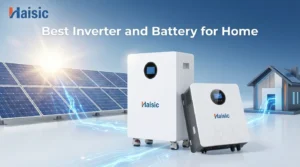
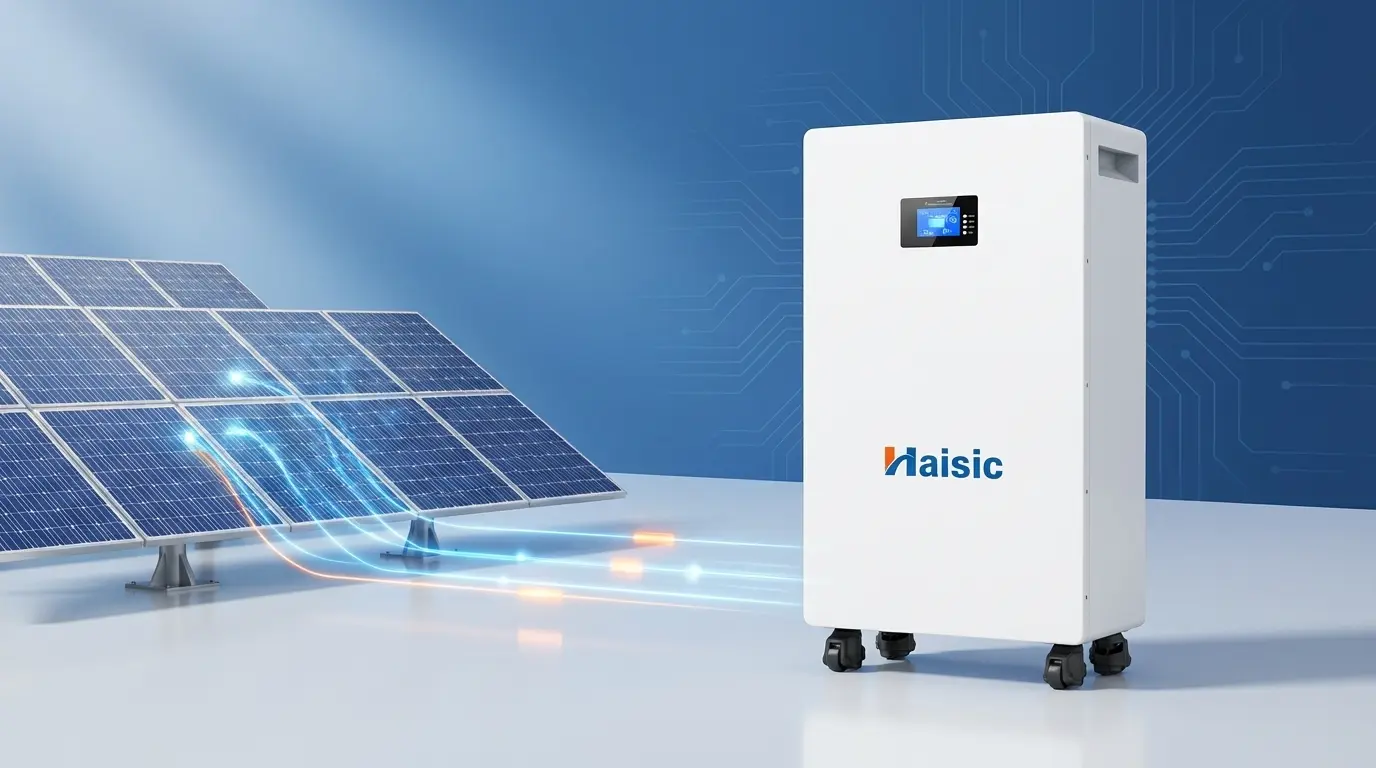
The process begins with energy generation, typically from solar panels. During peak daylight hours, your solar array often produces more electricity than your home can consume. Instead of sending that excess energy back to the grid for minimal credit, our residential energy storage system (ESS) captures it. The battery stores this surplus as DC (Direct Current) power, effectively \”saving\” the sunlight for use during the evening or during a power outage.
The Role of the Hybrid Inverter
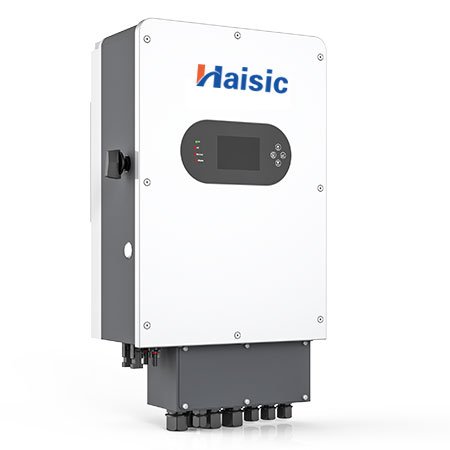
The hybrid solar inverter serves as the brain of the operation. Since home appliances run on AC (Alternating Current) and batteries store DC, the inverter manages the conversion in both directions.
- Charging: It converts solar DC into the correct voltage to charge the LiFePO4 home battery.
- Discharging: It converts stored battery power back into AC for your lights, refrigerator, and HVAC system.
- Grid Interaction: It intelligently switches between solar, battery, and grid power to ensure a seamless electricity supply.
Smart Energy Management with BMS
Every Haisic battery is equipped with an advanced Battery Management System (BMS). This intelligent layer of technology monitors the health of the cells in real-time to ensure maximum safety and efficiency.
| Feature | Function | Benefit |
|---|---|---|
| Cell Balancing | Equalizes voltage across all internal cells. | Extends solar battery cycle life. |
| Thermal Control | Monitors temperature to prevent overheating. | Ensures high-level safety and reliability. |
| Overcharge Protection | Prevents the battery from exceeding its capacity. | Protects the 6,000+ cycle longevity. |
| Remote Monitoring | Connects via WiFi/GPRS to track energy flow. | Provides total control over energy usage. |
By combining high-density lithium iron phosphate battery cells with smart algorithms, our systems transform raw solar energy into a reliable, 24/7 power source for modern homes.
The 4 Major Benefits of Installing a Home Battery
Investing in a home energy storage battery transforms how you manage power. By storing electricity for later use, you gain independence from the grid and protect your household from rising energy costs.
Blackout Resilience and Seamless Backup
When the grid goes down, a reliable residential energy storage system (ESS) keeps your lights on and appliances running. Our systems provide a seamless transition to backup power, ensuring your family stays comfortable during unexpected outages. Whether it is a short flicker or a multi-day blackout, having a dedicated energy reserve provides essential peace of mind.
Peak Shaving & Time-of-Use (TOU) Savings
Many utility companies charge higher rates during \”peak\” hours when demand is high. You can use peak shaving energy storage strategies to avoid these expensive rates.
- Charge during off-peak: Pull power from the grid or solar panels when rates are lowest.
- Discharge during peak: Use your stored battery power when grid prices spike.
- Lower Bills: Drastically reduce your monthly utility expenses by shifting your consumption patterns.
Maximizing Solar Utilization
Without a battery, excess solar energy produced during the day is often sent back to the grid for minimal credit. A home energy storage battery allows you to capture that surplus green energy. Instead of \”selling\” it for cheap, you save it to power your home at night, making your solar investment far more efficient. To get the most out of your setup, it is vital to understand how to build a home battery backup system that fits your specific solar array.
Eco-Friendly Living and Carbon Reduction
Switching to a LiFePO4 home battery is a major step toward a sustainable lifestyle. By relying more on stored renewable energy and less on fossil-fuel-heavy grid power, you actively lower your carbon footprint.
| Benefit | Impact on Homeowner |
|---|---|
| Energy Independence | Less reliance on utility companies and grid stability. |
| Cost Control | Protection against rising electricity tariffs and peak pricing. |
| Sustainability | Increased use of clean, renewable solar energy. |
| Reliability | Continuous power for medical devices, security, and comfort. |
Integrating a high-quality lithium iron phosphate battery into your home ensures you are prepared for the future of energy. If you are planning a new setup, knowing the cost of battery storage per kWh can help you budget for the most effective system size.
Battery Chemistry Showdown: Why LiFePO4 is the Gold Standard
When you invest in a home energy storage battery, the chemistry inside the box matters just as much as the solar panels on your roof. We manufacture our systems using Lithium Iron Phosphate (LiFePO4) because it consistently outperforms older technologies in every category that matters to homeowners.
The Contenders: Lead-Acid vs. Lithium-ion (NMC)
Before LiFePO4 took over, the market relied on two main options:
- Lead-Acid: These are cheap upfront but heavy, bulky, and require constant maintenance. They also degrade rapidly if you drain them too deeply.
- Lithium-ion (NMC): Common in electric vehicles and cell phones, NMC batteries pack a lot of energy into a small space. However, they run hot and wear out faster under heavy, daily solar charging routines.
The LiFePO4 Advantage: Unmatched Safety
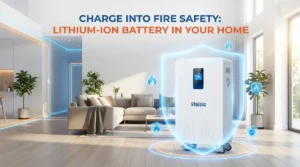
Safety is non-negotiable when putting a large battery inside your house. A LiFePO4 home battery is chemically and thermally stable. Unlike standard NMC lithium batteries, it does not suffer from thermal runaway. This means it won\’t overheat or catch fire even if punctured or overcharged. You get total peace of mind, whether it is installed in a hot garage or a basement.
Longevity: 6,000+ Charge Cycles
Your solar battery cycle life directly impacts your return on investment. We engineer our lithium iron phosphate battery systems to deliver over 6,000 charge cycles.
- Daily Cycling: You can drain and recharge the battery every single day for over 15 years before seeing significant capacity drops.
- Deep Discharge: You can safely use up to 90% of the battery\’s stored power without damaging the internal cells.
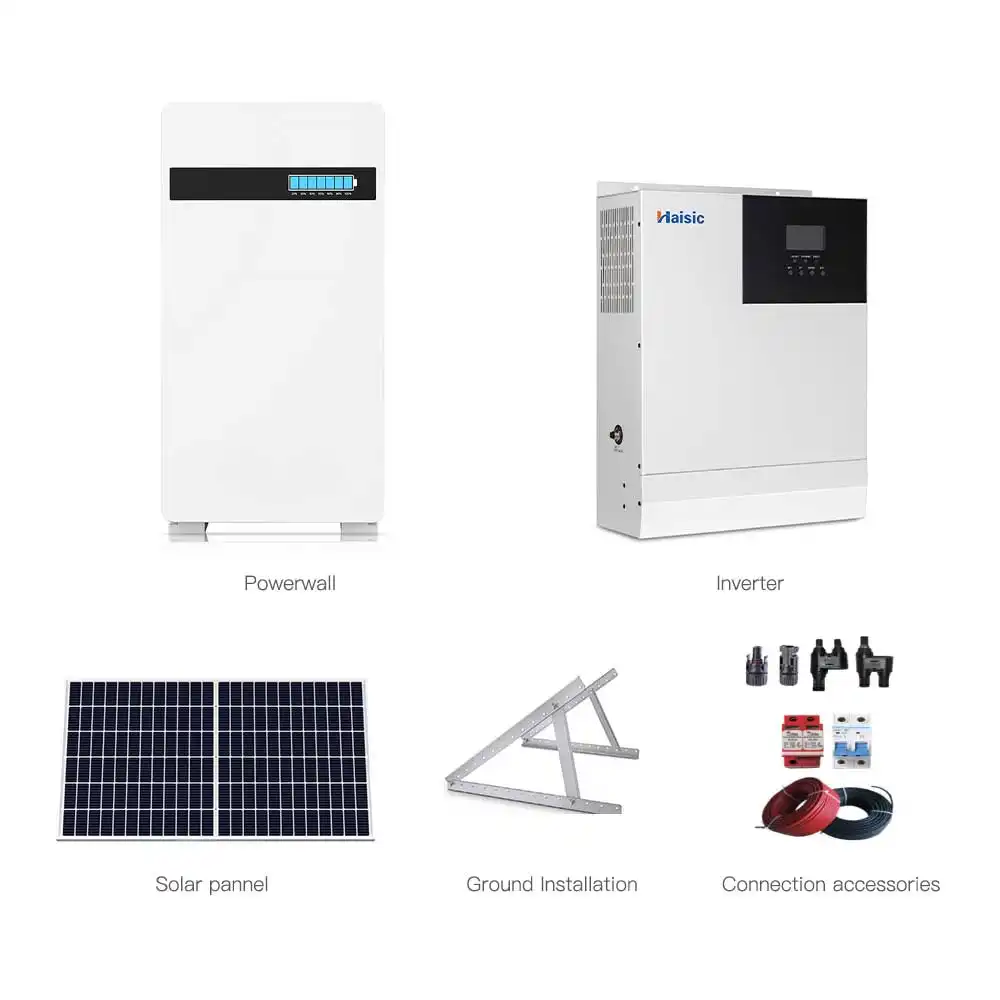
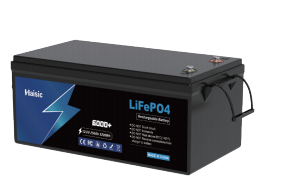
For homeowners looking for a reliable, mid-sized setup that utilizes this exact long-lasting chemistry, our 25.6V 100Ah 2560Wh Powerwall home energy storage offers a perfect entry point into decades of dependable power.
Eco-Friendly & Cobalt-Free Design
We build our home energy storage battery systems to be as green as the solar energy they capture. LiFePO4 chemistry is 100% cobalt-free. Cobalt mining carries a heavy environmental and ethical toll globally. By eliminating it, we provide a cleaner, non-toxic, and highly recyclable power solution that truly aligns with an eco-friendly lifestyle.
Choosing the Right Capacity for Your Home Energy Storage Battery
Selecting the right size for a home energy storage battery depends entirely on your daily consumption and backup goals. We measure this capacity in kilowatt-hours (kWh), which represents the total amount of energy the system can store. Think of it as your home’s \”energy fuel tank\”—the larger the tank, the longer your appliances run during a blackout or after the sun goes down.
Understanding Capacity in Practical Terms
To find your ideal fit, you must distinguish between essential loads and total home power. As a leading wholesale energy storage system manufacturer, we categorize residential needs into three primary tiers:
- Partial Backup (5kWh – 10kWh): Ideal for keeping the essentials running. This range typically covers LED lighting, refrigerators, Wi-Fi routers, and phone charging for a full night.
- Whole-Home Backup (15kWh – 20kWh+): Designed for high-demand households. This capacity supports heavy appliances like air conditioners, electric water heaters, and kitchen appliances for extended periods.
- Off-Grid Independence (30kWh+): For those looking to disconnect from the grid entirely, requiring significant overhead to manage consecutive cloudy days.
Capacity Comparison Table
| Backup Type | Capacity Range | Typical Appliances Supported | Best System Style |
|---|---|---|---|
| Essential | 5.12kWh – 10kWh | Lights, Fridge, Internet, Fans | Wall-mounted / Rack-mounted |
| Standard | 10kWh – 15kWh | Essentials + TV, Microwave, Washer | Stackable LiFePO4 |
| Full Power | 20kWh – 26.88kWh | Whole house including HVAC & Pumps | High-Voltage Stackable |
The Importance of Modularity and Scalable Systems
We design our residential energy storage systems (ESS) with modularity in mind because your energy needs might grow. Instead of replacing an entire unit, you can simply add more modules to your existing setup.
Our stackable home battery solutions allow for seamless expansion. For instance, you can start with a single LiFePO4 battery 51.2V 100Ah module (5.12kWh) and scale up to 26.88kWh as your budget or power requirements increase. This \”pay-as-you-grow\” approach ensures you never pay for more capacity than you currently need while keeping future upgrades simple and tool-free. Always choose a scalable system to ensure your investment remains relevant for years to reach true energy independence.
Key Features of a Quality Home Energy Storage Battery
When selecting a home energy storage battery, the internal technology and build quality are what determine long-term ROI. We prioritize high-standard engineering to ensure every system provides maximum safety and efficiency for residential use.
Advanced BMS for Real-Time Monitoring
The Battery Management System (BMS) is the brain of the unit. Our advanced BMS uses intelligent algorithms to track performance metrics in real-time. This ensures the system remains balanced, prevents overcharging, and protects against thermal issues. Smart monitoring allows you to manage energy flow effectively, ensuring the battery for home energy storage operates at peak health for years.
Global Certifications and Safety Standards
A reliable ESS must meet strict international regulations. These certifications are not just paperwork; they are a guarantee of safety, performance, and environmental responsibility.
| Certification | What It Means for You |
|---|---|
| ISO 9001/14001/45001 | High-level manufacturing quality and safety management. |
| CE & FCC | Compliance with European and American safety and interference standards. |
| UN38.3 & MSDS | Verified safety for the transport and handling of lithium batteries. |
| RoHS & CQC | Eco-friendly construction and strict quality control. |
Form Factor Flexibility: Wall-Mounted vs. Rack-Mounted
Every home has different space constraints. We offer versatile designs to fit your specific installation environment:
- Wall-Mounted Systems: Perfect for saving floor space and maintaining a sleek, modern aesthetic in garages or utility rooms.
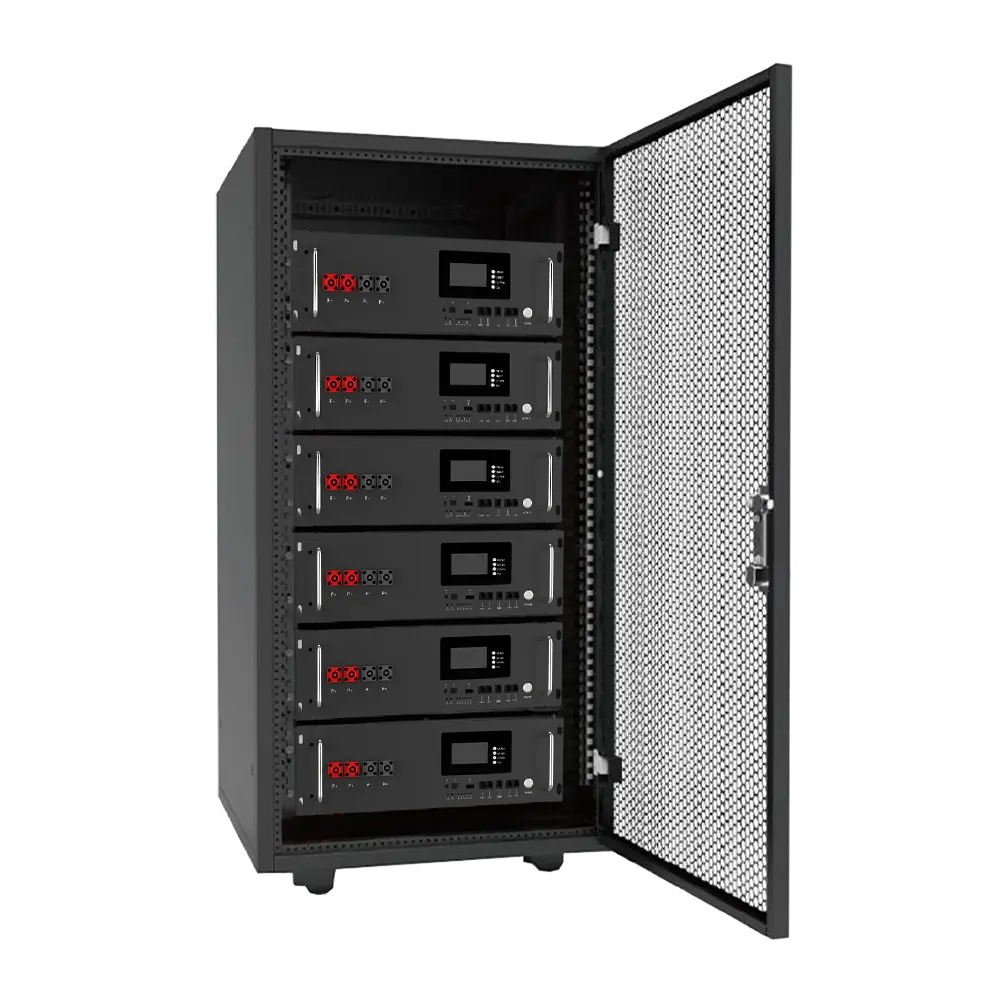
- Rack-Mounted Units: The standard for technical setups, offering easy integration into existing server-style racks.
- Stackable Modules: Designed for those who want a modular home energy storage battery that can grow as their power needs increase.
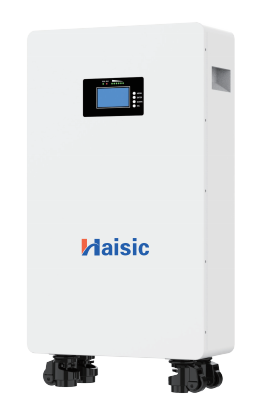
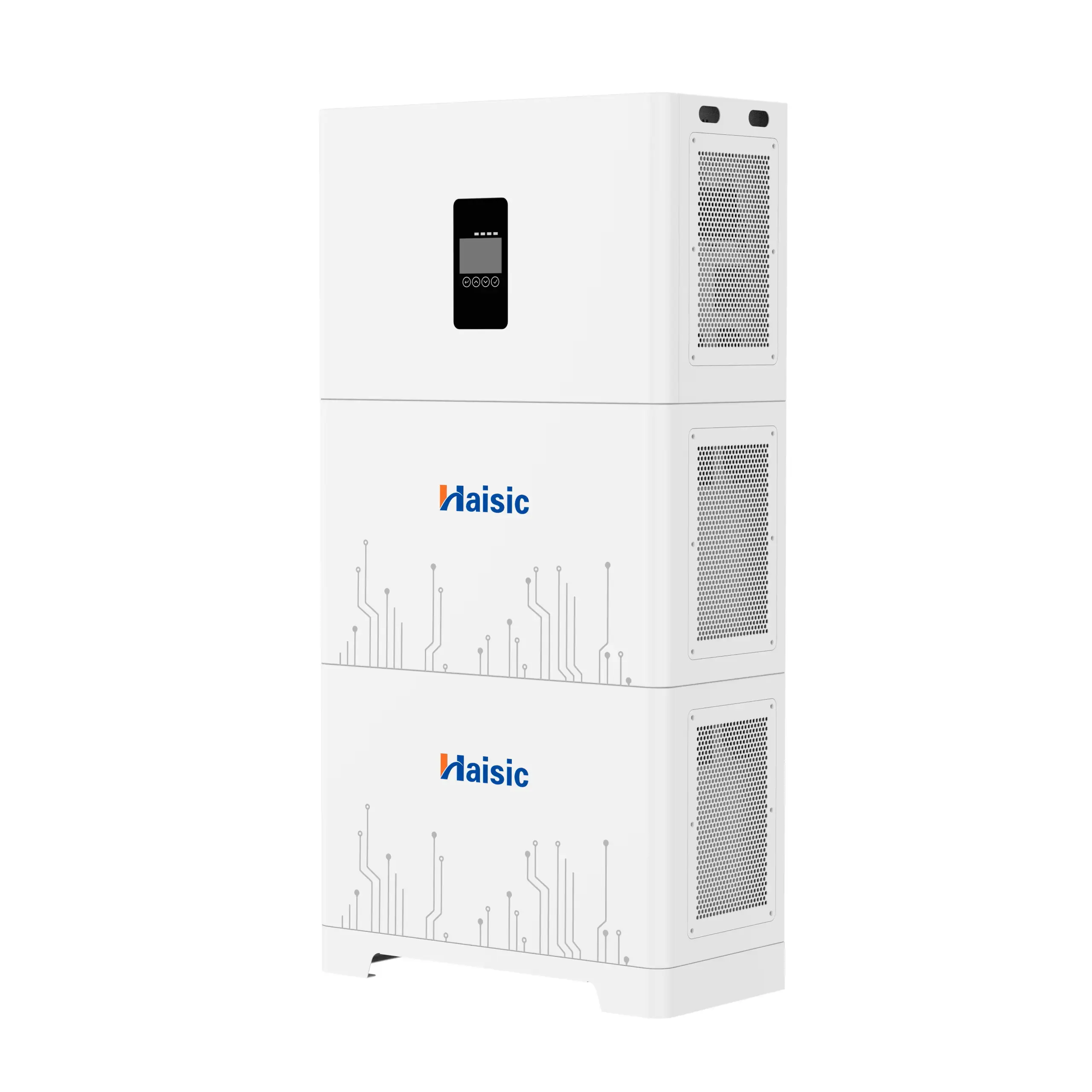
- Floor-Standing All-in-One: Simplifies installation by combining the battery and inverter into a single, cohesive unit.
By focusing on these core features, we deliver systems that provide seamless battery bank backup for home use, ensuring you have reliable power regardless of grid conditions.
Why Installers and Homeowners Trust Haisic Energy Storage Solutions
As a leading home energy storage battery manufacturer, we combine over a decade of industry experience with a massive 11,000m² production base in Shenzhen. Our reputation is built on delivering reliable, high-performance systems to customers in over 60 countries. We don\’t just assemble parts; we engineer solutions through a dedicated R&D team with 15+ years of expertise in PCB layout and circuit simulation.
Manufacturing Excellence and R&D Expertise
Our facility operates under strict quality controls, holding ISO9001, ISO14001, and ISO45001 certifications. Every residential energy storage system (ESS) we produce undergoes rigorous testing to ensure it meets global safety standards, including CE, FCC, and UN38.3. This commitment to quality is why professional installers choose us for long-term projects.
Versatile Product Line from 5.12kWh to 26.88kWh
We offer a diverse range of capacities to fit any household need. Whether you are looking for a compact setup or a massive backup system, our catalog covers the full spectrum:
- 5.12kWh Stackable Units: Perfect for entry-level backup or modular expansion.
- High-Voltage Systems: Optimized for efficiency and rapid discharge.
- Scalable Configurations: Reaching up to 26.88kWh for large-scale residential needs.
- Flexible Form Factors: Choose from wall-mounted, floor-standing, or rack-mounted designs to save space.
OEM/ODM Capabilities for Global Partners
We understand the unique pain points of commercial installation and distribution. As an experienced home energy storage battery supplier, we provide robust battery energy storage procurement options tailored for B2B partners. Our OEM/ODM services allow for deep customization, from branding to specific technical configurations, ensuring our partners stay competitive in their local markets. By joining our dealer program, partners gain access to priority support and exclusive discounts designed to grow their business alongside our technology.
Frequently Asked Questions (FAQs)
How long does a home energy storage battery last?
Our systems are engineered for long-term reliability, typically delivering over 6,000 charge cycles. For most households, this translates to 10 to 15 years of dependable service. The use of premium LiFePO4 cells ensures that the capacity remains high even after years of daily deep-cycling.
Can I install a battery without solar panels?
Yes, you can. A home energy storage battery can be charged directly from the grid during off-peak hours when electricity rates are at their lowest. This stored energy can then be used to power your home during expensive peak periods or serve as a critical backup during grid failures.
Is LiFePO4 safer than standard lithium batteries?
LiFePO4 (Lithium Iron Phosphate) is widely considered the safest lithium chemistry available for residential use. It offers superior thermal and chemical stability compared to standard NMC batteries, significantly reducing the risk of overheating. Our systems also include an advanced Battery Management System (BMS) to monitor every cell in real-time.
How much money can I save with peak shaving?
Savings vary based on your local utility’s Time-of-Use (TOU) rates, but the impact is often substantial. By shifting your energy consumption away from high-rate periods, you can lower your monthly electricity costs significantly. If you are looking for a high-capacity solution to maximize these savings, you might consider a 10kW storage battery to cover larger household loads.
How do I get a custom quote for my project?
Every home has unique energy demands. We provide tailored OEM/ODM solutions to meet specific voltage and capacity requirements. To get detailed pricing and technical specifications for your installation, please contact our expert team directly for a professional consultation.