










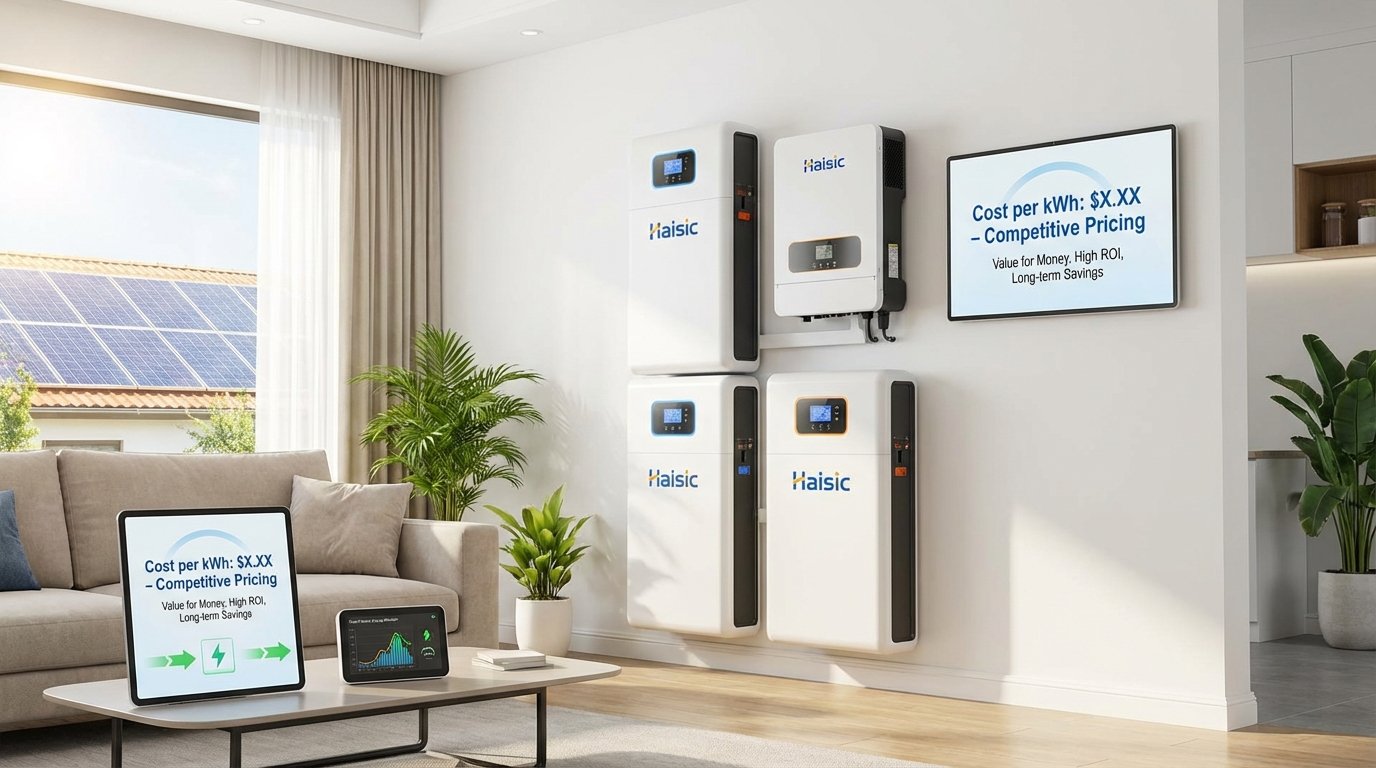
Current Market Benchmarks (2026-2026 Projections)
As we move through 2026 and look toward 2026, the cost of battery storage per kwh is shifting from a speculative expense to a calculable commodity. For commercial and industrial operators, the volatility of previous years has settled into a clear pricing structure driven by supply chain maturity and technological standardization. We are no longer guessing; we have hard data defining the new normal for Commercial battery storage cost.
The Raw Data: Cell Level vs. Pack Level Pricing
It is crucial to distinguish between the component cost and the usable product cost. Headlines often cite cell-level pricing, which can be misleading for business owners planning a budget. In 2026, we are seeing Battery Pack Level Costs stabilize between $100 and $180 per kWh.
This price bracket specifically applies to Lithium Iron Phosphate (LFP) configurations, which have become the industry standard due to their thermal stability and longevity. However, this figure only covers the battery modules themselves—the raw energy tank—without the intelligence or infrastructure required to connect to the grid.
The \’All-In\’ Installed Cost: Commercial vs. Residential Reality
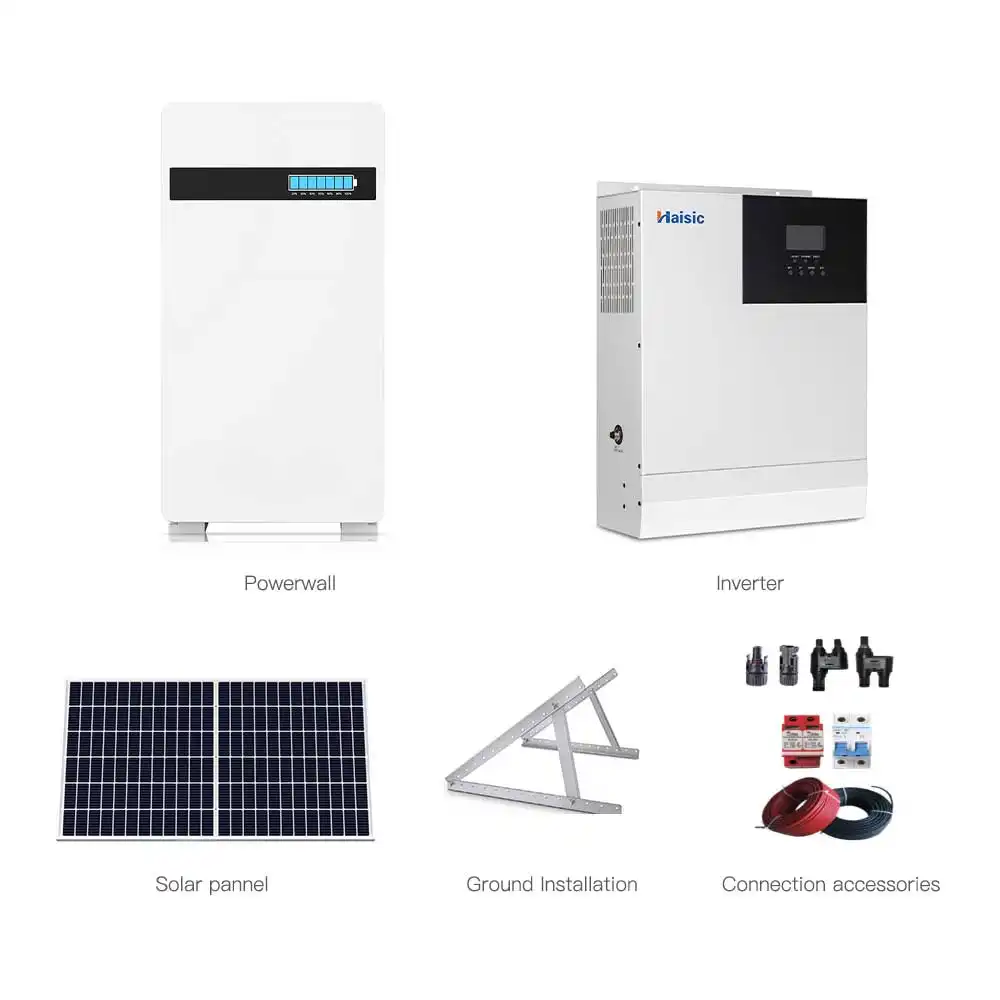
The gap between a battery pack and a functional Battery Energy Storage System (BESS) is where the real economics lie. When you factor in the Power Conversion System (PCS), the Battery Management System (BMS), thermal management, and physical installation, the price per unit increases.
For a fully commissioned commercial project in 2026, the Total Installed System Cost typically ranges from $250 to $450 per kWh.
- Hardware: Battery modules, racking, and cabling.
- Intelligence: EMS and BMS integration for peak shaving and arbitrage.
- Integration: Inverters (PCS) and fire suppression systems.
This \”all-in\” range is the accurate metric for calculating ROI. While residential systems often command a higher premium due to soft costs, commercial projects benefit from scale, keeping the installed cost per kWh within this competitive $250–$450 window.
Breakdown: Where Does Your Money Go?
When analyzing the cost of battery storage per kwh, it is crucial to distinguish between the price of the battery pack and the cost of a fully functional energy system. While raw battery pack prices have stabilized between $100 and $180 per kWh for 2026, the total investment reflects a complex integration of hardware and essential services.
Hardware Costs: Cells, BMS, and PCS Explained
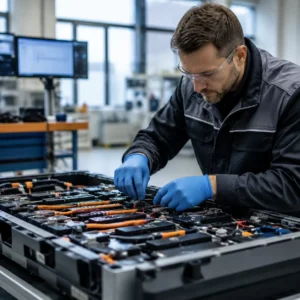
The battery modules—typically Lithium Iron Phosphate (LFP) for safety—are just the engine of the system. A significant portion of your hardware budget goes toward the intelligence and infrastructure required to run them.
- Battery Management System (BMS): This critical component monitors cell health, voltage, and temperature to ensure the system reaches its 6,000+ cycle life.
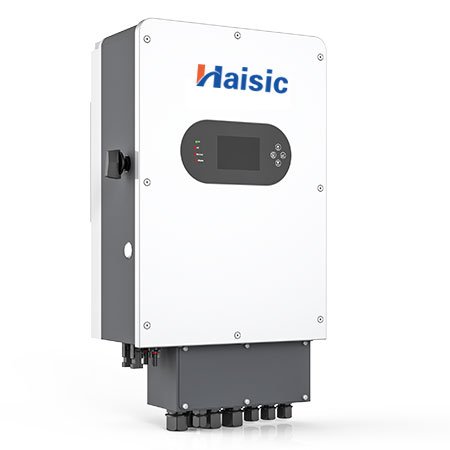
- Power Conversion System (PCS): The inverter technology that converts DC energy into AC for use by your facility or the grid.
- Thermal Management: Advanced liquid cooling or forced air systems are necessary to maintain high efficiency.
For commercial applications, integrated big battery storage solutions also include robust fire suppression systems and enclosures, which are non-negotiable for safety compliance.
Soft Costs & BOS: Engineering, Permitting, and Labor
The gap between the raw pack cost and the total installed cost benchmark of $250 – $450 per kWh is largely driven by Balance of System (BOS) and soft costs. These are the \”hidden\” expenses that turn a pile of equipment into a working asset.
- Engineering & Permitting: Site-specific electrical design and navigating local grid interconnection approvals.
- Installation Labor: Skilled technicians are required to safely install and commission high-voltage systems.
- O&M Costs: Beyond the initial purchase, businesses must budget for Operating & Maintenance, which typically runs 1% to 2% of the initial CAPEX annually to ensure optimal performance over the system\’s lifespan.
Key Factors Influencing Your Cost Per kWh
The final price tag on a battery system isn\’t random. While the industry benchmark for a fully installed commercial system lands between $250 and $450 per kWh, where you fall in that range depends heavily on how you configure the project. Understanding these variables is the difference between an expensive experiment and a profitable asset.
System Duration Impact: 2-Hour vs. 4-Hour Systems
The duration of your storage system—how long it can discharge at full power—plays a massive role in the unit cost. Generally, systems with longer durations (like 4-hour configurations) achieve a lower cost of battery storage per kwh compared to short-duration systems.
This happens because the \”fixed\” costs of the hardware, such as the Power Conversion System (PCS) and grid interconnection, are spread over a larger energy capacity.
- Short Duration (1-2 Hours): Higher cost per kWh. Typically used for frequency regulation or short power bursts.
- Long Duration (4+ Hours): Lower cost per kWh. Ideal for energy arbitrage and peak shaving.
Cycle Life & Depth of Discharge (DOD) Metrics
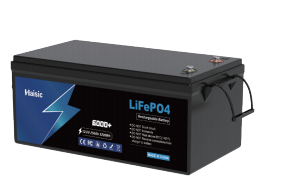
When evaluating costs, you cannot just look at the upfront CAPEX; you have to look at the lifetime value. We prioritize Lithium Iron Phosphate (LFP) chemistry because it offers the thermal stability and longevity required for commercial ROI. A standard commercial LFP battery is designed for 6,000+ deep discharge cycles.
If you buy a cheaper battery with a shorter cycle life, your cost per stored kWh over ten years skyrockets. High-quality battery storage manufacturers focus on maximizing Round-Trip Efficiency (typically >90%) and allowing for a high Depth of Discharge (DOD) without degrading the cells. This ensures that the energy you pay to store is actually available when you need to deploy it.
Scale of Installation: Economies of Scale
The size of your project directly dictates your purchasing power. The wide variance in the $250–$450/kWh installed cost estimate is largely due to scale. Larger installations dilute the \”soft costs\”—such as engineering, permitting, and site preparation—across more kilowatt-hours.
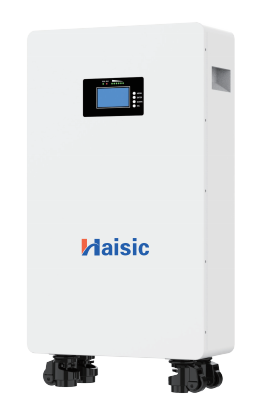
- Modular Design: Using modular units, like a 51.2V 9.5kWh wall-mounted battery, allows businesses to start smaller and scale up, though the lowest unit pricing is achieved in bulk containerized solutions.
- O&M Efficiency: Operational and maintenance costs, estimated at 1-2% of CAPEX annually, also become more efficient per unit as the system size increases.
Calculating ROI: Levelized Cost of Storage (LCOS)
When evaluating the cost of battery storage per kwh, the initial hardware price is only half the story. Smart business owners focus on the Levelized Cost of Storage (LCOS). This metric calculates the total cost of owning the system over its entire lifetime divided by the total energy it will discharge. It transforms a large capital expenditure into a predictable operational metric, comparable to your utility rate.
Defining LCOS for Business Owners
LCOS is the ultimate truth-teller for commercial energy projects. It factors in the installed cost, the round-trip efficiency (typically >90% for high-quality LFP systems), and the lifespan of the battery.
For 2026, the industry benchmark for LCOS is projected to reach an attractive range of $0.05 – $0.08 per kWh. This figure assumes a system capable of 6,000+ deep discharge cycles. Another critical component often overlooked is maintenance. We typically factor in an annual Operation & Maintenance (O&M) cost of roughly 1% – 2% of the initial CAPEX. Sourcing a reliable China energy storage system allows you to lock in these lower LCOS figures by reducing the upfront hardware investment without sacrificing cycle life.
Financial Use Cases: Peak Shaving and Energy Arbitrage
To maximize Return on Investment (ROI), the battery must do more than just sit there; it needs to actively manage power flow.
- Peak Shaving: This is the primary money-saver for C&I facilities. By discharging the battery during short periods of high demand, you avoid expensive demand charges from the utility.
- Energy Arbitrage: This involves charging the battery when grid prices are low (off-peak) and discharging when prices are high. With round-trip efficiency exceeding 90%, the \”loss\” of energy during this process is minimal, preserving your margins.
Incentives: Utilizing the Investment Tax Credit (ITC)
Government incentives play a massive role in the final cost of battery storage per kwh. In many regions, the Investment Tax Credit (ITC) allows businesses to deduct a significant percentage (often 30% or more) of the total installed system cost from their federal taxes.
When you apply the ITC, the effective payback period shortens drastically. For example, a system with a gross installed cost of $350/kWh might effectively drop to the mid-$200s/kWh after tax benefits are realized. This immediate reduction in CAPEX directly improves your LCOS, making the project cash-flow positive much sooner.
The Haisic Advantage: Reducing Costs Through Manufacturing
When analyzing the cost of battery storage per kWh, the supply chain path your equipment takes matters just as much as the hardware itself. At Haisic, we operate as a direct manufacturer, which fundamentally changes the pricing structure for our clients. By removing intermediate layers, we help businesses secure pricing closer to the raw production cost rather than the inflated retail figures often seen in the 2026 market projections.
Eliminating Distributor Markups via Direct Sourcing
The gap between the battery pack cost ($100–$180/kWh) and the final installed system cost ($250–$450/kWh) is often widened by distributor margins. When you source through third-party integrators, you are paying for their logistics, warehousing, and profit margins on top of the hardware.
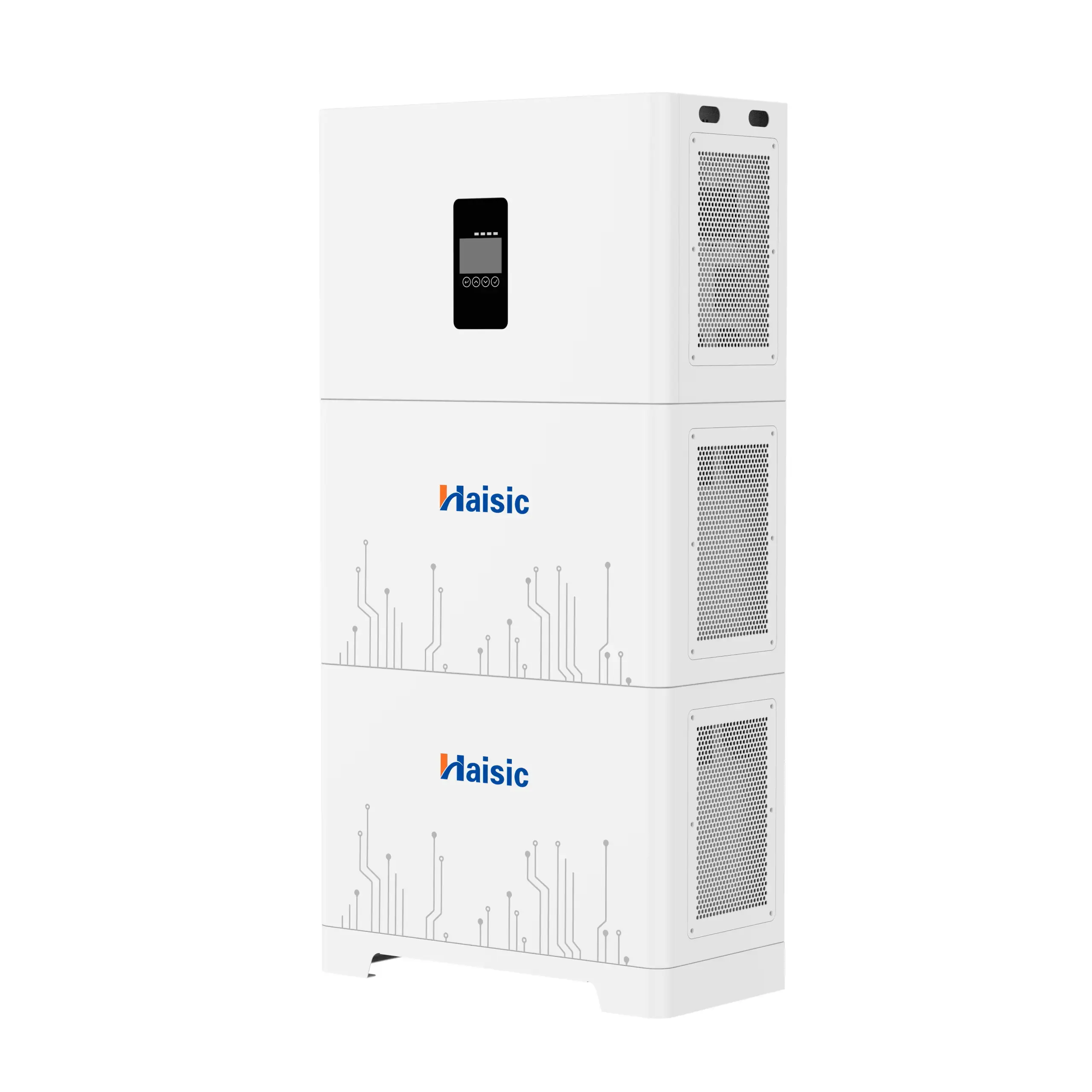
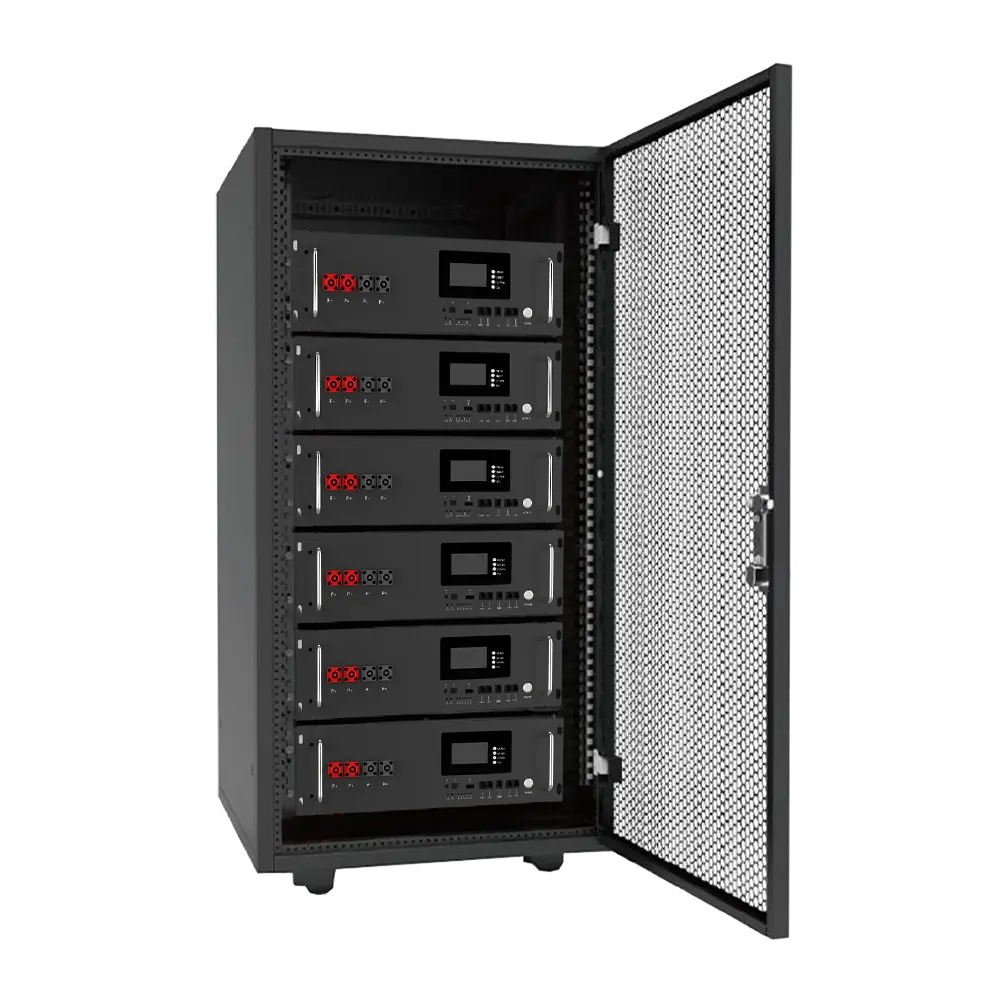
We bridge this gap by shipping our commercial and industrial container ESS solutions directly from the factory floor. This approach allows us to offer a competitive installed cost per kWh that maximizes your capital efficiency.
Direct Sourcing vs. Distributor Model:
| Cost Factor | Distributor Model | Haisic Direct Manufacturing |
|---|---|---|
| Hardware Markup | 15% – 30% added margin | 0% (Factory Direct) |
| System Integration | Often outsourced (extra fees) | Pre-integrated (BMS + PCS included) |
| Logistics | Multiple handling points | Direct shipping |
| Total Cost Impact | Higher CAPEX, longer ROI | Lower CAPEX, faster ROI |
Tier 1 LFP Safety Features and Risk Reduction
Reducing the cost of battery storage per kWh isn\’t just about the initial purchase price; it is about ensuring the asset survives for its intended lifespan. We exclusively utilize LiFePO4 battery technology (LFP) because it offers the highest thermal stability and safety profile in the industry.
Cheaper, volatile chemistries might save pennies upfront but carry massive hidden costs in terms of insurance premiums, fire suppression requirements, and replacement risks. Our systems are engineered for 6,000+ cycles with a focus on thermal management. This ensures that your Levelized Cost of Storage (LCOS) remains low over the 10-15 year operational life of the project, protecting your investment from premature failure or safety incidents.
Frequently Asked Questions About Battery Storage Costs
Will battery storage prices drop in 2026?
The market trajectory for 2026 indicates a stabilization of prices that favors commercial adoption. We are projecting the total installed cost of battery storage per kwh to settle between $250 and $450 for commercial and industrial systems. This pricing shift is driven by manufacturing efficiencies and the mass adoption of LFP chemistry, moving storage from a niche pilot project to a standard economic necessity for businesses.
What is the real difference between cell cost and installed cost?
There is a significant gap between buying raw hardware and commissioning a working system. While the raw battery pack cost is estimated to range from $100 to $180 per kWh, this figure only covers the modules. The \”all-in\” installed cost includes the Power Conversion System (PCS), the Battery Management System (BMS), thermal cooling, and site integration. For a turnkey solution, such as a fully integrated battery storage container, the final price reflects the complete engineering required to ensure safety and grid connectivity.
Is LFP cheaper than NMC for commercial storage?
LFP (Lithium Iron Phosphate) has become the industry standard for commercial BESS, primarily due to its superior cost-performance ratio. While the initial purchase price is competitive, the real savings come from longevity and safety. LFP systems are designed for 6,000+ deep discharge cycles, whereas legacy NMC chemistries often degrade faster. This extended lifespan drastically reduces the Levelized Cost of Storage (LCOS) over a 10 to 15-year project life, making LFP the smarter financial choice for stationary storage.