


What Is a Backup Battery for a Residential Solar System?
A backup battery for a residential solar system is a home energy storage unit that saves the extra electricity your solar panels produce so you can use it later—especially at night, during peak-rate hours, or when the grid goes down. When people ask about the cost of a backup battery for a residential solar system, what they really want to know is: “What am I paying for, and what will this actually do for my home?”
How Solar Batteries Store Extra Power
With a grid-tied solar-plus-storage setup, your system works like this:
- During the day, solar panels power your home first.
- Any surplus power automatically charges the battery.
- When the sun goes down or your usage spikes, the battery discharges to cover your needs.
Instead of sending all your excess solar back to the grid for a low credit, a home solar battery lets you store that energy on-site and use more of your own power. This is the core value behind any home solar battery cost in 2026: control and flexibility over when you use your energy.
How Backup Batteries Work During Outages
When the utility grid fails, a properly installed solar battery backup system switches your home to battery power in a fraction of a second. Your lights stay on, your Wi‑Fi keeps running, and your fridge doesn’t miss a beat.
- The inverter isolates your home from the grid (for safety).
- The battery and inverter act like a mini power plant for your house.
- Solar panels can keep charging the battery during daytime (depending on system design).
This is why many homeowners look at residential energy storage pricing as “insurance” against outages, not just a bill-cutting tool.
Partial Backup vs Whole-Home Backup
When you look at the cost of installing residential battery storage, a big driver is whether you want partial backup or whole-home backup:
Partial backup (most common):
- Powers only “critical loads,” for example:
- Refrigerator and freezer
- Wi‑Fi and key outlets
- Some lights and maybe a gas furnace fan
- Uses a dedicated “critical loads” subpanel
- Needs fewer kWh of storage, so the solar battery backup system price stays lower
Whole-home backup:
- Aims to run almost everything, similar to normal grid operation
- May include: AC units, electric ovens, EV chargers, well pumps, etc.
- Requires more battery capacity and higher power output, often multiple batteries
- Comes with a much higher whole house battery backup cost
Choosing between the two is about what you truly need in a blackout and what you’re willing to invest.
Main Benefits of a Home Backup Battery
Homeowners don’t buy batteries just because they’re “cool tech.” They buy them because they deliver clear benefits:
-
Outage protection
- Keep essential circuits powered during blackouts.
- Avoid losing food, work time, or medical equipment operation.
-
Lower power bills (with the right rate plan)
- Charge the battery when electricity is cheap.
- Discharge when rates are high (time-of-use, demand charges).
- Turn more of your solar production into real savings.
-
More use of your own solar energy
- Reduce dependence on the grid and weak net metering programs.
- Move closer to energy independence without going fully off-grid.
When you look at the cost of backup battery for a residential solar system, these are the value pillars to weigh: backup security, bill savings, and how much control you want over your own power.
Average Cost of a Backup Battery for a Residential Solar System in 2026

In 2026, the cost of a backup battery for a residential solar system is still a big-ticket item, but prices are far more transparent than a few years ago.
Typical installed price range (10–15 kWh)
For a standard home solar battery (10–15 kWh) with installation:
- Low end: $8,000–$10,000 installed
- Typical range: $10,000–$15,000 installed
- Premium / complex installs: $15,000–$20,000+ (whole‑home backup, multiple units)
This is for a grid‑tied solar + battery backup system price, not off‑grid.
Cost per kWh for residential backup batteries
Most homeowners end up in this ballpark:
- Average cost per kWh (installed): $700–$1,200 per kWh
- Budget lithium‑ion or LiFePO4: closer to $700–$900/kWh
- Big‑brand, feature‑rich systems: $900–$1,200+/kWh
If you want a deeper breakdown of home solar battery cost in 2026, I cover typical price structures in this guide on the cost of solar battery storage.
What’s included in the total price
When you get a quote for residential energy storage pricing, it normally includes:
- Battery hardware: the lithium‑ion or LiFePO4 home battery modules
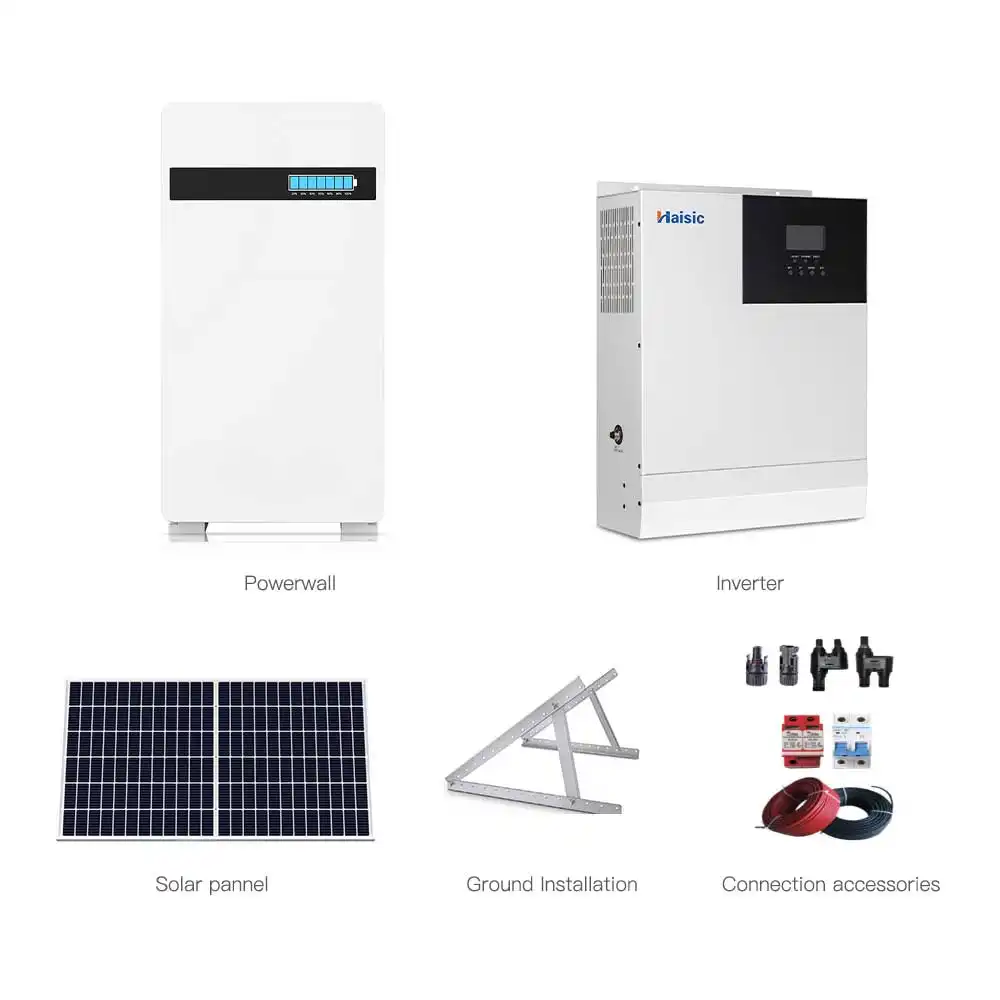
- Inverter/charger or hybrid inverter: if your current inverter can’t support storage
- Backup panel / critical loads panel: to separate backed‑up circuits
- Balance of system: wiring, breakers, mounting, monitoring hardware
- Labor: site visit, design, permits, installation, commissioning
- Software & app setup: smart home energy management and monitoring
Always ask for a line‑item breakdown so you know the real solar battery backup system price and not just a single lump sum.
How the 30% federal tax credit changes your final cost
In 2026, standalone batteries and solar plus storage systems qualify for the 30% federal tax credit in many markets (always confirm current rules where you live).
Here’s how it usually shakes out:
- System price: $12,000
- 30% federal tax credit: –$3,600
- Net cost after credit: $8,400 (before any state/utility rebates)
In some states with strong solar storage incentives, you can stack:
- Federal tax credit
- State or utility rebate
- Possible performance incentives (for grid services programs)
That can bring the effective cost of backup power for solar panels down by 40–50% in real terms. For realistic annual ownership numbers (including minor running costs), I break them down further in our home battery storage cost and maintenance guide: home battery storage annual budget.
Key Factors That Affect the Cost of a Home Solar Backup Battery
When you look at the real cost of a backup battery for a residential solar system, several core factors move the price up or down:
1. Battery Size & Storage Capacity (kWh)
- The bigger the battery (in kWh), the higher the price.
- A typical home backup setup is 10–20 kWh; larger homes or light commercial may go higher.
- Oversizing wastes money, undersizing leaves you disappointed in an outage.
- I always recommend sizing based on:
- Your daily kWh usage
- How many hours of backup you want
- Which appliances must stay on (fridge, lights, Wi‑Fi, medical devices, etc.)
2. Power Output (kW) & What You Can Run
- Capacity (kWh) = how long it lasts.
- Power (kW) = how much you can run at once.
- Higher output batteries cost more but:
- Handle more appliances at the same time
- Support bigger loads like AC, pumps, EV chargers
- If you want whole-home backup, you’ll need higher power output and usually more than one unit.
3. Battery Chemistry (Lithium-Ion vs LiFePO4)
- Most home systems today are lithium-based:
- Standard lithium-ion (NMC) – compact, common in big brands
- LiFePO4 (LFP) – safer, longer cycle life, very stable for home use
- LiFePO4 solar batteries (like our own high-cycle units) often give:
- More cycles (longer lifespan)
- Better performance at higher temperatures
- Lower cost per kWh over the battery’s life
- If you want a long-life backup with lower lifetime cost, LiFePO4 is usually the smarter play. Systems like our 15 kWh LiFePO4 solar battery pack are built exactly for that.
4. Brand, Features, Software & Warranty
- Premium brands charge more for:
- Strong monitoring apps
- Smart time-of-use controls
- Better integration with inverters and smart homes
- Warranty matters as much as price:
- Look for 10+ years and 6,000+ cycles for quality LiFePO4
- Check usable capacity, throughput limits, and replacement terms
- Good software + solid warranty often beats the cheapest upfront price.
5. Installation Type: New Solar vs Retrofit
- New solar + battery together:
- Usually cheaper overall
- Shared labor, shared permits, cleaner design
- Adding a battery to an existing system:
- Can need extra hardware (AC-coupled or DC-coupled retrofit kits)
- May require inverter upgrades
- If you’re still planning your solar, pairing a solar plus storage system from day one is normally the best value.
6. Electrical Upgrades, Panels & Labor Complexity
- Extra costs show up when:
- Your main panel is old or too small (needs upgrade)
- You need a backup subpanel / critical loads panel
- The battery is far from the main electrical panel (longer conduit runs)
- Complex roofs, tight spaces, or long cable runs add labor hours and materials.
7. How Many Batteries You Actually Need
- One 10–15 kWh battery is fine for:
- Essential loads: lights, fridge, modem, a few outlets
- Two or more batteries are needed for:
- Whole-home backup
- Running central AC, well pumps, heavy appliances
- More batteries = more hardware + more installation time. I always start with what must stay on, then build up from there.
8. Regional Prices, Permits & Local Incentives
- Labor rates change a lot by region.
- Some areas require:
- Extra fire or safety measures
- More inspections and paperwork
- On the flip side, strong state and utility incentives can cut thousands off your home solar battery cost:
- Rebates per kWh of storage
- Peak-shaving or demand response programs
- Always factor local subsidies and permits into your residential energy storage pricing.
When you compare quotes, look beyond the headline “cost of backup battery.” Match kWh, kW, chemistry, warranty, and install scope side by side, and you’ll quickly see which offers actually deliver value. If you want a reference point on specs and sizing, check out our breakdown of the best battery storage options for solar.
Backup battery options and real‑world price comparisons
When we talk about the cost of a backup battery for a residential solar system, the brand and setup you choose make a big difference. Here’s how the main options stack up in 2026.
Tesla Powerwall cost, specs, and when it fits
Typical Tesla Powerwall 3 package (U.S. 2026):
| Item | Typical Value (installed) |
|---|---|
| Usable capacity | ~13.5 kWh |
| Peak / continuous power | ~10 kW peak / 5 kW continuous |
| Installed cost (1 unit) | $10,000–$13,000 |
| Cost per kWh (installed) | ~$740–$960 / kWh |
| Warranty | 10 years, cycling limits apply |
| Best fit | Whole‑home or large partial backup |
When it makes sense:
- You want a single-brand ecosystem and app.
- You have time-of-use rates and want to arbitrage (charge low, use high).
- You’re okay paying a premium for a polished product and brand.
Enphase IQ battery: modular and flexible
Enphase IQ Battery (e.g., IQ 10/10T)
| Item | Typical Value (installed) |
|---|---|
| Usable capacity (per unit) | ~10 kWh |
| Power (per unit) | ~3.8–4 kW |
| Installed cost (per unit) | $9,000–$12,000 |
| Cost per kWh (installed) | ~$900–$1,200 / kWh |
| Warranty | 10 years |
| Best fit | Homes already using Enphase microinverters |
Why it works:
- Modular: start with 1 unit, add more later.
- Good for partial backup and tight spaces.
- Strong if you already have an Enphase solar system.
Other popular brands: Generac, FranklinWH & more
Quick snapshot:
| Brand | Typical Use Case | Price Level (vs Tesla) | Notes |
|---|---|---|---|
| Generac PWRcell | Whole-home and backup-centric homes | Similar / slightly less | Strong backup features, good for generator users |
| FranklinWH | Smart whole-home backup | Similar / slightly more | Strong load management, app & smart circuits |
| Others (LG, BYD) | Mix of partial & whole-home backup | Varies | Often via local installers, check warranty |
These brands often compete closely with Tesla Powerwall installation cost, sometimes winning on power output or smart load control, but usually staying in the same ballpark on total home solar battery cost in 2026.
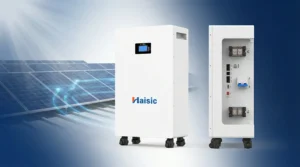
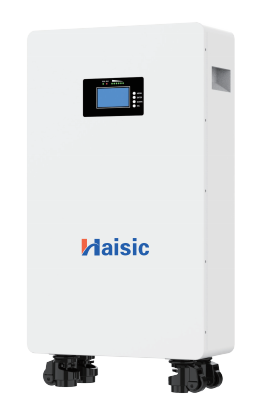
Haisic backup battery solutions and LiFePO4 tech
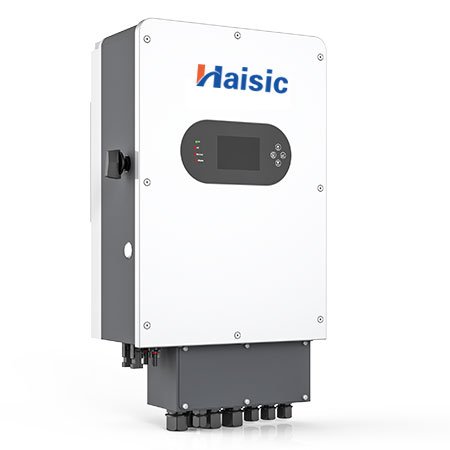
On my side, I focus heavily on LiFePO4 (lithium iron phosphate) solutions because they deliver:
- Long cycle life (often 6,000+ cycles under the right conditions)
- Better thermal stability and safety
- Very solid cost per kWh over the life of the system
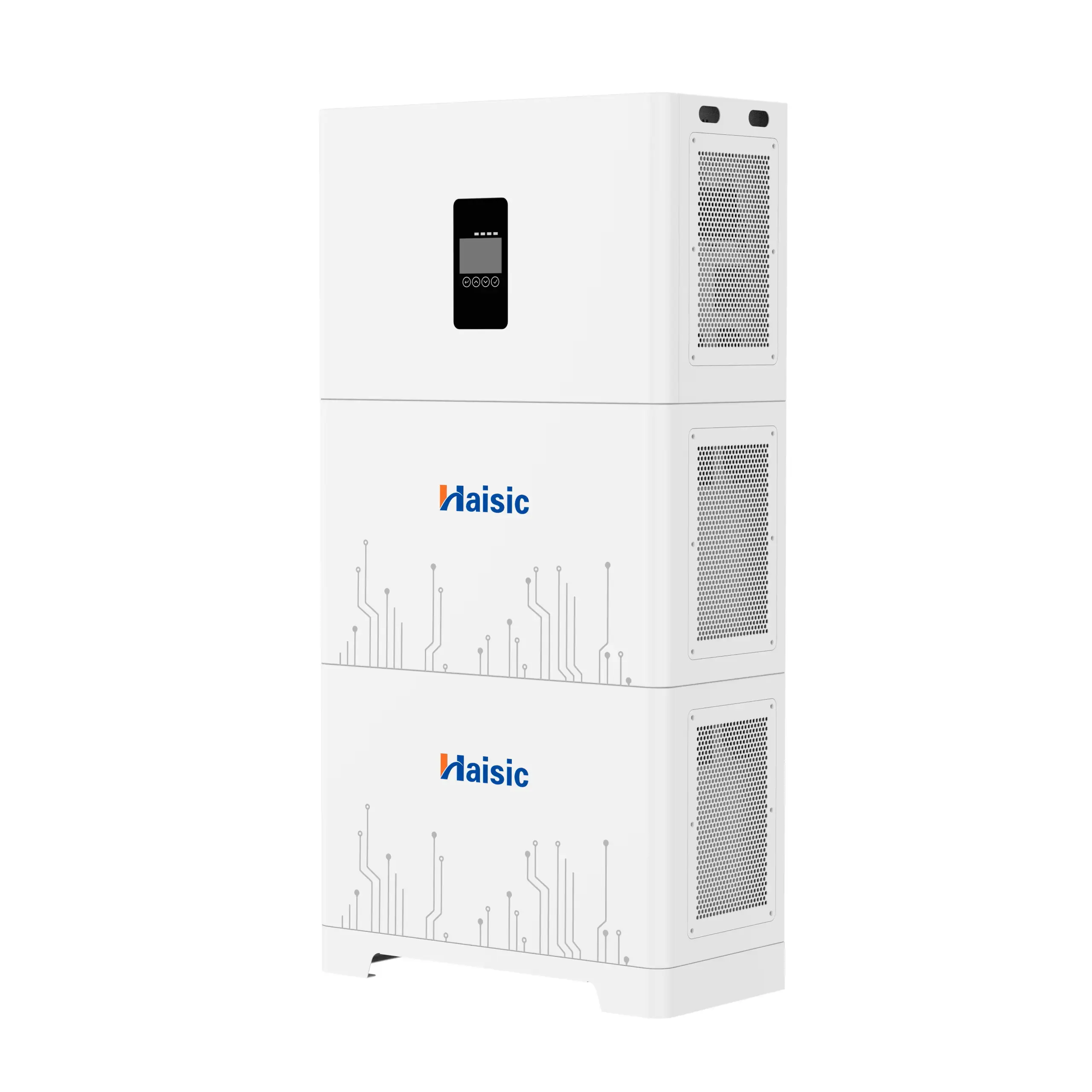
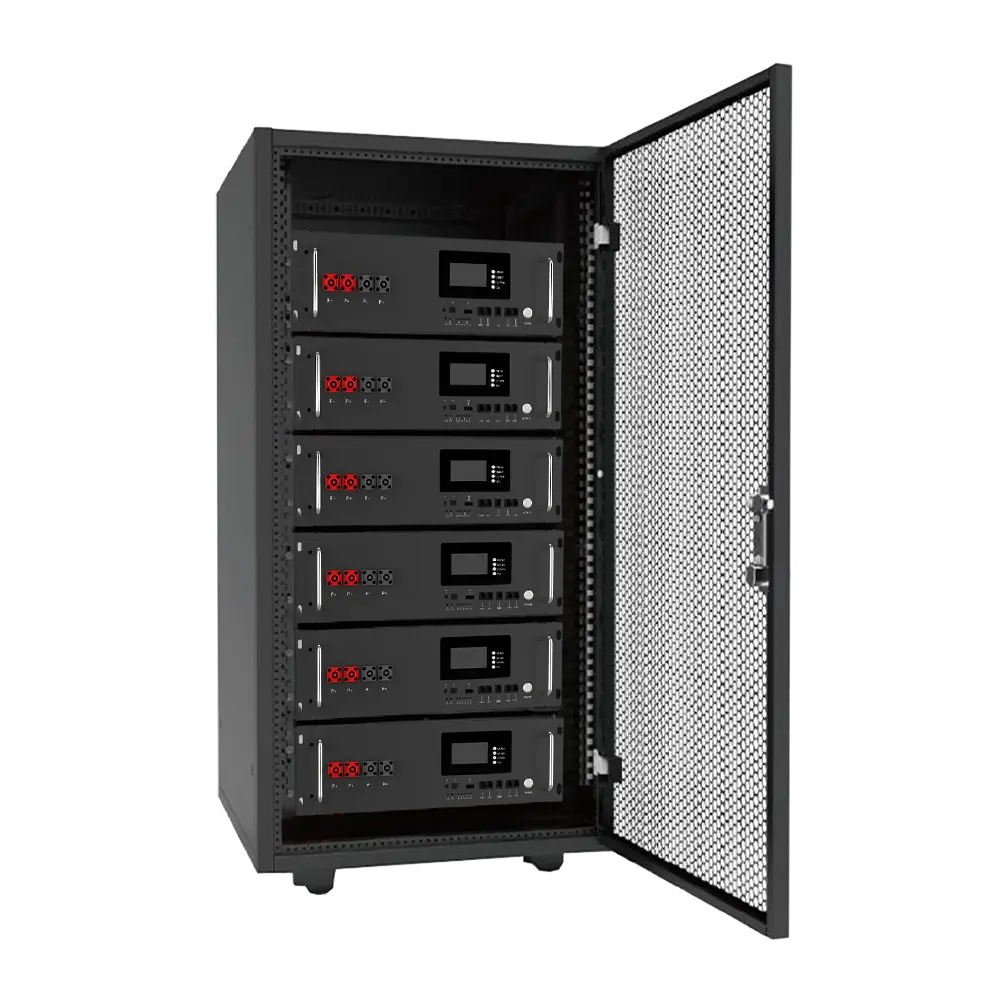
For example, our stackable LiFePO4 residential modules (built on the same chemistry as our 51.2V 100Ah LiFePO4 battery platform) can be configured into 10–20+ kWh home systems with:
- Lower installed cost per kWh than many premium brands
- Flexible sizing for partial or whole‑home backup
- Strong warranties aligned with real‑world residential usage
If you’re comparing pure battery energy storage pricing, manufacturers like us are often more competitive than big consumer brands, especially if you’re working with a good local installer.
Brand comparison: cost per kWh, warranty, performance
Rough comparison in 2026:
| Brand / Type | Typical Installed Cost per kWh | Warranty | Strengths |
|---|---|---|---|
| Tesla Powerwall | $740–$960 / kWh | 10 yrs | Ecosystem, app, brand |
| Enphase IQ | $900–$1,200 / kWh | 10 yrs | Modular, great with Enphase solar |
| Generac / FranklinWH | $750–$1,050 / kWh | 10 yrs | Backup-first, smart load control |
| Haisic LiFePO4 systems | ~$550–$800 / kWh (typical) | Up to 10+ yrs | Value, longevity, safety, flexibility |
Numbers vary by country and installer, but this is the real-world ballpark for residential energy storage pricing.
What I’d look at when comparing backup battery quotes
When I review solar battery backup system price quotes, I focus on:
- True cost per usable kWh installed
Total price ÷ usable kWh, after tax credits. - Power output (kW)
Can it run your fridge + lights + internet + a few plugs, or full AC? - Chemistry
LiFePO4 usually wins on safety + life span for home storage. - Warranty terms
Years + cycle limits + minimum retained capacity (e.g., 60–70% at year 10). - Ecosystem & support
Is there local service? Is the app stable? Is the brand going to be around? - Scalability
Can you add more batteries later if your needs or EV load grows?
If you want aggressive value and long-term reliability, I’d seriously compare big-name quotes against LiFePO4-based systems from solid manufacturers like our own battery energy storage solutions and run the math on cost over 10+ years, not just sticker price.
Is a Solar Backup Battery Worth It for Your Home in 2026?
For most homeowners in 2026, a backup battery for a residential solar system can be worth it, but it depends on how you use power and how bad outages are in your area.
Payback period and real savings (7–12 years)
With current home solar battery cost in 2026, most solid systems land in a 7–12 year payback range when:
- You have time-of-use (TOU) rates and can charge from solar when power is cheap and discharge when rates peak.
- Your utility has weak net metering or low export rates, so using your own solar at night beats selling it back to the grid.
- You size the battery storage capacity correctly (no overkill, no undersized system).
Financially, the battery pays you back by:
- Cutting evening and peak-rate power bills.
- Letting you use more of your own solar instead of buying grid power.
- Protecting you from future electricity price hikes.
When a solar backup battery makes the most sense
I’d say a residential energy storage system is usually worth it when:
- You have frequent or long power outages and need reliable backup power.
- Your area uses TOU pricing or demand charges.
- You expect net metering to get worse or already have poor export rates.
- You work from home or run critical gear (medical devices, servers, refrigeration, home office).
If your grid is rock solid, power is cheap, and net metering is generous, a battery becomes more of a comfort/independence choice than a pure money play.
Long-term value beyond the bill
Even if the payback is on the longer side, a whole-home solar backup battery adds value you don’t always see on a spreadsheet:
- Energy independence: You rely less on the grid, more on your own LiFePO4 or lithium-ion storage.
- Comfort & security: Fridge stays cold, lights stay on, internet and key circuits keep running in storms.
- Resale appeal: More buyers are looking for homes with solar plus storage as energy prices and outage worries rise.
Systems using durable LiFePO4 home batteries, like modular setups similar to 20.48 kWh touchscreen home energy storage units, tend to deliver better long-term value thanks to longer cycle life and stronger warranties.
Backup battery vs generator: which is better?
For most modern homes, a solar battery backup system is increasingly more attractive than a traditional generator:
Battery advantages:
- Instant, silent switchover during outages.
- No fuel storage, refilling, or engine maintenance.
- Pairs with solar, so you can ride through long outages if the sun is out.
- Cleaner, no exhaust, and better for indoor air quality and property value.
Generator advantages:
- Lower upfront cost for high power output.
- Can be better if you need long off-grid runtimes with no solar at all and you’re fine handling fuel.
If you care about long-term cost, reliability, and comfort, a well-sized grid-tied solar with battery backup usually wins. If you just want the cheapest way to keep the lights on once in a while, a generator might still be enough—but it won’t give you the bill savings or energy independence that a battery does.
How to Lower the Cost of a Backup Battery for a Residential Solar System
Cutting the cost of a backup battery for a residential solar system is mostly about using the right incentives, buying at the right time, and not overbuilding. Here’s how I look at it.
Use Federal, State, and Utility Incentives the Right Way
Stack every incentive you can:
- Federal tax credit (ITC): In 2026, standalone and solar‑paired batteries usually qualify for the 30% federal tax credit if sized and installed correctly. That instantly cuts your home solar battery cost 2026 by nearly a third.
- State rebates & local programs: Some regions offer solar storage incentives or “battery rebates” per kWh installed. Check:
- State energy office websites
- Your utility’s “energy storage” or “demand response” page
- Utility bill programs: In some markets, signing up your battery for peak‑shaving or virtual power plant programs can earn annual credits that improve your home battery payback period.
Always confirm:
- Does the program apply to retrofit or only solar plus storage?
- Is there a minimum capacity (kWh) or specific battery brands requirement?
Save by Pairing Batteries with a New Solar Install
If you’re not installed yet, it usually costs less to do grid‑tied solar with battery backup in one go:
- One electrical design and permit set
- Shared labor (scaffolding, trenching, panel work)
- Often better bundle pricing from installers and distributors
- Easier to size the battery storage capacity for homes correctly from day one
For most homeowners, this can shave 10–20% off the total solar battery backup system price compared to adding batteries later.
Choose a Scalable, Modular System
Don’t overbuy capacity “just in case.” Instead, pick modular LiFePO4 battery systems you can expand:
- Start with enough kWh to cover:
- Essential loads for outages
- Key time-of-use rate peak hours
- Add more units later if your usage or EV charging grows
- Look for systems with:
- Stackable modules
- Clear solar inverter and battery bundle pricing
- Simple wiring when adding extra batteries
Haisic’s larger containerized energy storage systems, like their 100 kWh battery energy storage system, use the same scalable LiFePO4 technology we apply in residential products, which keeps long‑term expansion cost‑effective and predictable.
Get Accurate Quotes and Avoid Lowball Offers
To get real residential energy storage pricing, not marketing fluff, I’d do this:
- Give each installer the same info:
- Last 12 months of power bills
- What you want backed up (rooms, devices, well pump, etc.)
- Ask for:
- All‑in installed cost (hardware, labor, permits, taxes)
- Cost per kWh of usable storage
- Warranty terms (years + cycles + throughput)
- Any required electrical upgrades and their cost
Red flags:
- Quotes that are far below market with vague hardware details
- No line‑item breakdown for the battery, inverter, and installation
- “Unlimited warranty” claims without written terms
A good quote should make it easy to compare whole house battery backup cost vs partial backup and show realistic savings.
Why Solid Manufacturers Like Haisic Save Money Long Term
The sticker price is only part of the cost of installing residential battery storage. Over 10–15 years, what really matters is:
- Cycle life and degradation: High‑quality LiFePO4 home batteries degrade slower, so you keep more of your original capacity.
- Strong warranties: You want clear coverage on years, cycles, and energy throughput, not vague promises.
- Reliability and support: Fewer failures mean lower service costs and less downtime during outages.
- Compatibility and software: A smart home backup power solution that plays well with your inverter, smart meter, and utility programs can increase your solar plus storage system price-to-value ratio.
With Haisic, we design and build storage around long‑life LiFePO4 cells, robust BMS, and industrial‑grade standards we also use in larger MW‑scale storage systems. That’s how we keep lifetime energy independence battery pricing low: fewer replacements, better uptime, and higher usable capacity over the years.
FAQs About the Cost of Backup Batteries for Residential Solar Systems
1. What’s the average installed price for a home solar backup battery today?
In 2026, the cost of a backup battery for a residential solar system typically lands at:
- $9,000–$16,000 installed for a single 10–15 kWh lithium battery
- After the 30% federal tax credit, many homeowners end up closer to $6,300–$11,200 net
This home solar battery cost 2026 range usually includes hardware, basic installation, and commissioning.
2. What’s the typical installed cost for a Tesla Powerwall or similar system?
For well-known brands like Tesla Powerwall and comparable systems:
- Tesla Powerwall 3 (13.5 kWh): about $11,000–$15,000 installed (before tax credit)
- Similar whole-home solar backup battery systems from other brands: usually within the same ballpark per kWh
If you add two batteries for full or near whole-home backup, you’re often looking at $18,000–$28,000 before incentives.
3. Which solar batteries qualify for tax credits in 2026?
In 2026, the 30% federal tax credit for solar storage generally applies if:
- The battery is installed at a residential property you own
- It’s over 3 kWh and used for home energy storage
- It’s installed by a licensed contractor with proper documentation
Most modern lithium-ion and LiFePO4 home batteries qualify, including many modular systems like home lithium battery storage solutions. Always confirm eligibility with your installer and tax professional.
4. How do I estimate how many batteries my house needs?
I usually break it down like this:
-
Decide your goal
- Basic backup (lights, fridge, Wi‑Fi): 5–10 kWh
- Comfort backup (plus some plugs, maybe a small AC or well pump): 10–20 kWh
- Whole-house backup (most circuits, limited AC use): 20–40+ kWh
-
Use your daily usage
- Check your bill: average daily use in kWh
- Multiply by how many hours or days you want backup
- Divide by battery size (e.g., 10–15 kWh each) to get a rough count
-
Adjust for peak power
- High‑draw loads (AC, EV charger, electric oven) may need higher power output, not just more kWh
Many homeowners start with one 10–15 kWh unit and plan to add another later with scalable systems like compact battery storage for home installations.
5. What are the expected maintenance and replacement costs over time?
With modern lithium-ion and LiFePO4 residential energy storage:
- Maintenance cost: basically near zero
- No refueling
- No oil changes
- Software updates are usually remote and included
- Lifespan:
- Typical warranty: 10 years or 6,000–10,000 cycles (depending on brand)
- Real-world life often 10–15 years before major capacity loss
- Replacement cost:
- A future replacement will likely cost less per kWh than today
- Plan roughly 50–70% of today’s price as a long‑term budget placeholder
Over a decade, the cost of installing residential battery storage is mostly upfront; ongoing costs are minimal compared to fuel-based generators.