











What Is a 10kW Solar System with Battery Storage?
If you’re wondering whether a 10kW solar system with battery storage can actually power your home and be worth the cost, you’re asking the right question. At its core, a 10kW system is a mid‑to‑large residential setup designed for households with higher energy use and a strong focus on energy independence and bill control.
Key Components of a 10kW Solar + Battery System
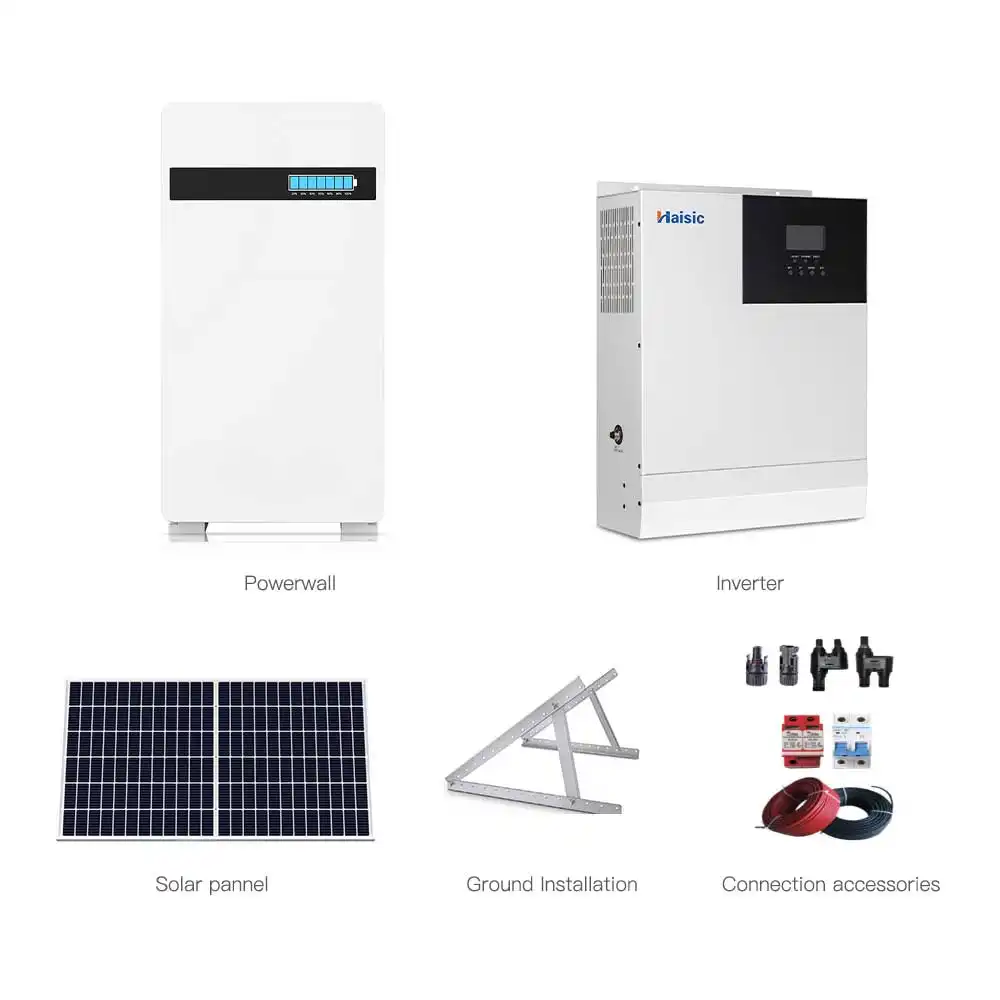
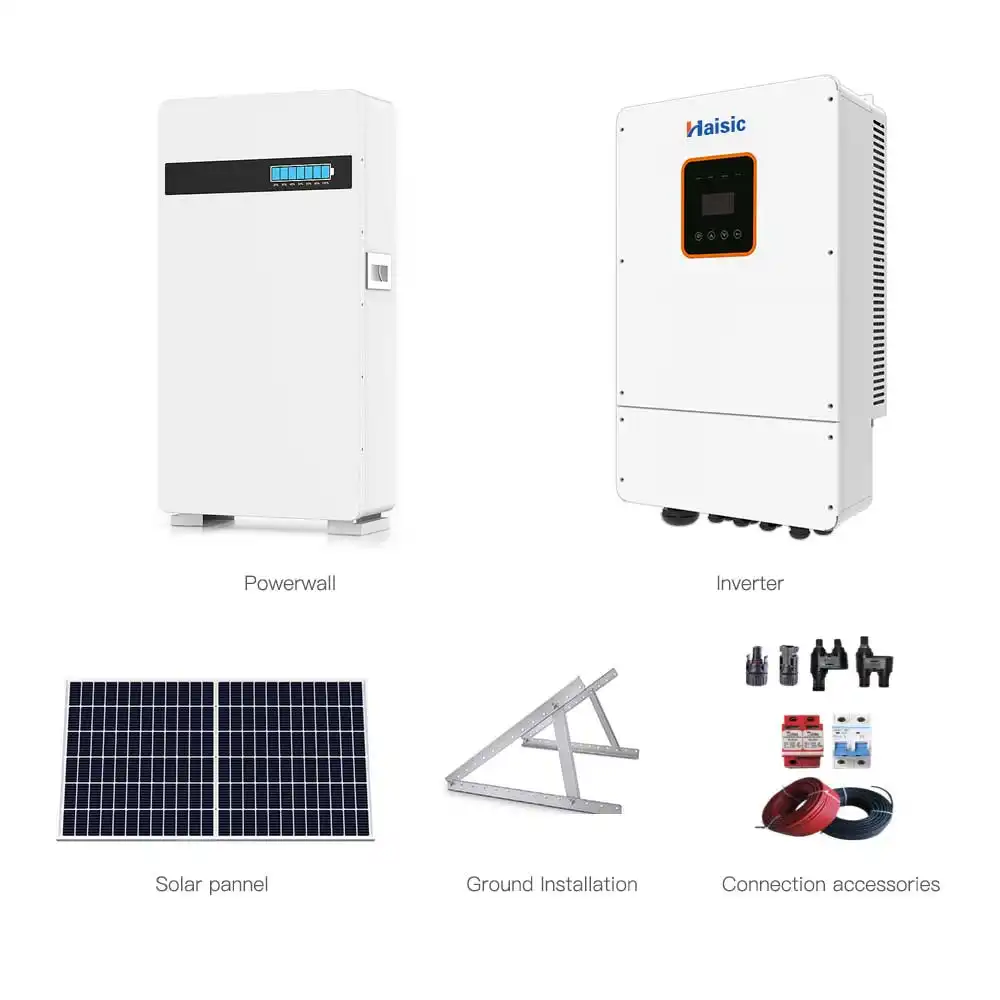
A complete 10kW solar installation with storage typically includes:
Solar panels (10kW total)
Around 20–26 high‑efficiency panels (depending on wattage) mounted on your roof or ground.Inverter or hybrid inverter
- Standard grid‑tied inverter for solar-only
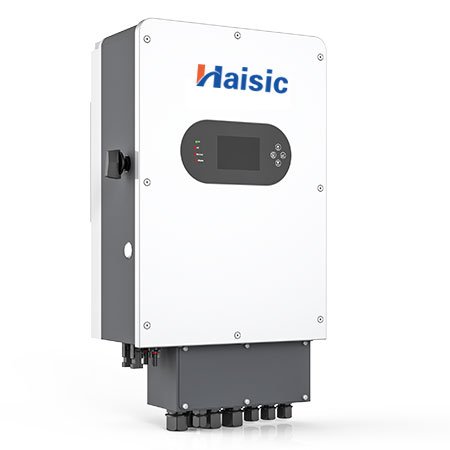
- 10kW hybrid solar inverter if you’re adding battery storage (handles solar, grid, and batteries together).
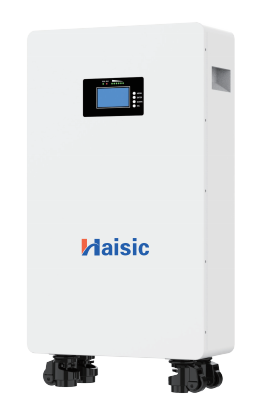
Battery storage
- Usually 10–30 kWh of usable storage for a 10kW array
- Often LiFePO4 home battery systems for long life, safety, and better cycle performance.
Mounting hardware
Roof racks, rails, clamps, and weatherproof fixings tailored to your roof type.Wiring and protection
DC and AC cabling, breakers, isolators, fuses, and monitoring hardware.
Every part affects the 10kW solar system cost breakdown, from panel quality to the price of the batteries and inverter.
How a 10kW Solar + Battery System Works Day and Night
In simple terms, here’s how a 10kW solar with battery backup operates:
Daytime:
- Panels generate power.
- Your home uses that power first.
- Excess energy charges the home energy storage battery.
- Extra beyond that (if grid‑tied) can be exported to the grid for credits (net metering, where available).
Nighttime or outages:
- Your home pulls power from the battery.
- If the battery runs low and you’re grid‑connected, the system automatically switches back to grid power.
- With a properly sized solar battery bank, key loads or even your whole home can keep running during blackouts.
This is what gives you battery backup for power outages and reduces your dependence on expensive grid power in the evening.
Grid-Tied vs Hybrid vs Off-Grid 10kW Systems
The same 10kW of panels can be configured three different ways, and each affects the price of a 10kW solar system with batteries and how you use it:
Grid-tied (no batteries)
- Panels + standard inverter.
- Lowest cost per watt.
- Great for bill reduction where the grid is reliable and net metering is strong.
- No backup during outages.
Hybrid (grid + battery)
- Panels + hybrid inverter + battery storage.
- Higher upfront home solar battery storage price, but gives backup, time‑of‑use savings, and more self-consumption.
- Most popular choice for homeowners wanting resilience and better long‑term control of their energy costs.
Off-grid 10kW solar system
- Panels + large battery bank + off‑grid inverter + often a backup generator.
- Highest upfront cost and more complex design.
- Necessary where grid connection is weak, unreliable, or unavailable.
- Requires careful planning of battery bank size for 10kW and usage habits.
Typical Daily Energy Output of a 10kW Solar System
Actual energy production depends on your location and climate, but as a rough guide:
- Average daily production:
- Low-sun regions: 30–40 kWh per day
- Moderate-sun regions: 40–50 kWh per day
- High-sun regions: 50–60+ kWh per day
That’s why many homeowners use a 10kW solar power production per day estimate of around 40–50 kWh for planning. Your solar installer should refine this using local sun-hour data.
Best Home Sizes and Usage Profiles for a 10kW Solar Setup
A residential 10kW solar installation is typically a good fit if:
- Your monthly electricity bill is medium to high (often equivalent to 800–1,500+ kWh per month).
- You have:
- A larger home or multi‑generation household
- High usage appliances (electric heating/cooling, pool pumps, large fridges, etc.)
- An EV or plan to own one soon
- Work from home or run a small home business
In many markets, a 10kW solar system with battery storage suits:
- 3–5+ bedroom homes with consistent daytime and evening use.
- Households wanting energy independence with solar storage and strong protection from rising power prices.
- Homeowners planning to add EV charger integration and electric appliances over the next few years.
If your usage is lower, a smaller system may be more cost-effective; if your usage is very high or you want full off-grid capability, you may need more storage than a basic 10–30 kWh home battery paired with 10kW of panels.
Average Cost of a 10kW Solar System with Battery Storage in 2026
Typical price range for a 10kW solar system without batteries
In 2026, a 10kW grid-tied solar system without batteries typically falls into this installed price range (after standard installer margins, before incentives):
- USA: $18,000 – $28,000
- Australia: AUD $11,000 – $17,000
- UK: £13,000 – £20,000
- Europe (Eurozone): €14,000 – €22,000
These ranges assume quality Tier-1 panels, a standard string inverter, and a roof-mounted residential 10kW solar installation.
Total cost for a 10kW solar system with battery storage
Adding home battery storage is where the cost jumps. For a 10kW solar system with 10–20 kWh of LiFePO4 storage, you’re usually looking at:
- USA: $26,000 – $45,000
- Australia: AUD $18,000 – $30,000
- UK: £20,000 – £35,000
- Europe: €22,000 – €38,000
Larger battery banks (20–30 kWh) designed for longer backup or partial off-grid use can push the total cost higher, similar to what you see in a more robust 10kW off-grid solar power system.
Cost comparisons by region (USA, Australia, UK, Europe)
Key regional differences for the price of a 10kW solar system with batteries:
- USA: Higher labor and permit costs, but strong tax credits and some state rebates.
- Australia: Some of the lowest per-watt solar costs globally, plus state-based rebates for batteries in some regions.
- UK: Higher hardware and install costs, more complex planning in some areas, but good long-term savings due to high power prices.
- Europe: Big variation country to country; Germany, Spain, and Italy often have stronger incentives and mature solar markets.
How incentives, tax credits, and rebates change the price
Solar incentives can cut the effective cost of a 10kW solar system with battery storage by 20–50% in some markets:
- USA: Federal tax credit (ITC) can reduce system cost by ~30% of the installed price.
- Australia: STCs and some state battery subsidies reduce upfront cost, especially in high-sun states.
- UK & Europe: Mix of VAT reductions, grants, and feed-in tariffs or export payments depending on the country.
The bottom line: always compare “sticker price” vs “net price after incentives”—that’s what really matters.
Upfront vs long-term cost outlook for a 10kW solar system
A 10kW solar system with battery storage is a high upfront investment but a long-term cost saver:
- Upfront: You pay more for batteries than for panels. Batteries can easily be 30–50% of the total system price.
- Long-term:
- Big cuts in your power bill (especially in places with high electricity tariffs or time-of-use pricing).
- Protection from grid outages and price hikes.
- Batteries may need replacement after 10–15 years, while panels and structure typically last 25+ years.
If you want pure bill savings and fast payback, solar-only is cheaper. If you want energy independence, backup power, and better control over when you buy from the grid, a 10kW solar with battery backup justifies the extra cost over the system lifetime.
10kW Solar System Cost Breakdown
When we talk about the cost of a 10kW solar system with battery storage, I always break it into clear parts so you can see exactly where your money goes and what you can optimize.
Cost of 10kW Solar Panels & Mounting Hardware
For a typical roof‑mounted 10kW solar system (around 22–26 panels):
- Solar panels:
- Budget/standard panels: lower upfront price, lower efficiency
- Tier‑1/high‑efficiency panels: higher price, better long‑term output
- Mounting hardware (rails, clamps, brackets):
- Cost changes with roof type (tile/metal/flat) and wind/snow ratings
In most markets, this “panels + racking” bundle is usually 30–40% of the total 10kW solar system cost breakdown.
Inverter & Hybrid Inverter Pricing for 10kW Systems
For a 10kW solar with battery backup, the inverter choice matters a lot:
- Standard string inverter (grid‑tied only) – cheaper, good if you don’t need batteries now
- Hybrid solar inverter (solar + grid + battery) – higher cost, but lets you add storage from day one
- Three‑phase hybrid inverters – slightly more expensive but better for larger homes and balanced loads
For reference, a quality 10kW hybrid solar inverter like the Haisic 10kW IP65 hybrid inverter or a three‑phase 10kW hybrid inverter comes in above basic grid‑tie inverters, but pays off with flexibility, better control, and backup capability.
Battery Storage Cost by Capacity (10–30 kWh)
Battery pricing is usually the biggest jump when looking at the price of a 10kW solar system with batteries:
- 10–15 kWh: light backup, covers evenings and short outages
- 20–30 kWh: deeper backup, better for high‑usage homes or partial off‑grid setups
Using modern LiFePO4 home battery systems, expect battery storage to account for 30–50% of the total price for a 10kW solar with battery backup, depending on brand, capacity, and warranty.
Labor, Permits & Installation Cost Factors
Installation and soft costs are often underestimated:
- Labor: roof work, electrical work, battery mounting, and wiring
- Permits & inspections: electrical, structural, and sometimes fire approval
- Grid connection fees: where net metering or export approvals are needed
Complex roofs, long cable runs, or tricky switchboard upgrades will push the residential 10kW solar installation cost up.
Extras & Add‑Ons: Monitoring, Optimizers, EV Charger
These don’t always show in headline prices but matter for performance and usability:
- Monitoring systems & smart energy apps – track production, battery level, and usage
- Power optimizers or microinverters – useful where shading or complex roofs exist
- EV charger integration – lets you use solar + storage to charge your car cheaply
These extras can add a small percentage to the home solar battery storage price, but they often improve real‑world savings and user experience.
Typical Total Installed Cost Examples (High‑Level)
While exact numbers vary by country and hardware, here’s how setups usually rank in total price (low to high):
- 10kW grid‑tied solar only (no batteries, standard inverter)
- 10kW solar + hybrid inverter (battery‑ready)
- 10kW solar + 10–15 kWh battery (basic backup)
- 10kW solar + 20–30 kWh battery (strong backup / semi off‑grid)
- Full premium package – top‑tier panels, hybrid inverter, large LiFePO4 bank, optimizers, monitoring, EV charger
If you’re comparing solar panel and battery package deals, make sure you’re looking at:
- Total installed cost (not just “hardware only”)
- Inverter type (standard vs hybrid)
- Battery chemistry, usable capacity, and warranty
This kind of breakdown is how I evaluate every 10kW solar system cost with battery storage project before deciding what actually makes sense for the home.
Battery Storage Options for a 10kW Solar System
Why add battery storage to a 10kW solar system
If you’re already investing in a 10kW solar system, pairing it with battery storage is what actually gives you control over your energy:
- Backup power during outages (keep lights, Wi‑Fi, fridge, key appliances running)
- Use more of your own solar instead of exporting cheap and buying back expensive
- Peak shaving in markets with time-of-use tariffs
- Better ROI in regions with weak feed-in tariffs or no net metering
- More energy independence, especially where the grid is unstable
A 10kW solar with battery backup turns your system into a real solar plus storage solution, not just a bill reducer.
Best battery sizes for a 10kW solar array
For most homes, these are realistic battery sizes for a 10kW solar setup:
| Daily Usage / Goal | Suggested Battery Size | Notes |
|---|---|---|
| Light backup only | 5–10 kWh | Short outages, essentials only |
| Typical suburban home, self-use | 10–15 kWh | Balances cost and coverage |
| High usage / long backup | 15–25 kWh | Good for frequent outages |
| Near off‑grid / very high usage | 25–30+ kWh | For serious autonomy |
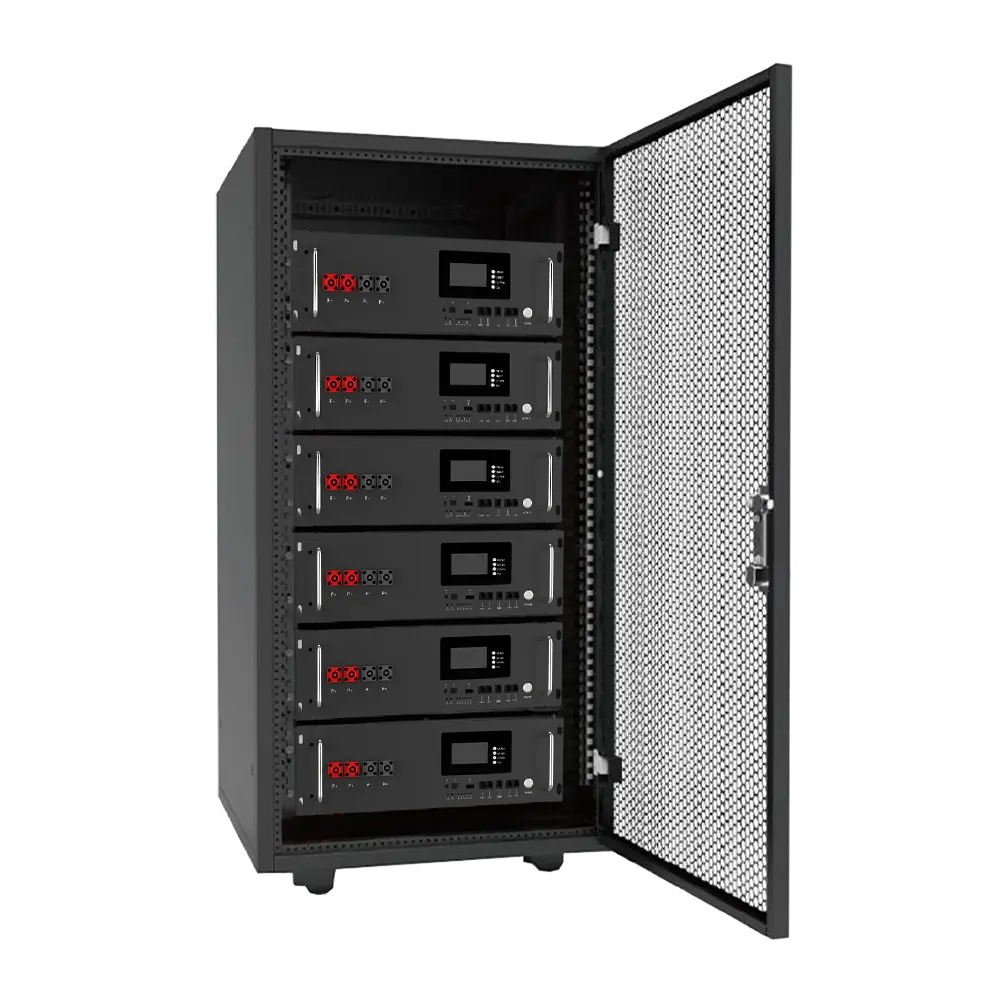
A 15 kWh LiFePO4 battery pack is a sweet spot for most 10kW systems—enough storage to carry evenings and cover most outages without overspending. A good example is a modular 15 kWh home LiFePO4 solar battery pack like the one we build for residential systems, designed around 51.2V and deep-cycle performance.
LiFePO4 vs other battery types for home solar
For a 10kW residential solar installation, LiFePO4 (Lithium Iron Phosphate) is the clear winner right now.
| Type | Pros | Cons |
|---|---|---|
| LiFePO4 | Long life, safe, stable, deep DoD | Higher upfront cost vs lead-acid |
| NMC Lithium | Higher energy density | Runs hotter, usually shorter life |
| Lead-acid | Low upfront cost | Heavy, short life, shallow DoD |
Why I prefer LiFePO4 for 10kW solar with battery storage:
- 5,000–8,000 cycles typical at 80–90% depth of discharge
- Much safer (thermal stability, better for indoor/garage mounting)
- Lower cost per kWh over lifetime, even if purchase price is higher
If you want a long-term, low-maintenance home energy storage battery, go LiFePO4.
How many batteries do you need for a 10kW system?
The number of batteries depends on storage size (kWh), not panel size (kW). Use this as a quick guide:
- Estimate how many kWh you want to cover at night / during outages
- Choose a battery module size (e.g. 5 kWh, 10 kWh, 15 kWh)
- Divide required storage by module size
Example:
- You want 15 kWh usable storage
- You pick one 15 kWh LiFePO4 pack → 1 unit does the job
- For 30 kWh, you’d use two 15 kWh packs in parallel
For a 10kW solar array, 10–20 kWh is the typical battery bank size that most homeowners land on.
Comparison of popular home solar battery brands
Here’s how major options tend to stack up globally (rough overview):
| Brand / Type | Chemistry | Typical Size | Positioning |
|---|---|---|---|
| Tesla Powerwall | NMC | 13.5 kWh | All-in-one, strong brand, app-focused |
| LG / Enphase / SolarEdge | Various | 5–16 kWh | Good integration with their inverters |
| In-house LiFePO4 systems (like ours) | LiFePO4 | 10–30+ kWh | High cycle life, scalable, value-focused |
I like modular LiFePO4 systems because they scale easily from 10–30 kWh and can pair cleanly with 10kW hybrid solar inverters in on-grid, hybrid, or off-grid setups. If you need a robust residential unit, our 15kWh LiFePO4 solar battery pack is built exactly for this use case and integrates well with 10kW arrays.
What to look for in a reliable solar battery
When you’re comparing the price of a 10kW solar system with batteries, don’t just chase the lowest quote. Check:
- Cycle life:
- Aim for ≥6,000 cycles at 80% DoD for LiFePO4
- Warranty:
- At least 10 years or a cycle + throughput warranty (e.g. 6,000–10,000 cycles)
- Safety & certifications:
- LiFePO4 chemistry, reputable BMS, CE/UL/IEC certifications
- Scalability:
- Ability to add more modules later (10 → 20 → 30 kWh)
- Compatibility:
- Works with your 10kW hybrid inverter and local grid standard
- Support & service:
- Clear after-sales support, easy replacement process
If you want a deeper look at what makes a solid home storage setup, I’ve broken down the main criteria and options in this guide on the best battery storage for solar: best battery storage for solar.
Key Factors That Influence the Cost of a 10kW Solar System with Battery Storage
When I run numbers for the cost of a 10kW solar system with battery storage, these are the levers that move the price up or down the most.
1. Location, Climate, and Sunlight Hours
Your postcode matters more than most people think.
- Sunlight hours:
- High-sun regions (US Southwest, Australia, Southern Europe) need fewer panels for the same output.
- Cloudy or northern regions (UK, Northern Europe, Northeast US) often need more panels and larger batteries, increasing cost.
- Climate and temperature:
- Very hot roofs can reduce panel and battery efficiency, so better mounting, ventilation, or higher-grade gear may be needed.
- Local labor and permit costs:
- Big cities with strict permitting tend to push installation and paperwork costs up.
- Rural areas might have cheaper labor but fewer installers, so less competition.
2. Equipment Quality and Brand
The 10kW solar system cost breakdown depends heavily on the brands you choose.
- Tier-1 panels and premium inverters cost more but usually offer:
- Higher efficiency (fewer panels for 10kW)
- Longer warranties (20–25 years for panels, 10–15 years for inverters)
- Battery brands and BMS (battery management system) quality have a direct impact on:
- Safety
- Cycle life
- Real usable capacity
Cutting corners on the inverter or battery to chase a cheap price of a 10kW solar system with batteries usually backfires in long-term ROI.
3. Roof Type, Shading, and Installation Complexity
Your roof can raise or cut costs fast.
- Roof type:
- Asphalt/metal: easiest, lowest labor cost.
- Tile, slate, flat roofs: more hardware and labor → higher install cost.
- Shading:
- Trees, chimneys, nearby buildings may require optimizers or microinverters, adding to the bill.
- Heavy shading may push you toward a slightly bigger system or a smarter layout.
- Complexity:
- Multi-level roofs, limited access, or structural upgrades (reinforcement, new roof) increase total install cost.
4. Battery Chemistry, Capacity, and Depth of Discharge
For a 10kW solar with battery backup, the storage choices are a major cost driver.
- Battery chemistry:
- LiFePO4 (LFP) is the current sweet spot for home energy storage – safer, longer life, good cycle stability.
- Lead-acid is cheaper upfront but has lower usable capacity and shorter life, so higher cost per kWh over time.
- Capacity (kWh):
- A small 10–13 kWh battery keeps upfront cost down but gives shorter backup time.
- Larger banks (20–30 kWh+) cost more but support heavier usage and more energy independence.
- Depth of Discharge (DoD):
- Batteries with high usable DoD (90–95%) effectively give you more usable energy per kWh purchased.
- Cheap batteries often have shallow usable DoD, so you pay more for energy you can’t really use.
If you’re looking at high-capacity storage or modular setups, industrial-grade solutions like a 100 kWh containerized battery energy storage system can be a reference point for scaling and cost per kWh, similar to what’s offered in containerized ESS systems.
5. Incentives, Rebates, and Net Metering
Policy can change the home solar battery storage price more than equipment discounts.
- Tax credits and rebates:
- US ITC, EU programs, Australian STCs, and local grants can cut upfront cost by 20–40% in some regions.
- Net metering / feed-in tariffs:
- Strong export rates make a grid-tied 10kW solar with battery pay back faster.
- Weak export rates make batteries more attractive because you store more and export less.
- Local rules:
- Some regions offer battery-specific incentives, making storage much more affordable.
6. Timing Your Purchase (Market Prices & Policy Changes)
When you buy can be as important as what you buy.
- Component price cycles:
- Panel prices have trended down but move with global supply chain and demand.
- Battery prices are falling, but still sensitive to lithium and manufacturing costs.
- Policy deadlines:
- Incentives often step down or expire on fixed dates. Installing before a cut can save thousands.
- Conversely, some areas announce new storage rebates, so waiting a few months can pay off.
- Currency and import costs:
- For many global markets, exchange rates, import duties, and shipping can tweak the final residential 10kW solar installation cost.
Bottom line: the cost of a 10kW solar system with battery storage isn’t just about the sticker price on panels and batteries. Location, roof, equipment quality, battery specs, incentives, and timing all work together to decide your real total cost and your long-term payback.
Savings, Payback Period, and ROI for a 10kW Solar System with Battery Storage
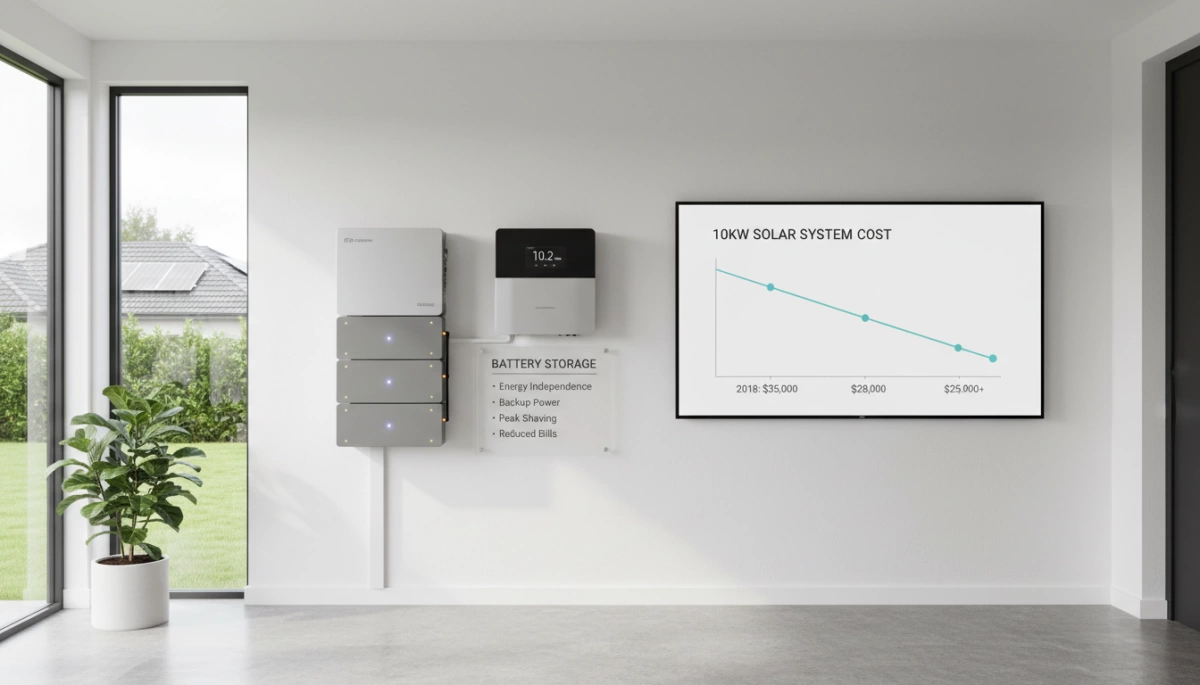
Estimated Energy Production & Bill Savings
A 10kW solar system with battery storage can cover most or all of a typical high-usage home’s power needs, depending on where you live.
Average daily production from a 10kW system:
- USA: 35–50 kWh/day
- Australia: 40–55 kWh/day
- UK / Northern Europe: 25–35 kWh/day
- Southern Europe: 30–45 kWh/day
If your power price is around $0.20–$0.35 per kWh, you’re looking at $150–$350+ per month in savings with a properly sized solar + battery setup, often more in high-tariff regions.
Payback Period: With vs Without Batteries
In most markets, a 10kW solar system without batteries pays for itself faster:
- 10kW solar only (grid-tied):
- Typical payback: 5–8 years
- 10kW solar with battery storage:
- Typical payback: 7–12 years, depending on:
- Local tariffs (TOU / peak pricing)
- Solar incentives and tax credits
- Battery size (e.g., 10–30 kWh)
Where power is expensive and outages are common, the extra cost of storage is usually justified by both financial and resilience value.
Long-Term ROI & Lifetime Savings
Over a 20–25 year life:
- 10kW solar only:
- Lifetime savings often reach $25,000–$60,000 (or more in high-cost markets)
- 10kW solar with battery storage:
- Lifetime savings are slightly lower on paper vs solar-only, but:
- You shift more solar to evening use
- You protect against rising rates
- You keep critical loads running during outages
- Lifetime savings are slightly lower on paper vs solar-only, but:
A good LiFePO4 battery system, like a ~20 kWh home energy storage pack (for example, a 20.48 kWh LiFePO4 home battery), can cycle daily for years, which boosts real-world ROI beyond just a simple payback calculation.
How Batteries Change ROI & Energy Independence
Adding battery storage to a 10kW solar system changes the game:
- Higher self-consumption: Use 70–90% of your own solar instead of exporting it cheaply.
- Peak shaving: Charge during cheap hours / sunny hours, discharge during expensive evening peaks.
- Backup power: Keep fridges, lights, Wi-Fi, and key appliances running in a blackout.
- More predictable bills: Less exposure to utility price hikes.
Financially, your pure ROI percentage might dip compared to solar-only, but your energy independence and resilience increase dramatically.
Environmental Benefits & Carbon Reduction
A 10kW solar + battery system cuts a chunk of your carbon footprint:
- Typical annual CO₂ reduction: 4–8+ tons per year, depending on your local grid mix.
- Over 20 years, that’s 80–160+ tons of avoided CO₂.
- Batteries help you use more clean energy in the evening, further cutting fossil-fuel generation during peak demand hours.
Real-World High-Usage Home Scenarios
1. Large family home (USA, 1,000+ kWh/month)
- 10kW solar + 15–20 kWh battery
- Bill drop: often 60–90%
- Payback: 7–10 years with incentives
- Goal: Lower bills + backup for freezers, HVAC, and work-from-home gear.
2. Hot-climate home (Australia, heavy AC use)
- 10kW solar + 20–25 kWh LiFePO4 storage
- Solar covers daytime AC, battery runs evenings
- Payback: 6–9 years thanks to strong sun & high tariffs
- Strong long-term ROI and excellent comfort/security during heat waves.
3. Semi-off-grid rural home (Europe / UK)
- 10kW solar + 20–30 kWh battery bank
- Grid used as backup only
- Higher upfront cost but very low monthly bills
- Ideal for unstable grids or high per-kWh charges.
If you’re a high-usage household and want real protection from rising power prices and outages, a 10kW solar system with quality LiFePO4 battery storage delivers solid savings, strong ROI, and a big step toward energy independence.
Is a 10kW Solar System with Battery Storage Right for You?
A 10kW solar system with battery storage isn’t for everyone. It’s a strong setup, and it makes the most sense when your usage and goals match what this size can actually deliver.
Who benefits most from a 10kW solar + battery setup
You’re the ideal fit for a 10kW solar with battery backup if:
- You have medium to high power use (typically $150–$350+ per month in many markets).
- You run multiple big loads: AC/heat pumps, pool pump, electric water heater, induction stove, or EV charging.
- You care about backup power during outages and want key loads (fridge, lights, sockets, Wi‑Fi, maybe AC) to keep running.
- Your roof or land can easily fit a roof-mounted 10kW solar system (roughly 22–26 panels depending on panel wattage).
- You want energy independence with solar storage, not just bill savings.
If that sounds like you, a 10kW solar system paired with a reliable home battery storage system can be a very strong long‑term play.
Pros and cons of adding battery storage to a 10kW system
Pros:
- Backup power for blackouts and unstable grids
- Time-of-use savings (charge batteries when solar is free or grid is cheap, discharge when grid gets expensive)
- Higher self-consumption of your own solar, less exporting to the grid at low rates
- More control and predictability over your energy costs
- Better path to future off-grid or partial off-grid living
Cons:
- Higher upfront cost versus a grid-tied solar-only system
- Batteries will eventually need replacement (typically 10–15+ years for quality LiFePO4)
- If undersized, the battery bank may not power all loads all night, so good sizing is critical
- System design becomes more complex (hybrid inverter, battery management, load prioritisation)
This is why I always push buyers to look at battery quality, cycle life, and warranty first, not just price tags. A well-built home lithium battery storage system will usually pay off better than a cheap unit that degrades fast.
When a smaller solar system might make more sense
A full 10kW solar system isn’t always the smart move. A smaller system can be better if:
- Your bills are low and you don’t use much daytime power.
- You live in a small home or apartment with limited roof space.
- You mainly want to knock down your bill, not run big loads or add EV charging.
- Your grid is very reliable, and outages are rare and short.
In these cases, a 3–6kW solar system without batteries (or with a modest battery) can give you great ROI without over-investing.
When a grid-tied solar system without batteries is enough
For many homes, a grid-tied 10kW solar system without batteries is still the best value:
- Your utility offers strong net metering or good feed-in tariffs.
- Outages are rare, and you’re not worried about backup.
- You mainly want fast payback and high ROI, not full energy independence.
- You’re okay using the grid as your “virtual battery”.
You can always add home energy storage batteries later, especially if your inverter is already hybrid-ready.
Off-grid vs hybrid options for unreliable grids
If your grid is weak, unstable, or you’re in a remote area, the choice is usually between:
Hybrid 10kW solar system (most common):
- Stays connected to the grid
- Uses battery storage for home to cover outages and peak pricing
- Can still export/import power, which improves flexibility and ROI
- Great for areas with frequent but not permanent outages
Off-grid 10kW solar system:
- No grid connection at all
- Needs a larger battery bank (often 20–40 kWh or more) plus possibly a generator
- Higher upfront cost and design complexity
- Best for remote homes, farms, cabins, or regions with almost no reliable grid service
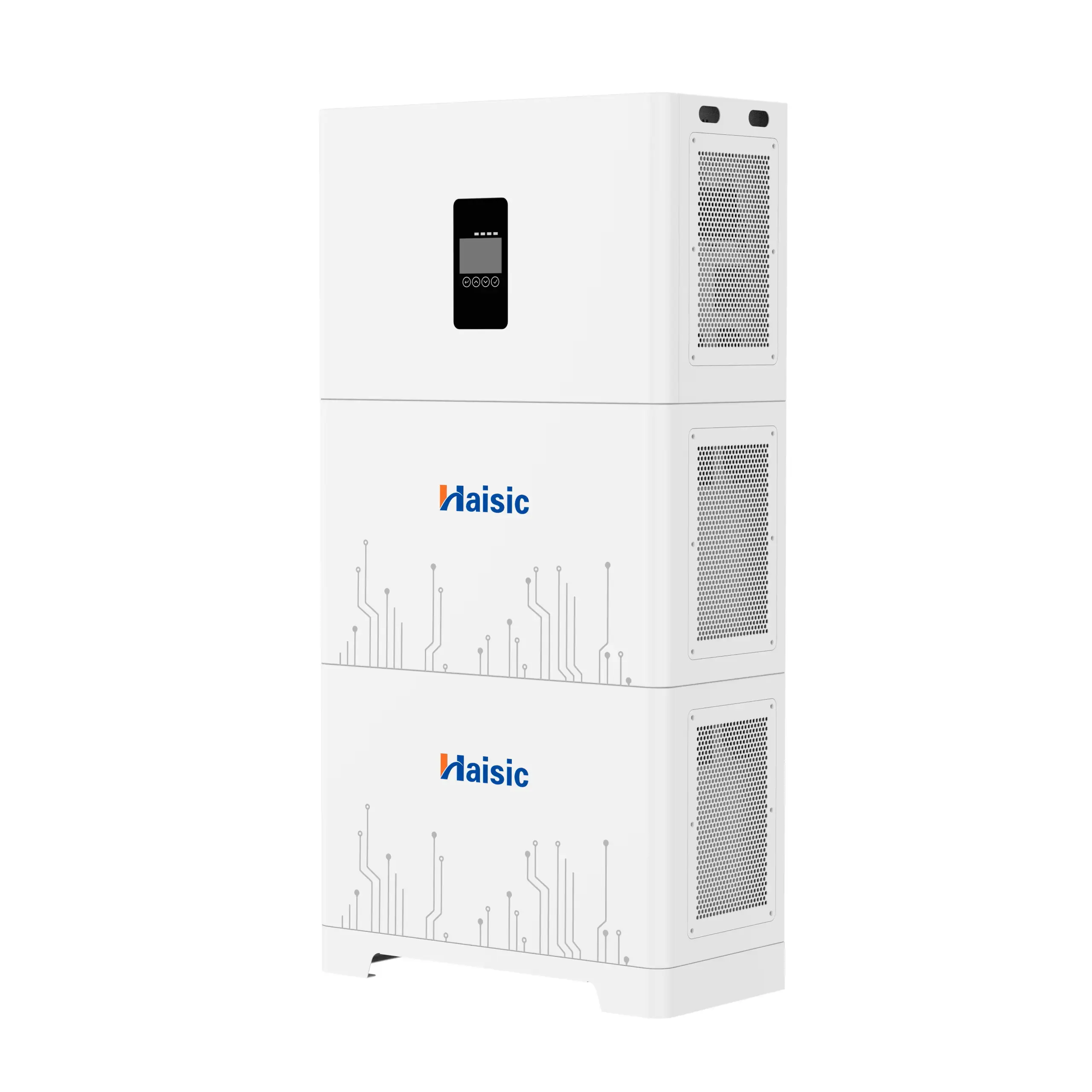
If you’re serious about heavy backup or off‑grid potential, looking into a larger integrated solution like an all‑in‑one 32kWh home energy storage system can be smarter than stacking small batteries one by one. Systems like the HAISIC 32kWh all-in-one home energy storage system are built exactly for that kind of 10kW-class setup.
Bottom line:
- If you want bill savings only, grid-tied 10kW solar (no battery) is often enough.
- If you want bill savings + backup + more independence, a 10kW solar system with battery storage is usually the right move—so long as your usage level and budget match the system size.
How to Get Accurate Quotes for a 10kW Solar System with Battery Storage
Size your 10kW solar + battery system first
Before you ask for quotes, get clear on what you need:
- Check your bills: Look at your last 12 months of electricity usage (kWh/month).
- Decide your backup time: Do you want 4, 8, or 24 hours of backup for key loads?
- Define your goals: Lower bills only, or real energy independence and backup?
Rough guide for a 10kW system:
- Light–medium users: 10–15 kWh battery
- Average family: 15–20 kWh battery
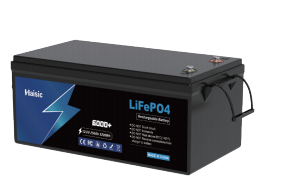
- High-usage / backup-focused: 20–30+ kWh battery (for example a stackable 51.2V 100Ah LiFePO4 home battery)
The clearer you are, the more accurate the quote for your 10kW solar system with battery storage will be.
What to compare in 10kW solar and battery quotes
When you compare quotes, line them up on the same basics:
- Total system size: 10kW DC panel size, inverter size, and usable battery kWh
- Equipment brands & models: Panels, hybrid solar inverter (e.g. a 10kW hybrid inverter like this IP65 unit: 10kW hybrid solar inverter on/off-grid), battery model, mounting hardware
- System type: Grid-tied with backup, full hybrid, or near off-grid
- All-in price: Include equipment, labor, permits, wiring, extras (monitoring, EV charger, optimizers)
- Warranty terms: Years of coverage, performance guarantees, and who handles claims
- Service & support: Local presence, response time, and maintenance options
Put everything into a simple table so you’re comparing the true cost of a 10kW solar system with batteries, not just the headline price.
Questions to ask solar installers and battery suppliers
Ask direct, practical questions:
- How many kWh per year will this 10kW solar system produce at my location?
- How many usable kWh does the battery have after depth-of-discharge limits?
- Is the inverter hybrid and ready for future battery upgrades?
- What happens during a grid outage – what will still run, and for how long?
- Who installs, commissions, and services the system – your team or subcontractors?
- How are warranties handled if your company stops trading?
Good installers will answer clearly and show you real production and solar plus storage payback period estimates.
Red flags to avoid in solar + storage quotes
Be careful with:
- Very low prices compared to other 10kW solar system cost breakdowns
- No mention of battery brand, model, or chemistry
- Vague promises like “can power your whole house” with no load calculation
- No modeled production data or savings forecast
- Short or unclear warranties, or “verbal guarantees” only
- Pressure tactics: “Today only”, “This discount expires in an hour”
If it’s not written into the quote or contract, treat it like it doesn’t exist.
Why battery quality and warranty matter as much as price
With a 10kW solar system with battery storage, the battery is usually one of the most expensive parts – and the one that hurts most if it fails early. Focus on:
- Chemistry: LiFePO4 batteries are safer, more stable, and offer longer cycle life for home systems.
- Cycle life: Look for 4,000–6,000+ cycles at the stated depth-of-discharge.
- Warranty: 8–12 years at minimum, with a clear remaining capacity guarantee (e.g. 60–70% at year 10).
- Scalability: Ability to stack more modules later if your usage grows.
A slightly higher home solar battery storage price for a proven, warrantied LiFePO4 system usually pays off in reliability, fewer issues, and a better long-term ROI on your 10kW solar + battery setup.
FAQs About the Cost of a 10kW Solar System With Battery Storage
How many kWh of batteries do I need with a 10kW solar system?
For most homes, pairing a 10kW solar system with 10–20 kWh of battery storage is the sweet spot.
- 10–13 kWh: Good for evening usage, partial backup, and lowering peak rates.
- 15–20 kWh: Better for bigger homes, heavier night use, and longer backup during outages.
If you’re aiming for near off‑grid performance, many households go up to 20–30 kWh, depending on climate and usage.
Can a 10kW solar system with batteries run a whole house?
Yes, in many cases a 10kW solar with battery backup can power a whole home, especially if you:
- Use efficient appliances and LED lighting
- Avoid running multiple high‑load devices at once (pool pump, EV charger, electric oven, electric water heater)
- Size the battery bank properly (usually 15–25 kWh for full‑home backup)
For full‑home backup and smart load management, a hybrid inverter like a 6kW IP65 hybrid solar inverter with MPPT controller is a solid mid‑range option to build around.
How long do solar batteries last in a home system?
Modern LiFePO4 home battery systems typically last:
- 10–15 years in real-world use
- 4,000–8,000 cycles depending on brand and depth of discharge
Most decent home energy storage batteries still hold 60–80% of original capacity at the end of their warranty period if used correctly.
Can I go fully off-grid with a 10kW solar and battery setup?
Yes, but only if you size it right. A 10kW off-grid solar system can work if you have:
- Sufficient battery bank (often 20–40 kWh, depending on climate and lifestyle)
- A reliable hybrid/off-grid inverter and possibly a backup generator
- Reasonable control over energy use in winter or cloudy seasons
Going fully off‑grid costs more than a grid-tied 10kW solar with battery, so most customers choose hybrid systems: connected to the grid, but with strong backup and high energy independence.
What warranties should I expect on solar panels, inverters, and batteries?
For a quality 10kW solar system with battery storage, you should expect roughly:
- Solar panels: 10–15 years product warranty, 25 years performance warranty
- Inverters / hybrid inverters: 5–10 years (extendable in many cases)
- Solar batteries: 8–15 years or a cycle‑based warranty (e.g., 6,000 cycles)
If an installer can’t clearly show you the written warranty terms, walk away.
How does the cost of a 10kW solar system compare to my current power bill?
Quick rule of thumb:
- In high‑tariff regions, a 10kW solar system without batteries often pays for itself in 5–8 years.
- Adding battery storage increases upfront cost but can cut peak charges and provide backup, stretching payback to 7–12 years, depending on how expensive your electricity is.
If your power bill is consistently high (say, USD $200–$400+ per month), the price of a 10kW solar system with batteries often makes sense long term, especially where tariffs keep rising or the grid is unreliable.