











Rising electricity prices and grid volatility are no longer just \”operational risks\”—they are direct threats to your bottom line.
You’ve likely heard that business battery storage is the solution to rising costs, but how do you move from initial interest to a high-yield investment?
In this guide, I’m going to show you exactly how to leverage Battery Energy Storage Systems (BESS) to slash demand charges, ensure energy resilience, and even unlock new grid services revenue. This is the same framework used by modern facilities to reduce energy overhead by up to 30% while hitting ambitious ESG goals.
If you are looking to turn energy from a fixed cost into a competitive advantage, this guide is for you.
Let\’s dive right in.
Would you like me to continue with the next section on defining these systems and their core components?
Understanding Business Battery Storage
Energy costs and grid instability are direct threats to your bottom line. At its core, business battery storage—formally known as Battery Energy Storage Systems (BESS)—is a technology that captures electricity from the grid or onsite renewables (like solar) and saves it for later use.
We view these systems as more than just \”backup batteries\”; they are strategic financial assets. By decoupling when you buy energy from when you use it, a BESS for business provides the flexibility needed to navigate volatile energy markets.
Core Components of a BESS
To ensure reliability and performance, every system we deploy integrates four critical elements:
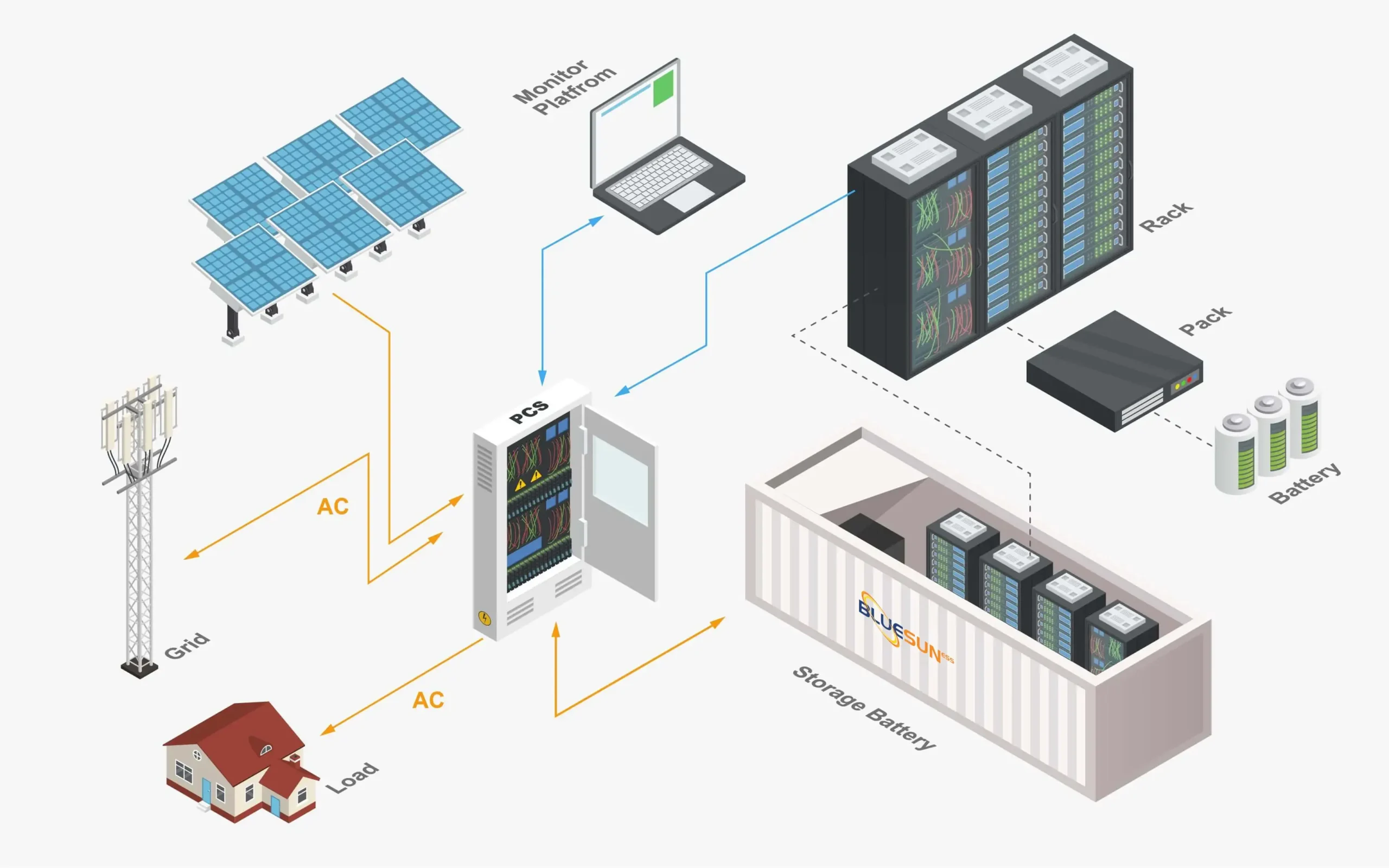
- Battery Modules: Usually Lithium Iron Phosphate (LFP) or NMC cells that store the raw energy.
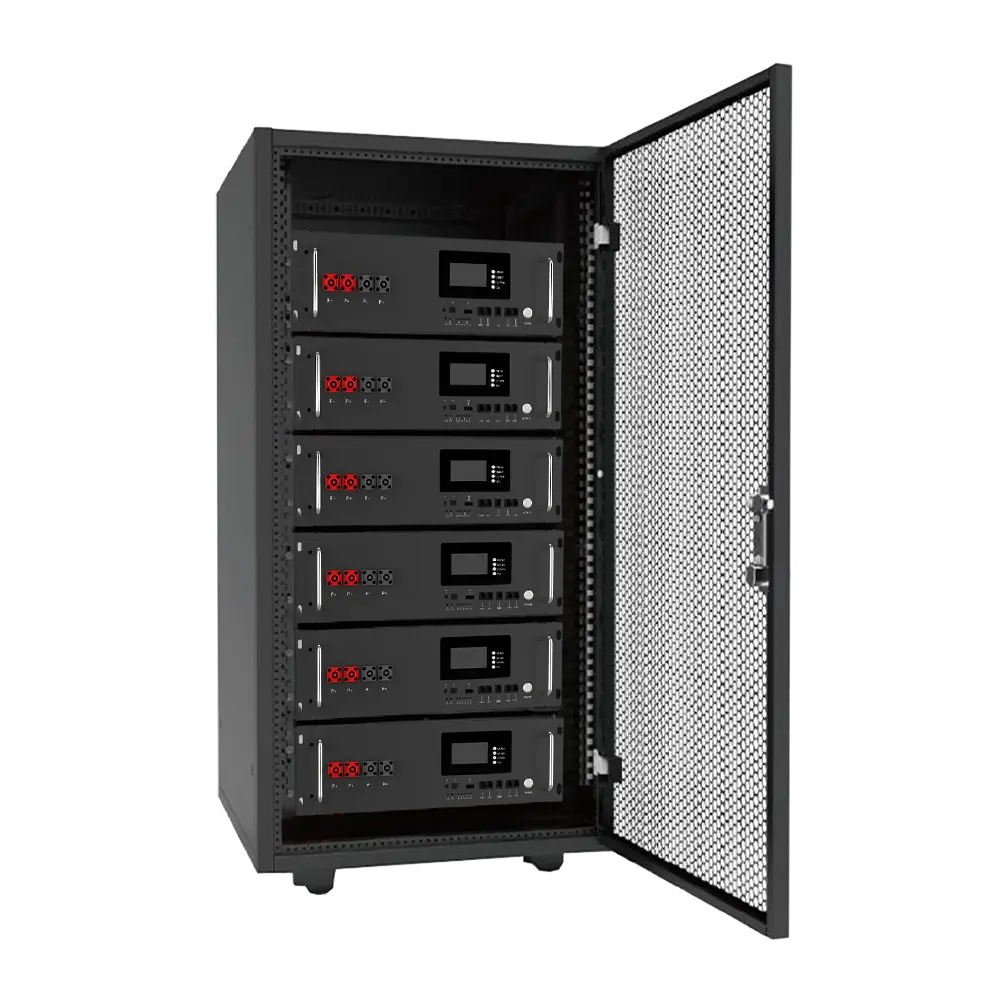
- Inverter/Power Conversion System (PCS): Converts DC power from the batteries into AC power used by your facility.
- Battery Management System (BMS): The \”brain\” that monitors cell health, temperature, and safety.
- Energy Management System (EMS): The software layer that decides when to charge or discharge based on utility rates and demand.
Comparing Energy Storage Scales
Understanding where your facility fits is crucial for choosing the right hardware. C&I energy storage occupies the middle ground between small home units and massive grid-scale farms.
| Feature | Residential | Commercial & Industrial (C&I) | Utility-Scale |
|---|---|---|---|
| Typical Capacity | 5kWh – 20kWh | 30kWh – 5MWh+ | 10MWh – 500MWh+ |
| Primary Goal | Backup & Solar Self-consumption | Peak Shaving & Demand Reduction | Grid Stability & Arbitrage |
| User Base | Single-family homes | Factories, Retail, Data Centers | Utility Providers & IPPs |
Targeted Applications for Your Business
We design commercial battery storage solutions to meet the specific operational demands of various sectors:
- Manufacturing & Factories: High-power systems to mitigate expensive demand charges and protect sensitive machinery from voltage drops.
- Data Centers: Instantaneous discharge to provide seamless transition during power interruptions, replacing or augmenting traditional UPS systems.
- Retail Chains & Offices: Optimizing energy use across HVAC and lighting loads to lower operational expenses.
- Warehouses & EV Fleets: Supporting high-speed charging infrastructure without requiring massive grid upgrades.
- Microgrid Battery Systems: Providing full energy independence for remote sites or facilities requiring 24/7 uptime.
By implementing industrial energy storage, you shift from being a passive energy consumer to an active energy manager, securing both your power supply and your profit margins.
Key Benefits of Business Battery Storage
Implementing a BESS for business isn\’t just a sustainability move; it’s a strategic financial decision. We focus on delivering systems that protect your operations and improve your bottom line through several high-impact channels.
Peak Shaving and Demand Charge Reduction
For many commercial facilities, demand charges—fees based on your highest point of electricity usage—can account for up to 50% of a monthly utility bill. Our business battery storage solutions use peak shaving to discharge power during these spikes, effectively capping your utility costs. Managing these peaks significantly lowers the total cost of solar battery storage by shortening the payback period.
Energy Resilience and Business Backup Power
Grid instability is a growing risk. A sudden outage can halt production lines or crash data servers, leading to massive financial losses. Commercial battery storage provides near-instant business backup power, ensuring your facility remains operational. This energy resilience for business acts as a critical insurance policy against local infrastructure failures.
Optimized Self-Consumption
If your facility has onsite generation, you need a way to capture every kilowatt produced. By integrating the best battery storage for solar, you can store excess midday energy and use it during expensive peak evening hours. This commercial solar storage approach ensures you aren\’t selling cheap power back to the grid only to buy it back at a premium later.
Revenue Streams and ESG Goals
- Grid Services Revenue: Participate in demand response programs or commercial energy arbitrage to turn your battery into a revenue-generating asset.
- ESG and Carbon Reduction: Batteries are the most effective way to hit corporate carbon reduction targets by displacing fossil-fuel-heavy grid power with clean, stored energy.
| Benefit Category | Primary Value | Key Mechanism |
|---|---|---|
| Financial | Demand charge reduction | Peak shaving during high-use windows |
| Operational | Energy resilience business | Instant backup power during grid failures |
| Strategy | Grid services revenue | Arbitrage and frequency response participation |
| Compliance | ESG Alignment | Reduction of Scope 2 carbon emissions |
Maximizing Business Battery Storage ROI and Financial Returns
I’ve seen firsthand how the right setup turns an energy expense into a strategic asset. The financial logic behind business battery storage isn\’t just about saving a few pennies; it’s about aggressive demand charge reduction and locking in long-term operational stability. When we evaluate a project, we look at how quickly the system pays for itself through avoided costs and new revenue.
Breaking Down the Investment
Investing in C&I energy storage involves a clear breakdown of costs vs. incentives. As a dedicated battery energy storage system company, we categorize the investment into three main areas:
- Hard Costs: The actual battery modules, power conversion systems (inverters), and thermal management.
- Soft Costs: Site engineering, permitting, and grid interconnection fees.
- Incentives: Massive offsets like the Investment Tax Credit (ITC) or local utility rebates can often slash upfront capital requirements by 30% to 50%.
Simple Battery Storage ROI Framework
The typical payback period for commercial battery storage generally falls between 3 and 7 years. This timeline is accelerated by how your local utility bills you.
| Factor | Impact on ROI |
|---|---|
| Peak Shaving | Highest impact; avoids expensive \”demand charges\” during peak hours. |
| Energy Arbitrage | Charges during low-rate periods and discharges when prices spike. |
| Grid Services | Earning revenue by helping the grid balance frequency. |
If you are currently analyzing if battery storage is right for your business, start by looking at your \”demand\” line item on your bill. For instance, a warehouse that triggers a high demand charge for just one hour of heavy machinery use can see a battery storage ROI increase significantly by using the system to \”shave\” that specific peak. By flattening your load profile, you aren\’t just saving energy—you\’re optimizing your entire operational budget.
Choosing the Right Battery Technology for Commercial Use
Selecting the right chemistry is the most critical step in securing your business battery storage investment. Most modern setups rely on Lithium-ion, specifically Lithium Iron Phosphate (LFP) or Nickel Manganese Cobalt (NMC). We generally steer our clients toward LFP for its superior stability.
Lithium Iron Phosphate (LFP) vs. NMC
We prioritize LFP for our BESS for business solutions because it excels in the areas that matter most to commercial operators:
- Safety: LFP has a much higher thermal runaway threshold, making it significantly safer for installations near offices or warehouses.
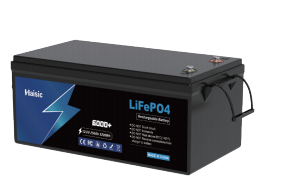
- Longevity: You get more cycles—often 6,000+—compared to NMC, which translates to a much better long-term ROI.
- Efficiency: Our stackable lithium iron phosphate commercial batteries provide stable discharge rates and high round-trip efficiency.
Emerging Alternatives and Critical Specs
While LFP is the current gold standard, we are also monitoring flow batteries for ultra-long-duration storage and sodium-ion for future cost-efficiency. However, for a reliable lithium iron phosphate commercial setup today, you must evaluate these technical specs:
| Specification | Why It Matters |
|---|---|
| Power vs. Energy | Power (kW) handles your peak loads; Energy (kWh) determines how many hours you can run. |
| Depth of Discharge (DoD) | We look for 90% or higher. This tells you how much of the battery’s capacity is actually usable. |
| Cycle Life & Warranty | Ensure the warranty covers at least 10 years or a specific total energy throughput. |
For high-demand industrial environments, we recommend a high-voltage BESS for business to ensure the system can handle heavy machinery and large-scale backup requirements without breaking a sweat.
Scaling Your Business Battery Storage
Getting the size right is the difference between a high ROI and a stranded asset. We start by analyzing your load profiles—your specific energy consumption patterns throughout the day. This data tells us exactly how much capacity you need to handle peak loads without overspending on hardware.
Modular vs. Containerized Solutions
Different businesses have different space and power constraints. We generally categorize scalable battery solutions into two types:
- Modular Systems: Best for offices or retail. These are flexible, allowing you to add more battery modules as your energy needs grow.
- Containerized Systems: Ideal for heavy industrial energy storage. These \”all-in-one\” units, such as a 1MWh energy storage container system, are weather-proof and ready for rapid deployment in high-demand environments.
Seamless Integration and Microgrids
Your business battery storage shouldn\’t exist in a vacuum. I focus on ensuring full compatibility with your existing infrastructure:
- Solar PV: Maximizing self-consumption by storing excess midday generation.
- Backup Generators: Coordinating with diesel or gas generators to bridge the gap during long-term outages.
- Microgrid Battery Systems: We can configure your setup to \”island\” from the grid, keeping your facility fully operational even when the local utility goes down.
Choosing a containerized BESS for business allows for a cleaner installation with less onsite engineering, making it a \”plug-and-play\” option for expanding power needs.
Installation and Maintenance of Business Battery Storage
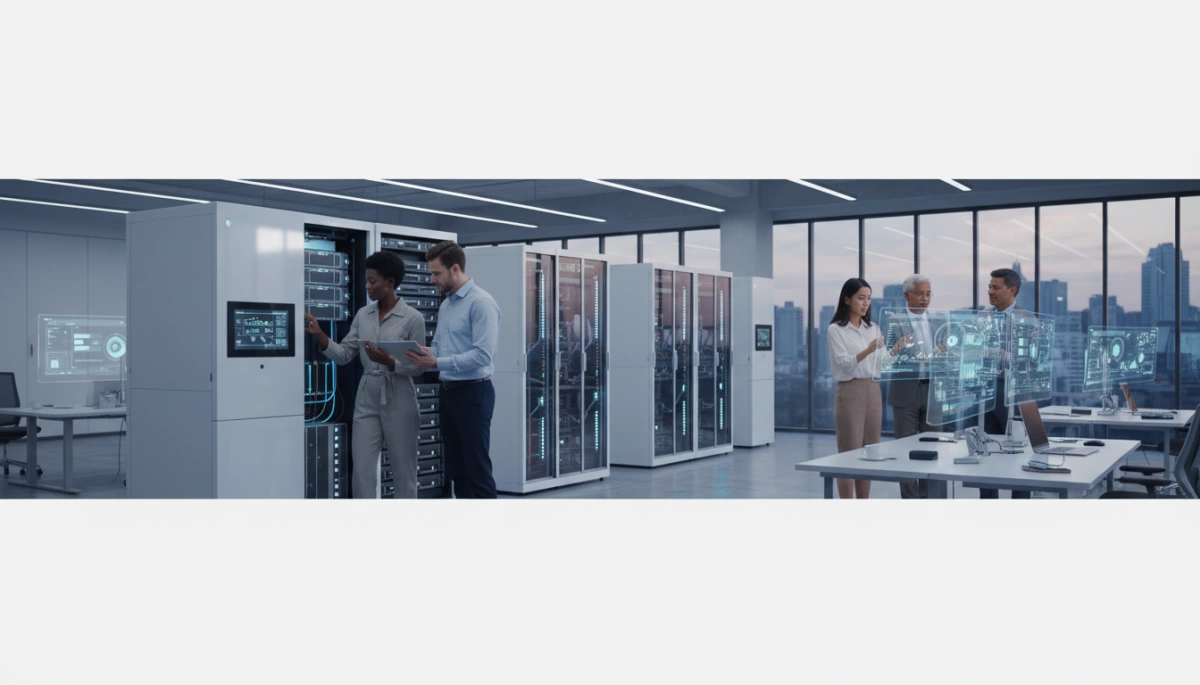
Deploying business battery storage requires a clear roadmap from site prep to long-term monitoring. We focus on ensuring the hardware integrates seamlessly with your facility while meeting all safety and regulatory standards.
Site Requirements and Permitting
Before the hardware arrives, the site must meet specific physical and legal criteria. Key considerations for industrial energy storage include:
- Structural Integrity: Concrete pads must support the heavy weight of high-capacity battery racks.
- Environmental Control: Adequate ventilation or HVAC systems are required to maintain optimal operating temperatures.
- Permitting: Adhering to local fire codes and grid interconnection agreements is essential for a legal and safe BESS for business.
Plug-and-Play vs. Custom Engineering
We offer two primary approaches to installation:
- Plug-and-Play Systems: These are pre-configured, containerized scalable battery solutions. They are faster to deploy, factory-tested, and ideal for standard commercial applications.
- Custom-Engineered Systems: For facilities with complex load profiles or unique space constraints, we design bespoke systems that integrate deeply with existing infrastructure.
Monitoring and Safety Protocols
Once operational, the focus shifts to performance and safety. Our team provides comprehensive energy storage services to handle the technical heavy lifting and ensure your system stays online.
- 24/7 Monitoring: Cloud-based software tracks state-of-charge (SoC), cell temperature, and health metrics in real-time.
- Safety Systems: Automated fire suppression and emergency disconnects are standard to protect your assets.
- Preventative Maintenance: Regular inspections of thermal management systems and electrical connections prevent downtime and extend the battery’s lifespan.
Real-World Business Battery Storage Success
We have seen firsthand how business battery storage transforms operational costs from a liability into a competitive advantage. These aren\’t just theoretical gains; they are proven results from diverse sectors using C&I energy storage to stabilize their bottom line.
Manufacturing: Slashing Demand Charges
A heavy manufacturing facility facing massive utility bills integrated a BESS for business to manage power spikes. By utilizing our high-voltage 215kWh LiFePO4 energy storage system, they effectively managed peak shaving.
- Result: A 30% reduction in demand charges.
- Impact: Lower monthly overhead and increased machine uptime during grid fluctuations.
Retail: Achieving Energy Independence
A national retail chain paired their existing rooftop panels with commercial solar storage to maximize their investment. By storing excess daytime energy, they shifted to business backup power during expensive evening peaks.
- Setup: Integrated scalable battery solutions across multiple locations.
- Outcome: Near-total energy independence during peak hours and a significantly lower carbon footprint.
Office Complexes: Generating Grid Revenue
Modern office hubs are no longer just energy consumers; they are active grid participants. We assisted a commercial complex in implementing industrial energy storage to join local demand response programs.
- Strategy: Using commercial energy arbitrage to buy low and sell high.
- Revenue: The complex now generates consistent grid services revenue by discharging power back to the utility during high-demand events, turning a utility expense into a profit center.
Future Trends Shaping Business Battery Storage
The landscape for business battery storage is evolving rapidly. We are seeing a major shift in how companies manage and monetize their energy assets, moving from simple backup power to active grid participation.
Falling Costs and Higher Density
The most immediate trend is the decline in lithium-ion prices coupled with significant improvements in energy density. This means we can pack more power into smaller footprints, making BESS for business more viable for sites with limited space.
- Faster ROI: Lower hardware costs accelerate the payback period for commercial installations.
- Space Efficiency: Higher density allows for more capacity in standard shipping container dimensions.
- Better Performance: Improved chemistry leads to longer cycle lives and better thermal stability.
Virtual Power Plants (VPPs)
Businesses are moving beyond simple self-consumption. The growth of grid-interactive systems allows commercial entities to participate in virtual power plants. By networking multiple scalable battery solutions together, we can provide massive support to the utility provider.
- Revenue Generation: Sell stored energy back to the grid during peak demand windows.
- Grid Stability: Support the local infrastructure through automated frequency response.
- Smart Integration: Modern containerized battery energy storage systems use AI to automate energy trading for maximum profit.
Second-Life Batteries and Circularity
Sustainability is driving the circular economy within the energy sector. We are seeing a surge in second-life batteries—repurposed EV batteries that still hold enough capacity for stationary commercial storage.
- Carbon Reduction: Minimizes the environmental impact of manufacturing new cells.
- Cost Effectiveness: Offers a lower-cost entry point for non-critical energy storage applications.
- Resource Management: Ensures valuable materials like lithium and cobalt stay in the supply chain longer.