











Thinking about adding a solar battery to your home—but not sure how much a solar battery costs in 2025?
You’re not alone.
More
What Are Solar Batteries and Why Add One to Your System?
If you’re asking “how much are solar battery systems?”, the first step is understanding what they do and why they matter.
Solar battery basics: how they work with your panels
A solar battery (or home battery storage system) stores the extra electricity your solar panels produce during the day so you can use it later instead of pulling power from the grid.
In simple terms:
- Solar panels generate DC power from the sun
- An inverter converts it to AC power for your home
- Any extra power that your home doesn’t use right away can be stored in a solar battery
- You use that stored energy at night, during peak-rate hours, or when the grid goes down
This is what people usually mean when they ask “how much is a solar panel battery?” or “how much do solar battery cost for home backup?”
Why homeowners add a solar backup battery
Most homeowners don’t add storage just “because it’s cool.” They add a solar backup battery for three main reasons:
- Backup power during outages
- Keep essentials running: lights, Wi‑Fi, fridge, medical devices, some outlets
- Avoid relying on noisy, fuel-based generators
- Lower electric bills
- Store cheap solar energy and use it when utility time-of-use (TOU) rates are highest
- Reduce how much you buy from the grid when prices spike
- More energy independence
- Rely less on changing utility rates and weaker net metering policies
- Use more of your own solar power instead of exporting it for low credits
If you want whole home battery backup, you’ll typically pair multiple batteries together to cover higher loads like AC, electric stoves, or EV charging.
Main solar battery types and what most homes use
Most home solar battery systems today are based on lithium-ion technology, but there are a few main chemistries:
- LiFePO4 (Lithium Iron Phosphate)
- Long cycle life, very stable, strong safety profile
- Excellent for daily cycling and long-term solar storage
- What we focus on in our own Haisic battery designs because of reliability
- NMC (Nickel Manganese Cobalt)
- High energy density (more energy in a smaller space)
- Common in EVs and some home batteries like earlier generations of well-known brands
- Lead-acid (including AGM and GEL)
- Older, cheaper technology
- Shorter lifespan, heavier, needs more space and can require more maintenance
- Better suited for low-budget or occasional-use backup, not intensive daily cycling
Today, most modern residential systems use LiFePO4 solar batteries because they offer the best mix of safety, lifespan, and long-term cost. When you compare solar battery prices 2026, you’ll see LiFePO4 systems consistently positioned as the most cost-effective over their lifespan, even if the upfront home battery storage cost is slightly higher than older chemistries.
Average Solar Battery Costs in 2026
How much are solar battery systems in 2026?
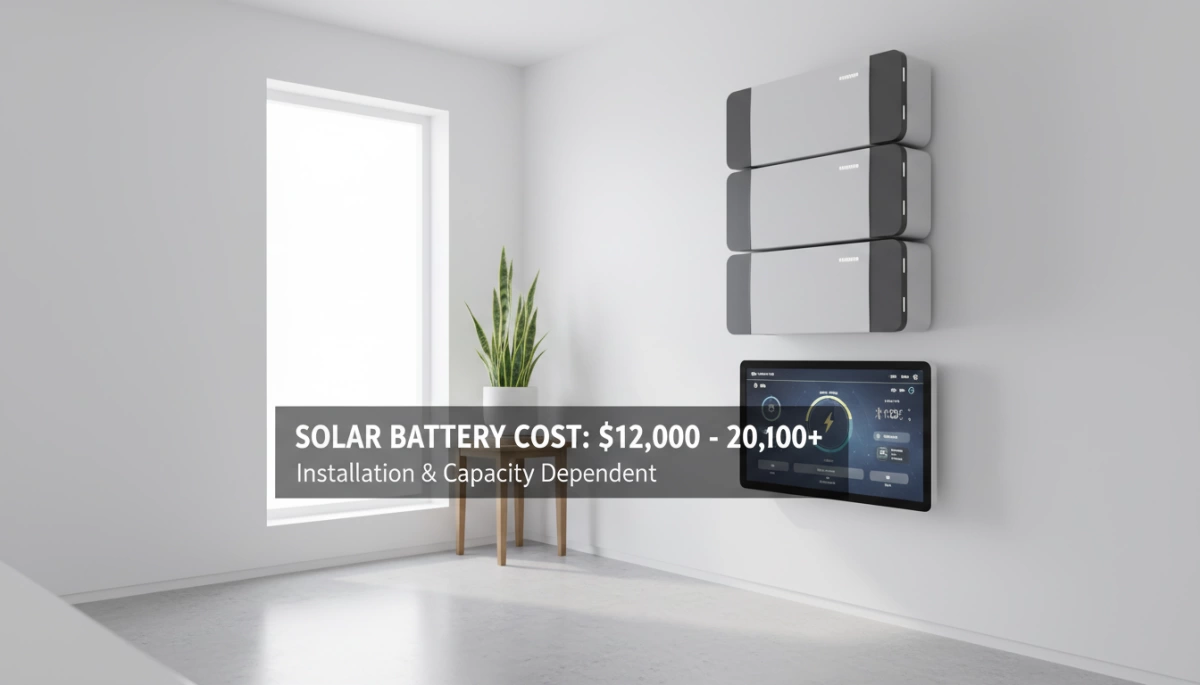
In 2026, most home solar battery systems land in this range:
- Typical home solar battery price (equipment only):
$4,000 – $12,000 per battery, depending on brand, size, and chemistry - Typical installed cost (complete system):
$8,000 – $18,000 for a standard home setup with one battery and all hardware
Cost for 10–13.5 kWh home battery systems
For the most common size (enough for essential backup and solid bill savings):
- 10–13.5 kWh lithium solar battery cost (installed):
Usually $9,000 – $16,000 before incentives - After a 30% tax credit, many homeowners end up closer to $6,000 – $11,000 net
- At my company, our home lithium battery storage solutions are built to stay in the mid-range of the market while offering longer life and better value than many “big name” systems.
If you want more detail on real-world pricing and what’s included, I break it down in this guide on the cost of solar battery storage.
Cost per kWh and how battery size changes price
A simple way to compare solar battery prices in 2026 is cost per kWh of storage:
- Average cost per kWh (installed):
Roughly $700 – $1,400 per kWh before incentives - Smaller batteries usually have a higher cost per kWh
- Larger batteries (stacked systems) push the cost per kWh down because you’re spreading labor and hardware across more storage
Typical price ranges by capacity
- 5–10 kWh solar battery price:
$5,000 – $12,000 installed
(Good for essential loads and short outages) - 10–15 kWh solar battery price:
$9,000 – $18,000 installed
(Most popular size for homes with solar) - 20+ kWh whole home battery backup price:
$16,000 – $35,000+ installed depending on brand and number of units
How incentives and tax credits cut your cost
In 2026, you can still trim a big chunk off the top:
- 30% Federal Residential Clean Energy Credit applies to battery storage that meets requirements
- Many states, cities, and utilities add rebates or performance incentives on top
- It’s common to see total costs drop 30–50% once everything is stacked
Example:
- 13.5 kWh battery system installed at $14,000
- 30% federal credit = -$4,200
- Final net cost: about $9,800, before any local rebates
For homeowners planning a budget, we generally advise using pre-incentive numbers first, then treating credits and rebates as a bonus that improves payback.
Factors That Influence How Much Solar Batteries Cost
Battery capacity & power rating
When people ask “how much are solar battery systems?”, the first thing I look at is size:
- Capacity (kWh) – This is how much energy the battery can store.
- More kWh = higher price.
- Doubling capacity almost always raises total cost, but usually lowers your cost per kWh.
- Power rating (kW) – This is how much power the battery can deliver at once.
- Higher kW = run more appliances at the same time = higher price.
A 5 kWh battery is cheaper overall than a 10–13.5 kWh battery, but the whole home battery backup price you care about depends on both: how long it runs and how much it can power at once.
Battery chemistry, lifespan & cycle life
Chemistry is a big driver of home battery storage cost:
- LiFePO4 (LFP) – What I prefer for most homes today.
- Long cycle life (often 6,000+ cycles), safer, stable performance.
- Usually the best long‑term cost per kWh over 10–15+ years.
- You’ll see this tech in many modern systems, like high‑voltage LiFePO4 energy storage batteries.
- NMC lithium‑ion – Higher energy density, very common in brands like Tesla.
- Good performance, slightly shorter cycle life than LiFePO4 in many cases.
- Lead‑acid – Cheaper upfront, but lower usable capacity and short life.
- Higher maintenance and usually the worst lifetime value.
The longer the lifespan and cycle life, the lower your real average cost of solar energy storage over time.
Brand, smart features & warranty
Brand and features can move solar battery prices a lot:
- Reputation & support – Trusted brands with proven field results charge more, but often save you money in headaches and replacements.
- Smart features – App monitoring, time‑of‑use optimization, backup modes, and integration with other devices all add cost.
- Warranty – Strong warranties (10–15 years, guaranteed kWh throughput, capacity retention) increase price but protect your investment.
When comparing the best solar batteries 2026, I always weigh a slightly higher price against a better warranty and software—it often wins.
Installation: new solar vs retrofit
The same solar backup battery can have different installed prices depending on how it’s added:
- New solar + battery together
- Shared labor, single design, one permit.
- Usually cheaper per kWh to install.
- Retrofit to existing solar
- May need additional AC‑coupled equipment.
- More complex wiring and integration.
- Often higher solar battery installation cost.
If you’re already planning panels, adding storage in the same project usually gets you the best home solar battery system cost.
Extra equipment & balance of system
Beyond the battery itself, there are hidden pieces that change “how much do solar battery cost” in the real world:
- Hybrid or storage inverter (if your current one isn’t compatible)
- Electrical panel upgrades to handle the load and backup circuits
- Automatic transfer switches for backup mode
- Wiring, conduit, breakers, disconnects
- Monitoring hardware for apps and smart controls
All of this rolls into the final solar battery prices 2026 you see on quotes. The cleaner your existing electrical setup, the lower your total installed cost per kWh of storage.
Popular Solar Battery Brands and Price Comparisons (How Much Are Solar Battery Systems?)
When people ask “how much are solar battery systems?”, they’re usually comparing Tesla, Enphase, Generac, and newer LiFePO4 options like Haisic. Here’s a quick, realistic look at home battery storage cost in 2026.
Tesla Powerwall Price & Features (2026)
- Typical installed price (US/EU):
$10,000–$14,000 per unit (13.5 kWh), depending on installer and extras - Cost per kWh (installed): ~$740–$1,050/kWh
- Key features:
- 13.5 kWh usable storage, 5 kW continuous output
- Lithium-ion NMC chemistry
- Strong app + ecosystem with Tesla solar/inverters
- 10‑year warranty (energy throughput limits apply)
For many homeowners, “how much is a solar panel battery?” basically means “what’s a Powerwall cost?” In 2026, it’s still one of the most expensive, but most recognized options.
Enphase, Generac & Other Well-Known Brands
Enphase IQ Batteries
- Installed cost: roughly $9,000–$15,000 depending on size (10–15 kWh range)
- Modular: stack smaller units to reach 10–30+ kWh
- Best for: homes already using Enphase microinverters, rooftop solar retrofits
Generac PWRcell
- Installed cost: about $11,000–$18,000 based on configuration
- Modular cabinet design: from ~9 kWh up to 18+ kWh
- Best for: whole-home backup and generator + solar hybrid setups
These brands mainly use lithium-ion systems with strong backup features, but you’ll pay a premium per kWh compared with newer LiFePO4 solar battery pricing.
How Haisic Solar Batteries Compare (Cost, Performance, Warranty)
This is where I focus: LiFePO4 batteries with lower cost per kWh, long cycle life, and simple integration for both new and existing solar.
Typical Haisic home battery options:
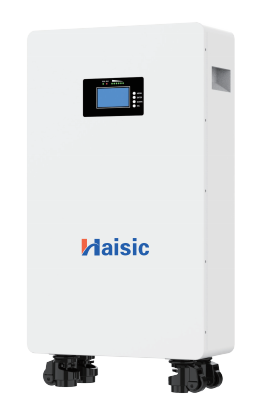
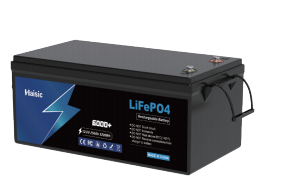
- Haisic 15 kWh LiFePO4 Solar Battery (51.2V 305Ah)
- Ideal for whole home battery backup price targets under big-brand quotes
- Long-life LiFePO4 chemistry (high cycle life, stable, safer profile)
- Designed to work with standard hybrid inverters, including our own
- Details: see the Haisic 15 kWh LiFePO4 solar battery pack
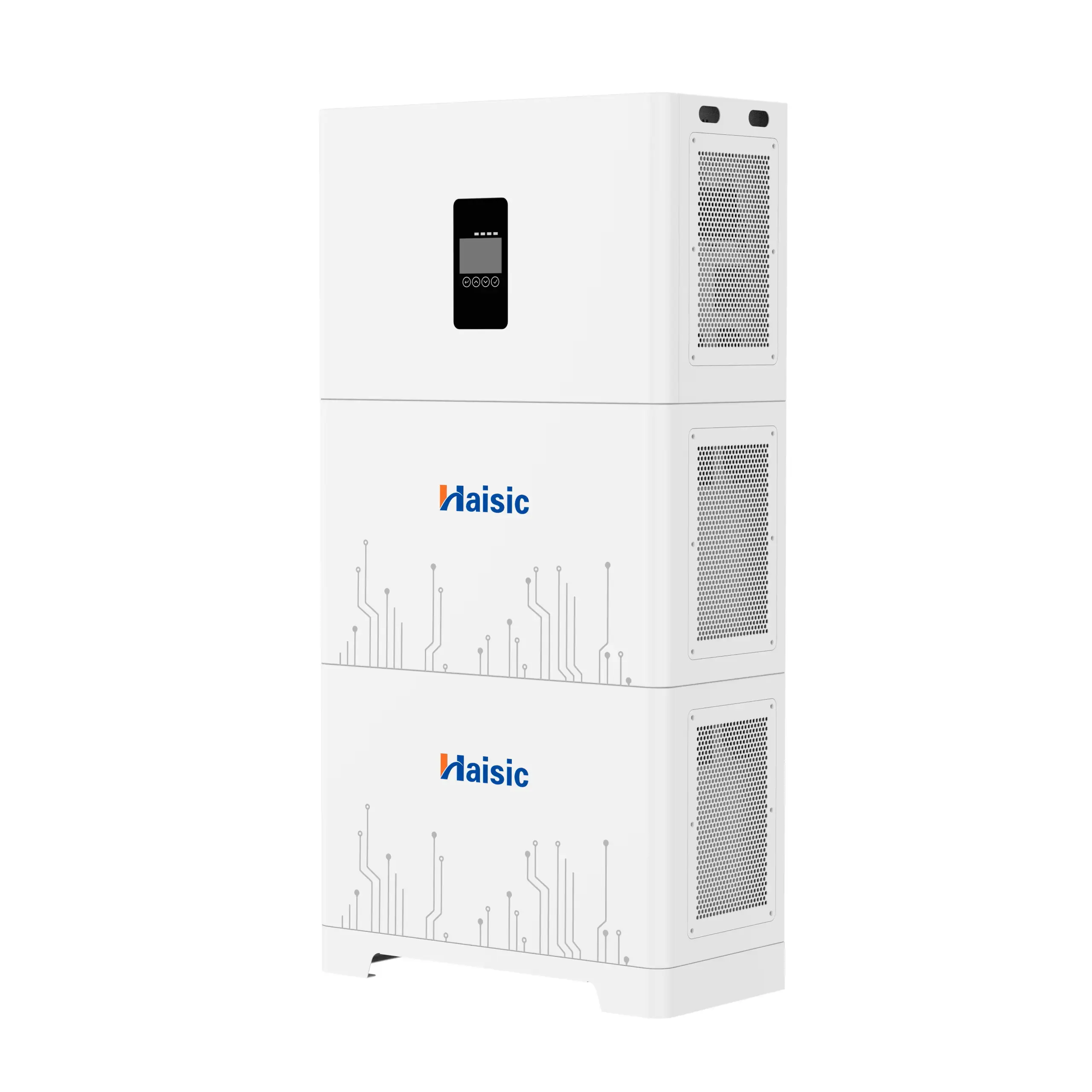
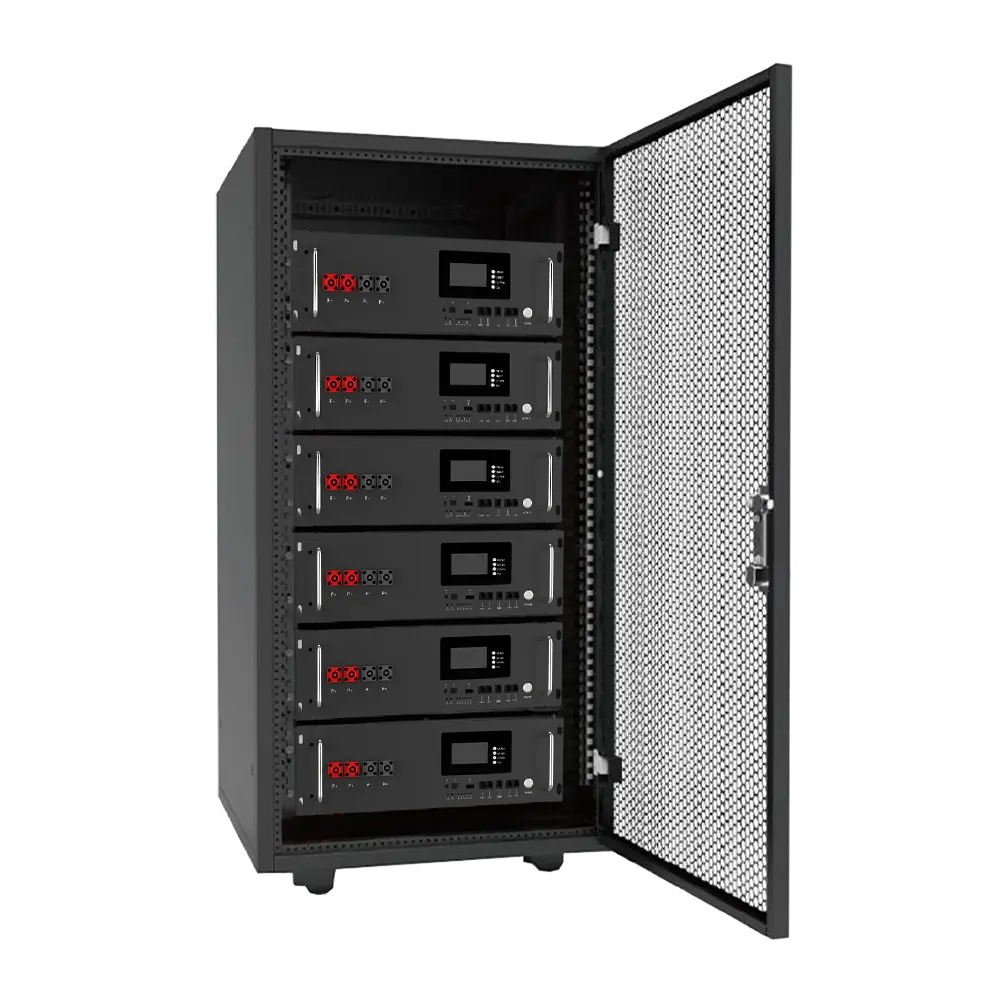
- System-level solutions: for larger homes, small businesses, or off-grid, we scale up using rack or cabinet systems and pair them with our inverters or full battery energy storage system solutions.
Where we compete:
- Cost per kWh: very competitive vs. Powerwall, Enphase, Generac
- Chemistry: LiFePO4 (longer cycle life vs many NMC systems)
- Warranty: focused on usable cycles and real-world throughput, not just years
- Use cases: TOU bill savings, backup power, off-grid, and hybrid systems
If you’re searching “how much do solar battery cost” and you’re open to non-Tesla brands, LiFePO4 solutions like Haisic often deliver more kWh for the same budget.
Solar Battery Price Comparison Table (2026 Estimates)
Note: Prices are typical installed ranges in 2026, actual quotes will vary by region, installer, and incentives. All numbers are in USD for simplicity.
| Brand / Model | Usable Capacity (kWh) | Typical Installed Price (USD) | Approx. Cost per kWh (Installed) | Chemistry | Warranty (Years) | Notes |
|---|---|---|---|---|---|---|
| Tesla Powerwall 3 | 13.5 | $10,000–$14,000 | ~$740–$1,050/kWh | NMC | 10 | Strong brand, integrated ecosystem |
| Enphase IQ Battery (10–15) | 10–15 | $9,000–$15,000 | ~$750–$1,000/kWh | Li-ion | 10 | Great with Enphase microinverters |
| Generac PWRcell (9–18) | 9–18 | $11,000–$18,000 | ~$700–$1,200/kWh | Li-ion | 10 | Strong for backup + generator users |
| Haisic 15 kWh LiFePO4 | 15 | Project-based, usually lower per kWh vs. Tesla/Enphase | Often below $700/kWh depending on system size | LiFePO4 | 10+ (cycles-focused) | High cycle life, flexible integration |
| Haisic Modular Systems | 10–30+ | Scales with capacity; aggressive LiFePO4 pricing | Competitive cost per kWh for larger setups | LiFePO4 | 10+ | Ideal for larger homes/off-grid |
If your main question is “how much are solar backup battery systems in 2026?”, the honest answer is:
- Brand-name NMC/Li-ion (Tesla, Enphase, Generac):
Expect around $700–$1,200 per kWh installed - LiFePO4 systems like Haisic:
Usually lower cost per kWh, with longer cycle life and very strong value for home solar battery system cost when you’re focused on storage per dollar, not just a logo.
Solar Battery Incentives and Rebates in 2026
30% Federal Tax Credit for Solar Batteries
In 2026, most homeowners can still knock 30% off their solar battery cost with the Residential Clean Energy Credit in the U.S.
- The 30% credit applies to battery-only installs and solar + battery systems (as long as it’s used mostly for your home).
- It’s a tax credit, not a rebate – it lowers the income tax you owe.
- If your credit is bigger than your tax bill this year, you can usually roll the rest over to future years.
- Example: A $12,000 home solar battery system cost = $3,600 back as a federal tax credit.
This is one of the biggest levers that brings solar battery prices in 2026 down for homeowners.
State and Local Solar Battery Rebates
On top of the federal 30%, many regions add their own solar battery incentives that directly cut the home battery storage cost:
- State rebates – upfront cash per kWh of storage (common in CA, MA, NY, etc.).
- Utility programs – bill credits or one-time rebates if you let the utility use your battery during peak demand.
- Performance-based incentives – get paid over time for providing backup capacity to the grid.
These can shave 1,000–$5,000+ off the solar backup battery cost, especially on larger systems like a whole home battery backup.
Stacking Incentives for Maximum Savings
You can often stack multiple incentives to bring your solar battery installation cost way down:
- Apply the state/local rebate first – this usually reduces your “net cost.”
- Then calculate the 30% federal credit on the post-rebate price.
- Add any utility bill credits or demand-response payments as extra savings over time.
Example on a $13,000 solar battery system:
- State rebate: $3,000
- New net cost: $10,000
- 30% federal credit on $10,000 = $3,000
- Final effective cost: $7,000 (plus ongoing bill savings).
Real-World Net Cost Examples (After Incentives)
To make “how much are solar battery” easier to picture, here’s what people commonly see after incentives in 2026:
- 10–13.5 kWh system (Tesla Powerwall, Enphase, or a LiFePO4 unit like a 15.6 kWh Haisic home energy battery)
- Typical installed price: $10,000–$15,000
- After 30% federal credit: $7,000–$10,500
- In strong-incentive states: as low as $5,000–$8,000 net.
- Larger 20 kWh+ systems (for bigger homes or longer backup)
- Installed price: $16,000–$25,000+
- After 30% credit: $11,200–$17,500+
- Strong state programs can cut another $3,000–$7,000.
When you combine federal credits + state rebates + utility programs, the real average cost of solar energy storage can be 30–50% lower than the initial quote, especially with modern LiFePO4 solar battery pricing that’s already more competitive.
Is a Solar Battery Worth the Investment?
If you’re asking “how much are solar battery systems and are they worth it?”, you really care about two things: payback and peace of mind. Let’s keep it simple.
Payback period and ROI
Think about your solar battery cost the same way you’d think about any other investment:
- Total cost: battery + inverter/upgrade + installation
- Annual savings: bill savings + avoided peak rates + reduced generator fuel (if you use one)
In many regions, a well‑sized home solar battery system pays back in 8–12 years, sometimes faster where power is expensive or incentives are strong. If your battery warranty is 10–15 years and your payback lands inside that window, the ROI makes sense.
When solar batteries save the most money
A solar backup battery really shines in the right rate structure:
- Time-of-use (TOU) rates: charge the battery with cheap solar or off‑peak grid power and use it during expensive evening hours.
- Weak or no net metering: if your utility pays you very little for exports, it’s often better to store your excess solar and use it later.
- Demand charges (some commercial or large homes): using a battery to shave your highest usage spikes can drop your bill sharply.
In those setups, the average cost of solar energy storage per kWh you use from the battery can be well below your peak grid rate.
When backup matters more than ROI
In some places, the math isn’t the only thing that counts. If you have:
- Frequent or long outages
- Critical loads (medical devices, work-from-home gear, sump pumps, refrigeration)
- A generator you’re tired of fueling and maintaining
then the value of whole home battery backup is less about pure payback and more about continuity. Many of our customers are fine with a slightly longer payback because they’re really buying reliability, not just savings.
Environmental and lifestyle benefits
Even if you’re just checking how much do solar battery cost, remember the non‑financial gains:
- Lower carbon footprint: more of your power comes from your own solar instead of the grid’s fossil mix.
- Energy independence: less stress about price hikes, blackouts, and fuel deliveries.
- Quieter, cleaner backup: no fumes or noise like a generator, and fully automatic.
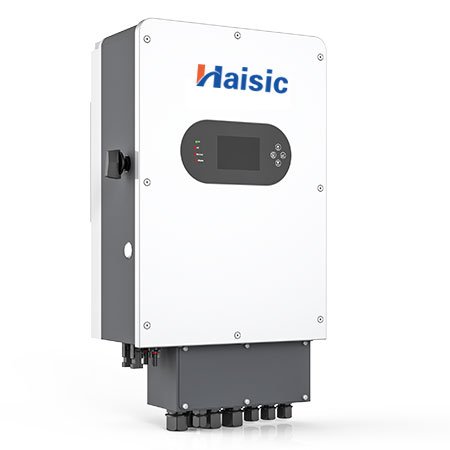
For many homeowners, a modern LiFePO4 battery system built around a reliable hybrid inverter (for example, a setup similar to our 6kW hybrid solar inverter with MPPT controller) hits the sweet spot: solid ROI in the right tariff, plus real lifestyle and resilience upgrades.
Bottom line: a solar panel battery is usually worth it if you have TOU rates, poor net metering, or frequent outages—and you care about comfort and control as much as you care about the spreadsheet.
How to Choose the Right Solar Battery for Your Home
1. Get clear on your energy + backup goals
Before asking “how much are solar battery systems,” I always start with use-case:
- Main goals
- Cut bills with self-consumption?
- Backup for outages only?
- Both savings + backup?
- Typical daily use
- Check your power bill for:
- Average daily kWh
- Peak usage times (evenings)
- Check your power bill for:
- Outage reality
- How often do you lose power?
- For how many hours/days?
This tells you whether you need a small solar backup battery for essentials or a whole home battery backup setup.
2. Size: essential loads vs. whole‑home backup
Think in “what must stay on,” not “everything.”
Step 1 – List essential loads
- Fridge / freezer
- Wi‑Fi, lights, phone charging
- A few outlets for work devices
- Medical equipment (if any)
- Small AC or fans / heating (if critical)
Step 2 – Estimate size
| Use case | Typical size (kWh) | Rough installed price (2026) |
|---|---|---|
| Small essentials backup | 5–10 kWh | $4,000–$9,000 |
| Standard home + essentials | 10–15 kWh | $7,000–$14,000 |
| Whole-home backup / big loads | 20–30+ kWh | $13,000–$28,000+ |
A 10–15 kWh lithium battery (like a LiFePO4 home battery) usually covers one night of essentials for most homes.
3. Compare quotes the right way (and avoid traps)
When checking home battery storage cost, don’t just compare total price. Line items matter:
Always ask for:
- Usable capacity (kWh) – not just “nominal”
- Continuous power (kW) – can it actually run your AC or well pump?
- Peak power (kW) – for starting motors (pumps, compressors)
- Chemistry – LiFePO4 vs NMC vs lead-acid
- Installed price – battery + inverter + labor + permits
Common mistakes to avoid:
- Choosing too small a battery because the price looks good
- Paying for battery capacity you never use
- Ignoring round‑trip efficiency (how much energy is lost in/out)
- Not checking if it’s compatible with your existing solar inverter
When I send customers quotes, I always break down battery, inverter, BOS (wiring, breakers), and labor so they know exactly what they’re paying for per kWh.
4. What to look for in safety, warranty, and performance
This is where brand and chemistry really matter.
Safety & chemistry
- LiFePO4 (LFP) is the current benchmark for:
- Thermal stability (safer, cooler)
- Long cycle life
- Better for daily cycling
- Look for:
- UL / IEC safety certifications
- Built‑in BMS (Battery Management System)
- Smart monitoring (app or web)
Warranty basics
| Spec to check | Good benchmark (2026) |
|---|---|
| Warranty length | 10–12 years |
| Cycle life | 6,000+ cycles @ 80% retained capacity |
| Throughput limit | kWh guaranteed over life (ask for it clearly) |
Performance must‑haves
- High round‑trip efficiency (≥ 90%)
- Flexible modularity – add more batteries later
- Good support + parts availability in your country
5. Why I like LiFePO4 systems from Haisic
As a storage-focused operator, I build around long-life LiFePO4 because it’s giving the best mix of price per kWh, safety, and lifespan right now.
For example, our 25.6V 200Ah and 305Ah LiFePO4 home energy storage batteries are designed for:
- High usable capacity with stable backup power
- Long cycle life, ideal for daily solar charging and evening discharge
- Smart BMS for safety and battery health
If you’re aiming for a modular, scalable home solar battery system cost that stays reasonable over 10+ years, looking at a LiFePO4 stackable unit like our 25.6V 200Ah lithium home energy storage battery or the larger 25.6V 305Ah touch-screen storage battery is usually the sweet spot.
Quick checklist before you decide
Use this to sanity‑check any quote:
- [ ] Capacity matches your backup goal (essentials vs whole home)
- [ ] Chemistry is LiFePO4 (for safety + lifespan)
- [ ] Full installed price is clear (no hidden extras)
- [ ] Warranty is 10–12 years with clear cycle / throughput terms
- [ ] Brand has local support and proven track record
- [ ] App / monitoring is included and easy to use
Once this list is ticked, you’re not just asking “how much do solar battery cost” — you’re making sure the battery you choose actually fits your life and pays you back over time.
Installation Process and Solar Battery Installation Cost
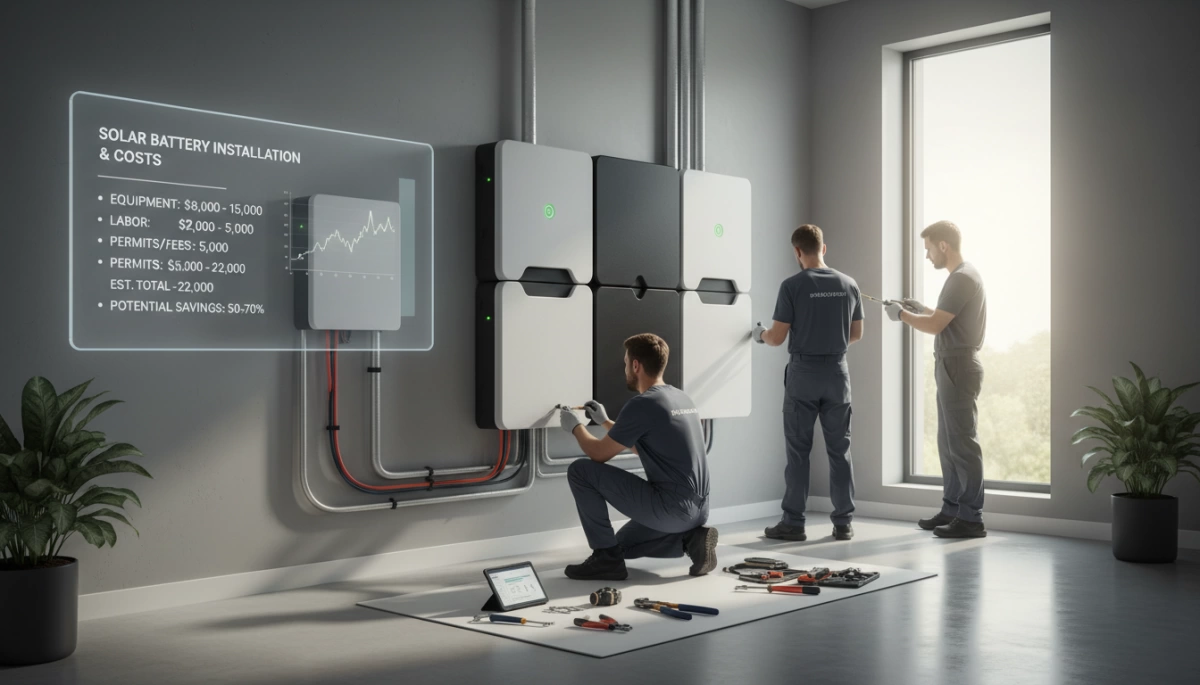
What happens during a typical solar battery installation?
A standard home solar battery install is pretty simple on your side, but there’s a clear step‑by‑step process:
- Site inspection & design
- Check your main panel, wall space, Wi‑Fi, and backup needs
- Decide where the solar battery, inverter, and shut‑offs will go
- Mounting and wiring
- Mount the solar backup battery on the wall or floor (garage, utility room, or outdoors if rated)
- Run conduit and wiring to your main service panel and/or backup sub‑panel
- Inverter and monitoring setup
- Install a hybrid inverter (if needed) and any gateway/smart switch
- Set up monitoring so you can track your home battery storage on your phone
- Inspection and commissioning
- City/utility inspection and interconnection approval
- Final testing, backup mode check, and homeowner walk‑through
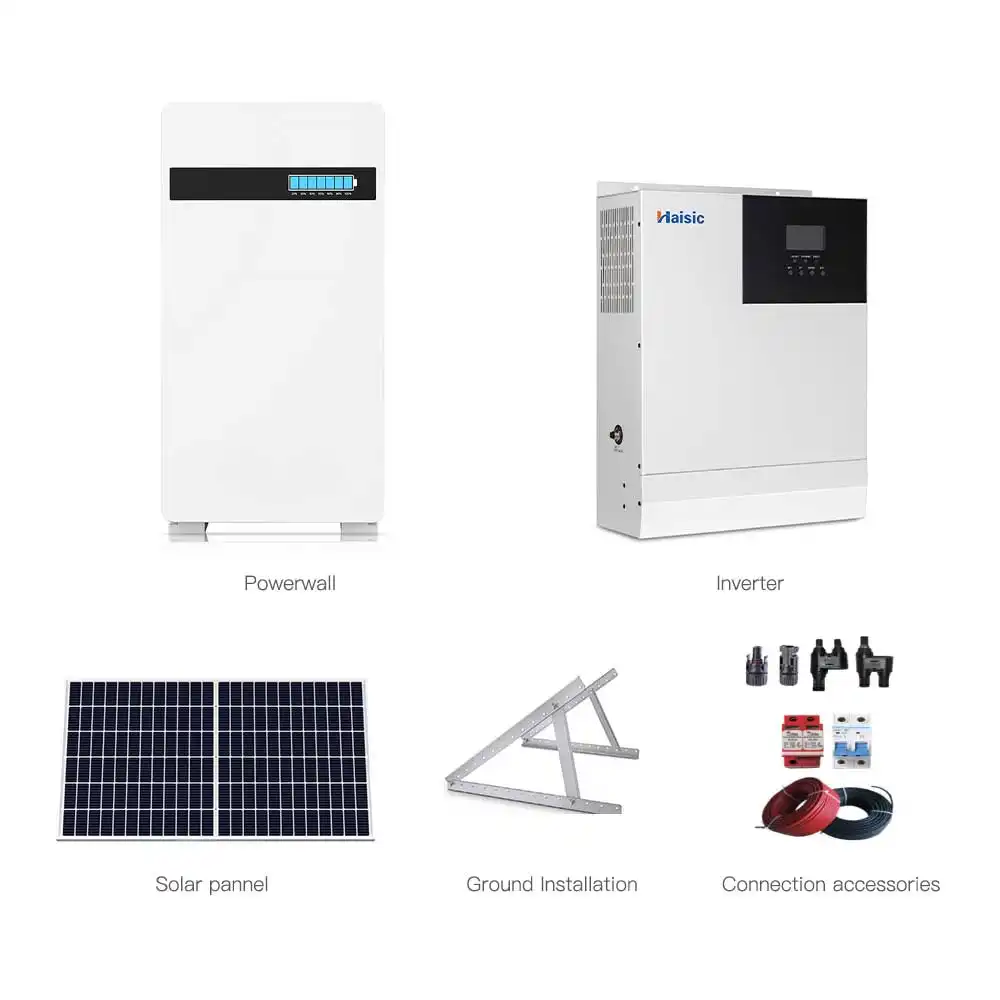
For integrated solutions like a 5 kW home solar battery system (for example, a packaged system similar to this 5kW power energy storage solar system for home), a lot of this hardware is bundled together, which can simplify the install and cut labor time.
New solar + battery vs. retrofit on an existing system
Installing a solar panel battery at the same time as new solar is usually cheaper and cleaner:
- New solar + battery
- One design, one permit, one installation crew
- Panel, inverter, and battery are designed to work together
- Lower solar battery installation cost because labor is combined
- Retrofit on existing solar
- May need a new hybrid inverter or an extra battery inverter
- Possible main panel upgrade if you’re out of breaker space
- Extra wiring and re‑configuration add time and cost
If your existing system is older or uses a basic string inverter, expect retrofit pricing to be higher than a “battery‑ready” new install.
Typical labor and permitting costs in the installed price
When you see “installed cost” or “turnkey price” for a home solar battery system, it usually includes:
- Labor:
- Rough range: $1,500–$3,500 for a single 10–13.5 kWh battery in most markets
- More if walls need reinforcing, long wire runs, or panel upgrades
- Permits and inspections:
- Electrical permits, plan sets, and city fees: $200–$800 typically
- Utility interconnection paperwork and review
- Materials & extras:
- Conduit, breakers, disconnects, backup sub‑panel
- Wi‑Fi gateway and monitoring hardware
So when you ask “how much are solar battery installs?”, understand that the solar battery prices 2026 you see online often exclude labor and permitting. The real‑world solar battery installation cost is the battery hardware plus these soft costs, which is why getting an all‑in “installed price” quote is critical before you decide.
Maintenance, Warranty, and Lifespan of Solar Batteries
How long do solar batteries last?
Most modern LiFePO4 solar batteries used for home backup run 10–15 years in real-world use.
- LiFePO4 solar batteries:
- Typical lifespan: 4,000–6,000+ cycles (1 cycle = full charge + discharge)
- In daily use, that’s around 10–15 years
- Capacity usually stays above 70–80% by end of life
- Older lead-acid batteries usually last 3–7 years and have far fewer cycles, which is why most homeowners now go lithium.
If you’re looking at modular systems or rack batteries (like a 51.2V 100Ah LiFePO4 battery), they’re designed to deliver long cycle life with stable performance for home solar storage.
What do solar battery warranties usually cover?
Most home solar batteries come with a 10-year warranty, and the good ones are very clear on performance:
- Product warranty – Covers defects in materials and manufacturing
- Performance warranty – Guarantees the battery will keep at least 60–80% of its original capacity after a set number of years or cycles
- Throughput limit – Some brands set a max energy “throughput” (for example, a total MWh delivered) instead of only years or cycles
When you compare how much a solar battery costs, always check:
- Warranty length (aim for 10 years minimum)
- Guaranteed remaining capacity at end of warranty
- Whether labor and shipping are included for warranty claims
Basic maintenance and how to protect your battery
Solar batteries don’t need much hands-on maintenance, but a few habits protect your investment and keep your home solar battery system cost paying off long term:
- Install in a cool, dry, ventilated spot – Avoid direct sun, extreme heat, and moisture
- Keep within recommended temperature range – High heat shortens lifespan
- Use a matched inverter/BMS – A proper battery management system and compatible inverter prevent overcharging or deep over-discharging
- Don’t DIY wiring if you’re not qualified – Bad wiring can damage the battery and void the warranty
- Check system monitoring occasionally – Use the app/portal to spot unusual behavior early
High-quality LiFePO4 batteries, such as a 51.2V 100Ah LiFePO4 battery pack with an integrated BMS, are built for low-maintenance, long-life use, which helps keep your solar battery prices 2026 investment working reliably for years.
Future Trends: Solar Battery Prices in 2026 and Beyond
Solar battery prices are on a clear long‑term downtrend, and I expect that to continue into 2026 and beyond—especially for LiFePO4 home storage.
How tech improvements will impact solar battery prices
Several shifts are pushing costs down and performance up:
- Better LiFePO4 chemistry
Higher energy density, longer cycle life, and simpler designs mean manufacturers can build more kWh of storage with less raw material. That usually lowers the cost per kWh of solar battery storage over time. - Mass production and global competition
As more brands enter the home solar battery and whole home battery backup market, scale drives down manufacturing costs. This is similar to what happened with solar panel prices over the last decade. - Smarter integrated systems
Hybrid solutions that combine battery storage for solar panels, inverters, and smart monitoring in one package (like our own battery storage for home systems) cut down on separate hardware and installation time—directly impacting final installed price.
Overall, I expect the average cost of solar energy storage per kWh to drop gradually, even if raw installed prices stay similar for larger, higher‑performance systems.
How future policy and incentives may change what you pay
What you pay out of pocket isn’t just about hardware:
- Federal incentives
As long as the 30% federal credit remains, batteries will stay much more affordable. Any change to that policy—up or down—will hit your net price immediately. - State / utility programs
More regions are rolling out solar battery incentives, outage‑resilience rebates, and “virtual power plant” programs that pay homeowners to share stored power. These can dramatically cut your home battery storage cost or improve payback. - Rate structures
If utilities keep shifting to time‑of‑use and demand charges, batteries become more valuable financially, which can justify slightly higher upfront solar backup battery cost.
What falling prices and better tech mean for homeowners
For homeowners comparing how much are solar battery systems now versus later, here’s my honest view:
- Waiting may bring lower LiFePO4 battery prices and stronger features, but…
- Power outages, rising rates, and weak net metering are already here in many places.
- The real win is picking a system with:
- Solid chemistry (LiFePO4)
- Strong warranty
- Easy expandability (to add more storage later)
If you know you want storage long term, it often makes sense to lock in incentives now with a scalable system—then grow your home solar battery system cost gradually as tech keeps improving.