











Understanding Home Battery Backup Systems
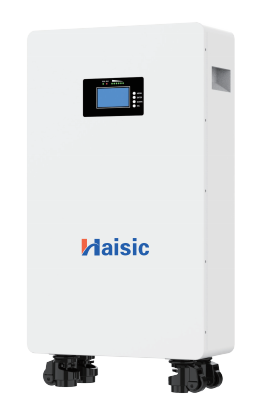
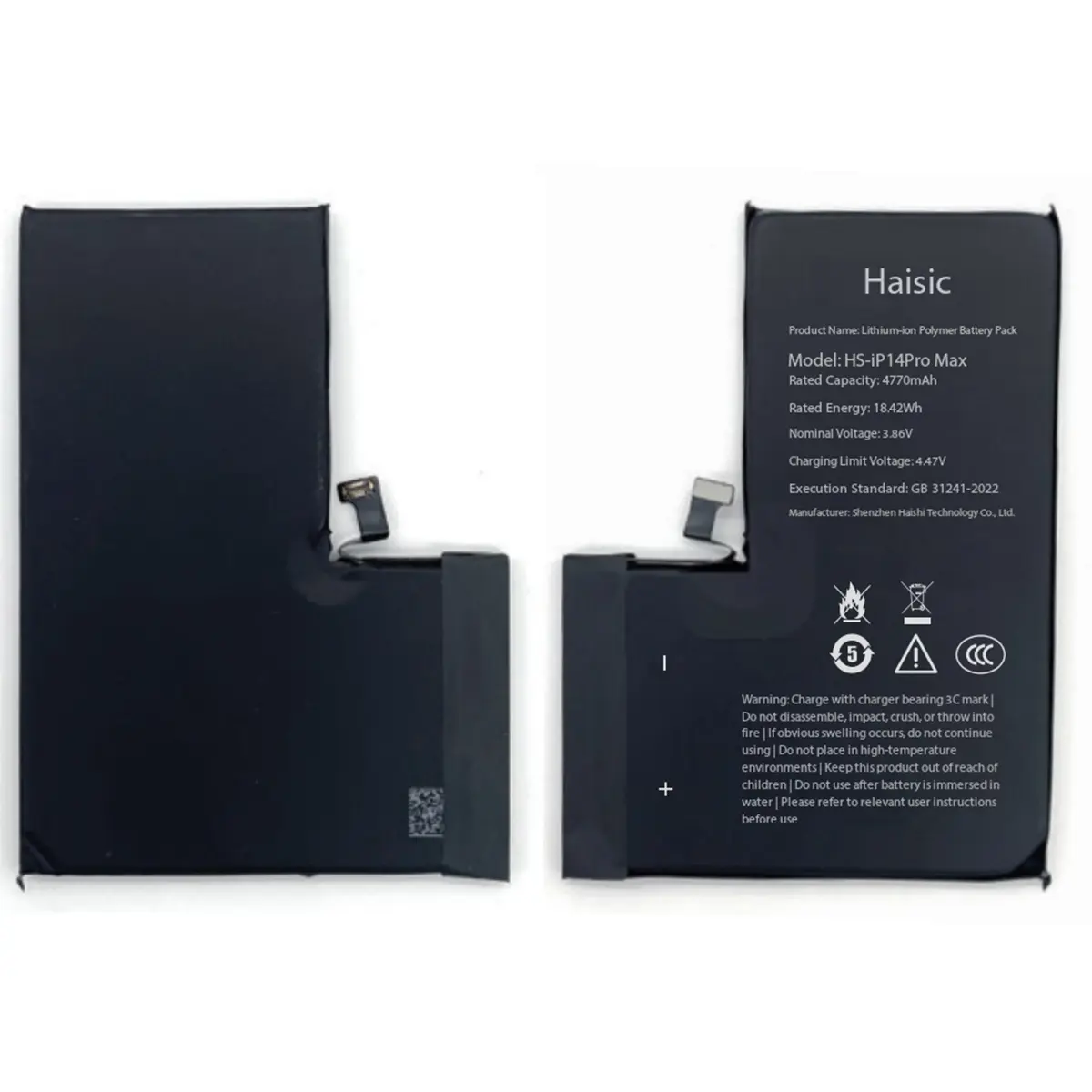
When the lights go out, the immediate stress is real. We see more homeowners moving away from old-school solutions toward a lithium-ion home battery. Think of it as a massive, smart version of the battery in your smartphone, but powerful enough to run your refrigerator, lights, and HVAC system. As manufacturers, we design these home energy storage systems to be the brain of your household power management.
How Solar Battery Storage Works
A backup power supply doesn\’t just sit idle; it actively manages your energy flow. You have two primary ways to keep it ready:
- Grid Charging: The battery draws power from the utility grid when rates are low (usually at night) so it’s topped off and ready for an emergency.
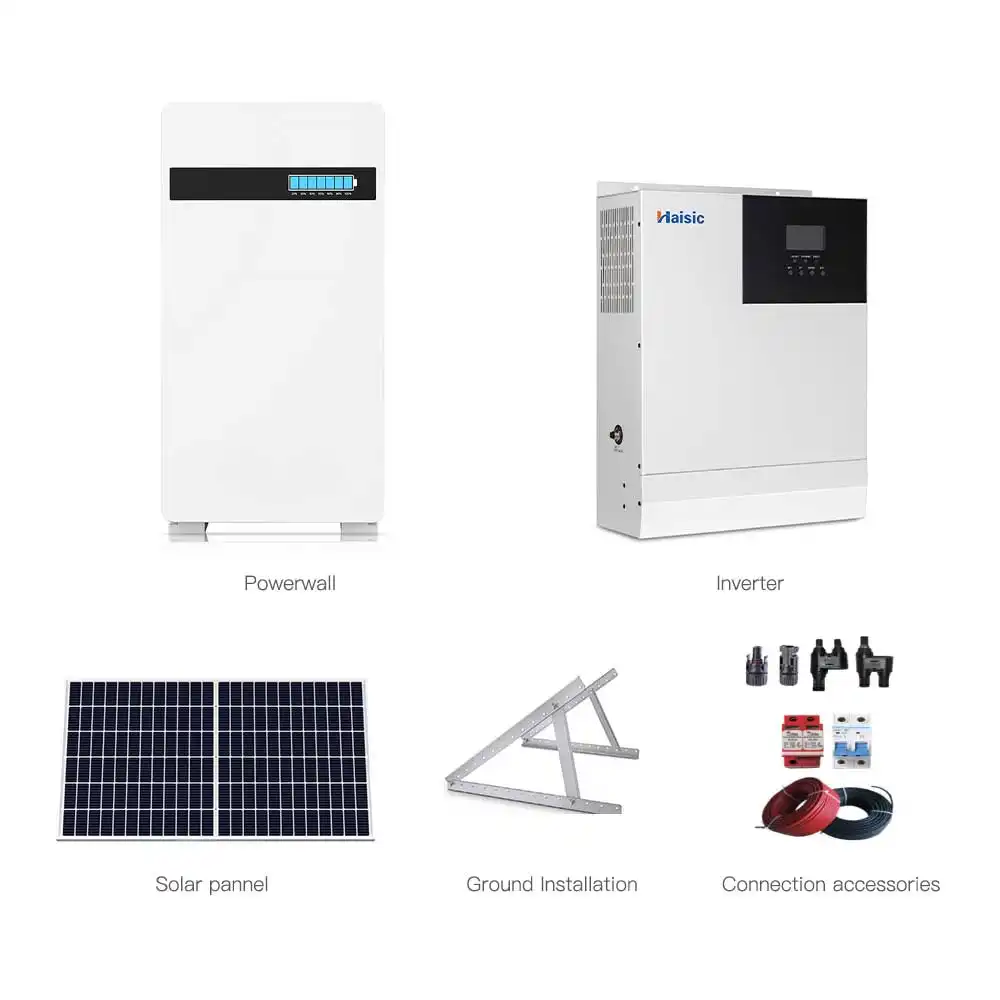
- Solar Panel Integration: This is the gold standard. By pairing the battery with solar, you create a self-sustaining loop. Your panels charge the battery during the day, and the battery powers your home at night or during an outage.
The Advantages of Energy Storage
The shift toward renewable energy backup is driven by several key benefits that traditional combustion engines simply can\’t match:
- Seamless Transition: Our systems detect a grid failure and switch to battery power in milliseconds. You won\’t even need to reset your digital clocks.
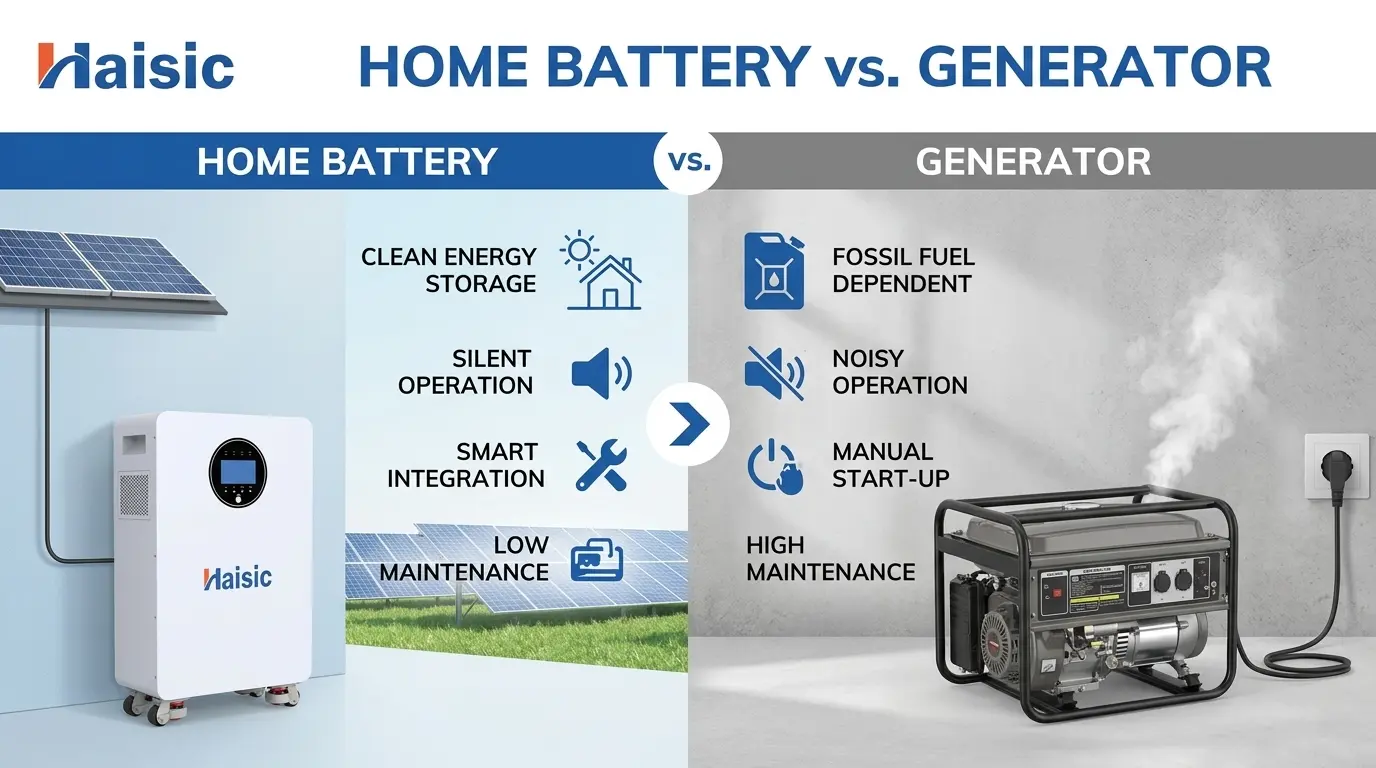
- Zero Noise and Emissions: Unlike generators, there are no fumes or engine roars. You can install these inside a garage or on an exterior wall without disturbing the neighbors.
- No Maintenance: There are no oil changes, spark plugs, or fuel filters to worry about. It is a \”set it and forget it\” technology.
- Peak Shaving: You can use the stored energy during \”peak hours\” when utility companies charge the most, significantly lowering your monthly electricity bills.
The Limitations to Consider
While we believe in the superiority of the lithium-ion home battery, we stay transparent about the trade-offs. The upfront cost is higher than a portable gas unit. Additionally, a battery is a finite \”tank\” of energy. During a multi-day outage in a storm with no sun, a standalone battery without solar support will eventually run out of juice once its capacity is reached. It is designed for efficiency and smart cycling rather than indefinite raw combustion.
Understanding Standby Generators
A standby generator is a permanent outdoor backup power solution powered by an internal combustion engine. Unlike portable units, these are wired directly into your home’s electrical system via a transfer switch. When the grid fails, the engine kicks over to provide an emergency power backup within seconds. These systems typically rely on traditional fuel sources like natural gas, liquid propane, or diesel to keep the lights on.
The Advantages of Standby Generators
When weighing a home battery vs generator, the traditional mechanical option still holds ground in specific areas:
- Lower Initial Purchase Price: The standby generator cost is generally lower upfront compared to large-scale battery arrays.
- Indefinite Runtime: As long as you have a continuous fuel supply, such as a dedicated natural gas line, the generator can run for days or even weeks during extended outages.
- High Power Output: These machines are built to handle heavy electrical loads, making them effective for running multiple central AC units, large well pumps, and heavy machinery simultaneously.
The Limitations of Mechanical Backup
While powerful, generators come with several logistical and environmental \”hidden costs\” that often lead modern homeowners to consider a home battery backup instead.
| Feature | Standby Generator Reality |
|---|---|
| Noise Level | Loud engine operation (65-75+ dB), which can disturb neighbors. |
| Emissions | Constant release of carbon monoxide and greenhouse gases during use. |
| Maintenance | Requires regular oil changes, filter replacements, and \”exercise\” cycles. |
| Fuel Risk | Vulnerable to natural gas line breaks or propane delivery delays during disasters. |
The generator maintenance requirements are a significant factor; if you skip the routine service, the mechanical parts may seize, leaving you without power when the storm actually hits. Furthermore, the reliance on fossil fuels means you are subject to fluctuating fuel prices and the environmental impact of constant exhaust fumes. For those looking for a cleaner, maintenance-free alternative, a home energy storage system offers a more streamlined experience without the mechanical headaches.
Head-to-Head Comparison: The Deciding Factors
As an energy storage manufacturer, we know that comparing a home battery vs generator comes down to long-term value versus short-term fixes. When evaluating power outage solutions, you must look beyond the initial price tag. Here is the direct breakdown of the core deciding factors.
Upfront Cost vs. Long-Term ROI
A whole house generator typically carries a lower initial purchase price. However, the true standby generator cost includes continuous fuel purchases and strict generator maintenance requirements. In contrast, a lithium-ion home battery requires a higher upfront investment but delivers unmatched long-term returns. Through peak shaving and energy savings, you actively reduce your daily utility bills. Understanding exactly how much money can be saved with a home energy storage system makes the 10-year return on investment undeniable.
Reliability & Lifespan
Generators rely on internal combustion engines. Moving parts guarantee mechanical wear and tear, requiring frequent oil changes and servicing to ensure your emergency power backup actually works when the grid fails. A modern home energy storage system operates with zero moving parts. The battery backup capacity is measured in thousands of deep charge cycles, offering a reliable lifespan that easily exceeds a decade with absolutely zero physical maintenance.
Environmental Impact & Lifestyle
A natural gas generator is loud and emits exhaust fumes right outside your window. If you value a quiet home environment, solar battery storage is the superior choice. It provides silent, emission-free power. With proper solar panel integration, you achieve true grid independence without disrupting your neighborhood with noise pollution or carbon emissions.
Incentives and Rebates
Government policies heavily favor renewable energy backup solutions. While fossil fuel generators receive no subsidies, battery systems qualify for massive financial perks. The Federal Solar Investment Tax Credit (ITC) and local utility rebates can offset the installation cost of a home battery by 30% or more, completely changing the upfront cost dynamic.
Quick Comparison Breakdown
| Feature | Home Battery | Standby Generator |
|---|---|---|
| Upfront Cost | Higher initial investment | Lower initial purchase |
| Long-Term ROI | High (Utility savings, free solar power) | Negative (Constant fuel costs) |
| Maintenance | Zero maintenance | High (Oil changes, mechanical repairs) |
| Environment | Silent operation, zero emissions | Loud noise, exhaust fumes |
| Financial Incentives | Eligible for Federal ITC & local rebates | None available |
Scenario Breakdown: Which Should You Choose?
When deciding between a home battery vs generator, the right choice depends entirely on your specific lifestyle, local climate, and long-term energy goals. As energy storage battery manufacturers, we know that there is no one-size-fits-all answer for power outage solutions. Here is a clear breakdown to help you make the best decision for your property.
When to Choose a Standby Generator
A traditional whole house generator makes the most sense if your primary concern is raw, extended power without relying on renewable sources.
- Frequent multi-day winter storms: If your area experiences prolonged grid failures lasting several days or weeks, especially during harsh winters where solar generation drops, a generator provides continuous emergency power backup as long as you have fuel.
- No solar interest: If you do not have solar panels and have no plans for solar panel integration in the future, a generator acts as a straightforward, standalone backup power supply.
- Need lower upfront cost: If your budget is tight right now, the initial standby generator cost is generally lower than purchasing a high-capacity lithium-ion home battery setup.
When to Choose a Home Battery
A home energy storage system is the superior choice if you want a modern, quiet, and multi-functional power solution that pays you back over time.
- Frequent short outages: Batteries provide an instant, seamless transition during rolling blackouts or weather-related grid drops, keeping your lights and Wi-Fi on without a second of downtime.
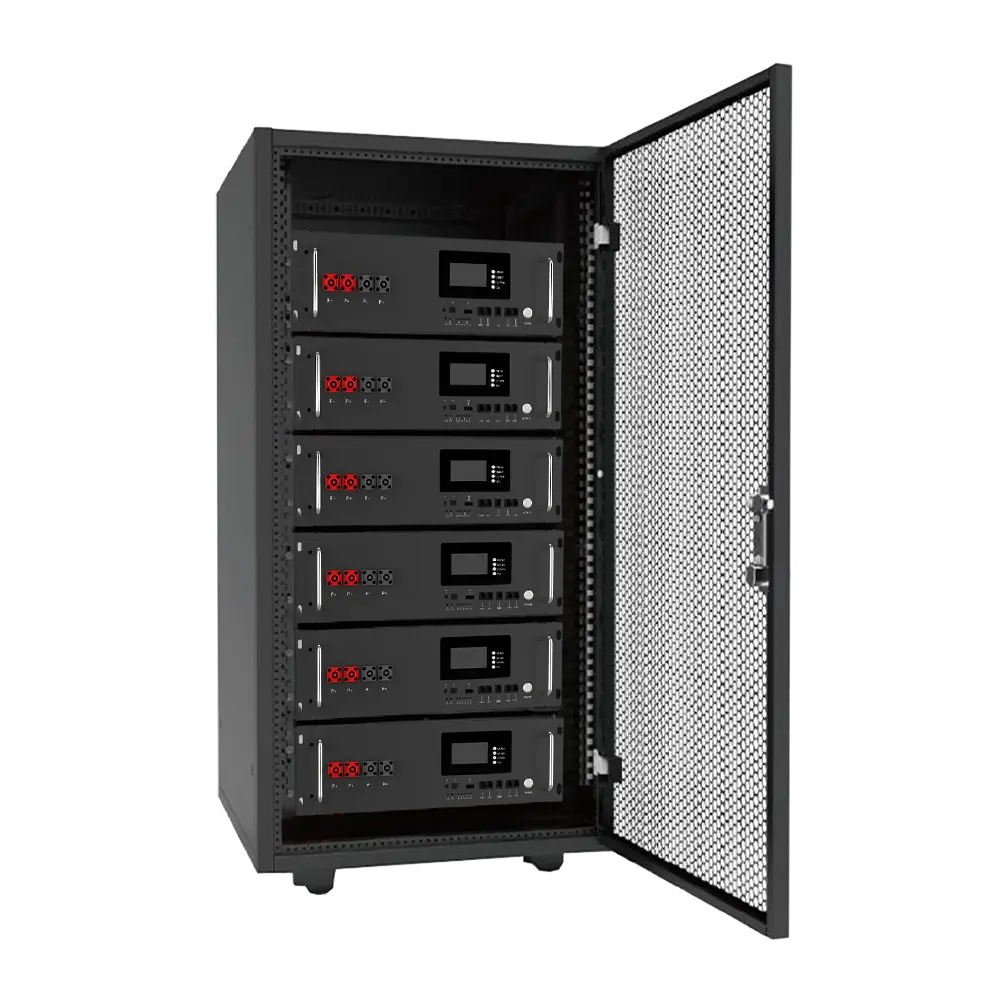
- Have or plan for solar: Pairing a battery with solar panels is the ultimate path to grid independence. You can store the excess daytime solar energy to power your home at night. For robust and reliable capacity, a high-voltage LiFePO4 home energy storage system ensures your household runs smoothly entirely on renewable energy backup.
- Want lower daily bills: Unlike a natural gas generator that sits idle until an emergency, a battery works every day. You can utilize peak shaving and energy savings by running your home on stored battery power when utility grid rates are at their highest.
- Prioritize eco-friendly and quiet operation: Home batteries operate in complete silence with zero emissions, eliminating the noise pollution and exhaust fumes associated with combustion engines.
Quick Comparison
| Decision Factor | Standby Generator | Home Battery System |
|---|---|---|
| Primary Use Case | Multi-day winter storms | Frequent short outages & daily use |
| Solar Compatibility | No solar interest | Ideal for solar panel integration |
| Financial Goal | Lower upfront purchase cost | Lower daily bills (Peak shaving) |
| Operation Style | Loud, requires fuel & maintenance | Silent, eco-friendly, zero maintenance |
Why the Future Belongs to Energy Storage
The way we power our lives is changing rapidly. We are moving away from total reliance on an aging centralized grid and shifting toward smart homes and decentralized power networks. When weighing a home battery vs generator, it is clear that energy storage is built for the future.
The Shift Toward Smart Homes
Modern power outage solutions need to do more than just turn on in an emergency. A home energy storage system acts as the brain of your home\’s power network, working around the clock.
- Grid Independence: Store your own power and use it on your terms, reducing your reliance on utility companies.
- Renewable Energy Backup: Batteries are perfect for solar panel integration, allowing you to capture the sun\’s energy during the day for nighttime use.
- Peak Shaving and Energy Savings: Smart batteries automatically discharge during expensive peak utility hours to lower your daily electric bills.
Rapid Advancements in Battery Technology
We have moved far beyond early battery limitations. Today\’s rapid advancements make energy storage a superior backup power supply compared to a loud whole house generator.
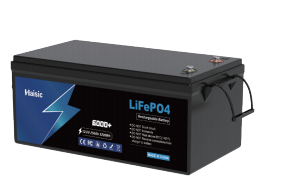
- Safer Chemistries: The market has evolved from the standard lithium-ion home battery to ultra-safe Lithium Iron Phosphate (LiFePO4) technology. These cells are highly stable, do not overheat, and are built to last over a decade.
- Higher Capacity: You no longer have to compromise on power. Modern units deliver massive battery backup capacity to run heavy household appliances. For example, installing a high-voltage LiFePO4 home energy storage system provides enough sustained energy to keep your entire household running smoothly during prolonged outages.
- Zero Maintenance: Unlike the strict generator maintenance requirements and fuel costs associated with a natural gas generator, modern batteries are true install-and-forget solutions.
Frequently Asked Questions (FAQs)
Can a home battery run my whole house during an outage?
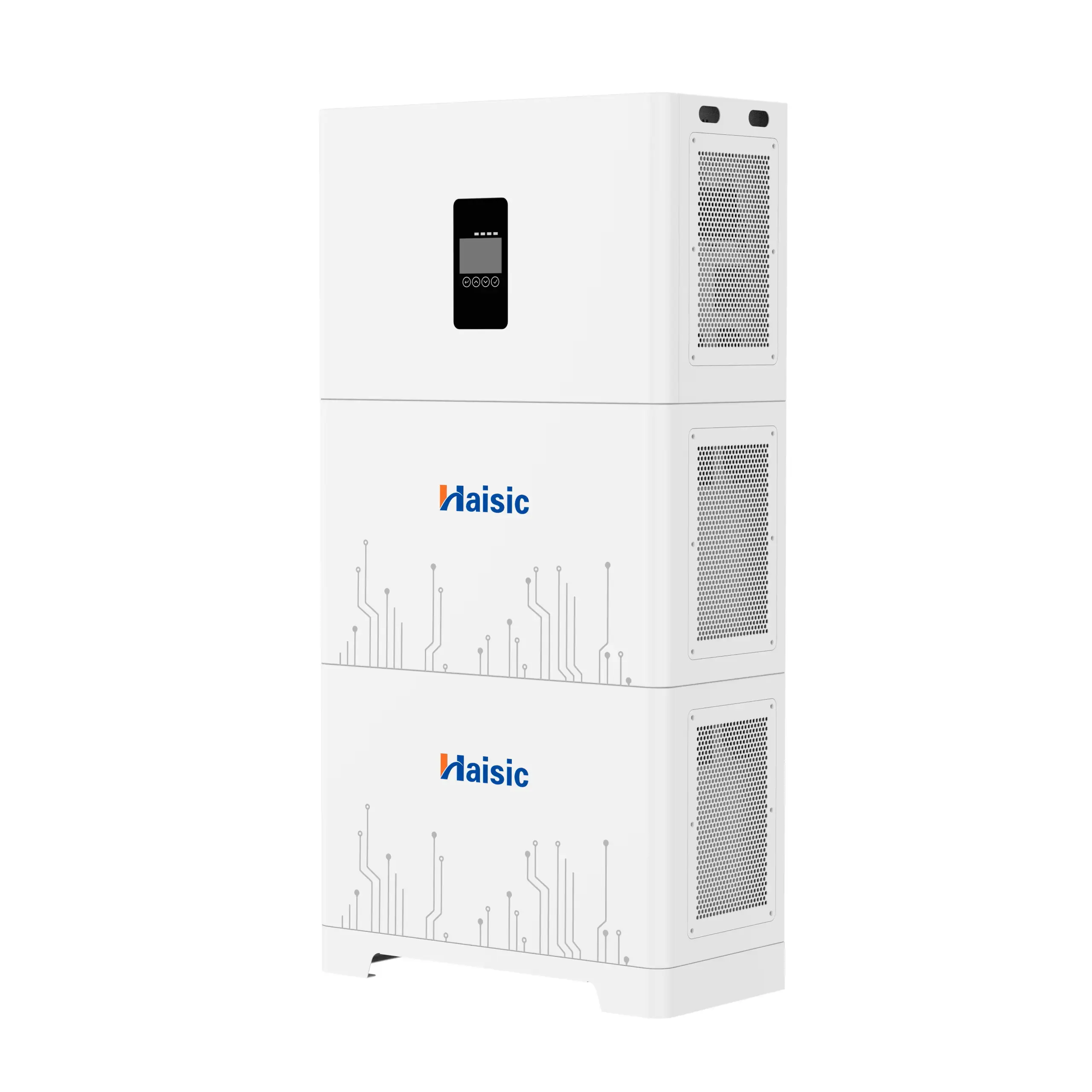
Yes, but it entirely depends on your battery backup capacity. A standard lithium-ion home battery easily handles essential loads like refrigerators, lights, and Wi-Fi routers. If you want to replace a whole house generator and run heavy appliances like HVAC systems, you simply need more capacity. As manufacturers, we design modular solutions like our stackable power energy storage systems that allow you to scale up your power supply to back up your entire property seamlessly.
How long do standby generators last compared to lithium-ion batteries?
A natural gas generator typically lasts 15 to 20 years, but this lifespan relies heavily on strict generator maintenance requirements, including regular oil changes, filter replacements, and tune-ups. In contrast, a modern home energy storage system requires zero maintenance. High-quality lithium batteries are built to last 10 to 15 years, easily handling thousands of deep charge cycles without the mechanical wear and tear of a combustion engine.
Do I need solar panels to use a home battery backup system?
No. You can charge your battery directly from the utility grid and use it purely as an emergency power backup for when the grid goes down. However, solar panel integration is highly recommended. Pairing your battery with residential solar energy transforms your setup into a self-sustaining renewable energy backup. This combination allows you to recharge your system during prolonged outages and pushes you closer to complete grid independence.
Which option is cheaper in the long run: a generator or a battery?
When comparing a home battery vs generator, the initial standby generator cost is usually lower. However, a home battery is the clear winner for long-term return on investment. Generators constantly consume expensive fuel and require ongoing paid maintenance. Batteries actively save you money every single day through peak shaving and energy savings. By storing cheap grid power—or free solar power—and using it when utility rates spike, the battery effectively pays for itself over its lifespan.