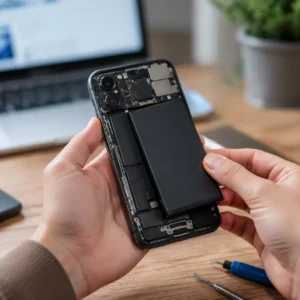














If your car won’t start and you suspect the battery is dead, knowing how to charge a car battery at home can save you time and frustration. Charging a 12 V battery yourself is not only convenient but also cost-effective—no mechanic or tow truck needed. In this guide, you’ll get straightforward, safe steps to charge a car battery, from the right tools and cable connections to estimated charging times and essential safety tips. Whether you have a standard lead-acid, AGM, or lithium battery, this is your go-to resource for bringing your battery back to life, hassle-free.
Understanding Your 12V Car Battery
Before I show you how to charge a car battery at home, you must identify the specific type of battery under your hood. Using the wrong charging profile can shorten a battery\’s life or lead to safety hazards.
Common Battery Types
In my experience, most vehicles on the road today utilize one of these four technologies:
- Flooded Lead-Acid: The traditional \”wet cell\” battery. It is affordable but requires regular maintenance.
- AGM (Absorbent Glass Mat): A sealed, spill-proof battery common in modern vehicles with start-stop technology.
- EFB (Enhanced Flooded Battery): A more durable version of the standard flooded battery, often found in entry-level start-stop cars.
- Lithium (LiFePO4): High-performance, lightweight batteries that offer superior cycle life and efficiency.
Charge vs. Replacement: Spotting the Signs
Knowing when to charge a dead car battery at home versus when to buy a new one will save you time and money.
| Symptom | Likely Action |
|---|---|
| Lights left on overnight | Charge |
| Vehicle sat idle for 3+ weeks | Charge |
| Battery case is bulging or leaking | Replace |
| \”Rotten egg\” smell (sulfur) | Replace |
| Battery is older than 5 years | Replace |
Using a Multimeter for a Quick Voltage Test
I always recommend a multimeter car battery test before connecting a charger. This gives you a baseline of the battery\’s health.
- Set your multimeter to 20V DC.
- Touch the red probe to the positive (+) terminal and the black probe to the negative (-) terminal.
- 12.6V or higher: Your battery is fully charged.
- 12.2V to 12.4V: The battery is partially discharged and needs a top-off.
- Below 12.0V: The battery is considered \”flat\” and requires immediate charging.
- Below 10.5V: The battery may have a damaged cell and might not recover.
Essential Safety Precautions
Before diving into exactly how to charge a car battery at home, you must prepare your workspace. I always remind people that safety is the single most critical step when you charge dead car battery at home. Working with 12V systems involves volatile chemicals and electrical currents that demand respect.
Required Safety Gear and Ventilation
Do not skip the basic protective equipment. A safe way to charge 12V battery systems starts with what you wear and where you work:
- Safety Glasses: Always protect your eyes from accidental acid splashes or sparks.
- Protective Gloves: Wear thick rubber or nitrile gloves to shield your hands from corrosive acid residue on the terminals.
- Maximum Ventilation: Traditional lead-acid batteries release highly flammable hydrogen gas as they charge. Never charge a battery in a sealed room. Always leave the garage door open or work outside in the driveway.
The Dangers of Sparks and Reverse Polarity
Because of that venting hydrogen gas, a single spark can trigger a dangerous explosion. Keep all open flames, cigarettes, and spark-producing power tools far away from your charging station.
You also need to protect your vehicle\’s sensitive electronics. Connecting the charger cables backward—positive to negative—causes reverse polarity. This simple mistake can instantly fry your car\’s expensive computers, alternators, and fuses. Always double-check that red goes to positive and black goes to negative.
Whether you are plugging your charger into a standard garage wall outlet or drawing clean power from your residential solar energy setup, maintaining a controlled, hazard-free environment is non-negotiable.
Essential Tools for Charging Your Car Battery at Home
To successfully charge a dead car battery at home, you need more than just a set of cables. Having the right gear ensures the job is done safely and efficiently without damaging your vehicle\’s sensitive electronics.
Choosing the Right Smart Car Battery Charger
Not all chargers are created equal. For a reliable home battery charger setup, I recommend choosing a device based on your specific needs:
- Smart Chargers: These are the gold standard. They automatically detect battery voltage and stop charging once full, preventing overcharging.
- Trickle Maintainers: Best for vehicles that sit idle for long periods. They provide a low-amperage charge to keep the battery topped off.
- Manual Chargers: These require constant monitoring. If you leave them on too long, you risk \”cooking\” the battery.
Cleaning and Prep Tools
A secure connection is vital for a safe way to charge 12V battery units. Before hooking anything up, ensure the terminals are free of corrosion. I always keep a wire brush or a dedicated terminal cleaner in my garage. A small amount of baking soda mixed with water can also help neutralize stubborn acid buildup, ensuring the charger’s clamps make metal-to-metal contact.
The Importance of a Stable Power Source
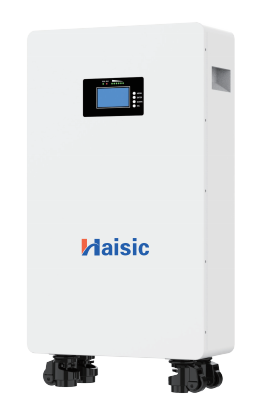
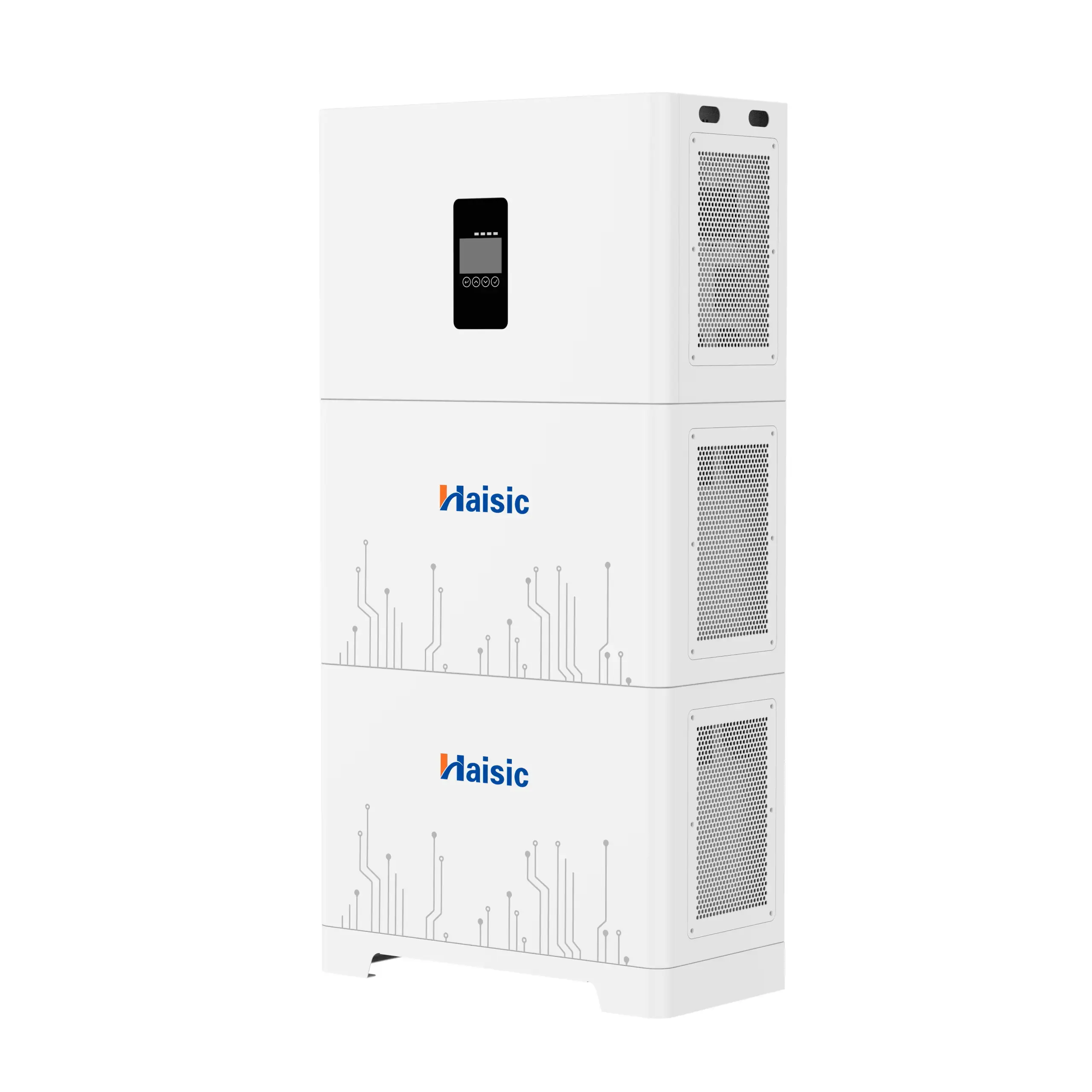
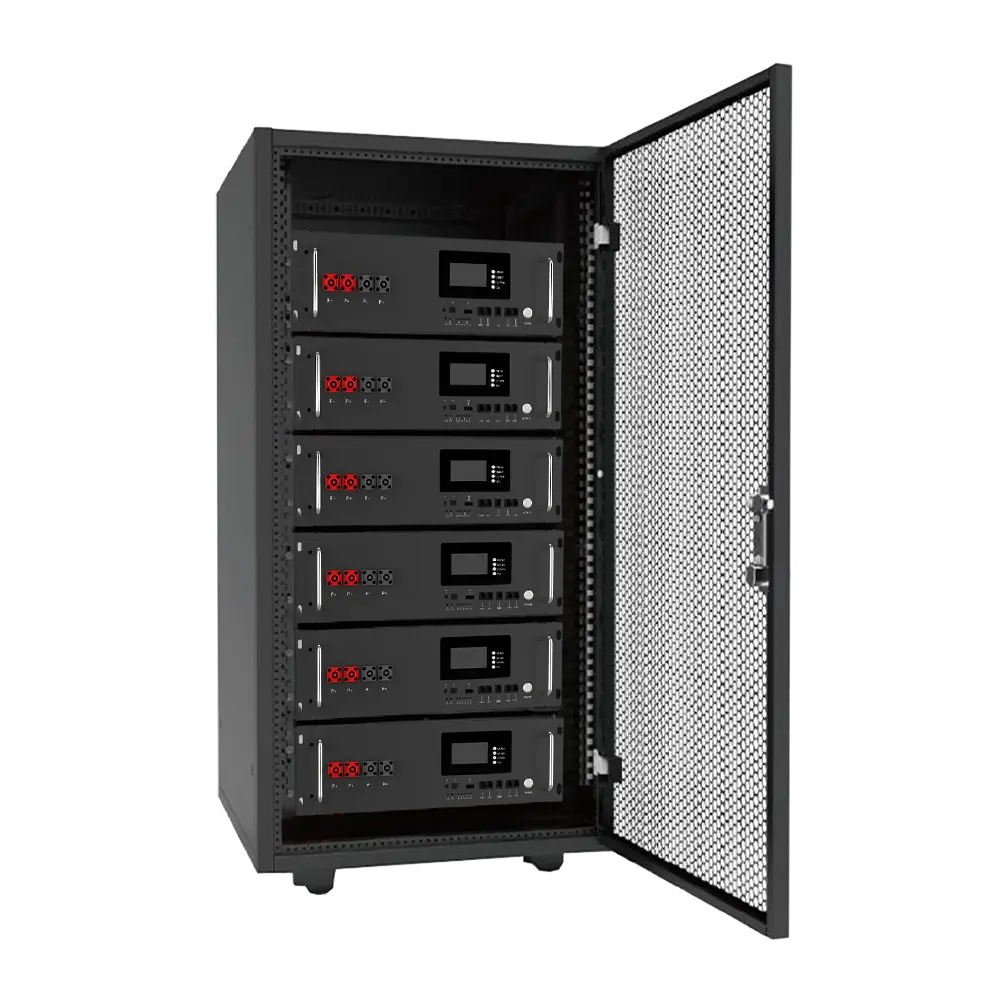
Your charger is only as good as the electricity feeding it. Fluctuations in your home’s grid can lead to inconsistent charging cycles. For those looking to optimize their garage setup, integrating a domestic battery energy storage system ensures a stable, uninterruptible power supply for your tools. Using a best home battery for solar setup further allows you to maintain your vehicle’s health using clean, stored energy, even during peak grid hours or outages.
Quick Equipment Checklist:
- Smart car battery charger (compatible with your battery type: Lead-acid, AGM, or Lithium).
- Wire brush for terminal cleaning.
- Multimeter to check resting voltage.
- Safety gear (gloves and eye protection).
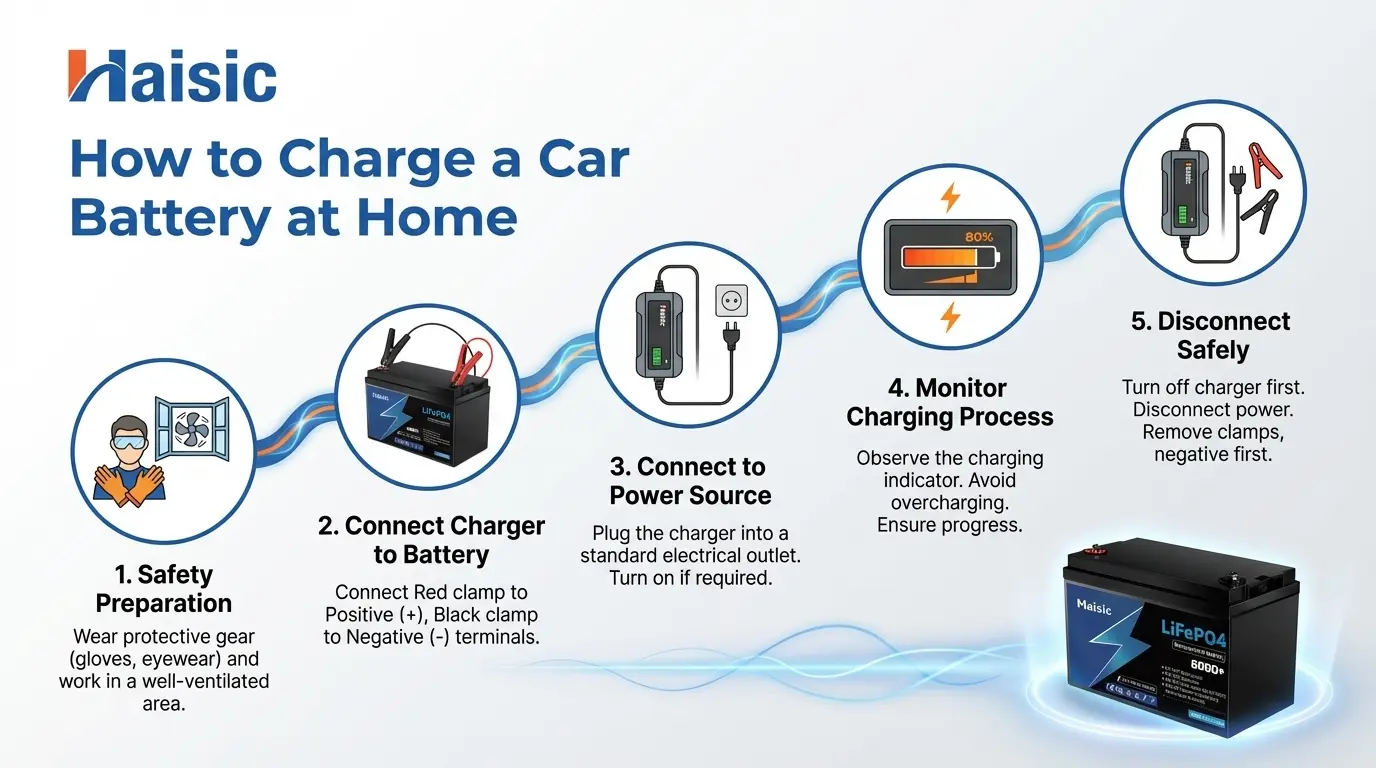
Step-by-Step: Charging Your Car Battery Safely
Figuring out how to charge a car battery at home does not have to be intimidating. If you follow the right process, it is a straightforward and secure task. Here is the safe way to charge a 12V battery and get your vehicle back on the road without risking damage to your electronics.
- Step 1: Prep your workspace and turn off accessories
Before doing anything, ensure your vehicle\’s engine is completely off and the keys are removed from the ignition. Double-check that all interior lights, the radio, and any other power-drawing accessories are switched off. Always work in a well-ventilated garage or driveway to allow any potential gases to dissipate. - Step 2: Cleaning the battery terminals
A solid electrical connection is mandatory. You must clean car battery terminals to remove any crusty white or green corrosion before attaching the cables. A simple wire brush or terminal cleaning tool works perfectly here. Dirt and grime block the current, making your charger work harder and slowing down the process. - Step 3: The correct cable connection order
Always connect the RED (positive) clamp to the positive terminal (+) on the battery first. Next, connect the BLACK (negative) clamp to a solid, unpainted metal part of the car\’s chassis, away from the battery itself. Never let the red and black clamps touch while the system is live. - Step 4: Setting the charger and monitoring progress
Plug your equipment into a reliable power source to finalize your home battery charger setup. If your local grid is prone to fluctuations, running your charger off a residential battery energy storage system guarantees the clean, stable power needed to safely charge a dead car battery at home. Select the 12V setting and the appropriate battery chemistry on your charger\’s interface, then let it run while keeping an eye on the progress indicator. - Step 5: Safe disconnection and the engine start test
Once the charger indicates the battery is full, unplug the unit from the wall outlet first. The proper disconnect battery charger order is crucial to prevent dangerous sparks: remove the BLACK (negative) clamp first, followed by the RED (positive) clamp. Finally, hop in the driver\’s seat and start the engine to confirm your battery is holding the charge.
How Long to Charge a Car Battery at Home
The time required to charge a car battery at home depends primarily on the charger’s amperage and the battery’s current state of discharge. A completely flat battery will naturally take significantly longer than one that simply needs a top-off.
Charging Time Table by Amperage
The following estimates apply to a standard 60Ah lead-acid battery:
| Charger Output | Estimated Time (Flat to Full) | Best Use Case |
|---|---|---|
| 2 Amps | 24 – 36 Hours | Maintenance & Trickle Charging |
| 10 Amps | 6 – 10 Hours | Standard Overnight Recovery |
| 20 Amps | 2 – 4 Hours | Fast Recovery (Use with Caution) |
| 40+ Amps | 30 – 60 Minutes | Emergency Start / Rapid Charge |
Why Slow Charging is Better for Longevity
While high-amperage \”fast chargers\” are convenient, we always recommend a slower charging rate for long-term battery health. Rapid charging generates excessive heat, which can warp internal plates and shorten the overall lifespan of the cells. Utilizing a smart charger with a lower current ensures the chemical reaction occurs evenly, maximizing the 6000+ cycle life potential seen in high-quality power systems like our home energy storage system LiFePO4 units.
Factors That Impact Charging Speed
Several variables can speed up or slow down your progress:
- Battery Capacity: A larger 100Ah battery takes longer to saturate than a small 40Ah unit.
- Ambient Temperature: Extreme cold slows down chemical reactions, making it harder for the battery to accept a charge.
- Battery Age: Older batteries with internal sulfation or high resistance will charge less efficiently and may never reach 100% capacity.
- Charger Efficiency: Smart chargers adjust the current automatically, which might extend the time slightly to ensure a safe, deep saturation.
For those running a 300 amp hour lithium ion battery or similar high-capacity setups in an RV or off-grid garage, using a dedicated LiFePO4-compatible charger is essential to ensure the BMS manages these factors correctly. Always prioritize a steady, controlled flow of power to protect your investment.
After Charging: Testing and Basic Maintenance
Once you know how to charge a car battery at home, you need to make sure the fix actually holds. A quick test and a few routine habits will keep you on the road and stop you from waking up to a dead car.
Verify the Charge
Don\’t just unhook the cables and assume you are good to go. Give the battery a few hours to rest so the surface charge drops off, then do a quick multimeter car battery test. A healthy, fully charged 12V battery should read right around 12.6 to 12.8 volts. If your reading sits at 12.2 volts or lower after a full charging cycle, the battery is failing to hold the power.
Habits to Prevent Car Battery Drain
The best car battery maintenance tips start with how you treat your vehicle every week. Here is what I do to stretch the lifespan of my batteries:
- Take longer drives: Short, five-minute trips do not give your alternator enough time to replace the energy used to start the engine. Take it on the highway for 20 minutes at least once a week.
- Kill the accessories: Always double-check that your headlights, cabin lights, and dash electronics are completely off before walking away.
- Keep the case clean: Dirt, grime, and grease buildup on top of the battery case can conduct a mild current and slowly drain your power overnight.
If you are running high-draw electronics, aftermarket stereos, or an off-grid setup in your vehicle, standard lead-acid batteries will constantly struggle. In those cases, upgrading to a dedicated lithium battery backup is the smartest move to handle the heavy lifting without leaving you stranded.
When to Get a Professional Load Test
Sometimes, a home charge is just a temporary bandage for a dying battery. You need to take your car in for a professional load test if:
- The voltage drops significantly overnight.
- The engine cranks slowly the day after a full charge.
- The battery case looks swollen or cracked.
- The battery is more than four years old.
A mechanic\’s load tester will tell you exactly how the battery performs under the heavy strain of starting an engine, letting you know for sure if it is time for a replacement.
Common Mistakes and Troubleshooting
Even when you know how to charge a car battery at home, a simple oversight can cause major damage. Here are the most frequent pitfalls I see and how to handle them.
Avoid Reversed Cables and Overcharging
The only safe way to charge a 12V battery is by paying strict attention to your connections and charging times.
- Never cross the cables: Always connect the red clamp to the positive (+) terminal and the black clamp to the negative (-) terminal. Reversing the polarity can instantly blow your vehicle\’s fuses or fry the engine control unit (ECU).
- Prevent overcharging: Old-school manual chargers will keep pumping amps into the battery until you unplug them, which can boil the internal acid. Always use a smart charger that automatically cuts off or switches to a trickle charge when the battery reaches 100%.
What If the Battery Won’t Hold a Charge?
Sometimes you try to charge a dead car battery at home, the charger says it is full, but the car still won\’t start the next morning. If the voltage drops below 12.2V immediately after disconnecting the charger, the internal cells are severely degraded or sulfated.
At this stage, no amount of charging will save it. If you are building a reliable off-grid garage setup to handle vehicle maintenance, utilizing a robust lithium battery for solar panel system can provide the clean, stable power your smart chargers need. However, the dead car battery itself will simply need to be replaced.
When to Call a Mechanic
Do not push your luck with a failing battery. Stop the charging process immediately and call a professional if you notice any of the following:
- The battery case looks swollen, warped, or cracked.
- You smell a strong \”rotten egg\” odor, which indicates dangerous hydrogen sulfide gas is venting.
- The battery gets excessively hot to the touch while connected to the charger.
- The battery reads fully charged, but the car still just clicks when you turn the key (this usually points to a failing starter or a bad alternator).
Upgrading to LiFePO4 Deep-Cycle Batteries
While learning how to charge a car battery at home, many users realize that traditional lead-acid batteries are often the weak link in their setup. If you are tired of frequent replacements, upgrading to LiFePO4 (Lithium Iron Phosphate) is the most effective solution. I’ve seen these batteries transform the experience for car enthusiasts and RV owners alike because they offer a massive leap in efficiency and longevity.
Our Haisic 12V LiFePO4 battery packs are designed to handle the rigors of modern power demands with ease. Here is why making the switch is a smart move:
- Exceptional Cycle Life: While standard batteries fail after a few hundred cycles, our LiFePO4 packs offer 6,000+ cycles, lasting a decade or more.
- Lightweight Performance: These units weigh about 60% less than lead-acid equivalents, improving vehicle fuel efficiency and making handling much easier.
- Smart BMS Protection: Every battery includes an integrated Battery Management System (BMS) that automatically protects against overcharging, deep discharge, and short circuits.
- Rapid Charging: They accept higher current loads, meaning you spend less time connected to a charger and more time on the road.
Whether you are optimizing a daily driver, an off-road rig, or a marine vessel, switching to a high-quality lithium deep-cycle battery eliminates the stress of \”will it start?\” and provides a reliable, maintenance-free power source for years.
Off-Grid and Solar Charging Options
When figuring out how to charge a car battery at home, you don\’t always need to rely on the traditional power grid. I often recommend off-grid car battery charging setups for those who want backup power, lower electricity bills, or a greener footprint.
Here are the most effective ways to keep your vehicle powered up off the grid:
- Residential Energy Storage: Using a dedicated home battery charger setup in your garage ensures you always have power, even during neighborhood blackouts. By connecting your smart charger to a reliable 25.6V 200Ah lithium battery home energy storage system, you get a highly stable, clean energy source to safely recharge your car battery without utility interruptions.
- Portable Power Stations: If you need an on-the-go jump rather than a slow garage charge, portable lithium power stations are lifesavers. They are compact enough to keep in the trunk and pack enough peak output to revive a dead battery anywhere.
- Solar Charging: Pairing your smart chargers with clean solar input is incredibly efficient. A dedicated solar charger for car battery maintenance works perfectly for vehicles parked outside for extended periods, providing a steady, renewable trickle charge directly from the sun.
Quick Comparison: Off-Grid Charging
| Charging Method | Best Use Case | Key Advantage |
|---|---|---|
| Home Battery Storage | Garage charging & power outages | Massive capacity, reliable 24/7 power |
| Portable Power Station | Road trips & emergency jumps | Highly mobile, plug-and-play |
| Solar Charger Setup | Long-term outdoor parking | 100% renewable, prevents passive battery drain |
FAQ: Common Questions About How to Charge a Car Battery at Home
Can I charge a battery while the engine is running?
No. You should never connect a manual or smart car battery charger while the engine is running. The vehicle\’s alternator is already sending current to the battery; adding an external power source can create a voltage surge that damages your car’s sensitive electronics or the charger itself. Always ensure the ignition is completely off before beginning the process of charging a car battery at home.
Is it safe to leave a charger on overnight?
It is only safe if you are using a smart charger or a dedicated trickle maintainer with an automatic shut-off feature. These devices monitor the voltage and stop the current once the battery is full. This technology is similar to the advanced BMS we use in our home lithium battery storage systems to prevent overcharging and overheating. If you are using an older manual charger, do not leave it unattended, as it will continue to pump current and could lead to a dangerous thermal event.
Do I need to remove the battery from the car to charge it?
In most cases, you do not need to remove the battery. You can safely charge a dead car battery at home while it remains in the engine bay, provided the area is well-ventilated to disperse any hydrogen gas. However, if the battery terminals are heavily corroded or if you are performing a deep recovery charge in extreme cold, removing the battery to a controlled environment like a garage workbench is a safe way to charge a 12V battery.
How do I know if my battery is too old to charge?
If your battery is over three to five years old and fails to hold a charge above 12.4V after a full charging cycle, it likely needs replacement. Physical signs like a bulging case, leaking fluid, or a \”rotten egg\” smell indicate internal damage. For those looking for a long-term upgrade, switching to a LiFePO4 deep-cycle battery is a smart move, as these units provide over 6,000 cycles compared to the limited lifespan of traditional lead-acid options. Utilizing a solar battery bank for home can also provide the stable, clean energy needed to maintain these high-performance batteries indefinitely.