











Step 1: Home Energy Consumption Analysis in Residential Solar System Design
Before a single panel goes on the roof, you need to know exactly what you are powering. Whether you are a homeowner tired of unpredictable electric bills or a contractor aiming to build a fail-proof setup, flawless residential solar system design begins with hard data. Guesswork leads to undersized batteries and overloaded inverters. Here is how we approach a bulletproof energy audit.
Crunching the kWh Numbers
Your past energy use is the blueprint for your future photovoltaic system design. Pull utility bills from the last 12 months to get a complete, accurate picture of your seasonal habits.
- Daily Usage: Divide your monthly total by the number of days in the billing cycle to find your daily average. This tells you exactly what needs to be replaced by solar generation.
- Monthly Spikes: Identify your highest consumption months. You must plan for peak summer air conditioning or heavy winter heating to ensure year-round reliability.
- Annual Total: This aggregate number sets the baseline for your overall energy offset goals and determines the ultimate scale of the project.
Continuous Loads vs. Surge Loads
Not all power demands are created equal. Distinguishing between continuous and surge loads is non-negotiable when selecting your hybrid solar inverter and sizing your home energy storage system.
- Continuous Load: The steady, ongoing power drawn by appliances running for extended periods, such as refrigerators, lighting circuits, and Wi-Fi routers.
- Surge Load: The massive, momentary spike in electrical current required to jump-start heavy-duty motors like HVAC compressors, well pumps, and power tools.
If your setup cannot handle the surge, the inverter will trip during a grid outage, leaving you in the dark. At Haisic, we engineer our residential ESS capacities and inverters specifically to handle aggressive, high-amperage surges without breaking a sweat, ensuring your critical loads stay powered when the heavy machinery kicks in.
Future-Proofing for Tomorrow\’s Demands
A common and costly mistake is designing a system solely for today’s needs. Residential energy consumption rarely shrinks. When mapping out the project, you must account for the inevitable shift toward home electrification.
- Electric Vehicles (EVs): Plugging in an EV charger at home will dramatically increase your nightly power draw.
- Appliance Upgrades: Transitioning from gas furnaces to electric heat pumps or installing induction cooktops requires a highly robust power reserve.
- The Growth Buffer: I always advise building a 20% to 30% capacity buffer into your solar array sizing calculator. It is significantly more cost-effective to install a slightly larger array and battery bank from day one than to aggressively retrofit an underpowered system later on.
Step 2: Site Assessment and Roof Evaluation
Before we even look at hardware specifications, we need to determine if the property is physically ready for solar. A thorough site assessment is the foundation of any successful residential solar system design, ensuring that the investment yields maximum energy production over the system\’s lifespan.
Roof Pitch and Orientation
The angle and direction of the roof significantly impact solar yield. For most installations in the Northern Hemisphere, a south-facing orientation is ideal to capture peak sunlight hours. However, east and west-facing roofs can still be productive, especially when paired with efficient MPPT controllers found in modern hybrid inverters. The roof pitch (tilt) should ideally match the local latitude to maximize exposure, though flush-mounted systems often just follow the existing roof line for aesthetics and simplicity.
Shading Analysis
Even the most powerful panels will underperform if they are constantly shaded. We must identify potential obstructions like tall trees, chimneys, HVAC units, or neighboring multi-story buildings. Partial shading can disproportionately reduce the output of an entire string of panels. If shading is unavoidable, the system design might need to incorporate microinverters or optimizers rather than a standard string inverter setup to mitigate losses.
Structural Integrity & Available Space
Solar arrays add significant weight—panels, racking, and wiring all add up. We need to verify that the roof structure can support this additional dead load, as well as live loads from wind or snow. If the roof is old or structurally compromised, repairs are mandatory before installation begins.
Sometimes, roof space is simply too limited or the orientation is poor. In these cases, we evaluate the property for ground-mounted alternatives. Ground mounts offer flexibility in orientation and tilt but require dedicated yard space. Whether roof or ground-mounted, the available area dictates the maximum array size, which directly influences the capacity of the ESS battery storage we can effectively charge. A large battery bank is useless if the array is too small to fill it.
Step 3: Selecting Core System Components for Residential Solar System Design
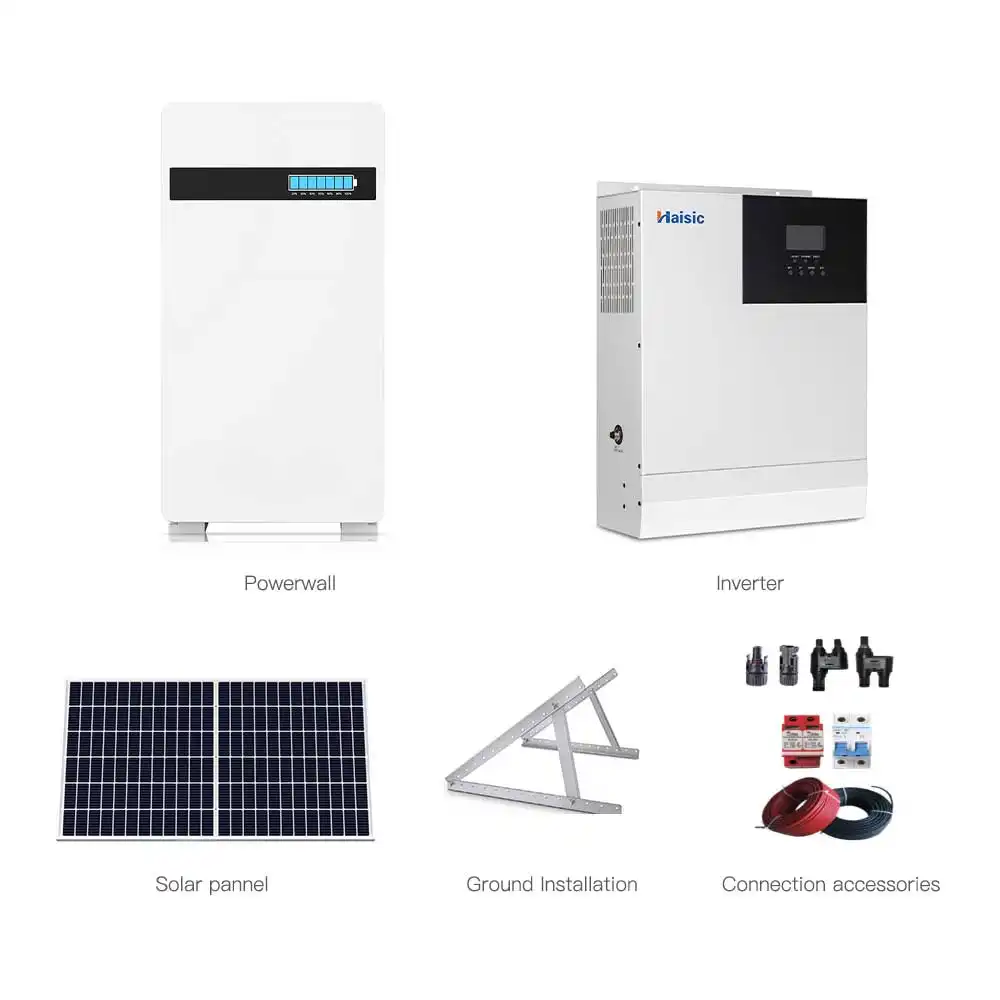
Once the site is assessed, I move directly to the hardware. Picking the right components is the foundation of a reliable photovoltaic system design. Here is how I break down the essentials to ensure maximum performance and longevity.
Solar Photovoltaic (PV) Panels
Not all panels are created equal. You generally choose between two types based on your budget and available space:
- Monocrystalline: Highly efficient and space-saving. They have a sleek black look and generate more power per square foot, making them the standard for modern homes.
- Polycrystalline: A more budget-friendly option with a distinct blue tint. They are slightly less efficient, meaning you will need more roof space to hit your energy targets.
Inverters: The Brain of the System
Your panels capture the sun, but the inverter turns that raw DC power into usable AC electricity for your household appliances.
- String Inverters: The traditional, cost-effective choice. All panels link to one central inverter. This is ideal for roofs with consistent, unshaded sunlight.
- Microinverters: Installed on each individual panel. If one panel gets shaded by a passing cloud or a tree, the rest of the array keeps pumping out maximum power.
The Hybrid Advantage
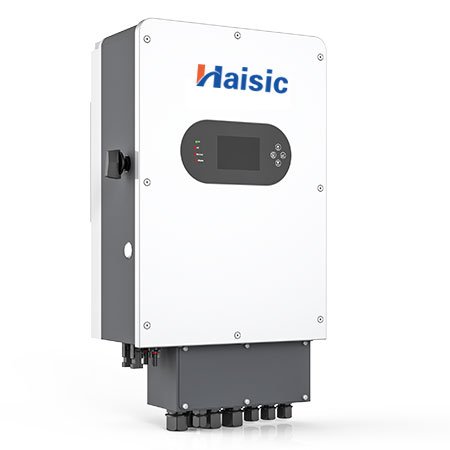
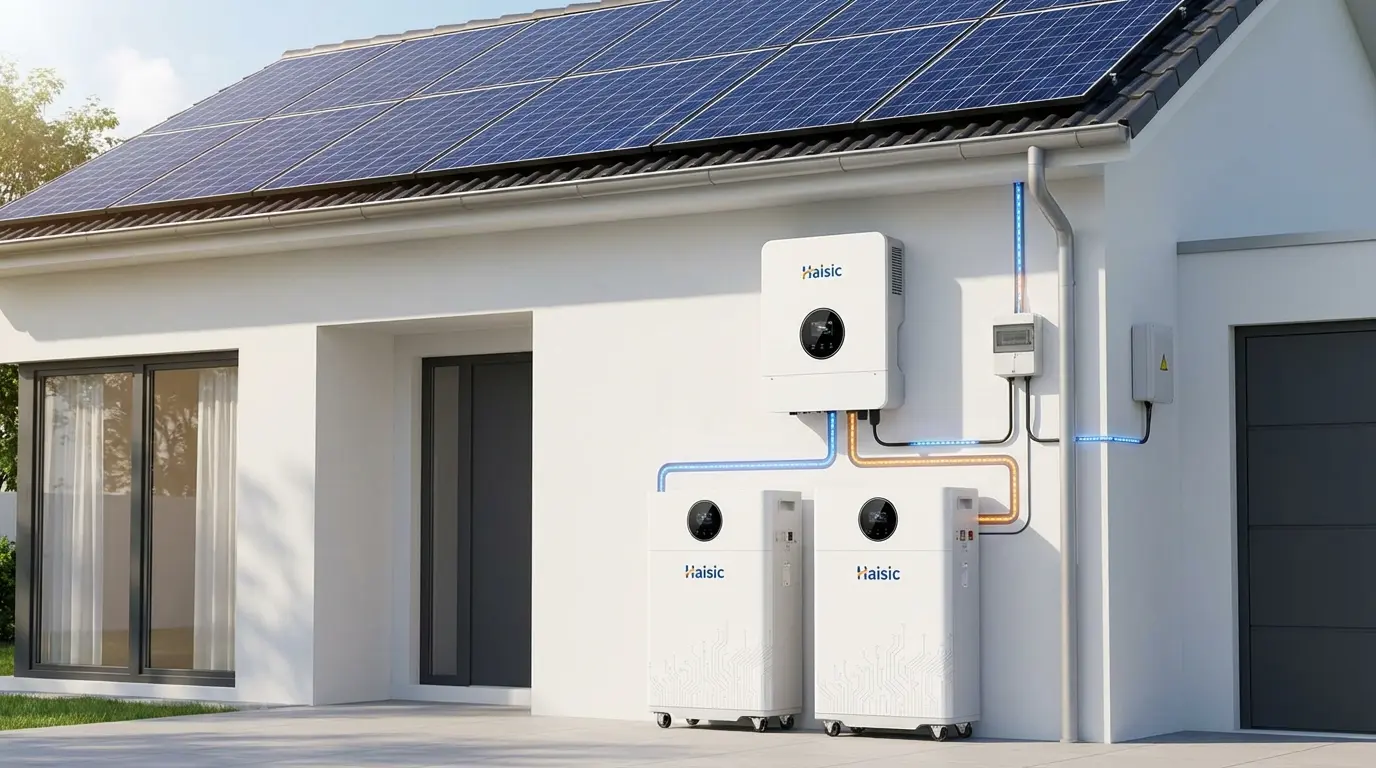
For a truly resilient setup, I always recommend integrating a hybrid solar inverter. Our 3kW to 12kW hybrid models are absolute game-changers for home energy independence.
- Ultimate Flexibility: They effortlessly bridge the gap between a standard grid-tied solar system and a completely independent off-grid solar setup.
- Clean Power: Featuring Pure Sine Wave technology, they deliver clean, stable electricity that protects your sensitive home electronics.
- Maximized Efficiency: Built-in MPPT charge controllers ensure you extract every possible drop of energy from your panels, tracking the sun\’s maximum power point in real-time.
- Backup Ready: These inverters seamlessly integrate with storage solutions, working perfectly alongside a robust generator battery bank to keep your critical loads running when the grid fails.
Mounting and Racking
Your gear needs to stay put through high winds, heavy snow, and decades of exposure to the elements. Choosing the right roof mounting systems guarantees structural safety and weather resistance. We strictly utilize high-grade, corrosion-resistant racking hardware that securely anchors the solar array without compromising your roof\’s integrity or causing leaks.
The Critical Role of Energy Storage Systems (ESS)
A complete residential solar system design is no longer just about generating power; it is about keeping and controlling the power you make. Adding a home energy storage system is the ultimate way to secure your energy independence and maximize your investment.
Moving Beyond Net Energy Metering (NEM)
Relying purely on the grid is a strategy of the past. With shifting utility policies, pure Net Energy Metering (NEM) dependency is rarely the most cost-effective route anymore. Today, integrating a reliable battery backup for home is practically mandatory. It guarantees maximum self-consumption of your own solar energy and provides crucial blackout resilience when the local grid fails.
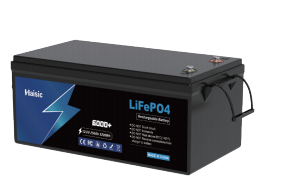
Choosing a Safe LiFePO4 Battery Pack
Not all battery chemistries are built the same. When it comes to powering a home, LiFePO4 (Lithium Iron Phosphate) stands far above traditional lead-acid or NMC alternatives.
- Maximum Safety: LiFePO4 is inherently non-combustible and highly resistant to thermal runaway.
- Thermal Stability: It performs reliably across a wider range of temperatures without degrading or posing a fire risk.
Haisic Residential ESS Capacities
At Haisic, we design our residential energy storage solutions to fit your life, space, and power needs seamlessly. We engineer our systems for serious longevity, delivering 6000+ charge cycles so you can rely on your setup for years to come.
We offer versatile configurations that prioritize both footprint and aesthetics:
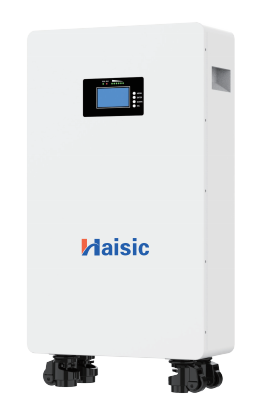
- Wall-mounted: Sleek units perfect for saving garage or utility room floor space.
- Floor-standing: Simple, stable setups for immediate access.
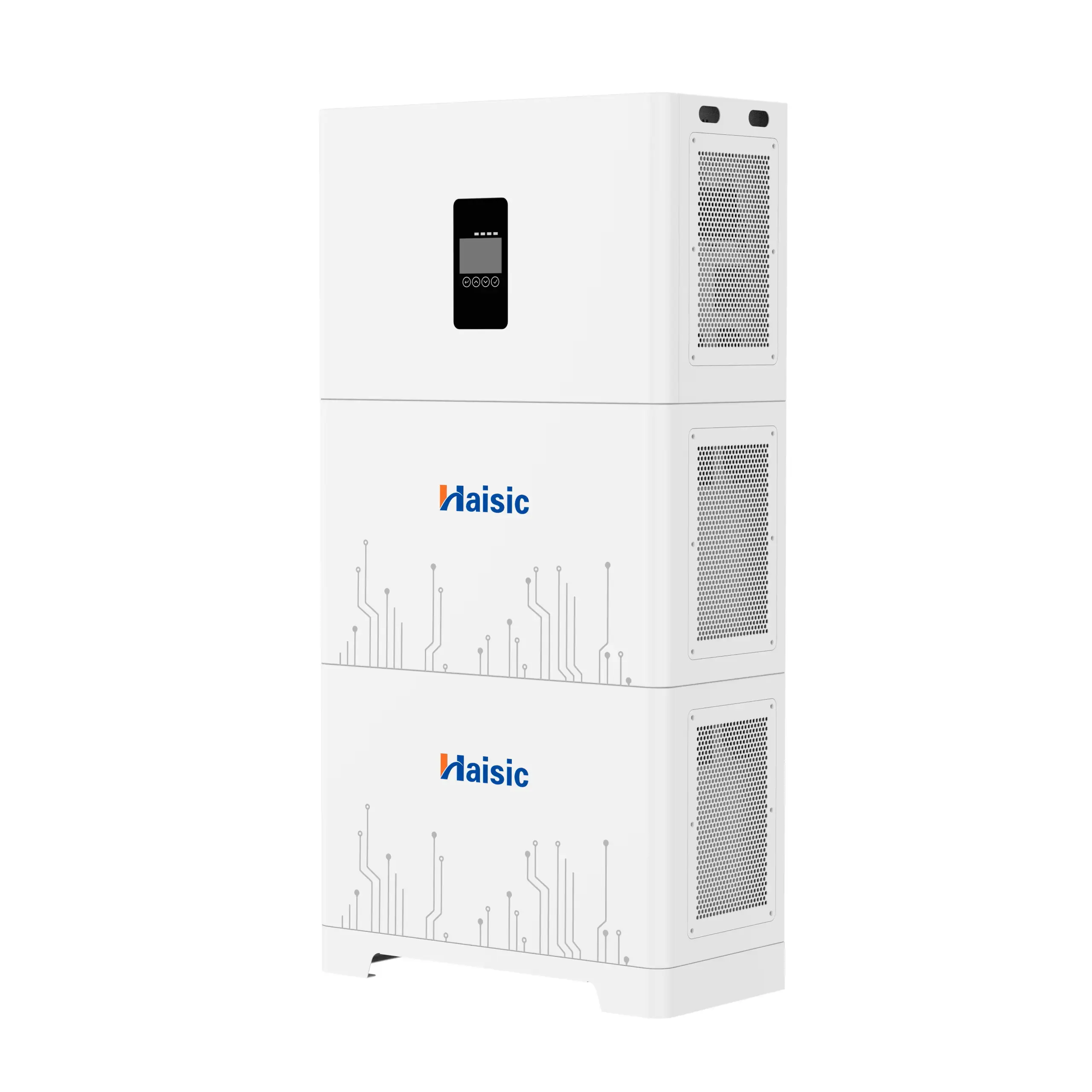
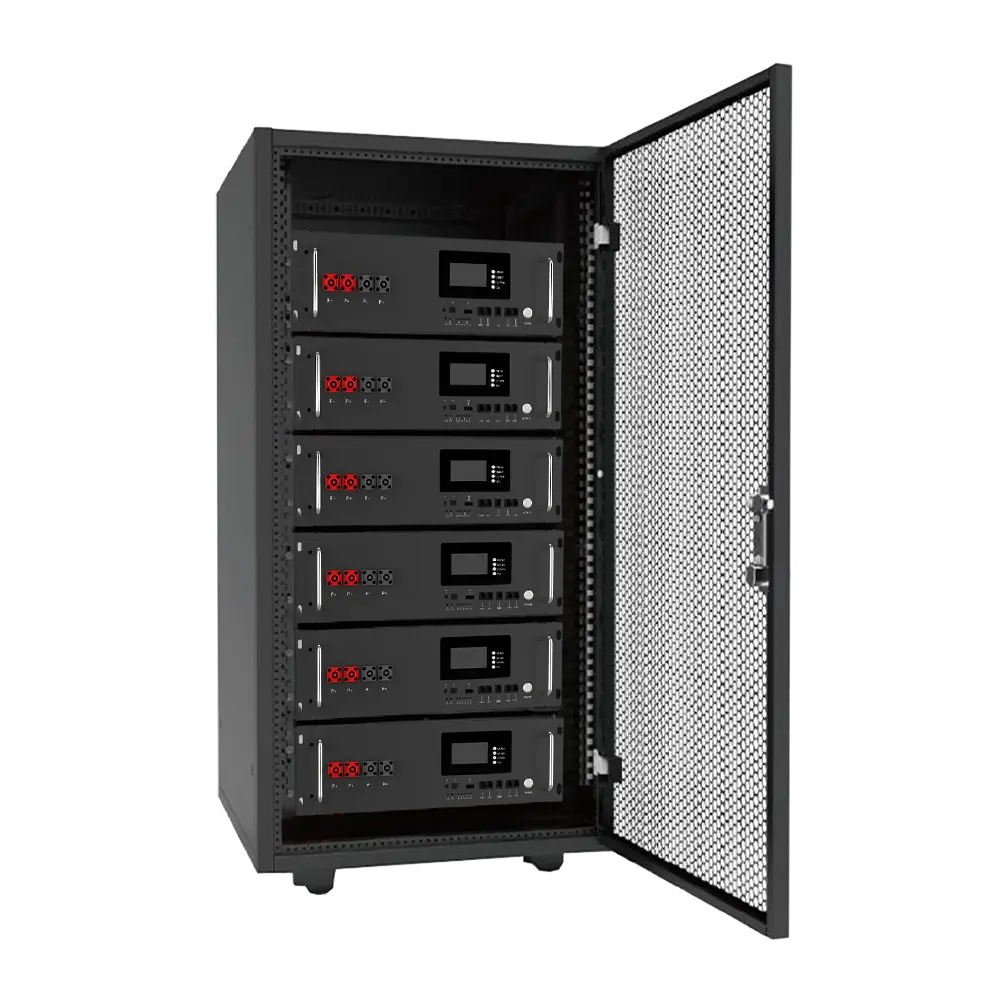
- Stackable & Rack-mounted: Modular designs built for easily scalable power.
Our residential ESS capacities are built to perfectly match your daily load requirements. Whether you need a compact, highly efficient 10kWh LiFePO4 lithium battery to cover basic nighttime usage or a robust 21.5kWh High Voltage system to back up your entire home, we supply the exact hardware required to make your solar architecture resilient and autonomous.
System Sizing and Schematics in Residential Solar System Design
Getting the math right is the most critical part of our residential solar system design process. If you guess your numbers, you will either waste money or run out of power.
Calculating Array Size
I always start by matching the total panel wattage output directly to your daily kWh needs. Instead of estimating, we rely on a precise solar array sizing calculator to figure out exactly how many panels it takes to completely offset your home\’s unique energy footprint.
Sizing the Battery Bank
Generating power is only half the job; keeping it is the other. Sizing the battery bank comes down to securing enough usable capacity to power your home through the night and handle critical loads during unexpected grid outages. For average to large households, integrating a reliable touchscreen 20kWh home energy storage battery ensures you have a robust battery backup for home emergencies without constantly watching your power gauge.
Wiring and Safety Protocols
Even the best components will fail if the underlying solar system schematics aren\’t built for safety. Here are the core protections we always implement:
- Disconnect Switches: We install clearly labeled DC and AC disconnects so you can easily and safely kill power to the system during maintenance or emergencies.
- Power Regulation: A high-quality MPPT charge controller is integrated into the system to maximize your solar harvest while strictly protecting your battery bank from overcharging.
- Weather Protection: All sensitive electronics and wiring hubs are housed in heavy-duty, IP65-rated enclosures, guaranteeing they remain safe and fully operational regardless of outdoor weather conditions.
Step 6: Local Regulations and Grid Integration for Residential Solar System Design
Before powering up, navigating local rules and deciding how you connect to the utility grid are non-negotiable steps in your residential solar system design.
Permitting and Building Codes
I always remind customers that safety and compliance come first. Local building codes strictly dictate how your photovoltaic system design is executed.
- Fire Setbacks: Your solar panel layout must leave clear, designated pathways on the roof so first responders can access it safely during an emergency.
- Structural Requirements: You need permits proving your roof\’s underlying structure can safely support the added weight of the arrays and the roof mounting systems.
Grid Interconnection Options
How you interact with the local utility grid shapes your entire equipment list. If you are planning a solar panel with battery storage for home configuration, choosing the correct interconnection type is critical.
| System Configuration | How It Works | Best Application |
|---|---|---|
| Grid-Tied Solar System | Connects directly to the utility grid. Relies heavily on Net Energy Metering (NEM) to earn bill credits for excess solar power. | Urban areas with stable utility grids and favorable net metering policies. |
| Off-Grid Solar Setup | 100% disconnected from the utility grid. Requires a massive battery bank and generator support. | Remote properties or rural homes with absolutely zero grid access. |
| Grid-Tied with Battery Backup | Stays connected to the grid but utilizes a residential battery energy storage system for outage protection. | Homes requiring blackout resilience and maximum energy self-consumption. |
Smart System Monitoring
A modern setup is flying blind without real-time visibility. Today’s hybrid solar inverters come equipped with built-in WiFi and GPRS communication modules. This technology allows you to track your daily solar energy yield, monitor battery health, and manage your overall home load directly from a smartphone app. It takes the guesswork out of energy management, letting you see exactly how much power you are generating, storing, and consuming at any given second.