










What is an All-in-One Energy Storage System?
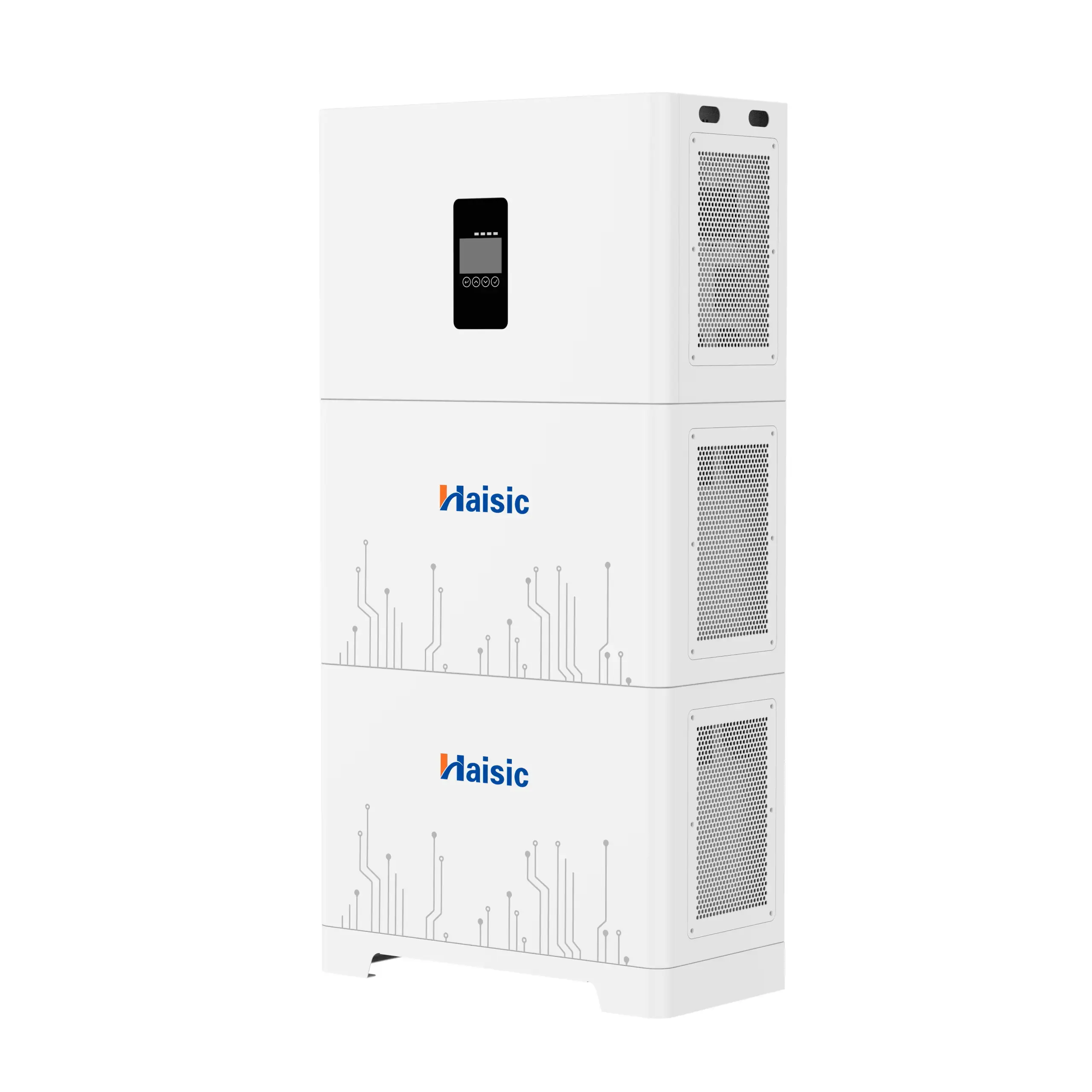
Tired of dealing with mismatched components and messy wiring? An all in one energy storage system is the modern solution to energy independence. Instead of piecing together separate parts from different manufacturers, we provide a fully integrated cabinet that combines power conversion, management, and storage into a single, cohesive unit. This approach simplifies the transition to solar, offering a \”plug and play\” experience that removes the complexity of traditional installations.
Anatomy of the System: Hybrid Inverter, Battery, and BMS
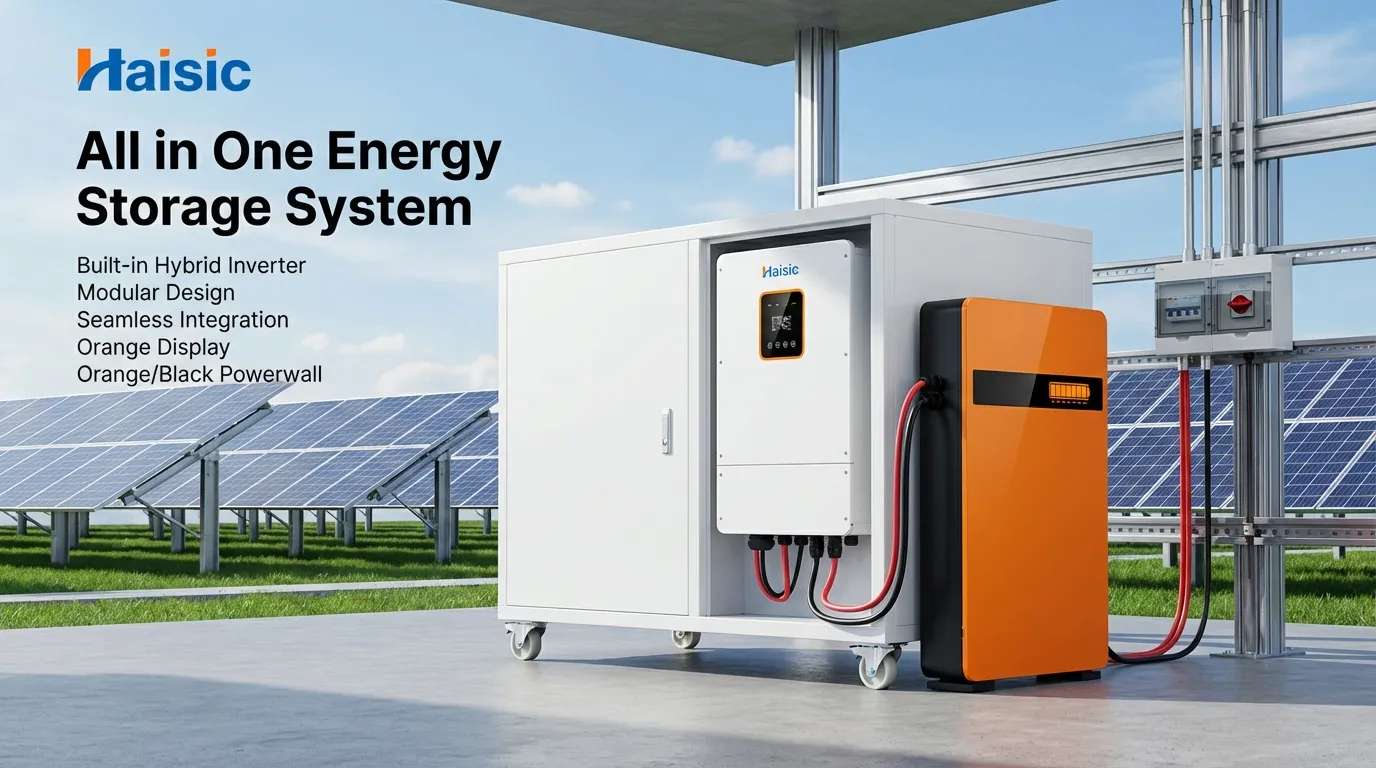
At the core of our system lies a seamless integration of three critical components. We don\’t just stack parts; we engineer them to work in perfect harmony to ensure maximum efficiency and safety:
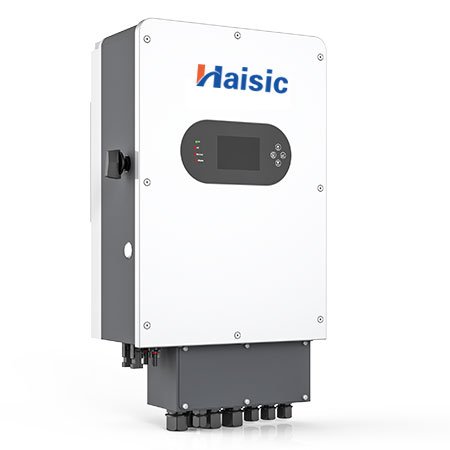
- Hybrid Inverter Integration: This is the brain of the operation. It manages power flow between your solar panels, the utility grid, and your home loads.
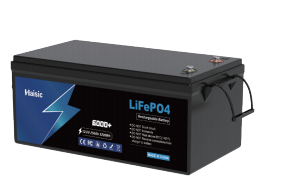
- LiFePO4 Battery Chemistry: The heart of the system uses Lithium Iron Phosphate cells. We use Grade A cells to ensure a lifespan exceeding 6,500 cycles and superior thermal stability.
- BMS Protection: A built-in Battery Management System actively monitors cell voltage and temperature, protecting against overcharging, short circuits, and overheating.
How It Works: From Solar Panels to Home Load
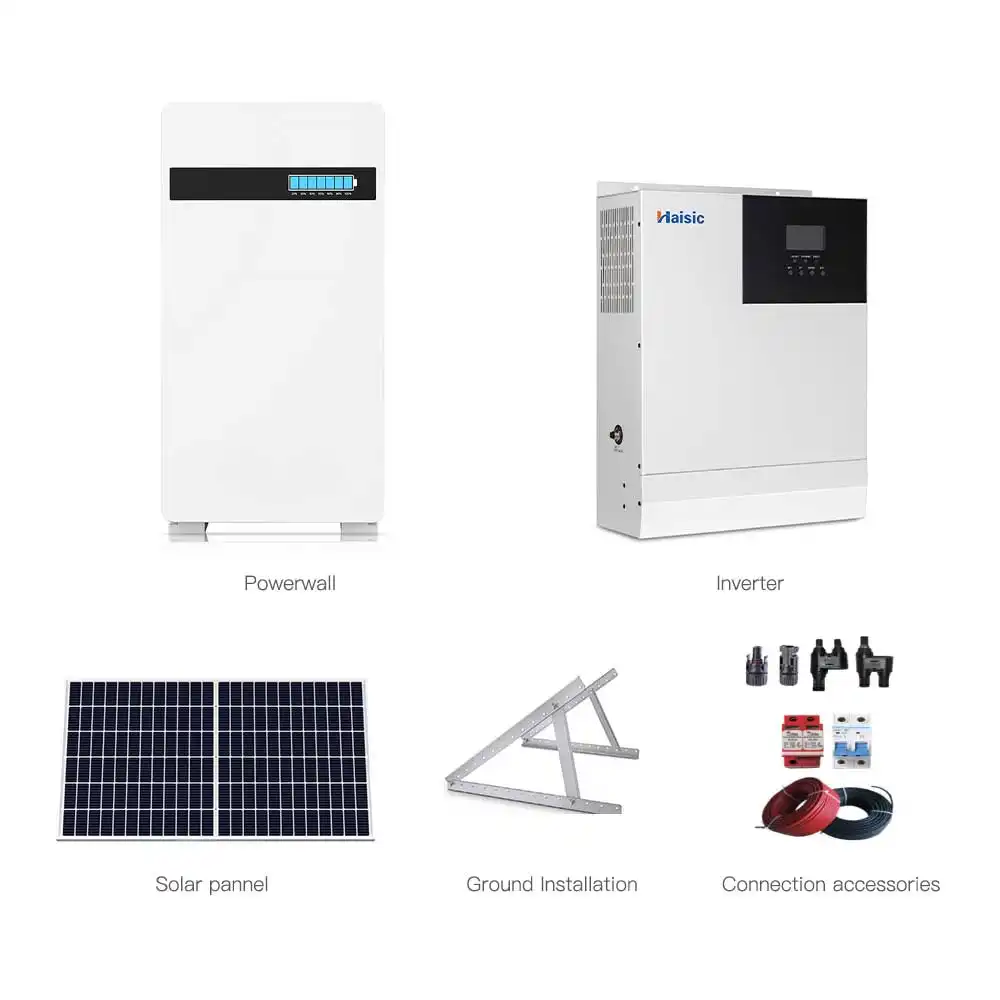
The workflow is automated and smart. Solar panels feed DC power into the unit, where the integrated MPPT charge controller maximizes energy harvest (with efficiency >99%). The system prioritizes powering your home loads first. Any excess energy is immediately stored in the battery for night use or peak shaving. If the grid goes down, the unit acts as a UPS, switching to battery backup power in less than 10ms, ensuring your essential appliances keep running without interruption.
Visual Descriptor: Sleek Appliance vs. Industrial Components
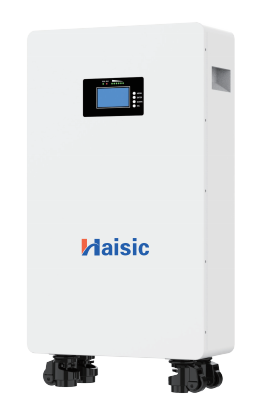
Forget the industrial look of traditional setups with exposed wires and multiple wall-mounted boxes scattered across the garage. Our all in one home energy storage system features a vertical, compact cabinet design. It looks more like a high-end home appliance than a piece of electrical infrastructure. This design not only saves valuable floor space but also eliminates the visual clutter of external cabling, making it a perfect fit for modern residential aesthetics.
Key Advantages of Integrated vs. Split Systems
When we compare a traditional split setup—where the inverter, battery, and controller are scattered across the wall—to a modern all in one energy storage system, the difference is night and day. We aren\’t just talking about aesthetics; we are talking about functionality, reliability, and ease of ownership for global customers.
Plug-and-Play Installation Efficiency
Time is money, especially for installers and homeowners. Traditional systems require complex wiring between the battery bank and the inverter, often leading to compatibility headaches. Our integrated units feature hybrid inverter integration right out of the box. This plug-and-play solar system approach delivers distinct benefits:
- Reduced Labor: Installation time is cut significantly because the internal connections are pre-wired.
- Fewer Errors: We eliminate the risk of mismatching communication protocols between the inverter and the BMS.
- Cost Effective: Less time on-site translates to lower installation fees.
Space-Saving Design and Aesthetics
Most homeowners do not want their garage or utility room looking like an industrial plant with conduits running everywhere. Split systems clutter walls and eat up space. In contrast, our units, such as the 10240Wh touchscreen energy storage system, pack everything into a single, sleek cabinet.
This design looks more like a high-end appliance than a piece of electrical infrastructure. The compact footprint frees up valuable floor and wall space, making it ideal for modern residential environments where square footage is at a premium.
Smart Management via Unified App Control
Managing separate systems for your solar production and battery storage is inefficient. With a smart energy management system (EMS) built directly into the unit, you get total control through a single interface.
- Real-Time Monitoring: View solar generation, load consumption, and battery levels in one place.
- Remote Control: Switch operating modes (like peak shaving or backup priority) instantly from your smartphone.
- Firmware Updates: The unified system allows for easier remote upgrades to keep the system running smoothly.
This unified approach simplifies how you interact with your energy, ensuring you get the most out of your all in one home energy storage system without needing technical expertise.
Technical Specifications to Consider
When evaluating an all in one energy storage system, the internal components determine both performance and safety. We prioritize integration that simplifies your life while delivering industrial-grade power. Here is what you need to look for in the technical data.
LiFePO4 Battery Chemistry for Safety and Longevity
We strictly use LiFePO4 (Lithium Iron Phosphate) chemistry in our integrated systems. Unlike older lithium technologies (like NMC), LiFePO4 is chemically stable and highly resistant to thermal runaway, making it the safest choice for indoor residential installation.
Beyond safety, these Grade A cells offer exceptional longevity, delivering 6,500+ cycles at 80% Depth of Discharge (DOD). This translates to over a decade of reliable service, which significantly improves the long-term cost of a backup battery for a residential solar system by reducing replacement frequency.
Capacity and Scalability Options
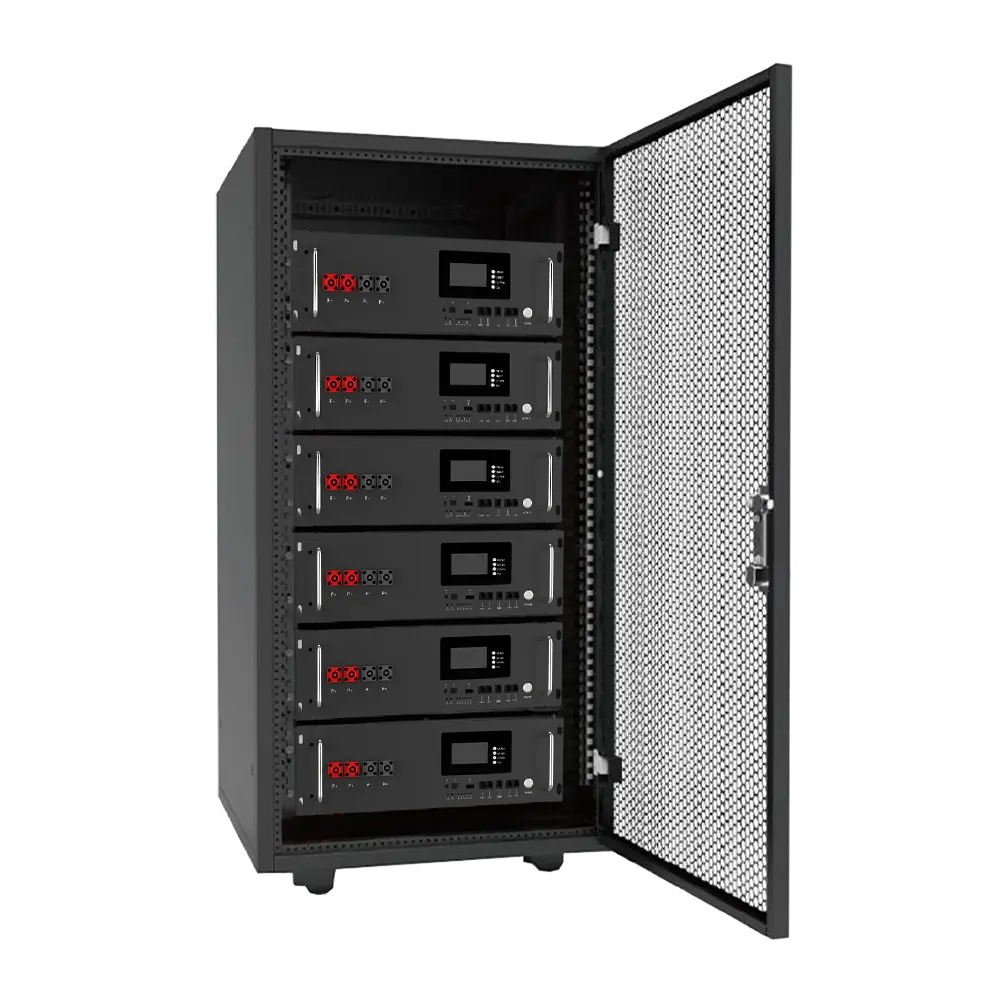
Energy needs often grow over time. Our systems feature a modular design that allows you to start small and expand later. Whether you need a compact 5kWh unit or a robust 30kWh+ setup, the stackable nature of our batteries makes expansion simple. You can connect multiple units in parallel—up to 10 units depending on the specific model—without needing to replace the core hybrid inverter.
Power Output: Continuous vs. Surge
The integrated hybrid inverter is the engine of the system. We offer distinct power ranges to match your specific load requirements:
- Single-Phase Systems: 5kW, 8kW, and 10kW options.
- Three-Phase Systems: 10kW up to 25kW for heavy-duty applications.
High efficiency is standard, with MPPT efficiency exceeding 99% and maximum system efficiency over 97%, ensuring minimal energy loss during conversion.
UPS Switching Time (<10ms)
Reliability is defined by how the system handles a blackout. Our all-in-one units feature a built-in UPS (Uninterruptible Power Supply) function. In the event of a grid failure, the system switches to battery power in less than 10 milliseconds. This seamless transition is fast enough to keep computers, routers, and sensitive electronics running without a flicker or reboot.
| Feature | Specification Details |
|---|---|
| Battery Chemistry | LiFePO4 (Lithium Iron Phosphate) |
| Cycle Life | 6,500+ Cycles (Grade A Cells) |
| Switching Time | <10ms (UPS Level) |
| Single-Phase Output | 5kW – 10kW |
| Three-Phase Output | 10kW – 25kW |
| Communication | WiFi, GPRS, RS485, CAN |
| Warranty | 10 Years |
Applications: Who Needs an All-in-One ESS?
An all in one energy storage system isn\’t just a battery; it is a complete energy management hub. We see these units deployed across various scenarios, from suburban homes looking to cut costs to remote locations requiring absolute independence. Whether you need a compact unit for a single household or a robust setup for a small business, our diverse range of energy storage products adapts to specific energy demands.
Residential Self-Consumption Strategies
The most common application we see is maximizing solar self-consumption. In a standard grid-tied setup without storage, excess solar energy generated during the day is sent back to the grid, often at a low feed-in tariff. By integrating an all in one solar battery system, homeowners can store that surplus energy instead.
- Daytime: The system powers the home and charges the battery with free solar energy.
- Evening: When the sun sets and rates are typically higher, the system discharges the stored power.
- Result: You use more of the energy you generate, significantly reducing reliance on the utility company.
Energy Security and Backup Power
Grid instability is a growing concern globally. Our systems function as a reliable UPS (Uninterruptible Power Supply). The integrated hybrid inverter features UPS switching time of less than 10ms. This means when the grid fails, the switch to battery power is so fast that computers and appliances stay running without a glitch. This provides whole-home backup power, ensuring that essential loads—like lights, refrigerators, and Wi-Fi—remain operational during storms or blackouts.
Peak Shaving for Cost Savings
For regions with Time-of-Use (TOU) billing, electricity prices fluctuate throughout the day. An all in one home energy storage system offers peak shaving capability to combat expensive tariffs.
- Charge: The system draws power from the grid during off-peak hours when rates are lowest.
- Discharge: It releases that cheap power during peak hours when grid prices spike.
- Smart Control: The integrated management system handles this arbitrage automatically, lowering the overall electricity bill without changing consumption habits.
Off-Grid Capabilities for Remote Areas
For locations where the grid is unreliable or non-existent, these units offer a lifeline. The system supports off-grid storage by creating a standalone microgrid. A key advantage of our design is versatility in charging sources. The unit can accept input from solar PV, the grid, and even diesel generators simultaneously. This ensures that even in prolonged periods of low sunlight, users in remote areas can maintain power continuity.
Safety and Reliability Standards
When bringing high-voltage equipment into a home or business, safety isn\’t just a feature—it is the foundation. An all in one energy storage system combines powerful components into a single enclosure, which means the safety protocols must be rigorous. We prioritize stability and protection to ensure that energy independence never comes at the cost of security.
Thermal Management and Heat Dissipation
Heat is the natural enemy of electronics and batteries. Because an all-in-one hybrid energy storage system houses both the inverter and the battery bank in one cabinet, effective thermal management is critical.
Our systems utilize advanced cooling designs—ranging from natural convection to smart forced-air cooling—to dissipate heat generated during charging and discharging. This prevents thermal runaway and ensures the system operates at optimal efficiency, even during peak usage hours. Proper heat dissipation extends the lifespan of the internal components significantly.
BMS Protection Protocols
The \”brain\” of our storage units is the intelligent Battery Management System (BMS). This integrated controller constantly monitors the health of every cell within the battery pack. It provides real-time protection against common electrical hazards:
- Overcharge/Over-discharge Protection: Prevents voltage from going beyond safe limits.
- Temperature Monitoring: Automatically shuts down the system if cells get too hot or too cold.
- Short Circuit Protection: Instantly cuts the circuit to prevent damage or fire risks.
For homeowners looking for reliable residential energy storage solutions, this layer of automated protection offers peace of mind that the system is always watching out for itself.
Essential Certifications and IP Ratings
Compliance with international standards is non-negotiable. Our systems carry global certifications like CE and UN38.3, verifying that they meet strict safety and transport requirements.
Additionally, many of our models feature an IP65 outdoor rating. This signifies that the enclosure is dust-tight and protected against water jets from any angle. Whether installed in a garage or on an exterior wall, the system is built to withstand environmental factors without compromising performance.
Quality Control and Grade A Cells
The core of any all in one solar battery system is the chemistry inside. We utilize LiFePO4 battery chemistry (Lithium Iron Phosphate), which is widely recognized as the safest lithium technology available today.
We strictly use Grade A cells, ensuring consistency and longevity. Unlike lower-grade alternatives, these cells are less prone to swelling and degradation. With a cycle life exceeding 6,500 cycles, these systems are engineered to provide stable power for over a decade.
Installation and Maintenance Considerations
Installing an all in one energy storage system is significantly more streamlined than setting up traditional modular components, but proper planning ensures optimal performance and longevity. Because the hybrid inverter and battery are housed in a single cabinet, the physical footprint is reduced, yet specific environmental and electrical factors must still be managed carefully.
Site Selection: Indoor vs. Outdoor (IP65)
Choosing the right location is critical for battery health. Many of our models feature a robust IP65 outdoor rating, meaning they are dust-tight and protected against water jets. This gives you the flexibility to install the unit in a garage, a utility room, or even on an exterior wall if space is limited inside.
However, while the casing is tough, lithium batteries prefer moderate temperatures. For the best cycle life, we recommend a shaded area away from direct sunlight or extreme frost. If you are planning a complex setup, reviewing a comprehensive BESS installation guide can help identify the ideal spot for your specific site conditions.
| Feature | Indoor Installation | Outdoor Installation |
|---|---|---|
| Temperature Control | Best (Stable ambient temp) | Variable (Requires shade/shelter) |
| Space Impact | Uses wall/floor space | Saves interior living space |
| Protection Needs | Minimal | Requires IP65 rating & shelter |
| Accessibility | Easy access for monitoring | Varies by location |
Grid Compatibility and Voltage Standards
Our all in one energy storage systems are designed to meet diverse global grid standards. We offer configurations for both single-phase (5kW to 10kW) and three-phase (10kW to 25kW) connections, covering typical residential needs and larger commercial demands.
Before installation, verify that the system\’s voltage output matches your local utility standards. The integrated design simplifies grid-tied vs. off-grid storage switching, as the internal inverter automatically synchronizes with the grid frequency. This seamless integration ensures that whether you are in a 230V region or a 120V split-phase region, the system operates safely without requiring external transformers or complex rewiring.
Maintenance Requirements for Integrated Units
The \”plug and play\” nature of these systems drastically reduces ongoing maintenance compared to split systems. There are no exposed cables between the inverter and battery to check for corrosion or looseness.
- Smart Monitoring: The built-in WiFi/GPRS allows for real-time tracking via a mobile app. You can check the State of Charge (SOC) and system health remotely without opening the cabinet.
- Firmware Updates: The system supports remote firmware upgrades, keeping the BMS and inverter logic up to date without a site visit.
- Physical Inspection: Maintenance is generally limited to keeping the exterior clean and ensuring the cooling vents (natural or forced air) are not blocked by debris or dust.
- Battery Health: The integrated BMS automatically balances the LiFePO4 cells, preventing overcharging and deep discharging, which removes the need for manual equalization.
Why Choose Haisic for Energy Storage
When investing in an all in one energy storage system, the manufacturer behind the product is just as important as the specs on the sheet. At Haisic, we don\’t just assemble parts; we engineer complete energy independence solutions. We bridge the gap between industrial-grade reliability and residential simplicity.
Direct Manufacturer Pricing and Support
Buying directly from the source changes the game. By cutting out middlemen and distributors, we offer factory-direct pricing that maximizes your return on investment. You aren\’t just buying a box; you are securing a partnership with the people who built it. If you are researching where to buy lithium battery systems that come with genuine technical backing, our direct model ensures you get immediate answers and support without the runaround.
Customization Options (OEM/ODM)
We understand that different markets have unique needs. Our manufacturing lines are flexible, allowing for extensive OEM and ODM customization. Whether you are a local installer needing specific branding or a distributor requiring tailored voltage configurations, we adapt our residential energy storage solutions to fit your business model.
- Brand Integration: Custom logo and casing designs.
- Technical Tweaks: Software adjustments for specific grid codes.
- Scalable Production: Ready for both small pilot batches and large-scale orders.
Warranty and Long-Term Performance
Reliability is non-negotiable. We utilize Grade A LiFePO4 cells to ensure our systems handle daily cycling for over a decade. Our all-in-one units integrate robust power electronics, sharing the same high-efficiency DNA found in our standalone off-grid solar inverters.
| Feature | Specification |
|---|---|
| Cycle Life | 6,500+ Cycles (@80% DOD) |
| Warranty | 10-Year Standard Warranty |
| Cell Quality | Grade A Lithium Iron Phosphate |
| Safety | Built-in BMS with Overcharge/Temp Protection |
We stand behind our craftsmanship, giving you the peace of mind that your power supply will be there when the grid isn\’t.
FAQs About All-in-One Energy Storage Systems
As a manufacturer, I hear these questions every day. Investing in an all in one energy storage system is a big decision, and clearing up these technical details helps you choose the right setup for your home.
How long does an all-in-one battery system last?
Longevity depends heavily on the chemistry. We use LiFePO4 battery chemistry because it offers the best balance of safety and lifespan. You can expect:
- 6,000+ Cycles: This translates to about 10–15 years of daily use.
- High Depth of Discharge: You can use more of the battery\’s capacity without damaging it.
- Smart Management: Integrated BMS protection constantly monitors cell health to prevent overcharging and overheating, ensuring the system lasts as long as promised.
Can I expand the capacity of my system later?
Absolutely. One of the main benefits of modern all in one home energy storage systems is scalability. We design these units with modular battery capacity. You can start with a base unit—say 5kWh or 10kWh—and stack additional battery modules if your consumption increases. It is important to understand what size battery pack is required for home energy storage initially, but knowing you can simply plug in another module later gives you flexibility.
Is an all-in-one system safer than separate components?
In my experience, yes. An all-in-one solar battery system reduces the risk of installation errors. Since the hybrid inverter integration and battery are housed in a single enclosure, there is no exposed DC wiring between separate units. We factory-test the entire unit as a complete system, ensuring the thermal management and safety protocols work perfectly together before it ever reaches your wall.
What is the difference between AC-coupled and DC-coupled systems?
The choice between AC coupled vs. DC coupled depends on your current setup.
- DC-Coupled: The most efficient method for new installations. The solar energy goes directly to the battery without being converted to AC first, minimizing energy loss.
- AC-Coupled: Best for retrofitting. If you already have solar panels with a standard grid inverter, an AC-coupled battery connects easily to your existing AC wiring.
Understanding how domestic energy storage batteries work in the home will help you decide which coupling method maximizes your efficiency.