











How Residential Solar Battery Systems Work
To understand a modern residential solar battery system, you have to look beyond just the battery itself. It is a fully integrated ecosystem where generation, storage, and management work in unison. We see this perfectly illustrated in the Generac Advantage, which combines legacy backup expertise with modern solar technology to deliver true energy autonomy.
Core Components of a Solar Energy Storage System
A resilient system isn\’t a patchwork of parts; it\’s a cohesive unit designed to maximize power flow.
- High-Performance Microinverters: The process starts on the roof. Devices like the PWRmicro are engineered to harness solar energy efficiently. With a maximum power output of 820 W (configured as 2 x 410 W), these units deliver up to 40% more power into the home compared to competitors like the Enphase IQ8.
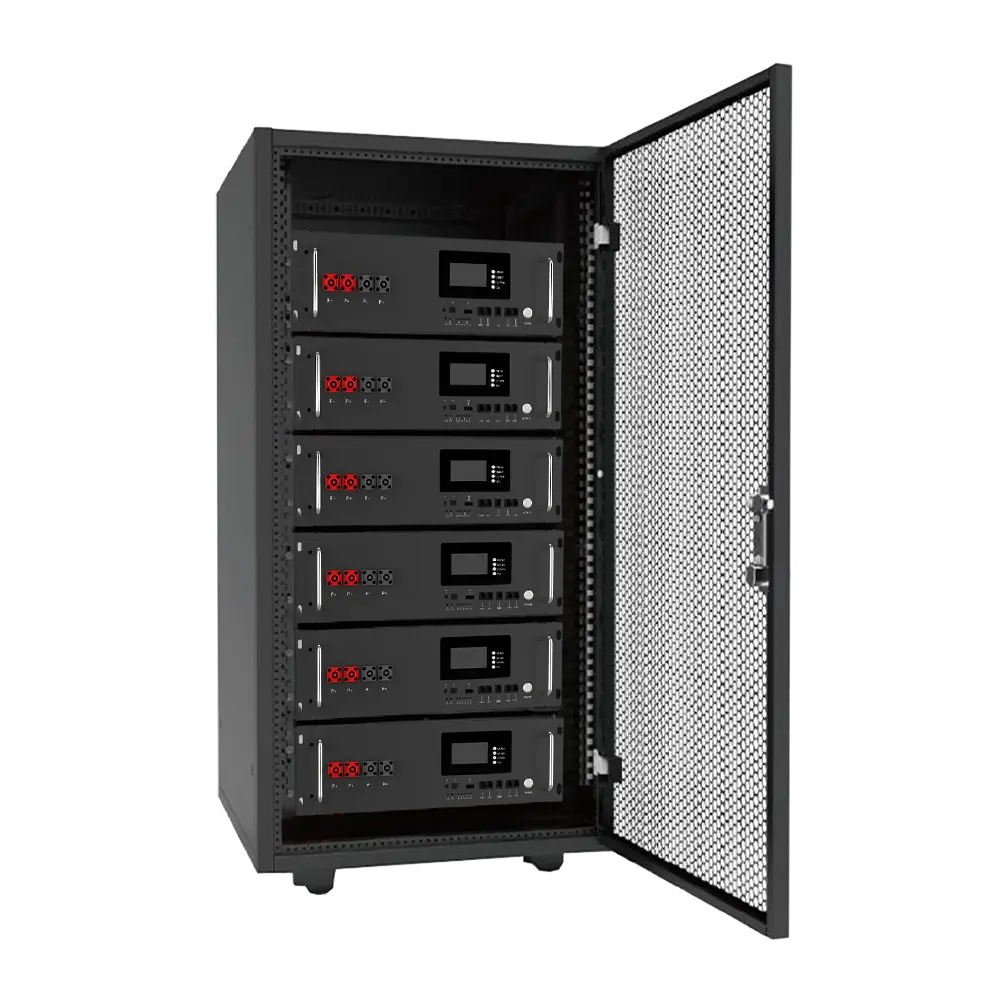
- Advanced Battery Storage: The PWRcell 2 serves as the heart of the system. This is where the energy captured by the panels is stored for later use, providing the \”resiliency\” needed during grid outages.
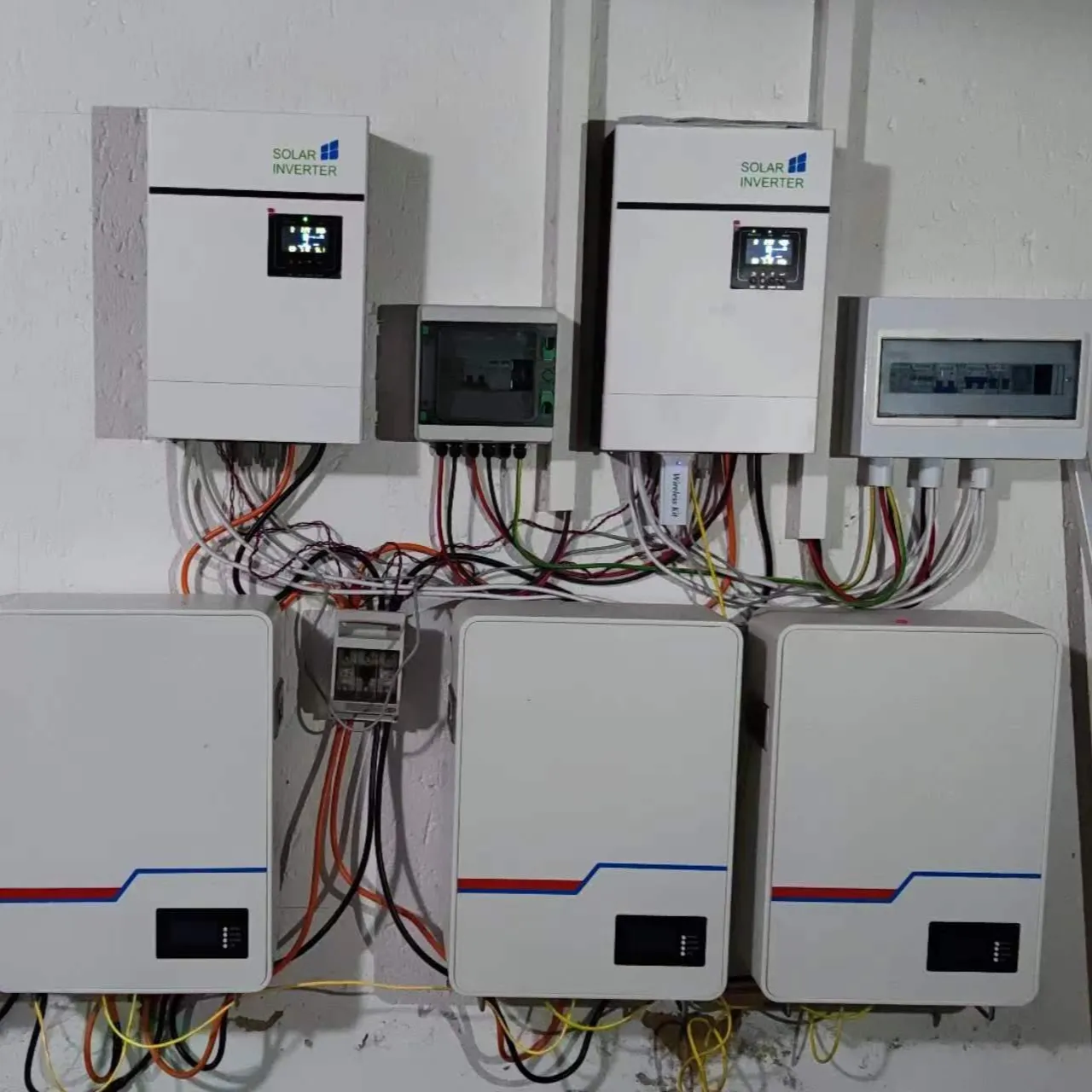
- Integrated Inverters: The Generac Solar Inverter manages the conversion and distribution of electricity, ensuring seamless integration between the solar panels, the battery, and your home’s electrical panel.
Energy Flow: From Generation to Independence
The primary goal of a home solar battery storage setup is to give you control over an unstable grid and rising electricity costs. The system manages energy flow dynamically:
- Capture: The PWRmicro captures solar energy during the day.
- Store: Excess energy is diverted to the PWRcell 2 rather than being sent back to the grid for pennies.
- Discharge: You use that stored power during peak rate hours for \”everyday savings\” or automatically switch to battery power during a blackout.
By integrating with smart home tools like ecobee, these systems allow you to \”power on your own terms,\” ensuring that your home remains running even when the aging utility grid fails.
Key Benefits of Adding Battery Storage to Your Home Solar Setup

Adding storage to your array transforms a simple power source into a comprehensive energy management tool. We see homeowners constantly battling rising electricity costs and an aging, unstable grid. By integrating a residential solar battery system, you move beyond just generating power to actually controlling it. You gain the ability to store the excess energy your panels produce during the day and deploy it when you need it most—giving you \”power on your own terms.\”
Financial Savings and Grid Independence
The most immediate impact we see is on the monthly bill. Instead of sending free solar energy back to the grid for pennies, you store it to power your home during peak hours when utility rates skyrocket. This load shifting is essential for maximizing ROI. Furthermore, a 5kw power energy storage solar system for home allows you to reduce your reliance on utility companies, insulating your household from unpredictable rate hikes.
Resilience and Future-Proofing
Beyond economics, this is about security. Grid outages are becoming more frequent, and a standard solar setup shuts down when the grid fails for safety reasons. With solar battery backup, you maintain resiliency. Your system detects the outage and instantly powers your critical loads—or your whole home—keeping you running while the rest of the neighborhood goes dark.
Core Advantages at a Glance:
| Benefit Category | Real-World Impact |
|---|---|
| Everyday Savings | Avoid peak time-of-use rates by using stored solar energy in the evening. |
| Energy Resilience | Keep lights, internet, and refrigeration running during grid failures. |
| Total Control | Monitor production and consumption to optimize your home battery storage without solar maintenance cost annual budget. |
| Ecosystem Ready | Prepare your home for future additions like EV charging and smart home integration. |
Types of Solar Batteries: Which Chemistry is Best in 2026?
When selecting a residential solar battery system, the internal chemistry defines both safety and long-term value. In 2026, Lithium Iron Phosphate (LFP) stands out as the dominant standard for home energy storage. We prioritize LFP because it offers superior thermal stability compared to older cobalt-based lithium-ion batteries, significantly reducing the risk of overheating while delivering the resilience needed for reliable home backup.
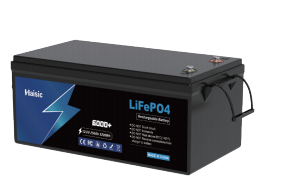
Longevity is the other critical advantage of LFP technology. These systems are capable of delivering over 6,000 charge cycles, ensuring the battery lasts as long as the rest of your solar array. While alternative chemistries like standard lithium-ion or emerging sodium-ion exist, they often lack the proven balance of safety and cycle life required for daily residential use. For homeowners seeking a durable solution that maximizes savings and independence, a high-performance lithium solar battery remains the best investment for a stable energy future.
Top Trends Shaping Residential Solar Batteries in 2026
The landscape of home energy is evolving rapidly, moving beyond simple backup power toward fully integrated, intelligent ecosystems. As we analyze the direction of the market, the focus is shifting heavily toward systems that offer complete energy autonomy and higher efficiency. Homeowners are no longer satisfied with just storing energy; they want a residential solar battery system that actively manages their usage to combat rising electricity costs and an increasingly unstable grid.
High-Performance Power Output
One of the most significant trends is the demand for higher power density and efficiency in solar capture. Modern setups are moving away from standard performance benchmarks. For example, innovations in microinverter technology, such as the PWRmicro, are now engineered to deliver up to 40% more power compared to traditional market leaders like the Enphase IQ8. This push for higher output ensures that users can harvest more energy from their panels, maximizing the potential of their storage systems even during shorter daylight hours.
Integrated Ecosystems and Smart Management
The days of piecing together incompatible components are fading. The industry standard is moving toward cohesive ecosystems where the solar inverter, battery storage, and even home standby generators communicate seamlessly.
- Holistic Control: Systems are now designed to work with smart home technologies, such as ecobee thermostats, allowing for automated load management.
- Resilience First: With grid outages becoming more frequent, the priority has shifted to \”power on your own terms.\” This means systems are built to provide true resiliency, integrating solar and storage to keep homes running when the grid fails.
- Customizable Independence: Solutions are becoming more tailored, allowing homeowners to choose between setups focused purely on \”savings\” or robust \”backup\” configurations depending on their specific energy goals.
ROI and Everyday Savings
Finally, the conversation is centering on financial return. Advanced systems are not just for emergencies; they are tools for daily economic advantage. By storing solar energy produced during the day and discharging it during peak rate hours or at night, homeowners are drastically reducing their reliance on utility companies. We are seeing real-world scenarios where optimized systems help users achieve a \”$0 bill,\” turning the search for the best battery storage for solar into a smart financial investment rather than just a luxury purchase.
Comparing Leading Residential Solar Battery Systems
Choosing the right residential solar battery system can feel like navigating a maze of tech specs and marketing jargon. To make this easier, I’ve broken down the top contenders dominating the market in 2026. Whether you are looking for a premium brand name or a pragmatic, cost-effective solution for energy independence, seeing the numbers side-by-side helps clarify the best path forward.
Below is a comparison of the heavy hitters like Tesla and Enphase against our own Haisic modular solutions, focusing on capacity, chemistry, and real-world value.
2026 Solar Battery Comparison Table
| Brand / Model | Capacity (kWh) | Power Output (kW) | Chemistry | Warranty | Key Features | Approx. Cost (Installed) |
|---|---|---|---|---|---|---|
| Tesla Powerwall 3 | 13.5 kWh | 11.5 kW (Continuous) | LFP | 10 Years | Integrated solar inverter, high surge power, sleek design. | $12,000 – $16,000 |
| Enphase IQ Battery 5P | 5.0 kWh | 3.84 kW | LFP | 15 Years | Distributed architecture, integrates seamlessly with microinverters. | $4,000 – $6,000 (per unit) |
| FranklinWH aPower | 13.6 kWh | 5 kW | LFP | 12 Years | Smart energy management (aGate), generator integration. | $15,000 – $18,000 |
| Bluetti EP900 | 9.9 – 19.8 kWh | 9 kW | LFP | 10 Years | Modular expansion, works well for off-grid setups. | $11,000 – $14,000 |
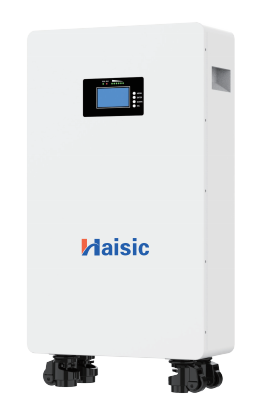
| Haisic Stackable Series | 5.12 – 30+ kWh | 5 – 10 kW | LFP | 10-15 Years | Highly modular/stackable, Grade A cells, budget-friendly scalability. | $8,000 – $12,000 |
\”Best For\” Scenarios: Finding Your Match
Not every home needs the same setup. Here is how these systems stack up based on specific energy goals:
- Best for Whole-Home Backup: Tesla Powerwall 3 and FranklinWH.
These systems are designed to carry heavy loads. If you need to run central air conditioning and heavy appliances during a blackout without thinking twice, their high continuous power output is a major advantage. - Best for Microinverter Systems: Enphase IQ Battery 5P.
If your solar panels already use Enphase microinverters, sticking to their ecosystem offers the smoothest communication and monitoring experience, though it often comes at a premium price per kWh. - Best for Budget-Friendly Scalability & Safety: Haisic Stackable LFP Battery.
We designed our systems for homeowners who want to start small and expand later. You can begin with a 5 kWh module to cover evening lights and Wi-Fi, then stack more units as your budget allows or as your family grows. Our focus is on LFP solar battery safety and affordability without the \”brand tax.\” For a complete setup, pairing these batteries with a reliable 5KW to 6KW pure sine wave power inverter ensures your home runs smoothly even when the grid goes down.
Why the Shift to Stackable Home Batteries?
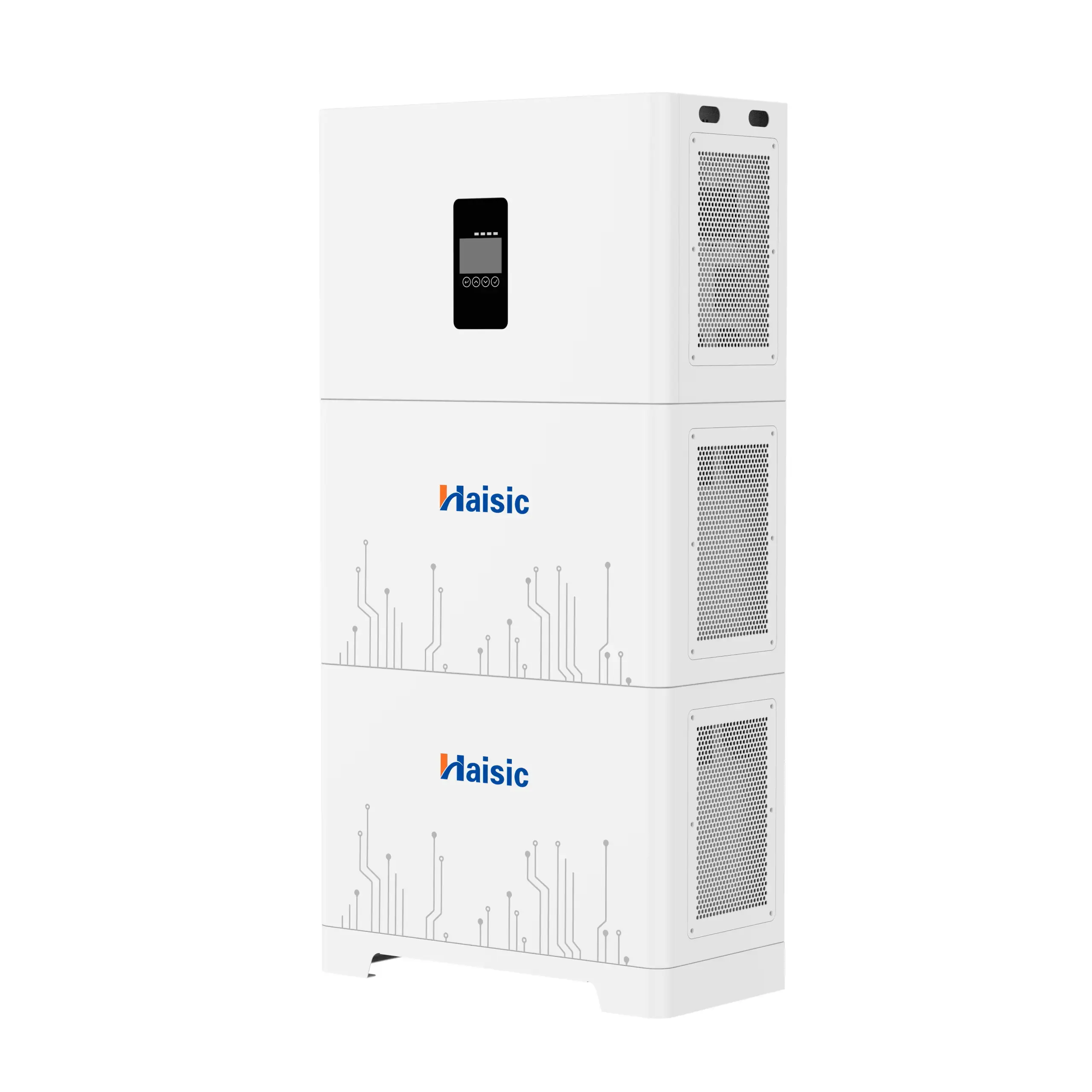
The trend in 2026 is clearly moving toward modularity. A stackable home battery allows you to customize your energy storage exactly to your consumption needs. Unlike rigid \”all-in-one\” boxes that force you to buy 13 kWh even if you only need 7 kWh, Haisic’s modular approach gives you control. This flexibility, combined with the longevity of Lithium Iron Phosphate chemistry, makes it easier to achieve a faster battery payback period while securing your home against outages.
If you are looking for a partner that understands both the manufacturing quality and the practical application of these systems, Haisic is a professional battery energy storage system company dedicated to providing robust, safety-first energy solutions for modern homes.
How to Size a Solar Battery System for Your Home
Sizing a residential solar battery system correctly is the difference between partial backup and true energy independence. You need to balance your home\’s energy appetite with your solar array\’s production capability. We know that efficient capture matters; using high-power microinverters that deliver up to 40% more power than standard competitors ensures you have enough surplus energy to fill your batteries effectively.
To determine the right capacity for your home solar battery storage, start by defining your primary goal: are you chasing everyday savings by storing free solar power for use during peak rates, or do you need resiliency to weather an unstable grid?
- Analyze Critical Loads: Identify which appliances must run during an outage (e.g., HVAC, refrigeration, medical devices).
- Calculate Daily Usage: Review your kilowatt-hour (kWh) consumption to see how long a battery can sustain you.
- Plan for Capacity: While average homes often start around 10-20 kWh, larger demands may require a robust 32kWh All-in-One Home Energy Storage System to ensure autonomy.
- Consult Experts: Since variables like \”depth of discharge\” and local weather patterns affect performance, we recommend getting a custom estimate from a certified installer to design a solution that lets you power your home on your own terms.
Costs, Payback Periods, and Available Incentives in 2026
investing in a residential solar battery system is a strategic financial move, not just an energy upgrade. In 2026, the average installed cost for a standard 10-15 kWh system typically ranges between $10,000 and $20,000. This price varies based on chemistry, brand, and installation complexity, but prices have stabilized significantly compared to previous years. For homeowners looking for substantial backup power, a Haisic 51.2V 20kWh LiFePO4 energy storage system provides a cost-effective balance of high capacity and durability within this investment bracket.
ROI and Battery Payback Period
The return on investment (ROI) for home solar battery storage has improved, with most systems now seeing a battery payback period of 5 to 10 years. This acceleration is driven by the widening gap between peak and off-peak electricity rates. By utilizing time of use savings, you can store free solar energy generated during the day and discharge it during expensive evening hours, effectively slashing your utility bill. High-capacity units, such as the Haisic 26.88kWh high voltage LiFePO4 home energy storage system, allow for aggressive load shifting, ensuring you rarely draw from the grid when rates are highest.
Maximizing Returns with Incentives
To further reduce the solar battery cost 2026, homeowners should leverage available financial programs:
- Federal ITC: The Investment Tax Credit currently allows you to claim 30% of the project cost as a tax credit.
- State Rebates: Many regions offer cash rebates specifically for energy storage, independent of solar panel incentives.
- Utility Programs: Some utility companies pay homeowners to access their battery during peak grid demand (Virtual Power Plants), creating a recurring revenue stream.
By combining these incentives with smart energy management, you secure residential energy independence while ensuring the system pays for itself efficiently.
Installation and Maintenance Essentials
Professional Installation vs. DIY
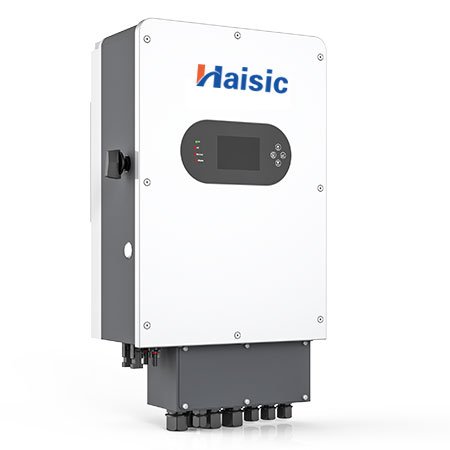
When investing in a residential solar battery system, the complexity of the technology makes professional installation non-negotiable. We rely on a nationwide network of trained and certified installers to ensure every system is deployed safely and correctly. Attempting a DIY setup can compromise the performance of high-voltage equipment and void warranties. For instance, properly integrating a 6-12kW IP65 hybrid solar inverter requires specialized knowledge of grid codes and electrical safety standards that only a certified technician can provide.
Site Placement and Permitting
A professional consultation is essential to determine the optimal location for your solar battery backup. Installers assess your home to decide whether indoor or outdoor placement offers the best protection and efficiency for the hardware.
- Permitting: Certified installers handle the complex permitting process required by local utilities.
- Integration: They ensure seamless communication between your solar panels, the solar energy storage system, and the grid.
- Safety: Proper placement mitigates thermal risks and ensures compliance with fire codes.
Maintenance and Support
Modern lithium iron phosphate battery systems are designed for longevity and low maintenance, but having reliable support is crucial. We back our technology with over 65 years of expertise in the backup power industry.
- US-Based Support: Access to a dedicated homeowner support team ensures that if questions arise, you get answers quickly.
- Smart Monitoring: Systems are often paired with apps (like ecobee) to track performance in real-time.
- Resilience: A professionally installed 10240Wh touchscreen energy storage system provides peace of mind, knowing your home is backed by a legacy of resilience and industrial-grade reliability.
Why Choose Haisic for Your Residential Solar Battery Needs
When you invest in a residential solar battery system, you aren\’t just buying hardware; you are securing energy resilience and independence for your home. At Haisic, we understand that homeowners need more than just backup power—they need a system that delivers everyday savings and protection against an increasingly unstable grid. Our commitment is to provide professional-grade energy solutions that put the power back in your hands.
Advanced LFP Technology for Maximum Safety
We prioritize safety and longevity by utilizing Lithium Iron Phosphate (LFP) chemistry in our battery cells. Unlike standard lithium-ion options, our LFP solar battery technology offers superior thermal stability and a significantly longer cycle life. This ensures that your investment stands the test of time, delivering reliable performance for years to come. Every unit is equipped with an advanced Battery Management System (BMS) that constantly monitors voltage, current, and temperature to optimize performance and prevent issues before they occur.
Scalable and Modular Design
We know that energy needs vary from home to home and can change over time. That is why we engineered our systems to be highly modular. You can start with a base capacity and easily expand your storage as your family grows or as you add high-load appliances like EVs. Our stackable energy storage battery allows you to customize your system size, starting from 5 kWh and scaling up to meet whole-home backup requirements without a complicated overhaul.
Haisic System Advantages
| Feature | Benefit |
|---|---|
| Chemistry | LiFePO4 (LFP) for enhanced safety and 6,000+ life cycles. |
| Scalability | Modular design allows you to add capacity easily as needs grow. |
| Compatibility | Seamless integration with major inverter brands for flexible installation. |
| Management | Smart BMS ensures optimal efficiency and protects battery health. |
| Cost Efficiency | High energy density and long lifespan maximize your ROI. |
Seamless Integration and Independence
Our systems are designed to work harmoniously with a wide range of solar setups. Whether you need a compact solution or a robust 15kWh LiFePO4 solar battery pack, our products integrate smoothly with existing solar arrays and major hybrid inverters. This compatibility ensures you can store excess solar energy generated during the day and use it during peak rate hours or grid outages, giving you true control over your energy bill and peace of mind during blackouts.
Frequently Asked Questions
Can I add a battery to existing solar?
Absolutely. You do not need to install a brand-new array to benefit from storage. A residential solar battery system can often be retrofitted to work with your current panels. This upgrade transforms your setup from a simple daytime energy producer into a complete energy management ecosystem. By capturing the excess power you are already generating, you gain the ability to use that clean energy on your own terms, rather than just sending it back to the grid.
How long do backups last?
The duration depends on your battery capacity and your home\’s energy consumption. A properly sized solar battery backup is designed to power your home through the night or keep critical appliances running during a multi-day outage. The goal is resiliency; by managing your heavy loads and prioritizing essentials, you can extend your runtime significantly. It is about having the control to outlast the outage and maintain comfort when the grid goes down.
Are they worth it without solar?
Yes, particularly for energy independence and financial control. Even without solar panels, home lithium battery storage provides value by charging from the grid during off-peak hours when rates are low and discharging during peak times when electricity is expensive. This load-shifting strategy delivers everyday savings. Furthermore, in areas with an aging or unstable grid, having a standalone battery ensures you are never left in the dark, regardless of solar production.