











Understanding 12V Lithium Batteries
When people ask me about upgrading to a 12 volt lithium battery, they usually want three things: more usable power, less weight, and less hassle. To make a good decision, you need a simple, clear view of how a 12V LiFePO4 battery works and where it fits compared with other chemistries.
How a 12V LiFePO4 Battery Works
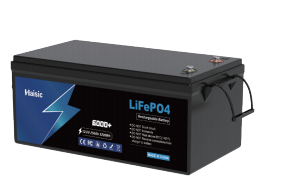
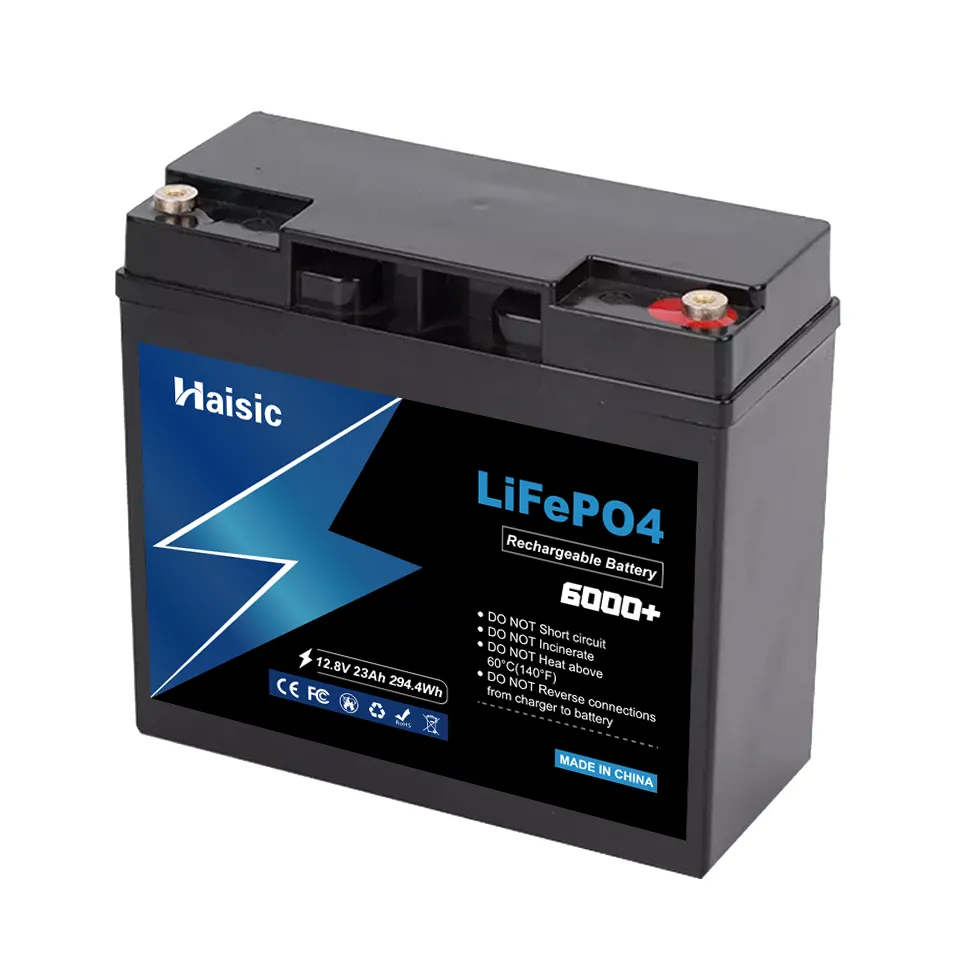
Most high‑quality 12v lithium battery products today use LiFePO4 (lithium iron phosphate) cells. Inside a typical 12 volt lithium ion battery:
Cells in series:
- 4 LiFePO4 cells are connected in series
- Each cell is about 3.2V nominal
- 4 × 3.2V ≈ 12.8V nominal (what we call a “12V” battery)
From cells to pack:
- Cells are grouped into a battery pack
- A built‑in BMS (Battery Management System) monitors and protects the pack
- The result is a 12v rechargeable lithium battery that’s safe, efficient, and ready as a drop‑in lithium replacement for many lead‑acid systems
You may see the same product described as 12v LiFePO4 battery, 12 volt LiFePO4 deep cycle, or lithium iron phosphate 12v – these all refer to the same core chemistry.
Nominal Voltage and Typical 12V Lithium Capacity
A 12v lithium ion battery has a nominal voltage around 12.8V, and it maintains a much flatter voltage curve than lead‑acid:
- Nominal voltage: 12.8V (often listed as 12V)
- Common capacity ranges:
- 50Ah–60Ah – light camping, small trolling motors
- 100Ah lithium battery (12v 100Ah LiFePO4) – the most common size for RVs, boats, and small off‑grid setups
- 150Ah–200Ah (12v 200Ah lithium battery) – larger RVs, bigger trolling motors, and heavier off‑grid loads
- 300Ah+ – high‑capacity 12v battery bank and off-grid lithium battery systems
Most users will build around 1–4 packs depending on their needs, either as a single lightweight 12v battery or combined into a larger 12v solar battery or house bank.
LiFePO4 vs Other 12V Lithium Chemistries (NMC, LCO)
Not all 12 volt battery lithium chemistries behave the same. For stationary and mobile power, I strongly favor LiFePO4 over NMC or LCO:
LiFePO4 (LFP):
- Very stable and inherently safer
- Lower risk of thermal runaway and fire
- Long cycle life – ideal as a long life lithium battery and deep cycle lithium battery
NMC / LCO:
- Higher energy density (used in power tools, EVs, some compact packs)
- More sensitive to abuse and higher thermal risk
- Less common as a robust 12v lithium RV battery or 12v lithium marine battery for deep cycling
For 12v lithium solar storage, lithium battery for RV, trolling motor battery 12v, and 12v lithium boat battery, LiFePO4 vs AGM battery is the real comparison, not NMC or LCO.
Deep Cycle 12V Lithium vs Starter Batteries
You’ll see two main types of 12v lithium battery products on the market:
Deep cycle 12 volt lithium battery:
- Designed for slow, steady discharge over many hours
- Ideal for RV house batteries, 12v lithium trolling motor battery, 12v solar battery, marine lithium battery, golf carts, and off-grid lithium battery banks
- High cycle life and high usable capacity at 80–100% depth of discharge
12v lithium starter battery:
- Built to deliver very high current for a short burst to crank engines
- Not optimized for repeated deep discharges
- Common as a lightweight replacement for traditional starter batteries, but not for running loads all day
In my own designs, I build BMS protected lithium battery packs specifically for deep cycle use. That means they are optimized as 12v lithium RV battery, 12v lithium marine battery, 12v lithium solar storage, and portable 12v rechargeable lithium systems rather than engine starting. Understanding this difference helps you choose a battery that actually matches your real‑world use.
Benefits of a 12 Volt Lithium Battery
Lighter, Smaller, More Power-Dense
A 12 volt lithium battery (especially a 12V LiFePO4) packs more energy into less weight and volume than lead-acid.
- Up to 60–70% lighter than AGM or gel
- Compact size = more storage space in your RV, boat, or camper
- Easier to lift, mount, and move for off‑grid and camping setups
Long Cycle Life & Real Lifespan
A quality 12v LiFePO4 battery is built for thousands of cycles, not hundreds.
| Battery Type | Typical Cycles (80% DoD) | Real‑World Life* |
|---|---|---|
| Flooded / AGM lead-acid | 300–600 | 2–3 years |
| Standard lithium ion | 800–1,000 | 3–5 years |
| LiFePO4 12v lithium | 3,000–6,000+ | 8–15 years |
*With correct charging and installation.
This is why a long life lithium battery usually pays back its cost over time.
Usable Capacity & Deep Discharge
With a deep cycle lithium battery, you can safely use more of the rated capacity:
- Lead-acid: only 50% usable if you want decent life
- 12v LiFePO4: 80–100% usable capacity
- A 12v 100Ah LiFePO4 gives close to 100Ah usable, while a 100Ah AGM feels like 50Ah in real use
Result: more runtime for fridges, inverters, trolling motors, and solar loads from the same “Ah” rating.
Fast Charging, High Efficiency, Stable Voltage
A BMS‑protected lithium battery charges faster and wastes less power:
- Can handle higher charge current (with the right charger)
- ≈95–98% efficiency vs ≈80–85% for lead-acid
- Holds a stable 12.8–13.2V under load, so motors run stronger and inverters don’t cut out early
If you want a compact pack that charges hard and delivers steady power, look at a dedicated 12V 70Ah LiFePO4 deep cycle battery like this 12V 70Ah lithium pack for RV and solar.
Maintenance‑Free & Low Self‑Discharge
A 12v rechargeable lithium battery is basically “set and forget”:
- No topping up water, no venting, no equalization charging
- Very low self‑discharge (typically 2–3% per month)
- Ideal for seasonal use in boats, RVs, golf carts, and backup systems
Store it charged, disconnect loads, and your 12 volt LiFePO4 deep cycle battery will be ready when you are.
12V Lithium Battery Features to Compare
When you’re choosing a 12 volt lithium battery, the details on the spec sheet matter. Here’s what I always compare before buying or installing.
1. BMS Protection in 12V Lithium Packs
A BMS‑protected 12v LiFePO4 battery is non‑negotiable.
Key protections your BMS should have:
- Over‑charge / over‑discharge cut‑off
- Over‑current / short‑circuit protection
- High / low temperature protection
- Cell balancing for long life
- Optional: Bluetooth / smart BMS to monitor SOC, cycles, and faults
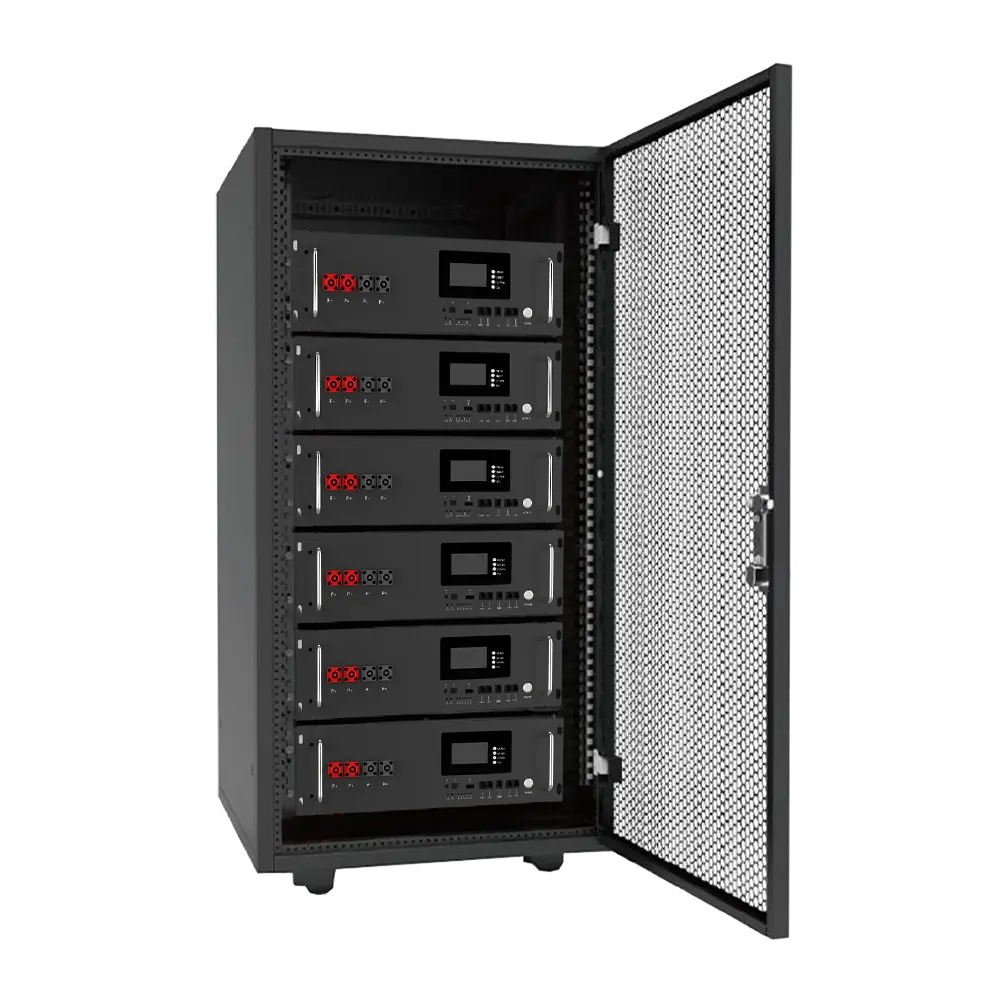
If you’re building multi‑kilowatt systems, look for packs built with the same thinking as full battery energy storage systems from professional suppliers, not hobby‑grade boards.
2. Low‑Temperature & Cold‑Weather Use
Lithium iron phosphate (LiFePO4) doesn’t like charging below 0°C. A good 12v rechargeable lithium pack should clearly state its temperature range.
Check for:
- Charging range: e.g. 0–45°C (or lower for self‑heating models)
- Discharge range: often –20°C or better
- Low‑temp cut‑off: BMS stops unsafe charging
- Self‑heating function: some packs warm themselves before charging
If you camp or boat in cold climates, prioritize self‑heating 12v lithium batteries with clear cold‑weather specs.
3. Capacity & Discharge Current Specs
Don’t just look at Ah. Look at how hard the battery can work.
| Spec | What to Check |
|---|---|
| Capacity (Ah) | 50Ah–300Ah+ (e.g. 12v 100Ah LiFePO4, 12v 200Ah lithium) |
| Continuous discharge | Must cover your max load (inverter, trolling motor, etc.) |
| Peak discharge | 2–3× continuous for motor/startup surges |
| Recommended DOD | 80–100% usable for deep cycle lithium battery use |
Match these numbers to your inverter, trolling motor, or RV DC loads so the battery isn’t the bottleneck.
4. Series & Parallel Connections
If you plan to build a 12v battery bank for 24V, 36V, or 48V systems, the pack must explicitly support it.
Look for on the datasheet:
- Series support: e.g. “Up to 4 in series” for 48V systems
- Parallel support: e.g. “Up to 4 in parallel” for higher Ah capacity
- Mixing rules: same model, age, and SOC when connecting
- Use cases: off‑grid lithium battery, marine, solar, golf cart, etc.
For higher‑voltage projects, I use dedicated packs (like 72V or 128V LiFePO4 systems) from storage specialists instead of pushing 12V too far in series.
5. Safety Certifications & Warranty
A 12 volt lithium ion battery is a long‑term asset, so I want proof it’s built right.
Minimum things I check:
- Cell & pack certifications:
- UN38.3 (transport safety)
- IEC / UL standards relevant to lithium iron phosphate 12v batteries
- Build quality: Grade‑A cells, robust casing, secure busbars
- Warranty: 5–10 years for a quality 12v LiFePO4 battery
- Cycle life: 3,000+ cycles at 80% DOD (true long life lithium battery)
- Real reviews: users running them in RVs, boats, solar, trolling motors
A good 12 volt LiFePO4 deep cycle battery isn’t just about Ah; it’s about protection, temperature performance, connection flexibility, and a warranty that actually means something.
12V Lithium Battery Applications
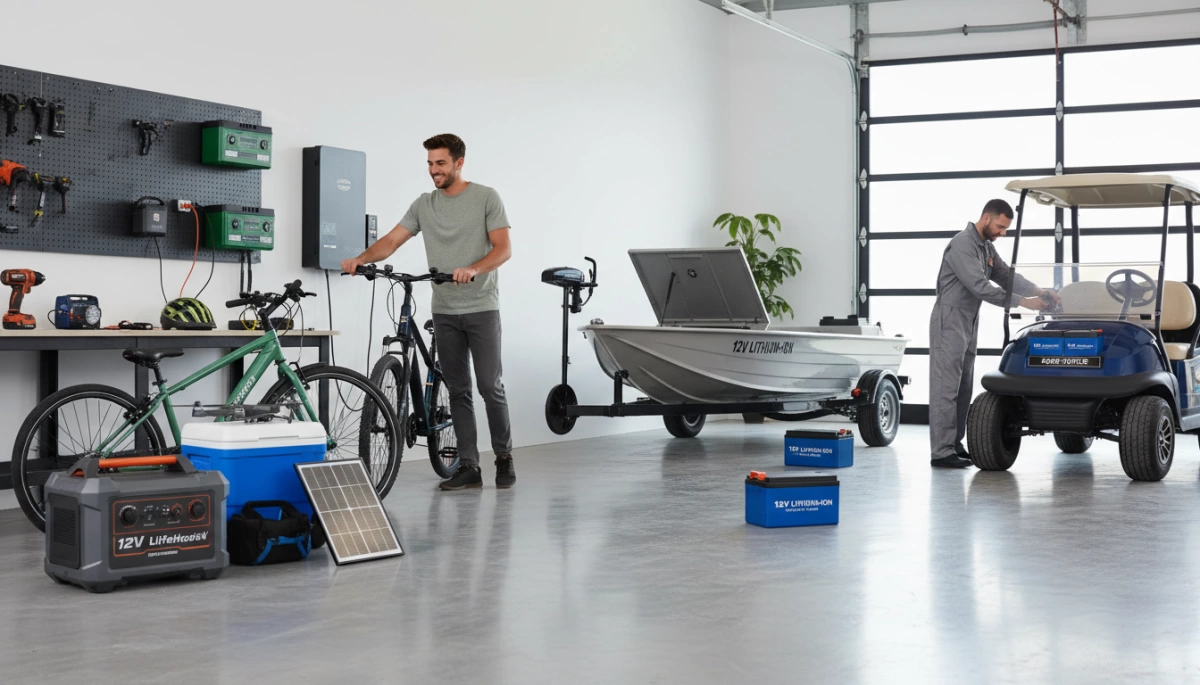
A 12 volt lithium battery (LiFePO4) fits almost every DC setup people actually use in daily life. It’s light, safe, deep cycle, and works as a true drop‑in lithium replacement for old lead‑acid in most 12V systems.
12V lithium battery for RV and camper house batteries
For RVs, campervans, and overland rigs, a 12v LiFePO4 battery is the best upgrade you can make:
- Much lighter than AGM, so you stay under weight limits
- Stable voltage for fridges, inverters, and 12V electronics
- Deep cycle use with up to 80–100% usable capacity
- Perfect as a 12v lithium RV battery for full‑time or weekend travel
Pairing a 12v lithium battery for campervan with rooftop solar turns your rig into a quiet, off‑grid cabin on wheels.
12V lithium battery for marine and trolling motors
On boats and kayaks, weight and reliability matter more than anything:
- A 12v lithium marine battery cuts huge weight vs lead‑acid
- Consistent thrust and longer run time for 12v lithium trolling motor batteries
- Low self‑discharge for seasonal use and storage
- Better vibration resistance and no acid leaks near salt water
For serious fishing, a lightweight 12v battery on the trolling motor means more range and less hassle.
12V lithium battery for solar and off‑grid energy storage
A 12v solar battery is ideal for small cabins, tiny homes, telecom systems, or backup power:
- High efficiency charging from solar controllers
- Long cycle life makes it a true off‑grid lithium battery
- Works as part of a 12v battery bank or scaled up to higher voltages
- Stable output for inverters, routers, cameras, and lights
For larger residential or commercial systems, we move up to higher‑voltage storage like our stackable LiFePO4 energy storage batteries or commercial‑grade solar storage solutions that build on the same core lithium technology (best battery storage for solar).
12V lithium battery for golf carts and mobility devices
A 12 volt LiFePO4 deep cycle setup works great in:
- Golf carts (multiple 12V packs in series for 36V / 48V carts)
- Mobility scooters and wheelchairs
- Light neighborhood vehicles and utility carts
Compared to lead‑acid, you get faster charging, more usable range, and a true long life lithium battery you don’t have to baby.
Portable 12V power, camping, and backup
For camping, work sites, and emergency backup, a 12v rechargeable lithium pack gives you:
- Clean, quiet power vs gas generators
- Safe indoor use for lights, fans, laptops, and CPAP machines
- Reliable 12v lithium ion battery performance in grab‑and‑go power boxes
Whether it’s a portable 12V power station, a DIY 12V box, or a small off‑grid kit, a BMS protected lithium battery at 12V is the most flexible and future‑proof way to power your gear.
12V Lithium vs Lead Acid Batteries
Performance: Weight, Size & Usable Capacity
When you swap a lead‑acid for a 12 volt lithium battery (especially a 12V LiFePO4 deep cycle), the difference is obvious:
- Weight: A 12v 100Ah LiFePO4 battery is usually 50–70% lighter than a 100Ah AGM or gel battery. For RVs, boats, golf carts, and campervans, that weight savings is huge.
- Size: A lightweight 12v battery is also more compact, freeing up space for gear, water tanks, or extra storage.
- Usable capacity:
- Lead acid: only 40–50% usable if you want decent lifespan.
- 12v lithium ion battery / LiFePO4: 80–100% usable without hurting the battery.
So a 12v 100Ah LiFePO4 often delivers similar real‑world runtime as a 12v 200Ah lead‑acid bank, but in a smaller, lighter, drop-in lithium replacement.
Charge Time, Efficiency & Voltage Drop
A 12 volt lithium ion battery charges faster and wastes less power:
- Charge time: With a proper lithium charger, a 12v rechargeable lithium pack charges 2–4x faster than lead acid.
- Efficiency: LiFePO4 sits around 95–98% round‑trip efficiency vs ~80–85% for lead acid. You get more usable energy from every watt of solar or shore power.
- Voltage under load: Lithium iron phosphate 12v batteries keep a stable voltage until almost empty, so inverters, fridges, and trolling motors run stronger, longer. Lead‑acid voltage sags early under heavy loads.
Cycle Life & Total Cost of Ownership
Deep cycle 12v lithium batteries crush lead acid on lifespan and payback:
- Cycle life:
- Lead acid (AGM, gel): ~300–600 cycles at 50% depth of discharge.
- 12v LiFePO4 battery: 3,000–6,000+ cycles at 80% depth of discharge.
- Cost per cycle:
- Lithium is higher upfront, but when you divide cost by cycles, a long life lithium battery usually beats any AGM or flooded lead acid.
- Real payback: Over a few years of daily use in RV, marine, off-grid lithium battery banks, or 12v solar battery setups, lithium typically pays for itself in fewer replacements, less downtime, and higher usable capacity.
For larger home and off‑grid systems, the same logic applies to high‑voltage LiFePO4 solutions like a 512V 20kWh LiFePO4 energy storage system, which scale the same efficiency and cycle‑life advantages.
Environmental Impact, Recycling & Safety
Lithium vs lead acid isn’t just about performance – it’s also about safety and sustainability:
- Lead acid:
- Contains toxic lead and acid.
- Recycling is widespread but energy‑intensive, and spills are messy.
- 12v LiFePO4 / lithium iron phosphate:
- No free lead or liquid acid; far lower risk of leaks and corrosion.
- Much longer life means fewer batteries manufactured and disposed of over time.
- Chemically more stable than NMC or LCO, with a much lower fire risk when paired with a BMS protected lithium battery.
For anyone running an RV lithium battery setup, a 12v lithium marine battery, or a 12v solar storage bank, choosing LiFePO4 over lead acid means less weight, more energy, longer life, and cleaner operation over the full life of the system.
Choosing the Right 12 Volt Lithium Battery
How to size a 12V lithium battery (simple Ah math)
I always start with the numbers, not the guesswork. To size a 12 volt lithium battery:
- List your loads (W): fridge, lights, pump, inverter, fish finder, etc.
- Estimate daily run time (hours).
- Use the formula:
Ah = (Total Watts × Hours per day) ÷ 12V ÷ 0.9 (0.9 allows for inverter and wiring losses).
Example:
- 60W fridge × 10h = 600Wh
- 20W lights × 5h = 100Wh
Total = 700Wh
700 ÷ 12 ÷ 0.9 ≈ 65Ah per day → choose at least a 100Ah lithium battery for margin.
For bigger off‑grid or home setups, I usually recommend stepping up to a full lithium battery bank (48V+). A good example is a modular LiFePO4 solar battery pack like this 51.2V 100Ah system, which scales cleanly for higher loads.
Matching 12V lithium batteries with chargers and inverters
A 12V LiFePO4 battery is not plug‑and‑pray. Match the system properly:
- Charger must support LiFePO4 profile
- Bulk/absorption: 14.2–14.6V
- Float: 13.4–13.8V (or disabled for some BMS designs)
- Max charge current: usually up to 0.5C–1C (50–100A for a 100Ah battery). Never exceed the spec on the label.
- Inverter size:
- Check continuous discharge current of the battery vs inverter wattage.
- Rough rule: 1000W inverter needs ~80–100A continuous at 12V, so pick a BMS protected lithium battery that can handle that.
Picking 12V lithium for RV, boat, solar, or trolling motor
Each use case leans to a different spec:
Lithium battery for RV / campervan
- Go for a 12v LiFePO4 deep cycle (100Ah–280Ah).
- Prioritize: built‑in BMS, low‑temp cutoff/heat, Bluetooth (nice to have), vibration resistance.
12v lithium marine battery / trolling motor battery 12v
- High continuous discharge and strong IP/anti‑corrosion design.
- Make sure it’s rated as a 12v lithium trolling motor battery and supports series if you run 24V/36V motors.
12v solar battery / off‑grid lithium battery
- Look for cycle life (3000+ cycles) and good low‑temperature performance.
- If you plan to grow later, consider moving to a 48V LiFePO4 pack like a 15kWh solar battery system and keep 12V only for small DC loads.
Price vs value: premium vs budget brands
With 12V lithium batteries, cheap can be very expensive later:
Premium / higher‑end
- Grade‑A LiFePO4 cells
- Smart BMS (balanced cells, accurate SOC)
- Tested to real capacity (100Ah is actually 100Ah)
- 5–10 year warranty, real support
Budget / ultra‑cheap
- Capacity often under‑rated
- Weak BMS (early cut‑offs, poor protection)
- Short or vague warranty, no clear test data
I focus on cost per cycle, not just purchase price. A solid 12v 100Ah LiFePO4 that lasts 3000+ cycles usually beats a cheap one that dies in 800.
Common mistakes when buying a 12V lithium battery
Avoid these and you’ll save money and hassle:
- Buying only by Ah and price
- Not checking discharge current, BMS specs, or real test reports.
- Ignoring charger compatibility
- Using a lead‑acid charger that never reaches proper LiFePO4 voltage.
- Overlooking BMS details
- No low‑temp cutoff, no cell balancing, or no short‑circuit protection.
- Wrong chemistry for the job
- Using a generic “12 volt lithium ion battery” instead of a 12 volt LiFePO4 battery for deep‑cycle use.
- No plan for expansion
- Buying a battery that can’t be put in series/parallel when you know you’ll want 24V/36V later.
If you size the system by your real loads, match the right charger/inverter, and don’t cheap out on the BMS and cell quality, your 12v lithium battery setup will run hard, last long, and pay itself back over time.
Installing and Using a 12 Volt Lithium Battery (LiFePO4)
Step‑by‑step 12V lithium battery installation basics
Installing a 12 volt lithium battery (LiFePO4) is simple if you follow a few basics:
Plan your system
- Confirm voltage: 12v lithium battery bank, not mixed with lead acid.
- Check max charge/discharge specs and fuse sizes.
- Make sure cabling and bus bars can handle your inverter or trolling motor load.
Mount the 12v LiFePO4 battery
- Install in a dry, ventilated area, away from direct heat and spray.
- Secure it firmly so it won’t move in an RV, boat, or off‑road vehicle.
- Keep access to terminals and BMS reset/button if present.
Wire safely
- Disconnect all chargers and loads before wiring.
- Use correct polarity: positive to positive, negative to negative.
- Use the right gauge cable, quality crimp lugs, and a main fuse close to the battery.
- For a 12v battery bank in parallel, use same model and age batteries and balance cable lengths.
Power‑up and test
- Check resting voltage with a multimeter (around 13.1–13.4V for a full LiFePO4).
- Turn on loads slowly and monitor for heat, unusual noise, or BMS cut‑off.
- If you’re planning to expand later to 24V or higher, match your wiring style to larger rack systems like our 48V 100Ah LiFePO4 rack battery packs from day one.
Best charging practices for 12V LiFePO4 batteries
To get long life from your 12 volt lithium ion battery (LiFePO4):
Use a LiFePO4‑compatible charger
- Set bulk/absorption to 14.2–14.6V (check your battery spec sheet).
- Set float to 13.4–13.6V or turn float off if your charger allows.
- Never use an old “desulfation” or equalization mode made for lead acid.
Match charger size to your battery
- Typical safe charge rate: 0.2C–0.5C (e.g., 20–50A for a 100Ah lithium battery).
- Keep alternator charging controlled with a DC‑DC charger if you’re in an RV or campervan.
General charging tips
- It’s fine to stop charging at 80–90% for longer cycle life.
- Don’t worry about full discharge cycles; deep cycle lithium battery tech is built for 80–100% depth of discharge, but avoid hitting 0% regularly.
- If the BMS cuts off, remove load/charger, let it rest, then recharge correctly.
Storage tips and cold‑weather care for 12V lithium
Your 12v rechargeable lithium battery can handle global climates if you treat it right:
For long‑term storage
- Store around 40–60% state of charge (≈13.0V).
- Disconnect all loads and chargers, or use a master switch.
- Check voltage every 3–6 months; recharge if it drops near 12.8V.
Cold‑weather use
- Most 12v lithium batteries should not be charged below 0°C (32°F) unless they have self‑heating or low‑temp charge protection.
- You can usually discharge down to –20°C, but expect reduced capacity and power.
- If your climate is harsh, look for a BMS protected lithium battery with built‑in heaters or low‑temperature charging cut‑off.
Heat management
- Avoid installing next to engines or enclosed in unvented metal boxes.
- Continuous high temperatures shorten life for any long life lithium battery.
Troubleshooting common 12V lithium battery problems
Most 12 volt LiFePO4 deep cycle issues come down to BMS protection or wiring:
Battery suddenly shuts off
- Likely BMS protection: over‑current, over‑voltage, under‑voltage, or temperature.
- Fixes:
- Reduce load (inverter too big, trolling motor spikes too high).
- Check charger voltage; make sure it isn’t exceeding 14.6V.
- Let the battery warm up if it’s below 0°C and then retry.
Battery won’t charge
- Check charger is set to 12V lithium / LiFePO4 mode.
- Verify voltage at terminals; if very low, the BMS may be in protection.
- Disconnect everything, wait a few minutes, then reconnect a proper LiFePO4 charger.
Voltage drops quickly
- Confirm actual capacity and your load in amps (a small 50Ah 12 volt lithium battery won’t happily feed a huge inverter).
- Look for loose or corroded connections, undersized cables, or bad fuses.
- If the battery is old and heavily cycled, capacity loss may be real.
Paralleled batteries not behaving the same
- Make sure they’re the same brand, model, and age.
- Top‑balance: charge each 12v lithium battery fully on its own before reconnecting in parallel.
- Use equal‑length cables for each battery to the bus bars.
If you follow these basics, a 12 volt LiFePO4 battery becomes a reliable, low‑maintenance power source for RVs, boats, off‑grid solar, trolling motors, and backup power with minimal hassle.
Working With a 12 Volt Lithium Battery Supplier
What to look for in a 12V lithium battery manufacturer
When I choose a 12 volt lithium battery supplier, I focus on who actually builds stable, safe packs at scale, not just who has the lowest price.
Key things I always check:
- Core focus on LiFePO4 – A serious manufacturer should specialize in 12V LiFePO4 deep cycle batteries, not just re-label generic packs. Look for proven 12v LiFePO4 battery lines (100Ah, 200Ah, 300Ah, etc.).
- Engineering capability – They should design their own BMS, pack structure, and 12v battery lithium systems, not just assemble cells.
- Traceable cells – Use of grade‑A lithium iron phosphate 12v cells with clear data sheets, batch tracking, and long life performance.
- Scalable solutions – From a single 12v lithium ion battery to larger systems like a 12v battery bank or modular packs that scale into higher voltage storage such as a 128V 280Ah LiFePO4 battery pack.
If a supplier can’t clearly explain how their 12 volt lithium battery is designed and built, I walk away.
Why BMS design, cell quality, and testing matter
A 12v lithium battery is only as good as its weakest part: usually the BMS or the cells.
What matters most:
Smart BMS design
- Over‑charge, over‑discharge, over‑current, short‑circuit, and over‑temp protection
- Proper low‑temp cut‑off for safe charging below 0°C
- Balanced cells for long life and consistent performance
A BMS protected lithium battery isn’t optional – it’s the core safety layer.
Cell quality
- Use of grade‑A LiFePO4 cells with high cycle life (4,000–6,000+ cycles)
- Consistent internal resistance and capacity matching across the pack
- Proven performance in deep cycle lithium battery use (RV, marine, solar, trolling motors)
Testing & certification
- Each 12v rechargeable lithium pack should be tested under load, not just voltage‑checked
- Look for certifications and standards testing that align with your region and industry
- For bigger systems or off‑grid lithium battery projects, I prefer suppliers that also build larger tested systems like a 256V LiFePO4 battery pack with 6000‑cycle life.
Good BMS + good cells + real testing = safe, long‑life 12v lithium batteries.
Support, warranty, and real‑world feedback
With 12 volt lithium ion batteries, after‑sales support is just as important as specs on paper.
I always check:
Clear warranty terms
- 5–10 year warranty is standard for a quality long life lithium battery
- Transparent conditions on cycle life, capacity retention, and what voids the warranty
Tech support that actually answers
- Real engineers who can help with sizing a 12v lithium RV battery, a 12v lithium marine battery, 12v solar battery bank, or a trolling motor battery 12v setup
- Quick help on BMS resets, wiring, and parallel/series setups
Real‑world user feedback
- Reviews from RV owners, boat users, off‑grid solar installs, and trolling motor users
- Feedback on how the 12v lithium battery behaves under heavy loads, cold weather, and long‑term cycling
If a supplier stands behind their 12v lithium battery with strong warranty, honest support, and proven field performance, that’s a partner I trust and stick with.